

When an animal growls, it’s communicating something significant—but what exactly? From the rumbling warning of a threatened dog to the vibrating purr-growl of a contented cat, animal vocalizations carry nuanced messages that have evolved over millennia. These sounds serve as a complex language that helps creatures navigate their environments, establish social hierarchies, find mates, and protect themselves from threats. Understanding these acoustic signals doesn’t just satisfy our curiosity—it can enhance our relationships with pets, improve wildlife conservation efforts, and potentially keep us safer in animal encounters. By learning to interpret what animals are telling us through their vocalizations, we open a window into their emotional and physical states, needs, and intentions.
The Science Behind Animal Vocalizations
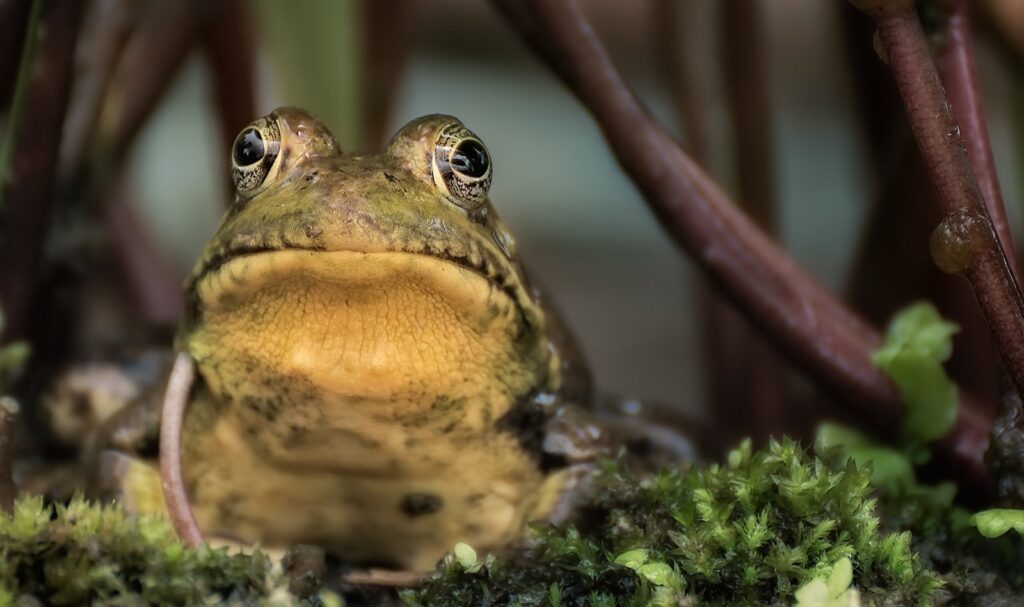
Animal sounds are produced through specialized anatomical structures that vary widely across species. In mammals, the larynx (voice box) contains vocal folds that vibrate as air passes through, creating sound waves that are then shaped by the throat, mouth, and nasal cavities. Birds possess a unique organ called the syrinx, located at the junction of their trachea and bronchi, allowing for remarkably complex vocalizations and even the ability to produce two different sounds simultaneously. Amphibians like frogs have vocal sacs that amplify their calls, while insects create sounds through mechanical means such as stridulation—rubbing body parts together. These anatomical differences explain why a lion’s roar can travel up to five miles, why wolves can communicate across vast territories, and why a tiny cricket’s chirp can be heard throughout a quiet room.
Decoding the Dog Growl

A dog’s growl is a multifaceted communication tool that conveys far more than simple aggression. Acoustic analysis has revealed that dogs produce different types of growls depending on the context—a play growl sounds distinctly different from a defensive or food-guarding growl. Research from the Family Dog Project at Eötvös Loránd University demonstrated that dogs can actually distinguish between these different growl types, responding more cautiously to threatening growls than playful ones. The pitch, duration, and harmonic structure of a growl provide information about the dog’s size, intention, and emotional state. Low-pitched, sustained growls typically signal serious warnings, while higher-pitched, shorter growls might indicate fear or uncertainty rather than aggression. Learning to distinguish these subtle variations can help dog owners respond appropriately to their pet’s emotional needs.
Cat Communication: Beyond the Meow

While cats are known for their meows, they produce a diverse repertoire of sounds including growls, which serve distinct purposes in feline communication. A cat’s growl is typically a low-pitched, sustained sound produced when the animal feels threatened or wants to assert dominance. Unlike dogs, cats rarely growl during play, making this vocalization a more reliable indicator of discomfort or potential aggression. Interestingly, domestic cats have evolved vocalizations specifically for communicating with humans that wild cats don’t typically use, suggesting a co-evolutionary adaptation to living with people. Researchers have identified at least 16 distinct cat vocalizations, each with its own meaning—from the familiar purr of contentment to the chirping sound cats make when spotting prey. Understanding these nuances helps cat owners respond appropriately to their pets’ needs and avoid potentially dangerous misunderstandings.
Wild Predators: Growls as Survival Tools
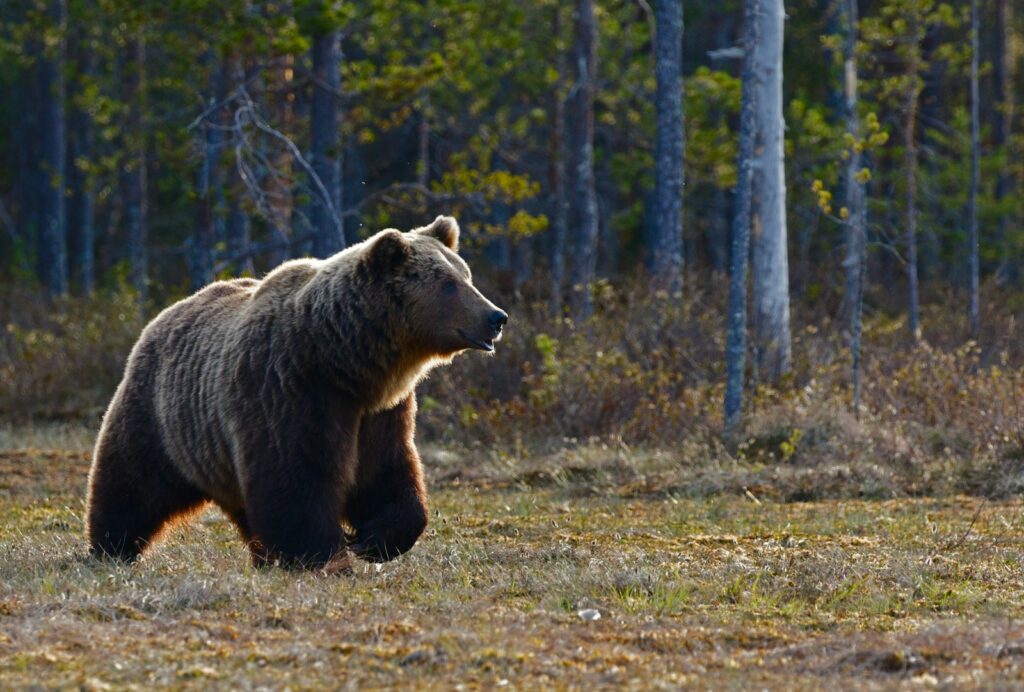
In the wild, predatory mammals use growls as essential tools for survival and social organization. Lions, for example, employ different growl patterns depending on whether they’re warning off competitors, communicating with pride members, or preparing to attack prey. Wolf packs maintain complex social structures partly through vocal communications, with growls serving to reinforce hierarchies without resorting to physical confrontations. Bears use growls not only as warnings to potential threats but also during mating rituals and mother-cub interactions. For these animals, vocalizations serve multiple evolutionary purposes: they help establish territory boundaries without energy-costly physical confrontations, coordinate group hunting activities, and warn offspring of dangers. The acoustics of these growls have evolved to carry specific distances and convey particular information relevant to each species’ ecological niche and social structure.
Prey Animals and Warning Sounds

While prey animals don’t typically growl in the same way predators do, they have developed their own warning vocalizations that serve similar communicative functions. Rabbits produce a guttural growl-like sound when frightened or threatened, despite their reputation for silence. Deer emit alarm snorts that alert the herd to potential dangers, with acoustic properties that can communicate the type and proximity of a threat. Prairie dogs have perhaps the most sophisticated alarm call system among rodents, with distinct vocalizations that specify the type of predator (aerial or terrestrial), its size, color, and even speed of approach. These warning sounds demonstrate convergent evolution across different species—similar communicative strategies have developed independently because they provide survival advantages. Understanding these signals can help wildlife observers interpret animal behavior and avoid causing undue stress to wild creatures.
Reading Emotional States Through Sound
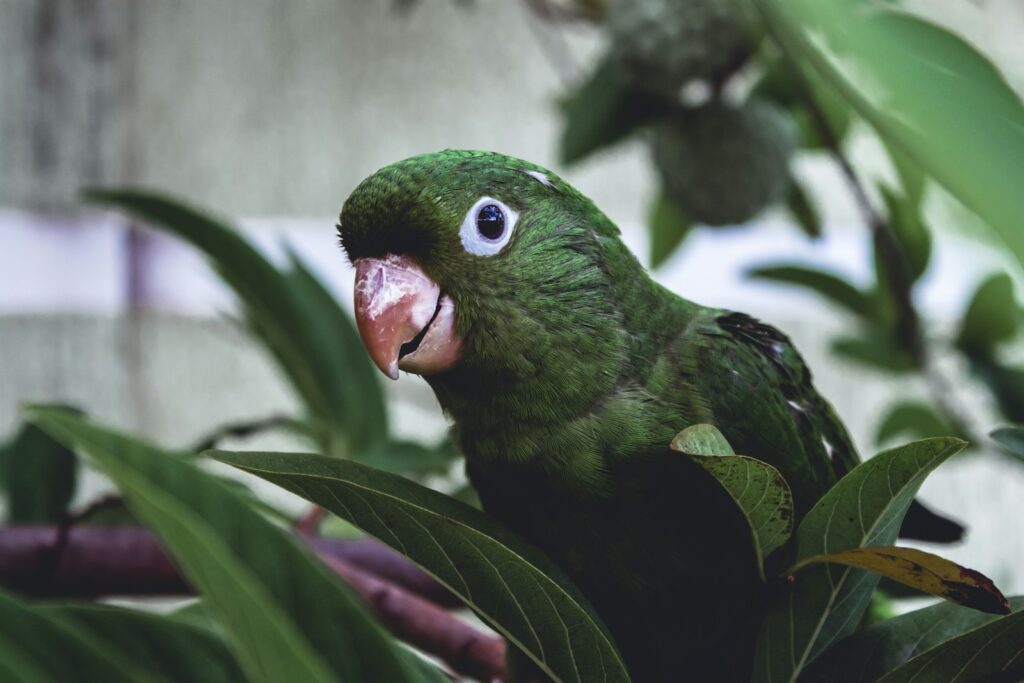
Animal vocalizations provide remarkable windows into their emotional experiences, with growls and similar sounds conveying nuanced emotional information. Research in the emerging field of animal emotions has demonstrated that vocalizations often contain acoustic signatures of basic emotional states like fear, anger, contentment, and distress. For example, a dog’s growl during a threatening encounter contains different acoustic properties than a growl produced during play, reflecting different emotional states. Similarly, studies of elephant rumbles reveal emotional components that other elephants can interpret, suggesting a form of emotional intelligence and empathy. The duration, pitch modulation, and harmonic structure of animal sounds can all provide clues about the emotional state of the vocalizing animal. This understanding has practical applications in animal welfare, as abnormal vocalization patterns can indicate stress or discomfort in captive or domestic animals.
Cultural Differences in Animal Sounds

Just as human languages vary across cultures, animal vocalizations can display regional “dialects” and cultural learning components. Researchers studying sperm whales discovered that different family groups use distinct patterns of clicks—acoustic “codas”—that serve as cultural identifiers similar to human accents. Bird songs show remarkable regional variations, with the same species developing different songs in different geographic areas. Even domestic dogs may interpret and produce sounds differently based on their environments and learning histories. These cultural variations in animal sounds highlight the role of social learning in animal communication and suggest cognitive abilities beyond mere instinct. For example, studies of killer whales have identified distinct vocal “cultures” passed down through generations, with pods maintaining unique acoustic signatures even when they share territories with other groups.
How Humans Misinterpret Animal Sounds
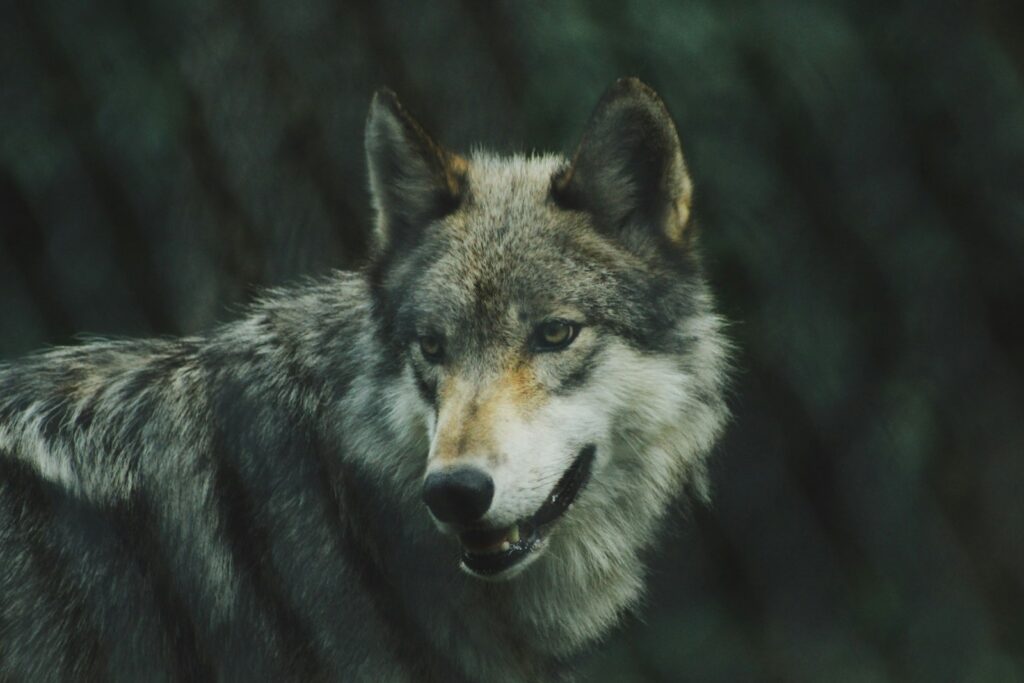
Our human tendency to anthropomorphize animal behaviors often leads to misinterpretations of their vocalizations, sometimes with serious consequences. Many people mistake a dog’s panting smile for happiness when it might actually indicate stress or anxiety, or interpret a cat’s purr as always signifying contentment when it can also indicate pain or distress. Cultural representations in media further complicate matters—movies frequently portray wolves howling at the moon (a behavior not typically connected to lunar cycles) or suggest that a growling bear is always about to attack (when growls often serve as warnings intended to avoid physical confrontation). These misunderstandings can lead to inappropriate human responses, from punishing animals for normal communication to approaching dangerous wildlife under false assumptions about their intentions. Education about species-specific communication patterns is essential for improving human-animal interactions in both domestic and wild contexts.
Technology in Animal Sound Interpretation

Advances in technology are revolutionizing our ability to interpret animal vocalizations with unprecedented precision. Machine learning algorithms can now analyze acoustic patterns in animal sounds to identify individual animals, assess their emotional states, and even predict behaviors. Researchers at the Cornell Lab of Ornithology have developed systems that can identify thousands of bird species by their calls alone, while marine biologists use hydrophone arrays to track cetacean populations through their vocalizations. Veterinary applications include monitoring systems that can detect pain or distress vocalizations in farm animals, potentially improving welfare standards. Perhaps most excitingly, early artificial intelligence translation systems are being developed to “decode” animal communications—from elephant rumbles to dolphin whistles—potentially opening new frontiers in interspecies communication. These technologies offer promising tools for conservation, welfare assessment, and deepening our understanding of animal cognitive and emotional lives.
Practical Applications for Pet Owners

Understanding pet vocalizations can dramatically improve the human-animal bond and prevent potentially dangerous misunderstandings. When a dog growls, responsible owners should assess the context rather than automatically punishing the behavior—growling serves as important communication that, if suppressed, may lead to biting without warning. For cats, recognizing the difference between a contentment vocalization and a stress sound can help owners modify environments to reduce anxiety triggers. Pet owners should learn to observe body language alongside vocalizations, as the combination provides more complete information about an animal’s emotional state. Recording and analyzing unusual pet vocalizations can also help veterinarians diagnose certain medical conditions, as changes in vocalization patterns can indicate pain or neurological issues. By respecting animal communications rather than dismissing or punishing them, owners can build stronger relationships based on mutual understanding and trust.
Conservation Implications of Understanding Animal Sounds
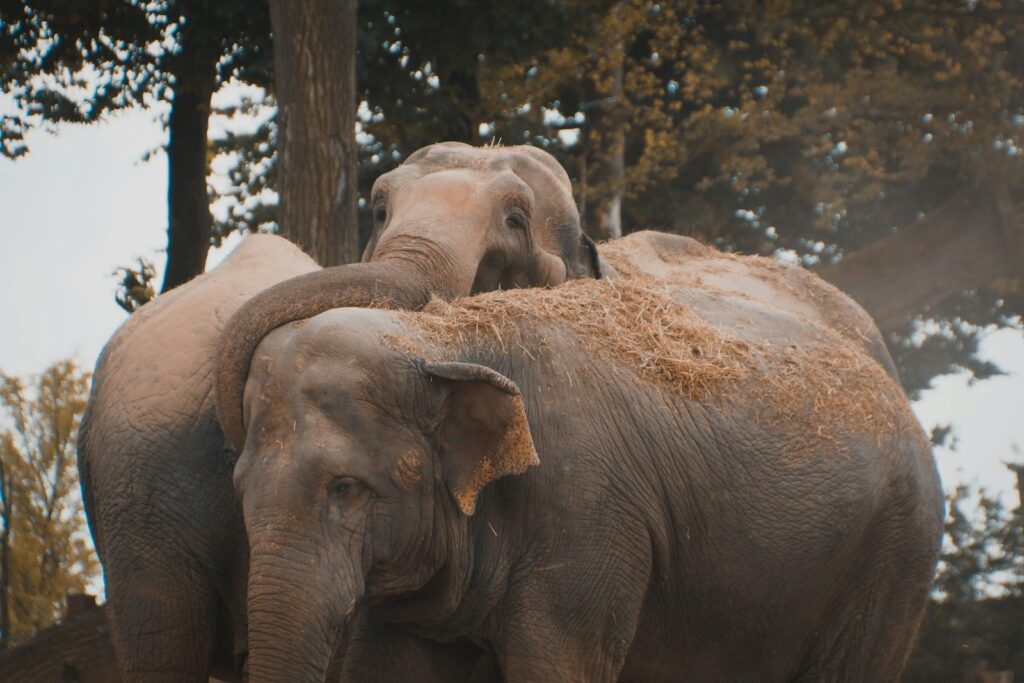
Interpreting animal vocalizations has become an invaluable tool for wildlife conservation efforts worldwide. Bioacoustic monitoring—recording and analyzing sounds in natural environments—allows researchers to track population sizes, migration patterns, and territorial behaviors without direct observation, minimizing human disturbance. For endangered species, vocal analysis can help identify mating readiness, stress levels, and social dynamics, informing captive breeding programs and reintroduction efforts. In marine environments, understanding cetacean vocalizations has led to modifications in shipping routes and sonar use to reduce noise pollution that interferes with their communication systems. Climate change impacts can also be assessed through changes in animal vocal behaviors, as species modify their calling patterns in response to altered environments. By listening to what animals are “saying,” conservation scientists gain critical insights that might otherwise remain inaccessible through visual observation alone.
The Future of Animal Communication Research

The frontier of animal vocalization research promises exciting developments that may fundamentally change how we understand and interact with other species. Emerging technologies like neural network processing and advanced machine learning are beginning to decode increasingly complex patterns in animal communication systems. Projects like the Earth Species Project aim to create an “interspecies translator” using artificial intelligence to bridge the communication gap between humans and other animals. Beyond technological approaches, cross-disciplinary collaboration between ethologists, linguists, and cognitive scientists is yielding new frameworks for understanding the semantic content of animal vocalizations. Some researchers even suggest that certain species—particularly cetaceans, elephants, and great apes—may possess communication systems complex enough to be considered rudimentary languages with their own grammar and syntax. As this field advances, we may need to reconsider fundamental assumptions about human uniqueness and the cognitive capabilities of our animal neighbors.
As we’ve explored throughout this article, animal vocalizations represent complex, evolved communication systems that convey rich information about emotions, intentions, and environmental conditions. From the warning growl of a dog to the territorial roar of a lion, these sounds offer us glimpses into the inner lives of creatures with whom we share our planet. By learning to interpret these acoustic signals accurately, we not only satisfy scientific curiosity but also improve our relationships with companion animals, enhance conservation efforts, and potentially avoid dangerous wildlife encounters. The growing fields of bioacoustics and animal cognition research promise to deepen our understanding further, perhaps one day allowing for more meaningful cross-species communication. In listening more carefully to what animals are telling us, we recognize our connection to the broader community of living beings and our responsibility to respect their voices.