
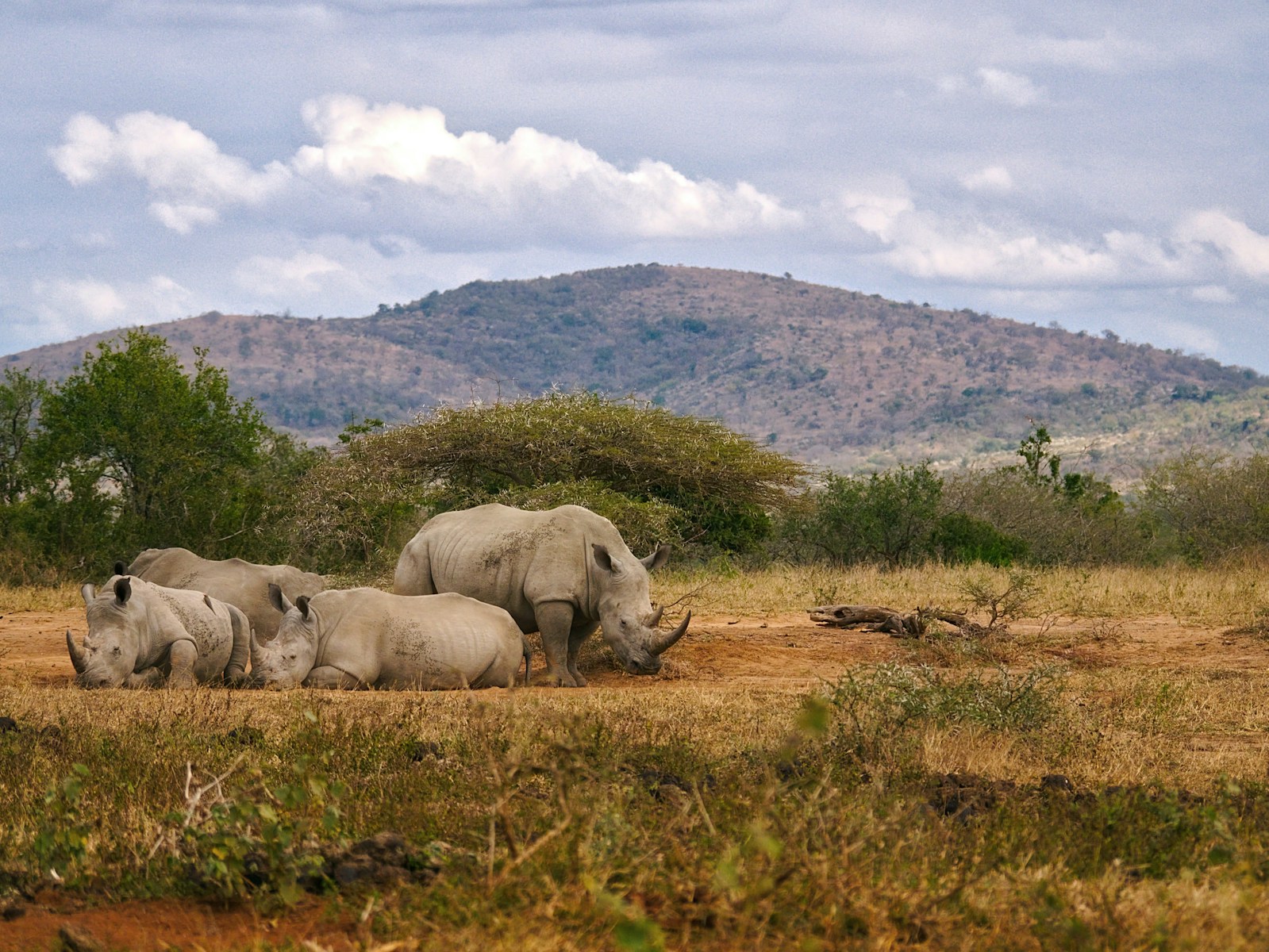
From the majestic grizzlies of Yellowstone to the delicate butterflies of Shenandoah, America’s national parks teem with incredible wildlife that captures our imagination and enriches our natural heritage. While visiting these wonders in person offers unforgettable experiences, many passionate wildlife advocates wonder how they can support these precious ecosystems even when they can’t physically be there. The good news is that meaningful conservation efforts don’t require hiking boots or binoculars – you can make a significant difference right from your living room. This article explores practical, impactful ways you can help protect and preserve national park wildlife without leaving home, demonstrating that distance is no barrier to becoming an effective champion for these treasured creatures and their habitats.
Become a Virtual Volunteer

Many national parks offer virtual volunteer opportunities that allow you to contribute valuable time and skills from anywhere with an internet connection. The National Park Service’s Volunteers-In-Parks program has expanded to include remote positions where you can assist with research documentation, transcribe historical records that inform conservation efforts, or help maintain digital resources that educate the public about wildlife protection. Yellowstone National Park, for example, recruits online volunteers to help categorize wildlife photos from their extensive trail camera projects, providing crucial data about animal populations and behaviors. Great Smoky Mountains National Park offers opportunities to transcribe historical documents that provide valuable insights into the park’s ecological history and species distribution. These virtual volunteer positions not only help the parks operate more efficiently but also provide you with deeper knowledge about wildlife conservation challenges and successes.
Support Citizen Science Projects

Citizen science initiatives offer powerful ways to contribute to wildlife research without specialized scientific training. Platforms like iNaturalist and eBird allow you to document wildlife in your own neighborhood, contributing valuable data that helps researchers understand migration patterns, population trends, and habitat relationships relevant to national park species. The National Park Service often partners with these platforms for specific projects, such as the annual Christmas Bird Count or the Monarch Butterfly Census, which track species that move between parks and surrounding regions. Even observations made hundreds of miles from a national park can provide critical information about migratory species that depend on park habitats for part of their life cycle. By consistently documenting the wildlife you encounter locally, you’re helping scientists build a comprehensive picture of ecosystem health across landscapes that transcends park boundaries.
Donate to Park Foundations

Financial contributions remain one of the most direct ways to support wildlife conservation efforts in national parks. Each national park has an associated foundation or friends group that raises funds specifically for wildlife protection, habitat restoration, and educational programs that can’t be covered by federal budgets alone. The National Park Foundation, the official nonprofit partner of the National Park Service, offers targeted giving opportunities where you can direct your donation to wildlife-specific initiatives across the park system. Many individual park foundations also allow donors to “adopt” specific species through symbolic adoption programs, with proceeds funding monitoring and protection efforts for vulnerable animals like wolves in Yellowstone or sea turtles in Dry Tortugas. These foundations operate with remarkable efficiency, often turning modest donations into significant conservation impacts through volunteer amplification and matching grant opportunities.
Participate in Virtual Educational Programs

Education is a cornerstone of effective conservation, and national parks have developed excellent virtual learning opportunities that deepen understanding of wildlife issues. Many parks now offer live webcasts, virtual ranger talks, and online courses specifically focused on wildlife conservation challenges and successes. Denali National Park, for instance, hosts regular online presentations about their wolf research, while Channel Islands National Park offers virtual tide pool explorations that highlight marine conservation. These programs not only increase your own knowledge but also help create a more informed public that supports science-based wildlife management decisions. By participating actively in these sessions – asking questions and sharing what you’ve learned with your own networks – you help extend the educational reach of these programs far beyond their original audience.
Advocate for Wildlife Protection Policies

Political advocacy represents a powerful way to support national park wildlife from anywhere in the country. Staying informed about pending legislation affecting national parks and contacting your elected representatives about these issues can influence critical funding and policy decisions. Organizations like the National Parks Conservation Association provide regular updates on legislative threats to park wildlife and ecosystems, along with easy-to-use tools for contacting decision-makers. Beyond reactive advocacy, you can proactively encourage representatives to support increased funding for wildlife management programs, scientific research, and habitat protection within the national park system. Your voice carries particular weight as a constituent, especially when you can articulate specific concerns about wildlife protection in parks that matter to you and your community.
Reduce Your Carbon Footprint

Climate change poses one of the most significant threats to national park ecosystems, altering habitats and disrupting the delicate timing of natural events upon which wildlife depends. Taking steps to reduce your personal carbon footprint directly benefits park wildlife by mitigating these climate impacts. Simple actions like reducing energy consumption, minimizing single-use plastics, and choosing sustainable transportation options collectively make a meaningful difference for climate-vulnerable species like pikas in Rocky Mountain National Park or coral in Biscayne National Park. Many parks now offer virtual “climate-friendly challenges” that guide participants through specific actions they can take at home to reduce emissions that harm park ecosystems. Tracking and sharing your progress on these challenges not only quantifies your impact but also inspires others to join in collective climate action that benefits wildlife.
Purchase Wildlife-Friendly Products

Your everyday purchasing decisions can significantly impact national park wildlife through their effects on habitat and resources. Choosing shade-grown coffee helps protect winter habitat for migratory birds that summer in parks like Acadia and Olympic. Opting for sustainable seafood supports healthy marine ecosystems connected to coastal national parks like Point Reyes and Cape Hatteras. The National Wildlife Federation’s certified wildlife-friendly products program identifies items produced with methods that minimize harm to species and habitats connected to national parks. Even choosing recycled paper products reduces pressure on forests that buffer park boundaries and provide essential wildlife corridors. By consistently selecting products with wildlife-friendly certifications, you’re leveraging your consumer power to support companies that align their practices with conservation values.
Follow and Share Park Social Media
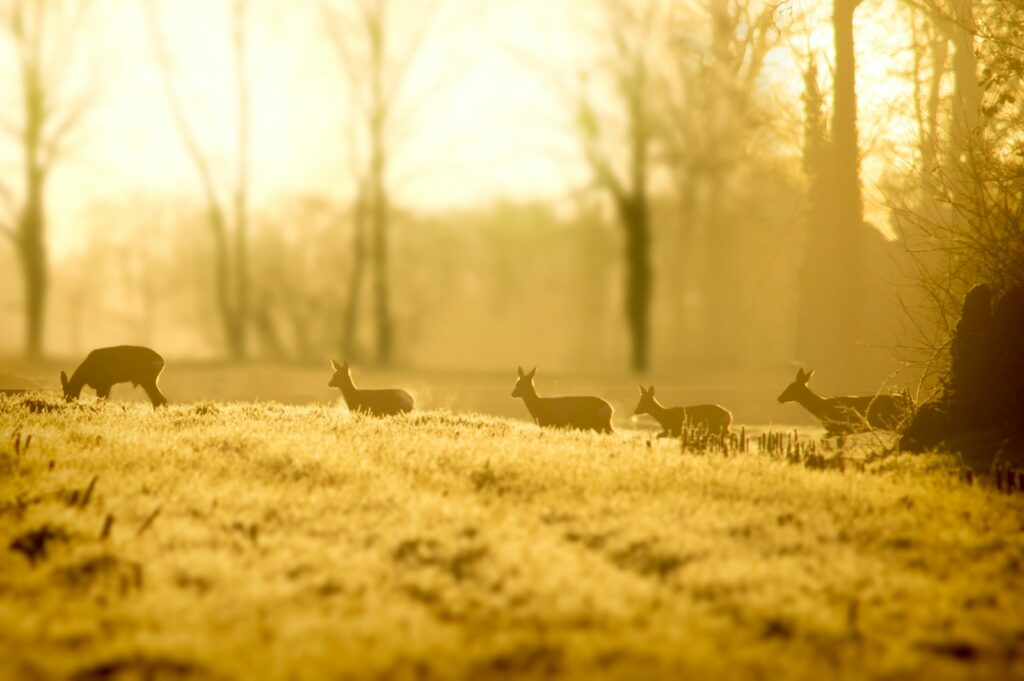
National parks maintain active social media presences that serve as powerful educational platforms about wildlife conservation. By following, engaging with, and sharing content from official park accounts, you amplify important messages about wildlife protection and responsible visitation practices. Parks often use these channels to share urgent wildlife information, such as notifications about bear activity in Grand Teton or nesting shorebirds in Cape Cod National Seashore. Your engagement with this content – through likes, comments, and shares – helps extend the reach of these important wildlife messages beyond the parks’ immediate followers. When you share these posts with thoughtful personal comments about why wildlife protection matters to you, you transform institutional messaging into more relatable, personal advocacy that can influence your own social networks.
Create Wildlife-Friendly Habitat at Home

Your yard or even a small balcony can become valuable wildlife habitat that supports species connected to national park ecosystems. By planting native species and creating wildlife-friendly features like bird baths, butterfly gardens, or bee hotels, you provide critical resources for pollinators and migratory birds that may spend part of their life cycle in national parks. The National Wildlife Federation’s Garden for Wildlife program offers specific guidance for creating certified wildlife habitat that complements conservation efforts in nearby national parks. These home habitats become especially important as “stepping stones” for species moving between protected areas, helping to counter the effects of habitat fragmentation that threatens many park species. Documenting and sharing the wildlife that visits your habitat creation efforts helps demonstrate the success of these approaches and inspires others to create similar wildlife-friendly spaces.
Practice Responsible Wildlife Tourism Planning

While this article focuses on at-home support, how you plan future park visits significantly impacts wildlife even before you arrive. Researching wildlife-friendly visitation practices for specific parks helps ensure you’ll minimize disturbance when you do visit. Many parks offer virtual planning tools that guide visitors toward less-crowded areas and times, reducing pressure on popular wildlife viewing spots like Lamar Valley in Yellowstone or the Anhinga Trail in Everglades. Learning about proper wildlife viewing distances and behavior in advance means you’ll be prepared to set a positive example for other visitors. Committing to “Leave No Trace” principles before your trip and studying the specific wildlife sensitivities of parks you plan to visit demonstrates respect for these ecosystems even in the planning stages.
Join Online Park Communities

Vibrant online communities of national park enthusiasts share observations, concerns, and conservation information about park wildlife. Platforms like Facebook groups dedicated to specific parks or the broader Reddit communities focused on national parks foster knowledge-sharing that can benefit wildlife protection efforts. These forums often feature discussions with current and former park staff, wildlife biologists, and long-time visitors who share insights about conservation challenges and successes. By actively participating in these communities – asking thoughtful questions and contributing your own knowledge – you help build collective understanding about wildlife needs and challenges. These groups also frequently organize virtual events like photo contests or fundraisers that directly support wildlife initiatives in their favorite parks.
Engage with Wildlife Conservation Organizations

Many conservation organizations work specifically on issues affecting national park wildlife and welcome remote supporters. Groups like Defenders of Wildlife, the World Wildlife Fund, and the Wildlife Conservation Society all conduct programs that directly benefit species found in national parks. These organizations offer multiple ways to engage from home, including signing petitions, participating in virtual events, and joining species-specific advocacy networks. The National Park Conservation Association’s wildlife programs focus specifically on challenges facing park ecosystems, from bison management in Yellowstone to panther protection in Everglades National Park. By aligning with these established organizations, your individual efforts become part of coordinated campaigns with strategic focus and professional leadership, maximizing your impact on behalf of park wildlife.
Educate the Next Generation

Fostering wildlife appreciation in young people creates long-term advocates for national park conservation. Even from home, you can introduce children to the wonders of park wildlife through the Junior Ranger program, which now offers downloadable activity books and online ceremonies. The National Park Service’s WebRangers platform provides interactive wildlife learning experiences designed specifically for remote participation. Sharing age-appropriate wildlife documentaries about national parks, reading books featuring park animals, or hosting virtual “wildlife explorer” clubs all help build the next generation’s connection to these precious ecosystems. When children develop early affinity for wildlife, they’re more likely to become lifelong supporters of conservation efforts that protect these creatures and their habitats for decades to come.
Conclusion

Supporting national park wildlife from home demonstrates that meaningful conservation isn’t limited by geography. Each action you take, from virtual volunteering to mindful consumption choices, forms part of a collective effort that genuinely benefits these treasured ecosystems. The interconnected nature of our world means that positive actions taken anywhere can ripple outward to support wildlife everywhere, including in our most precious protected landscapes. By implementing these suggestions, you join a community of dedicated wildlife advocates whose combined efforts ensure that future generations will experience the same awe and wonder at encountering a wild creature in its natural habitat. National park wildlife faces unprecedented challenges, but with passionate supporters acting both within and far beyond park boundaries, these remarkable species have a fighting chance at a thriving future.