

At the intersection of towering peaks and wetland expanses lies a realm of extraordinary biological richness often overlooked by both scientists and travelers alike. These transition zones—where mountains descend into marshlands—represent some of Earth’s most fascinating ecological treasures. Unlike well-documented ecosystems such as rainforests or coral reefs, these mountain-marsh ecotones remain relatively unstudied despite harboring remarkable biodiversity and providing crucial environmental services.
These liminal spaces create unique microclimates where alpine and wetland species coexist in surprising harmony, forming complex webs of interdependence that have evolved over millennia. Join us as we explore these remarkable biodiverse hidden gems where dramatic elevation meets waterlogged wonder.
The Ecological Significance of Ecotones
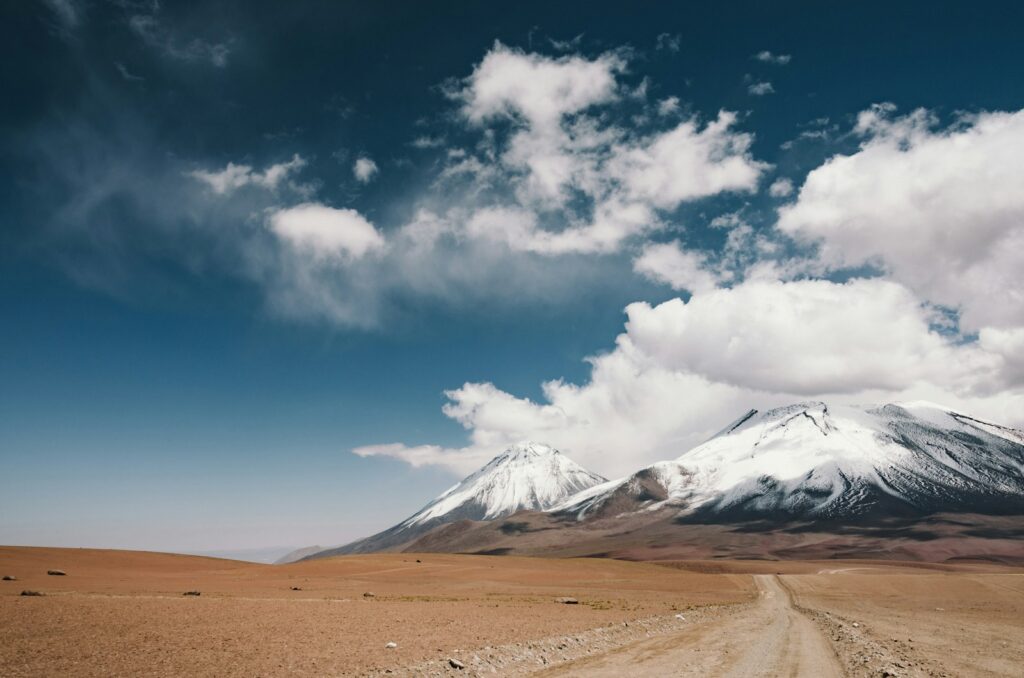
Ecotones—transitional areas between two distinct ecosystems—are among the most biologically diverse habitats on Earth, and mountain-marsh interfaces represent some of the most dramatic examples. These boundary zones experience what ecologists call the “edge effect,” where species from both adjoining ecosystems overlap, creating communities with higher biodiversity than either ecosystem alone would support. The steep environmental gradients found where mountains meet marshlands compress numerous habitat types into relatively small geographical areas, enabling species adaptation and specialization at an accelerated rate.
Additionally, these transition zones often function as critical wildlife corridors, allowing species to migrate between elevations and habitats as seasonal conditions change or in response to longer-term climate shifts.
The Appalachian Cove Wetlands
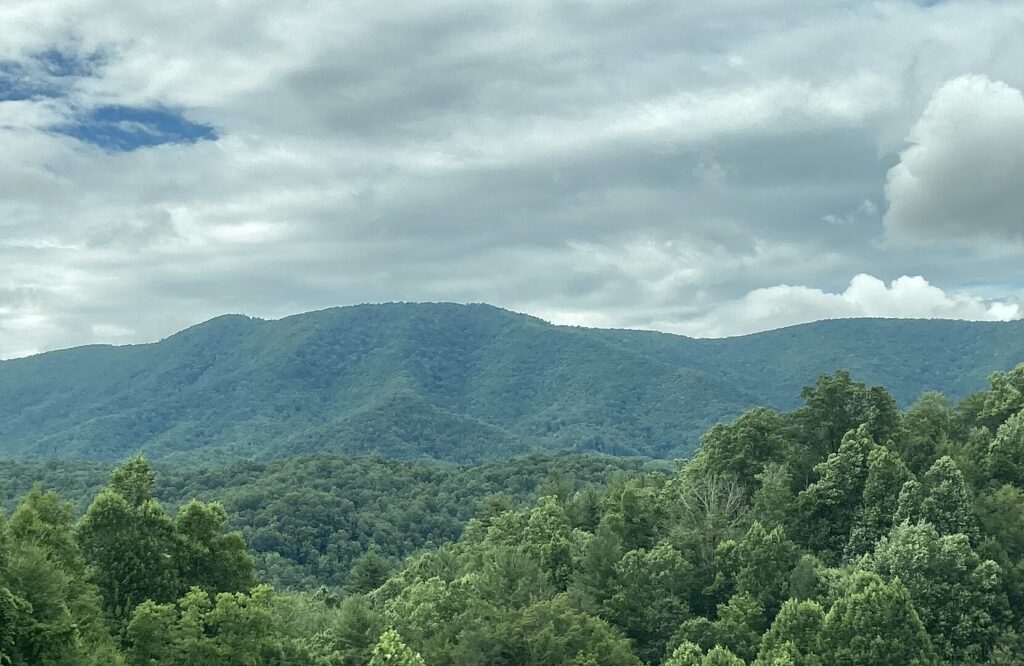
The ancient Appalachian Mountain range harbors unique wetland systems where mountain slopes give way to seeps and marshy bottomlands, creating biodiversity hotspots of extraordinary significance. These cove wetlands, nestled in protected valleys, combine the cool microclimate of mountain terrain with the waterlogged conditions of marshes to support an astonishing assemblage of rare salamander species—making this region the global center of salamander diversity with more than 70 species documented. Spring ephemeral wildflowers carpet these areas in spectacular fashion during early spring, including rare species like the federally threatened swamp pink (Helonias bullata) that require precisely these mountain-marsh conditions to thrive.
The region’s rich geological history—spanning over 480 million years—has allowed for extensive speciation and adaptation among both plant and animal communities found nowhere else on Earth. Despite their ecological importance, many of these mountain cove wetlands remain vulnerable to development, resource extraction, and climate change impacts.
The Himalayan Foothills and Terai Region
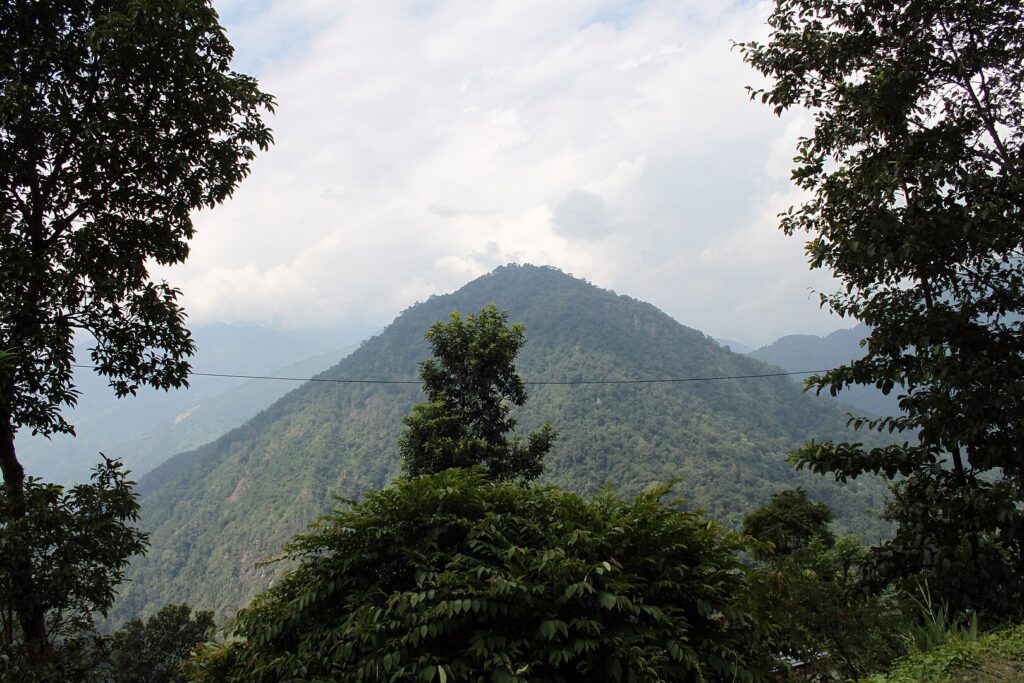
Where the world’s highest mountains meet the alluvial plains of northern India and Nepal lies the Terai-Duar savanna and grasslands, an extraordinary ecotone that hosts some of the planet’s most charismatic megafauna. This transition zone creates a biological superhighway where high-altitude Himalayan species occasionally venture into lowland marshes while wetland specialists may ascend into foothill habitats, creating unprecedented ecological interactions. Royal Bengal tigers, Indian rhinoceros, and wild elephants navigate these landscapes where mountain runoff creates vast grasslands interspersed with marshes and seasonal rivers.
The region’s distinctive combination of montane influence and wetland conditions has fostered endemic plant communities adapted to both seasonal flooding and the rain shadow effects of the nearby mountains. Conservation efforts in places like Chitwan National Park in Nepal showcase how protecting these mountain-marsh interfaces can preserve biodiversity across multiple ecosystems simultaneously.
The Rocky Mountain Alpine Fens
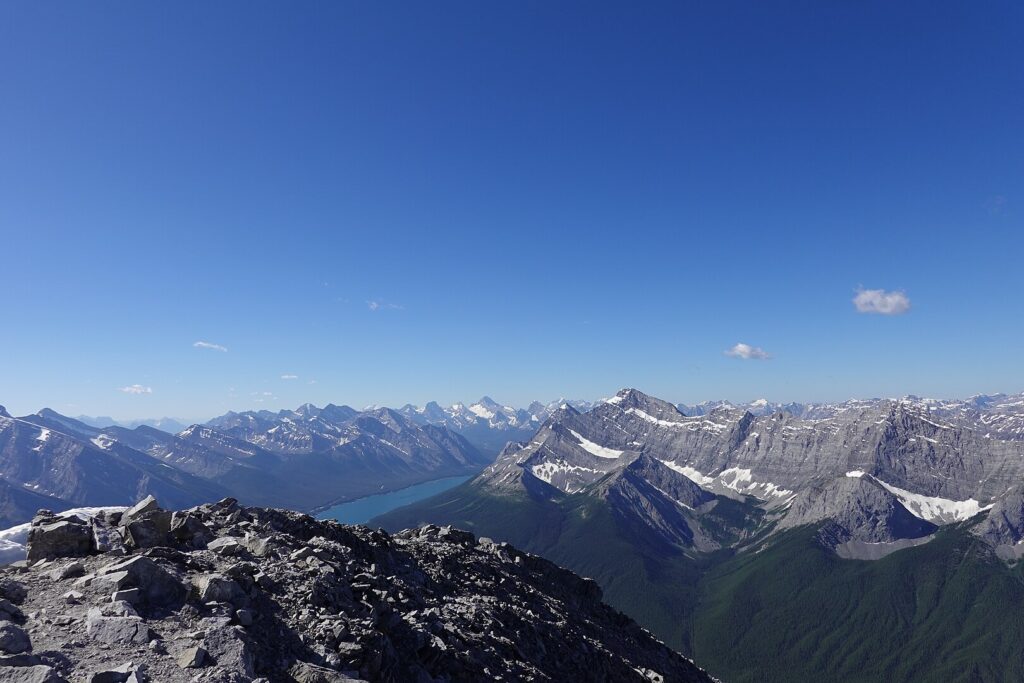
High in the Rocky Mountains, where snowmelt seeps through mountain slopes, specialized wetlands called fens form extraordinary biological communities that blend alpine and wetland characteristics. These peat-accumulating wetlands take thousands of years to develop and harbor plant species found nowhere else, including rare orchids and carnivorous plants that have adapted to the nutrient-poor, waterlogged conditions at high elevations. Rocky Mountain fens serve as critical carbon sinks, sequestering atmospheric carbon in their slowly accumulating peat layers—some Colorado fens contain peat deposits more than 10,000 years old, providing invaluable paleoclimatic records.
Wildlife including elk, moose, and numerous bird species depend on these mountain wetlands as water sources and foraging grounds during the brief alpine summer season. Climate change poses a particular threat to these systems, as warming temperatures alter the hydrological patterns that maintain these delicate mountain-marsh ecosystems.
The Caucasus Mountain Wetlands
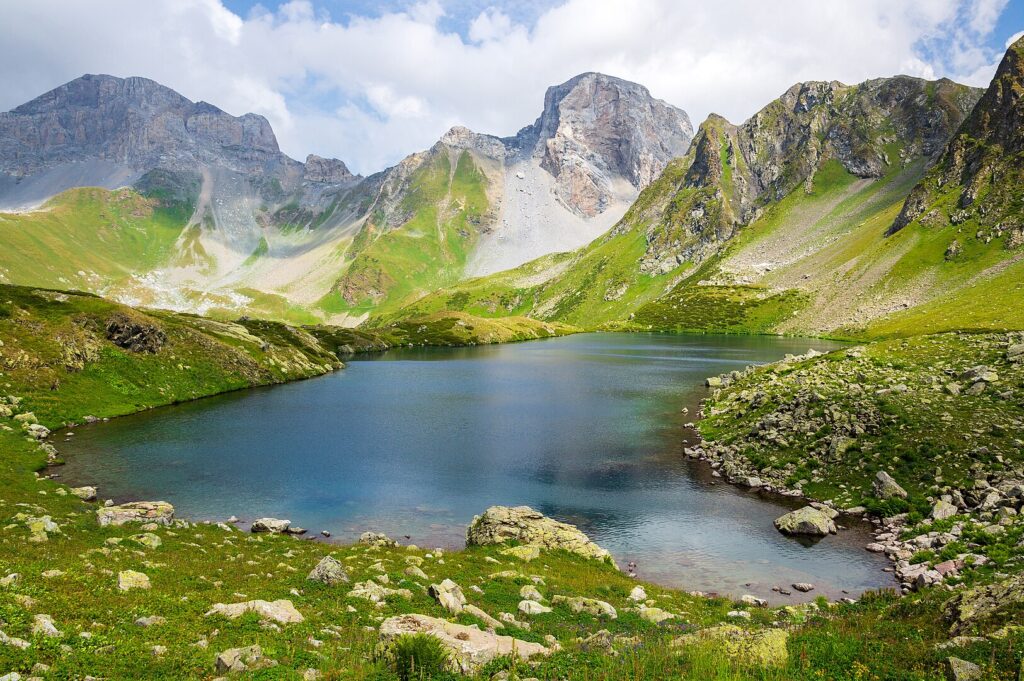
Spanning the isthmus between the Black and Caspian Seas, the Caucasus Mountains contain some of Eurasia’s most important mountain-marsh ecosystems, supporting endemic species found nowhere else on Earth. The Colchic wetlands along the Black Sea coast represent one of the world’s rare examples of temperate rainforest merging with extensive marsh systems, creating habitats for endangered species like the Caucasian salamander (Mertensiella caucasica). These transitional zones have functioned as biological refugia during past climate fluctuations, allowing ancient relict species to persist while going extinct elsewhere.
The region’s complex topography creates countless microhabitats where mountain streams feed wetland complexes, supporting over 6,500 plant species—more than a quarter of which are endemic to the region. Despite their biological significance, many Caucasus mountain-marsh areas face threats from hydroelectric development, agricultural expansion, and political instability that complicates conservation efforts.
The Andean Cloud Forest-Páramo Complex
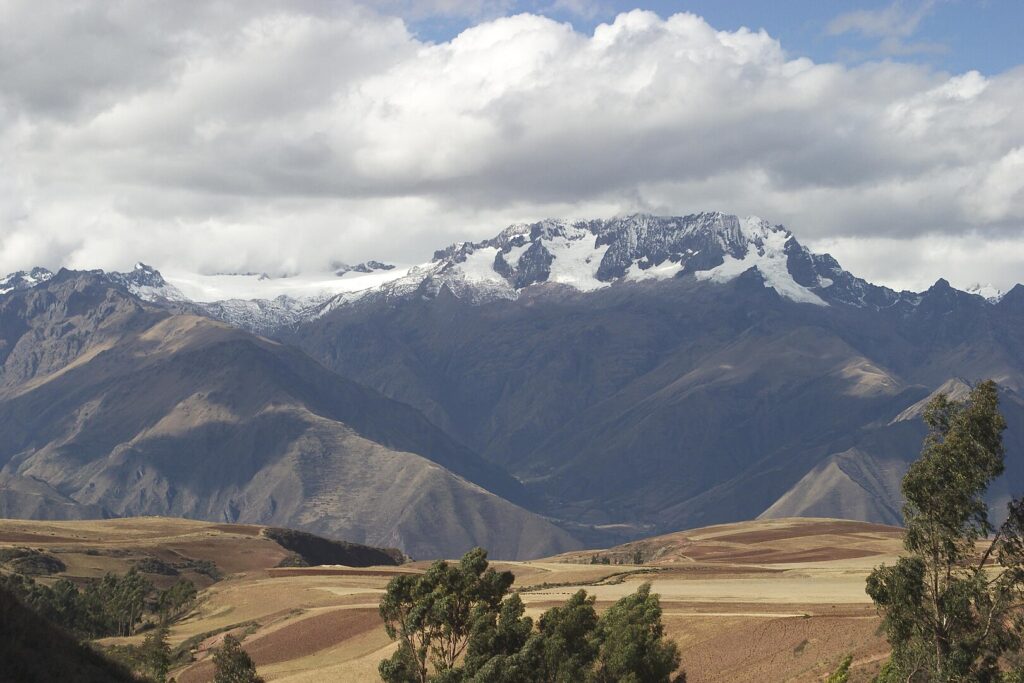
In the northern Andes Mountains of South America, cloud forests give way to high-elevation páramo ecosystems, creating a mountain-marsh interface of extraordinary biological importance and striking beauty. The páramos function as natural water towers, with specialized plants like frailejones (Espeletia) capturing moisture from passing clouds and funneling it into mountain wetlands that eventually feed major river systems including the Amazon and Orinoco. These high-elevation wetlands host highly adapted species including the endangered spectacled bear and mountain tapir, both of which traverse the gradient between forest and waterlogged páramo habitats.
More than 3,000 plant species grow exclusively in páramo habitats, with new species still being discovered regularly by botanists exploring these remote mountain-marsh ecosystems. Climate change and highland agricultural expansion present existential threats to these water-regulating ecosystems upon which millions of people in Colombia, Ecuador, and Venezuela depend for freshwater.
The Sierra Nevada’s Vernal Pools
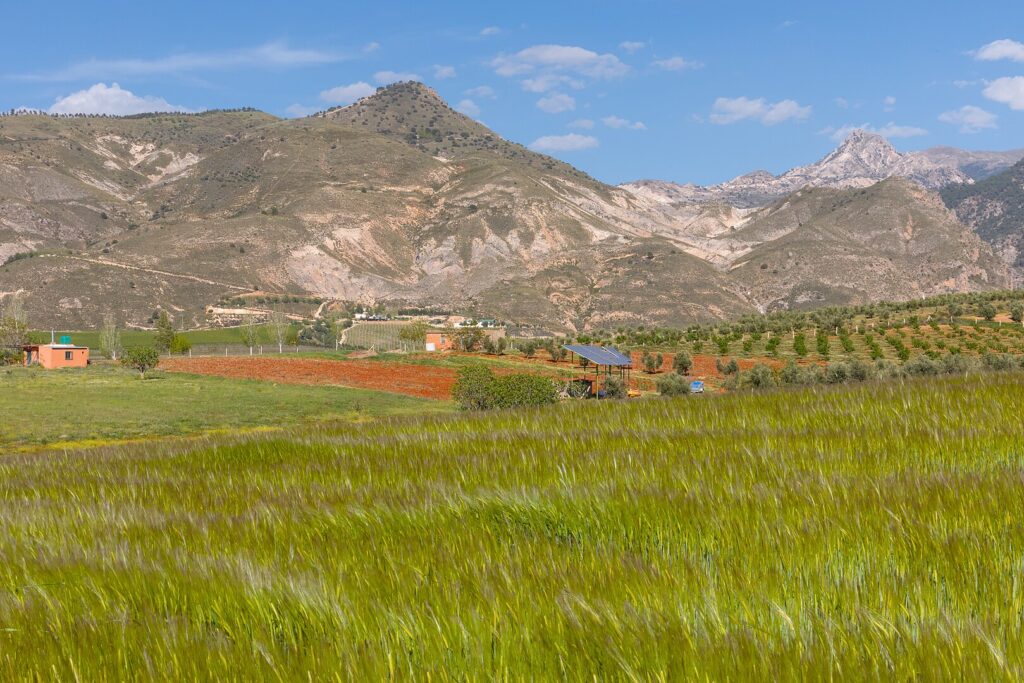
Along California’s mighty Sierra Nevada mountain range, seasonal wetlands known as vernal pools form in depressions where mountain snowmelt collects each spring, creating ephemeral aquatic habitats at the mountain-valley interface. These temporary wetlands explode with life during their brief wet phase, supporting specialized organisms that complete their entire life cycles before the pools dry completely—including fairy shrimp, tiger salamanders, and numerous endemic plant species that carpet pool edges with spectacular wildflower displays. The Mediterranean climate of the region creates a predictable wet-dry cycle that has driven remarkable adaptations among vernal pool specialists, many of which can remain dormant as seeds or cysts for decades until proper conditions return.
Native Californian peoples historically recognized the ecological and resource value of these mountain-influenced wetlands, incorporating their seasonal rhythms into cultural practices and sustenance strategies. Today, more than 90% of California’s vernal pools have been lost to development and agricultural conversion, making the remaining mountain-marsh interfaces especially precious for conservation.
Japan’s Satoyama Landscapes
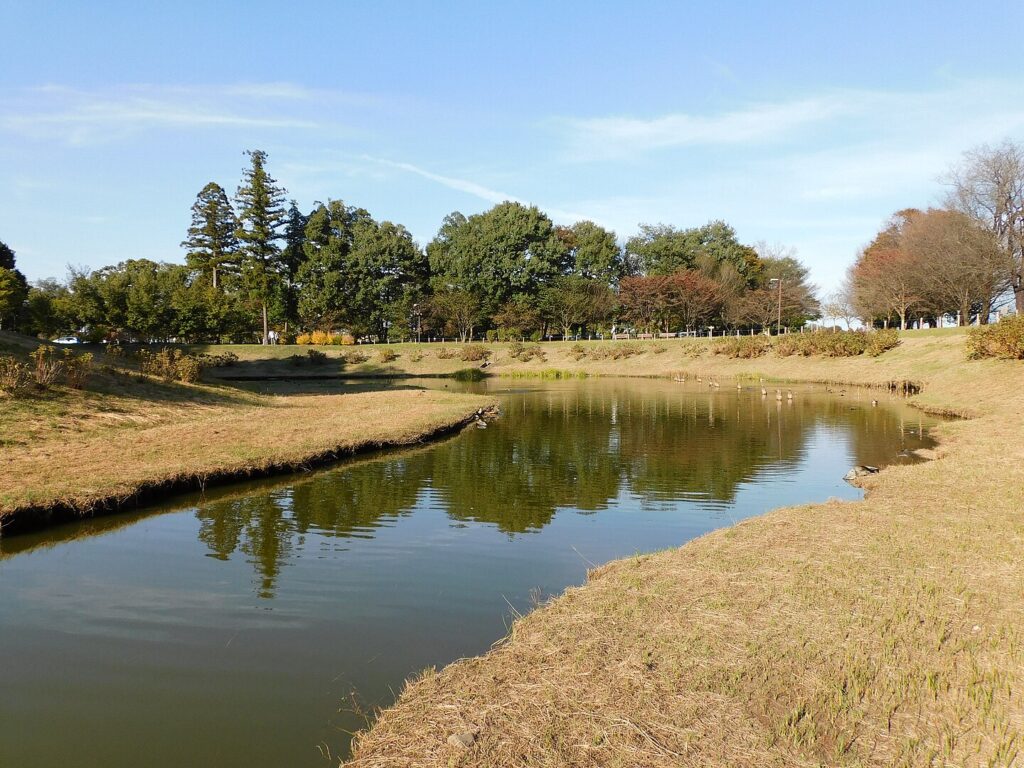
In Japan, the traditional satoyama landscape represents a harmonious integration of mountain slopes transitioning into rice paddies and wetlands, creating a managed ecosystem that supports remarkable biodiversity while sustaining human communities. These mountain-marsh mosaics, shaped by centuries of careful human management, create habitat corridors where species can move between elevations and moisture gradients according to seasonal needs. The Japanese giant salamander—one of the world’s largest amphibians—depends on the clean mountain streams that flow into satoyama wetlands, while the rare red-crowned crane utilizes both upland and marsh habitats within this landscape.
Traditional management practices, including controlled burning and rotational harvest, have maintained ecological balance in these mountain-marsh transitions for generations. Modern Japan faces the challenge of preserving these biodiversity-rich landscapes in the face of rural depopulation, agricultural intensification, and changing cultural values that threaten this masterful integration of mountains and marshlands.
Montane-Wetland Birds: Specialized Adaptations
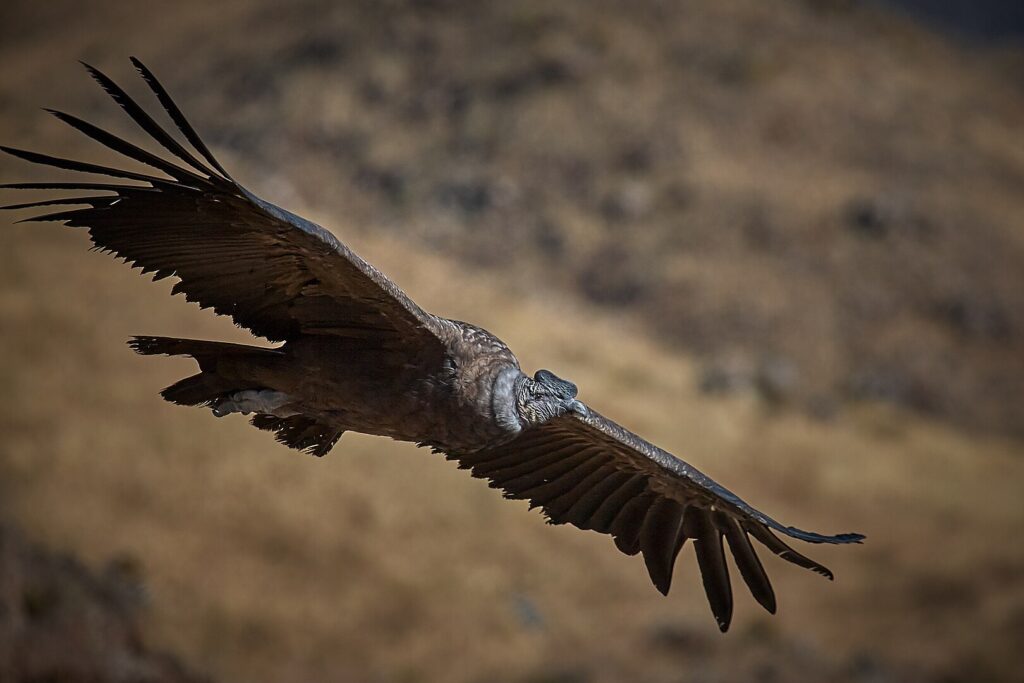
Avian species that inhabit the mountain-marsh interface exhibit fascinating adaptations for exploiting resources across steep environmental gradients, often developing highly specialized traits and behaviors. The Andean condor, with the highest flight ceiling of any bird, sometimes descends from rocky mountain heights to forage in high-elevation bogs, utilizing both ecosystems within a single day’s movements. Specialized marsh birds like the black rail have adapted to inhabit wetlands across elevational gradients from sea level to montane environments, adjusting their diets and breeding strategies according to the available resources at different elevations.
Migratory species often use mountain-marsh habitats as critical stopover sites during long journeys, taking advantage of the abundant food resources found where freshwater accumulates at the base of mountain slopes. Research shows that birds inhabiting these ecotones tend to display greater behavioral plasticity than specialists confined to either mountain or marsh habitats exclusively, allowing them to capitalize on the varied resources these transitional zones provide.
The Alpine Karst Wetlands of Slovenia
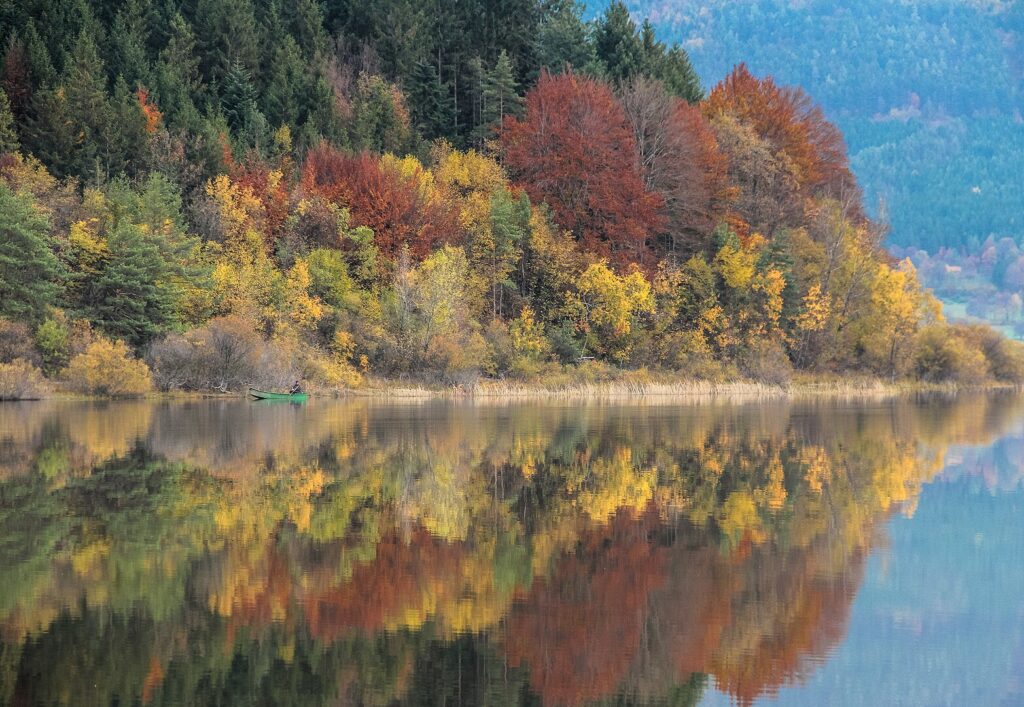
In Slovenia’s Julian Alps, distinctive karst geology creates a remarkable landscape where limestone mountains give way to intermittent lakes and marshes that appear and disappear according to underground water movements. The most famous of these, Lake Cerknica, transforms from Central Europe’s largest lake during wet periods to meadowland during dry seasons, creating a constantly shifting mountain-marsh ecosystem that supports over 250 bird species and countless specialized plants and invertebrates.
These intermittent wetlands host remarkable endemic species like the olm (Proteus anguinus)—a cave-dwelling amphibian that inhabits the underground water systems connecting mountain and marsh. Traditional agricultural practices in the region have evolved to accommodate this natural variability, with local communities developing unique systems to utilize the land during both wet and dry phases. Slovenia’s proactive conservation approach has established the region as part of a UNESCO Biosphere Reserve, recognizing the global significance of these dynamic mountain-marsh systems.
Conservation Challenges at the Mountain-Marsh Interface
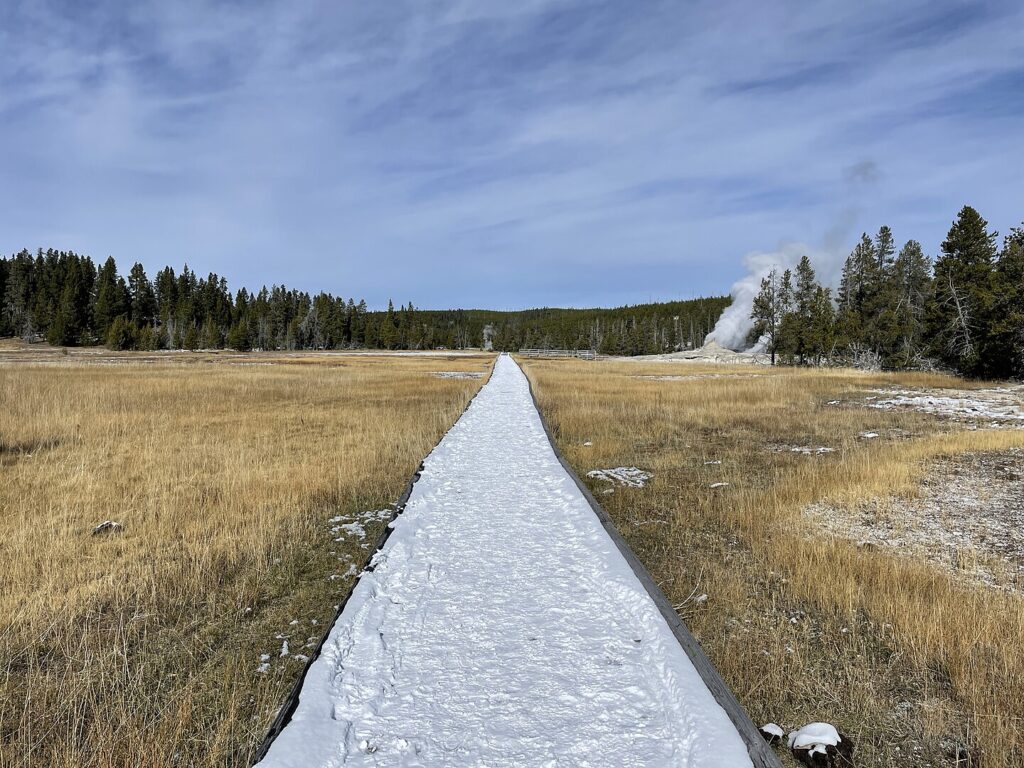
Protecting ecosystems at the mountain-marsh interface presents unique conservation challenges that require innovative approaches spanning multiple habitat types and jurisdictions. Hydrological connectivity remains paramount, as alterations to water flow in mountain regions—through dams, diversions, or extraction—can have devastating downstream effects on marshland health even when the wetlands themselves are nominally protected. Climate change compounds these challenges by altering precipitation patterns and accelerating glacial melt, potentially transforming the hydrological regimes that maintain mountain-marsh ecosystems over thousands of years.
Invasive species often exploit these transition zones, using rivers and streams as invasion corridors from lowlands into mountain habitats or vice versa, potentially displacing specialized native species adapted to specific mountain-marsh conditions. Conservation success stories, like the restoration of mountain-marsh connectivity in Yellowstone National Park’s northern range, demonstrate that protecting these ecotones requires landscape-scale thinking that encompasses entire watersheds rather than isolated habitat fragments.
Traditional Ecological Knowledge of Mountain-Marsh Ecosystems
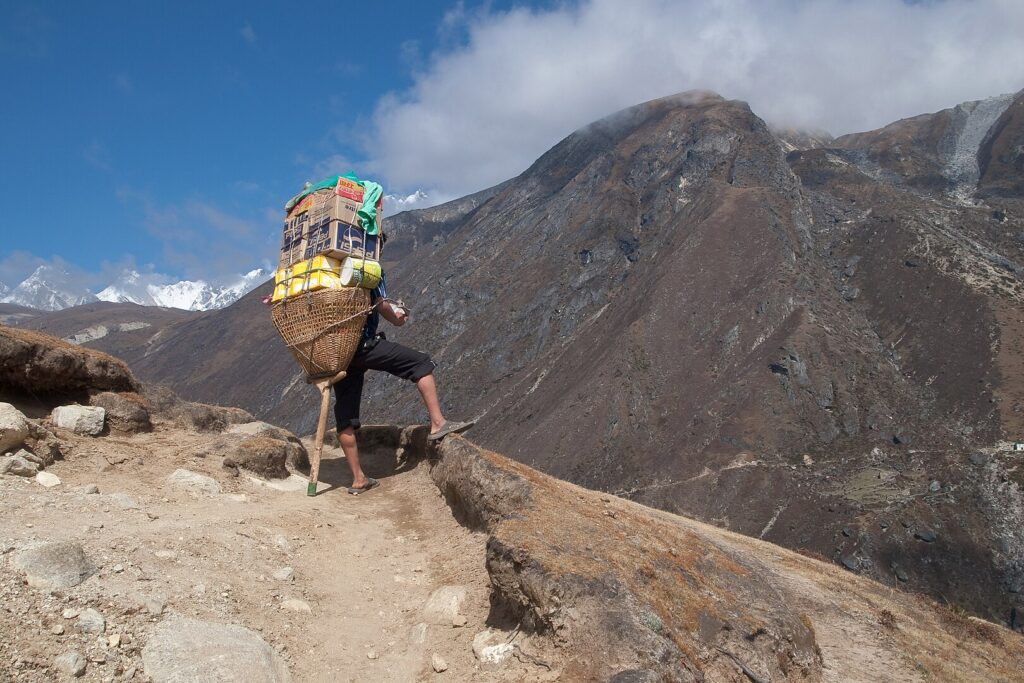
Indigenous communities worldwide hold sophisticated understanding of mountain-marsh ecosystems, developed through millennia of close observation and interaction with these productive landscape interfaces. Many traditional cultures recognize these transition zones as particularly sacred or spiritually significant places, often featuring prominently in origin stories and cultural practices that reinforce sustainable use patterns. The Sherpa people of the Himalayan region, for example, maintain intricate knowledge systems regarding high-elevation wetlands, including their role in water purification and as indicators of broader ecosystem health.
Traditional harvesting techniques for medicinal plants often focus on species found exclusively at the mountain-marsh interface, where unique environmental conditions produce plants with particular chemical properties not found elsewhere. Incorporating this traditional ecological knowledge into modern conservation efforts has proven effective in regions like the páramos of Colombia, where indigenous management approaches are being integrated with scientific monitoring to protect these critical mountain wetlands.
Discovering New Species at the Ecological Frontier
The complex environmental conditions where mountains meet marshlands continue to yield scientific discoveries, with researchers regularly documenting species new to science in these understudied transition zones. In 2018, biologists working in the mountain bogs of southern Appalachia discovered a new species of salamander (Urspelerpes brucei) that had remained undetected despite centuries of scientific exploration in the region, highlighting how even well-traversed mountain-marsh areas may harbor undocumented biodiversity. Microbiological studies reveal that these ecotones host distinctive bacterial and fungal communities that play crucial roles in specialized biogeochemical processes like methane cycling in high-elevation wetlands.
Plant taxonomists working in mountain-marsh transitions regularly identify new species, particularly in regions with complex topography like the mountains of Southeast Asia, where each isolated valley may contain unique variants adapted to local conditions. These ongoing discoveries underscore the scientific value of protecting mountain-marsh interfaces not only for known biodiversity but also for species yet to be documented by science.
Conclusion: Guardians of Biodiversity and Watershed Health
The extraordinary ecosystems where mountains meet marshlands represent far more than biological curiosities—they are functional keystones of landscape health, regulating water flows, sequestering carbon, and supporting biodiversity across elevational gradients. As climate change accelerates and development pressures mount, preserving these transition zones becomes increasingly crucial not only for the specialized species that depend on them but also for the ecosystem services they provide to human communities.
From the ancient Appalachians to the soaring Himalayas, these mountain-marsh interfaces remind us that some of Earth’s most valuable ecological treasures exist not in the heart of well-defined habitats but at their edges—where different worlds meet, mingle, and create something greater than the sum of their parts. By recognizing and protecting these biodiverse hidden gems, we safeguard evolutionary laboratories where nature’s complexity and resilience shine brightest.