
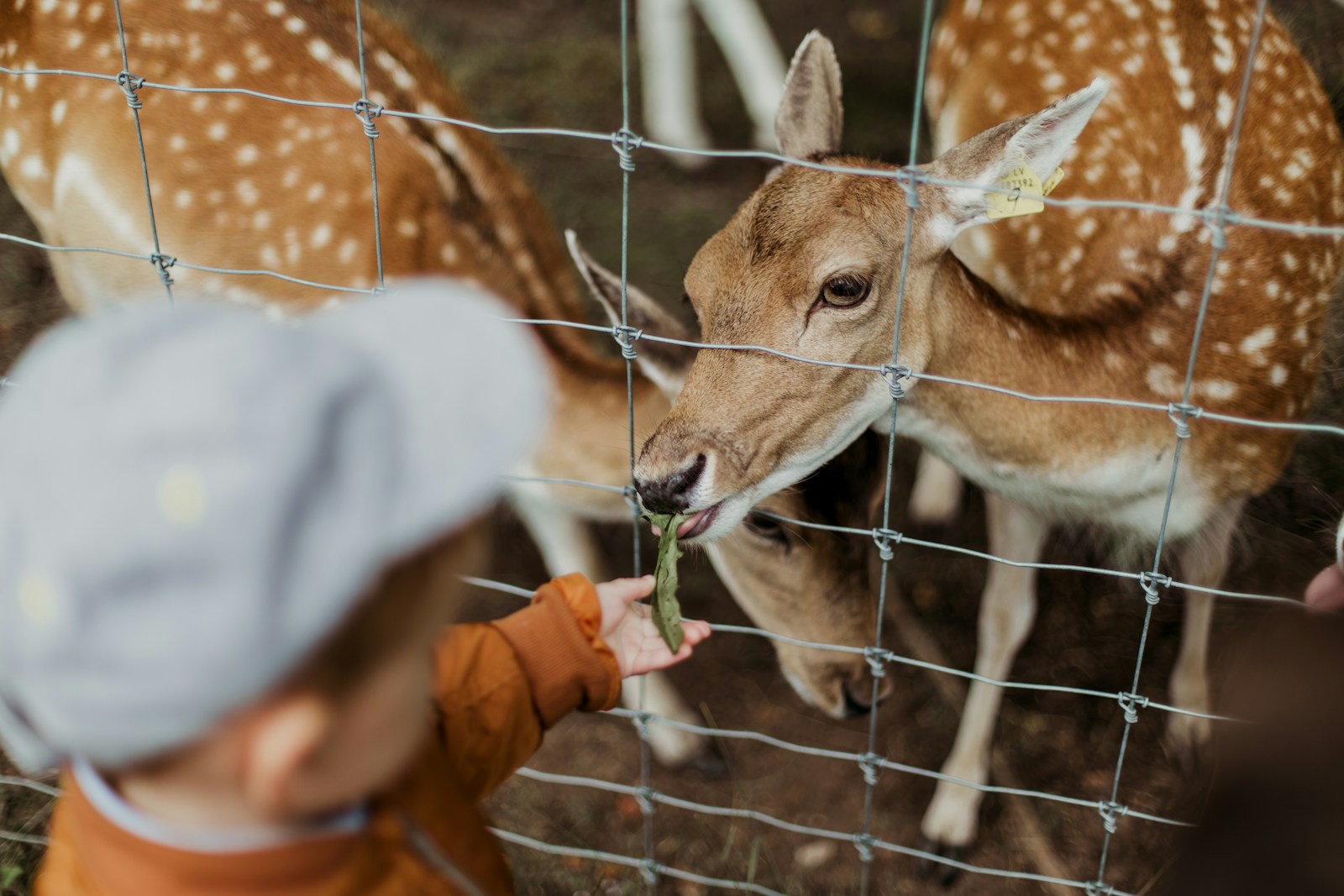
Deer with their gentle eyes and graceful movements often evoke our compassion, especially during harsh winters or in suburban areas where their natural habitat has been reduced. Many well-intentioned people leave out corn, apples, or commercial feed to help these beautiful creatures survive. However, what seems like a kind gesture can trigger a cascade of ecological consequences. This article explores how the seemingly innocent act of feeding wild deer disrupts natural processes, alters deer behavior and population dynamics, and ultimately damages entire ecosystems. Understanding these impacts is crucial for making informed decisions about wildlife management and conservation.
The Natural Diet of Deer
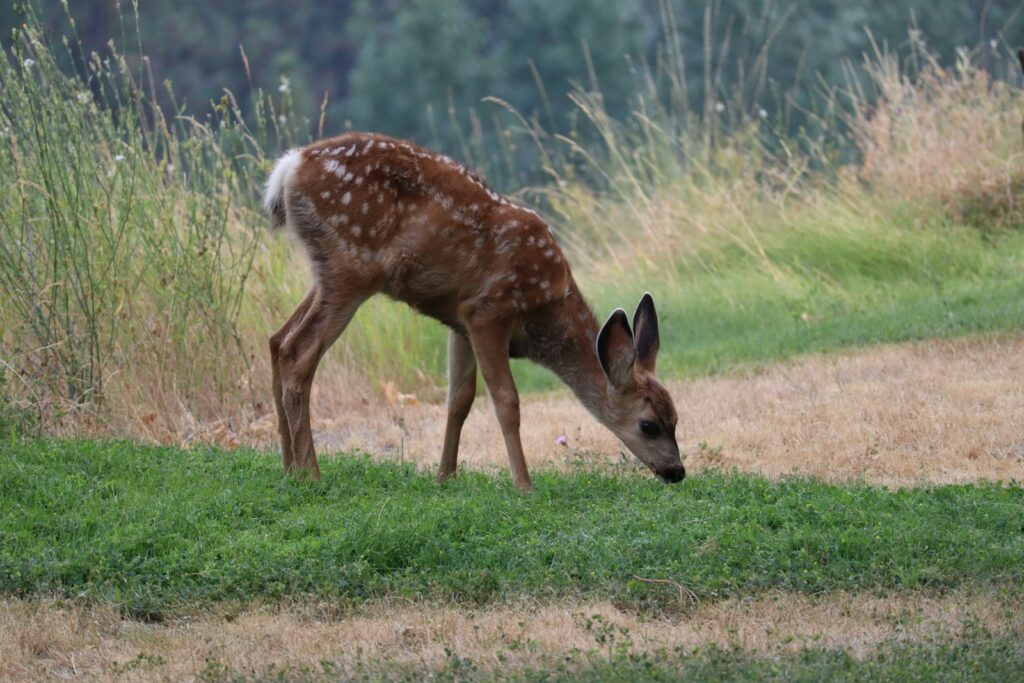
Deer have evolved specific digestive systems designed to process seasonal foods available in their natural habitats. In spring and summer, they primarily consume nutrient-rich vegetation including leaves, shoots, and forbs that provide essential proteins. Fall brings a transition to foods higher in carbohydrates like acorns, nuts, and fruits that help deer build fat reserves for winter. During winter months, deer naturally switch to browsing on woody vegetation, twigs, and evergreen plants that their specialized four-chambered stomachs can process efficiently. This seasonal variation in diet is crucial for their digestive health, as deer possess specific gut microbiomes that gradually shift with seasonal dietary changes. When humans introduce artificial food sources, particularly at improper times, deer cannot adequately digest these foods, potentially leading to serious health issues.
Disrupting Natural Population Controls
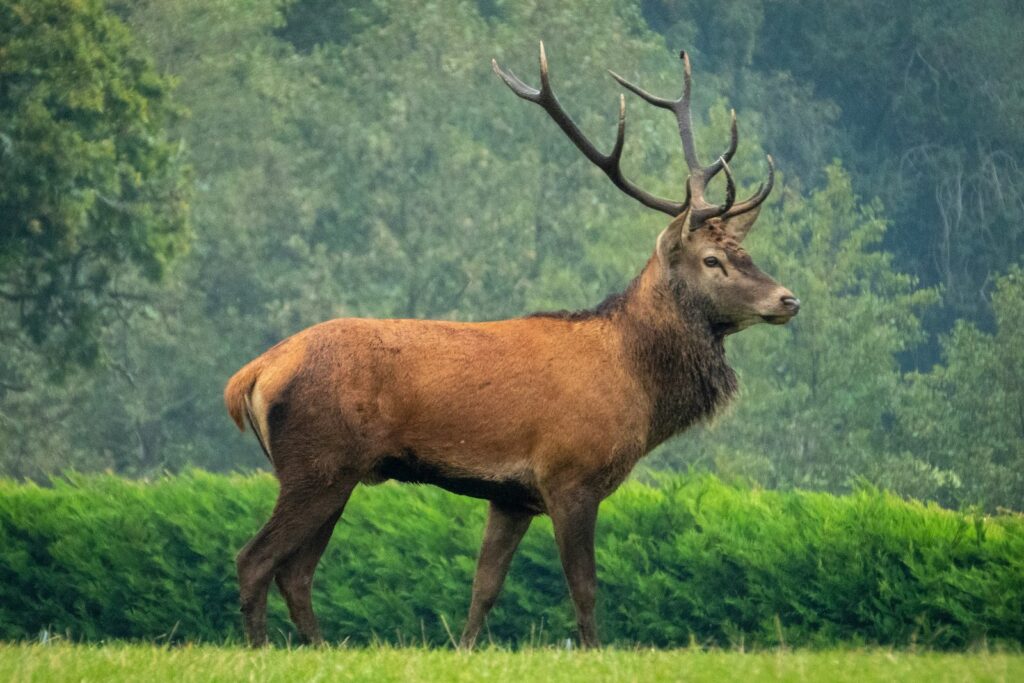
In balanced ecosystems, deer populations are naturally regulated by food availability, especially during winter when resources are scarce. This natural limitation helps maintain population densities at levels the habitat can support, creating a self-regulating system that has evolved over thousands of years. When humans provide supplemental food, this crucial population control mechanism is bypassed, allowing more deer to survive than the habitat would naturally support. The resulting artificially inflated deer populations can quickly exceed the ecological carrying capacity of their environment. Research has shown that areas with regular deer feeding can sustain population densities 5-10 times higher than similar habitats without supplemental feeding. These unnaturally dense populations then exert tremendous pressure on the ecosystem when they resume natural foraging behaviors.
Overbrowsing and Forest Regeneration
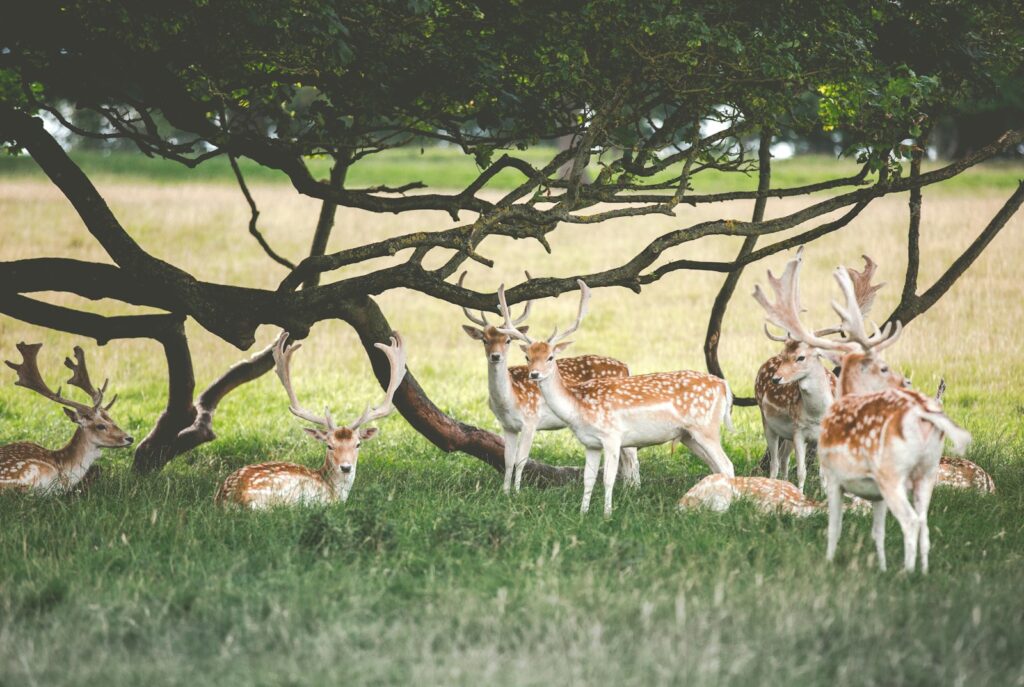
One of the most devastating ecological consequences of artificially elevated deer populations is overbrowsing, where too many deer consume vegetation faster than it can regenerate. In healthy forests, deer selectively browse on certain plants but leave enough vegetation to allow for natural regeneration. When deer numbers surge beyond natural levels, their intensive browsing can completely eliminate tree seedlings, wildflowers, and shrubs from the forest understory. Long-term studies in areas with high deer density show dramatic reductions in forest regeneration, with some forests experiencing a complete failure of new tree growth for decades. This phenomenon creates what ecologists call a “browse line” – a visible horizontal line in the forest where all vegetation within deer reach has been consumed, leaving only mature trees with no younger generation to replace them.
Loss of Plant Biodiversity
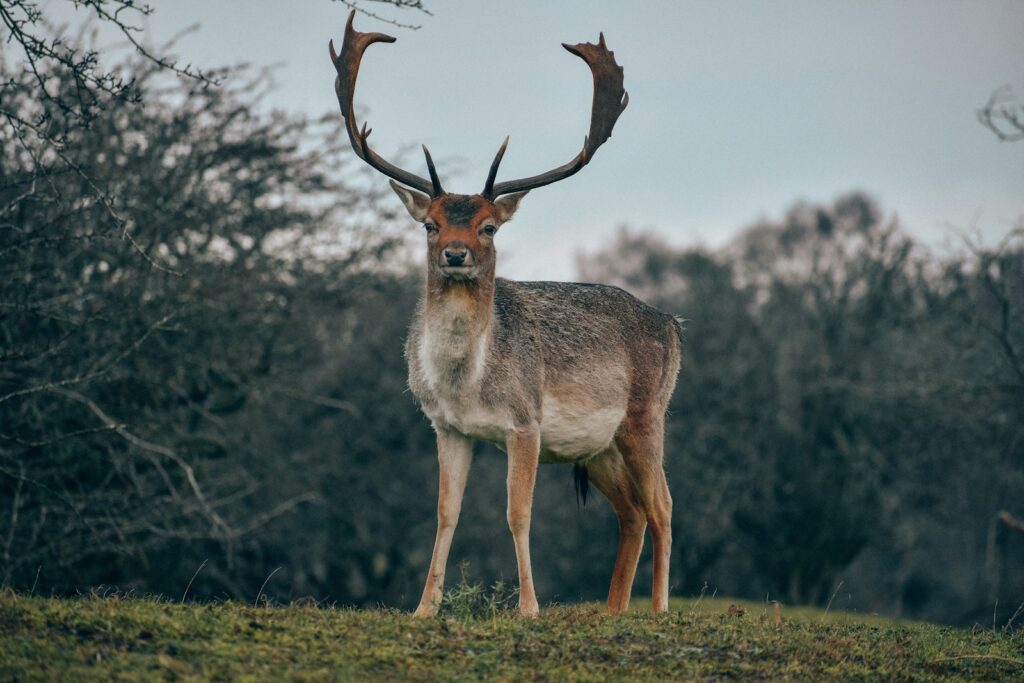
Deer have dietary preferences, selectively consuming certain plant species over others, particularly favoring those that are most nutritious or palatable. When deer populations become artificially high through supplemental feeding, their selective browsing behavior can eliminate preferred plant species from entire ecosystems. Research in the eastern United States has documented substantial declines in native wildflowers, including trilliums, orchids, and lilies, in areas with elevated deer populations. This selective pressure alters the composition of plant communities, often leaving behind only unpalatable, deer-resistant species or invasive plants that didn’t evolve with deer browsing pressure. The resulting plant community shifts can persist for decades even after deer populations are reduced, creating novel ecosystems with significantly lower biodiversity and different ecological functions than the original forest.
Cascading Effects on Wildlife
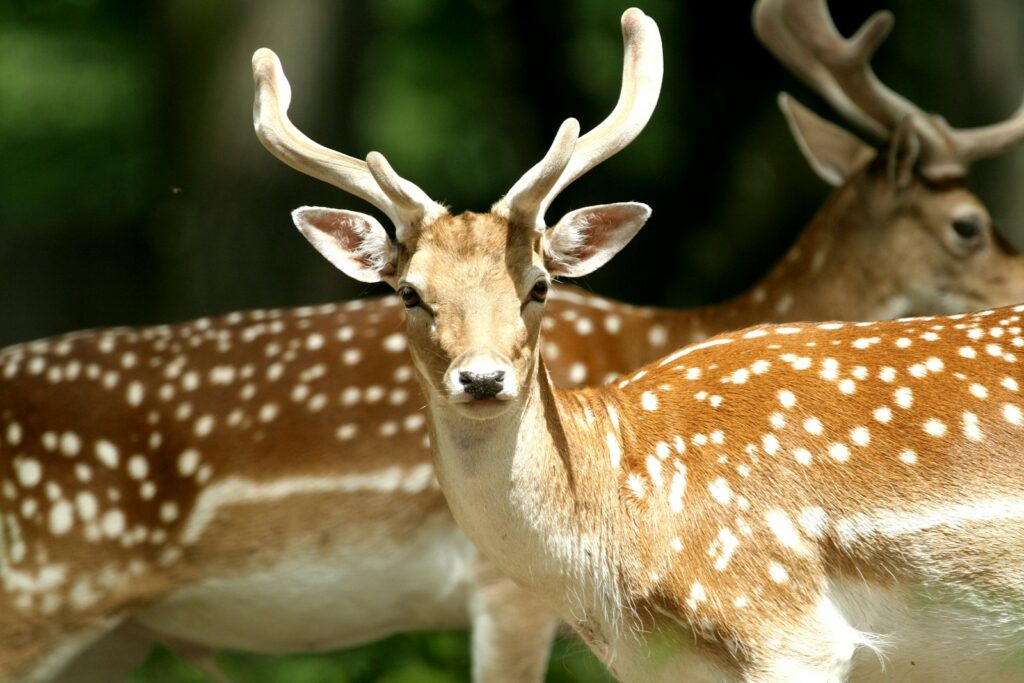
The vegetation changes caused by artificially high deer populations trigger cascading effects throughout the ecosystem, impacting numerous other wildlife species. Many bird species, particularly ground and shrub-nesting birds like ovenbirds, wood thrushes, and indigo buntings, depend on the forest understory for nesting habitat and foraging opportunities. Studies have documented dramatic declines in these bird populations in areas with heavy deer browsing. Small mammals such as voles, mice, and chipmunks also suffer from reduced cover and food resources when understory vegetation disappears. Even insects experience population declines when their host plants are eliminated by deer overbrowsing, affecting pollinators and the entire food web. These interconnected impacts demonstrate how artificially supporting one species can inadvertently harm dozens of others.
Disease Transmission and Concentration
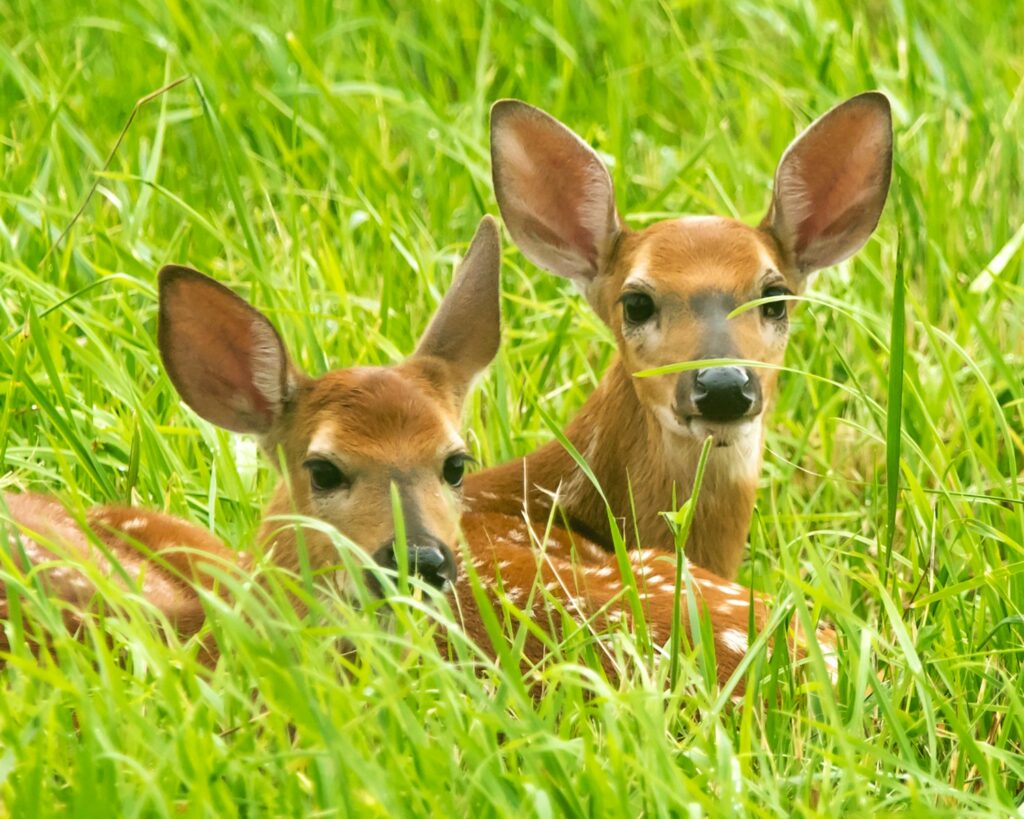
Artificial feeding sites create unnatural deer concentrations that significantly increase disease transmission risks, threatening both deer populations and potentially other species. Diseases like Chronic Wasting Disease (CWD), a fatal prion disorder similar to mad cow disease, spread much more rapidly when deer congregate at feeding sites through direct contact and environmental contamination. Bovine tuberculosis, another serious disease affecting multiple species including humans, also spreads more easily among concentrated deer populations. Feeding stations create perfect conditions for parasite transmission, with studies showing higher tick and intestinal parasite loads in deer that frequent artificial feeding sites. Additionally, these concentrated feeding areas often accumulate fecal matter, creating hotspots of soil and water contamination that can persist long after feeding has stopped.
Altering Natural Deer Behavior
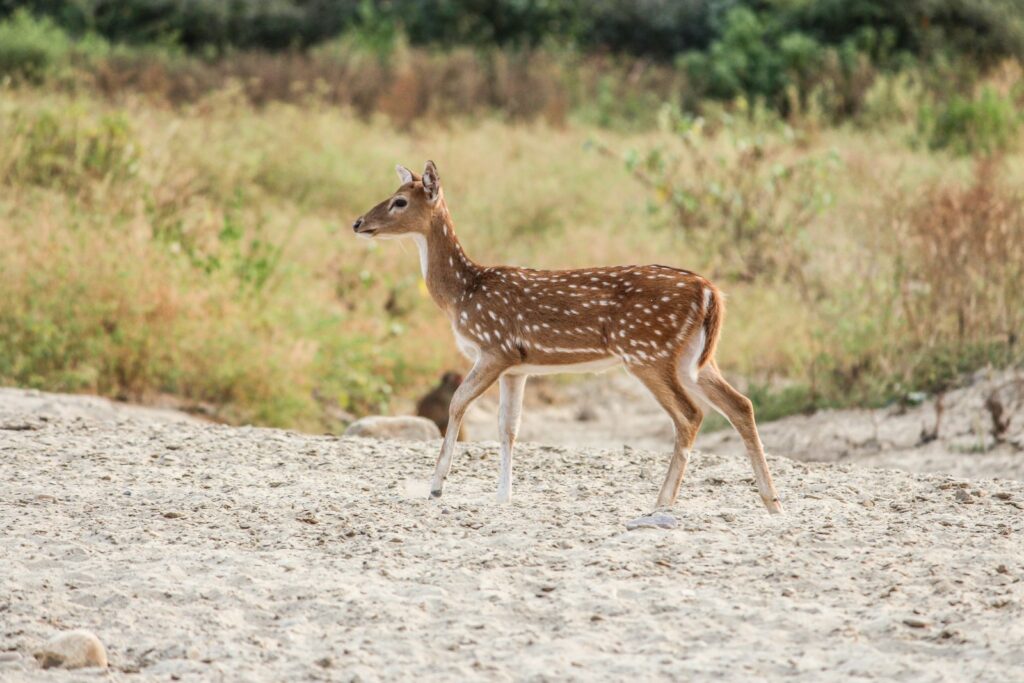
Regular feeding fundamentally changes deer behavior in ways that can be detrimental to both the animals and human communities. Wild deer naturally disperse across landscapes, moving regularly to find food sources and avoid predators. Artificial feeding creates an unhealthy dependence that disrupts these movement patterns, causing deer to congregate in smaller areas and potentially abandoning traditional migration routes. These behavioral changes affect how deer interact with their environment, often leading to reduced foraging ranges and increased habituation to human presence. Research tracking GPS-collared deer shows that individuals accustomed to supplemental feeding spend significantly more time near human settlements and show reduced wariness around potential dangers. Over generations, these behavioral shifts can alter the very nature of deer populations, selecting for individuals that rely on human-provided resources rather than natural adaptations.
Human-Wildlife Conflicts
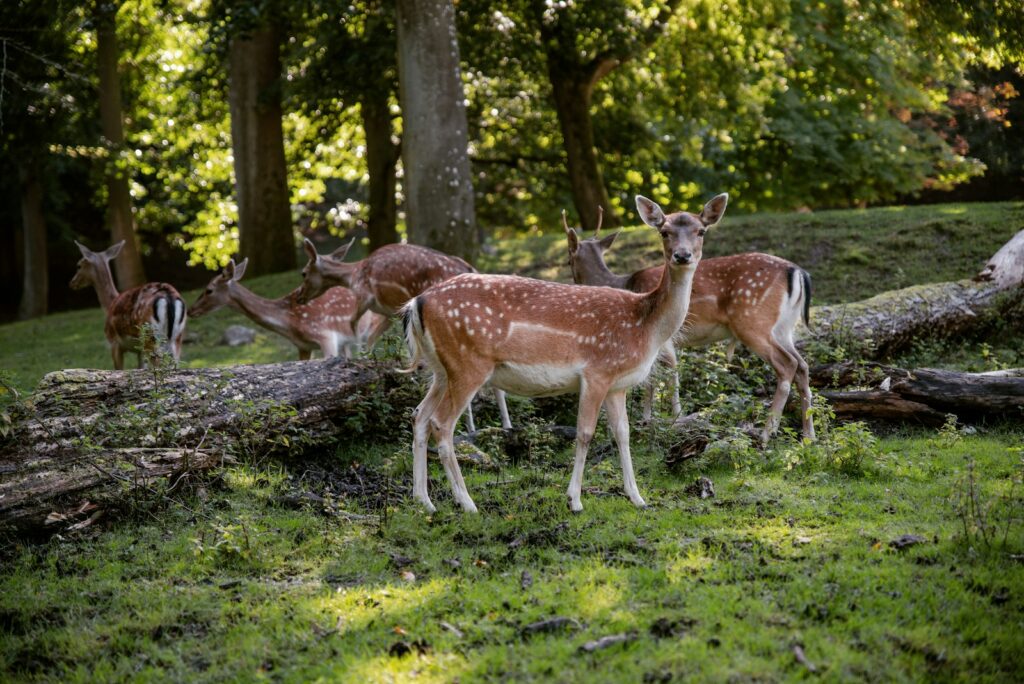
Ironically, feeding deer often increases rather than reduces human-wildlife conflicts in residential and suburban areas. Deer drawn to feeding sites quickly learn to associate human areas with food availability, leading them to explore yards, gardens, and other human-dominated spaces more frequently. This habituation results in increased damage to ornamental plants and gardens, which can cause significant economic losses for homeowners and businesses. More concerning is the dramatic increase in deer-vehicle collisions often documented in areas with supplemental feeding programs, as deer regularly cross roads while traveling between natural habitat and feeding sites. Additionally, habituated deer may become more aggressive during breeding seasons or when protecting young, potentially posing physical risks to humans, especially children or pets who approach too closely.
Nutritional Imbalances and Health Problems
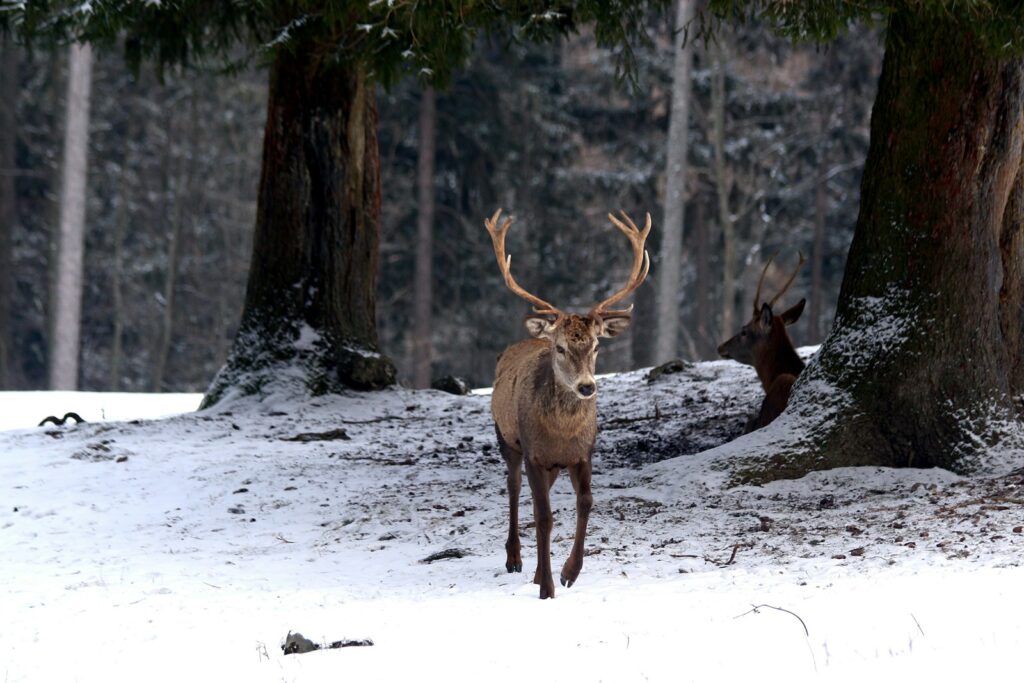
Most well-intentioned deer feeders lack understanding of deer nutritional requirements, often providing foods that cause serious health problems for the animals they’re trying to help. Corn, a common supplemental feed, is particularly problematic as it’s high in carbohydrates but low in critical nutrients, potentially causing acidosis, a potentially fatal condition when consumed in large quantities, especially in winter when deer digestive systems are adapted for woody browse. Commercial feeds designed for livestock or other wildlife are similarly inappropriate as they don’t match the complex seasonal nutritional needs of wild deer. Wildlife rehabilitation centers regularly treat deer suffering from malnutrition despite having full stomachs, demonstrating how artificial feeding can create a false sense of satiety while failing to provide essential nutrients. In severe cases, improper feeding can directly cause painful conditions like laminitis (hoof inflammation) or rumenitis (inflammation of the rumen).
Reducing Natural Selection Pressures
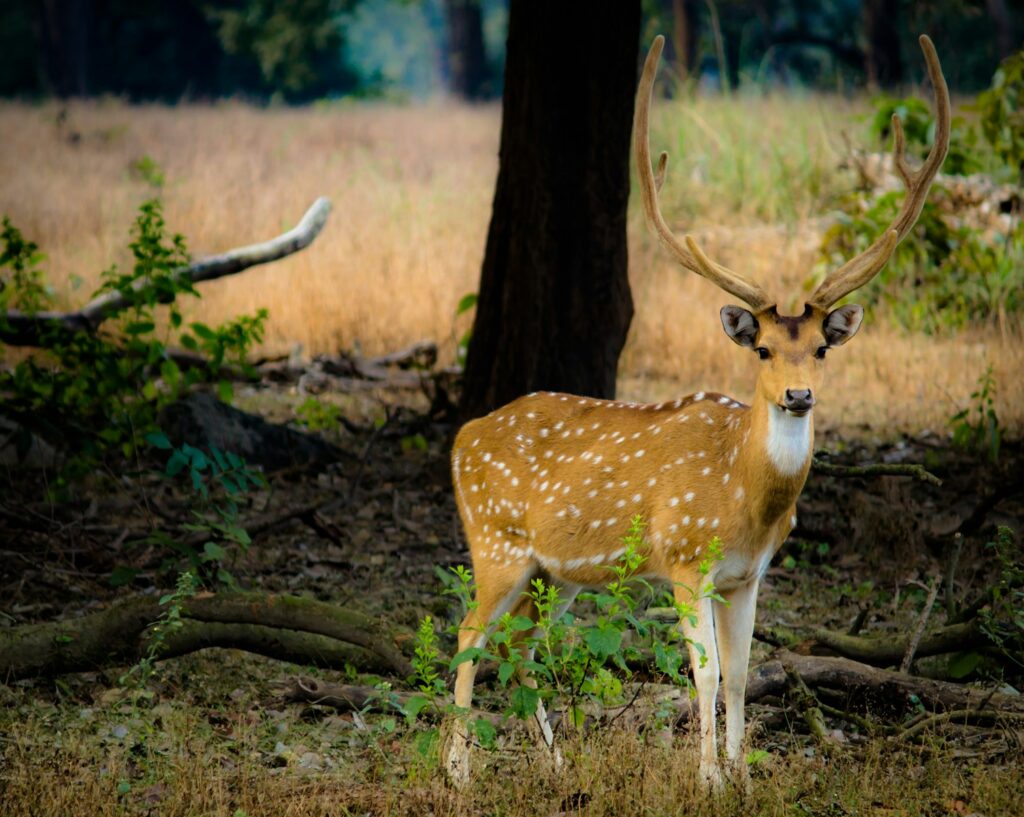
Artificial feeding interferes with natural selection processes that normally strengthen deer populations over time by allowing the survival of individuals that would otherwise not persist in natural conditions. In unaltered ecosystems, winter mortality typically affects the very young, very old, or weakest individuals, effectively strengthening the population’s genetic health through selective pressure. Supplemental feeding enables these weaker individuals to survive and reproduce, potentially diluting advantageous genetic traits that help deer thrive in local conditions without human assistance. Over multiple generations, this interference with natural selection can reduce the population’s genetic fitness and adaptive capacity. Long-term studies of fed versus unfed deer populations show that artificially supported herds often display reduced resistance to disease, decreased foraging efficiency, and lower adaptability to environmental changes.
Economic Impacts on Agriculture and Forestry
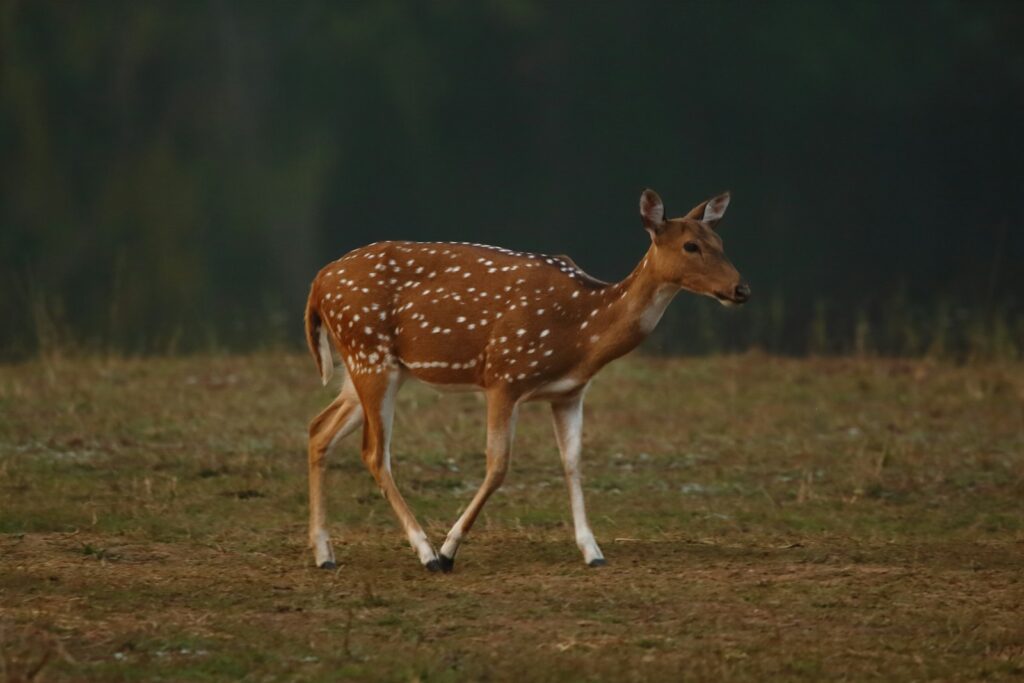
The artificially elevated deer populations resulting from supplemental feeding create significant economic burdens for agricultural producers and forestry operations. Farmers in areas with high deer densities report crop losses reaching tens of thousands of dollars annually, with certain high-value crops like soybeans, fruit trees, and vegetables being particularly vulnerable to deer damage. Forestry operations face even longer-term economic consequences, as overbrowsing prevents forest regeneration after timber harvests, potentially requiring expensive fencing or other mitigation measures to ensure future timber production. These economic impacts extend beyond private landowners to affect entire rural economies dependent on agriculture and forestry. Public agencies also bear increased costs for deer management, damage mitigation, and responding to deer-vehicle collisions, creating taxpayer burdens that could be avoided through more natural population dynamics.
Alternatives to Feeding
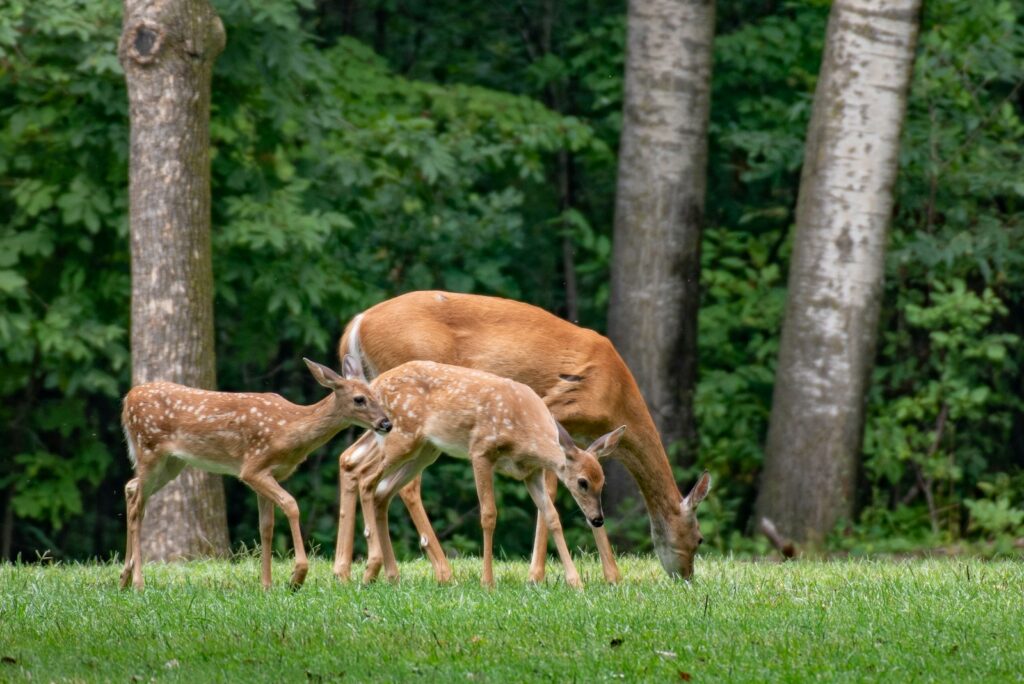
For those genuinely concerned about deer welfare, several more ecologically sound alternatives exist that support deer without disrupting natural processes. Habitat improvement through native plant restoration provides sustainable natural food sources while benefiting the entire ecosystem, creating diversity in the landscape that supports deer through all seasons. Maintaining travel corridors between habitat patches allows deer to access natural food sources across larger areas, reducing pressure on any single location. Targeted forest management practices like strategic timber harvesting can stimulate natural browse production while improving habitat for various wildlife species beyond deer. Supporting science-based hunting programs helps maintain deer populations at levels appropriate for the habitat while providing sustainable, ethically harvested protein sources for communities.
Responsible Wildlife Stewardship
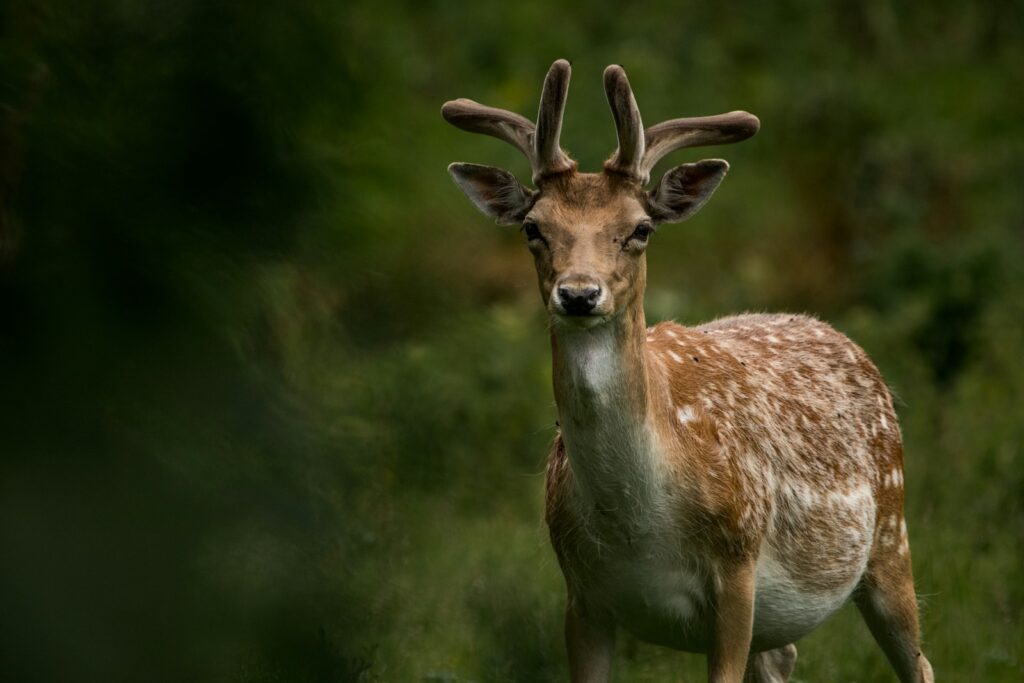
True wildlife stewardship requires understanding and respecting the complex ecological relationships that have evolved over thousands of years. Effective deer management approaches recognize that healthy ecosystems depend on appropriate deer densities that allow for forest regeneration, maintain plant diversity, and support the full spectrum of native wildlife. Professional wildlife managers use science-based methods to determine sustainable population goals for specific habitats, implementing carefully designed management plans that may include regulated hunting, habitat improvement, and sometimes targeted fertility control in areas where hunting isn’t feasible. Responsible stewardship also involves public education about deer ecology and the unintended consequences of well-meaning interventions like feeding. By shifting from emotional reactions to ecological understanding, communities can develop more effective approaches to living alongside deer while protecting ecosystem health.
Conclusion
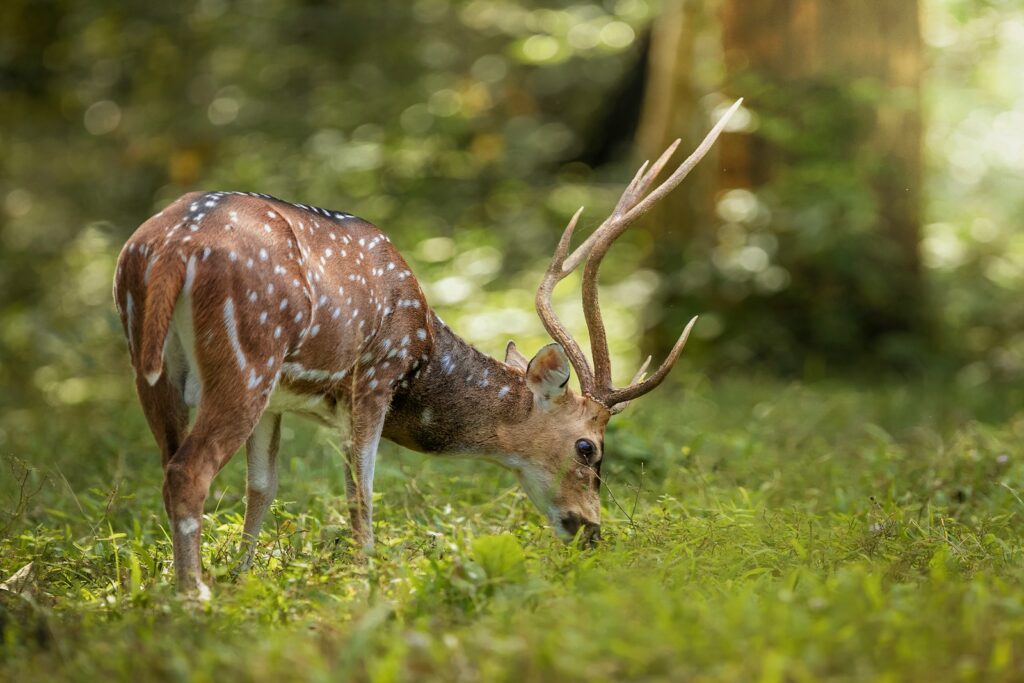
While feeding deer may seem like a compassionate action, the scientific evidence clearly demonstrates that this intervention typically causes more harm than good to both deer and the broader ecosystems they inhabit. The cascading ecological effects—from forest regeneration failure to biodiversity loss and increased disease transmission—illustrate how tightly interconnected natural systems are and how easily they can be disrupted by human interference. Rather than offering food directly, a more beneficial approach involves supporting natural habitat, understanding ecological relationships, and allowing natural processes to unfold. By shifting our perspective from focusing on individual deer to considering the health of entire ecosystems, we can develop more effective and truly compassionate approaches to wildlife conservation that benefit all species, including deer, for generations to come.