
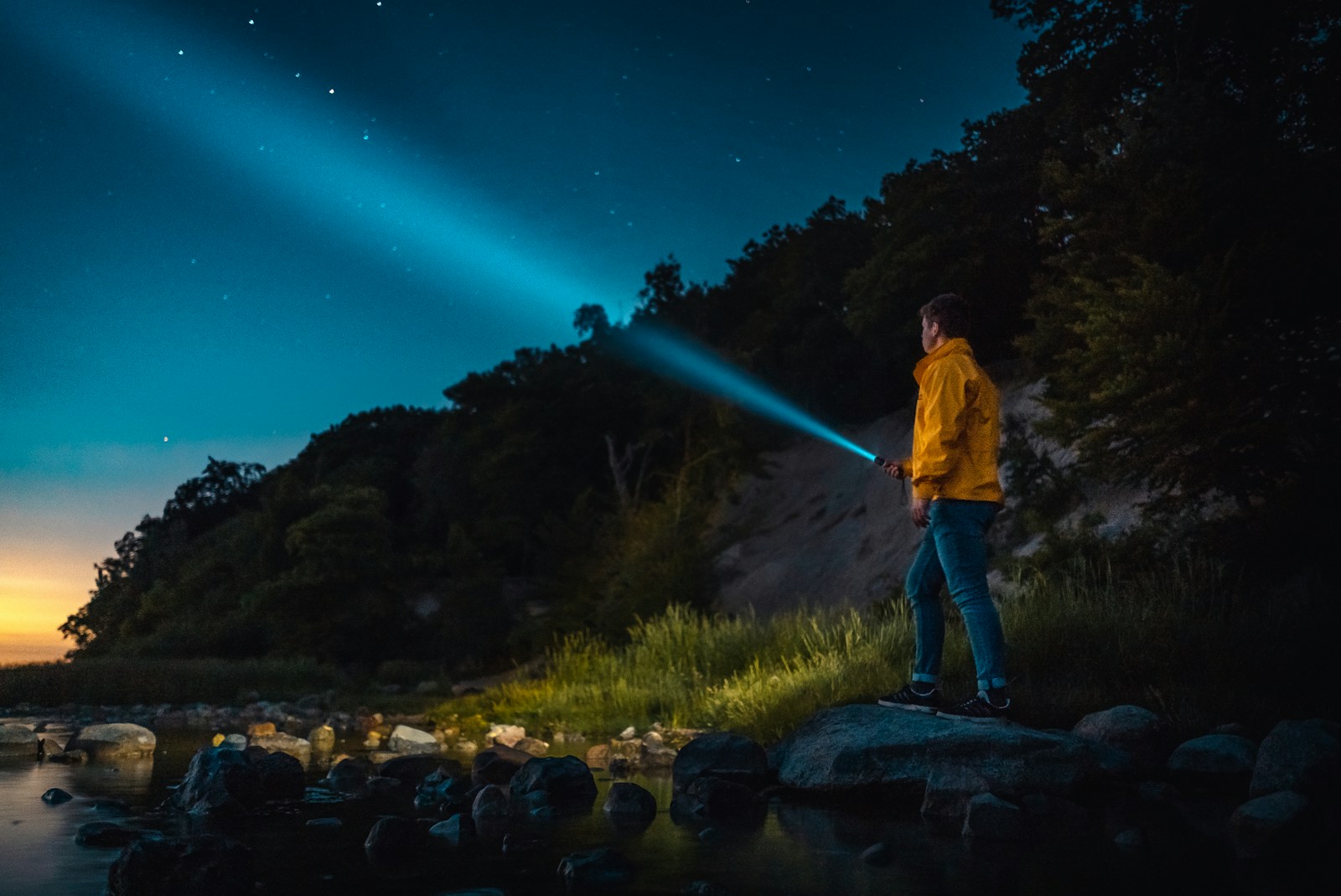
In the quiet embrace of nightfall, when humans rely on artificial illumination to navigate the darkness, our flashlights create unexpected consequences for the creatures that call the night their home. Nocturnal wildlife has evolved specialized adaptations for life in low-light conditions, making them particularly vulnerable to sudden, intense light sources. The beam of a flashlight, seemingly innocuous to us, can disrupt natural behaviors, trigger stress responses, and even temporarily blind animals adapted to darkness. This article explores the fascinating intersection of human technology and wildlife biology, revealing why our illumination tools can have such profound effects on the creatures of the night.
The Evolutionary Adaptation of Nocturnal Vision
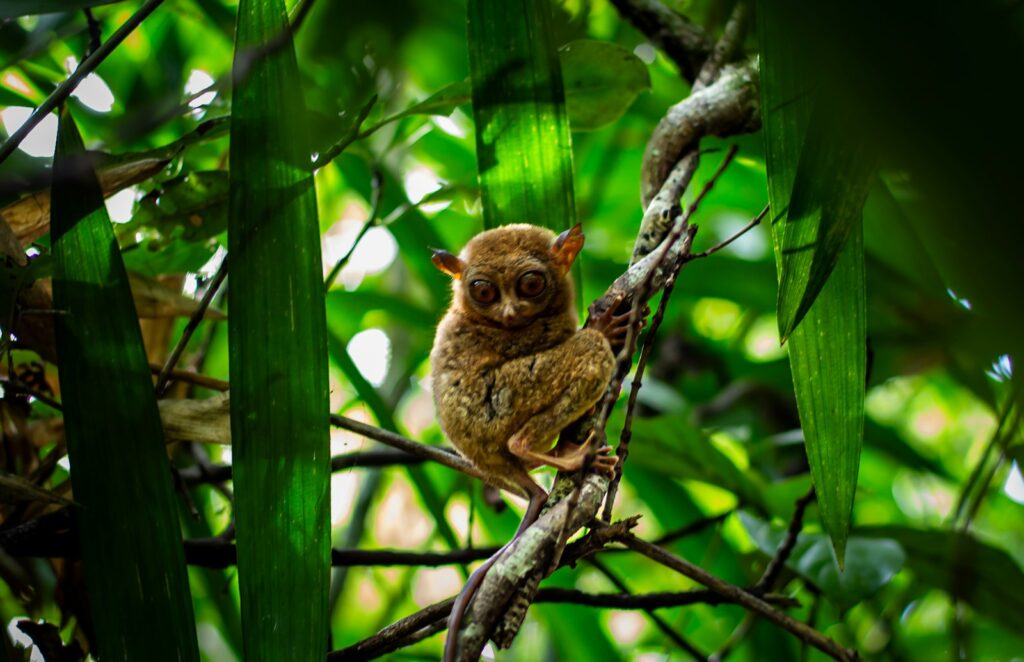
Nocturnal animals have evolved highly specialized visual systems that fundamentally differ from those of diurnal species, including humans. Many night-active creatures possess a higher concentration of rod cells in their retinas, which are more sensitive to light but provide less color differentiation than cone cells. Their eyes often feature a reflective layer called the tapetum lucidum behind the retina, which enhances light sensitivity by reflecting light back through the retina for a second chance at absorption. Additionally, some nocturnal species have evolved larger corneas and pupils that can dilate extensively, allowing maximum light collection in dim conditions. These adaptations create visual systems optimized for low-light environments but make these animals particularly vulnerable to sudden, intense light exposure.
The Physiology of Light Shock
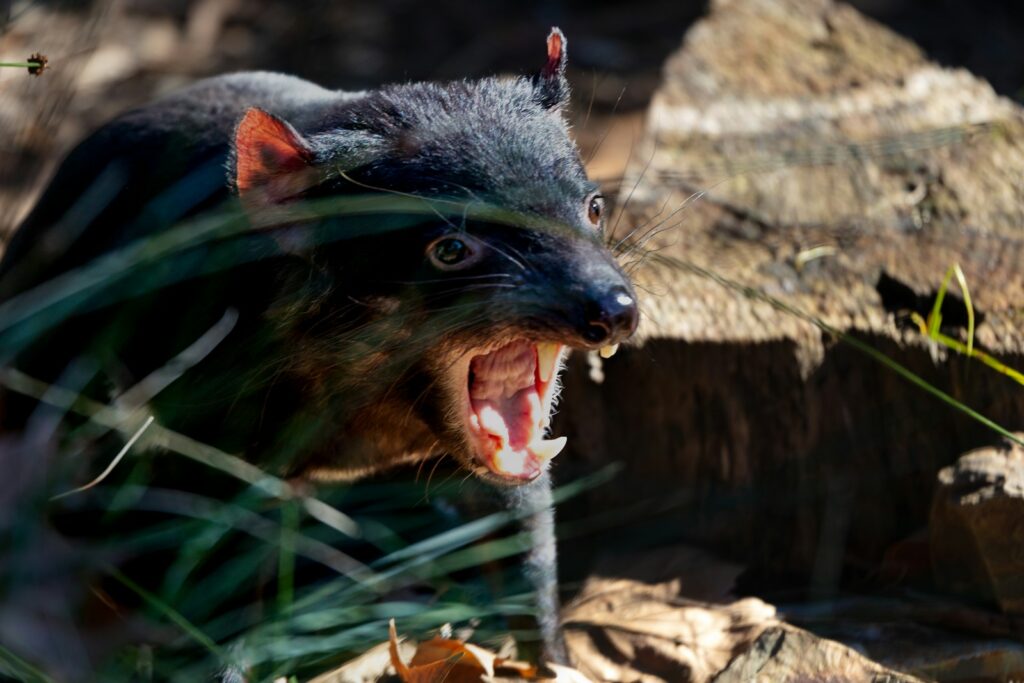
When a bright flashlight beam suddenly illuminates a nocturnal animal, it triggers a cascade of physiological responses that can be likened to sensory overload. The pupils, which are fully dilated to capture available moonlight or starlight, cannot constrict quickly enough to protect the light-sensitive retina from the flood of photons. This overwhelming stimulation can temporarily saturate photoreceptors, effectively “bleaching” them and causing momentary blindness. The sensation might be compared to a human stepping from a dark movie theater into bright sunlight, except far more intense. For nocturnal predators mid-hunt or prey animals scanning for threats, this temporary visual impairment can be particularly disorienting and distressing, disrupting critical survival behaviors.
The Tapetum Lucidum Effect

The tapetum lucidum, a reflective layer behind the retina in many nocturnal animals, creates the characteristic “eyeshine” we observe when light hits their eyes at night. This evolutionary adaptation increases visual sensitivity by reflecting light back through the retina, giving photoreceptors a second chance to detect photons. When a flashlight beam strikes an animal with this adaptation, the light is amplified within the eye, intensifying the blinding effect. Species with prominent tapeta, such as cats, deer, and many nocturnal marsupials, can experience particularly severe temporary blindness when caught in artificial light. The very adaptation that helps them see in darkness becomes a liability when confronted with the concentrated beam of a flashlight, creating a visual overload that can leave them vulnerable for crucial seconds or even minutes.
Disruption of Circadian Rhythms
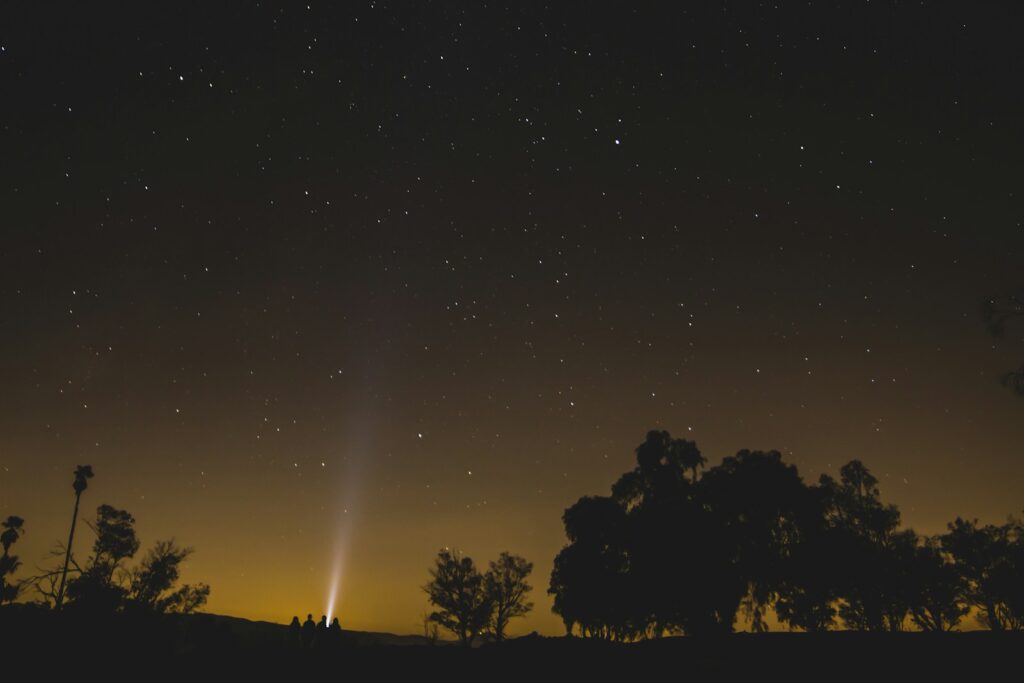
Beyond immediate visual discomfort, exposure to artificial light at night can disrupt the circadian rhythms that govern the biological processes of nocturnal wildlife. These internal clocks rely on consistent light-dark cycles to regulate hormone production, feeding behaviors, mating activities, and sleep patterns. When nocturnal animals encounter bright flashlights during their active period, it can send conflicting signals to their endocrine systems, potentially triggering inappropriate physiological responses. Repeated exposure to artificial light can cause chronic disruptions to these rhythms, potentially affecting reproduction, foraging efficiency, and overall health. Research has shown that even brief, irregular light exposure can impact melatonin production in wildlife, a hormone crucial for regulating seasonal behaviors and reproductive cycles.
Predator-Prey Dynamics Interrupted
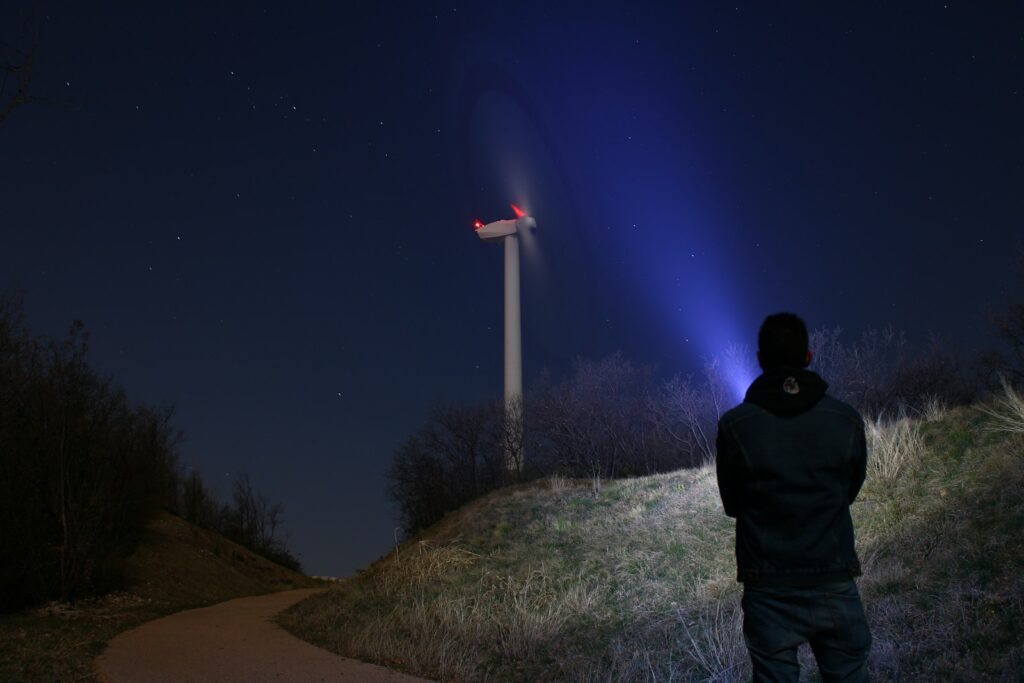
The sudden introduction of artificial light into nocturnal ecosystems can dramatically alter the delicate balance of predator-prey interactions. Prey species caught in a flashlight beam may become momentarily “frozen” in what ethologists call photic immobility, making them more vulnerable to predators. Conversely, predators relying on stealth and darkness for hunting success may lose their advantage when illuminated, causing them to abandon hunts and potentially miss critical feeding opportunities. These disruptions can extend beyond the immediate interaction, as unsuccessful hunts or escaped predation events influence energy budgets and survival strategies. Over time, regular disturbances from human light sources can create selection pressures that alter behavioral patterns and potentially drive evolutionary changes in affected populations.
Behavioral Avoidance Responses
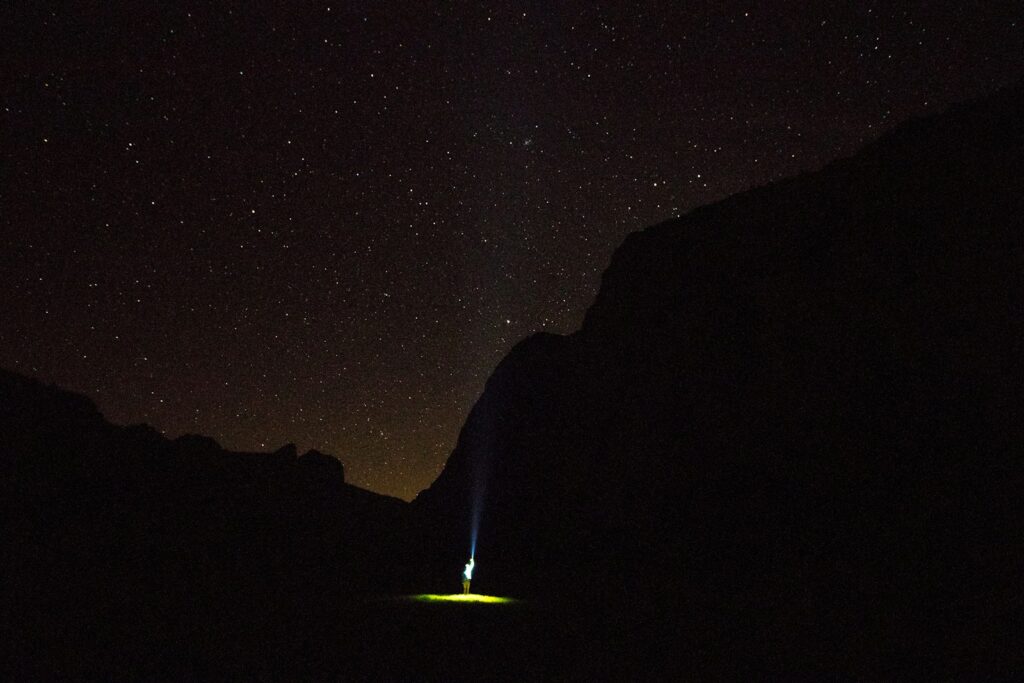
Many nocturnal wildlife species have developed specific behavioral responses to sudden light exposure, often manifested as avoidance of illuminated areas. Studies have documented how bats will alter flight paths to avoid lit sections of their habitat, potentially reducing access to optimal feeding grounds. Small mammals like rodents show decreased foraging activity in areas exposed to artificial light, sometimes abandoning resource-rich patches entirely. Birds that migrate at night can become disoriented by light sources, deviating from established migratory routes. These avoidance behaviors can effectively fragment habitat, creating “no-go zones” around regularly lit areas and potentially isolating populations. For territorial species or those with specific habitat requirements, this light-induced habitat loss can have significant population-level consequences.
Light Intensity and Spectrum Considerations
The specific characteristics of flashlight beams play a significant role in their impact on nocturnal wildlife. Modern LED flashlights can produce extraordinarily intense light—sometimes exceeding 1,000 lumens—far brighter than traditional incandescent models. This intensity can increase the severity and duration of visual impairment for night-adapted eyes. Additionally, the light spectrum matters considerably; flashlights with high blue light content are particularly problematic for nocturnal species. Blue wavelengths are known to suppress melatonin production more strongly than warmer colors like red or amber. The focused nature of flashlight beams also creates sharp contrasts between illuminated and dark areas, making it difficult for animals to visually adjust while moving through partially lit environments.
Insect Attraction and Ecosystem Effects

Flashlights create ripple effects throughout nocturnal ecosystems by attracting insects, the foundation of many food webs. Most insects demonstrate positive phototaxis—an attraction to light sources—which can artificially concentrate them around human light sources. This concentration disrupts their normal dispersal patterns and can interfere with pollination activities, mating behaviors, and predator avoidance strategies. Predators that feed on insects may benefit temporarily from this artificial abundance, but the ecological balance can become skewed. The attraction effect is particularly pronounced with lights containing ultraviolet wavelengths, which many insects can perceive. These cascading effects demonstrate how seemingly minor disruptions can propagate through complex ecological networks, potentially affecting species not directly exposed to the light itself.
Species-Specific Sensitivity Differences
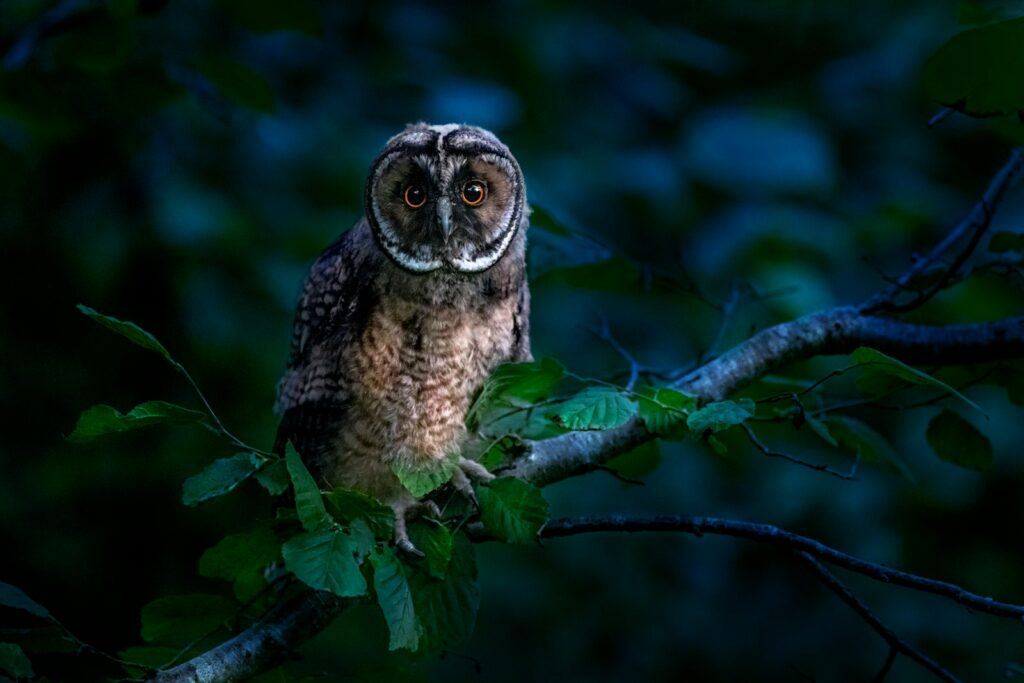
Nocturnal wildlife varies considerably in their sensitivity to artificial light based on evolutionary history and ecological niche. Strictly nocturnal species like owls, opossum, and most bat species typically show the most pronounced reactions to sudden illumination. Crepuscular animals—those active primarily during dawn and dusk—such as rabbits and deer, have visual systems adapted to function in transitional light conditions, making them somewhat less vulnerable but still significantly affected. Additionally, species that have evolved in consistently dark environments, such as cave-dwelling animals or deep forest specialists, often display heightened sensitivity compared to edge-habitat generalists. These differences in light tolerance influence which species are most likely to abandon habitats frequently exposed to artificial light, potentially leading to altered community composition in affected areas.
Wildlife Photography Ethical Considerations
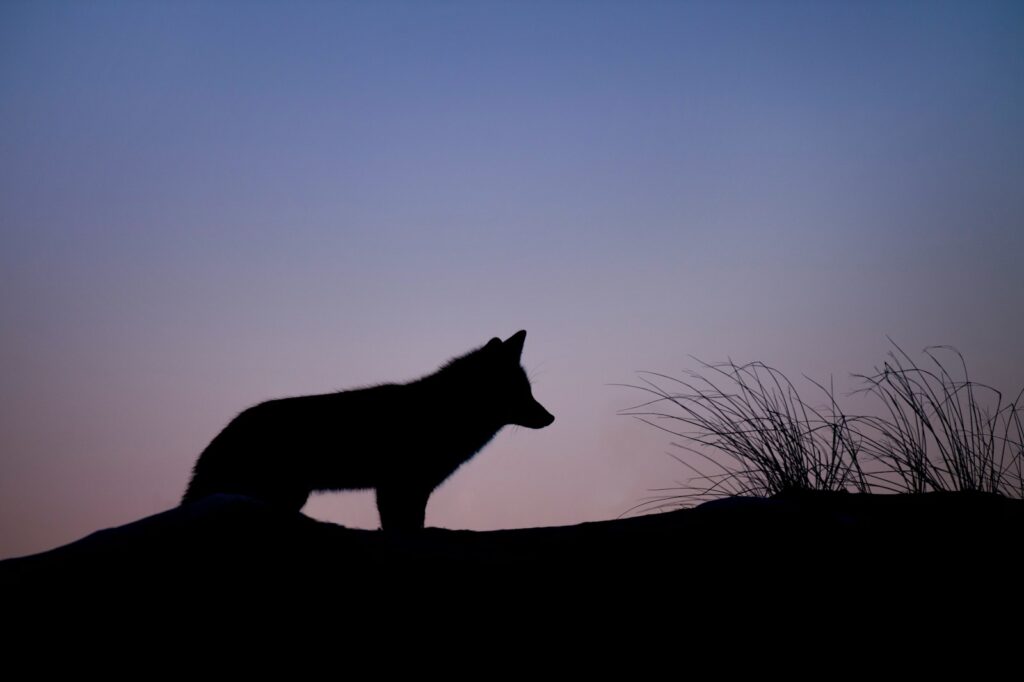
Wildlife photographers face particular ethical challenges when documenting nocturnal species, as their work necessarily involves illumination. Flash photography can cause severe temporary blindness and stress responses in night-active animals, potentially disrupting critical behaviors like hunting or mating. Even “non-invasive” techniques using red-filtered light or distant flash can still impact more sensitive species. Responsible photographers now increasingly use infrared or thermal imaging technology that requires no visible light, minimizing disturbance while still capturing compelling images. Conservation organizations and wildlife photography associations have developed specific guidelines for nocturnal photography, emphasizing minimal light use, appropriate distance maintenance, and limiting exposure duration. These practices acknowledge that even documentation for conservation purposes must balance the immediate welfare of individual animals against broader educational benefits.
Conservation Implications of Light Disturbance

The cumulative effects of artificial light disturbance, including from flashlights, present growing conservation challenges for nocturnal wildlife. Light pollution from urban areas, recreational activities, and infrastructure development has expanded dramatically in recent decades, leaving fewer truly dark refuges for light-sensitive species. This pressure can contribute to population declines, especially for specialist species with limited ability to adapt to human-modified landscapes. Conservation biologists now recognize artificial light at night as a significant form of habitat degradation requiring specific management strategies. Protected area managers increasingly implement dark-sky policies, restricting unnecessary lighting and specifying appropriate technology when illumination is required. These efforts recognize that preserving natural darkness is an essential component of habitat conservation for nocturnal wildlife.
Minimizing Impact Through Wildlife-Friendly Lighting Practices
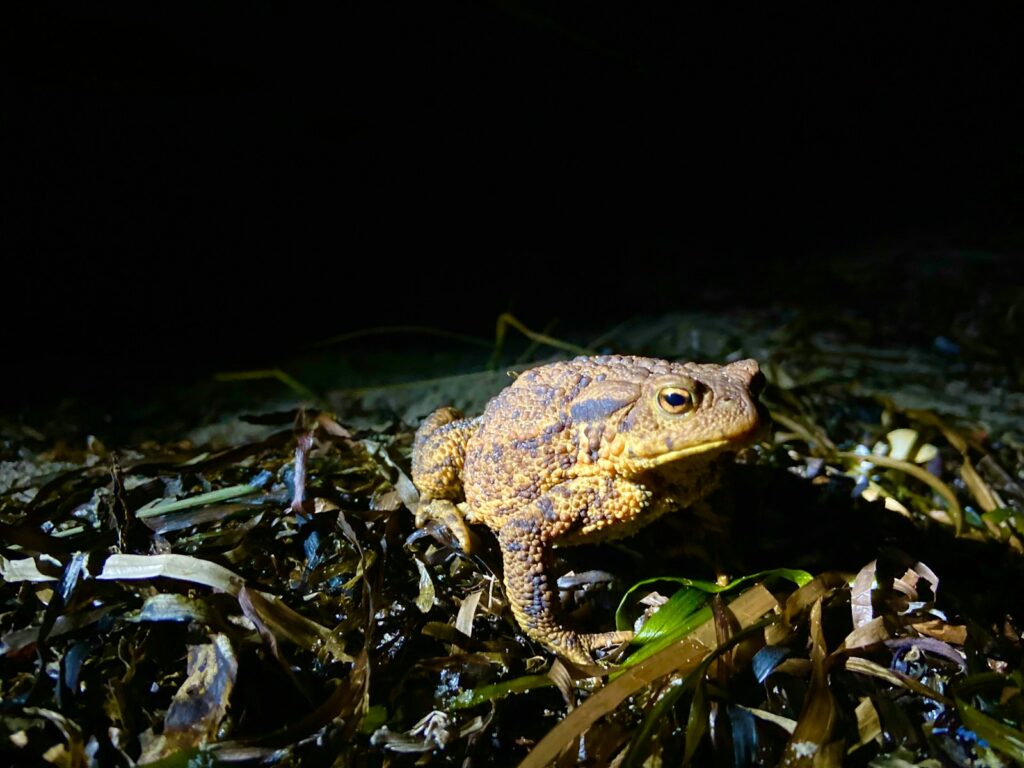
Outdoor enthusiasts can significantly reduce their impact on nocturnal wildlife by adopting wildlife-friendly lighting practices. Using red-filtered lights preserves human night vision while causing substantially less disruption to most nocturnal species, as red wavelengths have minimal impact on melatonin production and cause less visual dazzling. Keeping light intensity as low as safely possible and directing beams downward rather than scanning horizontally reduces the area affected and decreases the likelihood of directly illuminating animals’ eyes. Motion-activated lights minimize unnecessary illumination time, allowing wildlife to move through areas during dark intervals. When observing nocturnal wildlife is the specific goal, using night vision technology or thermal imaging devices eliminates the need for visible light entirely, providing a truly non-invasive viewing experience.
The Balance Between Human Safety and Wildlife Conservation
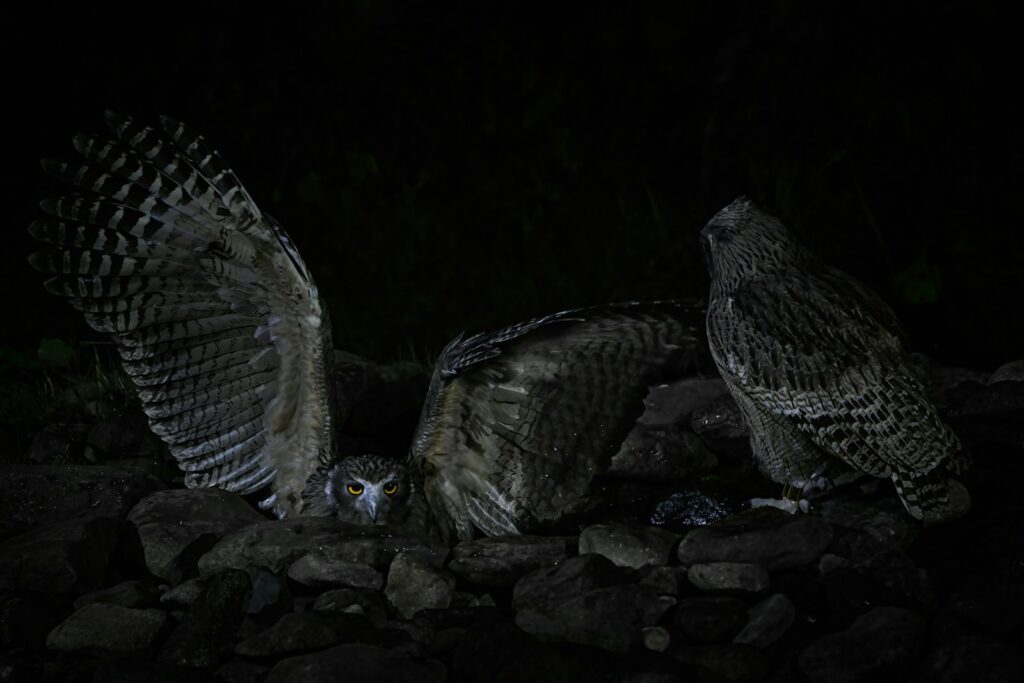
Finding the balance between human safety needs and wildlife conservation presents an ongoing challenge in managing nocturnal environments. Outdoor recreation, essential nighttime work, and safety considerations all create legitimate reasons for artificial illumination in natural areas. Effective solutions typically involve thoughtful application of the minimum intervention necessary—using lighting only when and where required, at appropriate intensities, and with wildlife-friendly characteristics. Many protected areas now implement educational programs to help visitors understand the importance of darkness for wildlife while providing guidance on responsible light use. This balanced approach recognizes that humans and nocturnal wildlife can coexist successfully when impacts are understood and minimized through informed choices and appropriate technology.
The relationship between our illumination technologies and nocturnal wildlife highlights the subtle yet significant ways human activities can affect natural systems. As we venture into dark forests, deserts, and other wild places, our flashlights briefly transform environments that have remained largely unchanged for millions of years of evolutionary adaptation. By understanding the profound effects of artificial light on nocturnal creatures, we can make more informed choices about when, where, and how we illuminate the night. Through thoughtful practices and increased awareness, we can continue to enjoy nighttime outdoor experiences while preserving the darkness that countless species depend upon for their survival.