
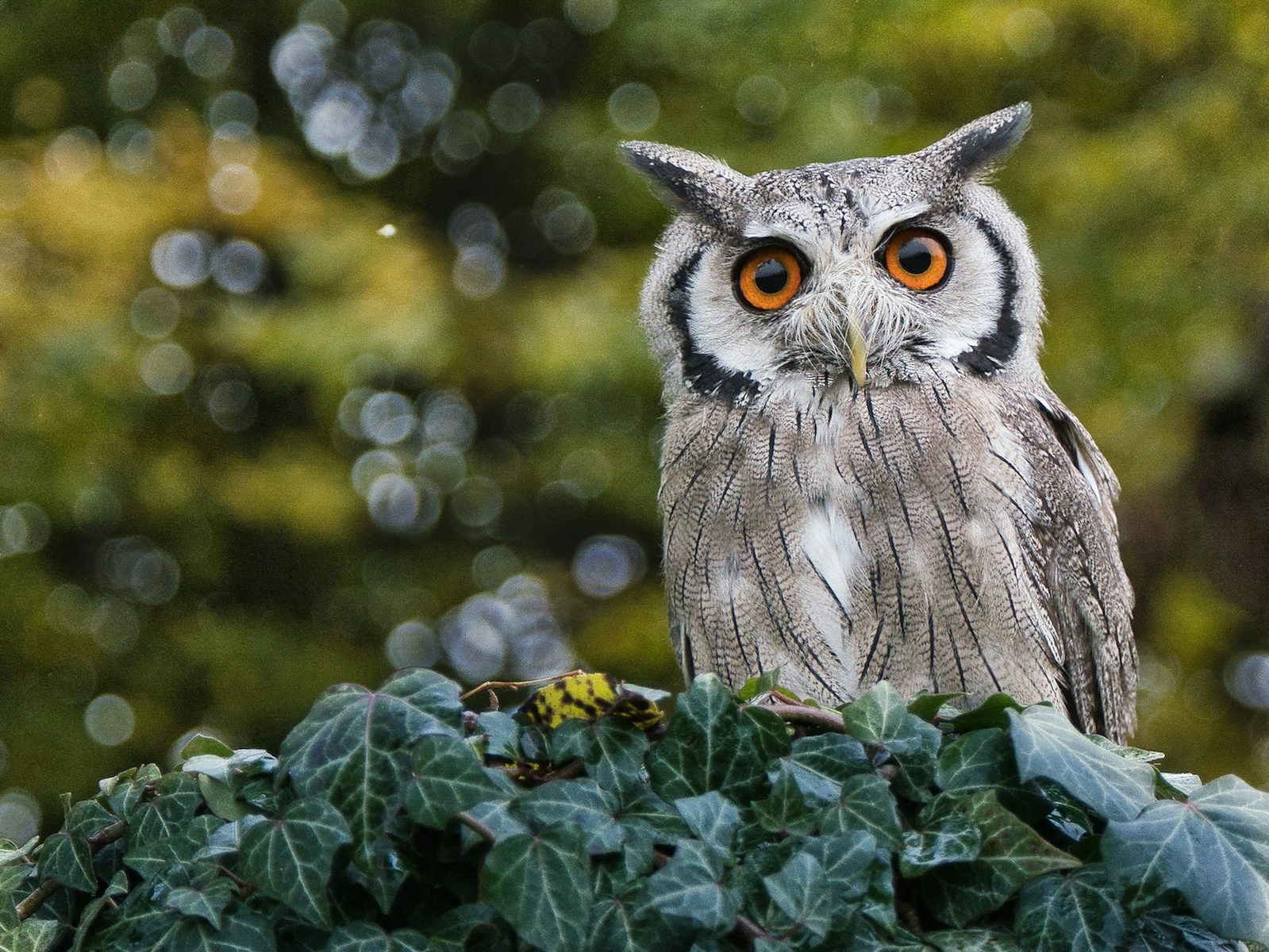
In cultures spanning continents and millennia, the silent-winged owl has transcended its biological existence to become one of humanity’s most enduring and powerful symbols. These nocturnal hunters have captivated human imagination not merely for their distinctive appearance, but for their remarkable behaviors that seem to embody qualities we deeply admire: wisdom, patience, and an almost supernatural ability to move undetected through darkness. From Athena’s companion in ancient Greece to indigenous spiritual guides across the Americas, owls have maintained their status as creatures of mystique and meaning. This article explores the fascinating reasons why owls have become universal symbols of wisdom and stealth, examining both the cultural history and the biological realities that have cemented these associations in human consciousness.
The Historical Connection Between Owls and Wisdom
The association between owls and wisdom dates back to ancient Greece, where the owl was the sacred companion of Athena, the goddess of wisdom, handicraft, and warfare. The Little Owl (Athene noctua) was so closely linked with Athena that the bird appeared on Athenian coins, effectively making the owl one of the earliest and most recognized symbols of knowledge in Western civilization. In Athens, the saying “taking owls to Athens” was equivalent to the modern phrase “carrying coals to Newcastle,” meaning a pointless action since owls were already abundant in the city. This deep connection wasn’t limited to Greece alone; in Roman mythology, Minerva (Athena’s counterpart) maintained the owl as her sacred animal, further cementing the bird’s association with scholarly pursuits and intellectual achievement across the ancient Mediterranean world.
The Owl’s Distinctive Appearance and Its Symbolic Weight
Owls possess a uniquely frontward-facing set of eyes that gives them an almost human-like gaze, creating an immediate sense of intelligence and contemplation that few other animals evoke. Unlike most birds whose eyes sit on the sides of their heads, owls’ forward-facing eyes create binocular vision similar to humans, allowing for depth perception but also producing a scholarly, thoughtful appearance. This distinctive facial structure is enhanced by the facial disc of feathers that frames their eyes, often creating the impression of a wise elder peering out from beneath heavy brows. The owl’s ability to rotate its head up to 270 degrees further contributes to this perception of heightened awareness and all-encompassing knowledge—a being that can see in all directions, literal and metaphorical. Their often serious, unblinking stare suggests deep contemplation, as if they’re constantly processing information and forming judgments, characteristics humans have long associated with wisdom and sagacity.
Nocturnal Hunters: Masters of the Night
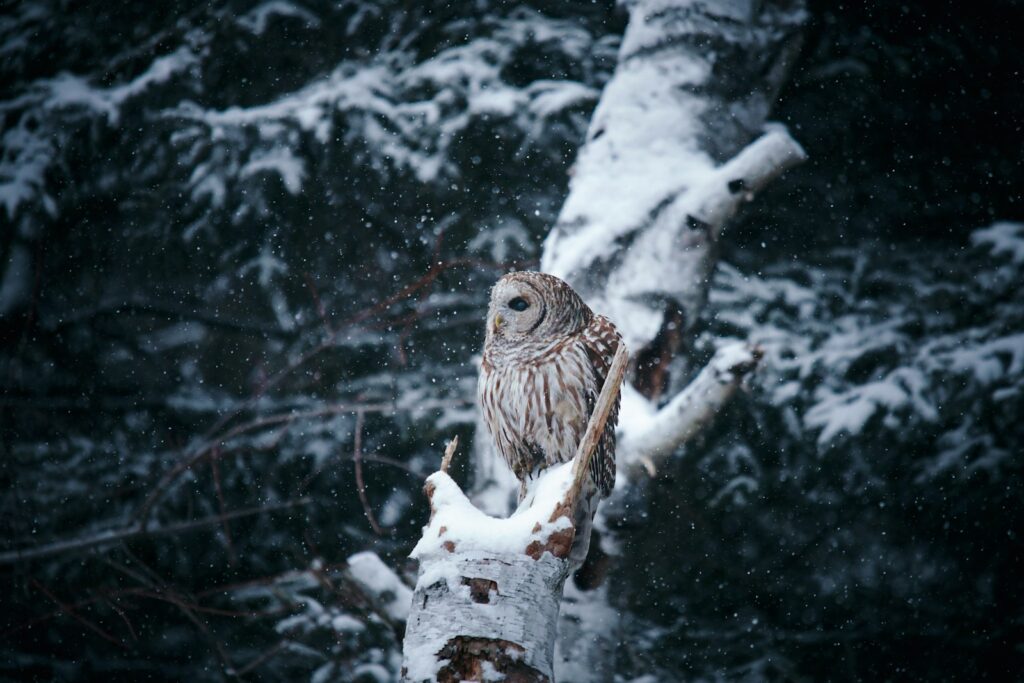
Owls’ mastery of the nocturnal realm has contributed significantly to their reputation as creatures of mystery and stealth. Operating primarily at night when most humans and diurnal animals are at their most vulnerable, owls have developed extraordinary adaptations that allow them to navigate and hunt in near-total darkness. Their exceptional night vision stems from eyes that contain an unusually high number of rod cells—photoreceptors specialized for low-light conditions—enabling them to see up to 100 times better than humans in dim environments. This ability to see what remains hidden to others naturally connects to notions of special knowledge and insight. Beyond vision, owls possess asymmetrically placed ear openings that create minute differences in sound arrival time, allowing them to triangulate prey location with astonishing precision, even beneath snow or vegetation. This capacity to perceive what others cannot—to literally “see in the dark” and hear the inaudible—has made owls powerful metaphors for wisdom that penetrates obscurity and uncovers hidden truths.
Silent Flight: The Ultimate Expression of Stealth
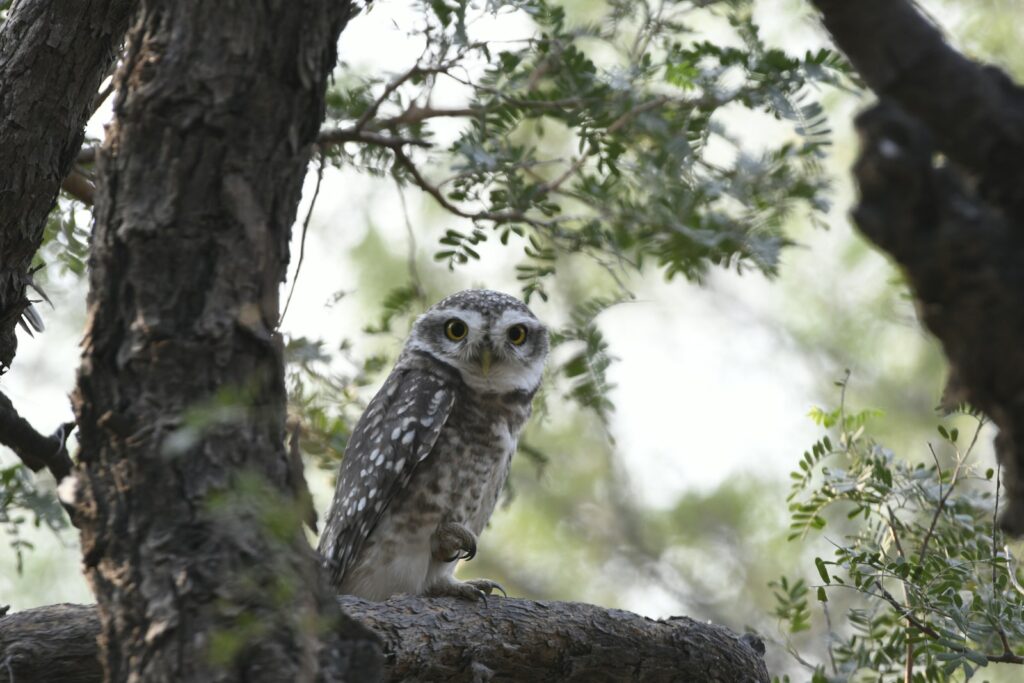
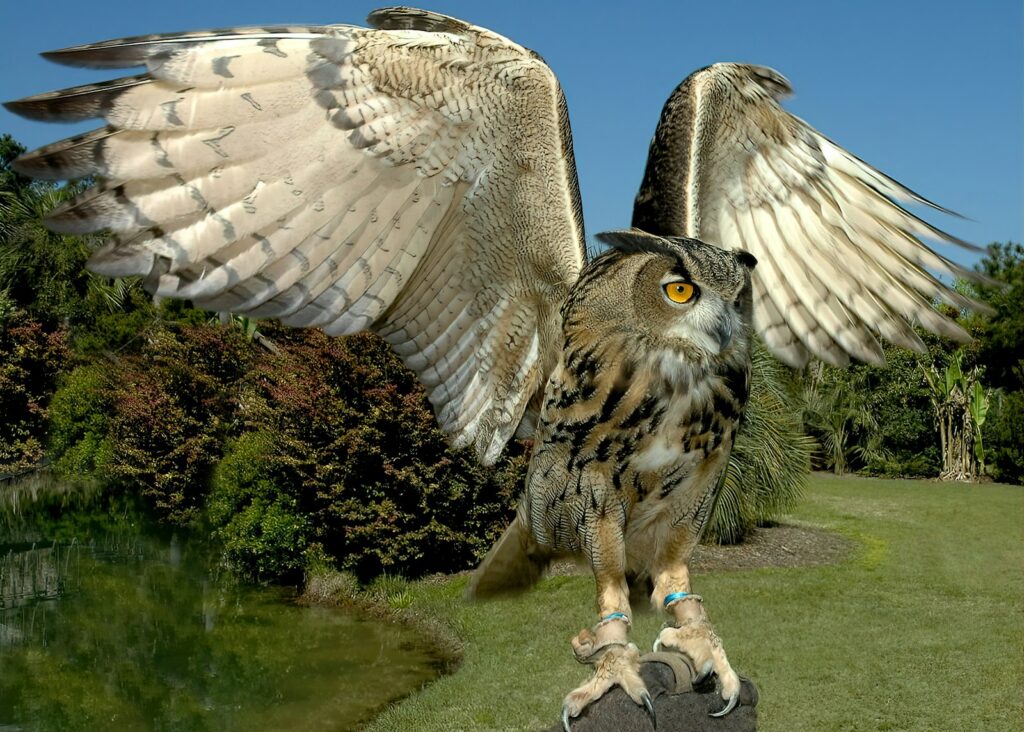
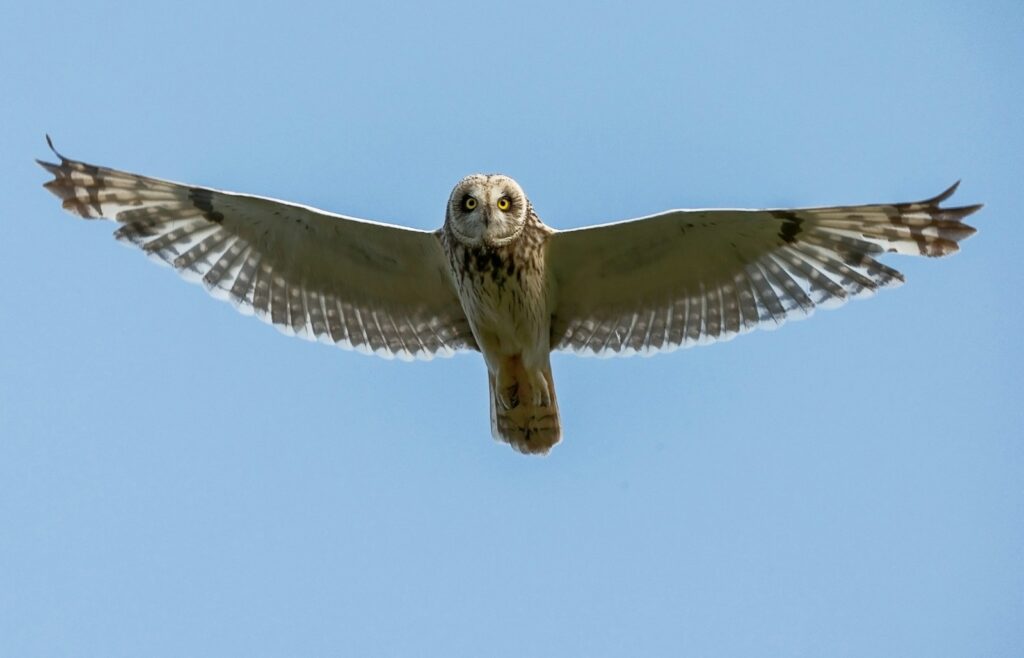
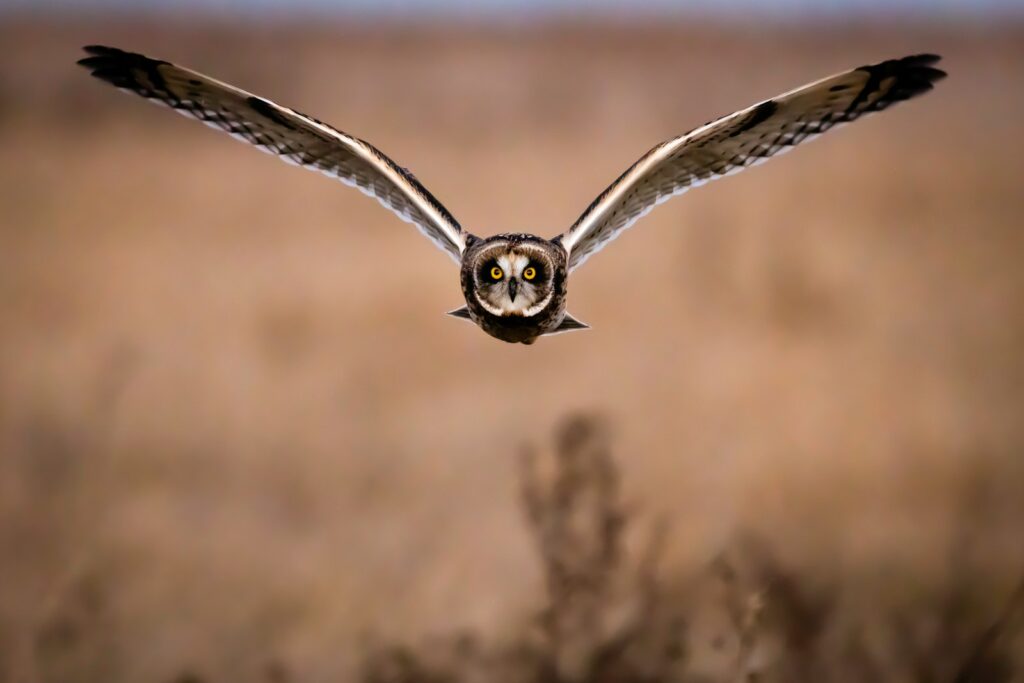
Perhaps no feature has contributed more to the owl’s reputation for supernatural stealth than its uniquely silent flight. Unlike other birds whose wing beats create distinctive sounds, owls possess specialized feathers with fringed, comb-like edges that break up air turbulence and effectively muffle the sound of their movement through air. This remarkable adaptation allows owls to approach prey without detection, creating the impression of a hunter that materializes from nowhere. The leading edge of their primary flight feathers features serrations that function similar to the streamlined edges of high-performance aircraft wings, further reducing sound by minimizing air disturbance. Additional adaptations include velvety surfaces on their flight feathers that absorb sound and extra-soft down feathers that dampen any remaining noise. This combination of specialized features creates flight so silent that even sophisticated sound equipment struggles to detect an owl in motion, making them the embodiment of perfect stealth—a quality that has fascinated humans and contributed to the owl’s mystique as a creature of supernatural capabilities.
Owls in Native American Traditions
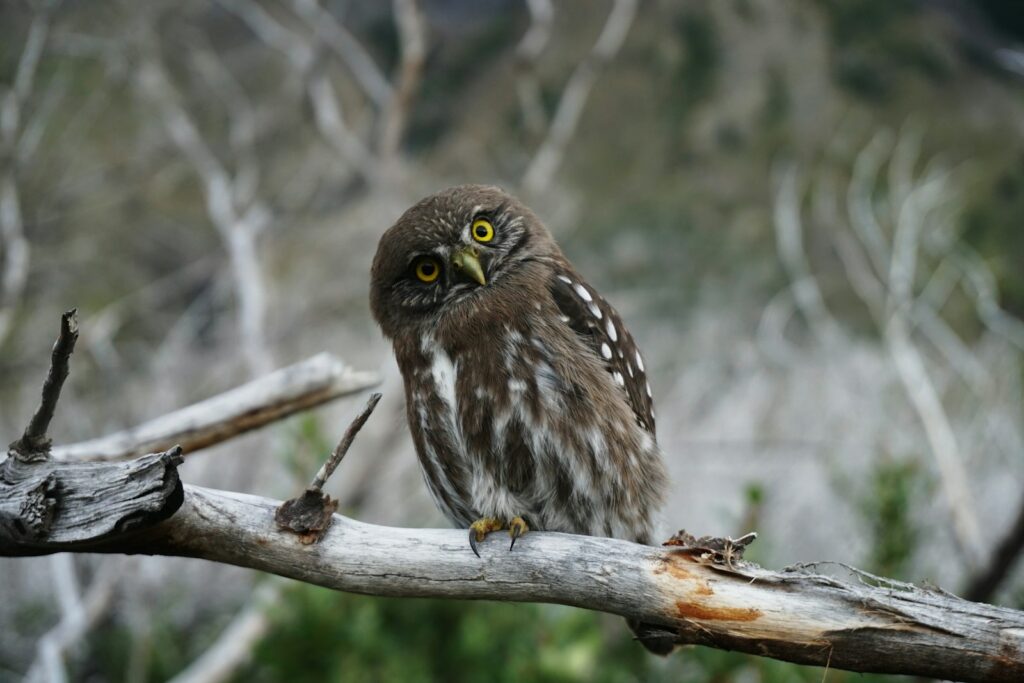
Across Native American cultures, owls occupy a complex spiritual position that often connects them to wisdom but frequently extends into the realms of prophecy, death, and transformation. Among the Pueblo peoples, owls are associated with Skeleton Man, a figure connected to fertility, death, and the ancestral world, making the owl a creature that bridges realms of knowledge both earthly and spiritual. For the Lakota, the owl is a protector guiding souls to the next world, possessing wisdom that transcends the boundaries between life and death. In Cherokee traditions, owls are consultants to medicine men and women, offering guidance on healing practices and spiritual matters through their special insight. However, this wisdom often carries a shadow aspect—many tribes view the owl’s call as an omen of approaching death, suggesting that the owl’s wisdom includes knowledge of life’s darkest mysteries. This multifaceted portrayal across indigenous traditions highlights how the owl’s perceived wisdom isn’t limited to intellectual knowledge but encompasses deeper spiritual understandings about existence, transformation, and the unseen realms.
The Barn Owl: Face of Mystery and Folklore
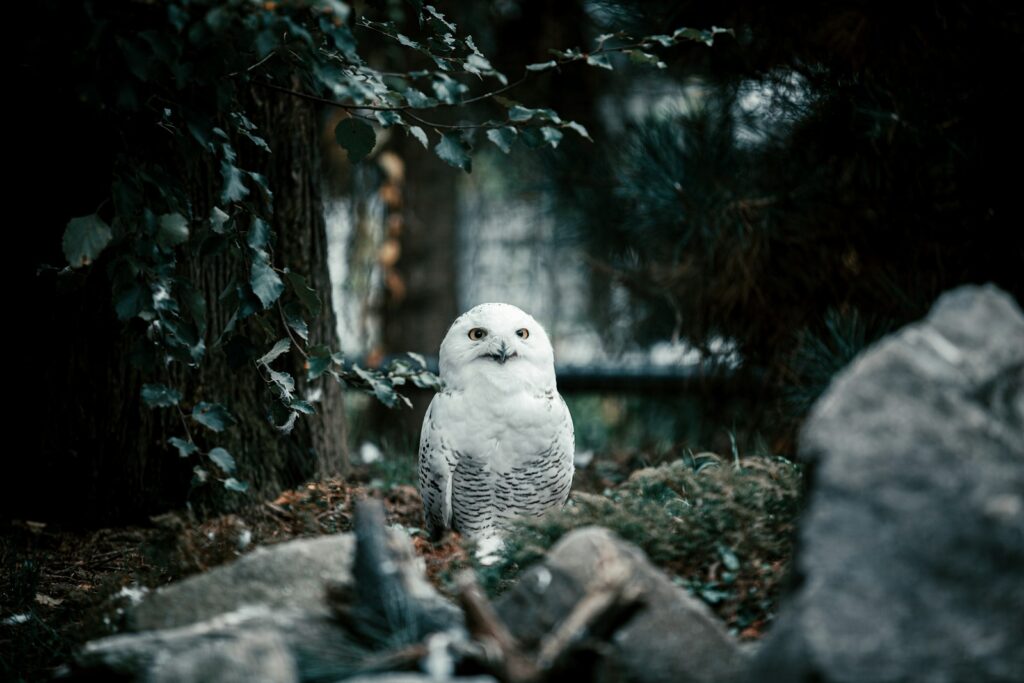
The Barn Owl (Tyto alba), with its distinctive heart-shaped facial disc and ghostly white appearance, has inspired some of the most enduring owl folklore related to both wisdom and stealth. In medieval Europe, the Barn Owl’s silent flight and pale coloration led to its association with churchyards and abandoned buildings, earning it sinister nicknames like “Death Owl” and “Church Owl”—a creature whose wisdom included foreknowledge of death. Welsh tradition held that a Barn Owl’s screech near a home foretold imminent death, while in parts of England, it was believed that Barn Owl eggs cooked to ash could be used to improve eyesight—a literal transfer of the owl’s perceptive abilities. In more positive interpretations, particularly in parts of Asia, the Barn Owl was considered a protector of homes and bringer of prosperity, its wisdom manifesting as guardianship against evil and misfortune. The Barn Owl’s ability to hunt with exceptional efficiency in complete darkness added to its reputation for possessing secret knowledge—a creature that could navigate realms impenetrable to human perception, symbolizing wisdom that reaches beyond normal sensory limitations.
The Science Behind Owl Intelligence
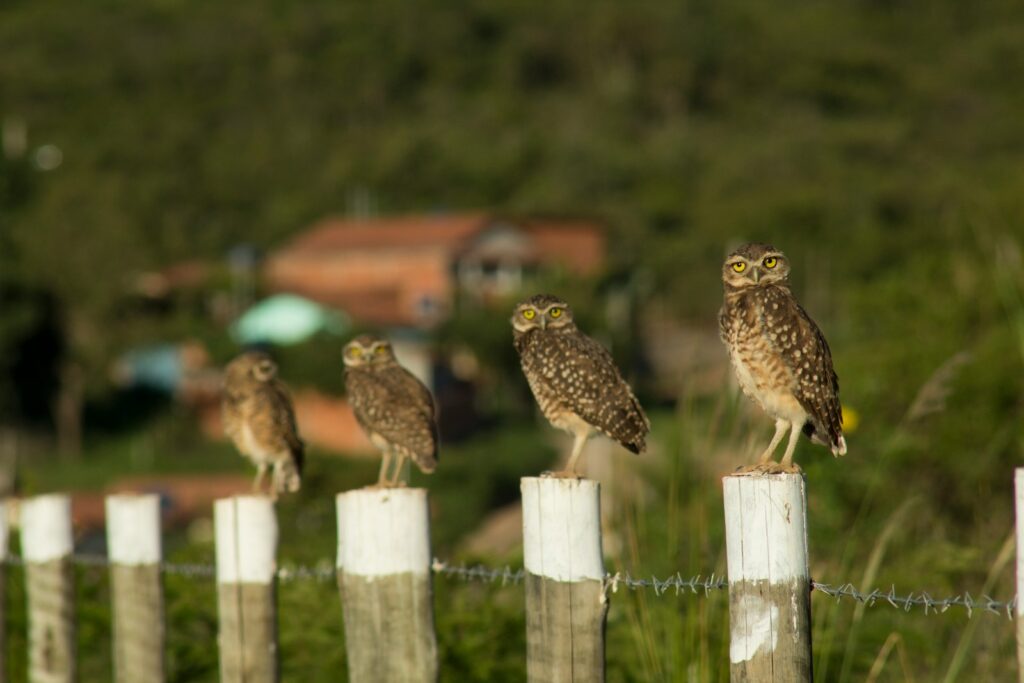
While owls have long symbolized wisdom, ornithologists have discovered that their actual cognitive abilities present a more nuanced picture than cultural symbolism might suggest. Unlike corvids (ravens and crows) or parrots, owls don’t demonstrate the same level of problem-solving abilities or tool use that scientists typically associate with high avian intelligence. Their brain-to-body ratio, often used as a rough measure of cognitive potential, is not particularly remarkable compared to other birds. However, owls possess highly specialized neural pathways dedicated to their exceptional hunting abilities, with disproportionately large portions of their brain devoted to visual and auditory processing. The tectofugal pathway—the neural connection processing visual information—is exceptionally developed in owls, allowing for their extraordinary ability to detect minimal movement in low light. Similarly, their auditory localization abilities require sophisticated neural mapping to translate minute sound differences into spatial awareness. This specialized intelligence represents a different kind of wisdom—not the flexible problem-solving we often associate with intelligence, but rather a profound mastery of specific domains that allows owls to survive in ecological niches few other predators can occupy.
Owls in Eastern Philosophy and Culture
In Eastern traditions, particularly in parts of China, Japan, and India, owls embody a complex symbolism that sometimes diverges from Western associations with wisdom. In ancient Chinese folklore, the owl was often viewed with ambivalence—its hoot was considered an ill omen, yet its image was used on royal garments as protection against evil forces, suggesting respect for its power if not always its wisdom. Japanese culture presents a more positive interpretation, with the owl (fukurō) associated with good fortune and protection from suffering, its name forming a play on words with “no hardship” (fu-kurō). Hindu mythology features the owl as the vahana (vehicle) of Lakshmi, goddess of wealth and prosperity, though interestingly, this connection emphasizes prosperity rather than wisdom specifically. In contrast to Greek traditions where the owl’s nocturnal nature connected to enlightenment, some Eastern perspectives viewed the owl’s night activities with suspicion, associating them with the yin (dark, feminine) forces rather than yang (light, masculine) energies. These varied Eastern interpretations remind us that the owl’s symbolism is not universal but rather culturally constructed, with different societies emphasizing different aspects of the bird’s nature and behavior.
Owls in Modern Popular Culture
Contemporary media and literature have largely reinforced the owl’s traditional associations with wisdom and stealth, often amplifying these qualities to near-magical proportions. J.K. Rowling’s Harry Potter series prominently features owls as messengers and companions, with characters like Hedwig demonstrating intelligence far beyond their biological capabilities, serving as magical postal carriers that can find recipients anywhere without addresses. The wise owl archetype appears in countless children’s stories and films, from Disney’s friend to Pooh Bear in Winnie the Pooh to the knowledgeable advisor in Bambi, perpetuating the image of owls as philosophers and sages of the animal kingdom. In advertising and corporate branding, owl imagery frequently accompanies educational products and services, with notable examples including Duolingo’s green owl mascot and the owl logo of the educational publishing company Pearson. Even contemporary internet culture has embraced the owl as a wisdom symbol, with owl memes often accompanying philosophical quotes or “profound” observations. This persistent use of owl imagery across modern media continues a symbolic tradition thousands of years old, demonstrating how deeply ingrained the association between owls and wisdom remains in contemporary consciousness despite our scientific understanding of owl cognition.
Conservation Status: Protecting Living Symbols
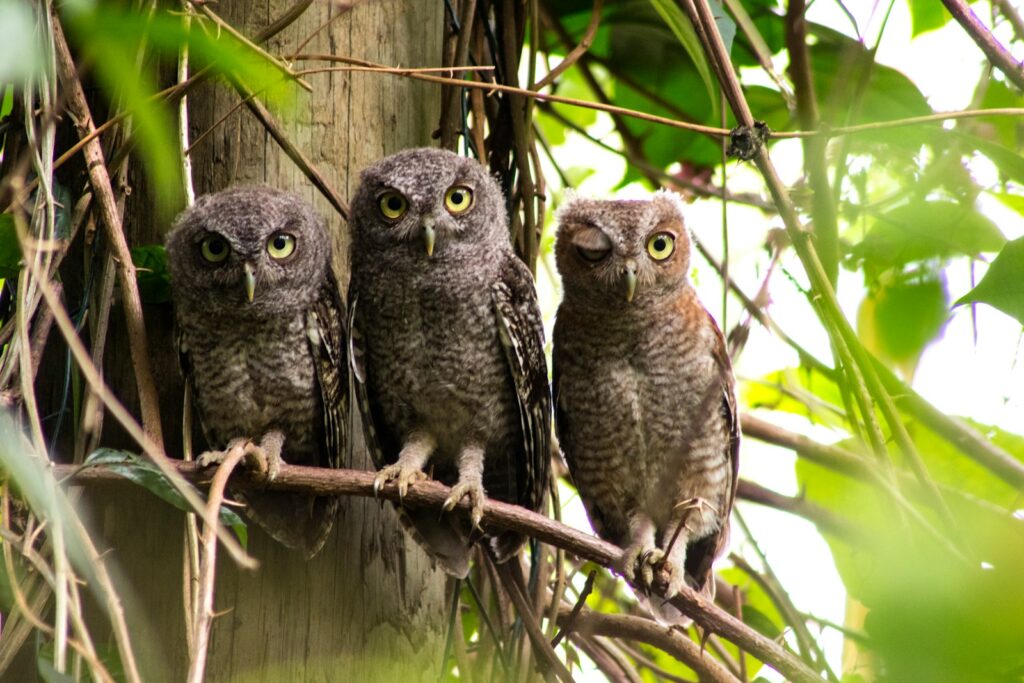
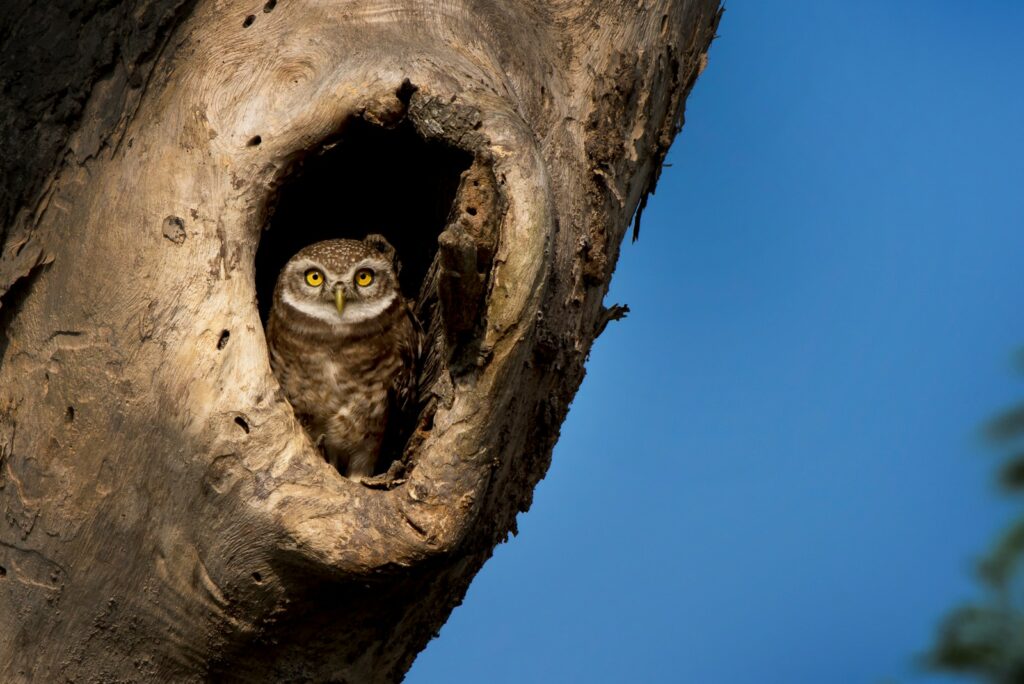
Despite their powerful cultural significance, many owl species face serious conservation challenges that threaten their continued existence as living embodiments of wisdom and stealth. Habitat loss represents perhaps the greatest threat, with old-growth forests—critical for cavity-nesting owl species like the Spotted Owl—disappearing at alarming rates worldwide. Climate change creates additional pressures by altering prey availability and habitat conditions, forcing owls to adapt to rapidly changing environments or face population decline. Direct human persecution continues in some regions where superstitions about owls as harbingers of death or misfortune persist, leading to deliberate killing of these protected birds. Rodenticide poisoning presents a particularly insidious threat, as owls consuming poisoned rodents suffer secondary toxicity effects that can be fatal or severely impact reproductive success. Conservation efforts focused on owls include habitat protection initiatives, artificial nest box programs to compensate for lost natural cavities, and public education campaigns designed to transform cultural fear into appreciation for these remarkable birds. The protection of owls serves not only ecological purposes but preserves living connections to cultural heritage—ensuring that future generations can experience firsthand the creatures that have symbolized wisdom and stealth throughout human history.
The Great Horned Owl: America’s Silent Sovereign
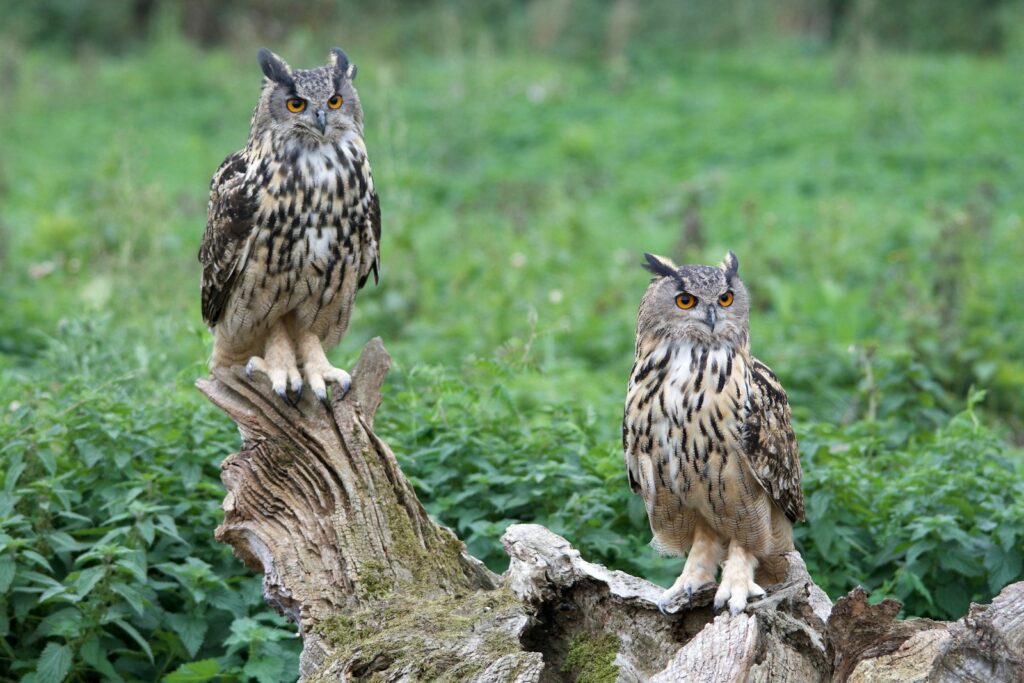
The Great Horned Owl (Bubo virginianus), with its distinctive ear tufts and penetrating yellow eyes, stands as North America’s quintessential embodiment of both wisdom and lethal stealth. Nicknamed the “tiger of the sky,” this powerful predator demonstrates hunting prowess that borders on legendary—capable of taking prey many times its own weight, including other raptors and even skunks, which most predators avoid. Their extraordinary strength comes from specialized tendons that automatically lock their talons at a crushing force of approximately 500 pounds per square inch, requiring no muscular effort to maintain this deadly grip on struggling prey. The Great Horned Owl’s legendary stealth derives not only from specialized silent flight feathers but also from a hunting strategy that combines patience and explosive action—sometimes watching prey for extended periods before descending with such suddenness that victims have virtually no warning. Native American tribes across North America held special reverence for this species, with the Hopi considering it a guardian of their granaries and crops, while Ojibwe traditions feature it prominently in spiritual stories about knowledge and power. As one of the earliest-breeding birds in North America, often nesting while snow still covers the landscape, the Great Horned Owl further embodies wisdom through its remarkable adaptability and foresight—qualities that have allowed it to thrive across habitats ranging from arctic tundra to desert canyons.
The Owl’s Eyes: Windows to Wisdom
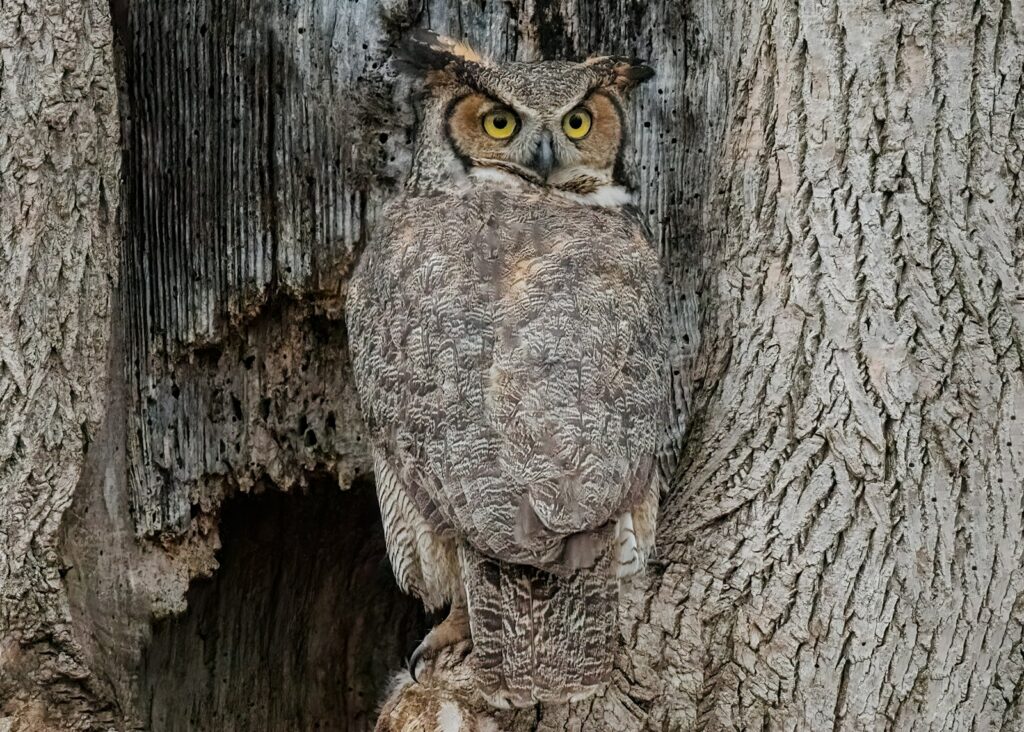
The extraordinary eyes of owls have contributed significantly to their reputation as creatures of wisdom, with optical adaptations that seem almost supernatural in their capabilities. Unlike human eyes that can move within their sockets, owl eyes are fixed in position and tubular in shape, requiring the bird to turn its entire head to change its visual field—a limitation that has led to the remarkable adaptation of being able to rotate their head up to 270 degrees. This head-turning ability has long fascinated humans, seeming to suggest a capacity to look in all directions both literally and metaphorically. The size of owl eyes relative to their skull is remarkable—if human eyes were proportionally as large, they would be the size of oranges—allowing for maximum light gathering in low illumination conditions. Most owl species possess exceptional binocular vision with both eyes facing forward, creating depth perception crucial for hunting but also giving them a distinctly intellectual, assessing gaze that humans instinctively associate with thoughtfulness. Perhaps most impressive is the owl’s ability to adjust its pupils independently of each other, maintaining optimal vision when one eye is exposed to brighter light than the other—a visual multitasking ability that further enhances their reputation for extraordinary perception and awareness.
Owls and Human Evolution: Ancient Companions
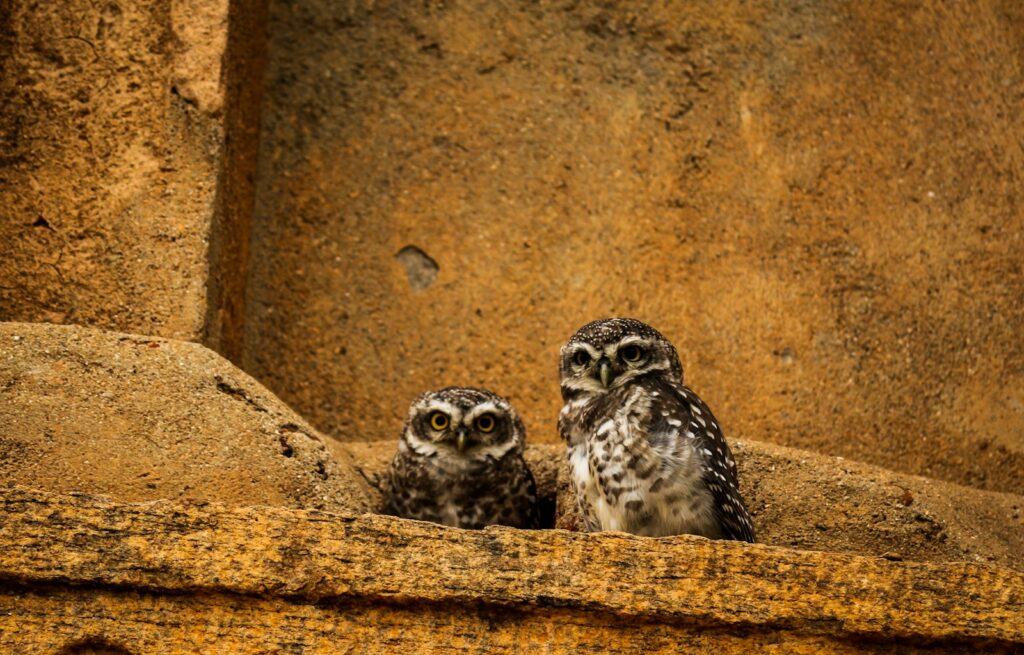
Archaeological evidence suggests that humans and owls have shared a complex relationship dating back to our earliest evolutionary history, with this long association potentially influencing our cultural perceptions of these birds. Cave paintings in France dating back approximately 30,000 years include owl depictions, suggesting Paleolithic humans paid special attention to these nocturnal hunters. Some anthropologists theorize that early humans, vulnerable to predators in darkness, would have observed owls as successful night hunters and potentially gleaned survival knowledge from their behavior. Fossil records indicate that owls evolved into their current form approximately 60 million years ago, meaning they were already ancient, established predators when early hominids first appeared on the African savanna. This long coexistence created opportunities for humans to observe and internalize owl behaviors that seemed mysterious and powerful—their silent flight, acute hearing, and ability to see in darkness would have represented survival skills early humans desperately needed. The owl’s crepuscular and nocturnal habits meant they occupied time periods most feared by early humans, potentially elevating them to spiritual significance as creatures that could navigate realms humans found threatening and disorienting. This deep evolutionary history between humans and owls may explain why owl symbolism appears across so many disparate cultures—our species may carry an ancient, inherited recognition of owls as creatures worthy of special attention and reverence.
Conclusion
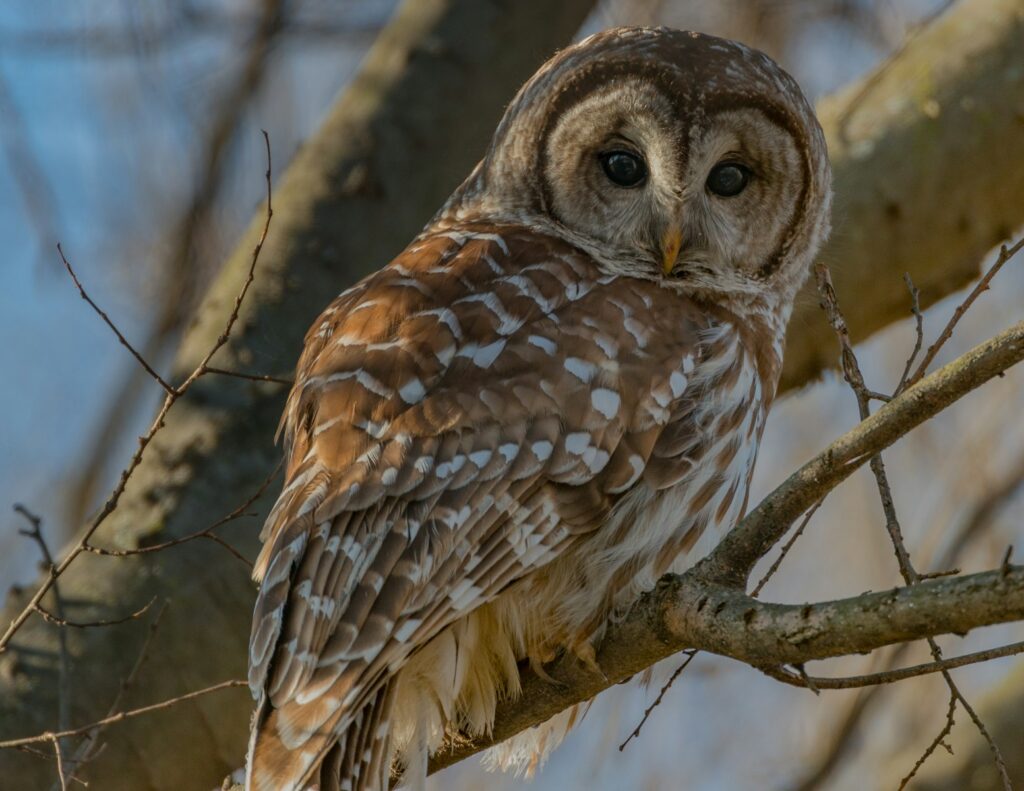
The owl’s enduring status as a symbol of wisdom and stealth transcends mere cultural convention. It represents a profound human recognition of qualities we aspire to but rarely achieve—perfect awareness, silent efficiency, and perception that pierces darkness both literal and metaphorical. While scientific research has revealed that owls may not possess the problem-solving intelligence of some birds, their specialized adaptations represent a different kind of wisdom—the perfect refinement of abilities through evolutionary time. From ancient Greek coins to modern corporate logos, from indigenous spiritual traditions to contemporary fantasy literature, owls continue to captivate our imagination precisely because they embody qualities that seem simultaneously natural and supernatural. As we work to conserve these remarkable birds and their habitats, we preserve not only ecological diversity but living connections to our cultural heritage—winged embodiments of wisdom and stealth that have accompanied humanity throughout our history and continue to inspire wonder in the modern world.