

Park lakes have long been beloved attractions, offering tranquil settings for recreation and wildlife viewing. However, many of these man-made or heavily modified water bodies have become ecologically simplified over time. Today, a growing movement is transforming these sterile aquatic environments back into vibrant ecosystems through rewilding—the restoration of natural processes and native species. From urban ponds to vast recreational lakes, these projects are reimagining what park waters can be: not just scenic amenities, but thriving habitats supporting biodiversity while providing enhanced benefits for human visitors. This shift represents a fundamental change in how we view and manage our public water resources, prioritizing ecological health alongside human enjoyment.
The Decline of Park Lake Ecosystems
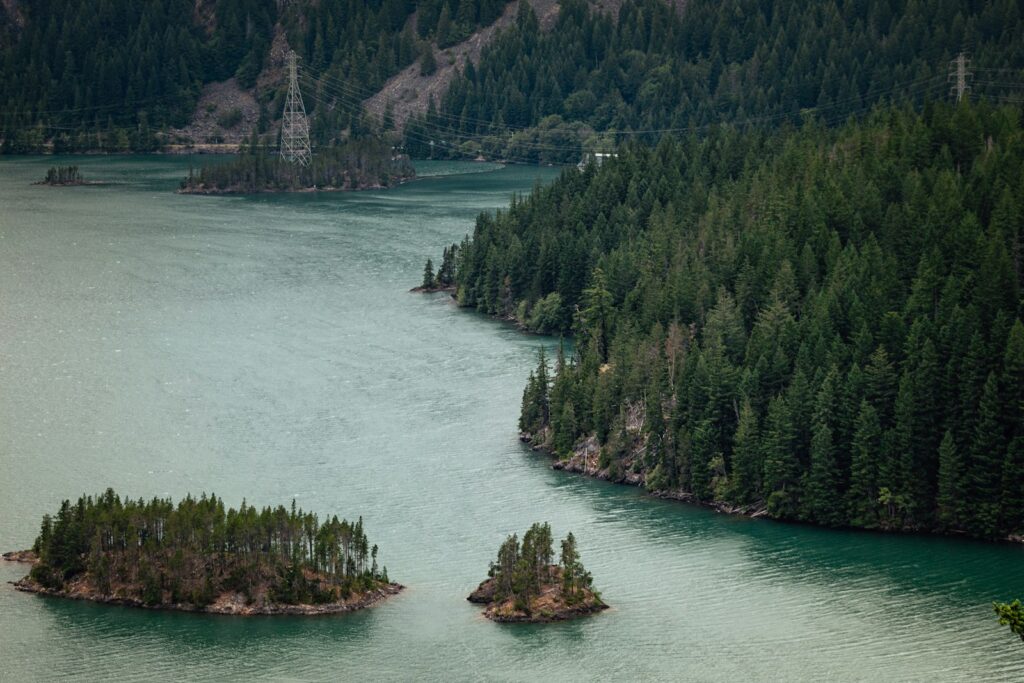
Traditional park lakes have often been designed with aesthetics and recreation in mind, featuring concrete edges, artificially maintained water levels, and manicured surroundings that severely limit biodiversity. These unnatural conditions create environments that support only a fraction of the species that would naturally inhabit such water bodies. Chemical treatments to control algae and artificially introduced fish species for recreational fishing further disrupt natural ecological processes. Over decades, many park lakes have become ecological deserts—pretty to look at but offering little in terms of habitat complexity or ecosystem services. This degradation represents a lost opportunity not only for wildlife but also for people who could benefit from more robust natural systems.
Understanding Lake Rewilding Principles
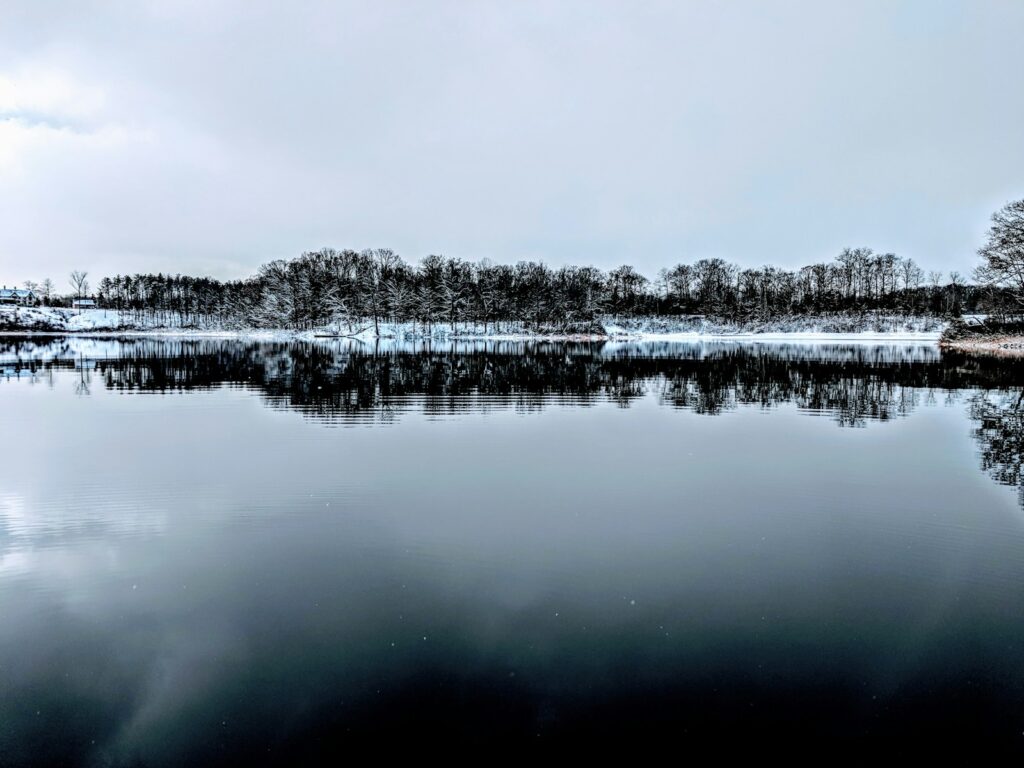
Lake rewilding isn’t simply about neglecting maintenance—it’s an active process guided by ecological principles. At its core, rewilding aims to restore natural processes and remove artificial constraints that limit a lake’s ecological functionality. Key elements often include reestablishing native aquatic vegetation, creating varied shoreline habitats, removing artificial barriers, and reintroducing native species that have been lost from the ecosystem. Water level fluctuations may be deliberately allowed rather than strictly controlled, mimicking natural seasonal patterns that drive ecological diversity. These approaches recognize that healthy ecosystems are dynamic and self-regulating, requiring less human intervention once properly established. Rewilding projects typically follow a gradual implementation process, allowing the ecosystem to adapt and evolve over time.
Biodiversity Benefits of Rewilded Lakes
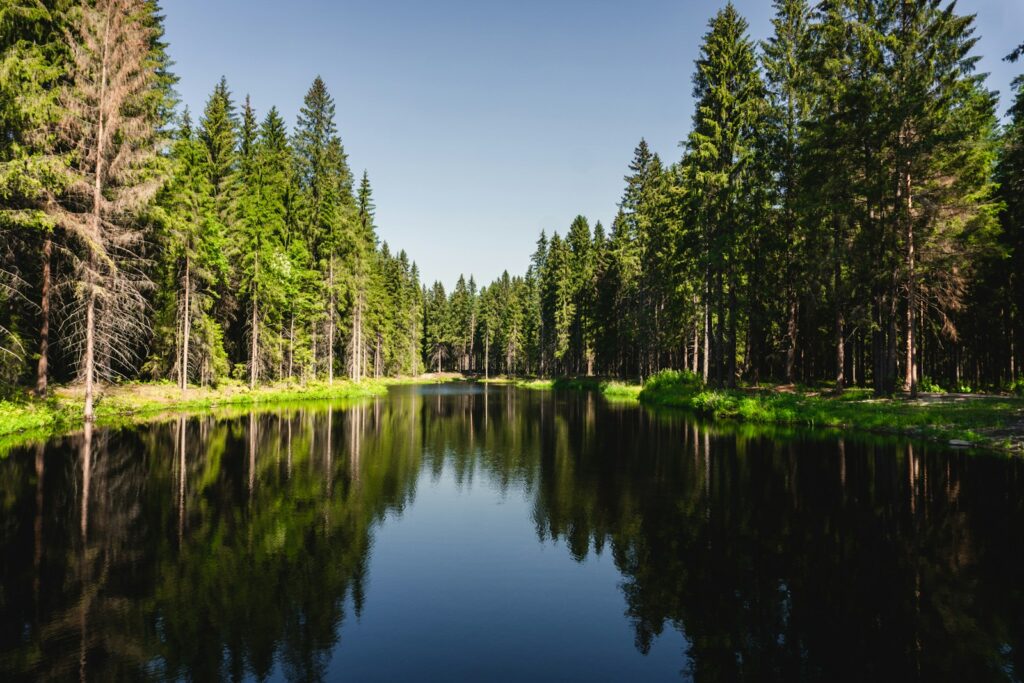
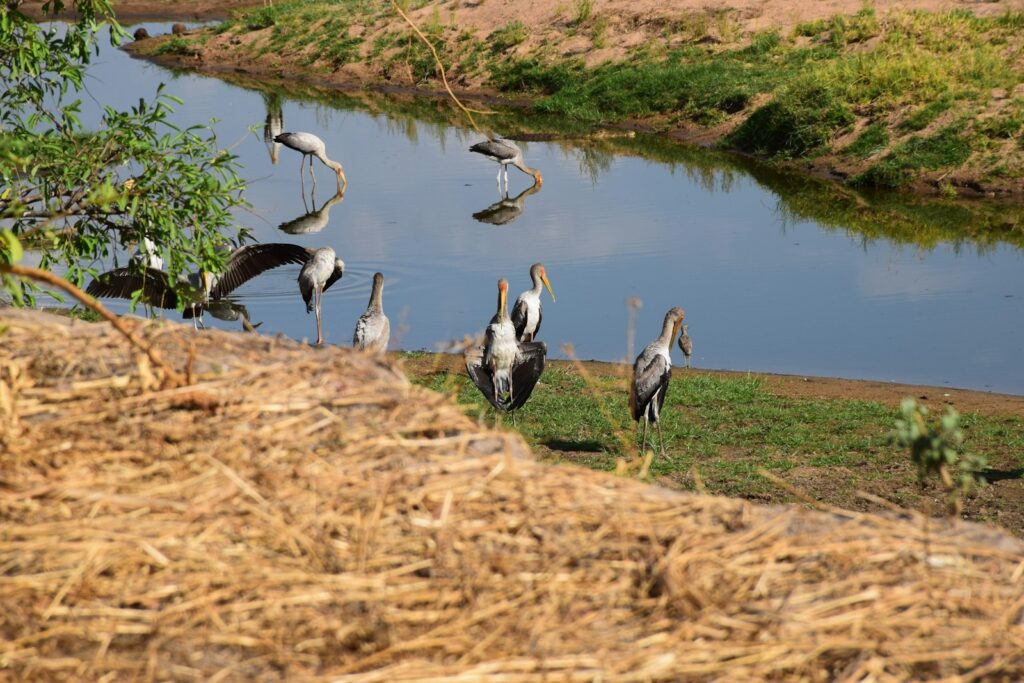
The transformation of sterile park lakes into complex ecosystems yields remarkable gains for biodiversity. Studies of rewilded lakes consistently show dramatic increases in species richness, with some projects documenting three to five times more plant and animal species following restoration efforts. Amphibians like frogs and newts, which have suffered global declines, find crucial habitat in naturalized shorelines with emergent vegetation. Diverse insect populations flourish, including dragonflies, damselflies, and countless aquatic invertebrates that form the foundation of healthy food webs. Native fish communities develop more balanced populations when natural processes are restored. Perhaps most visibly, bird diversity increases dramatically as rewilded lakes provide improved feeding, nesting, and roosting opportunities for both resident and migratory species that might otherwise bypass urban areas entirely.
Climate Resilience and Water Management
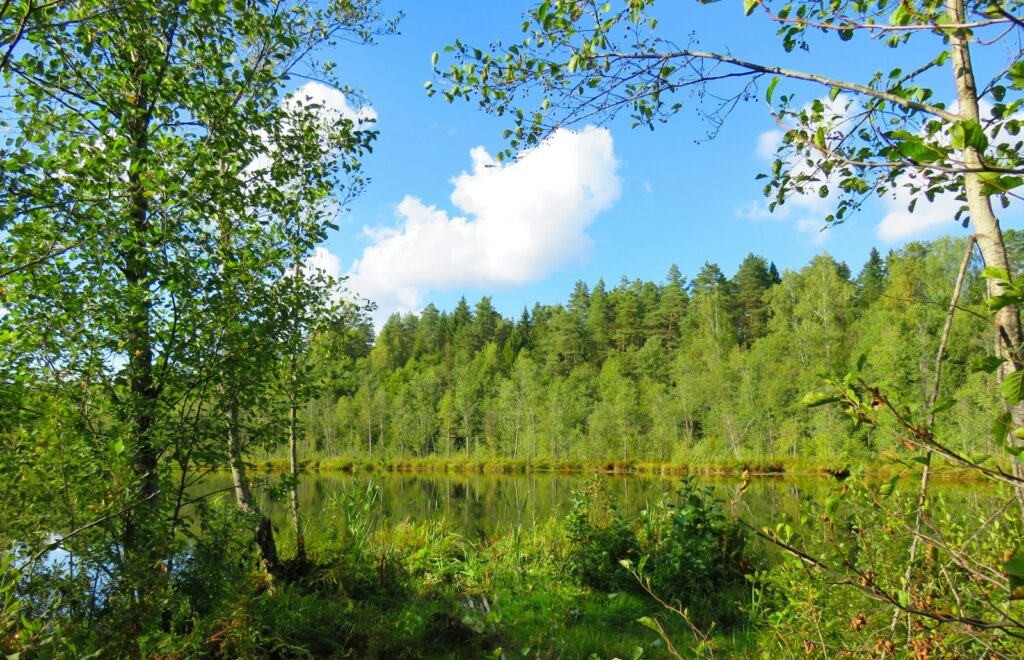
Rewilded lake systems offer significant advantages for climate adaptation in park environments. Unlike highly engineered lakes with fixed concrete boundaries, naturalized water bodies with vegetated buffer zones can better accommodate fluctuating water levels from intense rainfall events or extended droughts. Native wetland vegetation acts as a natural sponge, absorbing excess water during floods and slowly releasing it during dry periods. These natural systems also filter pollutants from urban runoff more effectively than traditional systems, improving overall water quality. The expanded vegetation around rewilded lakes captures more carbon than manicured lawns, contributing modestly to climate mitigation efforts. Perhaps most importantly, these resilient ecosystems can better withstand the stress of changing climate conditions, maintaining their ecological functions even as temperatures rise and weather patterns become more erratic.
Techniques for Shoreline Restoration
Transforming hardened, artificial lake edges into living shorelines represents a critical component of lake rewilding. Concrete walls and uniform riprap are typically replaced with gently sloping banks featuring a mosaic of habitat types ranging from shallow emergent zones to deeper water. Engineers and ecologists employ specialized techniques such as coconut fiber rolls and biodegradable erosion control fabrics to stabilize banks during the establishment phase. Strategic placement of logs, root wads, and rock clusters creates microhabitats for fish, amphibians, and invertebrates while breaking wave action that could erode new plantings. Native vegetation is carefully selected and arranged in zones that correspond to water depth and frequency of inundation. These restored shorelines not only support more wildlife but also provide natural filtration of runoff entering the lake, intercepting pollutants before they can degrade water quality.
Challenges in Urban Park Lake Rewilding
Rewilding lakes in urban park settings presents unique obstacles that require creative solutions. Space constraints often limit the extent of restoration possible, requiring designers to maximize ecological function within smaller footprints. Public expectations can create resistance, as some visitors may perceive naturalized areas as untidy or worry about reduced recreational access. Contaminated sediments from decades of urban runoff may need remediation before restoration can proceed, adding significant costs to projects. Invasive species pose ongoing management challenges, requiring monitoring and sometimes intervention to prevent them from overtaking newly established native communities. Urban wildlife dynamics can also create complications—geese populations, for example, may damage new plantings if not properly managed. Despite these challenges, successful urban lake rewilding projects demonstrate that with proper planning and community engagement, even highly compromised urban water bodies can be transformed into functioning ecosystems.
Balancing Human Recreation with Ecological Goals
Successful lake rewilding projects carefully integrate human enjoyment with habitat restoration rather than treating them as competing priorities. Strategic design creates zones where different activities can coexist—designated swimming areas might maintain more manicured edges while other sections feature fully naturalized shorelines. Boardwalks and viewing platforms allow visitors to experience rewilded areas without disturbing sensitive habitat, often becoming popular attractions themselves. Educational signage transforms ecological features into learning opportunities, helping visitors understand and appreciate the value of less manicured environments. Fishing access points can be designed to concentrate impact in specific areas while allowing fish populations to thrive in protected zones. Research shows that these thoughtfully designed natural spaces often become more popular with park users than their previously manicured counterparts, offering richer experiences through wildlife viewing, nature photography, and environmental education opportunities.
Case Study: London’s Queen Elizabeth Olympic Park
The transformation of concrete channels into naturalized wetlands at London’s Queen Elizabeth Olympic Park stands as a premier example of urban lake rewilding. Following the 2012 Olympics, engineers and ecologists collaborated to convert what had been primarily industrial land into a network of interconnected water features with varying depths, flow rates, and habitat types. The project replaced nearly two kilometers of vertical concrete walls with gently sloping banks planted with over 300,000 wetland plants representing more than 30 native species. Wildlife monitoring has documented a remarkable recovery, with kingfisher, reed warbler, and even the rare water vole now calling the park home. Specially designed reedbeds serve the dual purpose of filtering water and providing habitat while appearing as intentional landscape features. The park now attracts millions of visitors annually who come specifically to experience its natural features, demonstrating how ecological restoration can become a significant draw for urban parks.
Case Study: The Netherlands’ Marker Wadden
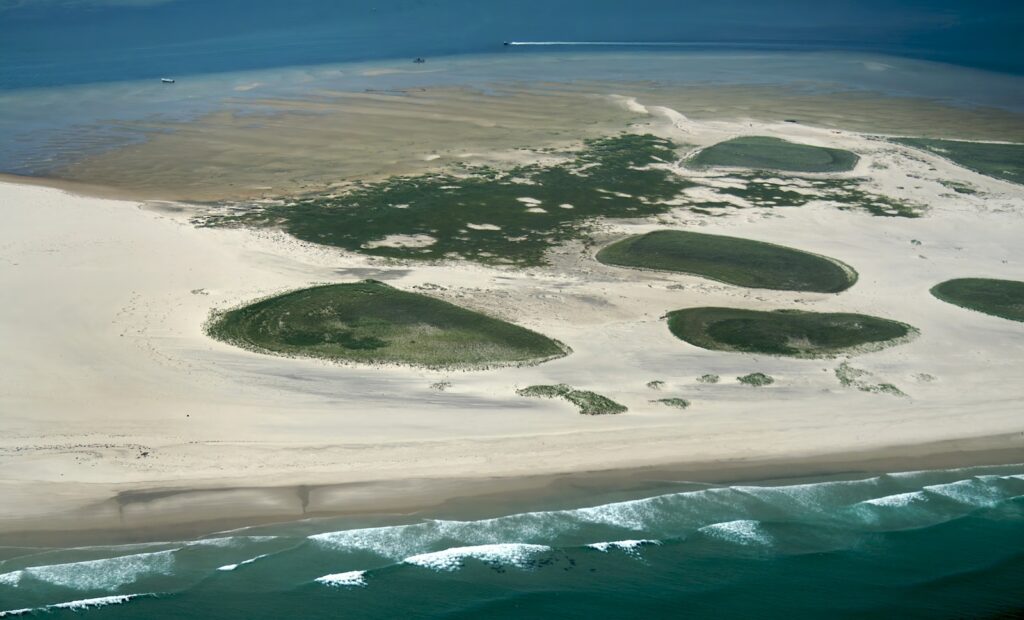
The Marker Wadden project represents one of Europe’s most ambitious lake rewilding initiatives, creating an archipelago of artificial islands in the Markermeer lake specifically designed to restore ecological processes. This innovative approach addresses decades of degradation that had left the lake turbid and relatively lifeless despite its size. Engineers constructed islands using sand, clay, and silt from the lake bottom itself, creating varying elevations that support different habitat types from submerged aquatic vegetation to marshy wetlands and drier meadows. The results have exceeded expectations, with biodiversity increasing dramatically in just a few years—over 170 bird species now use the islands, including several that had disappeared from the region. Water clarity has improved throughout the lake as the islands interrupt wind-driven currents that previously kept sediment suspended. The project demonstrates how large-scale intervention can jump-start natural processes that become self-sustaining, requiring minimal ongoing management while delivering maximum ecological benefits.
Economic Benefits of Lake Rewilding
The ecological improvements from lake rewilding translate into measurable economic advantages for parks and surrounding communities. Research from multiple countries shows that parks featuring naturalized water bodies typically experience increased visitation, with some reporting 15-30% more visitors following rewilding projects. Property values near successfully rewilded park lakes have been documented to increase by 5-8% compared to similar properties near conventional parks, generating higher tax revenues for municipalities. Maintenance costs often decrease substantially over time as natural systems become self-regulating, requiring less frequent dredging, chemical treatments, and infrastructure repairs. The enhanced flood mitigation capabilities of rewilded lakes reduce flood damage costs during extreme weather events. Perhaps most significantly, these projects create local jobs in ecological restoration, ongoing monitoring, and nature-based education programs—employment that cannot be outsourced and builds community investment in park resources.
Community Involvement in Rewilding Efforts
Successful lake rewilding projects increasingly recognize that community engagement is not merely a public relations exercise but a critical component of long-term success. Involving local residents from the planning stages helps ensure designs reflect community values and address concerns proactively rather than facing opposition later. Citizen science programs enable volunteers to participate in monitoring wildlife, water quality, and plant establishment, providing valuable data while building personal connections to the project. Schools often incorporate rewilded lakes into their curriculum, using them as outdoor classrooms for environmental education. Community planting days and stewardship programs transform passive park users into active participants in ecological restoration. These engagement strategies create powerful constituencies that advocate for continued protection and enhancement of rewilded areas, ensuring political support for maintaining these transformed ecosystems even when leadership or funding priorities change.
Future Directions in Park Lake Management

The growing success of lake rewilding initiatives is reshaping how park managers and landscape architects approach aquatic features in public spaces. Leading institutions are developing new best practices that integrate ecological principles from the earliest design phases rather than attempting to retrofit them later. Advanced monitoring technologies, including environmental DNA sampling and remote sensing, are enabling more precise tracking of biodiversity responses to rewilding interventions. Climate-forward designs incorporate projections of future conditions, selecting plant communities and designing hydrology with resilience to changing precipitation and temperature patterns. Inter-agency collaboration is becoming more common, with parks departments working alongside water management authorities, wildlife agencies, and public health officials to maximize the multifunctional benefits of rewilded lakes. As these approaches mature, we can expect to see rewilding principles become the default approach for park lake management rather than the exception, transforming public expectations about what park waters should look like and how they should function.
Conclusion
The rewilding of park lakes represents a profound shift in our relationship with nature in public spaces. By restoring ecological processes and embracing the complexity of natural systems, these projects deliver multiple benefits: enhanced biodiversity, improved climate resilience, better water quality, and richer experiences for visitors. The success stories from projects around the world demonstrate that with thoughtful design and community engagement, even heavily degraded urban water bodies can be transformed into thriving ecosystems. As climate change and biodiversity loss present growing challenges, rewilded park lakes offer inspiring examples of how we can work with natural processes rather than against them, creating public spaces that serve both people and wildlife better than their artificial predecessors ever could.