

The concept of limiting visitors to natural parks and protected areas has become increasingly common around the world. From iconic destinations like Machu Picchu and Yosemite to smaller local nature reserves, park managers are implementing various visitor restriction systems. While these limitations might initially seem disappointing to eager travelers, they represent a thoughtful balance between public access and conservation. Parks belong to everyone, yet unrestricted visitation can threaten the very qualities that make these places special. This article explores the complex reasons why some parks restrict visitor numbers and the surprising benefits these limitations provide for both the natural environment and the visitor experience itself.
The Growing Problem of Overtourism

Parks and protected areas worldwide have experienced unprecedented surges in visitation over recent decades, creating what experts now call “overtourism.” National parks in the United States alone recorded over 312 million recreational visits in 2022, putting immense pressure on facilities and natural resources. Social media has amplified this trend, with Instagram-worthy locations sometimes experiencing visitor increases of 500% or more after becoming popular online. Overtourism manifests in crowded trails, wildlife disturbance, habitat degradation, and diminished visitor experiences when natural soundscapes are replaced by constant human noise. This phenomenon has forced park managers to reconsider the long-held assumption that maximizing public access should always be the primary goal of park management.
Ecological Impacts of Unrestricted Visitation
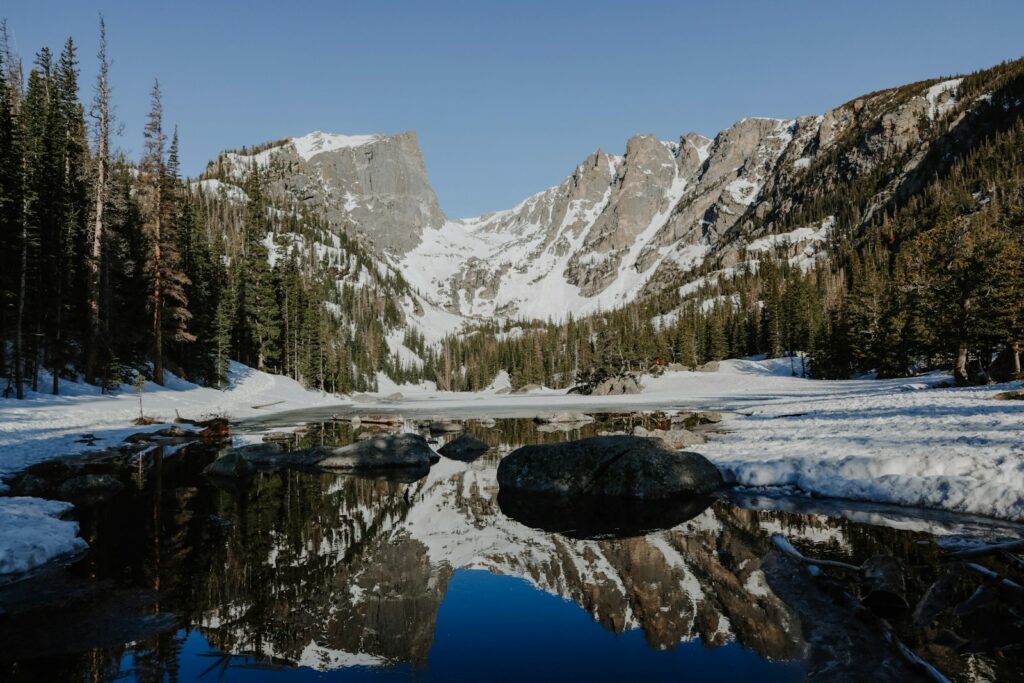
Unrestricted visitor numbers can cause severe ecological damage that undermines the very purpose of protected areas. Even conscientious visitors create unavoidable impacts through soil compaction on trails, which reduces water infiltration and accelerates erosion during rainstorms. Wildlife behavior changes significantly in heavily-visited areas, with animals altering feeding patterns, abandoning territories, or becoming dangerously habituated to humans. Sensitive plant communities face trampling beyond their capacity to recover, especially in fragile alpine or desert ecosystems where vegetation grows extremely slowly. Research has documented declining biodiversity in heavily-trafficked zones of parks, with noise-sensitive species and specialists often disappearing first while generalist species thrive, creating simplified ecosystems that lack resilience.
Protecting Cultural and Historical Sites

Many parks contain irreplaceable cultural and historical resources that face degradation from excessive visitation. Ancient structures and archaeological sites experience accelerated weathering when thousands of hands touch surfaces daily, with oils from human skin causing chemical reactions that damage stone and artifacts. Graffiti and vandalism incidents increase proportionally with visitor numbers, even when the vast majority of visitors are respectful. Cultural sites often have spiritual significance to indigenous communities, whose access and traditional practices can be compromised by overcrowding. Park managers must balance public education about cultural heritage with the physical preservation of these non-renewable resources, making visitor limitations one of the most effective management tools available.
Types of Visitor Limitation Systems

Parks employ various strategies to manage visitor numbers, each with distinct advantages and challenges. Reservation systems require advance planning but provide certainty for visitors and predictable numbers for management. Timed entry permits spread visitation throughout the day, reducing peak congestion while maintaining overall access levels. Daily visitor caps set maximum numbers based on scientific assessments of carrying capacity, though these can be controversial when determining the “right” number. Lottery systems, used for high-demand locations like The Wave in Arizona, distribute limited access opportunities equitably but may disappoint many hopeful visitors. Some parks implement seasonal closures during particularly vulnerable periods, such as wildlife breeding seasons or monsoon conditions when trail damage would be severe.
The Paradox of Park Preservation
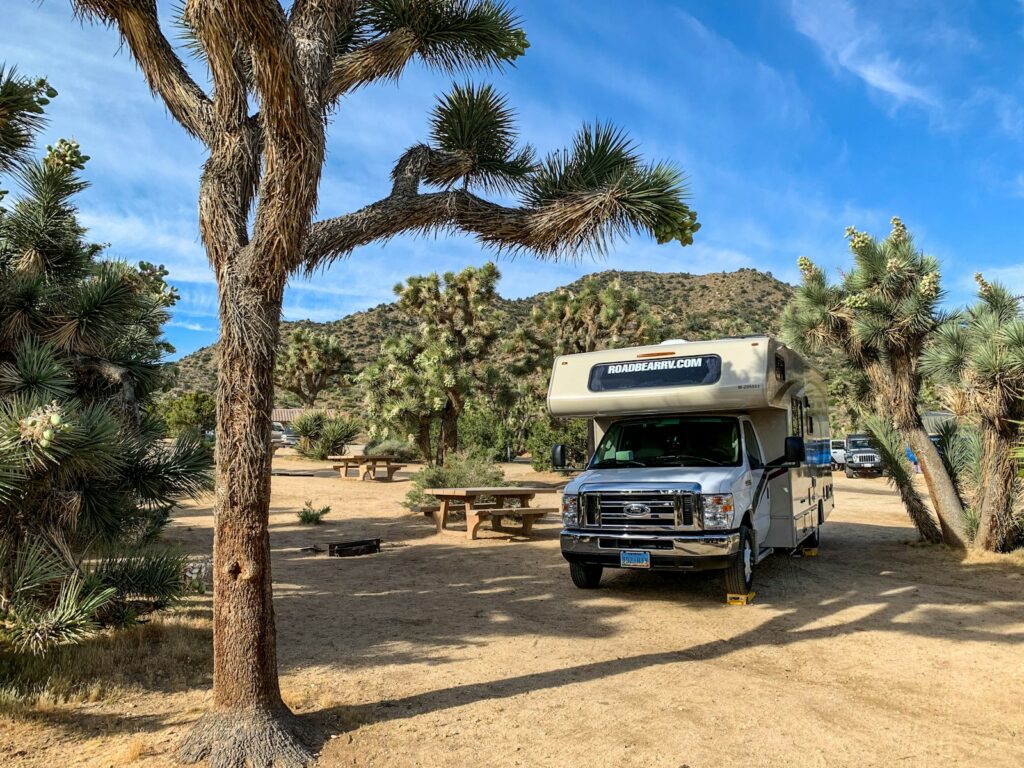
Parks face a fundamental philosophical tension between their dual missions of preservation and public enjoyment. The U.S. National Park Service’s founding legislation specifically mandates preserving resources “unimpaired for future generations” while simultaneously providing for public enjoyment—two goals that can directly conflict when visitor numbers exceed sustainable thresholds. This preservation paradox becomes more acute as global population grows and outdoor recreation popularity increases. Parks represent our collective commitment to setting aside places where natural processes take precedence, yet their very popularity can undermine this purpose. Visitor limitations represent a necessary compromise that acknowledges this inherent tension, prioritizing long-term preservation while still allowing meaningful public access.
Enhancing the Visitor Experience
Counterintuitively, limiting visitor numbers often improves the quality of experience for those who do visit. Surveys consistently show that crowding negatively impacts visitor satisfaction, with people reporting diminished connections to nature when surrounded by large groups. Limiting entries creates opportunities for more meaningful engagement with natural and cultural resources, allowing for moments of solitude and quiet contemplation. Reduced numbers also enable more personal interactions with park rangers and interpretive staff, who can provide deeper educational experiences when not overwhelmed by crowds. Many visitors report that parks with managed access feel more authentic and special, creating memories characterized by quality of experience rather than quantity of attractions visited.
Economic Benefits of Managed Access

While limiting visitors might seem economically detrimental, research shows managed access often strengthens local economies in sustainable ways. Reservation systems encourage longer planning horizons, leading to extended stays in gateway communities rather than brief drive-through visits. Visitors who know they have guaranteed access tend to spend more in local businesses, investing in quality experiences rather than rushing between overcrowded destinations. Limited entry creates premium experiences that command higher entrance fees, generating more revenue for conservation despite fewer visitors. Gateway communities benefit from more predictable visitation patterns, allowing businesses to staff appropriately and reduce the boom-and-bust cycles that characterize overtourism destinations.
Case Study: Zion National Park’s Shuttle System
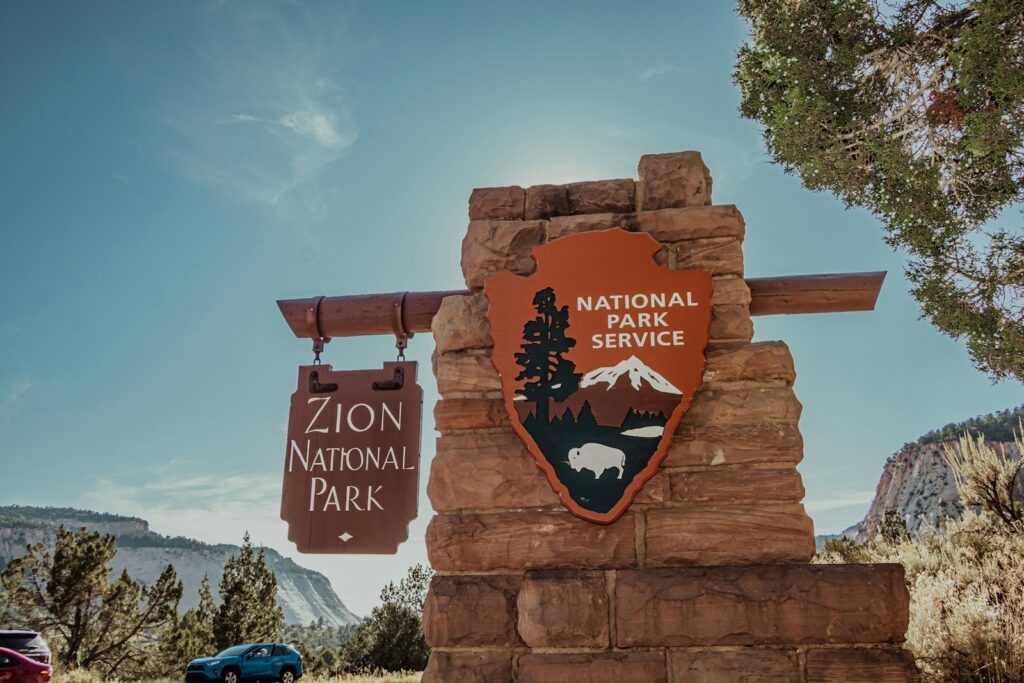
Zion National Park implemented a mandatory shuttle system in the early 2000s that demonstrates the success of managed access approaches. Prior to the shuttle, Zion Canyon’s narrow roadways became parking lots during peak season, with idling vehicles creating air pollution and visitors experiencing frustration rather than inspiration. The shuttle system eliminated private vehicles, immediately reducing emissions and allowing natural soundscapes to return to the canyon. Wildlife activity increased during daylight hours once traffic noise decreased, creating more viewing opportunities for visitors. The predictable shuttle schedule encourages better distribution of visitors throughout the day, while interpretive information provided during rides enhances educational outcomes. Visitor satisfaction ratings increased significantly after implementation, despite the loss of “freedom” to drive personal vehicles.
Equity and Access Considerations

Limiting visitation raises important questions about equitable access to public lands that park managers must carefully address. Reservation systems potentially disadvantage spontaneous visitors and those without reliable internet access or technical skills to navigate online booking platforms. Advanced planning requirements can create barriers for working families with unpredictable schedules or limited vacation flexibility. To address these concerns, many parks reserve a portion of daily permits for same-day distribution and maintain alternative booking methods beyond online systems. Some parks implement income-based fee waivers or partner with community organizations to ensure underrepresented groups can access reservation opportunities. The goal is finding balance between necessary limitations and the democratic ideal that parks belong equally to all people.
Climate Resilience Through Visitor Management
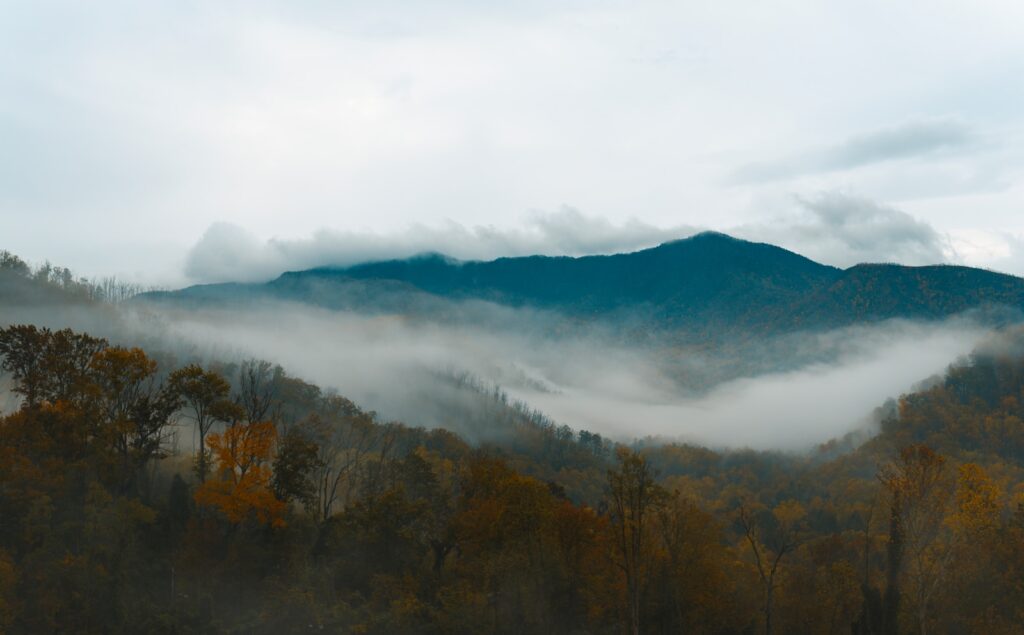
Climate change adds urgency to visitor management as parks face unprecedented environmental stresses. Extreme weather events are becoming more common in many protected areas, creating dangerous conditions that can overwhelm emergency response capabilities if too many visitors are present. Ecosystems under climate stress have reduced resilience to recover from additional impacts caused by heavy visitation. Managed access allows park staff to adjust visitation in response to changing environmental conditions, such as closing vulnerable areas during drought periods when vegetation is particularly susceptible to trampling damage. Some parks are implementing dynamic carrying capacities that adjust permitted visitor numbers based on current environmental monitoring, creating adaptive management systems that respond to climate realities.
Technology Solutions for Visitor Management

Modern technology offers increasingly sophisticated tools to implement visitor limitations while maximizing positive experiences. Mobile apps now provide real-time crowding information, allowing visitors to adjust plans toward less-visited areas of parks. Virtual queuing systems eliminate physical waiting lines, letting visitors explore less-crowded areas until their entry time approaches. Automated wildlife detection systems can temporarily close sensitive areas when animals are present, creating dynamic protection zones. Some parks experiment with augmented reality experiences that disperse visitors by creating engaging educational opportunities throughout the park rather than at a few iconic viewpoints. These technological approaches help make necessary limitations feel less restrictive while actually enhancing protection of park resources.
The Future of Park Access

The trend toward managed park access will likely accelerate as visitation continues growing globally. International models suggest potential future directions, such as Italy’s Venice implementing day-visitor fees and advanced booking requirements that parks might adapt. Some protected areas are exploring variable pricing models that charge premium rates during peak periods while offering discounts during off-seasons or less-visited days. Collaborative regional approaches may emerge, with networks of parks coordinating access systems to distribute visitation across multiple sites. Visitor education will become increasingly important, helping people understand why limitations exist and how their cooperation contributes to preservation. The most successful models will balance necessary restrictions with creating meaningful connections between people and protected places.
Finding Balance: Conservation and Access

The ultimate goal of visitor limitations is finding sustainable balance between conservation and access—a complex challenge requiring ongoing adaptation. Successful visitor management systems incorporate regular monitoring of both ecological indicators and visitor experience metrics to adjust approaches as needed. Meaningful public involvement in developing limitation systems builds understanding and support, particularly when communities surrounding parks participate in decision-making. Parks increasingly recognize that visitor limitations represent one tool within broader sustainable tourism frameworks that include improving infrastructure, enhancing public transportation options, and developing alternative attractions. The parks that most successfully navigate these challenges maintain focus on their fundamental purpose: preserving extraordinary places so that current and future generations can forge meaningful connections with natural and cultural heritage.
Conclusion

Visitor limitations in parks represent a necessary evolution in protected area management rather than an unwelcome restriction. By thoughtfully managing access, parks can fulfill their dual mission of preservation and inspiration far into the future. The healthiest relationship between people and parks acknowledges natural limits and respects the carrying capacity of these special places. When we accept reasonable limitations on our access, we participate in an act of intergenerational justice—ensuring that our children and grandchildren will experience these treasured landscapes with the same sense of wonder that we feel today. The most profound way we show our love for parks is by embracing management approaches that may occasionally limit our individual access but ultimately ensure these places remain undiminished for centuries to come.