
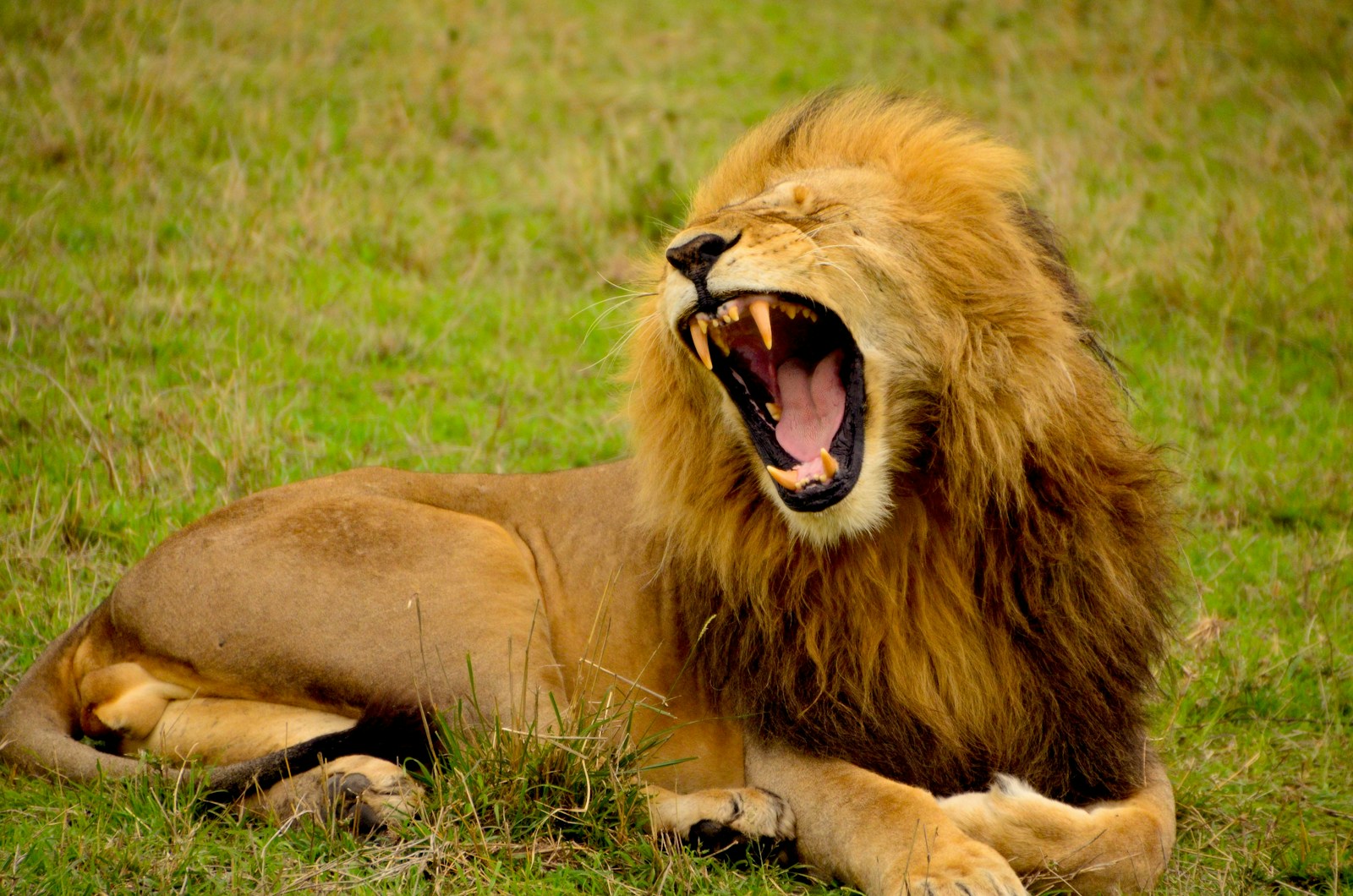
The sudden appearance of a wild animal can trigger our most primal instinct: to flee. Your heart pounds, adrenaline surges, and every fiber of your being screams “run!” Yet, this natural impulse could be the most dangerous response when faced with a charging animal. Wildlife experts, park rangers, and animal behaviorists unanimously agree that running from most predators or territorial animals can transform an uncertain encounter into a deadly pursuit. Understanding why staying put—rather than fleeing—is often your best survival strategy requires delving into animal psychology, predator-prey dynamics, and proven wilderness safety protocols.
This article explores the science behind animal charges, species-specific behaviors, and the life-saving techniques that could make all the difference during a wildlife encounter.
The Predator-Prey Psychology That Works Against You
When you run from a predator, you immediately trigger their chase instinct, essentially labeling yourself as prey. This psychological mechanism is deeply embedded in predatory animals through millions of years of evolution. Predators like bears, wolves, mountain lions, and even domesticated dogs are hardwired to pursue fleeing creatures, as movement activates their hunting response. Studies show that the speed of the fleeing target often intensifies the predator’s drive to chase, creating a dangerous escalation.
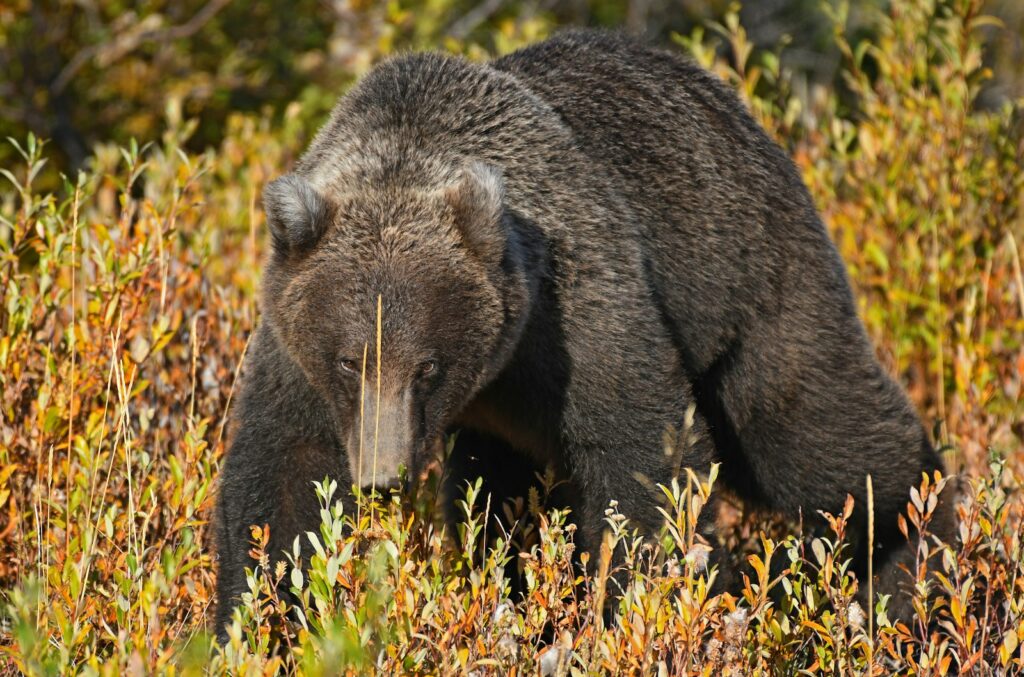
Additionally, many animals can reach speeds that humans simply cannot match—a grizzly bear can sprint at 35 mph, while the average human tops out at 15 mph. Understanding this fundamental predator-prey dynamic is crucial to making smart decisions during wildlife encounters.
Why Flight Triggers Fight: The Science Behind Chasing Behavior
Animal behaviorists have extensively studied the mechanisms that trigger predatory responses in wildlife. When a potential prey animal flees, it stimulates what scientists call the “orientation-investigation-pursuit sequence” in predators. This neurological pathway releases dopamine and other neurochemicals that reinforce the chasing behavior, essentially rewarding the predator for pursuit. Research shows that movement, particularly rapid movement away from the predator, is one of the strongest stimuli for this response.
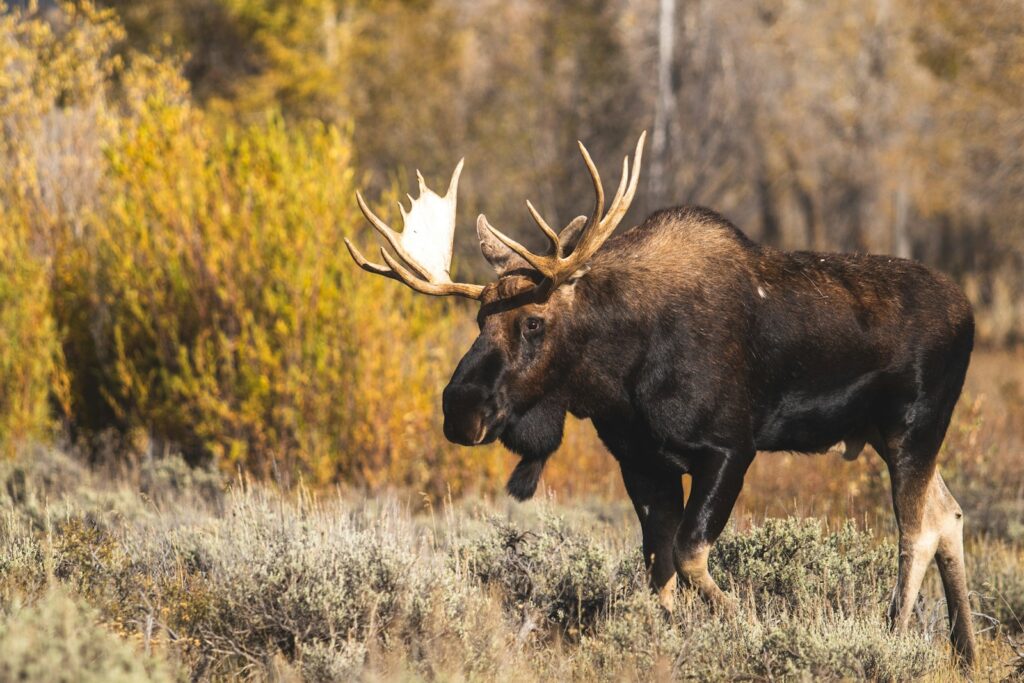
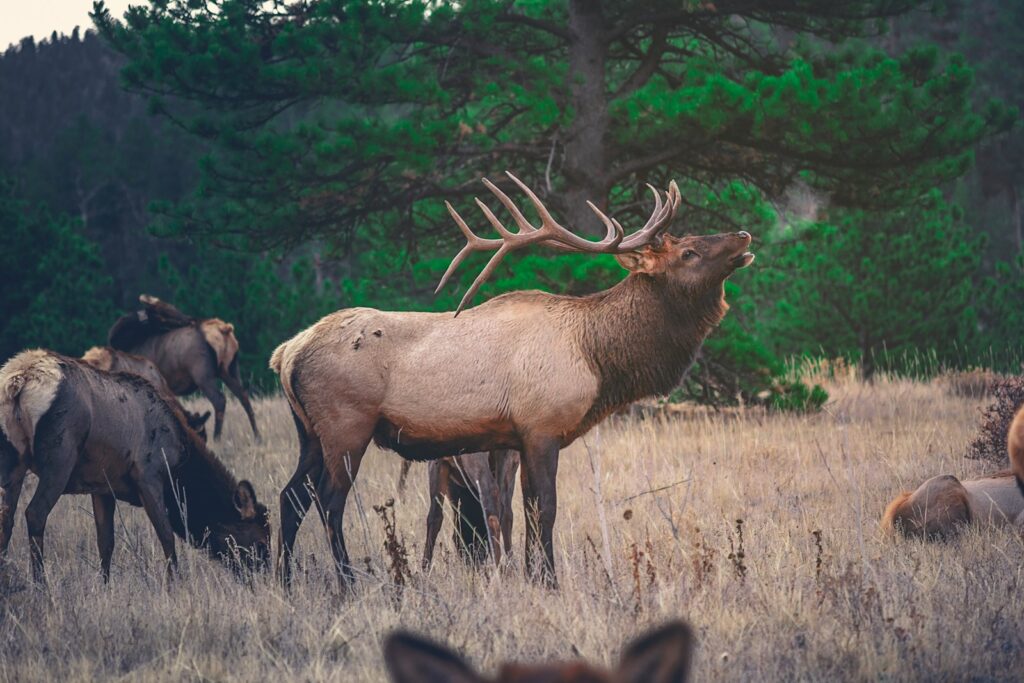
Even herbivores like moose, bison, or elk may chase a fleeing human due to territorial or defensive instincts, not hunger. The science is clear: your movement activates powerful biological programming that dramatically increases your risk during an animal encounter.
Bears: Why Standing Your Ground Is Critical
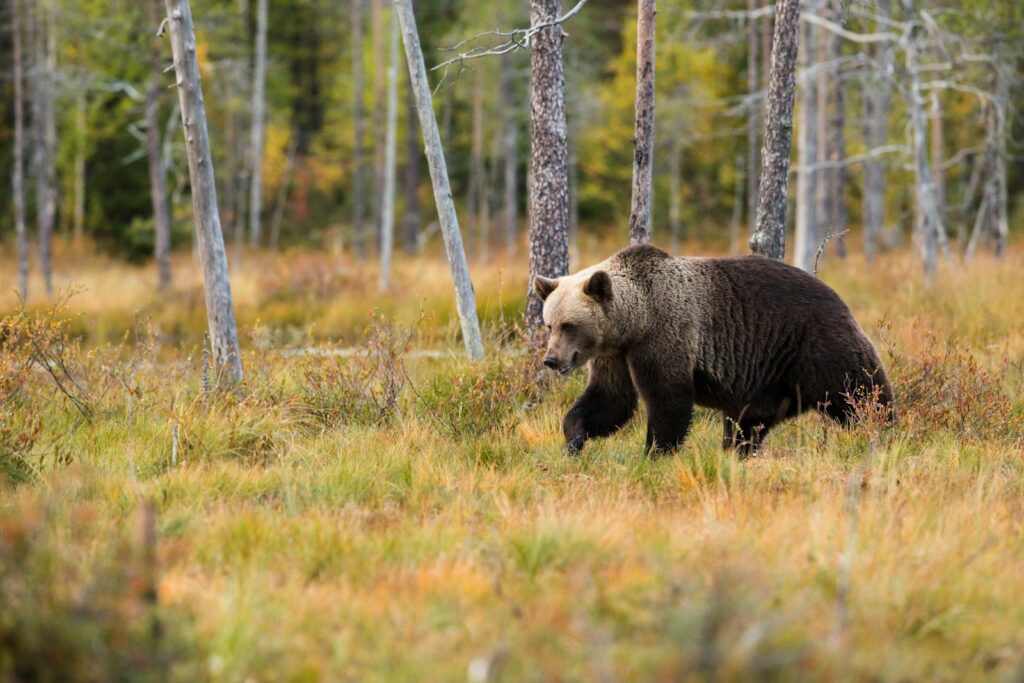
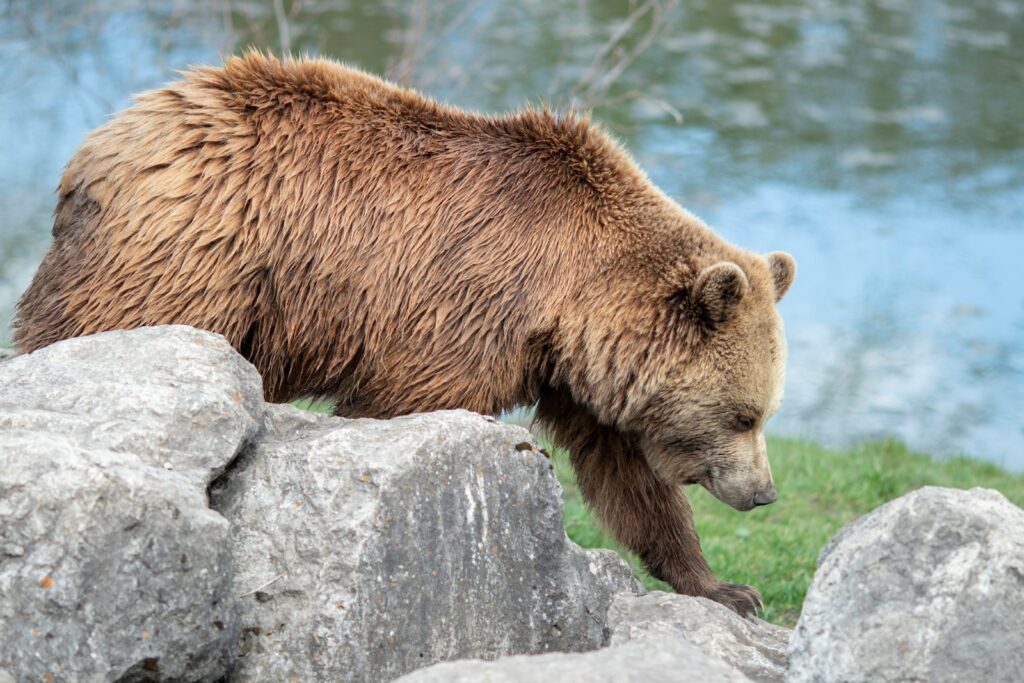
With bears, running is particularly dangerous as it triggers an almost automatic chase response. Black bears, though generally less aggressive than grizzlies, can interpret running as an invitation to pursue. With grizzly bears, running triggers not only predatory instincts but can escalate defensive aggression. The National Park Service advises that with black bears, you should make yourself look larger, make noise, and if attacked, fight back vigorously.
However, with grizzlies, playing dead is recommended during an attack, as they often cease aggression once they perceive the threat (you) has been neutralized. In both scenarios, standing your ground initially rather than running gives you the opportunity to assess the bear’s behavior and respond appropriately—whether that means backing away slowly or preparing for defensive postures.
Big Cats: Why Running Makes You The Perfect Target
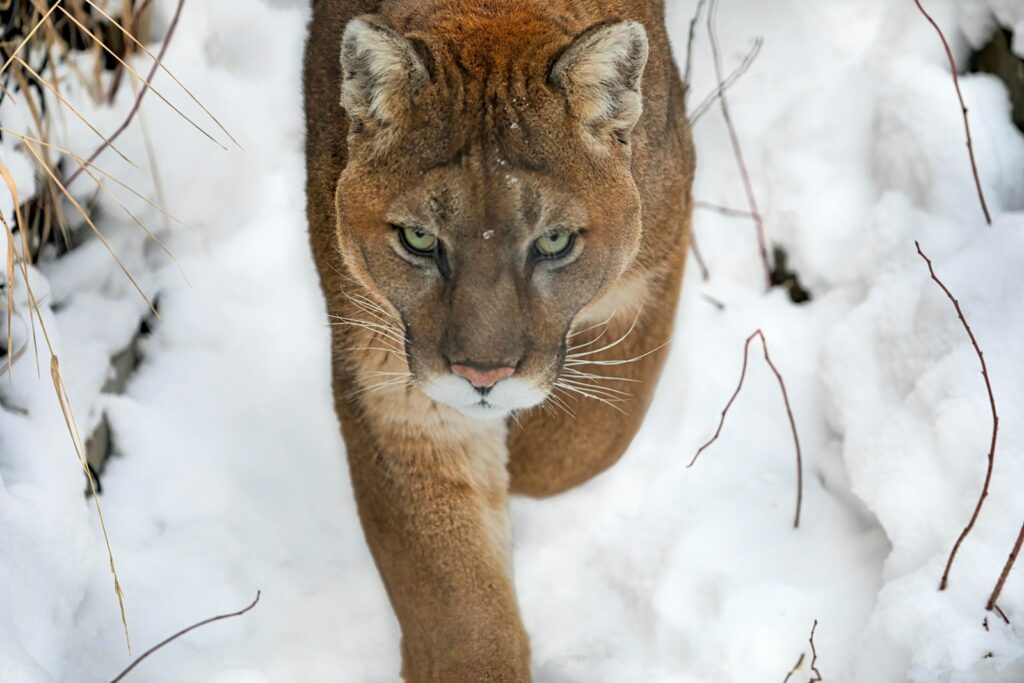
Mountain lions, cougars, and other big cats are ambush predators with exceptional pursuit capabilities. These predators are specifically adapted to chase down fleeing prey, with explosive acceleration and agility that far surpasses human capabilities. Running from a big cat not only identifies you as prey but plays directly into their hunting strategy. When encountering a mountain lion, wildlife experts recommend maintaining eye contact, making yourself appear larger by raising your arms, speaking firmly, and backing away slowly.
If a mountain lion does attack, fighting back vigorously is essential—unlike with some bear encounters, playing dead is ineffective with big cats. Numerous documented cases show that people who have stood their ground and fought during big cat attacks have significantly higher survival rates than those who attempted to flee.
Wolves and Wild Canids: Speed You Can’t Match
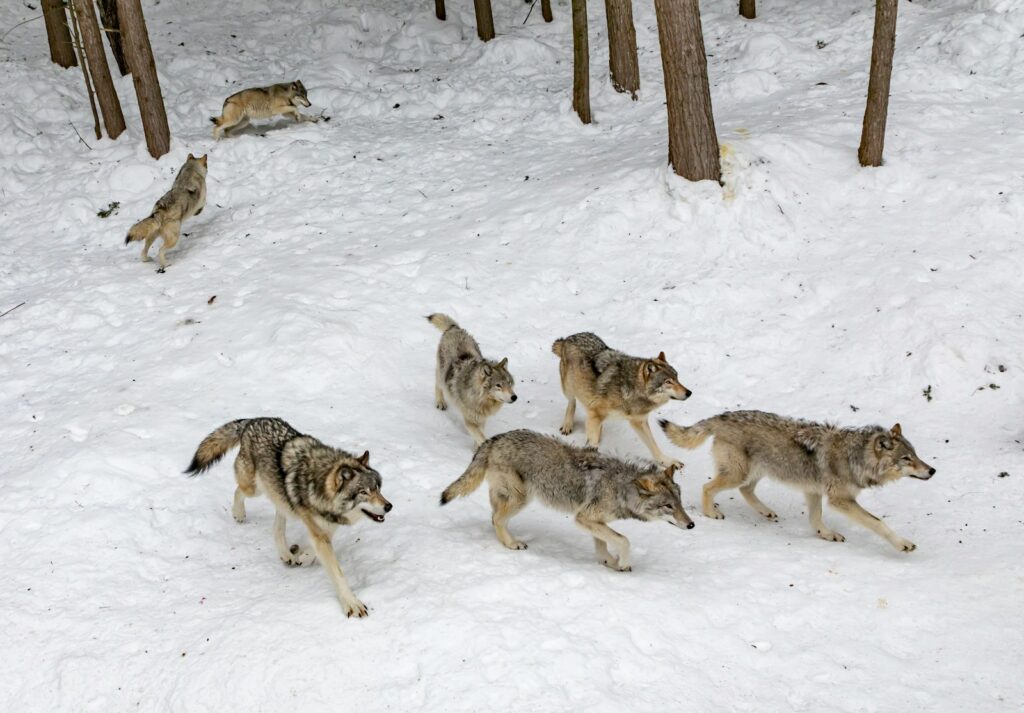
Wolf packs and other wild canids have evolved as coursing predators with remarkable endurance and pack hunting strategies. A typical wolf can maintain speeds of 25-35 mph over several miles, while coyotes and other wild canids possess similar capabilities. Attempting to outrun these animals is futile and potentially deadly. When encountering wolves, experts recommend standing tall, making noise, and slowly backing away while maintaining eye contact.
Wolves rarely attack humans, but when they do, it’s often because the person ran, triggering their chase instinct. Wolf researcher Dr. David Mech notes that in documented cases of wolf-human encounters, those who stand their ground typically cause wolves to retreat or maintain distance, while those who run often elicit pursuit behavior.
Herbivores Can Be Deadlier Than Predators
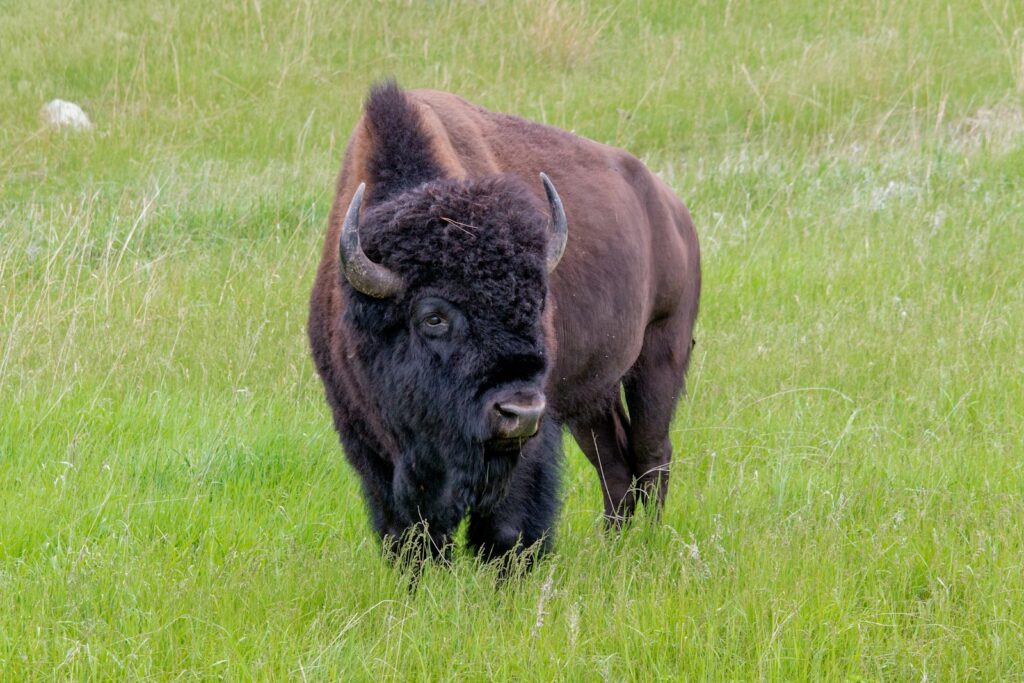
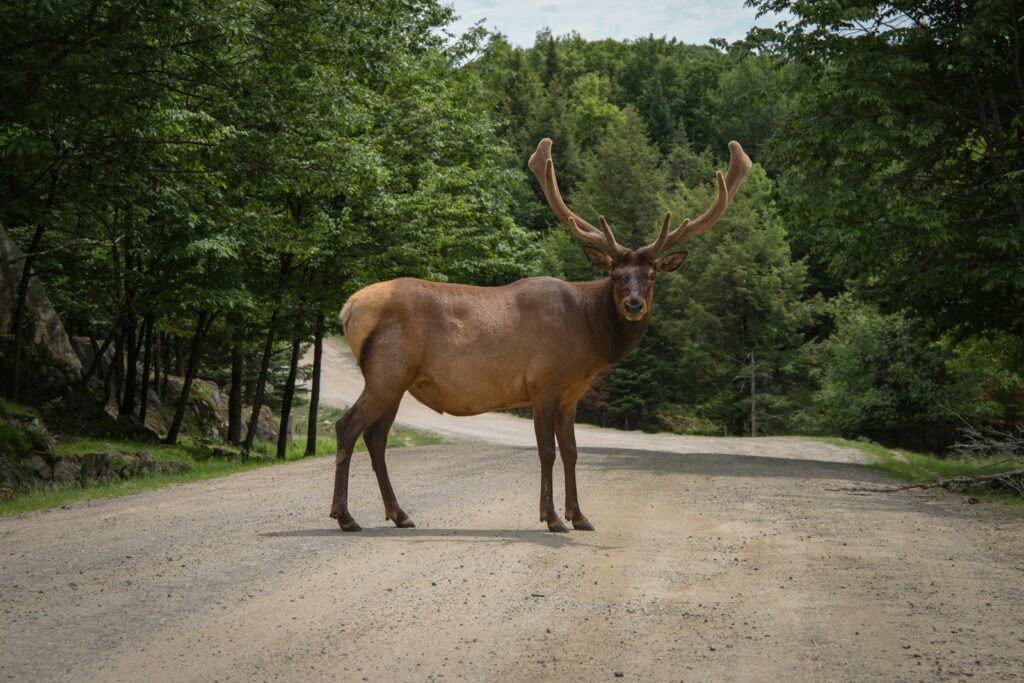
Many people underestimate the danger posed by large herbivores like moose, bison, elk, and even deer. These animals may not want to eat you, but they can still be lethal if they perceive you as a threat. A charging moose can reach speeds of 35 mph and possesses the weight and strength to deliver fatal injuries. Bison, despite their bulky appearance, can sprint at 40 mph and are responsible for more injuries in Yellowstone National Park than any predator.
When these animals charge, running often encourages pursuit and drastically reduces your ability to take protective measures. Instead, creating distance by placing solid objects between you and the animal, or in extreme cases, playing dead after a defensive attack, proves far more effective than attempting to outrun these powerful creatures.
The Physiology of Fear: How Panic Impairs Judgment
When faced with a charging animal, your body undergoes a cascade of physiological changes known as the fight-or-flight response. Adrenaline floods your system, your heart rate spikes, and blood rushes to your major muscle groups. While this response evolved to help us survive threats, it can actually impair critical thinking during wildlife encounters. Studies show that under extreme stress, our frontal lobe function (responsible for rational decision-making) decreases while our amygdala (emotional center) takes control.
This often leads to poor tactical decisions like turning your back and running, which is precisely the wrong move with most dangerous animals. Understanding this physiological response can help you recognize and combat your instinctive urge to flee, allowing you to make safer choices during wildlife encounters.
What To Do Instead: The Stand, Speak, and Retreat Method

Wildlife experts recommend a three-part approach when confronted by most potentially dangerous animals. First, stand your ground confidently, facing the animal directly. This posture alone often communicates that you are not prey and may cause the animal to reconsider its approach. Second, speak in a firm, calm voice (not screaming) to further establish your human presence, as most wild animals are naturally wary of humans. Third, if the animal hasn’t retreated, begin backing away slowly without turning your back, maintaining awareness of your surroundings to avoid tripping.
This methodical approach prevents triggering chase instincts while giving you time to assess the animal’s behavior and determine if additional defensive measures might be necessary. Park rangers report that this method successfully defuses the majority of potentially dangerous wildlife encounters.
Species-Specific Defense Tactics That Actually Work
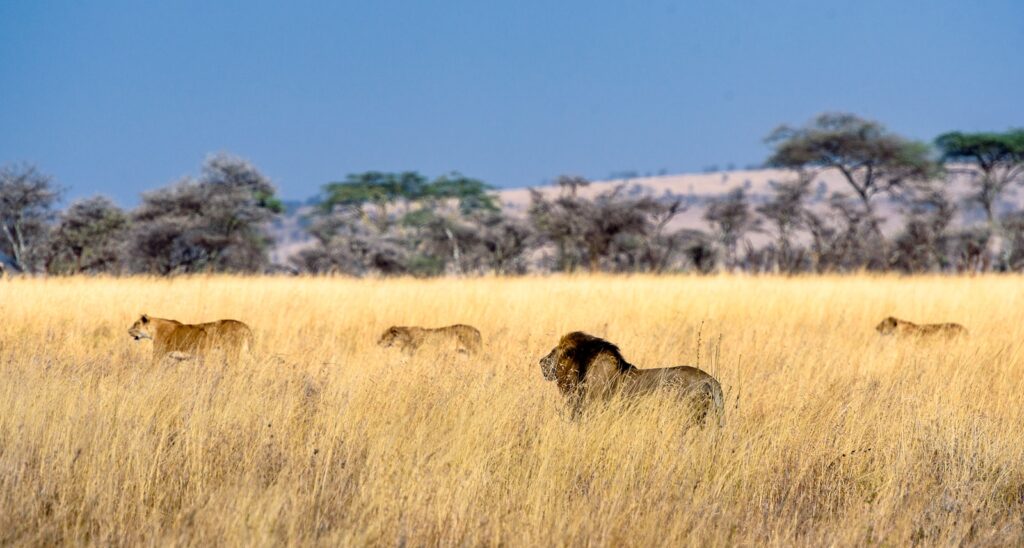
Different animals require tailored responses based on their behavior and biology. With black bears, aggressive counter-attacks often prove effective, while grizzlies may require playing dead after they make contact. For mountain lions, fighting back vigorously with anything available is critical to survival. With moose, hiding behind substantial objects like trees or vehicles provides effective protection. For snakes, slow backward movement away from the animal is key, as many strikes occur within a limited range.
With wild canines like wolves or coyotes, maintaining eye contact while backing away slowly and appearing large and confident often prevents escalation. Each of these approaches leverages understanding of specific animal behaviors rather than relying on the universally dangerous strategy of running away.
Exceptional Circumstances: When Running Might Be Necessary
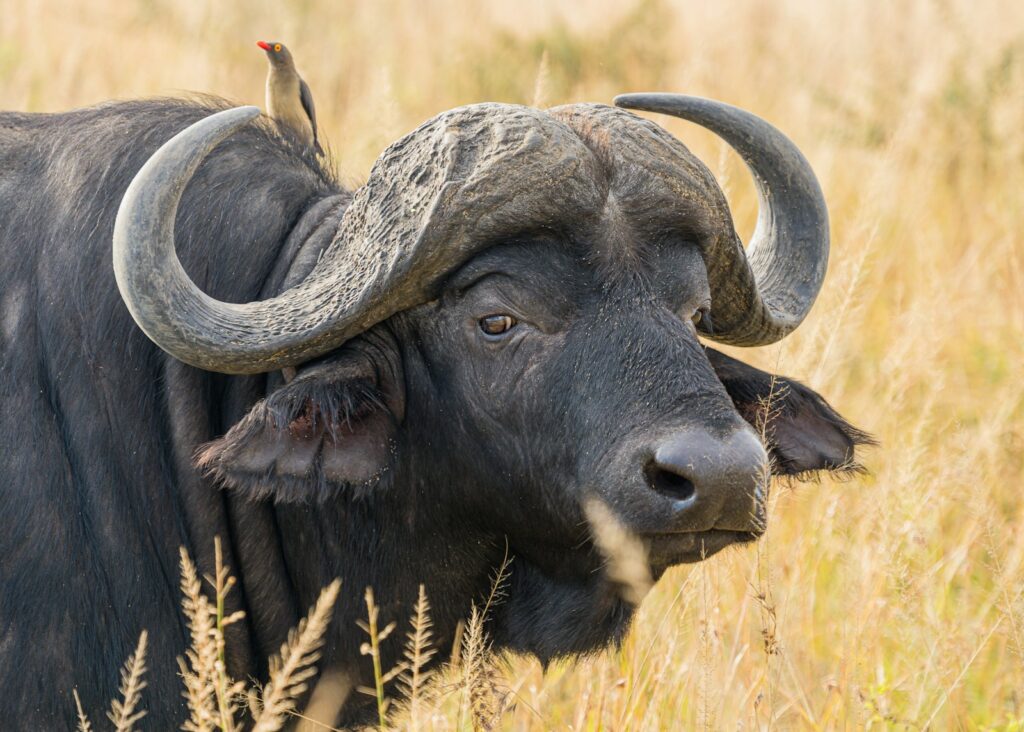
While standing your ground is generally the safest approach with most large animals, certain situations may warrant carefully planned movement. If an escape route to immediate safety exists—such as a vehicle, building, or other secure structure within a very short distance—moving quickly toward that safety might be appropriate. With certain herd animals like cattle or buffalo, creating distance by moving behind substantial barriers like trees or rocks can be effective.
When dealing with venomous snakes, moving outside striking distance (typically the length of the snake) is advisable after initially freezing to avoid triggering a strike. The key distinction in these scenarios is that movement is strategic and targeted toward immediate safety, not blind panic running that triggers predatory pursuit.
Training Your Brain: Overcoming The Instinct To Flee
Preparing mentally for wildlife encounters before they happen significantly improves your chances of responding appropriately. Wildlife safety experts recommend visualization exercises where you mentally rehearse proper responses to animal encounters. This practice helps create neural pathways that can override your instinctive flight response during an actual emergency. Physical practice, such as assuming the proper stance and practicing speaking in a firm voice, further reinforces these pathways. Many wilderness survival courses include simulated animal encounter scenarios to help participants develop muscle memory for appropriate responses.
Research in behavioral psychology suggests that this type of mental preparation can significantly improve decision-making during high-stress situations, potentially making the difference between life and death.
Real-Life Survival Stories: Those Who Stood Their Ground
Numerous documented cases demonstrate the effectiveness of standing your ground during animal charges. In 2016, a hiker in Glacier National Park survived a grizzly bear charge by standing still, speaking calmly, and using bear spray only when the animal came within 10 feet. The bear veered off without making contact. Similarly, a 2019 incident in Colorado saw a mountain lion stalk a trail runner who subsequently faced the animal, made himself appear larger, and fought back when attacked, ultimately surviving.
In Yellowstone, a photographer in 2020 avoided injury during a bison charge by remaining calm and slowly moving behind his tripod, causing the animal to lose interest. These real-world examples repeatedly confirm what wildlife experts teach: maintaining composure and avoiding flight triggers significantly improves survival outcomes in wildlife encounters.
Conclusion: The Surprising Truth About Running from Wildlife
Understanding why you should never run from a charging animal goes beyond simple wilderness advice—it’s about recognizing the fundamental dynamics between humans and wildlife in potential conflict situations. By respecting animal behavior, preparing mentally for encounters, and responding appropriately rather than panicking, you dramatically improve your chances of walking away unharmed.
The next time you venture into natural areas where wildlife encounters are possible, remember that your most powerful survival tool isn’t your speed, but your knowledge and composure. Standing your ground might feel counterintuitive when facing a charging animal, but it may well be the decision that saves your life.