
The allure of wilderness camping draws millions of outdoor enthusiasts each year into pristine natural environments. When searching for the perfect campsite, you might be tempted by a flat, clear area that seems conveniently situated—only to discover it’s adjacent to an animal trail. While it might seem harmless or even exciting to camp near wildlife pathways, this decision could lead to dangerous encounters, ecosystem disruption, and a host of other problems. Understanding why animal trails should be avoided is essential knowledge for responsible wilderness exploration and could potentially save your life. This comprehensive guide will explore the numerous reasons why camping near animal trails or tracks is a practice best avoided by outdoor enthusiasts of all experience levels.
Understanding Animal Highways: What Trails and Tracks Tell Us
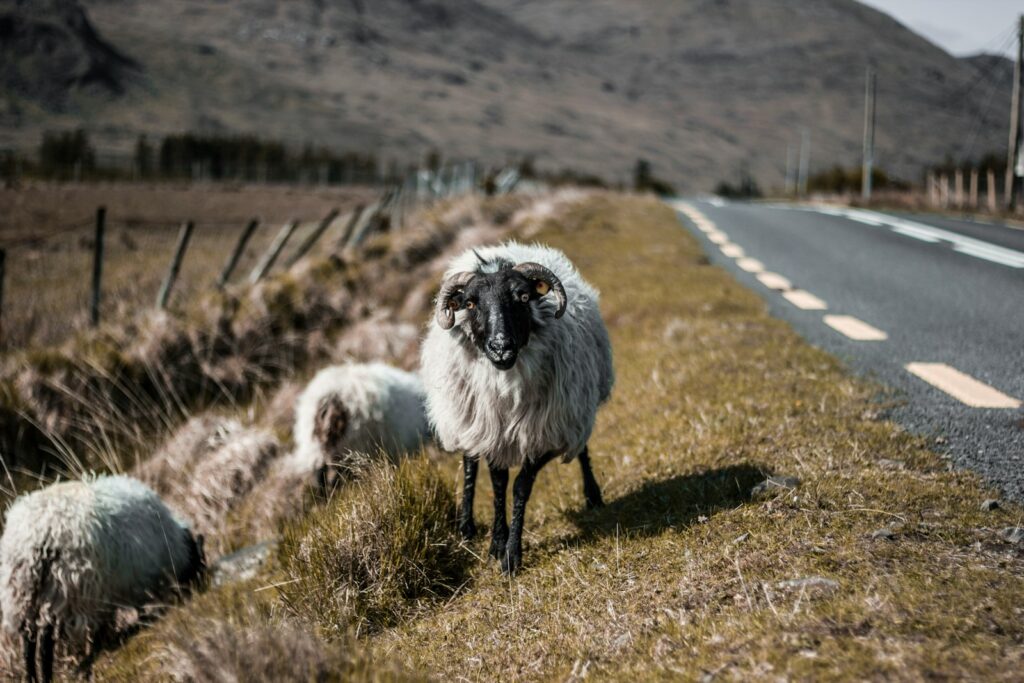
Animal trails are essentially wilderness highways that have been established over generations of consistent use by wildlife. These pathways serve critical functions in animal communities, connecting vital resources like water sources, feeding grounds, and shelter areas. Well-defined trails often indicate regular and frequent animal traffic, sometimes by multiple species using the same corridor at different times. Fresh tracks along these paths reveal not just which animals are present, but also how recently they’ve passed through and in what numbers. By learning to recognize and interpret these signs, you gain valuable insights into the invisible wildlife community that surrounds you—information that should guide your camping decisions rather than be ignored.
Dangerous Encounters with Large Predators
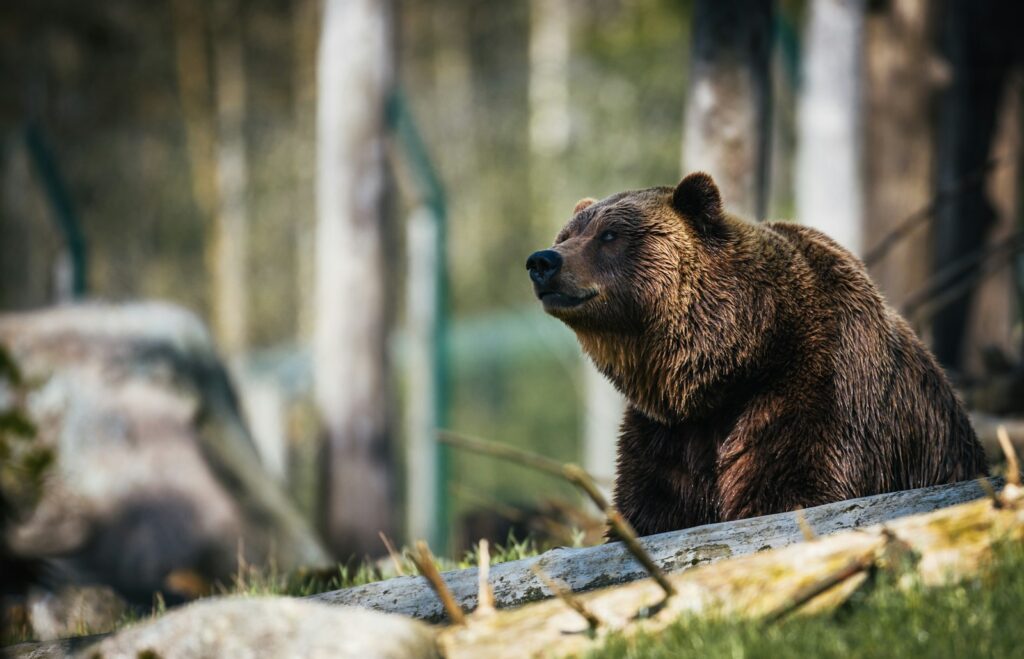
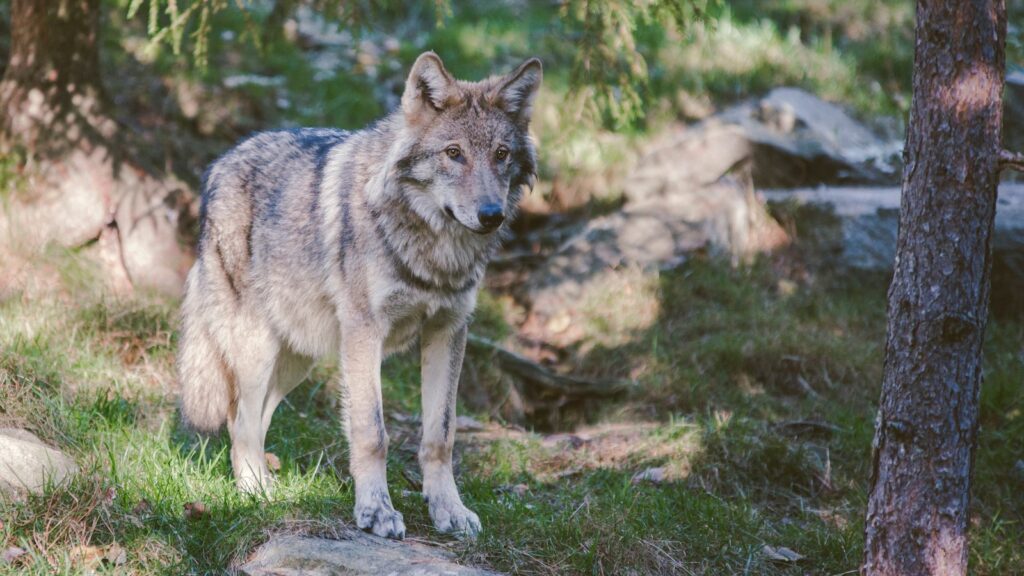
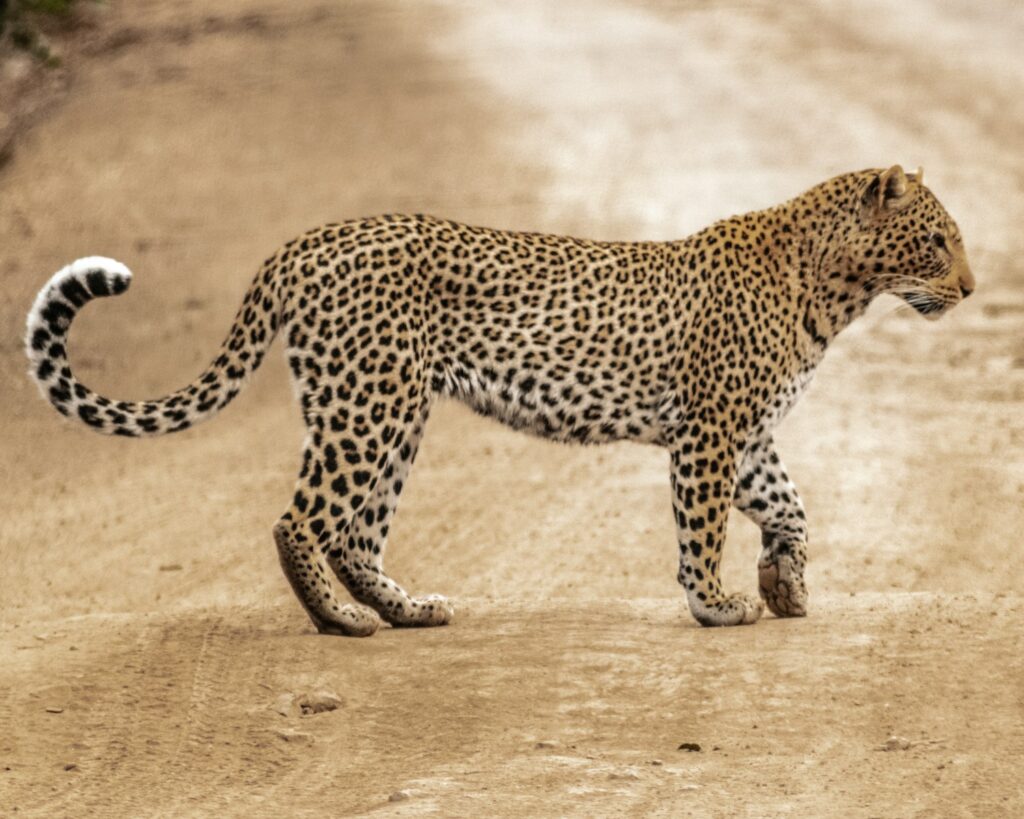
One of the most immediate dangers of camping on or near animal trails is the increased risk of encounters with large predators. Bears, mountain lions, wolves, and other carnivores regularly use established trails as efficient travel routes while hunting or patrolling their territories. These predators are most active during dawn and dusk—precisely when many campers are cooking meals or settling in for the night. A campsite situated on their regular pathway creates an unavoidable intersection between human and predator activity patterns. Even normally cautious predators may stumble upon your camp unexpectedly, potentially triggering defensive reactions if they feel cornered or threatened. Such encounters rarely end well for either the human or the animal involved, making trail avoidance a simple safety measure with significant benefits.
Territorial Conflicts with Ungulates and Other Large Mammals
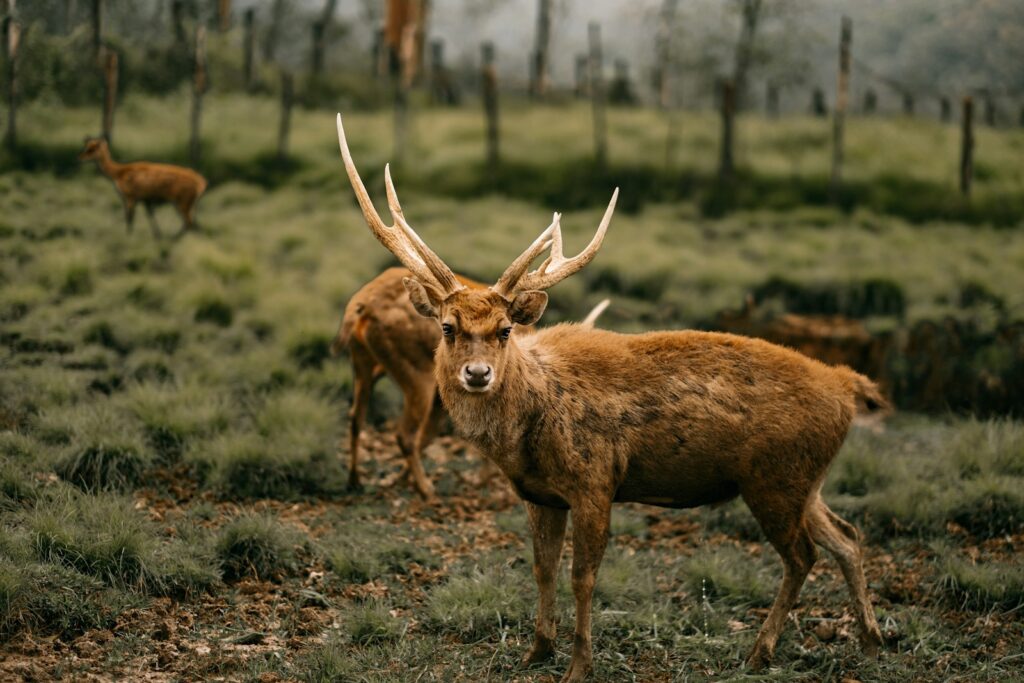
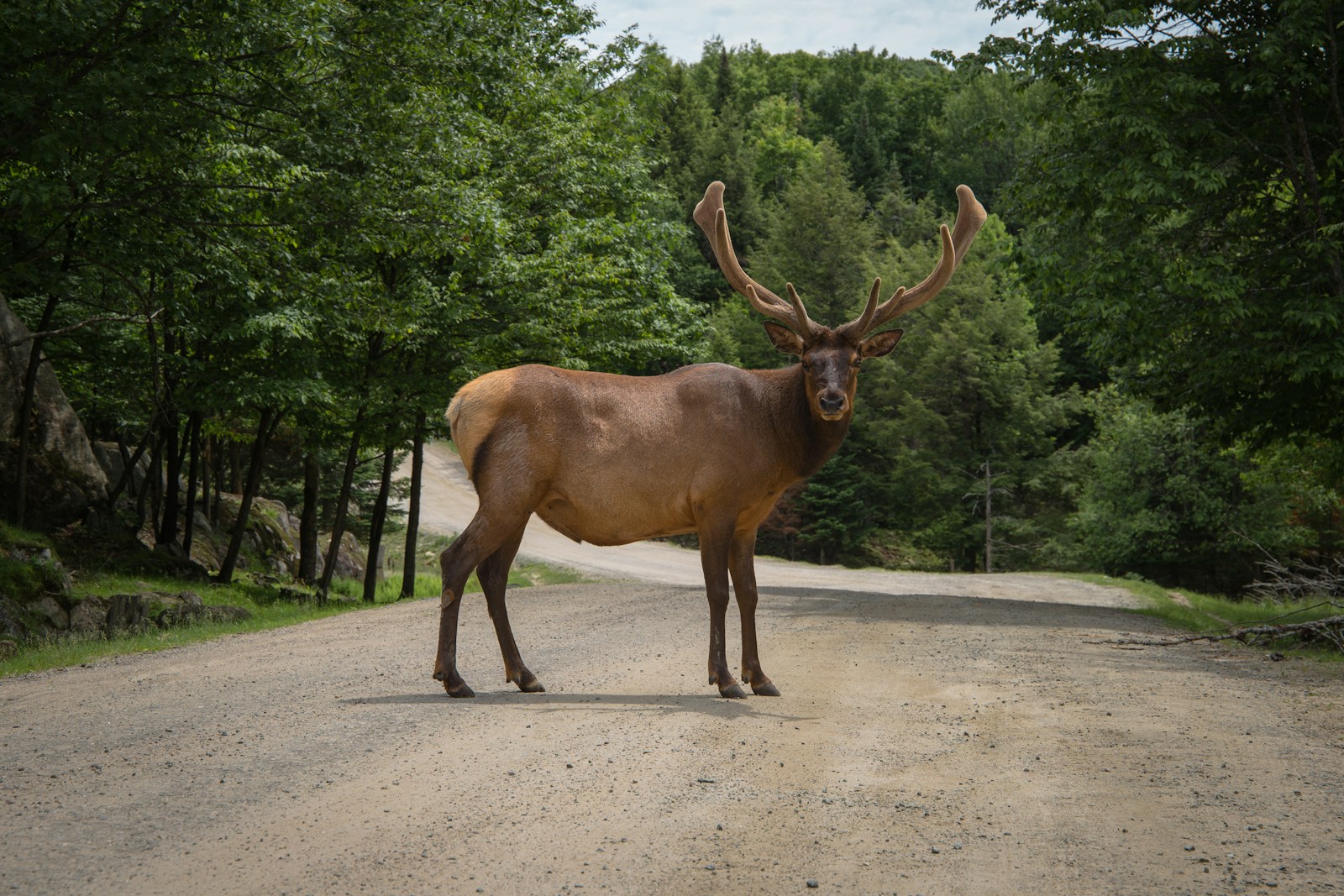
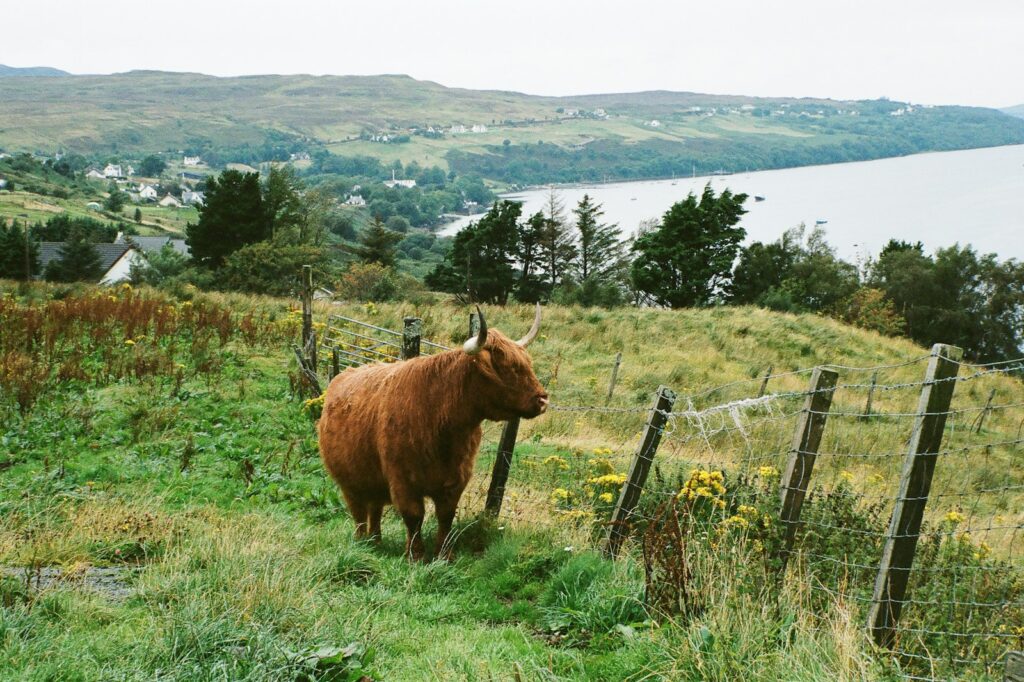
Not all dangerous wildlife encounters involve predators—herbivores can pose serious threats to campers as well. Moose, elk, bison, and even deer can become aggressive when they feel threatened, especially during mating seasons or when protecting young. These large mammals often follow consistent travel routes between feeding, watering, and resting areas. Camping on these trails effectively creates a blockage in their normal movement patterns, forcing them to either change their behavior or confront the obstacle. A territorial bull moose or protective mother elk encountering your tent in their pathway could perceive it as a threat, potentially leading to charging behavior or other aggressive responses. The sheer size of these animals makes any conflict extremely dangerous, even if they’re not carnivorous.
Nighttime Disturbances and Sleep Disruption

Even when wildlife encounters don’t escalate to dangerous levels, camping near animal trails virtually guarantees disrupted sleep and constant disturbances. Many animals are most active during nighttime hours, using established pathways for hunting, foraging, or traveling between resources. The sounds of animals moving past your tent—snapping twigs, rustling vegetation, and vocalizations—can trigger repeated fight-or-flight responses as you wake to investigate potential threats. This pattern of disrupted sleep leads to fatigue, impaired decision-making, and diminished enjoyment of your wilderness experience. Additionally, nocturnal wildlife often relies on darkness for protection from predators, and your presence along their usual route forces them to find alternate, potentially more dangerous paths, disrupting their normal behaviors and potentially increasing their vulnerability.
Unwanted Attention from Curious or Opportunistic Animals
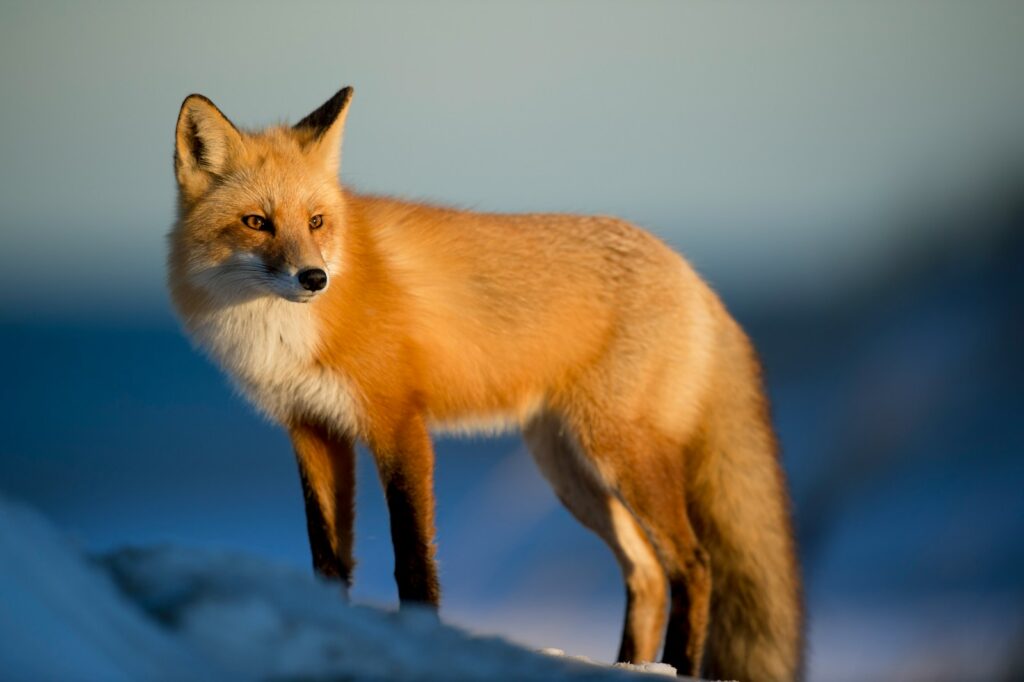
Camping near animal trails essentially places your tent in the middle of a wildlife thoroughfare, inviting inspection from every passing creature. Many animals are naturally curious and will investigate unfamiliar objects in their environment, particularly those containing interesting smells like food, toiletries, or even the salt from human sweat on gear. This curiosity can lead to problematic behaviors, from raccoons or foxes attempting to access your food supplies to bears investigating your tent. Even if you follow perfect food storage protocols, the mere presence of humans creates novel scents that attract wildlife attention. Repeated wildlife visits increase habituation—animals learning to associate humans with food or safety—which can lead to increasingly bold behavior and create problematic animals that may eventually need to be relocated or euthanized by wildlife managers.
Environmental Impact and Leave No Trace Principles
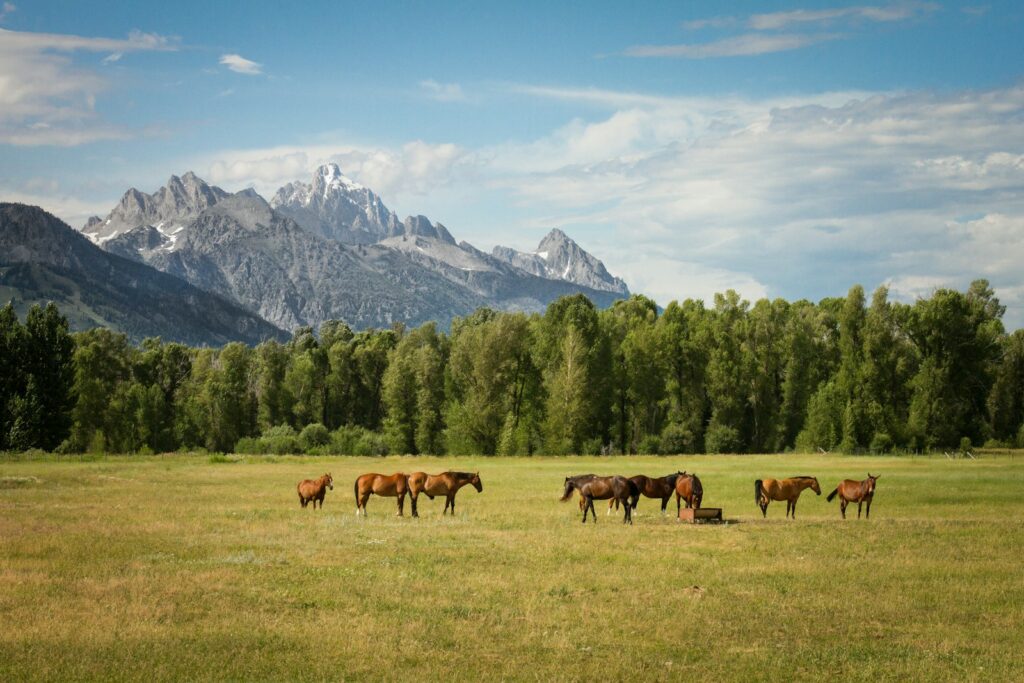
Beyond personal safety concerns, camping near animal trails directly contradicts Leave No Trace principles and responsible wilderness ethics. Setting up camp on or adjacent to wildlife pathways disrupts natural animal behaviors and movement patterns that may have been established over many generations. This disruption extends beyond your actual stay, as the scents and disturbance you create can linger for days afterward, continuing to affect wildlife behavior. Additionally, popular camping areas near trails often become denuded of vegetation and suffer soil compaction from repeated human use. By choosing instead to camp at an appropriate distance from wildlife corridors, you demonstrate respect for the natural world and help preserve wildlife habitat connectivity that is essential for healthy ecosystems.
Contamination of Water Sources and Wildlife Gathering Areas
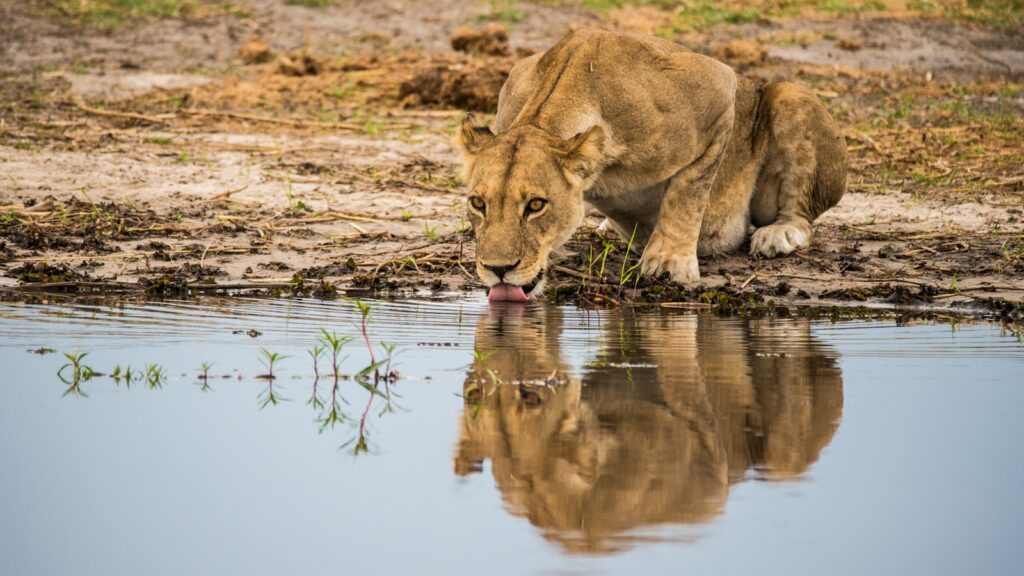
Animal trails frequently lead to critical resources, with water sources being among the most important destinations. These water access points are essential for wildlife survival, especially in arid environments where water is scarce. Camping near these areas introduces human contaminants—soaps, sunscreen, insect repellent, food particles, and human waste—into these critical zones. Even biodegradable products can disrupt water chemistry and affect sensitive aquatic ecosystems that wildlife depends upon. Additionally, your presence at these gathering areas forces animals to either avoid critical resources entirely or visit during less optimal times, potentially increasing their stress and decreasing their fitness. Wildlife managers typically recommend camping at least 200 feet (about 70 adult steps) away from water sources, which usually places you well away from the associated animal trails as well.
Increased Risk of Disease Transmission
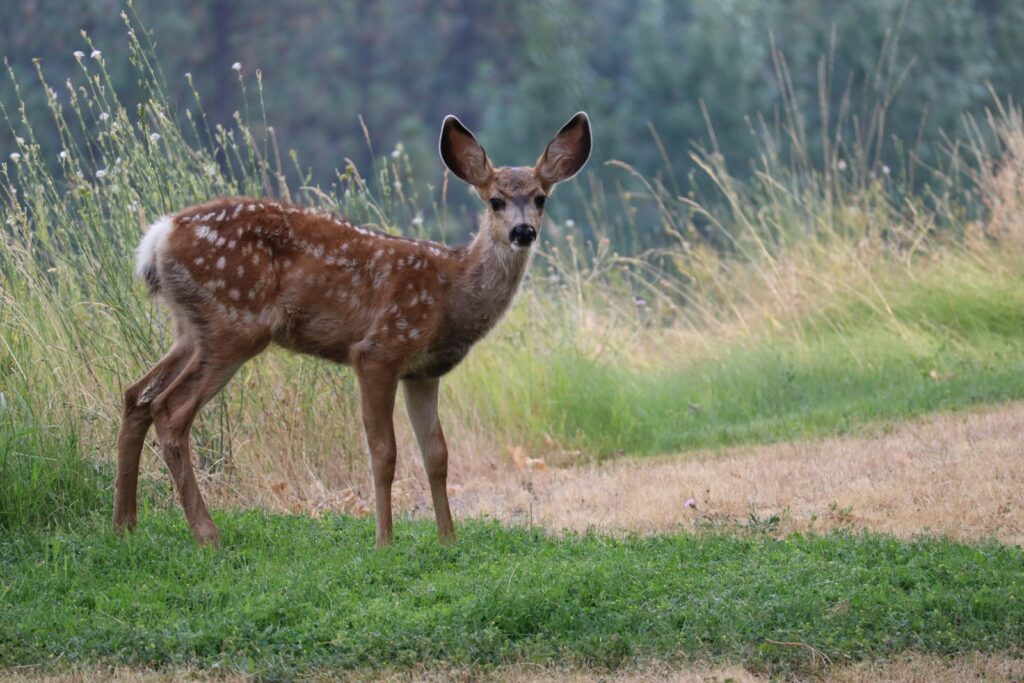
Close proximity to wildlife pathways increases the risk of zoonotic disease transmission—illnesses that can pass between animals and humans. Many wildlife species carry parasites, bacteria, and viruses that can infect humans through direct contact, airborne transmission, or contamination of shared environments. For example, rodents along trails may carry hantavirus or plague, while deer and other mammals might host ticks carrying Lyme disease or Rocky Mountain spotted fever. Camping directly on animal trails places you in the midst of areas with higher concentrations of animal waste, bodily fluids, and parasites. Fresh animal scat on trails can harbor dangerous pathogens, and disturbing these deposits—even accidentally with camping gear—can aerosolize particles that may be inhaled or contaminate cooking areas. Maintaining appropriate distance from wildlife corridors creates a natural buffer that reduces these disease transmission risks.
Legal Restrictions and Management Regulations
Many protected areas, including national parks, wilderness areas, and wildlife refuges, have specific regulations prohibiting camping on or near established wildlife trails. These rules exist not just for visitor safety but to protect wildlife from human disturbance in critical habitats. Violating these regulations can result in substantial fines, removal from the area, or even criminal charges in cases of significant resource damage. Land managers use their understanding of local wildlife patterns to establish appropriate camping policies, which may include designated campsites specifically located away from important wildlife corridors. By familiarizing yourself with and following these area-specific regulations, you demonstrate respect for both the law and the ecological balance of the areas you visit, while also contributing to more positive human-wildlife coexistence.
Identifying and Avoiding Animal Trails While Camping

Developing the ability to recognize animal trails is an essential wilderness skill that enhances both safety and ecological awareness. Well-established wildlife pathways typically appear as narrow, compressed soil paths with minimal vegetation growing in the traveled area. Look for tracks, scat, hair caught on vegetation, and browse lines (vegetation eaten to a uniform height) as indicators of active animal use. Trails often follow logical topography—taking the path of least resistance through dense vegetation, following contour lines on slopes, or connecting natural features like meadows, water sources, and rock outcroppings. When selecting a campsite, scan the surrounding area for these indicators and choose locations that don’t intersect with wildlife movement corridors. A good rule of thumb is to locate your camp at least 100-200 feet from any identifiable animal trail, preferably in an area with good visibility that allows wildlife to detect and avoid your presence.
Strategic Campsite Selection for Wildlife Avoidance
Choosing appropriate campsites requires understanding both animal behavior and landscape features that influence wildlife movement. Opt for slightly elevated terrain that provides good sightlines in multiple directions, allowing you to spot approaching wildlife and giving animals the opportunity to detect your presence from a distance. Avoid camping in dense vegetation that limits visibility and could conceal approaching animals. Similarly, steer clear of obvious funneling features in the landscape—narrow passes between cliffs, single gaps in dense forest, or the only accessible route around a water body—as these natural bottlenecks concentrate wildlife traffic. Listen for wildlife activity before setting up camp; the sounds of multiple animals or repeated calls in a specific area may indicate a heavily used habitat zone best avoided. Remember that proper campsite selection is an investment in both personal safety and wildlife conservation, making the extra effort to find an appropriate location well worthwhile.
Food Storage and Camp Cleanliness to Minimize Attraction

Even when camping away from established trails, proper food management remains essential for preventing wildlife encounters. Use approved food storage methods appropriate to your location, such as bear-resistant containers, properly executed bear hangs, or designated food lockers when available. Clean all cooking utensils thoroughly after use and store them with your food, not in your tent. Avoid cooking aromatic foods that disperse strong scents over long distances, potentially attracting wildlife from afar. Maintain a clean camp by carefully collecting and properly disposing of all food scraps, including seemingly innocuous items like fruit peels or nutshells that can still attract animals. Remember that even non-food items with interesting scents—toothpaste, deodorant, scented wet wipes, or lip balm—should be stored with your food, not in your sleeping area, as they can attract curious wildlife just as effectively as actual food items.
Emergency Preparedness for Wildlife Encounters
Despite taking all proper precautions, wildlife encounters may still occur, making emergency preparedness an essential component of wilderness camping. Carry appropriate deterrents for the region you’re visiting, such as bear spray when in bear country, and ensure everyone in your group knows how to use these tools effectively. Establish clear protocols for wildlife encounters with your camping companions before an incident occurs, including designated roles and communication signals. Consider carrying a satellite communication device in remote areas where cell service is unavailable, allowing you to contact emergency services if necessary. Learn proper first aid for potential wildlife-related injuries relevant to your destination, including treatment for bites, scratches, or allergic reactions to stings or venom. While avoiding animal trails significantly reduces your risk of dangerous encounters, comprehensive preparation ensures you can respond effectively if wildlife situations do arise.
Conclusion: Respecting Wildlife Boundaries for Mutual Safety
Choosing to camp away from animal trails and tracks represents one of the simplest yet most effective ways to promote both human safety and wildlife conservation in wilderness settings. This fundamental practice acknowledges that we are visitors in wild spaces where animals conduct their essential life activities. By giving wildlife the space they need to travel, hunt, forage, and socialize without human interference, we not only protect ourselves from potentially dangerous encounters but also contribute to healthier ecosystems where animals can thrive without habituation to human presence. The wilderness experience is ultimately enhanced, not diminished, when we observe wildlife from appropriate distances, respecting their territories while marveling at their adaptations and behaviors. Remember that proper campsite selection away from wildlife corridors is not just a safety precaution—it’s an act of respect for the natural world we seek to enjoy and preserve.