

Coming across a seemingly abandoned baby animal in the wild can trigger our nurturing instincts. That tiny fawn curled up in tall grass, a fluffy baby rabbit nestled in a shallow depression, or a fledgling bird hopping on the ground—these vulnerable creatures often appear to need our help. Your first impulse might be to intervene, to protect, to rescue. However, this well-intentioned gesture can actually cause more harm than good. Wildlife experts, conservationists, and animal rehabilitation specialists unanimously advise against touching or moving baby wildlife that appears to be alone. This article explores the many reasons why human intervention can be detrimental to young wildlife and what actions you should take instead when encountering these situations.
Mother Knows Best: Natural Parenting Strategies
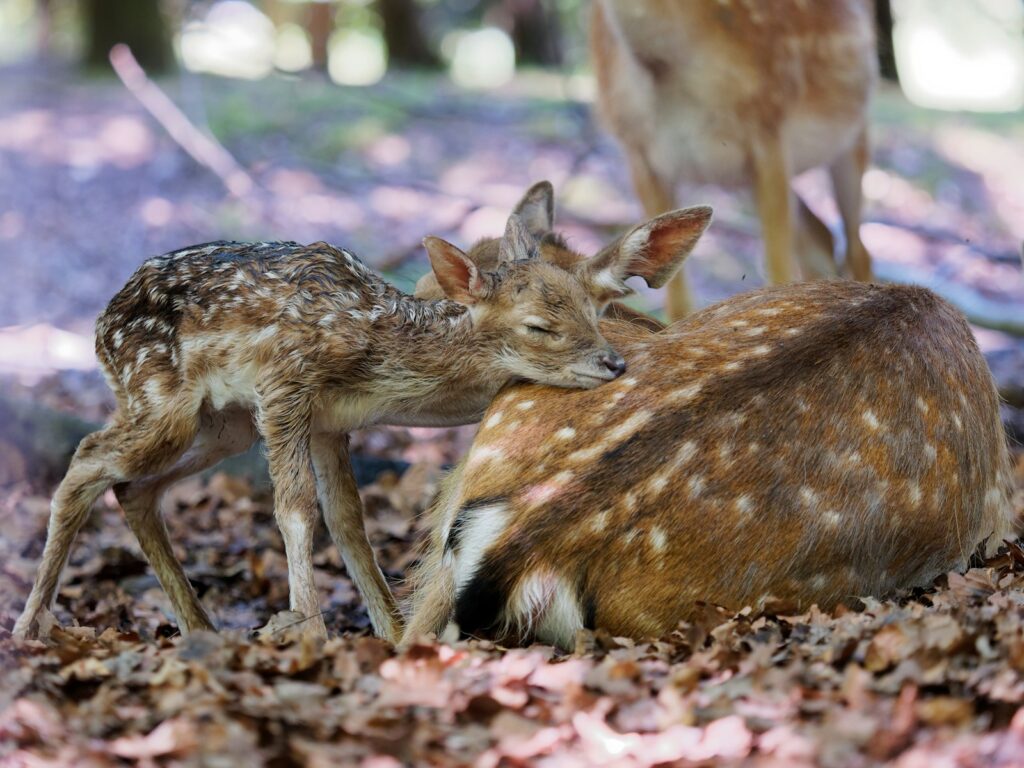
Wildlife parents employ sophisticated strategies that have evolved over thousands of years to protect their offspring. Many species intentionally leave their young alone for extended periods while they forage for food. Deer, for example, leave their fawns hidden in vegetation for up to 12 hours while the mother feeds elsewhere. This separation is not abandonment but a protective measure to prevent predators from tracking the mother’s scent back to her vulnerable offspring. Rabbits visit their young only at dawn and dusk to nurse, spending minimal time at the nest to avoid drawing attention to it. Birds continuously monitor their fledglings from a distance, swooping in to feed them periodically. These parenting methods may seem neglectful to human observers but are perfectly adapted to each species’ survival needs.
Human Scent Can Lead to Rejection
When humans handle baby wildlife, they transfer their scent onto the animal, which can have serious consequences. While the old wives’ tale that birds will always abandon babies touched by humans is an oversimplification, human scent can certainly complicate matters for many species. Certain mammals, particularly deer, are extremely sensitive to foreign scents on their young. A doe might hesitate to return to a fawn that smells strongly of humans, perceiving it as a potential threat or indication of predator presence. Additionally, predators with keen senses of smell might more easily locate a baby animal that carries human scent, placing the youngster at greater risk. Even if the mother doesn’t reject her young, your scent may cause unnecessary stress to both parent and offspring during an already vulnerable period.
Misidentifying “Abandonment”

Most “abandoned” baby animals you encounter aren’t actually abandoned at all. What appears as neglect to human observers is often part of normal wildlife parenting behavior. Fawns lie motionless and alone while their mothers forage, relying on their spotted camouflage and lack of scent to avoid detection. Baby rabbits in a shallow nest might seem vulnerable, but the mother typically visits just twice daily to nurse them, minimizing her time at the nest to prevent attracting predators. Young birds learning to fly often spend days on the ground under their parents’ distant supervision, developing their flight muscles before they can fully take to the air. Without understanding these species-specific behaviors, well-meaning humans often “rescue” animals that don’t need rescuing, separating families and creating unnecessary orphans.
Stress and Health Implications
Being handled by humans creates immense stress for young wildlife, with potentially fatal consequences. The stress of capture and handling can trigger capture myopathy in some species, a condition where extreme stress causes muscle damage, heart abnormalities, and sometimes death. Young animals have delicate immune systems, and the stress of human interaction can compromise their ability to fight disease. Additionally, improper handling techniques can cause physical injuries that aren’t immediately apparent—fractures, internal injuries, or skin abrasions that later become infected. Even brief human contact can elevate heart rate and stress hormones to dangerous levels, depleting the energy reserves these young animals need for growth and development during critical periods.
Legal Implications of Wildlife Interference
Handling wildlife without proper authorization is often illegal and can result in significant penalties. Most states have strict regulations prohibiting the possession of wildlife, with violators facing fines ranging from hundreds to thousands of dollars. The Migratory Bird Treaty Act specifically protects most bird species, making it illegal to possess, transport, or handle these birds without federal permits. Even temporary possession with good intentions can violate these laws. Conservation officers understand the complexities of wildlife regulations and don’t typically accept ignorance as an excuse for intervention. Additionally, some diseases can be transmitted from wildlife to humans, creating both legal liability and public health concerns when people handle wild animals without proper training and protective equipment.
Birds: Fledglings vs. Nestlings
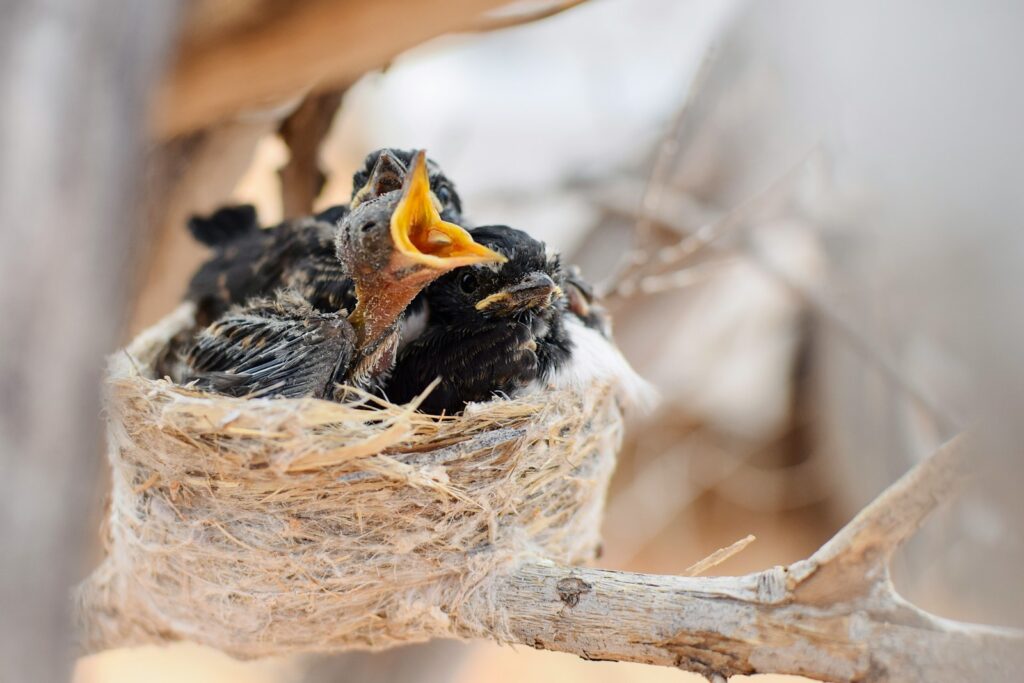
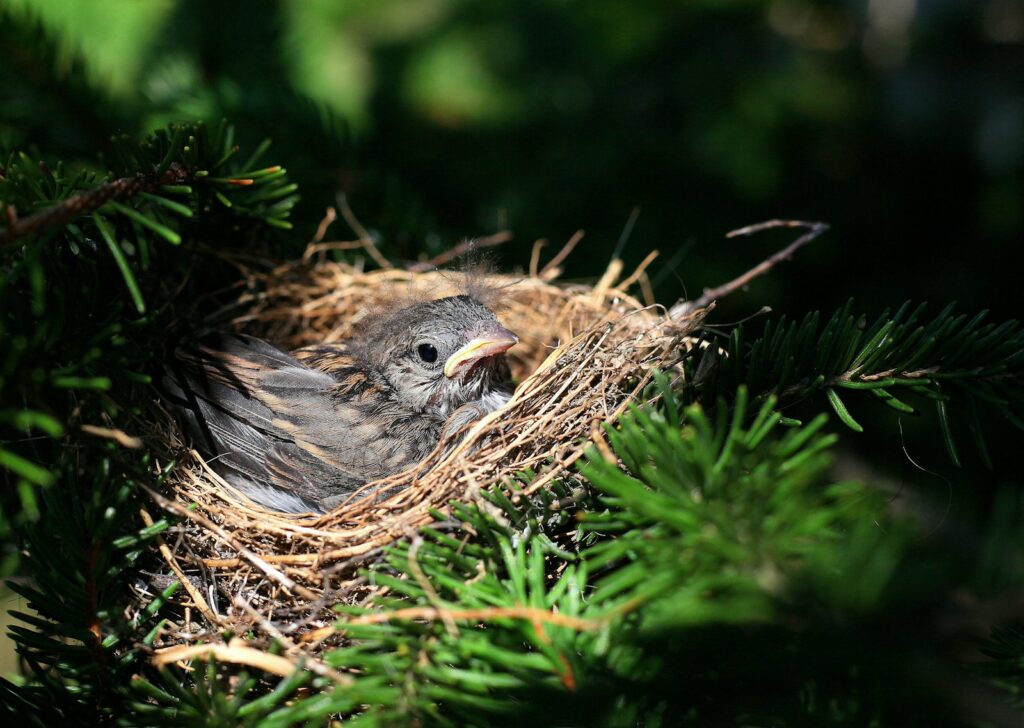
Understanding the difference between fledglings and nestlings is crucial when encountering baby birds. Nestlings are featherless or have minimal feathering, cannot hop or perch, and genuinely need assistance if found on the ground, as they’ve fallen from their nest prematurely. Fledglings, on the other hand, have most of their feathers, can hop and perch, and spend several days on the ground as part of their normal development while learning to fly. Parent birds continue feeding and monitoring fledglings during this vulnerable stage, though they often remain hidden from human view. Well-meaning people frequently “rescue” fledglings unnecessarily, removing them from their parents’ care when they were never actually abandoned. This distinction makes proper identification essential before considering any intervention with baby birds.
Rabbits and Their Unique Vulnerability

Baby rabbits (kits) are among the wildlife most frequently “rescued” unnecessarily, with devastating consequences. Mother rabbits create shallow nests, often in the middle of lawns or gardens, and cover their babies with grass and fur. They visit only at dawn and dusk for feeding, spending less than 10 minutes at the nest to avoid attracting predators. This limited contact leads many people to believe the babies have been abandoned. Rabbits are extremely sensitive to stress, and handling by humans frequently proves fatal, with mortality rates exceeding 90% for “rescued” wild baby rabbits, even in professional rehabilitation settings. Their delicate digestive systems cannot tolerate improper formula, and they often develop fatal stress-induced digestive stasis. For these reasons, wildlife rehabilitators consider rabbit kits among the most challenging animals to successfully raise.
Fawns: The Masters of Hiding
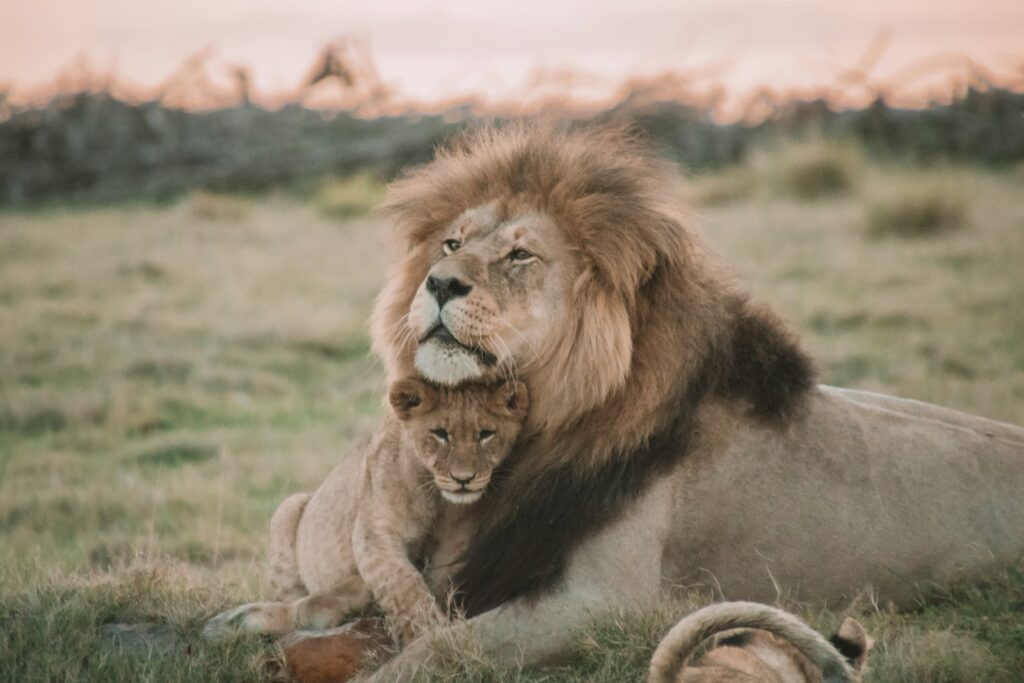
Finding a fawn alone doesn’t mean it needs rescuing—quite the opposite. For their first few weeks of life, white-tailed deer fawns rely on a strategy of hiding and remaining motionless to avoid predators. The mother deer intentionally stays away from her fawn except during nursing times, as her presence and scent would attract predators to her relatively scentless offspring. Fawns are naturally camouflaged with spots that break up their outline in dappled sunlight, and they instinctively remain perfectly still when potential threats approach. A healthy fawn will have bright eyes, clean ears, and no visible signs of injury or distress. The mother deer is almost certainly nearby, aware of her fawn’s location, and will return when the area is clear of perceived threats—including well-meaning humans who linger nearby trying to “protect” the fawn.
When Professional Intervention Is Necessary

While most baby animals should be left alone, there are legitimate situations that warrant contacting wildlife professionals. Clear signs of injury such as bleeding, broken limbs, or visible wounds indicate an animal needs help. If a baby animal is found with its dead mother nearby or has been attacked by a predator or domestic pet, professional intervention is appropriate. Babies found in genuinely dangerous locations—like on busy roads or in actively disturbed areas—may need assistance. In these cases, the correct approach is not to handle the animal yourself but to contact your local wildlife rehabilitation center, nature center, or state wildlife agency immediately. These professionals can provide specific guidance for your situation and, if necessary, arrange for proper rescue and care by trained individuals with the appropriate permits.
The Challenges of Wildlife Rehabilitation
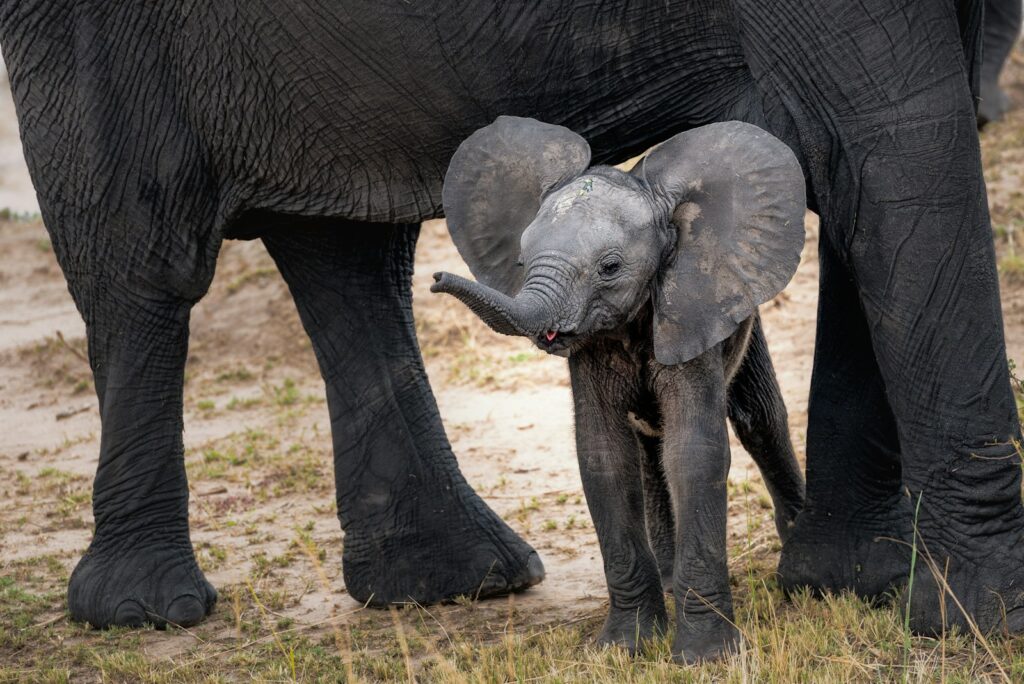
Raising orphaned wildlife requires specialized knowledge, facilities, and permits that most well-intentioned citizens don’t possess. Professional wildlife rehabilitators undergo extensive training to understand the complex nutritional, behavioral, and medical needs of each species they treat. Baby animals require species-specific formulas, feeding techniques, and housing arrangements that mimic their natural environment. Many need to be fed every 1-4 hours around the clock for weeks or months. Without proper care, young animals can develop permanent physical and behavioral abnormalities that prevent their eventual release. Additionally, rehabilitators must implement careful protocols to prevent human imprinting, which can make animals unable to survive in the wild or dangerously habituated to humans. The specialized care required simply cannot be provided in most home settings, regardless of good intentions.
How to Help Without Harming
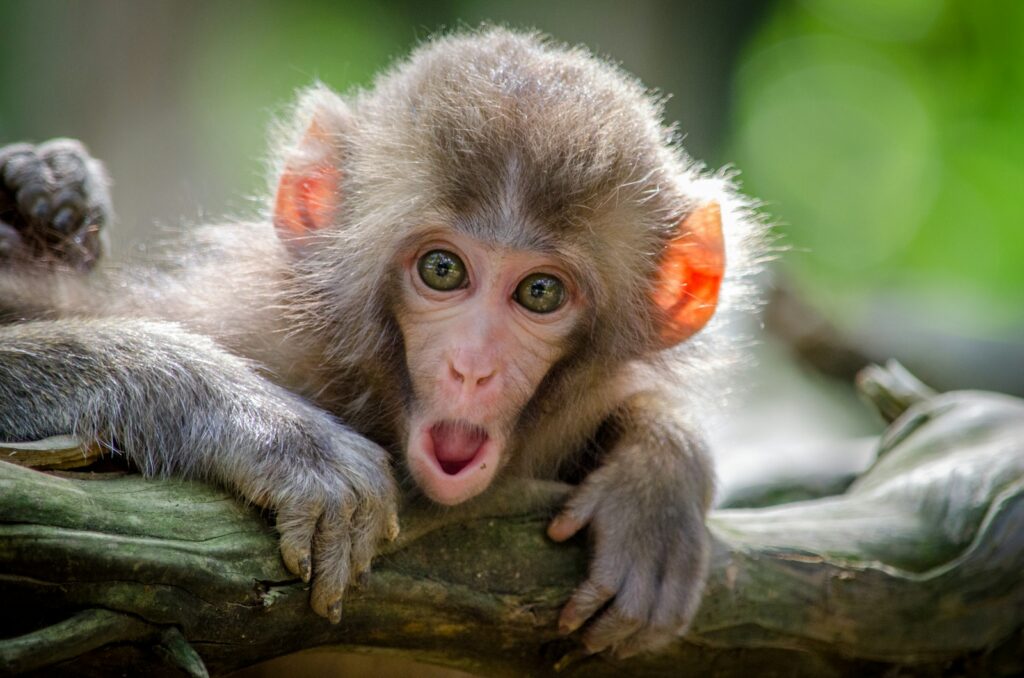
If you find a baby animal that genuinely needs assistance, there are ways to help without causing harm. First, maintain a significant distance and observe the animal to determine if intervention is truly necessary, watching for parent returns or signs of injury. If action seems warranted, contact a licensed wildlife rehabilitator before touching the animal. Document the exact location where you found the animal, as this information is crucial if rehabilitation is necessary. If directed by professionals to move the animal, minimize handling by using gloves or a clean towel, and place it in a ventilated, secure container in a quiet, warm, dark place without food or water until you receive professional guidance. Remember that even water can be dangerous if administered incorrectly to stressed or injured wildlife. Taking photos to share with rehabilitators can help them assess the situation while minimizing handling of the animal.
Creating Wildlife-Friendly Spaces
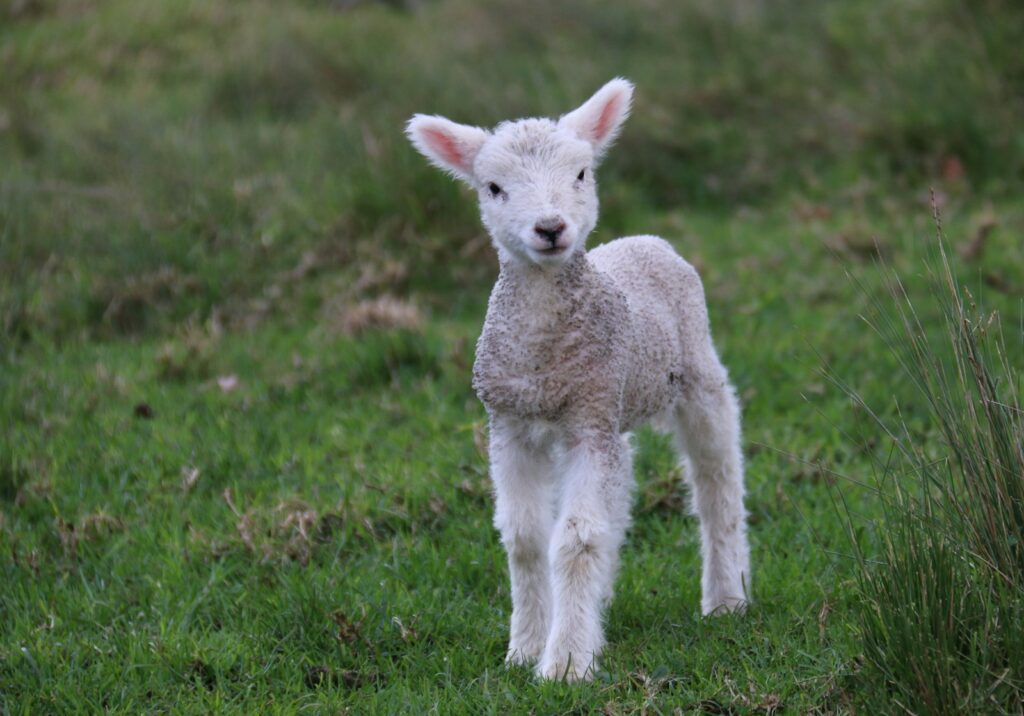
One of the most effective ways to help wildlife is by creating habitats that support their natural behaviors and life cycles. Consider maintaining natural areas in your yard where animals can safely raise their young without human interference. When gardening or landscaping, check carefully for rabbit nests or other wildlife before disturbing areas, especially in spring and early summer when many species are actively reproducing. If you must mow, do so during midday when parent animals are more likely to be present and able to move their young. Install wildlife-friendly fencing that allows animals to move freely between habitats. Reduce outdoor lighting during nesting seasons, as excessive artificial light can disrupt natural behaviors. By making these accommodations, you can coexist with wildlife in ways that support rather than disrupt their natural parenting behaviors.
Conclusion: Compassion Through Distance

The most compassionate action we can take when encountering seemingly abandoned baby wildlife is, paradoxically, to keep our distance. True care for these vulnerable creatures means respecting their natural processes and the parenting strategies that have evolved over millennia. By learning to distinguish between animals in genuine distress and those experiencing normal development, we can make informed decisions that truly benefit wildlife. Remember that mother nature has equipped wildlife parents with remarkable abilities to care for their young—abilities that humans, despite our best intentions, cannot replicate. When we resist the urge to intervene and instead allow natural processes to unfold, we demonstrate a deeper understanding of conservation and respect for the wild creatures with whom we share our environment. True wildlife stewardship often means stepping back rather than stepping in.