
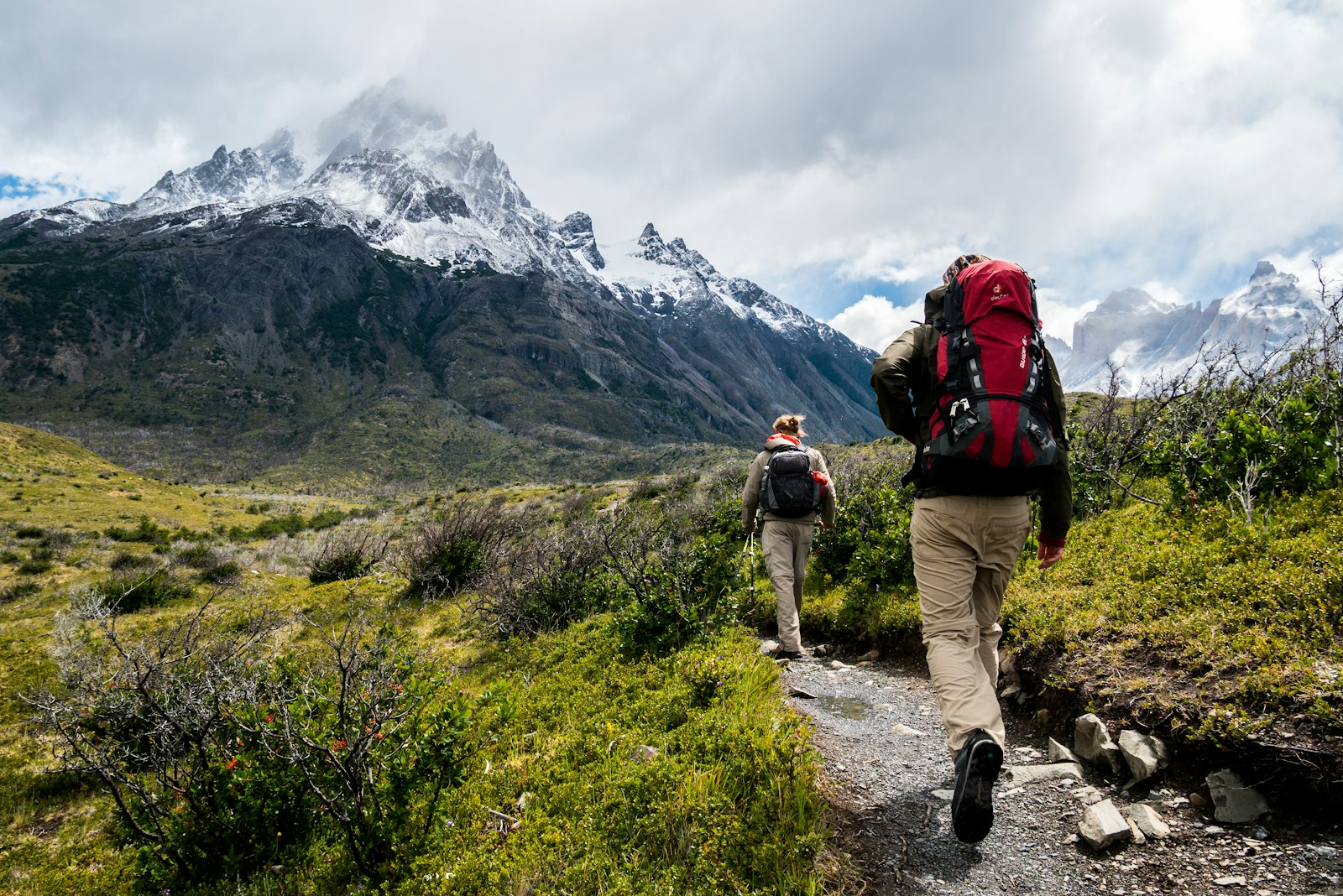
Venturing into America’s national parks offers more than just scenic vistas and wildlife encounters – it provides transformative experiences in some of the most pristine natural environments on earth. For backpackers and hikers seeking solitude and adventure, these protected lands offer thousands of miles of trails that range from accessible day hikes to challenging multi-day expeditions. The backcountry of our national parks represents America’s wilderness at its most authentic, where visitors can disconnect from modern life and reconnect with the natural world. Whether you’re planning your first remote hiking experience or seeking to add to your collection of wilderness adventures, this guide explores the most spectacular national parks for those ready to shoulder a pack and step beyond the crowds.
Yellowstone National Park – Wilderness Beyond the Geysers
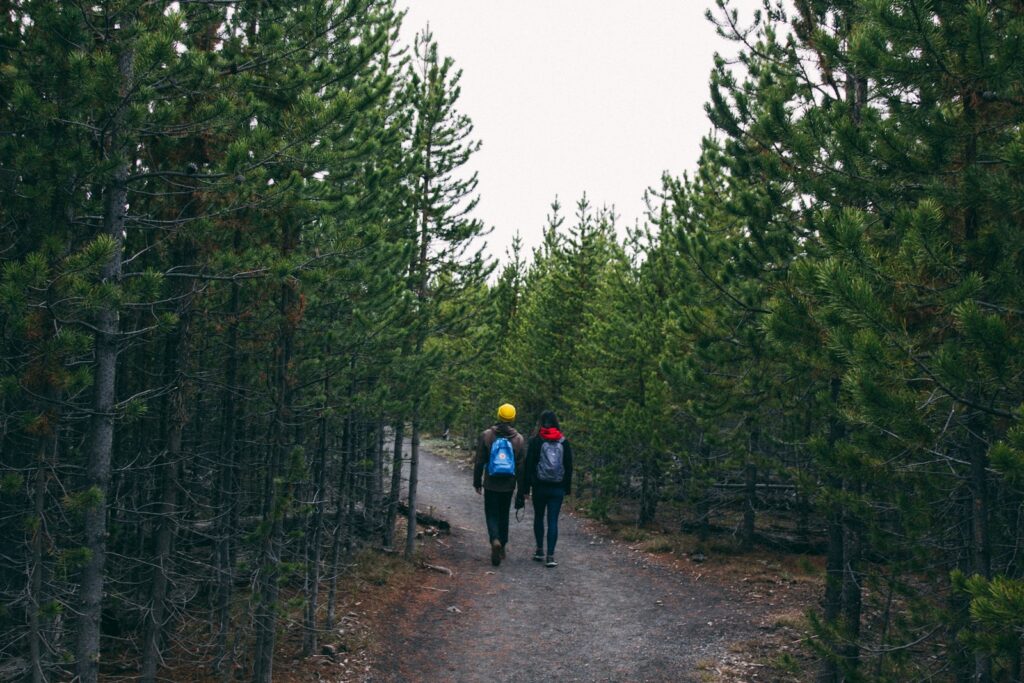
While millions visit Yellowstone’s famous geothermal features each year, relatively few venture into its vast backcountry. With over 1,000 miles of hiking trails and more than 300 backcountry campsites, Yellowstone offers incredible opportunities for multi-day wilderness experiences. The Thorofare region in the southeast corner of the park is often cited as the most remote location in the lower 48 states, lying roughly 30 miles from the nearest road. Hikers in Yellowstone’s backcountry may encounter thundering waterfalls, pristine alpine lakes, sweeping meadows filled with wildflowers, and wildlife including grizzly bears, wolves, and free-ranging bison herds. The park requires backcountry permits, which can be reserved in advance, and all visitors should be well-versed in bear safety protocols before embarking on their journey.
Olympic National Park – Three Ecosystems in One
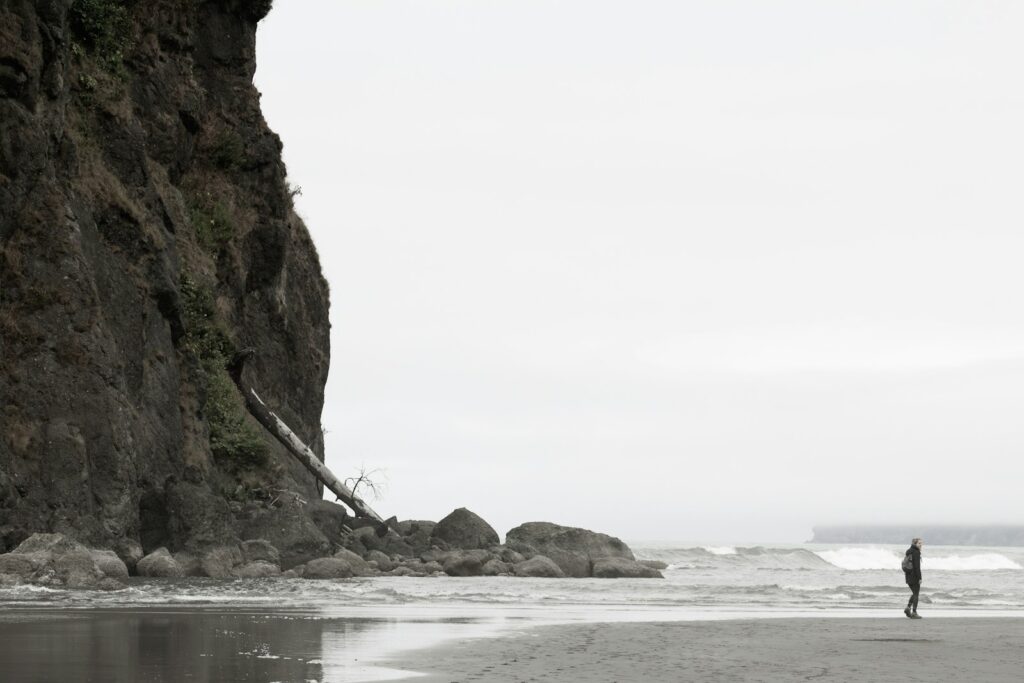
Olympic National Park in Washington state offers an unparalleled diversity of environments for backpackers to explore, from rugged coastline to temperate rainforest to alpine meadows. The 17-mile Hoh River Trail takes hikers through one of the finest remaining examples of temperate rainforest in the United States, with massive moss-draped trees creating an otherworldly atmosphere. For a truly remote experience, the 73-mile traverse of the Bailey Range offers challenging off-trail hiking with spectacular mountain views for those with advanced navigation skills. The park’s coastal wilderness strip provides another unique backpacking opportunity, where hikers can camp on beaches with crashing surf as their soundtrack and explore tidepools teeming with marine life. Olympic’s varied climate means backpackers should be prepared for rapidly changing weather conditions and know how to safely navigate river crossings during periods of heavy rainfall.
Grand Canyon National Park – Descending into Geological Time
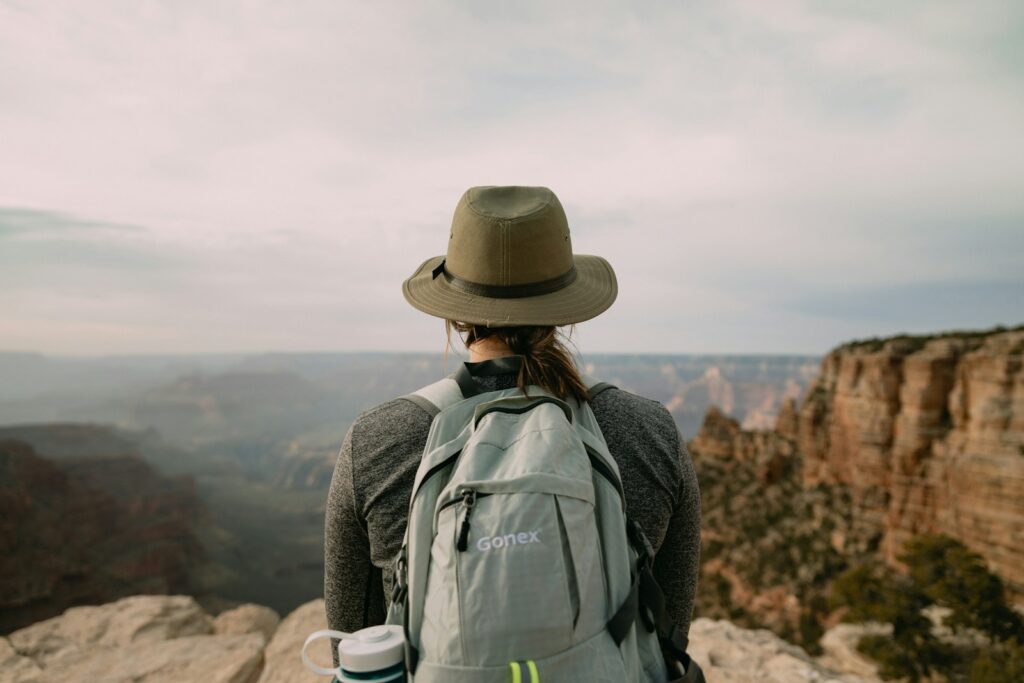
Backpacking into the Grand Canyon transforms what many experience as a scenic overlook into an immersive journey through geological history. The 21-mile rim-to-rim hike via the North and South Kaibab trails is a classic backpacking route that takes hikers through two billion years of exposed rock layers. For those seeking more solitude, the remote Thunder River-Deer Creek Loop offers spectacular waterfalls and spring-fed streams in an otherwise arid environment. The Tonto Trail, which traverses the canyon for approximately 70 miles along the Tonto Platform, provides opportunities for longer trips away from the corridor trails. Summer temperatures at the canyon bottom regularly exceed 100°F, making spring and fall the ideal seasons for Grand Canyon backpacking, while winter brings the challenge of potentially icy conditions on the upper portions of trails. All overnight trips into the canyon require backcountry permits, which are in high demand and should be requested well in advance.
Glacier National Park – Crown of the Continent
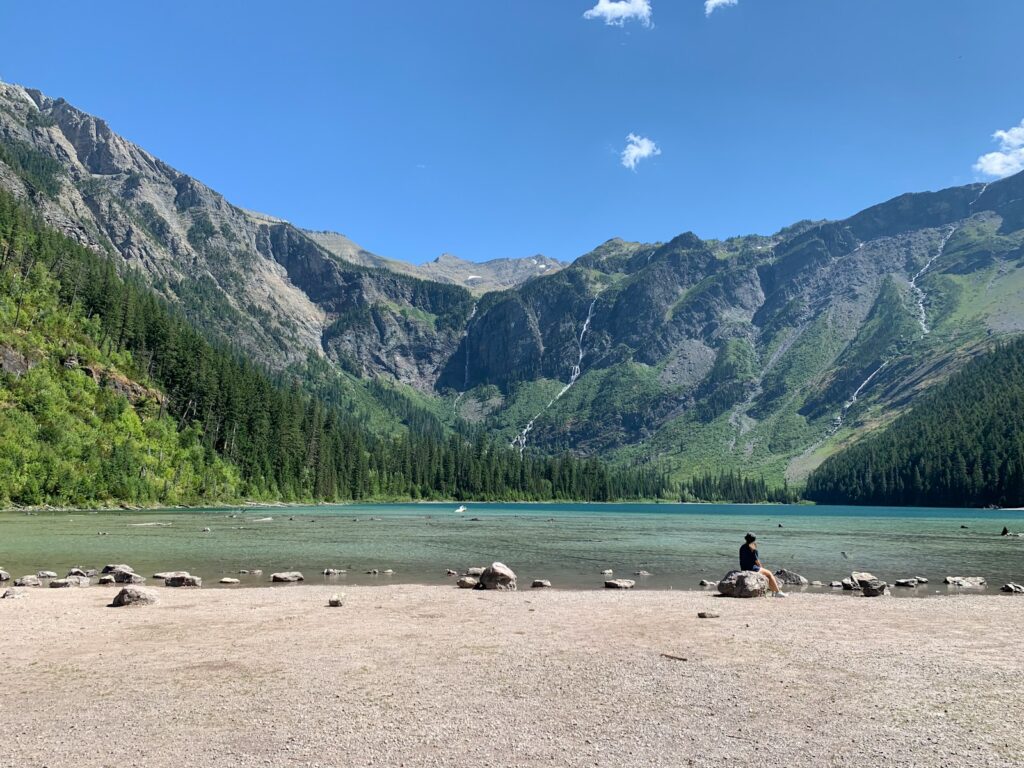
Montana’s Glacier National Park presents backpackers with some of the most dramatic mountain scenery in North America, featuring glacier-carved peaks, crystal-clear alpine lakes, and abundant wildlife. The park maintains over 700 miles of trails and numerous backcountry campgrounds that allow for trips ranging from one night to weeks of exploration. The Continental Divide Trail passes through the park, offering long-distance hikers the opportunity to traverse Glacier’s spectacular alpine zone. The North Circle route in the Many Glacier area combines several trails into a roughly 40-mile loop that showcases some of the park’s most breathtaking scenery, including the famous Highline Trail with its vertiginous traverses and panoramic views. Glacier’s remote location and harsh winters result in a relatively short backpacking season from late June through September, with July and August offering the most reliable weather and trail conditions. Hikers should be prepared for afternoon thunderstorms, sudden temperature changes, and remain vigilant for grizzly bears that inhabit the park.
Gates of the Arctic National Park – Ultimate Wilderness Experience
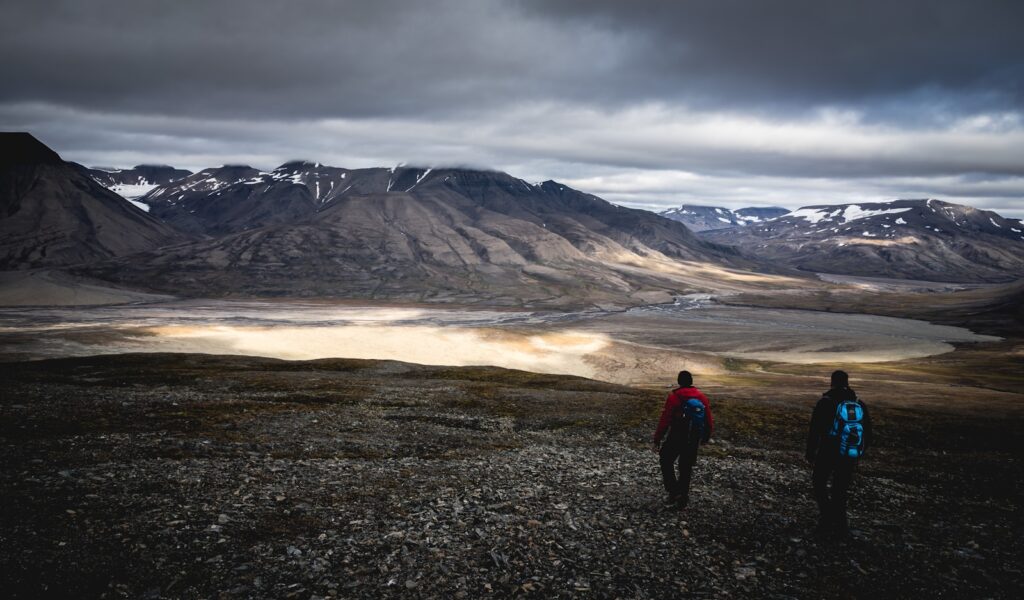
For those seeking the epitome of remoteness, Alaska’s Gates of the Arctic National Park represents America’s final frontier of truly wild lands. With no trails, roads, or established campsites, this park offers a complete wilderness immersion that demands self-sufficiency and advanced navigation skills. Backpackers must arrange bush plane transportation to access the park, often getting dropped off at one location and picked up days later at another. The Brooks Range provides a spectacular backdrop for hiking across tundra, following game trails, and navigating river valleys in a landscape largely unchanged since the last ice age. Wildlife encounters might include caribou herds, wolves, Dall sheep, and grizzly bears, all observed in their natural, undisturbed habitat. The hiking season is brief, from mid-June to early September, with July typically offering the best weather and fewer mosquitoes than earlier in the summer. This park is not for beginners – backpackers must be completely self-sufficient and prepared for extreme isolation, with the nearest help potentially days away.
Rocky Mountain National Park – Alpine Splendor
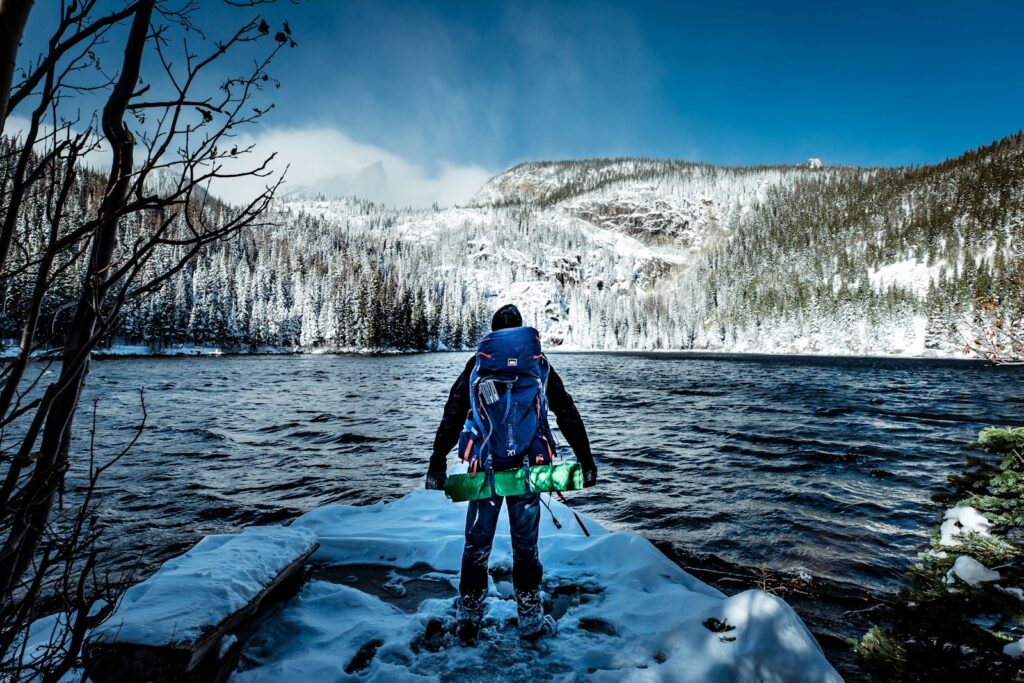
Colorado’s Rocky Mountain National Park offers backpackers some of the most accessible high-altitude wilderness in the country, with over 300 miles of trails threading through spectacular mountain terrain. The Continental Divide defines the park’s backbone, with dozens of peaks exceeding 12,000 feet in elevation. The 28-mile loop through Granite Pass, Nokoni Lake, and Tonahutu Creek offers a comprehensive Rocky Mountain experience, with alpine tundra, pristine lakes, and flower-filled meadows. For those seeking less-traveled routes, the park’s northern regions, such as the Mummy Range, offer solitude even during peak summer months. Afternoon thunderstorms present a serious hazard, particularly above treeline, requiring hikers to plan morning summit attempts and remain vigilant about changing weather conditions. The park operates on a quota system for backcountry permits, with reservations accepted beginning March 1st each year for the following summer season, and competition for prime locations can be fierce.
Denali National Park – Trackless Backcountry Adventures
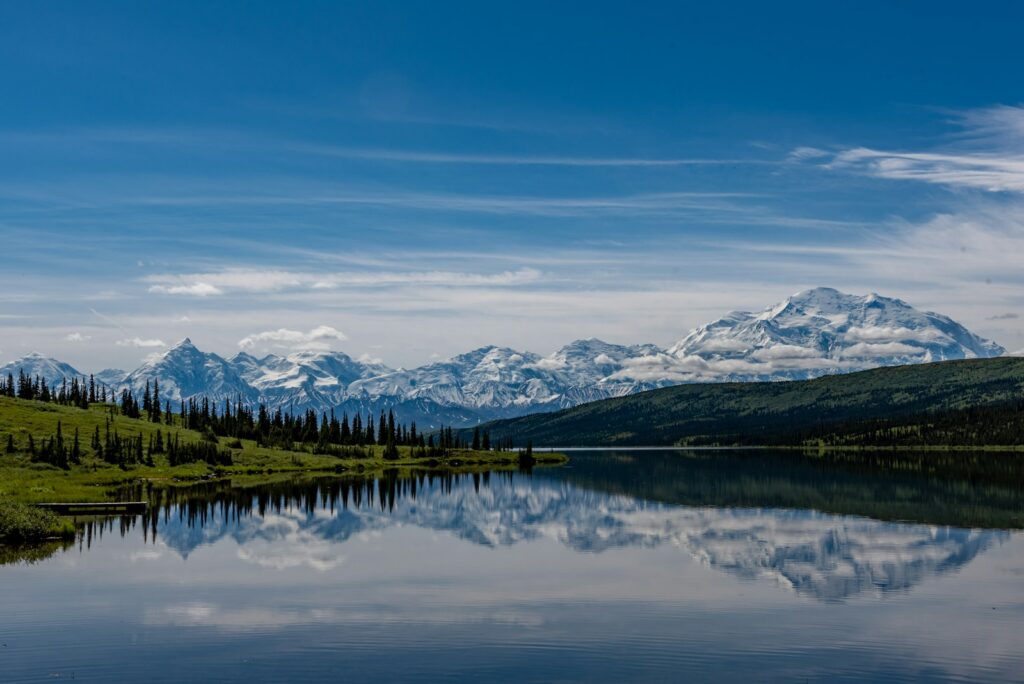
Denali National Park represents one of North America’s premier wilderness experiences, with six million acres of land and only a single road penetrating its vast interior. Unlike most national parks, Denali has very few established trails, instead encouraging visitors to explore its trackless backcountry through a unique unit system that limits the number of backpackers in each area. This approach preserves the park’s wilderness character and ensures solitude for those willing to venture beyond road access. Backpackers must attend a required orientation and obtain permits before setting out, where they’ll learn about river crossings, wildlife safety, and navigation in trail-less terrain. The park’s dramatic landscapes range from low-elevation taiga forest to alpine tundra and ultimately the glaciated slopes of North America’s highest peak. Wildlife viewing opportunities are exceptional, with possibilities to observe grizzly bears, wolves, moose, Dall sheep, and caribou in their natural habitat. The backpacking season runs primarily from June through early September, with conditions early in the season often complicated by high water in stream crossings from snowmelt.
Grand Teton National Park – Jagged Peaks and Alpine Lakes
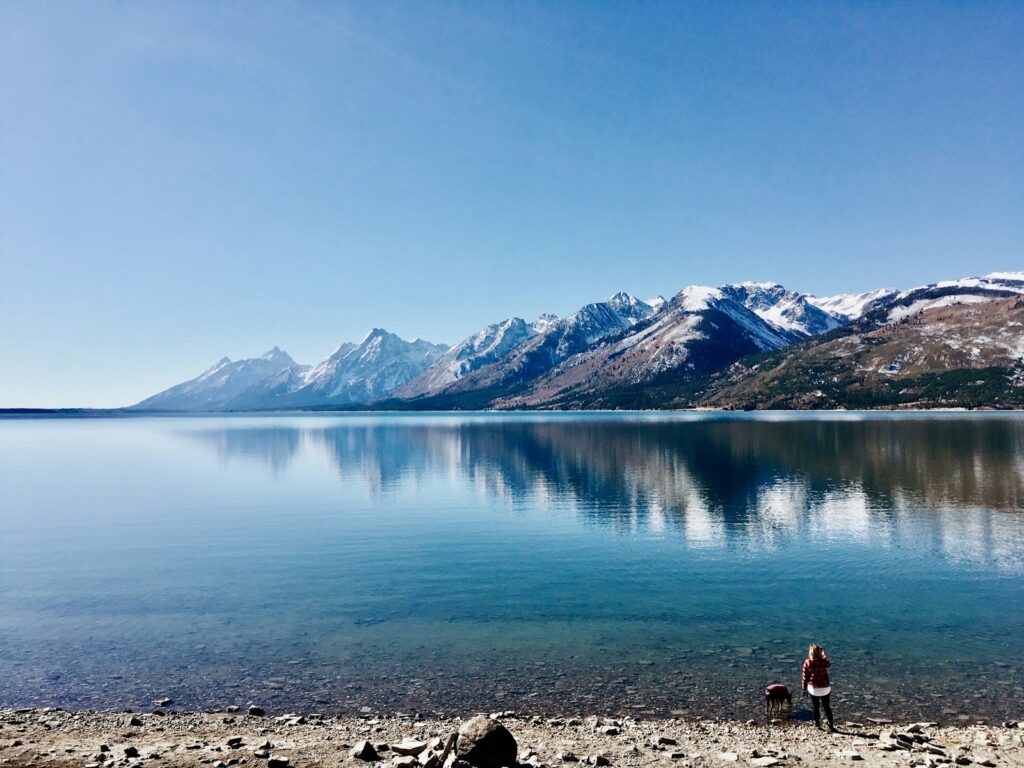
Wyoming’s Grand Teton National Park offers some of the most visually dramatic mountain backpacking in the United States, with the sharp granite peaks of the Teton Range rising abruptly from the valley floor. The park’s 200+ miles of trails provide access to spectacular alpine territory, with the 40-mile Teton Crest Trail representing one of America’s premier backpacking routes. This renowned trail traverses the range’s western slope, passing through wildflower meadows, over high mountain passes, and alongside pristine alpine lakes, all with the constantly changing backdrop of the Teton peaks. For more solitude, the less-traveled northern sections of the park offer routes like the Berry Creek Loop, where hikers might go days without encountering others. Backcountry campsites require permits, which can be reserved in advance for a portion of the available sites, while the remainder are held for first-come, first-served allocation the day before a trip begins. Afternoon thunderstorms are common in summer, and snow can persist on high passes into July, making late summer and early fall ideal for backpacking in this majestic range.
North Cascades National Park – America’s Alpine Wilderness
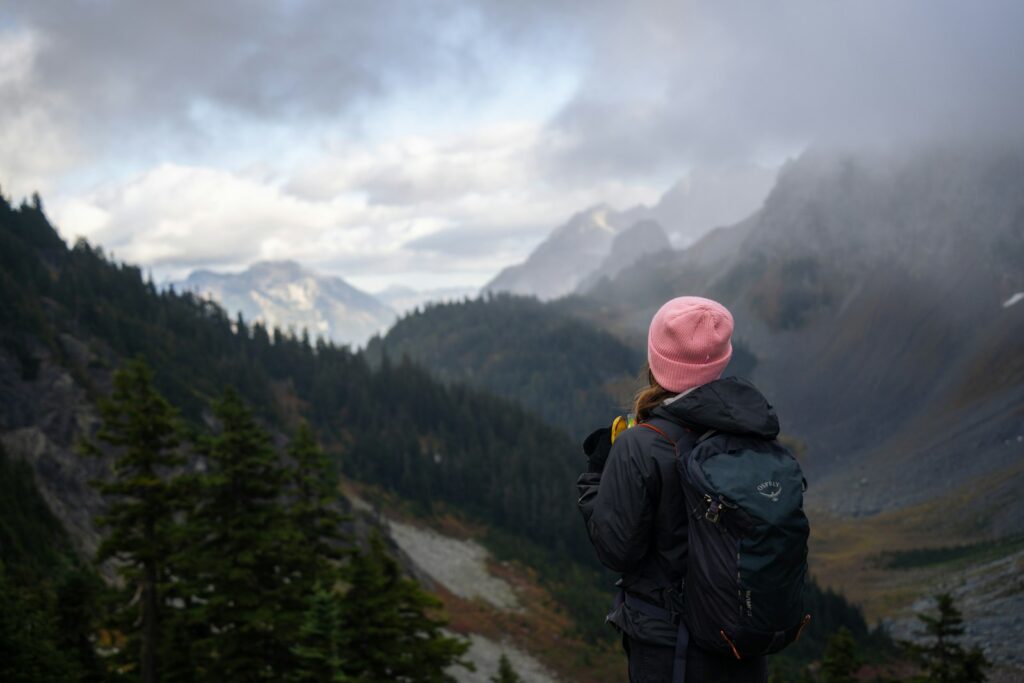
Often called the “American Alps,” Washington’s North Cascades National Park features some of the most rugged mountain terrain in the lower 48 states, with over 300 glaciers sculpting a landscape of jagged peaks and deep, forested valleys. Despite its spectacular scenery, this park receives far fewer visitors than many better-known national parks, making it an excellent destination for those seeking solitude. The 34-mile Copper Ridge Loop offers extraordinary alpine views, wildflower meadows, and challenging terrain that rewards experienced backpackers with true wilderness immersion. For multi-day adventures, the park connects to the Pasayten Wilderness, creating possibilities for epic week-long treks through remote mountain landscapes. The maritime influence means hikers should be prepared for rain even in summer months, while early season attempts may require ice axes and crampons for safe passage across snow-covered passes. Free backcountry permits are required for overnight stays and can be obtained at ranger stations, with some popular areas having quotas during peak summer months.
Sequoia and Kings Canyon National Parks – Sierra Nevada Grandeur
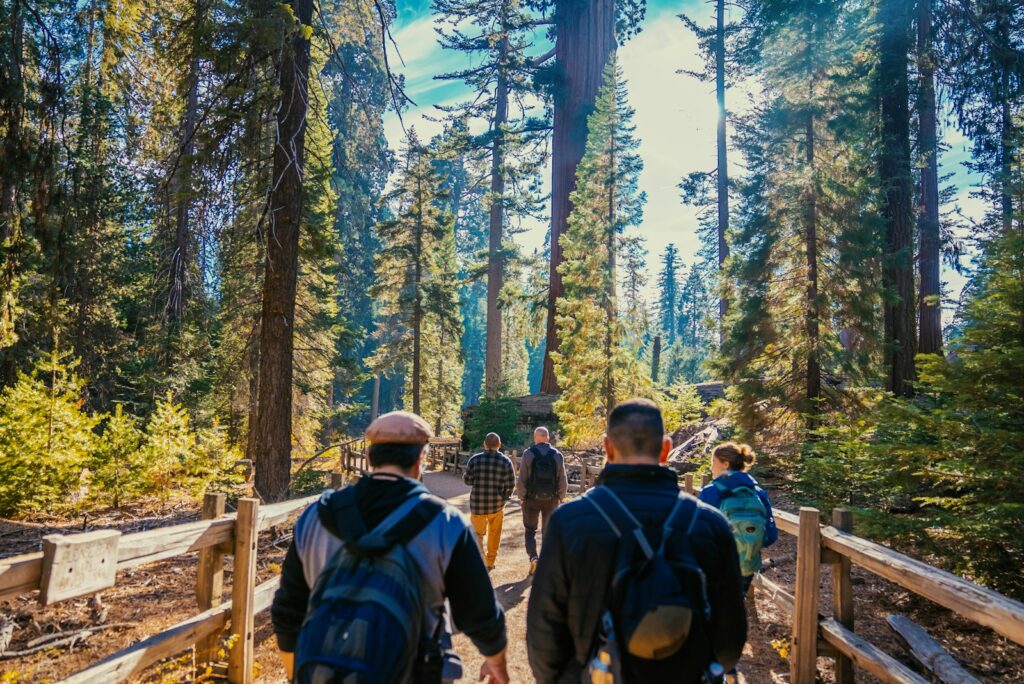
California’s Sequoia and Kings Canyon National Parks protect a vast swath of the Sierra Nevada mountains, including the highest peak in the contiguous United States (Mount Whitney) and some of the largest trees on Earth. These adjoining parks contain over 800 miles of maintained trails, providing access to spectacular alpine terrain that has been immortalized by photographers like Ansel Adams. The 41-mile Rae Lakes Loop represents one of the most popular backpacking circuits, showcasing the park’s diversity with giant sequoia groves, roaring waterfalls, pristine lakes, and high mountain passes. For those seeking greater solitude, the Mineral King area offers challenging routes into remote alpine basins where few day-hikers venture. The famous John Muir Trail also passes through these parks, offering opportunities for section hiking this classic long-distance route. Bear canisters are required throughout the backcountry, as black bears in the Sierra Nevada have become adept at accessing improperly stored food. The hiking season typically runs from July through September, with lingering snow possible on high passes well into summer during heavy snow years.
Canyonlands National Park – Desert Wilderness Exploration
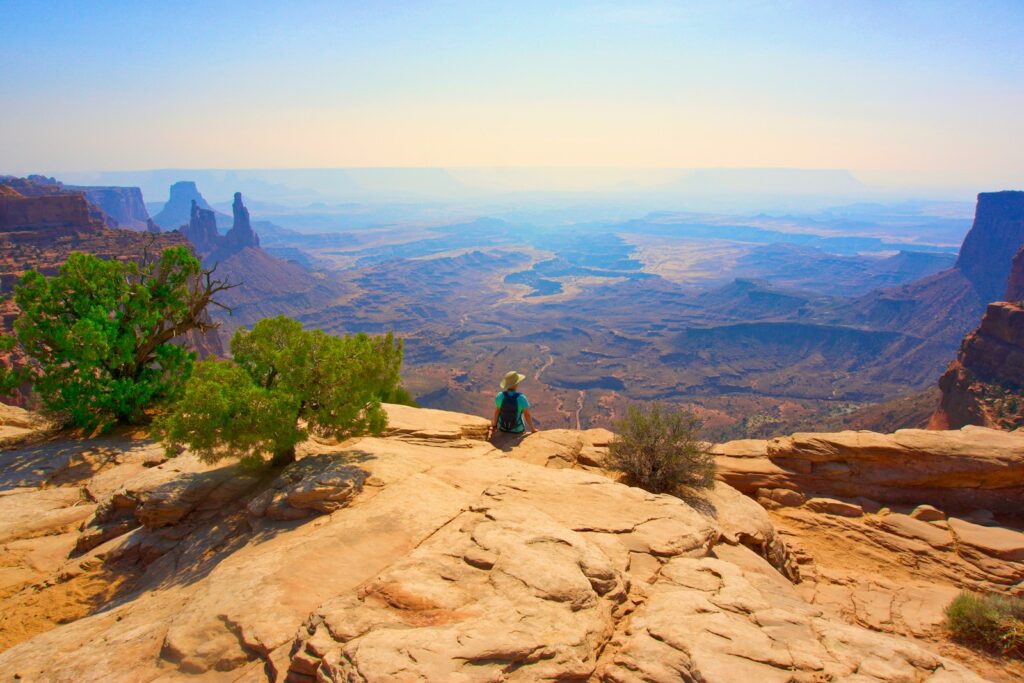
Utah’s Canyonlands National Park offers a dramatically different backpacking experience from the mountain parks, with a labyrinth of colorful canyons carved by the Colorado and Green Rivers. The park is divided into distinct districts, with the Needles district providing the most developed network of backpacking trails. The 22-mile Chesler Park/Joint Trail loop takes hikers through a surreal landscape of towering sandstone spires, narrow slot canyons, and broad mesas with expansive views. For those seeking true desert solitude, the Maze district represents one of the most remote and challenging regions to access in the entire national park system, requiring technical four-wheel-drive vehicles just to reach the trailheads. Water is the critical limiting factor for desert backpacking, with hikers needing to carefully plan routes that connect reliable water sources or cache water in advance. Spring (April-May) and fall (September-October) offer the most favorable temperatures for desert exploration, avoiding both the intense summer heat and cold winter nights. Backpackers must obtain permits and should be aware that many areas require carrying out all human waste using portable toilet systems to protect the fragile desert environment.
Wrangell-St. Elias National Park – America’s Largest Wilderness
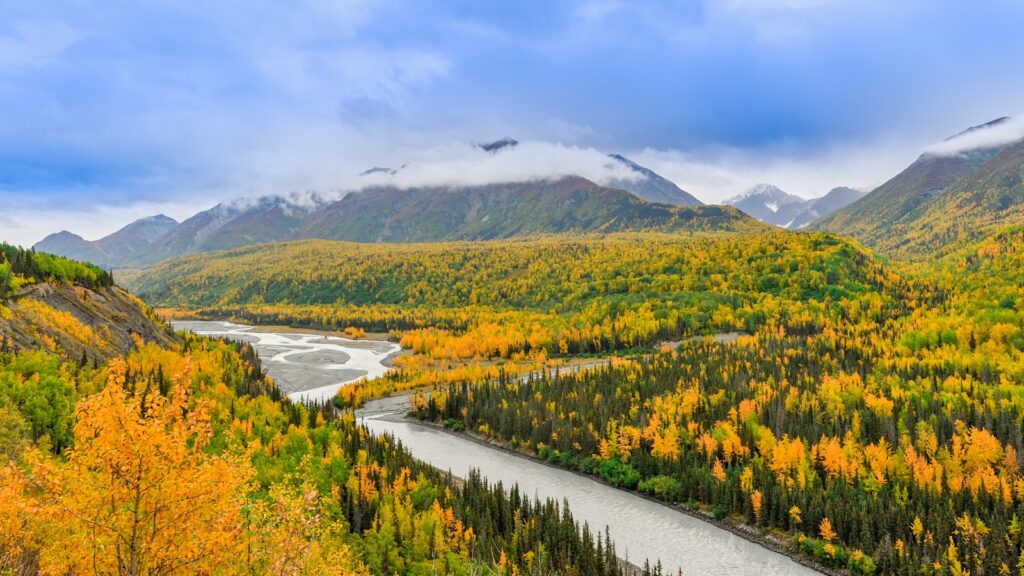
Alaska’s Wrangell-St. Elias National Park is America’s largest national park, encompassing 13.2 million acres of wilderness – an area larger than Switzerland. This immense landscape features everything from coastal rainforests to ice fields, with mountain ranges and massive glaciers creating a paradise for adventurous backpackers seeking true wilderness. Unlike many Alaskan parks, parts of Wrangell-St. Elias can be reached by road, though most backpacking trips still require bush plane access to reach the park’s interior. The Goat Trail along the Chitistone Canyon offers a challenging but established route with spectacular views of the surrounding mountains and the chance to explore abandoned copper mining ruins. For experienced wilderness travelers, cross-country routes across the tundra provide nearly limitless possibilities for exploration, with compass and map navigation skills essential in this vast landscape. The backpacking season runs from June through early September, with July and August offering the most reliable weather and fewer mosquitoes than the early season. Hikers should be prepared for river crossings, potential encounters with grizzly bears, and rapidly changing weather conditions in this remote and pristine wilderness.
Essential Preparation for Backcountry National Park Adventures

Regardless of which national park you choose for your backpacking adventure, proper preparation is essential for both safety and enjoyment. Begin by researching permit requirements well in advance, as many popular destinations have limited quotas that fill months ahead of peak season. Develop physical fitness appropriate to your chosen destination, particularly for parks with significant elevation gain or challenging terrain. Pack appropriately for the specific environment, including proper clothing layers, navigation tools (both paper maps and electronic backup), first aid supplies, and food storage systems required by park regulations. Many parks require bear canisters or have designated food hanging systems to prevent wildlife conflicts. Learn and practice Leave No Trace principles to minimize your impact on these precious natural areas, including proper waste disposal techniques specific to each environment. Finally, always share your detailed itinerary with a reliable contact person not on the trip, including expected return dates and emergency procedures if you fail to check in as scheduled. With thorough preparation, your national park backpacking journey can provide one of life’s most rewarding outdoor experiences.
National parks preserve America’s most extraordinary natural landscapes, and backpacking through these protected wilderness areas offers unparalleled opportunities to experience their true essence. From the glacier-carved valleys of the northern Rockies to the ancient canyons of the desert Southwest, each park presents unique challenges and rewards for the prepared adventurer. As you plan your next wilderness journey, remember that these experiences are about more than just spectacular scenery – they offer a chance to disconnect from our increasingly digital world and reconnect with both the natural environment and our own capacity for self-reliance. In an era when true solitude becomes increasingly rare, the backcountry trails and remote wilderness of our national parks remain precious resources for those seeking authentic adventure in America’s most treasured landscapes.