

Have you ever been tempted to share your picnic with a squirrel or toss bread to ducks at your local park? While these actions might seem harmless or even kind, they can actually lead to substantial fines and, more importantly, cause significant harm to wildlife and ecosystems. Park authorities across the country are increasingly enforcing regulations against feeding wild animals, imposing penalties that might surprise casual nature enthusiasts. This article explores the reality of park fines for feeding wildlife, why these rules exist, and what you need to know before your next outdoor adventure.
Why Feeding Wildlife Is Prohibited
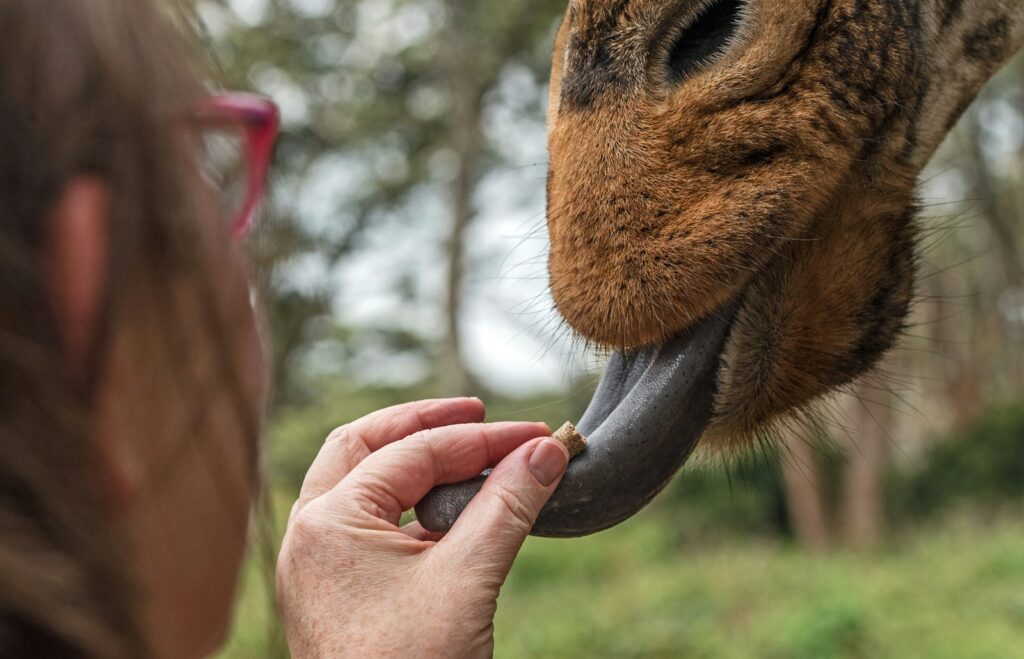
Wildlife feeding bans exist primarily to protect both animals and humans from the negative consequences of these seemingly innocent interactions. When wild animals become dependent on human food sources, they lose their natural foraging abilities and survival instincts that have evolved over thousands of years. Additionally, human food often lacks the proper nutrients these animals need, leading to malnutrition even when animals appear well-fed. These dependencies also create dangerous human-wildlife conflicts when animals become aggressive in seeking food from visitors. Finally, feeding wildlife disrupts natural population controls, potentially leading to unhealthy population booms in certain species that the habitat cannot naturally sustain.
The Legal Framework Behind Wildlife Feeding Fines
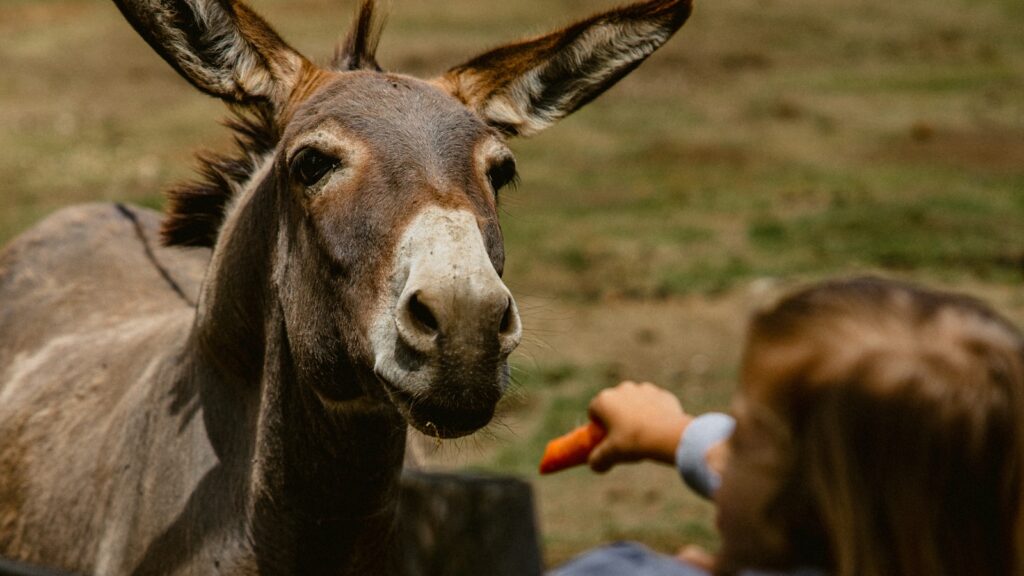
Wildlife feeding regulations typically stem from a combination of federal, state, and local laws designed to protect natural resources and public safety. The National Park Service has strict regulations prohibiting wildlife feeding across all 63 national parks, while state parks operate under regulations established by their respective state departments of natural resources. At the local level, many city and county parks have their own ordinances regarding wildlife feeding, which might differ significantly from one jurisdiction to another. These multi-layered legal frameworks mean that penalties can vary widely depending on where the feeding occurs, with enforcement handled by rangers, conservation officers, and sometimes local police.
How Much Can You Be Fined?

The financial penalties for feeding wildlife can be surprisingly steep, often catching park visitors off guard. In national parks, first-time offenders typically face fines ranging from $100 to $500, though these amounts can increase substantially for repeat violations or in cases involving endangered species. State parks generally impose fines between $50 and $300, with variation based on the state’s specific regulations and the animal involved. Some municipalities have implemented particularly strict penalties, with cities like Vancouver, British Columbia imposing fines up to $500, while certain Florida communities levy penalties as high as $1,000 for feeding alligators. In severe cases where feeding leads to animal attacks or ecological damage, violators may also face potential legal liability beyond the initial fine.
Most Commonly Fined Wildlife Feeding Scenarios

Certain wildlife feeding scenarios consistently result in the most citations across parks nationwide. Feeding waterfowl, particularly ducks and geese at urban ponds, remains one of the most common violations despite increasingly visible signage prohibiting this activity. Bear feeding generates some of the most serious penalties due to the significant safety risks created when these powerful animals associate humans with food sources. Deer feeding, though seemingly harmless, frequently results in citations as it contributes to disease spread and dangerous road crossings. Feeding smaller animals like squirrels and chipmunks in heavily trafficked areas also commonly results in fines, especially when these animals begin approaching or climbing on visitors in search of handouts.
The Ecological Impact of Feeding Wildlife

The ecological consequences of wildlife feeding extend far beyond individual animals, affecting entire ecosystems in ways many people don’t anticipate. When certain species receive artificial food supplements, their populations can grow beyond what the natural environment can support, leading to resource competition that disadvantages other native species. Wildlife feeding can also significantly alter migration patterns, particularly in bird species that may forgo seasonal movements when reliable human food sources are available year-round. Disease transmission accelerates dramatically at feeding sites where animals congregate in unnaturally high densities, allowing pathogens to spread rapidly through populations. Additionally, these feeding sites can become ecological traps where predators learn to hunt, disrupting natural predator-prey relationships throughout the ecosystem.
Health Consequences for Fed Animals

Wild animals experience numerous health problems when they consume human foods not suited to their digestive systems and nutritional needs. Angel wing, a debilitating condition causing wing deformities in waterfowl, develops primarily from nutritionally poor diets heavy in bread and processed carbohydrates. Metabolic bone disease affects many species that receive calcium-deficient human foods, leading to fragile bones and painful deformities. Wildlife regularly fed by humans also face increased obesity rates, which impairs their mobility, reproduction, and ability to escape predators. Additionally, human foods high in salt, sugar, and preservatives can cause both acute digestive distress and chronic health issues like diabetes in wildlife that evolved to process natural food sources.
Public Safety Concerns
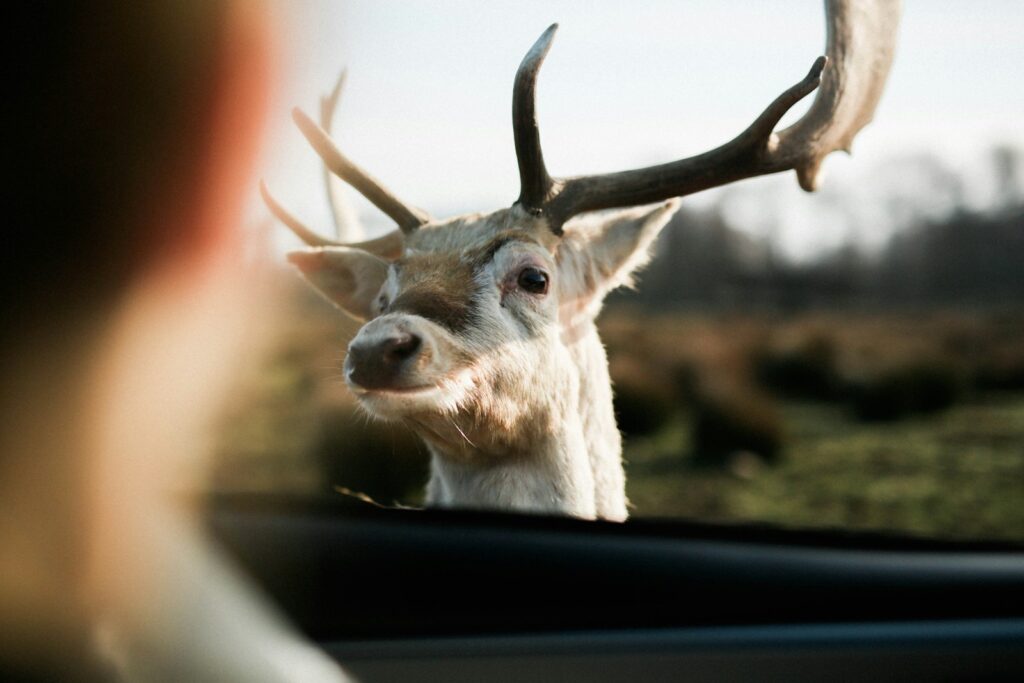
Wildlife feeding creates significant public safety hazards that park authorities must consider when establishing and enforcing regulations. Animals habituated to human food lose their natural wariness and may approach people aggressively, particularly when visitors without food disappoint their expectations. Large mammals like deer, elk, and moose become particularly dangerous when they associate humans with food, as their size and strength can cause serious injuries during food-seeking encounters. Disease transmission between wildlife and humans becomes more probable with close feeding interactions, with risks ranging from rabies to various bacterial infections. Additionally, areas with fed wildlife often experience secondary problems like increased vehicle collisions when animals congregate near roads in search of human handouts.
How Park Rangers Enforce Feeding Bans
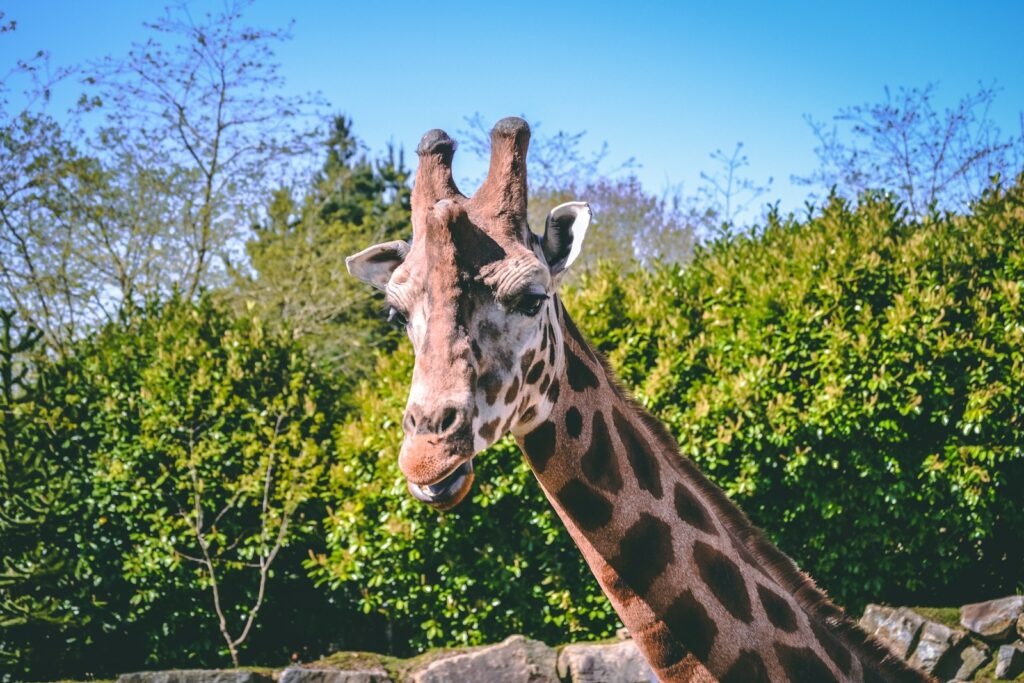
Park rangers employ various strategies to catch and penalize those who feed wildlife despite posted regulations. Direct observation remains the primary enforcement method, with rangers patrolling popular areas and wildlife hotspots where feeding most commonly occurs. Many parks have installed surveillance camera systems, particularly at known feeding locations, allowing authorities to monitor activity even when staff isn’t physically present. Community reporting has become increasingly important, with many parks establishing hotlines or mobile apps for visitors to report wildlife feeding incidents they witness. Rangers also look for indirect evidence of feeding, such as food waste in animal gathering areas or unusually habituated animal behavior, to identify locations where enhanced enforcement efforts are needed.
Exceptions to Wildlife Feeding Prohibitions

While general wildlife feeding is prohibited, certain narrow exceptions exist in specific contexts. Sanctioned wildlife rehabilitation centers operate under special permits allowing them to feed injured or orphaned animals as part of rehabilitation protocols before returning them to the wild. Some parks permit limited bird feeding through official feeding programs or designated feeders maintained by park staff who ensure appropriate foods and quantities. Scientific research sometimes requires controlled feeding as part of approved study protocols, though researchers must obtain specific permits and follow strict guidelines. Certain cultural or historical sites may have exemptions for traditional feeding practices, though these are increasingly rare and typically limited to specific species and circumstances.
Alternatives to Feeding Wildlife

Nature enthusiasts can connect with wildlife in meaningful, responsible ways that don’t involve feeding. Wildlife photography represents one of the most rewarding alternatives, allowing visitors to capture beautiful images while maintaining appropriate distances from animals. Habitat improvement volunteering offers hands-on involvement with many parks organizing native planting days or invasive species removal events that benefit wildlife in sustainable ways. Citizen science programs enable visitors to contribute to wildlife monitoring and research by reporting observations through structured protocols and mobile apps. Participating in ranger-led educational programs provides enriching wildlife experiences with proper guidance on ethical wildlife observation and conservation principles.
Educational Approaches Before Punishment
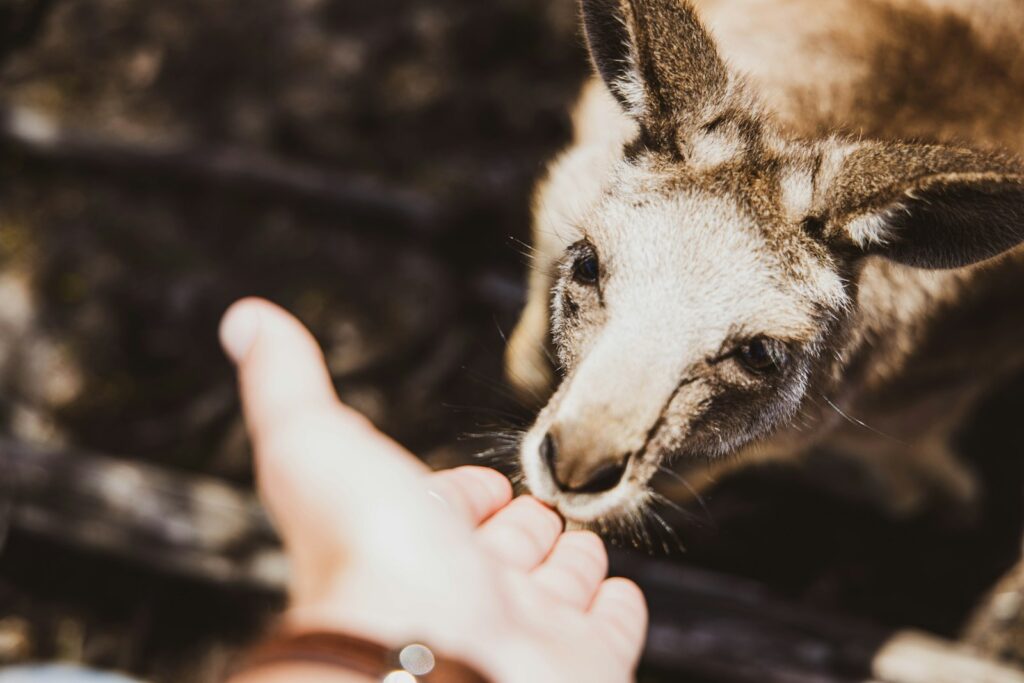
Many park systems prioritize education before punishment when addressing wildlife feeding violations. First-time offenders often receive verbal warnings accompanied by educational materials explaining the ecological and safety reasons behind feeding prohibitions. Some parks implement mandatory educational programs where violators can attend a class or complete an online module to have their fine reduced or waived. Interpretive signage has evolved beyond simple “Don’t Feed the Animals” messages to include compelling visuals and explanations of specific harms caused by feeding different species. Community outreach programs proactively address feeding issues through school presentations, community workshops, and social media campaigns designed to prevent violations before they occur.
Notable Case Studies of Wildlife Feeding Incidents
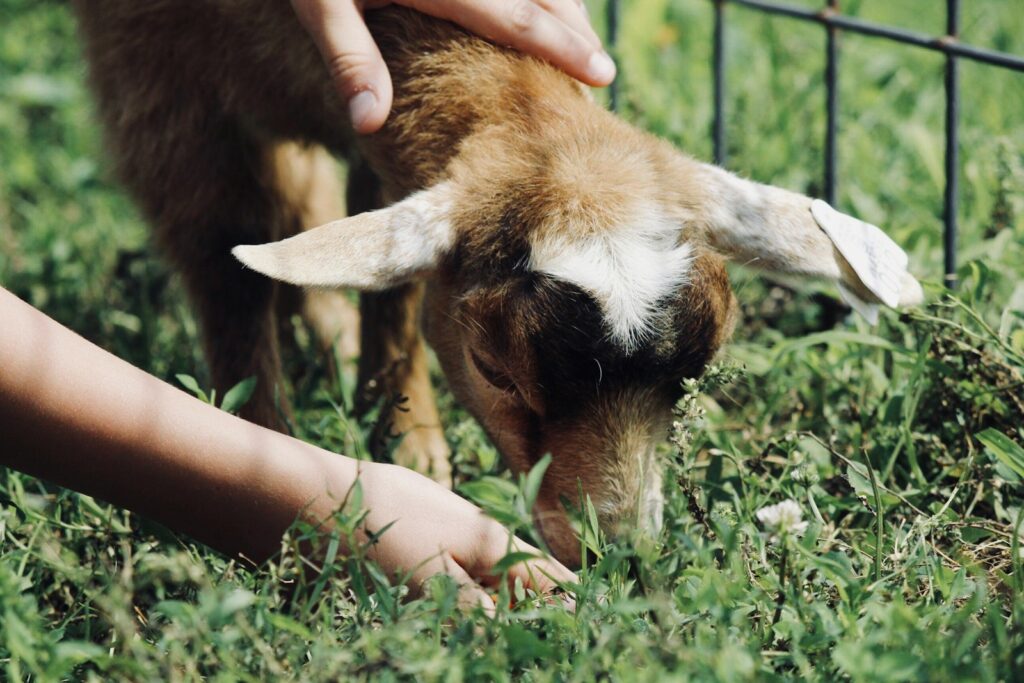
Several high-profile cases illustrate the serious consequences that can result from wildlife feeding. In Yellowstone National Park, a woman was gored by a bison in 2020 after approaching too closely to feed it, resulting in serious injuries and a $1,000 fine for violating wildlife distance regulations. A Florida resident faced multiple charges and over $5,000 in fines after regularly feeding alligators, which subsequently had to be removed after becoming dangerously habituated to humans. In Canada’s Banff National Park, a tour bus operator received a $4,000 fine after being caught repeatedly allowing passengers to feed bears, creating a serious public safety hazard. These cases demonstrate how authorities are increasingly imposing substantial penalties, particularly in situations where feeding creates clear dangers to both wildlife and people.
The Future of Wildlife Feeding Regulations
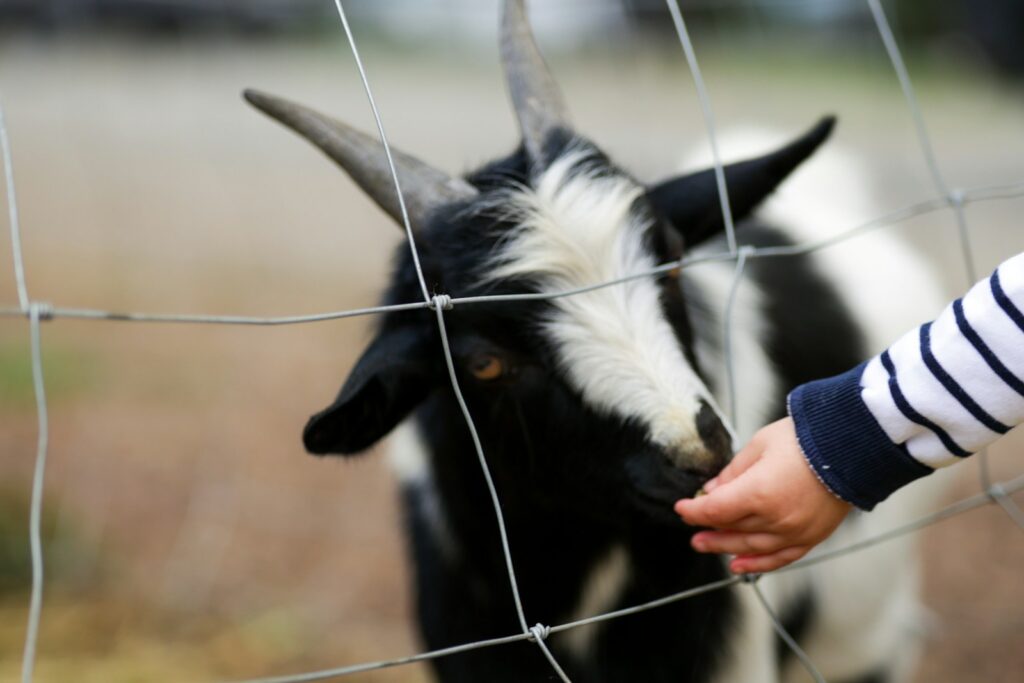
Wildlife feeding regulations continue to evolve as park management authorities respond to new challenges and improved ecological understanding. Many jurisdictions are moving toward standardized fine structures that increase predictably with repeat offenses, creating clearer consequences for persistent violators. Technology-assisted enforcement is expanding rapidly, with some parks exploring AI-powered camera systems that can automatically detect and document feeding incidents. Public education campaigns are becoming more sophisticated, using behavioral science insights to effectively change deeply ingrained feeding behaviors among visitors. Additionally, ecological restoration initiatives are increasingly focusing on creating natural food sources within parks, reducing wildlife dependency on human food while providing appropriate alternatives for animals that have become habituated.
Conclusion

While it might seem counterintuitive that an act as seemingly kind as sharing food with wildlife could result in significant fines, these regulations serve a vital purpose in protecting both animals and ecosystems. The penalties for feeding wildlife—ranging from modest fines to substantial financial consequences—reflect the serious ecological, health, and safety implications of these actions. Rather than viewing these regulations as restrictions, park visitors should understand them as essential protections that help preserve natural behaviors and healthy wildlife populations. By respecting wildlife feeding bans and embracing alternative ways to connect with nature, we contribute to conservation efforts that ensure wild spaces and their inhabitants can thrive for generations to come.