

In the vast tapestry of North American ecosystems, perhaps none is more iconic or ecologically significant than the relationship between bison and grasslands. For millennia, these massive herbivores shaped the very landscape beneath their hooves, creating a complex dance of disturbance and regrowth that maintained some of the most productive ecosystems on the continent. Today, as we face challenges of grassland degradation, biodiversity loss, and climate change, scientists and land managers are rediscovering what indigenous peoples have always known: bison aren’t just symbols of the American prairie—they’re essential ecological engineers whose grazing patterns create resilient, biodiverse landscapes. This exploration of bison’s role in grassland ecology reveals not just a historical relationship, but a blueprint for restoration and conservation in our changing world.
The Historical Relationship Between Bison and North American Grasslands

North American grasslands and bison co-evolved over thousands of years, creating one of the continent’s most significant ecological partnerships. Before European settlement, an estimated 30-60 million bison roamed the Great Plains, their movements and grazing behaviors directly shaping plant communities across vast landscapes. These massive herds followed seasonal patterns, responding to fire, predation, and weather while creating a mosaic of vegetation at different growth stages. Indigenous peoples recognized this relationship, often using controlled burns to attract bison to areas where fresh, nutritious regrowth would appear. This ancient relationship established resilient grassland ecosystems that supported incredible biodiversity while sequestering vast amounts of carbon in deep prairie soils—a natural harmony that persisted until the near-extinction of bison in the late 19th century.
Bison vs. Cattle: Different Grazing Patterns and Ecological Impacts
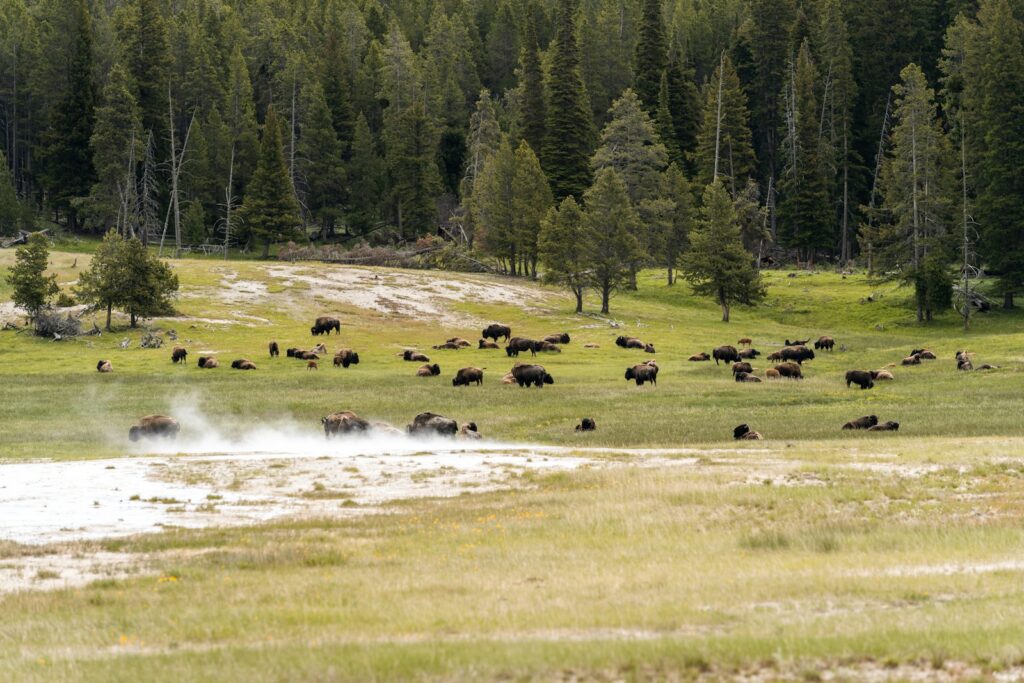
While both bison and cattle are large grazing mammals, their ecological impacts differ significantly in ways critical to grassland health. Bison engage in patch-selective grazing, intensively grazing some areas while leaving others untouched, creating structural diversity that benefits numerous plant and animal species. Unlike cattle, bison rarely linger near water sources, preventing the riparian damage common in cattle operations and distributing their impact more evenly across landscapes. Physiologically adapted to the extremes of prairie environments, bison require less management intervention than cattle, with their seasonal dietary shifts—preferring warm-season grasses in summer and cool-season grasses in spring and fall—promoting greater plant diversity. Perhaps most importantly, bison create microhabitats through wallowing (dust bathing), where their massive bodies create depressions that collect water and create unique soil conditions supporting distinct plant communities not found in cattle-grazed systems.
How Bison Promote Plant Biodiversity Through Selective Grazing

Bison grazing creates a complex pattern of vegetation that supports remarkable plant diversity throughout grassland ecosystems. Through their selective feeding habits, bison preferentially consume dominant grasses while often avoiding many forbs (flowering plants), reducing competition and allowing these species to flourish in ways impossible under uniform grazing regimes. Research in tallgrass prairie systems has documented significantly higher plant species richness in bison-grazed areas compared to ungrazed or cattle-grazed sites, with some studies showing 30% more plant species present. The bison’s unique grazing pattern creates what ecologists call “structural heterogeneity”—varied vegetation heights and densities that create multiple ecological niches supporting different plant communities. Additionally, as bison move through landscapes, their hooves disturb soil and create germination sites for plant species that require bare ground to establish, further enhancing the patchwork of plant diversity across the prairie.
Soil Health and Carbon Sequestration Benefits

Bison grazing significantly enhances soil health through multiple interconnected processes that build carbon-rich soils. As bison graze, they stimulate plants to allocate more resources to their root systems, effectively pumping carbon deeper into the soil profile where it can remain sequestered for centuries. Studies have demonstrated that properly managed bison grazing can increase soil organic carbon by up to 1.5 tons per hectare annually—a significant contribution to climate change mitigation. The disturbance created by bison hooves improves water infiltration and reduces soil compaction, allowing for greater microbial activity and nutrient cycling. Additionally, bison dung and urine distribute nutrients across the landscape in concentrated patches that create hotspots of microbial activity and plant growth. This combination of effects means bison-grazed grasslands typically feature deeper, more carbon-rich soils with improved structure and water-holding capacity compared to ungrazed or uniformly grazed systems.
Bison Wallows: Creating Unique Microhabitats

One of the most distinctive ecological contributions of bison comes through their wallowing behavior, which creates unique microhabitats critical to grassland biodiversity. These shallow depressions, formed when bison roll in dust to combat parasites and shed winter coats, collect rainwater and create temporary wetlands supporting amphibians, invertebrates, and specialized plant communities. Researchers have documented over 300 plant species associated with bison wallows, many of which aren’t found elsewhere in prairie landscapes. The disturbed soil in and around wallows provides germination opportunities for annual plants that would otherwise struggle to compete with established perennial grasses. In the Northern Great Plains, ephemeral wallow pools serve as critical breeding habitat for boreal chorus frogs and tiger salamanders, linking terrestrial and aquatic food webs. Even centuries after bison abandonment, these depressions remain visible on the landscape, testament to the long-lasting ecological engineering performed by these keystone herbivores.
Wildlife Diversity and Habitat Creation Through Bison Impact

The mosaic of vegetation heights and densities created by bison grazing provides crucial habitat diversity for numerous wildlife species across grassland ecosystems. Grassland birds particularly benefit from this heterogeneity, with species like grasshopper sparrows preferring shorter, recently grazed patches while Henslow’s sparrows select taller, less disturbed areas—both habitats maintained in balance by bison grazing patterns. Small mammals show similar habitat partitioning, with prairie voles utilizing taller vegetation while deer mice thrive in more heavily grazed areas. The increased insect diversity supported by the greater plant diversity in bison-grazed systems provides critical food resources for birds, reptiles, and amphibians. Notably, several threatened or endangered species, including the greater prairie-chicken and black-footed ferret, show positive population responses to landscapes influenced by bison grazing, underscoring the conservation value of restoring this ecological relationship.
Fire and Grazing Interactions: The Pyric Herbivory Model

The interaction between fire and bison grazing represents one of the most powerful ecological processes shaping grassland ecosystems, known scientifically as pyric herbivory. Bison strongly prefer to graze recently burned areas where nutritious regrowth emerges, creating a shifting mosaic of vegetation across the landscape as different patches burn and recover over time. This natural pattern prevents any single area from being overgrazed while ensuring disturbance is distributed throughout the ecosystem. Research at the Konza Prairie Biological Station in Kansas has demonstrated that this fire-grazing interaction maintains plant diversity at levels significantly higher than either process alone. By mimicking this historical pattern through patch-burn grazing systems, land managers can achieve conservation goals while maintaining agricultural productivity. The resulting landscape heterogeneity proves remarkably resilient to drought, invasive species, and other stressors, highlighting how these co-evolved processes build ecosystem stability.
Case Studies of Successful Bison Reintroduction Projects

Across North America, bison reintroduction has demonstrated remarkable ecological benefits in diverse grassland systems. The American Prairie Reserve in Montana has documented significant increases in plant diversity and grassland bird abundance following bison reintroduction, with areas grazed by bison supporting 25% more plant species than cattle-grazed areas after just five years. At Konza Prairie in Kansas, long-term research has shown bison-grazed watersheds maintain greater native plant diversity and resistance to woody encroachment compared to ungrazed or cattle-grazed sites over three decades of monitoring. Perhaps most dramatically, the Nachusa Grasslands in Illinois demonstrated that introducing bison to restored prairie accelerated the recovery of plant communities, with bison-grazed areas reaching floristic quality metrics comparable to remnant prairie in half the time previously required. The Wind River Reservation’s bison restoration program has not only improved ecological conditions but strengthened cultural connections for the Eastern Shoshone and Northern Arapaho tribes, demonstrating how ecological and cultural restoration can proceed hand-in-hand.
Climate Resilience and Bison-Grazed Ecosystems

Bison-influenced grasslands demonstrate remarkable resilience to climate change impacts, offering important insights for ecosystem management in uncertain climatic futures. The deep root systems promoted by bison grazing help prairie plants access moisture during drought periods, while improved soil structure enhances water infiltration and reduces runoff during heavy precipitation events. Research during the extreme 2012 drought showed bison-grazed areas at Konza Prairie maintained 30% higher plant productivity compared to ungrazed areas, demonstrating superior drought resilience. The diverse plant communities maintained by bison grazing provide ecological insurance, as different species thrive under varying weather conditions, ensuring ecosystem functions continue despite climate fluctuations. Additionally, the carbon sequestration capacity of bison-grazed grasslands—storing carbon primarily below ground where it remains protected even during fire events—represents a natural climate solution that simultaneously builds adaptive capacity and mitigates greenhouse gas emissions.
Economic Benefits of Bison Restoration for Ranchers and Communities

Beyond ecological advantages, bison restoration offers substantial economic benefits to ranchers and rural communities engaged in this growing sector. Bison require significantly less management intervention than cattle, with reduced veterinary costs, no need for calving assistance, and minimal supplemental feeding requirements translating to lower operational expenses for producers. The premium pricing for grass-fed bison meat—often commanding 30-40% higher prices than conventional beef—provides economic incentives for conservation-minded ranching practices. Rural communities benefit from bison-based tourism, with sites like Yellowstone National Park generating millions in local economic activity annually from visitors specifically seeking bison viewing opportunities. The InterTribal Buffalo Council’s work has demonstrated how bison restoration supports economic development on tribal lands through meat enterprises, cultural tourism, and educational programs. For many operations, diversification into bison production provides financial resilience against agricultural market fluctuations while simultaneously restoring ecological functionality to grassland ecosystems.
Challenges and Limitations in Bison Restoration Efforts

Despite their ecological importance, significant challenges remain in expanding bison restoration across North American grasslands. Fencing and infrastructure requirements present substantial upfront costs, as bison require more robust handling facilities and higher fences than cattle operations. Public perception and concerns about brucellosis transmission to cattle have limited bison restoration in some regions, particularly around Yellowstone National Park, despite the minimal documented risk with proper management protocols. Genetic considerations complicate restoration efforts, as most contemporary bison herds show some level of cattle gene introgression, requiring careful breeding strategies to maintain evolutionary potential while avoiding inbreeding in small populations. Perhaps most significantly, the fragmented nature of remaining grasslands and competing land uses create spatial constraints for large-scale bison restoration, necessitating collaborative approaches across property boundaries. These challenges, while substantial, have been successfully addressed in multiple contexts through innovative partnerships between private landowners, conservation organizations, tribes, and government agencies working toward shared ecological and economic goals.
Indigenous Knowledge and Cultural Significance of Bison-Grassland Relationships
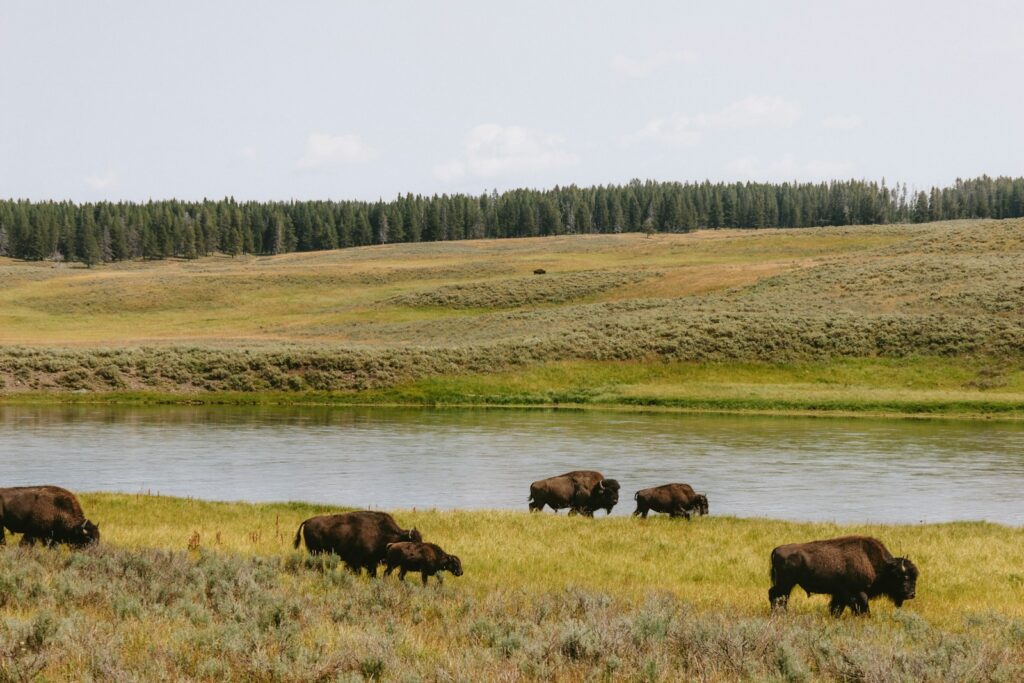
For numerous Indigenous nations across North America, the relationship between bison and grasslands represents not just ecological knowledge but foundational cultural and spiritual understanding that has persisted despite historical disruption. The Blackfeet Nation’s Buffalo Program explicitly incorporates traditional ecological knowledge into contemporary management, recognizing that cultural and ecological restoration are inseparable processes. This traditional knowledge includes sophisticated understanding of fire-grazing interactions, with historical practices of strategic burning to influence bison movements and create habitat mosaics that modern science has only recently documented. The cultural significance extends beyond subsistence, with bison figuring prominently in ceremonial life, language, and identity for many Indigenous peoples. Collaborative projects like the Iinnii Initiative in the transboundary region of Montana and Alberta demonstrate how bison restoration supports language revitalization, intergenerational knowledge transfer, and cultural healing alongside ecological benefits. These initiatives recognize that meaningful bison restoration must acknowledge and incorporate Indigenous perspectives, rights, and relationships with these animals and landscapes.
Future Directions: Integrating Bison into Sustainable Land Management

The future of grassland conservation increasingly looks toward integrating bison grazing into diverse land management contexts beyond traditional conservation areas. Innovative approaches include “conservation ranching” models where bison production for meat markets directly supports habitat goals through certification programs that verify ecological outcomes. Emerging carbon market opportunities present potential financing mechanisms for bison restoration, as improved quantification of soil carbon sequestration under bison grazing allows ranchers to monetize these climate benefits. Multi-species grazing systems that combine bison with smaller herbivores like sheep or goats show promise for managing complex vegetation communities while generating multiple income streams. Advances in virtual fencing technology may soon allow more precise management of bison movements across landscapes without physical barriers, potentially expanding restoration opportunities in areas where traditional fencing is impractical or visually undesirable. As climate change intensifies, the drought-resilient nature of bison-influenced ecosystems suggests these restoration efforts will become increasingly valuable for maintaining productive grasslands under variable conditions—a compelling reason to accelerate integration of this keystone herbivore into our approach to grassland stewardship.
Conclusion

The evidence is clear: bison aren’t simply charismatic megafauna that once dominated North American grasslands—they’re ecological architects whose specific grazing patterns, behaviors, and physical impacts create resilient, diverse ecosystems. From enhancing plant biodiversity and building carbon-rich soils to creating wildlife habitat and improving climate resilience, bison offer a powerful tool for grassland conservation and restoration. As we confront challenges of biodiversity loss, climate change, and land degradation, the ancient relationship between bison and grasslands provides not just ecological insights but practical solutions. Through continued research, innovative partnerships, and recognition of indigenous knowledge, reintegrating bison into appropriate landscapes represents one of our most promising strategies for maintaining healthy grasslands for generations to come.