
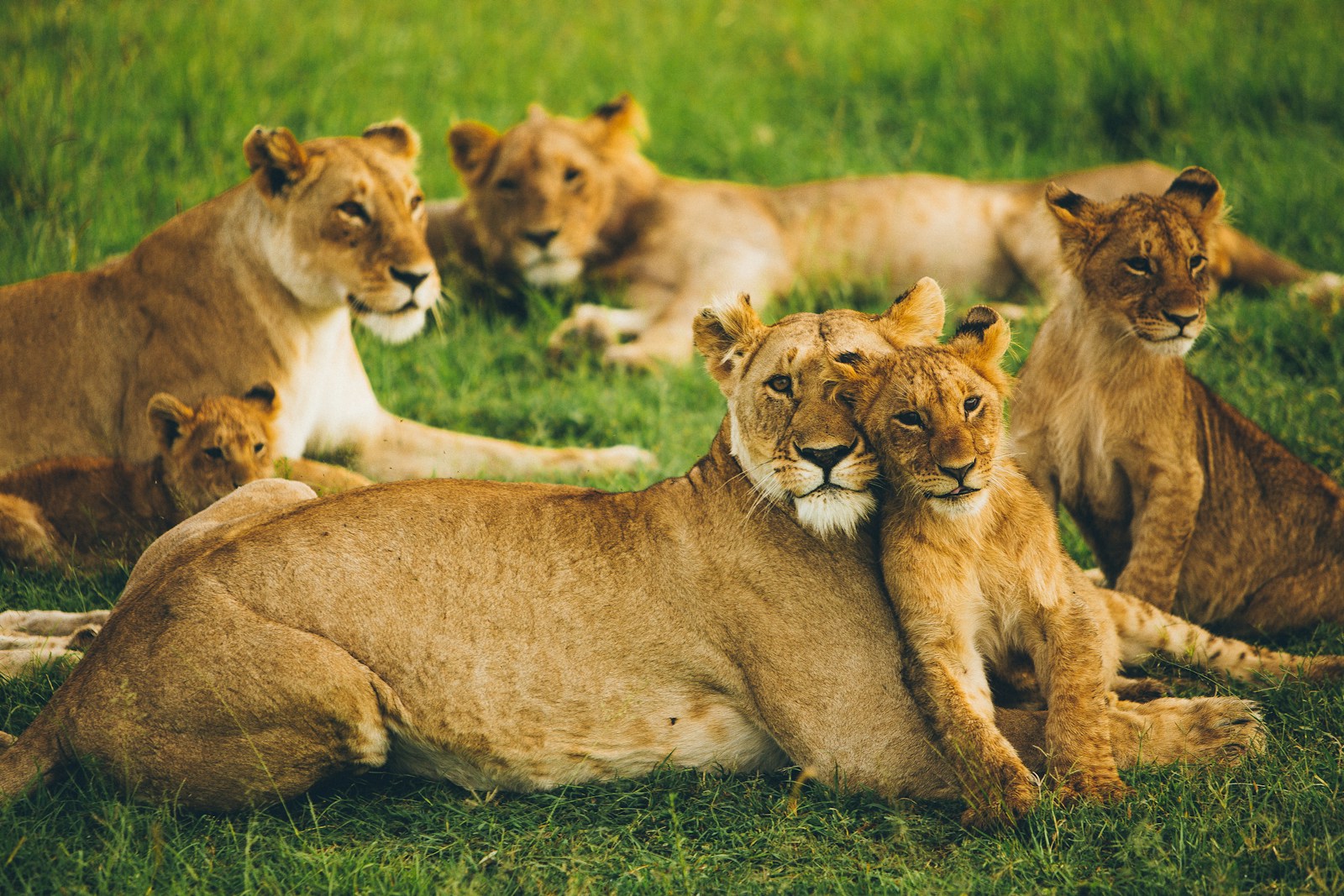
In the vast expanse of our natural world, countless species thrive, struggle, and adapt in complex ecosystems that scientists are still working to fully understand. Traditional wildlife research has long been constrained by limited resources, with professional researchers unable to be everywhere at once. Enter citizen science—a revolutionary approach that transforms ordinary people into contributors to scientific discovery. By engaging volunteers from all walks of life in collecting data, monitoring populations, and reporting observations, wildlife research has expanded its reach exponentially. This collaborative model not only generates valuable scientific information but also fosters public engagement with conservation issues. As technology advances and participation grows, citizen science has become an indispensable component of modern wildlife research, creating a powerful synergy between professional scientists and enthusiastic volunteers.
The Rise of Citizen Science in Wildlife Research
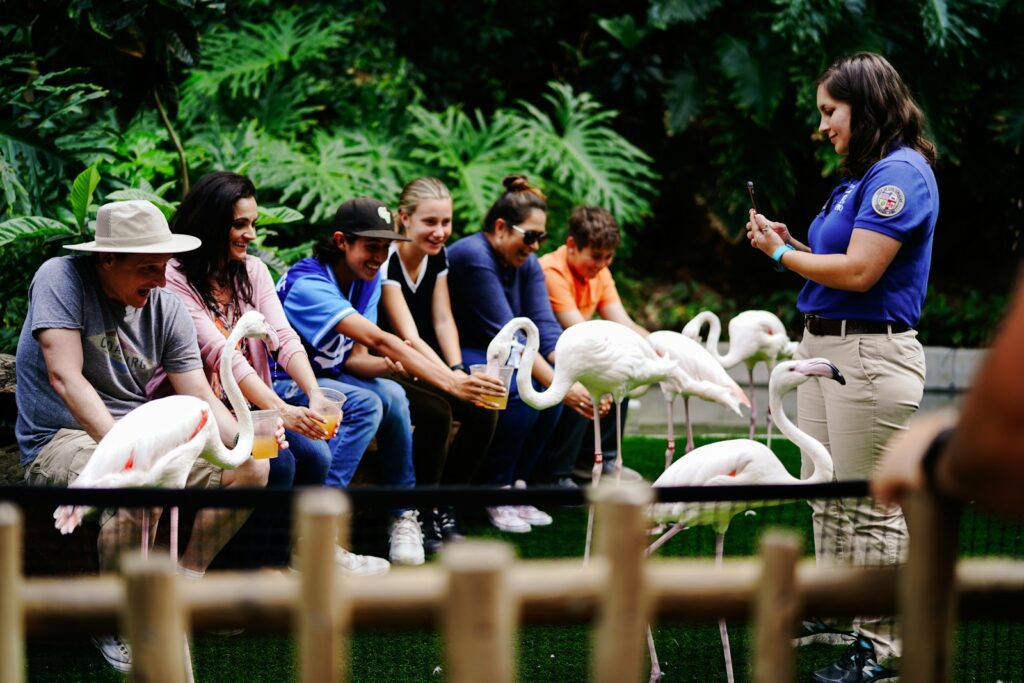
Citizen science isn’t entirely new—amateur naturalists have contributed to scientific knowledge for centuries, with notable examples dating back to the early 1900s like the Audubon Christmas Bird Count. However, the digital revolution has transformed these efforts from isolated local initiatives into coordinated global networks. Smartphone apps, online databases, and social media platforms have dramatically lowered barriers to participation, allowing anyone with basic training to contribute meaningful data. This democratization of science has coincided with growing public concern about biodiversity loss and habitat destruction, creating a perfect environment for citizen science to flourish. Today’s projects range from butterfly monitoring and amphibian tracking to marine mammal censuses and invasive species mapping, collectively representing one of the most significant shifts in how ecological research is conducted.
Expanding Geographic and Temporal Coverage
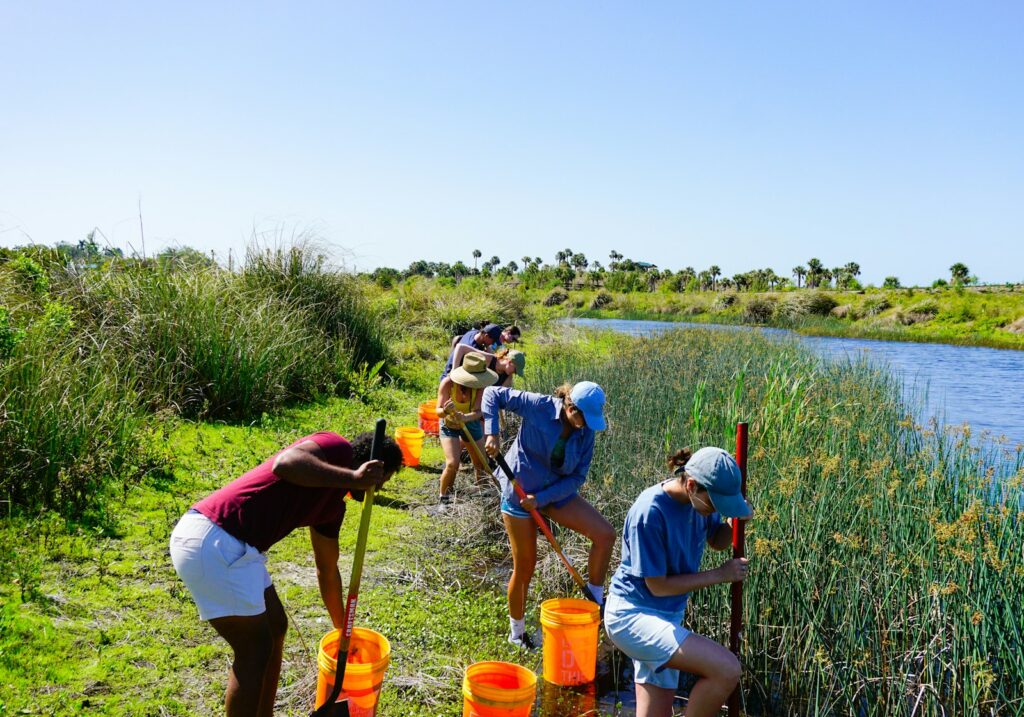
One of the most significant contributions of citizen science to wildlife research is the dramatic expansion of data collection across both space and time. Professional researchers are limited by funding, personnel, and logistics, meaning they can only monitor specific sites at particular times. Citizen scientists, however, are distributed across landscapes, countries, and continents, enabling data collection in remote areas and private lands that might otherwise remain unstudied. This geographic expansion is matched by temporal advantages—volunteers can make regular observations throughout the year, capturing seasonal patterns and reporting unexpected events like unusual migrations or breeding behaviors. The Christmas Bird Count, for instance, has generated over a century of data on winter bird populations across North America, providing an irreplaceable resource for tracking long-term trends that no single research institution could have produced alone.
Technological Innovations Powering Participation

Technology has revolutionized citizen science, transforming it from an activity for dedicated hobbyists into something accessible to nearly anyone with a smartphone. Apps like iNaturalist, eBird, and Project Noah allow users to photograph wildlife, record observations, and automatically tag locations with GPS coordinates, uploading everything to centralized databases in seconds. Machine learning algorithms can now suggest identifications, helping novice participants while simultaneously improving as they process more images. Online platforms facilitate rapid verification by experts who can review submissions, ensuring data quality without impeding the collection process. Specialized equipment has also become more affordable and user-friendly, with acoustic monitoring devices, camera traps, and water quality testing kits enabling citizens to collect sophisticated data that would have required professional equipment just a decade ago.
Early Warning Systems for Environmental Changes

Citizen scientists often serve as early detection networks for environmental changes that might otherwise go unnoticed until they become severe problems. The distributed nature of volunteer observers means they’re frequently the first to spot new invasive species, unusual wildlife diseases, or shifts in species ranges due to climate change. For example, citizen reports through the UK Ladybird Survey first documented the rapid spread of the invasive harlequin ladybird across Europe, allowing researchers to track its expansion and impact in real-time. Similarly, volunteers with the North American Amphibian Monitoring Program have documented population declines and abnormalities in frogs and salamanders, providing crucial early evidence of environmental stressors. This early warning function is particularly valuable in conservation, where rapid response can sometimes prevent ecological damage from becoming irreversible.
Monitoring Rare and Elusive Species

Some wildlife species are so rare, secretive, or widely distributed that traditional research methods struggle to effectively study them. Citizen science offers a practical solution by creating networks of observers who can report occasional sightings across vast areas. The Cascades Carnivore Project, for instance, relies on hikers and backpackers to report wolverine sightings and tracks in remote mountain regions, helping map the distribution of these notoriously elusive mammals. Marine mammal stranding networks depend on beachgoers to report washed-up animals, providing valuable data on cetacean populations and mortality causes. Projects focused on rare butterflies, like the UK’s Big Butterfly Count, have helped identify remaining populations of endangered species and protected critical habitat that might otherwise have been overlooked. For species with vast ranges but low densities, the collective eyes of thousands of volunteers often prove more effective than targeted professional surveys.
Quality Control and Scientific Validity

A persistent concern about citizen science has been data quality—can observations from untrained volunteers be reliable enough for serious scientific research? Projects have addressed this challenge through multiple approaches, including standardized protocols, training programs, expert verification, and statistical methods that account for observer variation. Many programs implement tiered participation, where beginners start with simple tasks and can advance to more complex data collection as they gain experience and demonstrate reliability. Digital platforms often use multiple independent verifications, where several users must agree on an identification before it’s accepted into datasets. Statistical techniques can filter outliers or weight observations based on contributor experience levels. Studies comparing citizen science data with professional research have repeatedly shown that well-designed projects can produce information of comparable quality, particularly when proper training and verification systems are in place.
Educational Impact and Science Literacy

Beyond generating research data, citizen science projects serve as powerful educational tools that increase public understanding of science and environmental issues. Participants frequently report greater knowledge of local ecosystems, improved species identification skills, and better understanding of scientific methods after joining projects. This educational benefit extends to children and students, with many programs developing specific curricula for schools that integrate citizen science into classroom learning. The hands-on nature of participation creates memorable experiences that traditional education often can’t match. Research has shown that citizen scientists frequently become more environmentally conscious and more likely to engage in conservation behaviors after participating in wildlife monitoring. This cultivation of science literacy and conservation awareness may ultimately prove as valuable as the data collected, creating a more informed public that understands and supports wildlife protection efforts.
Addressing Conservation Questions at Unprecedented Scales

Some ecological questions can only be answered with massive datasets spanning continents and decades—scales that were nearly impossible to achieve before citizen science. Projects like the Monarch Watch have documented the dramatic decline in monarch butterfly migrations by coordinating thousands of volunteers across North America who tag butterflies and monitor milkweed habitats. The Global Coral Reef Monitoring Network combines observations from recreational divers, local communities, and scientists to track coral health across tropical oceans worldwide. eBird, with over 100 million bird observations annually from participants in more than 100 countries, has enabled researchers to create detailed migration maps and population trend analyses that reveal patterns invisible at smaller scales. These continental and global datasets are proving crucial for understanding broad environmental changes like climate impacts, allowing conservationists to identify vulnerable populations and prioritize protection efforts based on comprehensive information rather than localized studies.
Community-Based Conservation Initiatives

When citizen science projects engage local communities, they often evolve beyond data collection into active conservation initiatives. This transition is particularly powerful in developing regions where traditional scientific infrastructure may be limited but local ecological knowledge runs deep. Community-based sea turtle monitoring programs in countries like Costa Rica and Malaysia have transformed former poachers into conservationists who protect nesting beaches and educate visitors. Indigenous communities in the Arctic contribute traditional knowledge about changing ice conditions and wildlife behavior to climate research, combining centuries of observation with modern scientific methods. Local watershed monitoring groups frequently progress from water quality testing to habitat restoration projects and advocacy for pollution controls. This evolution from observers to stewards represents one of citizen science’s most profound impacts, creating sustainable conservation systems rooted in community ownership and participation rather than external management.
Economic Efficiency and Research Sustainability
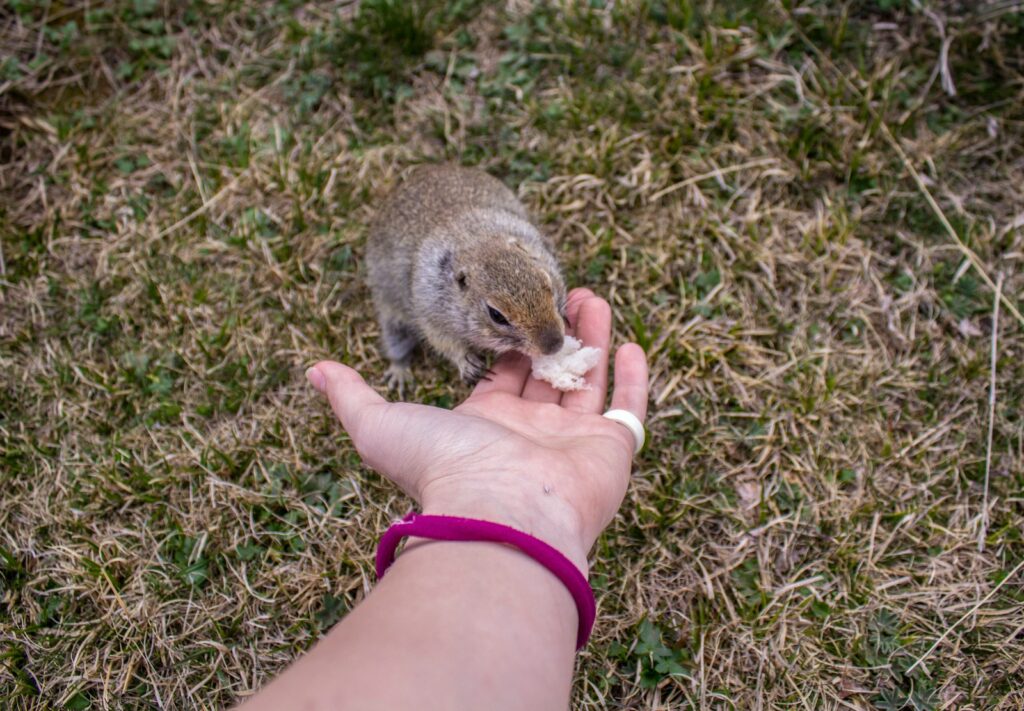
The financial reality of wildlife research means that many important questions remain unstudied due to limited funding—a gap citizen science helps fill by dramatically reducing costs while expanding capabilities. Professional wildlife surveys can cost thousands of dollars per day when accounting for staff time, equipment, and logistics, while volunteer networks can cover the same areas for a fraction of the price. The Cornell Lab of Ornithology’s citizen science projects generate data worth millions of research dollars annually through volunteer contributions. This economic efficiency allows long-term monitoring to continue through funding fluctuations that might otherwise terminate professional projects. Some programs have become financially self-sustaining through participation fees, donations from engaged volunteers, or partnerships with conservation organizations. This sustainable funding model ensures continuity in data collection, avoiding the gaps that plague many conventional research efforts when grants expire or priorities shift.
Challenges and Limitations to Overcome
Despite its contributions, citizen science faces significant challenges that researchers continue to address. Sampling bias remains a persistent issue, as volunteer observations tend to cluster around populated areas, accessible locations, and charismatic species, potentially missing important ecological patterns in remote regions or less appealing organisms. Data consistency can vary between observers with different skill levels, requiring careful statistical handling to avoid erroneous conclusions. Some complex research questions require specialized techniques or equipment beyond what most volunteers can realistically provide. Maintaining long-term participant engagement presents another challenge, as initial enthusiasm sometimes wanes when the novelty fades. Projects are increasingly addressing these limitations through adaptive design, combining citizen observations with professional sampling in underrepresented areas, developing engagement strategies that build community among participants, and creating tiered participation options that match tasks to volunteer abilities and interests.
The Future of Citizen Science in Wildlife Research

Looking ahead, emerging technologies promise to further transform citizen science’s contribution to wildlife research. Automated recording devices that can capture sound, images, and environmental data are becoming more affordable and user-friendly, allowing volunteers to deploy sophisticated monitoring systems. Artificial intelligence is improving species identification accuracy, helping novice participants contribute reliable observations while learning in the process. DNA sampling techniques are becoming accessible to non-specialists, potentially allowing citizen scientists to collect genetic material that can identify species from environmental traces alone. Virtual and augmented reality tools are enhancing training and engagement, immersing volunteers in realistic scenarios before they enter the field. These technological advances, combined with growing public interest in biodiversity conservation, suggest citizen science will continue expanding its role in wildlife research, potentially becoming the primary source of data for certain types of ecological monitoring and conservation planning in the coming decades.
Conclusion: A Collaborative Future for Wildlife Research
Citizen science has transformed from a supplementary approach to an essential component of wildlife research and conservation. By harnessing the collective power of volunteer observers, researchers can now monitor species and ecosystems at unprecedented scales, detect environmental changes early, and engage communities directly in scientific discovery and environmental stewardship. While challenges remain in maintaining data quality and addressing sampling biases, the evolving methodologies and technologies supporting citizen science continue to improve its scientific rigor and expand its applications. Perhaps most importantly, this collaborative model bridges the traditional divide between scientific experts and the public, creating a shared ownership of knowledge that strengthens conservation efforts. As biodiversity faces mounting pressures from habitat loss, climate change, and other human impacts, the partnership between professional researchers and citizen scientists offers not just more efficient data collection, but a more engaged society prepared to protect the wildlife we collectively study and cherish.