
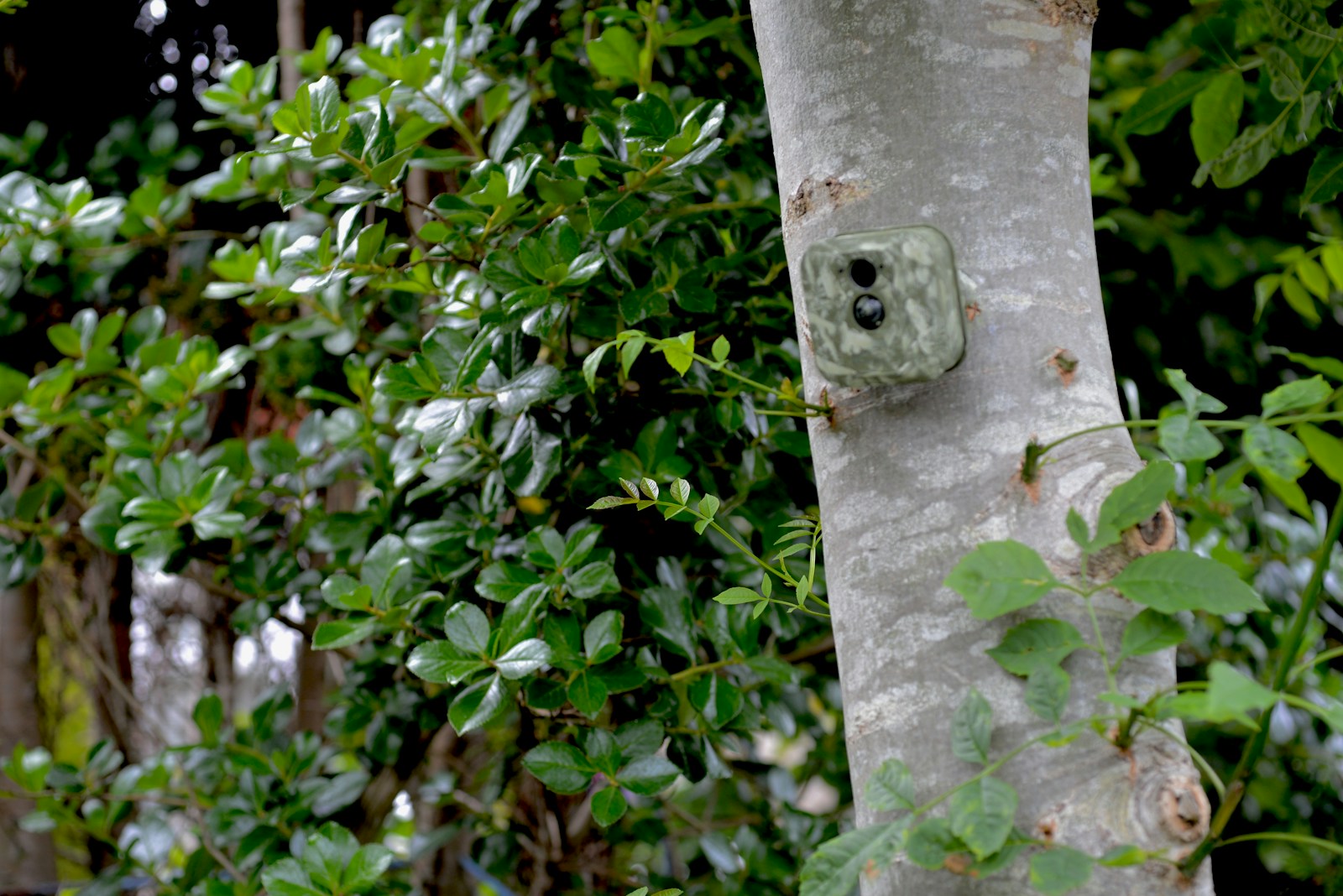
Deep within the world’s most remote wilderness areas, a silent revolution is taking place in wildlife conservation. Hidden cameras, strategically placed throughout parks and protected areas, are capturing unprecedented glimpses into the secret lives of Earth’s most endangered species. These unobtrusive sentinels provide conservationists with invaluable data that was once nearly impossible to gather. From the dense rainforests of Borneo to the expansive savannas of Africa, camera trap technology has transformed how we monitor, protect, and understand vulnerable wildlife populations. This innovative approach combines cutting-edge technology with traditional fieldwork to create a powerful conservation tool that’s helping to save species on the brink of extinction.
The Evolution of Wildlife Monitoring Technology
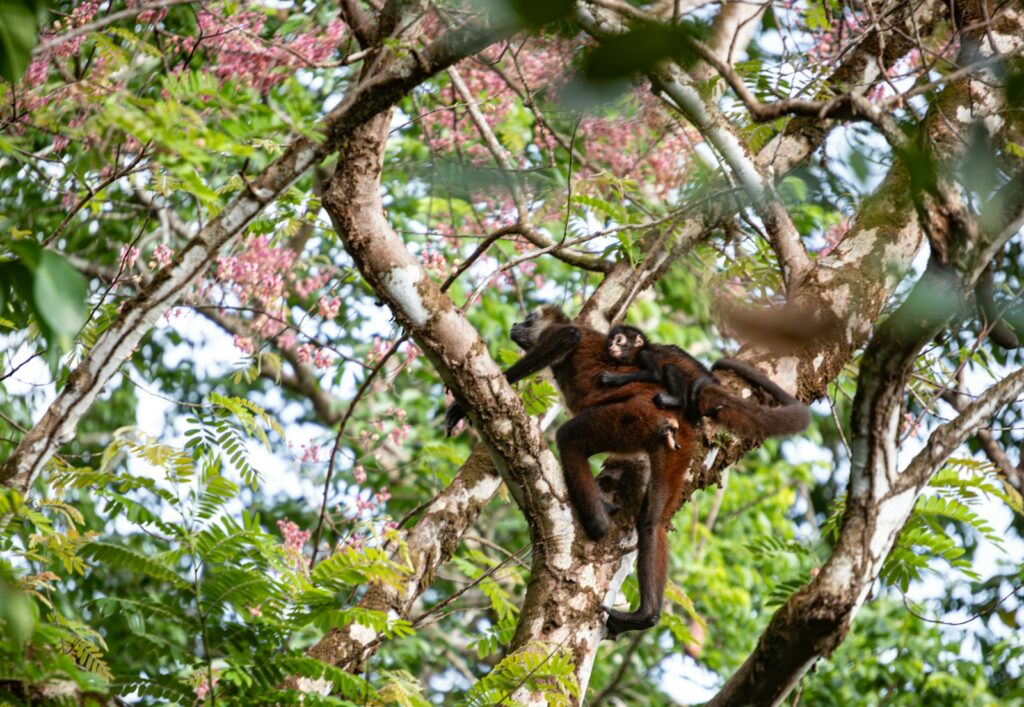
Wildlife monitoring has undergone a remarkable transformation over the past few decades, evolving from direct observation methods to sophisticated remote sensing technologies. Early wildlife researchers relied primarily on physical tracking, visual observations, and manual data collection, which often proved invasive and limited in scope. The 1990s marked a turning point with the introduction of the first practical trail cameras, which initially used 35mm film and required frequent maintenance. Today’s wildlife cameras represent the culmination of rapid technological advancement, featuring high-definition video capabilities, infrared sensors, weather-resistant casings, and wireless data transmission. This evolution has dramatically expanded our ability to study elusive species in their natural habitats without human interference, providing unprecedented insights into behavior patterns that were previously hidden from scientific observation.
How Camera Traps Actually Work
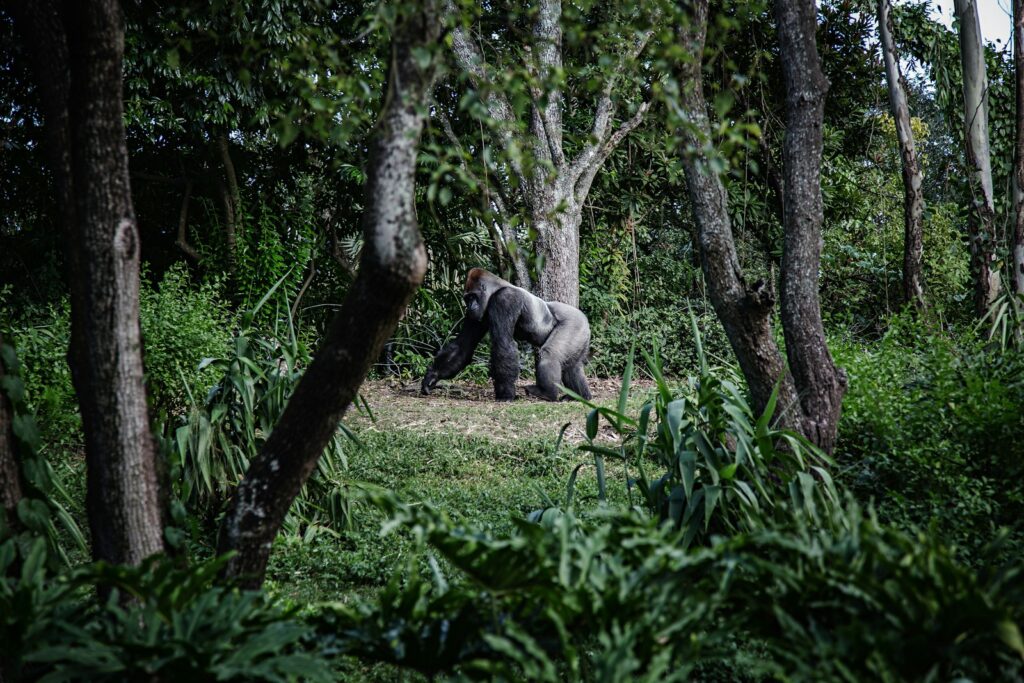
Camera traps operate on a deceptively simple principle: they remain dormant until triggered by an animal’s movement or heat signature. Most modern systems utilize passive infrared (PIR) sensors that detect changes in thermal energy when a warm-bodied animal passes in front of the camera. Once activated, the camera captures either a series of still photographs or video footage, simultaneously recording critical metadata such as date, time, temperature, and sometimes GPS coordinates. Advanced models incorporate features like rapid trigger speeds (often less than half a second) to ensure even the quickest animals are captured, and no-glow infrared flash technology that remains invisible to wildlife, preventing behavioral disturbances. The cameras are typically housed in camouflaged, weatherproof casings that can withstand extreme conditions from tropical downpours to arctic temperatures, allowing for continuous operation in virtually any environment for months at a time.
Strategic Placement for Maximum Effectiveness
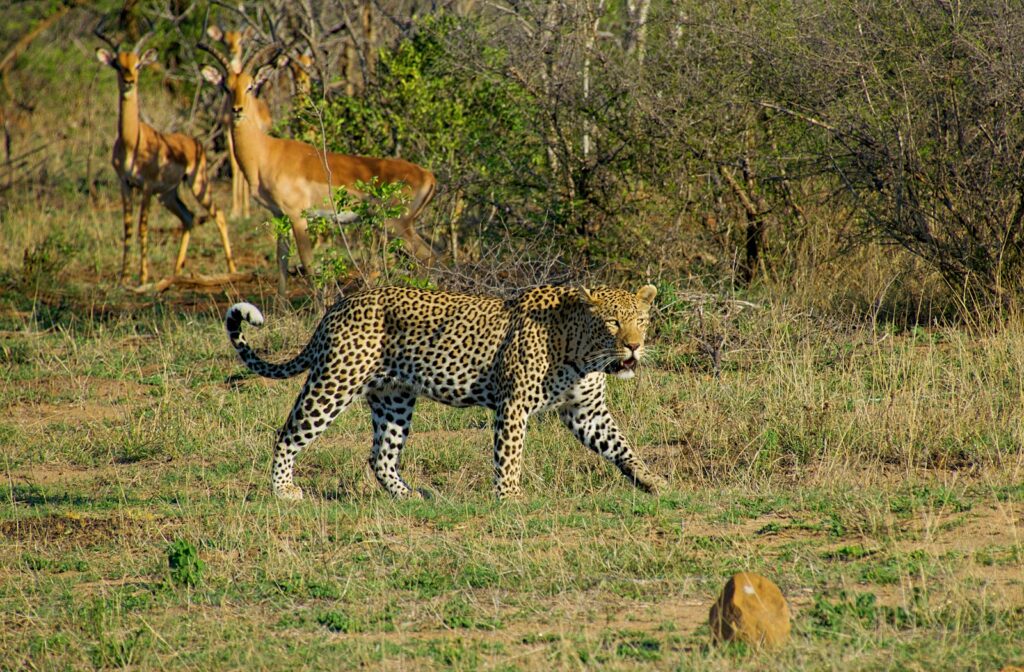
The success of camera trap research hinges critically on strategic placement decisions made by wildlife biologists and park rangers. Experts carefully analyze habitat features, known animal movement corridors, and natural bottlenecks like game trails, water sources, and mineral licks that naturally concentrate wildlife activity. In mountainous terrain, cameras are often positioned along ridgelines or in valleys that funnel animal movements, while in forests, they might target fruiting trees or clearings that attract diverse species. The height and angle of installation vary depending on target species—cameras intended to monitor tigers are positioned differently than those tracking smaller mammals or ground-dwelling birds. Field teams also consider seasonal factors, such as migration patterns or changing water availability, sometimes relocating camera arrays to follow shifting wildlife distributions throughout the year.
Identifying Individual Animals Through Pattern Recognition

One of the most remarkable applications of camera trap technology is the ability to identify individual animals within a species, transforming random wildlife sightings into structured population studies. Many endangered species, such as tigers, jaguars, and leopards, possess unique coat patterns that serve as natural “fingerprints” that remain consistent throughout their lives. Advanced pattern recognition software can analyze these distinctive markings from camera trap images, creating a digital identity for each animal that allows researchers to track specific individuals over time. For species without obvious markings, other distinguishing features like scars, ear notches, horn shapes, or even facial characteristics can serve as identification markers. This individual-level monitoring enables scientists to generate accurate population estimates, track birth and death rates, monitor territorial movements, and even document social interactions—all critical data points for effective conservation management.
Protecting Camera Systems from Weather and Wildlife

Operating sophisticated electronic equipment in wilderness environments presents significant challenges that require specialized protective measures. Modern camera traps are engineered with robust weatherproof housings rated to withstand extreme precipitation, temperature fluctuations, and humidity levels that would quickly destroy conventional cameras. Many systems incorporate additional protective features like silicon gaskets, waterproof seals, and corrosion-resistant components to ensure long-term functionality in harsh conditions. Beyond environmental factors, cameras must also be secured against curious or destructive wildlife—particularly elephants, bears, and primates that may investigate or damage equipment. Rangers often employ protective metal cases, camouflage covers, and strategic mounting heights to minimize detection and tampering by animals. Some parks have even developed innovative solutions like honey badger-proof boxes or special hyena-resistant mountings designed to thwart specific wildlife known to interfere with monitoring equipment.
From Thousands of Images to Actionable Data

The proliferation of camera trap networks has created a data management challenge of unprecedented scale, with some projects generating millions of images annually. Conservation teams have developed sophisticated workflows to process this visual information, often combining automated image recognition software with human verification to identify species, individuals, and behaviors captured in each frame. Cloud-based platforms like Wildlife Insights, developed by Conservation International and Google, use artificial intelligence to accelerate image processing, automatically filtering out empty frames and providing preliminary species identification. Once processed, this data feeds into specialized ecological databases that track population trends, activity patterns, habitat use, and interspecies interactions. The final analysis translates raw visual data into actionable conservation metrics like population density estimates, breeding success rates, threat assessments, and habitat utilization patterns that directly inform protection strategies.
Surprising Discoveries and Species Rediscoveries
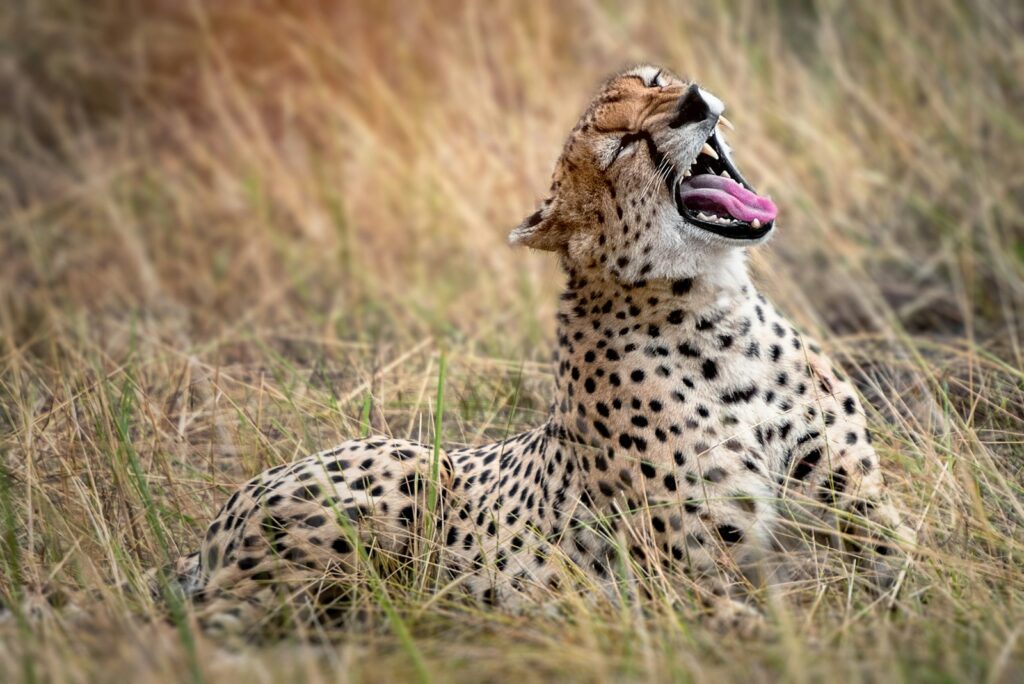
Camera traps have repeatedly proven their worth as tools of discovery, documenting species long thought extinct or revealing the presence of animals in areas where they were previously unknown. In 2010, camera traps in Indonesia captured the first images in over 20 years of the Javan rhino in Vietnam’s Cat Tien National Park, though the population was subsequently confirmed extinct in that country. More encouragingly, in 2018, hidden cameras in Ghana’s Atewa Forest recorded the first evidence in nearly 40 years of the critically endangered white-naped mangabey, dramatically changing conservation priorities for the region. Remote cameras in Cambodia’s Virachey National Park surprised researchers by documenting clouded leopards, sun bears, and dholes in a region previously thought depleted of large mammals. These rediscoveries not only provide hope for conservation efforts but often trigger expanded protection measures and increased funding for habitat preservation in areas harboring these rare species.
Combating Poaching Through Surveillance Networks
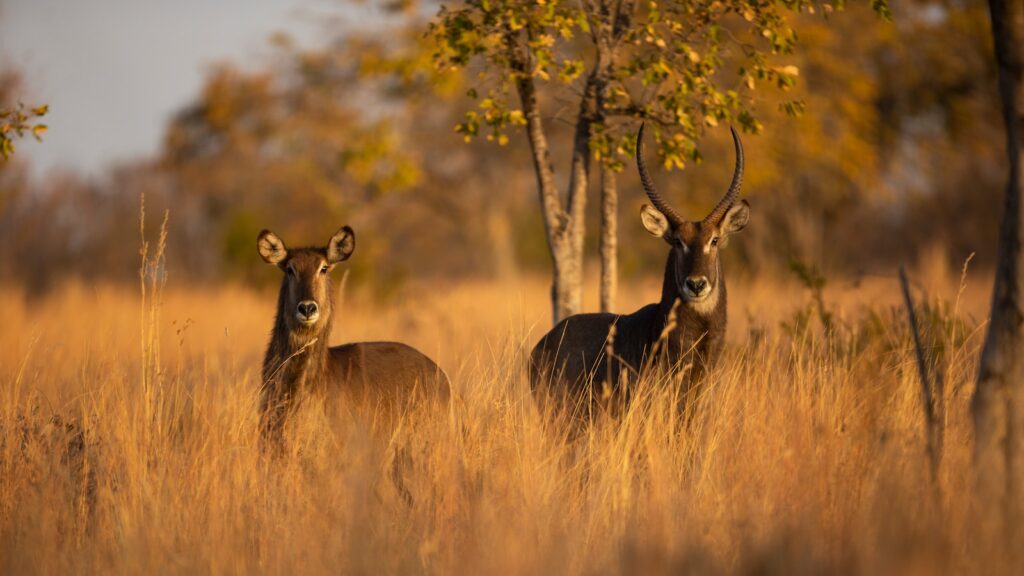
Beyond their scientific applications, camera trap systems have evolved into powerful anti-poaching tools that help parks maintain security over vast wilderness areas. Strategic camera placement along known access routes, boundary areas, and poaching hotspots creates a virtual surveillance network that can detect human intrusions into protected areas. Advanced systems now incorporate real-time alerts that notify rangers immediately when human activity is detected in restricted areas, allowing for rapid response to potential threats. In South Africa’s Kruger National Park, integrated camera networks combined with acoustic sensors have dramatically improved response times to rhino poaching incidents, while in Central America, the automated monitoring system SMART (Spatial Monitoring and Reporting Tool) uses camera data to identify poaching patterns and optimize ranger patrols. The mere knowledge that cameras are present has proven to be a deterrent in some regions, creating a psychological barrier that discourages illegal entry into monitored areas.
Involving Local Communities in Camera Monitoring

The most successful camera trap programs recognize that effective conservation requires the active participation and support of local communities living alongside wildlife. Many parks now train community members as camera trap technicians, creating sustainable employment opportunities while building local capacity for wildlife monitoring. In Nepal’s Chitwan National Park, former poachers have been recruited as camera trap operators, transforming their intimate knowledge of the forest from a threat to a conservation asset. Community-based camera programs often incorporate educational components, with wildlife images used in local schools and community centers to build pride and awareness of regional biodiversity. Indigenous knowledge frequently guides camera placement decisions, with traditional wildlife tracking expertise complementing scientific methodology to maximize detection success. This collaborative approach not only improves monitoring effectiveness but helps transform conservation from an externally imposed restriction to a locally embraced value.
Ethical Considerations in Wildlife Surveillance

As camera trap networks expand in scope and capability, they raise important ethical questions about privacy, data ownership, and potential wildlife disturbance. Conservation organizations must balance the scientific benefits of comprehensive monitoring against concerns about creating excessive human technological presence in wilderness areas. Particular sensitivity surrounds images capturing indigenous peoples who may use protected areas for traditional activities, necessitating clear protocols for handling human images inadvertently recorded by wildlife cameras. The question of who owns and controls biodiversity data has become increasingly contentious, with growing recognition that countries and communities hosting endangered species should maintain sovereignty over information collected within their territories. Leading conservation organizations have developed ethical guidelines addressing these concerns, emphasizing principles of informed consent, data sharing, minimal disturbance, and respect for both wildlife and human dignity in camera trap operations.
Future Innovations in Wildlife Camera Technology
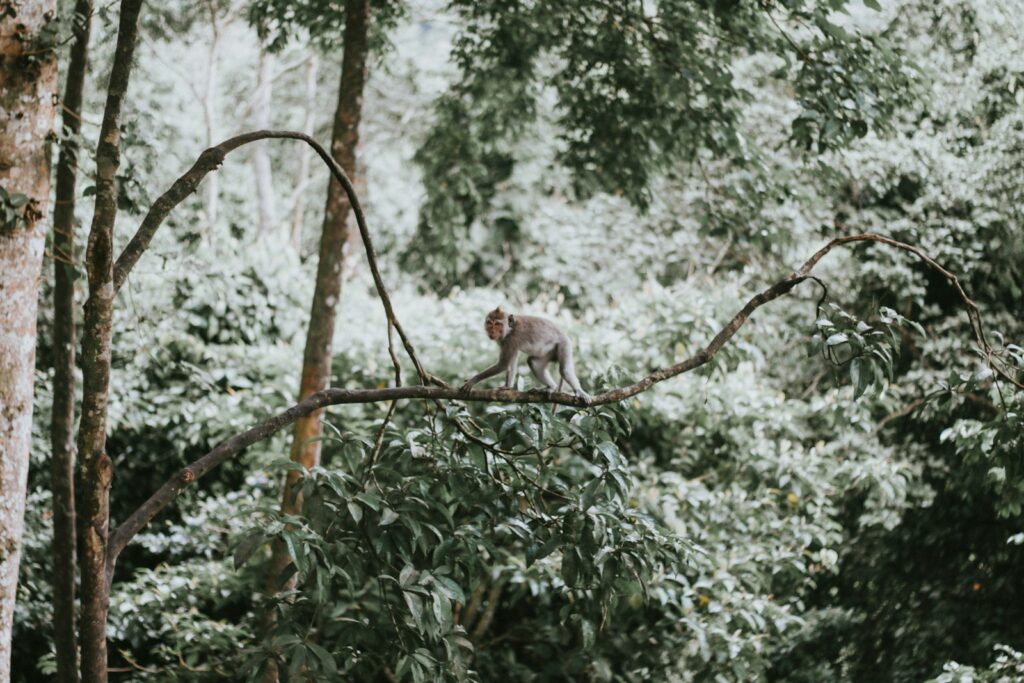
The next generation of wildlife monitoring technology promises to dramatically expand our conservation capabilities through several emerging innovations. Researchers are developing miniaturized camera systems that can be attached directly to animals via non-invasive methods, providing unprecedented “animal perspective” footage that reveals behavior impossible to observe with stationary cameras. Acoustic recognition capabilities are being integrated into camera systems, allowing devices to activate based on species-specific calls or sounds before animals come into visual range. Thermal imaging cameras that function in complete darkness without any illumination are becoming more affordable, eliminating even the minimal disturbance caused by infrared lighting. Perhaps most transformative is the development of camera networks with edge computing capabilities that can process images on-site and transmit only relevant data, enabling real-time species identification and population monitoring across vast landscapes. These technological advances, combined with increasingly sophisticated AI analysis tools, suggest that wildlife monitoring will continue to become more comprehensive, less invasive, and more accessible to conservation programs worldwide.
Success Stories: Endangered Species Recovery Through Camera Monitoring
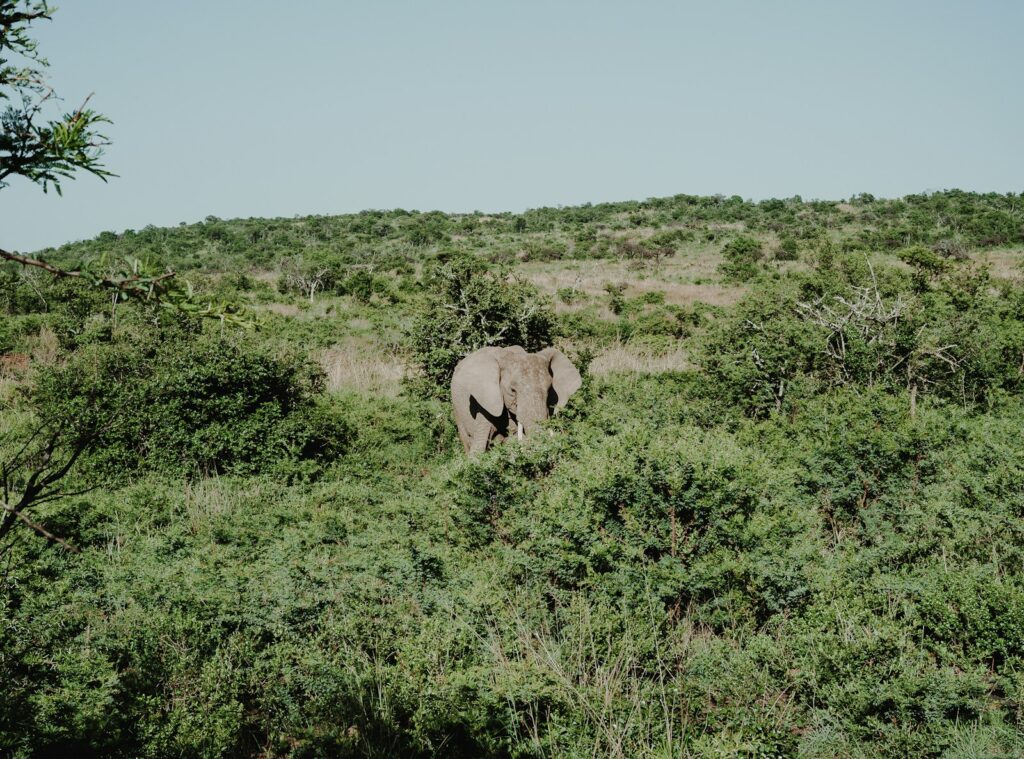
Camera trap monitoring has directly contributed to numerous conservation success stories, providing the data necessary for effective recovery strategies for critically endangered species. In India’s tiger reserves, systematic camera trap surveys documented a 33% increase in tiger populations between 2014 and 2018, validating the effectiveness of the country’s intensive protection measures. The mountain gorilla’s remarkable recovery from fewer than 250 individuals in the 1980s to over 1,000 today has been carefully tracked through camera monitoring, which helped identify key habitat areas requiring additional protection. California’s Channel Island fox recovery program used camera traps to verify the successful elimination of non-native predators and document the subsequent rapid population rebound of this endemic species. Perhaps most impressively, camera monitoring in China’s Wanglang Nature Reserve provided the first scientific evidence of wild panda population recovery, recording multiple breeding females with cubs in areas where they had previously disappeared. These success stories demonstrate how the detailed population data provided by camera monitoring enables conservation managers to implement and verify the effectiveness of protection strategies.
Joining the Effort: Citizen Science Opportunities
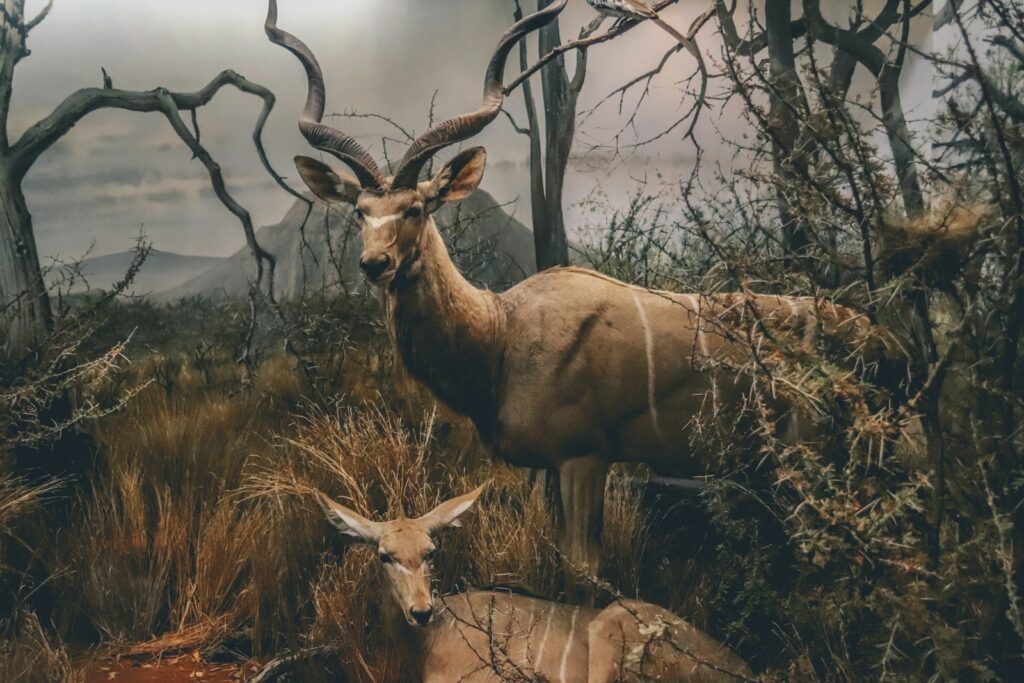
The massive volume of camera trap images collected globally has created unprecedented opportunities for public participation in wildlife conservation through citizen science initiatives. Projects like Snapshot Serengeti, Wildcam Gorongosa, and Zooniverse’s Penguin Watch allow volunteers to assist with image classification from their home computers, helping to identify species and behaviors captured in millions of camera trap photos. These platforms have proven remarkably effective, with studies showing that consensus classifications from non-expert volunteers frequently match expert identifications with accuracy exceeding 95%. Beyond image classification, some parks offer opportunities for visitors to sponsor camera traps or participate in camera setup and maintenance during specialized ecotourism experiences. Educational programs in communities surrounding protected areas often incorporate camera trap data collection and analysis, building local scientific literacy while gathering valuable conservation information. This democratization of wildlife monitoring not only accelerates data processing but builds a global constituency of citizens personally invested in conservation outcomes.
As climate change and habitat loss continue to threaten biodiversity worldwide, the hidden cameras watching over our parks represent a critical tool in the fight to preserve endangered species. These unobtrusive sentinels provide the detailed, scientific understanding necessary to implement effective conservation strategies in an increasingly challenging environment. From revealing the presence of species thought extinct to documenting the recovery of populations once on the brink, camera trap technology has transformed conservation from educated guesswork into evidence-based management. As the technology continues to evolve and expand, our ability to protect the planet’s most vulnerable creatures grows alongside it—giving hope that even in an age of unprecedented environmental challenges, we can still ensure that future generations will inherit a world rich in biodiversity.