
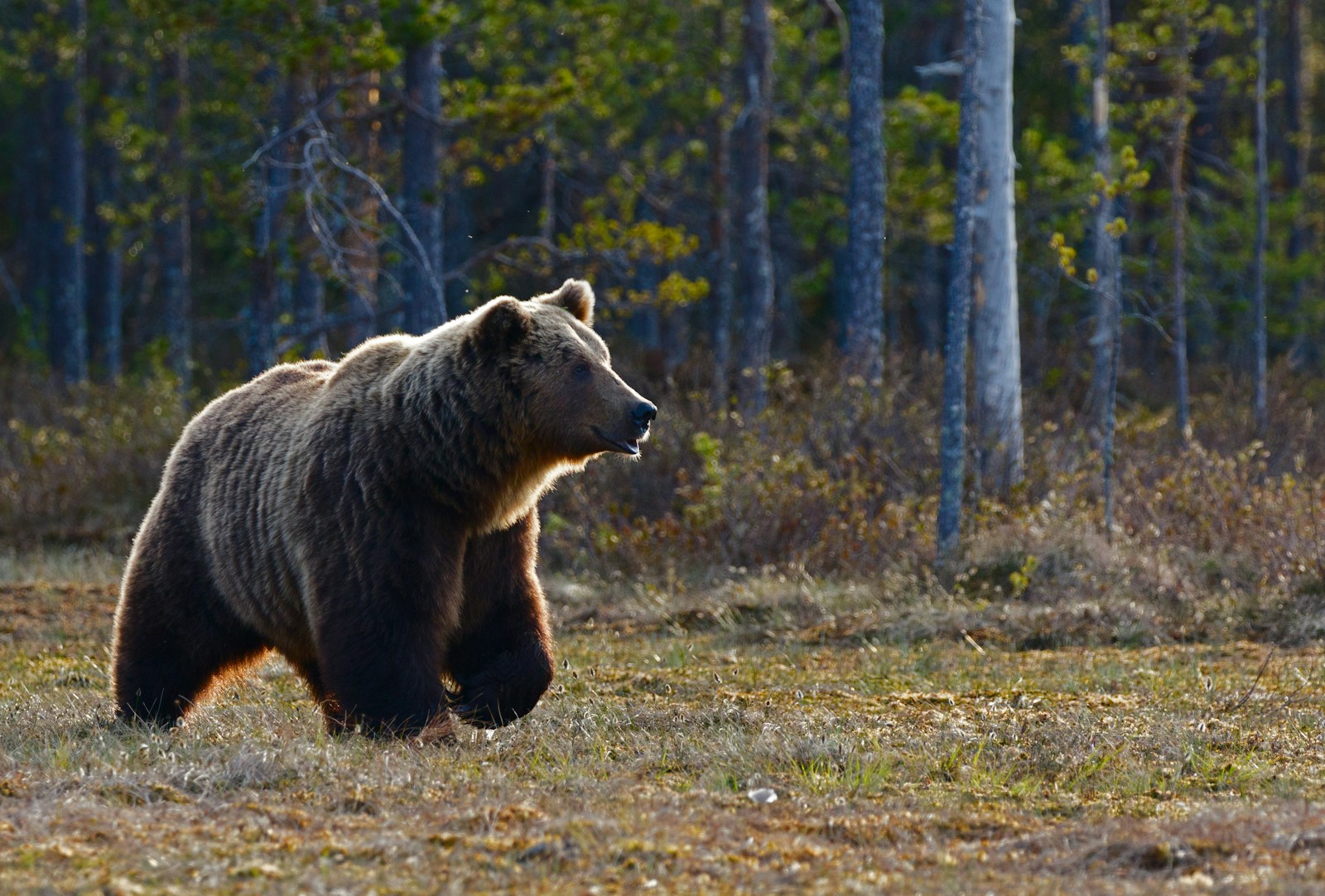
National parks represent some of America’s most treasured landscapes, serving as vital habitats for thousands of plant and animal species. While physically visiting these natural wonders provides unforgettable experiences, many wildlife enthusiasts wonder how they can make a positive impact even when they can’t be there in person. The good news is that supporting national park wildlife doesn’t require hiking boots or camping gear – there are numerous meaningful actions you can take from the comfort of your home. From virtual volunteering to conscious consumer choices, your efforts can contribute to conservation success stories across the country’s protected lands. This article explores practical, impactful ways to become a national park wildlife advocate from your living room.
Become a Virtual Volunteer

Many national parks have embraced digital volunteering opportunities that allow wildlife enthusiasts to contribute valuable data and support from anywhere. Programs like the Smithsonian’s “Snapshot Safari” invite home-based volunteers to identify animals captured by motion-triggered cameras placed throughout parks, helping scientists track population trends and animal behaviors. The National Park Service’s “Transcription Project” needs volunteers to digitize historical documents that provide crucial information about past wildlife populations and habitat conditions, informing current conservation efforts. Virtual volunteers can also participate in soundscape monitoring programs, listening to audio recordings to identify bird calls, mammal vocalizations, and other wildlife sounds. These digital contributions directly support scientific research and conservation planning without requiring physical presence in the parks.
Participate in Citizen Science Projects

Citizen science initiatives provide structured ways for everyday people to collect and contribute meaningful data about wildlife and ecosystems. Applications like iNaturalist and eBird allow you to document wildlife observations even in your own neighborhood, contributing to a larger understanding of species distributions and migrations that impact national park wildlife. The annual Christmas Bird Count and Great Backyard Bird Watch help scientists track bird populations across the country, including those that spend portions of their life cycle in national parks. For technology enthusiasts, the Zooniverse platform hosts numerous wildlife-focused projects where you can help classify images, identify animals, or transcribe field notes from the comfort of your home. These collective efforts generate valuable datasets that park biologists use to make informed conservation decisions about habitat management and species protection.
Adopt Sustainable Shopping Habits

The products we purchase have direct and indirect impacts on wildlife habitats, including those in national parks. Choosing Forest Stewardship Council (FSC) certified wood and paper products ensures you’re supporting sustainable forestry practices that protect wildlife habitats adjacent to many national parks. Selecting seafood approved by the Marine Stewardship Council helps protect marine ecosystems that connect to coastal national parks like Olympic, Acadia, and Channel Islands. Reducing single-use plastics prevents pollution that often makes its way into park waterways and harms wildlife through ingestion or entanglement. By researching brands’ environmental policies and choosing companies with transparent supply chains and sustainability commitments, you’re using your purchasing power to support businesses aligned with wildlife conservation values.
Donate to National Park Wildlife Funds

Financial contributions remain one of the most direct ways to support wildlife conservation efforts in national parks. The National Park Foundation’s Wildlife and Habitat Fund specifically directs resources toward projects that protect endangered species, restore degraded habitats, and combat invasive species throughout the park system. Many individual parks have “Friends” groups or cooperating associations that fund local wildlife research and conservation initiatives, often with donation options that allow you to target specific species or projects. Wildlife conservation organizations like the National Wildlife Federation and Defenders of Wildlife frequently partner with national parks on specific conservation initiatives that you can support through dedicated donations. Even small, recurring monthly donations provide the reliable funding that enables parks to plan and implement long-term wildlife monitoring and protection programs.
Reduce Your Carbon Footprint

Climate change represents one of the most significant threats to national park ecosystems, altering habitats and disrupting wildlife behaviors across the country. By reducing your home energy consumption through efficient appliances, proper insulation, and mindful usage patterns, you’re helping combat climate change impacts affecting park wildlife. Transitioning to renewable energy sources through home solar installations or selecting green energy options from your utility provider directly reduces carbon emissions that contribute to habitat changes in parks. Transportation choices like carpooling, using public transit, or driving fuel-efficient vehicles similarly reduce your carbon impact on park ecosystems. Even your diet plays a role—reducing meat consumption, especially beef, helps lower greenhouse gas emissions associated with livestock production that contributes to climate change affecting wildlife habitats.
Advocate for Wildlife Protection Policies

Political advocacy remains a powerful tool for wildlife conservation that you can engage in from home. Contacting your elected representatives about pending legislation that affects wildlife protections, national park funding, or environmental regulations makes your voice heard on issues impacting park ecosystems. Signing reputable petitions that support science-based wildlife management or oppose development threats near park boundaries demonstrates public concern for these issues. Following and supporting organizations like the National Parks Conservation Association keeps you informed about policy threats and provides opportunities to take coordinated action at critical moments. Writing thoughtful comments during public comment periods for proposed federal actions affecting parks ensures decision-makers hear diverse perspectives about wildlife protection needs.
Create Wildlife-Friendly Spaces at Home

Your own property can serve as an extension of national park conservation efforts by providing habitat for migratory species that depend on connected landscapes. Planting native species in your yard creates food sources and shelter for birds, butterflies, and other wildlife that may travel between parks and surrounding areas throughout the year. Installing wildlife-friendly features like bird baths, pollinator gardens, or bat houses provides critical resources for species that may spend part of their lifecycle in national parks. Eliminating chemical pesticides and fertilizers prevents harmful runoff that can eventually reach park watersheds and harm aquatic species. Creating certified wildlife habitat through programs like the National Wildlife Federation’s Garden for Wildlife initiative formalizes your commitment to supporting biodiversity beyond park boundaries.
Engage Through Virtual Park Experiences

National parks have expanded their digital presence, offering numerous ways to connect with wildlife remotely while building public support for conservation. Live webcams positioned throughout parks from Yellowstone to Shenandoah allow real-time wildlife viewing, creating emotional connections with animals and their habitats that inspire conservation action. Virtual ranger programs, often broadcast via social media or park websites, provide educational content about wildlife conservation challenges and successes. Digital junior ranger programs enable children to learn about park wildlife and conservation from home, fostering the next generation of wildlife advocates. Sharing these virtual experiences with friends and family helps spread awareness about the importance of national park wildlife conservation.
Support Wildlife Research Through Crowdfunding

Many wildlife research projects in national parks now utilize crowdfunding platforms to secure necessary resources for important conservation work. Platforms like Experiment.com and Instrumentl regularly feature wildlife research initiatives seeking public support for studies on endangered species, habitat restoration, or wildlife health monitoring in national parks. Universities conducting research in partnership with national parks often seek public funding for graduate student projects focused on park wildlife conservation questions. By contributing to these campaigns, you’re directly enabling scientific discoveries that inform wildlife management decisions. Many crowdfunded projects offer updates and results sharing, allowing supporters to follow the research progress and outcomes they’ve helped make possible.
Practice Responsible Social Media Sharing
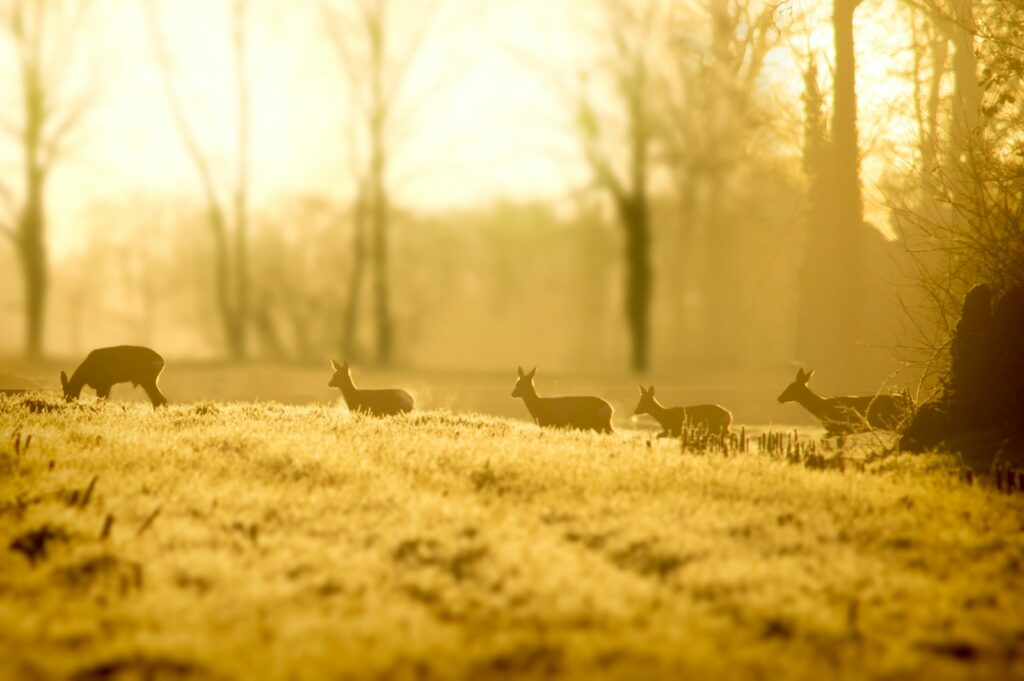
Social media can be a powerful tool for wildlife conservation when used thoughtfully and responsibly. Sharing accurate information about wildlife conservation challenges and successes in national parks helps educate your network about important issues affecting protected species. Following official national park accounts provides reliable information you can amplify to increase awareness about wildlife protection needs. Being mindful about geotagging sensitive wildlife locations prevents inadvertent harm from increased visitation to fragile habitats or vulnerable species. Participating in social media campaigns like #WildlifeWednesday with educational content about national park species spreads awareness while building community around conservation values.
Educate Yourself About Wildlife Conservation

Deepening your understanding of wildlife conservation principles makes you a more effective advocate for national park species. Reading books by wildlife biologists and conservation practitioners provides insights into the complex challenges of protecting biodiversity in national parks and beyond. Taking online courses through platforms like Coursera or edX on topics like wildlife management, conservation biology, or ecosystem science builds your knowledge foundation. Following scientific journals that publish research about national park wildlife keeps you informed about the latest discoveries and emerging conservation approaches. This continuous learning process enhances your ability to support evidence-based conservation efforts and share accurate information with others.
Plan Future Park Visits Responsibly

While this article focuses on at-home actions, planning future park visits with wildlife conservation in mind represents another important form of support. Researching responsible wildlife viewing practices for specific parks ensures you’ll minimize disturbance when you do visit in person. Learning about Leave No Trace principles prepares you to minimize your impact on wildlife habitats during future park experiences. Setting intentions to participate in volunteer opportunities during planned visits, such as wildlife population surveys or habitat restoration projects, maximizes the positive impact of your travel. Budgeting for park entry fees and making additional donations during visits helps fund ongoing wildlife protection efforts that will benefit from your direct financial support.
Join Wildlife Conservation Communities
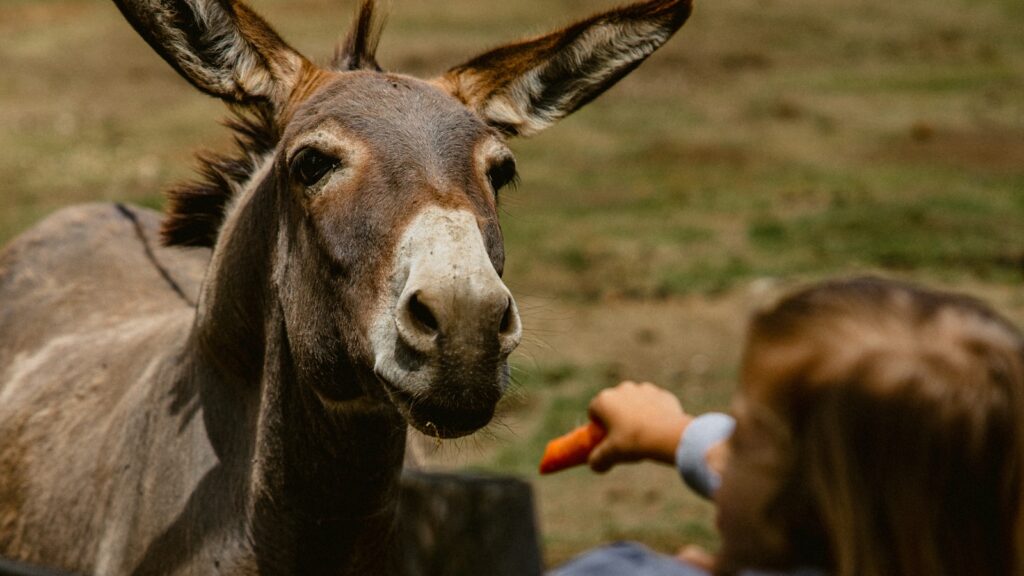
Connecting with like-minded wildlife advocates creates community support for sustained conservation action. Online forums dedicated to national park wildlife provide spaces to share information, conservation tips, and emotional support for continued advocacy. Participating in virtual events hosted by organizations like the National Parks Conservation Association or the Sierra Club connects you with experts and fellow enthusiasts committed to wildlife protection. Joining species-specific conservation groups focused on animals found in national parks, such as wolf or bison alliance organizations, provides specialized opportunities to support particular wildlife causes. These communities help maintain motivation for wildlife conservation actions through shared values and collective impact.
Conclusion
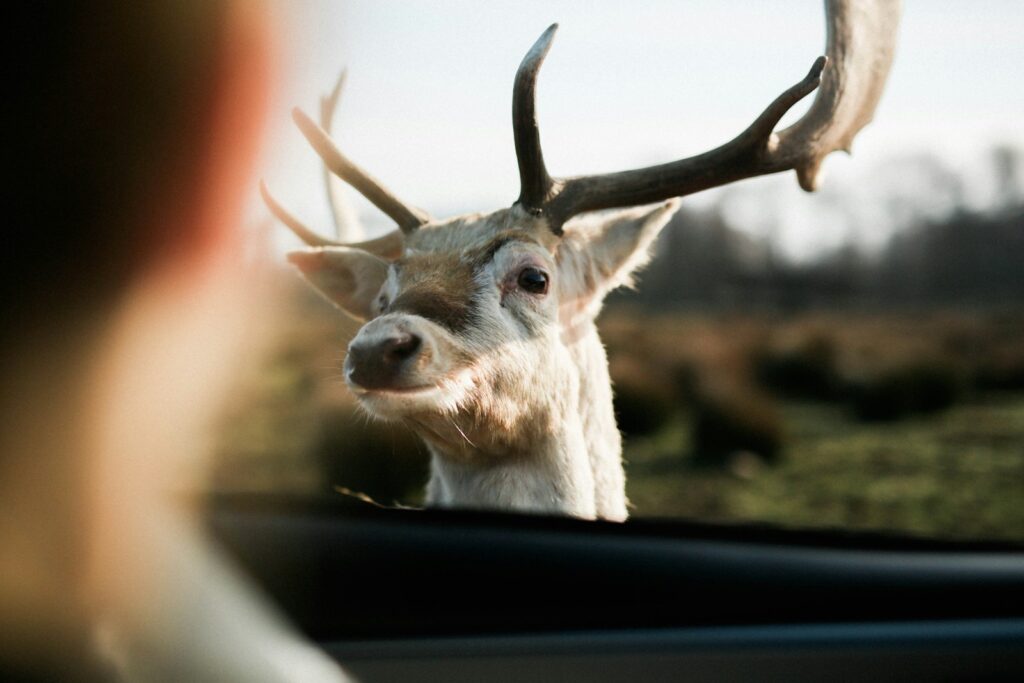
Supporting national park wildlife from home represents a powerful form of environmental stewardship accessible to anyone with passion for conservation. The actions outlined in this article—from virtual volunteering to sustainable shopping, from digital advocacy to backyard habitat creation—demonstrate that meaningful contributions don’t require physical presence in parks. As climate change and habitat loss continue to threaten biodiversity, these at-home efforts become increasingly valuable components of comprehensive conservation strategies. By incorporating these practices into your daily life, you become part of a nationwide community working to ensure national parks remain vibrant wildlife sanctuaries for generations to come. The collective impact of individual actions, multiplied across thousands of wildlife advocates, creates a powerful force for positive change in our most treasured natural landscapes.