
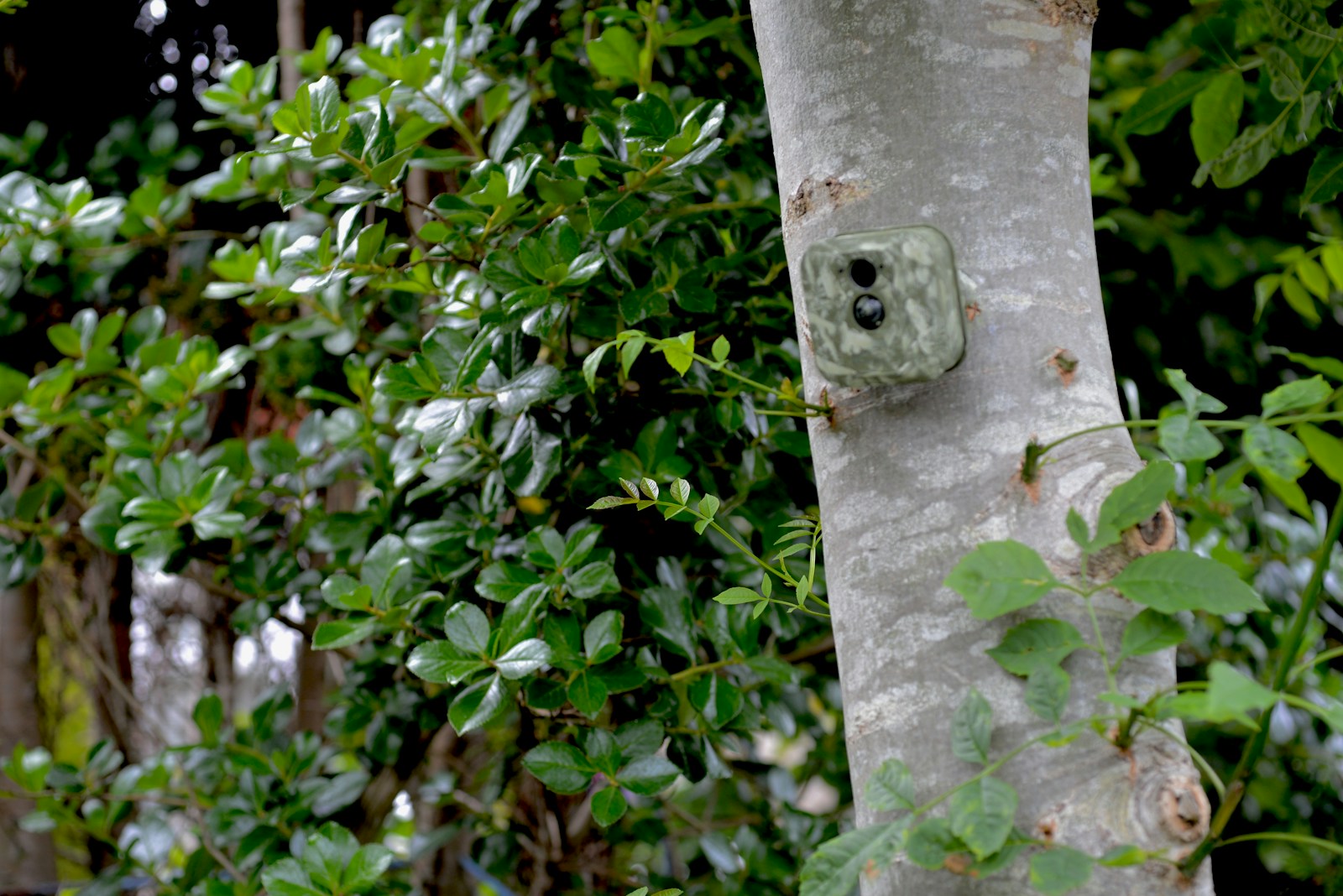
Deep within the verdant undergrowth of national parks worldwide, small mechanical eyes silently observe the comings and goings of some of Earth’s most threatened creatures. These hidden cameras—technically known as camera traps—have revolutionized wildlife conservation by providing unprecedented insights into the secretive lives of endangered species. From the dense rainforests of Sumatra to the rugged mountains of Yellowstone, park authorities deploy these unobtrusive sentinels to monitor, protect, and better understand animals that humans rarely glimpse. The technology has evolved from basic trip-wire contraptions to sophisticated motion-activated systems that can instantly transmit images to researchers thousands of miles away. This remarkable blend of technology and conservation represents one of the most powerful tools in the ongoing battle to preserve biodiversity in protected areas around the world.
The Evolution of Wildlife Camera Technology
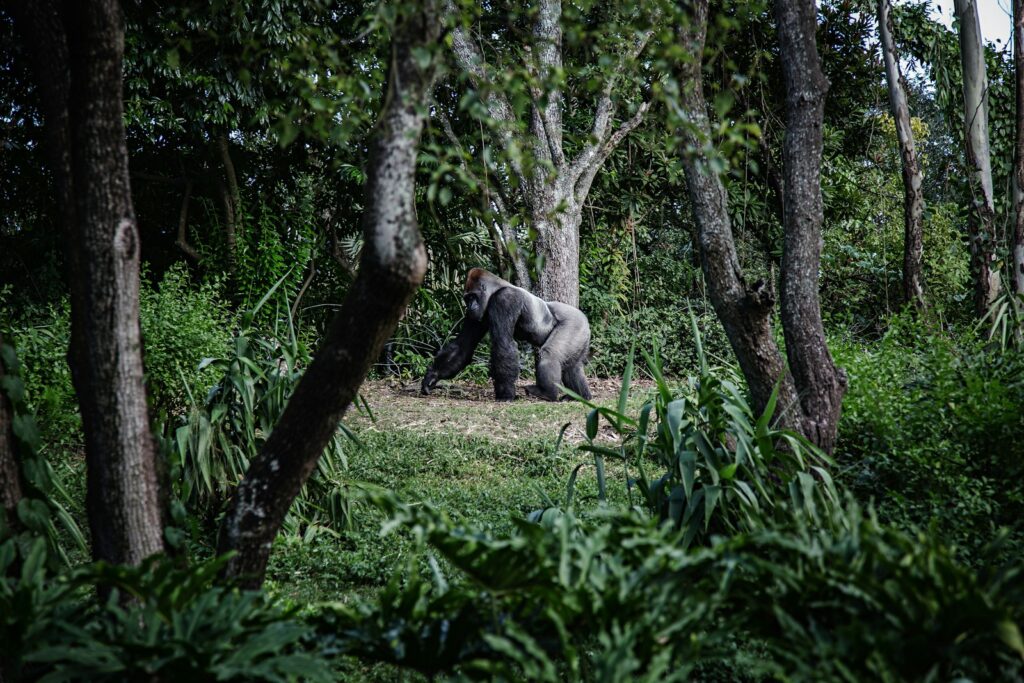
The journey of wildlife cameras began with simple film cameras triggered by tripwires, first used by wildlife photographer George Shiras in the early 1900s. These rudimentary systems required researchers to physically retrieve film and provided limited data about animal movements. The digital revolution transformed these tools in the late 1990s and early 2000s, introducing memory cards that could store thousands of images and batteries that lasted months in the field. Today’s camera traps feature impressive capabilities including infrared night vision, motion sensors calibrated to specific animal sizes, and weatherproof casings that withstand extreme conditions. Some advanced models incorporate cellular or satellite connectivity, allowing real-time image transmission to research facilities without human intervention. This technological progression has dramatically expanded both the quantity and quality of data collection while minimizing human disturbance in sensitive habitats.
Strategic Placement: The Science of Camera Positioning
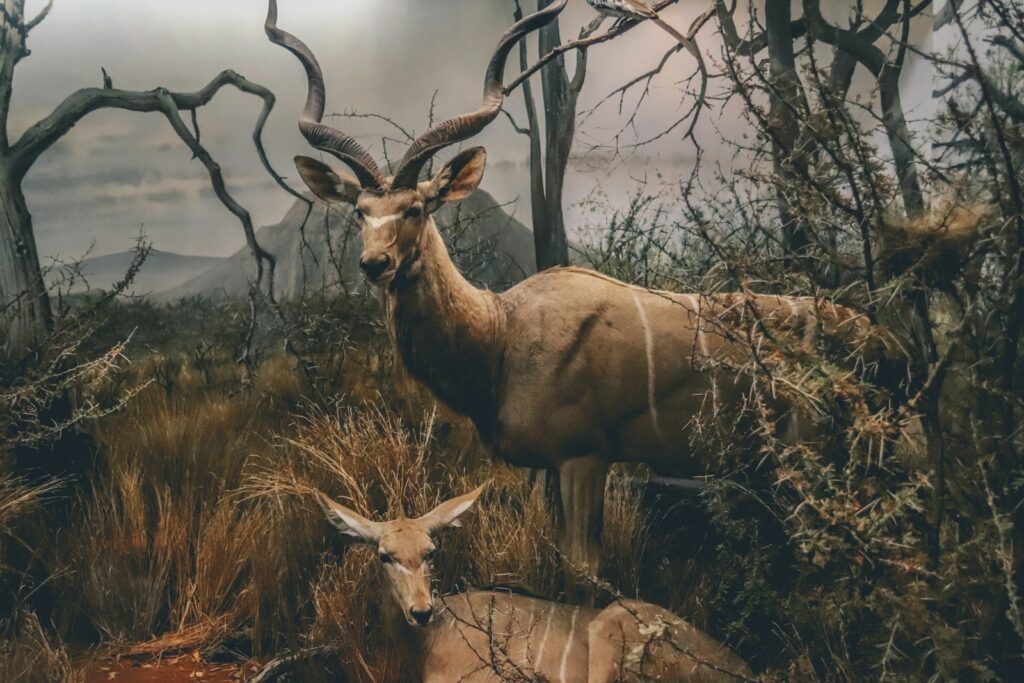
Determining where to place camera traps is a sophisticated blend of art and science that can make or break a research project. Park biologists typically conduct preliminary surveys to identify animal trails, water sources, feeding areas, and other high-traffic zones before installing equipment. Geographic Information Systems (GIS) help create systematic grids to ensure comprehensive coverage across diverse habitats within park boundaries. Camera height and angle are precisely calibrated depending on target species—lower for small mammals like foxes, higher for large ungulates or primates. In particularly challenging environments like dense rainforests, researchers may employ local trackers whose traditional ecological knowledge helps identify optimal locations that might otherwise be overlooked. The strategic deployment often includes creating natural “funnels” with branches or rocks to guide animals into the camera’s field of view, maximizing capture probability without altering natural behaviors.
From Images to Insights: Data Processing Challenges
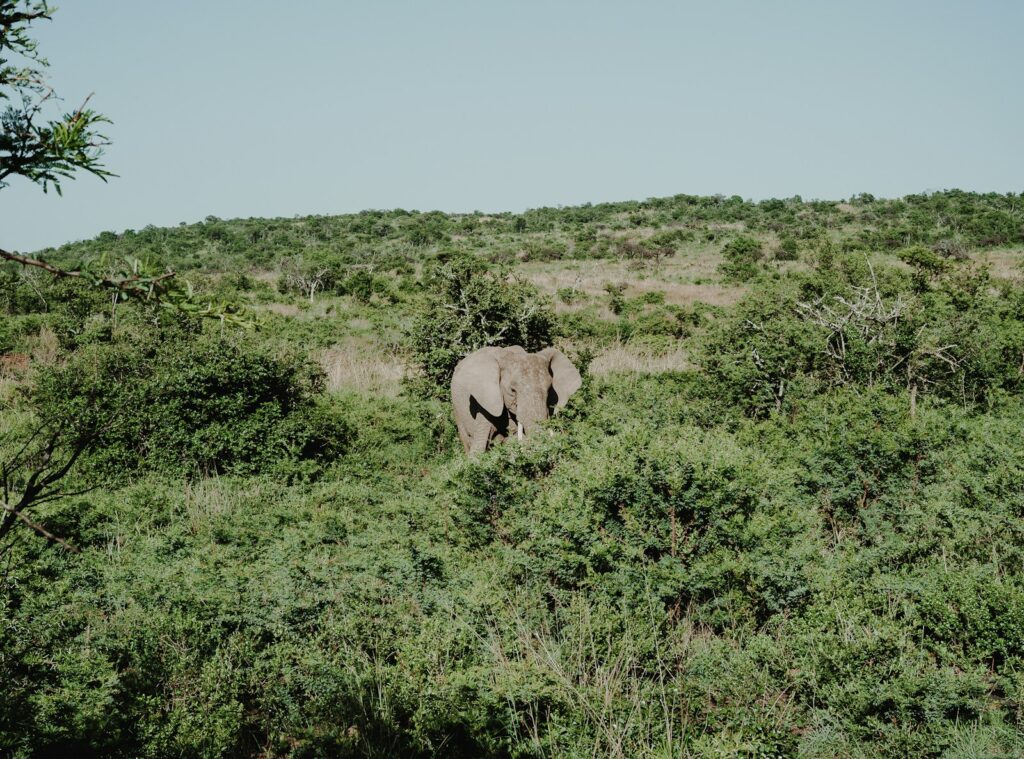
The sheer volume of images generated by camera trap networks presents formidable data management challenges for park researchers. A single study might accumulate millions of photographs, many containing no wildlife or capturing non-target species like rodents or birds. Modern conservation teams employ specialized software platforms with machine learning algorithms to automatically sort and classify images, dramatically reducing processing time. These AI systems can identify species with increasing accuracy, distinguish between individuals of the same species, and even recognize specific behaviors like feeding or mating. Despite technological advances, human verification remains essential for scientific validity, with experts reviewing AI classifications to confirm accuracy. The most sophisticated parks integrate camera trap data with other information sources like GPS tracking, genetic sampling, and ranger patrols to create comprehensive conservation intelligence networks that inform management decisions.
Monitoring Population Dynamics Without Disturbance

Traditional wildlife population surveys often require physically capturing animals—a stressful and potentially dangerous process for both creatures and researchers. Camera traps provide a revolutionary non-invasive alternative that generates comparable or superior data without ever touching the animals. By analyzing patterns in camera captures over time, scientists can estimate population sizes, track birth and death rates, and identify demographic trends that might indicate conservation concerns. For species with unique markings like tigers, jaguars, or leopards, individual identification allows researchers to create comprehensive population catalogs and follow specific animals throughout their lives. Long-term camera monitoring has revealed previously unknown population fluctuations in response to seasonal changes, climate shifts, and human activities. This information proves invaluable for adaptive management strategies that respond to real-time conditions rather than outdated assumptions about animal populations.
Detecting Behavioral Patterns and Activity Cycles

Hidden cameras have revolutionized our understanding of when and how animals use their environments, capturing behaviors that would be impossible to observe through direct human monitoring. The timestamp feature on modern camera traps allows researchers to determine precise activity patterns—whether a species is primarily nocturnal, diurnal, or crepuscular (active at dawn and dusk). These temporal insights help park managers schedule anti-poaching patrols, visitor activities, and maintenance work to minimize wildlife disturbance during peak activity periods. Camera networks have documented surprising behavioral adaptations, such as endangered species shifting to nighttime activity to avoid human encounters or competing predators. Particularly fascinating are the interspecies interactions captured on camera, revealing complex ecological relationships like predator-prey dynamics, competition at resource sites, and occasional unexpected cooperative behaviors between different species.
Combating Poaching Through Surveillance Networks
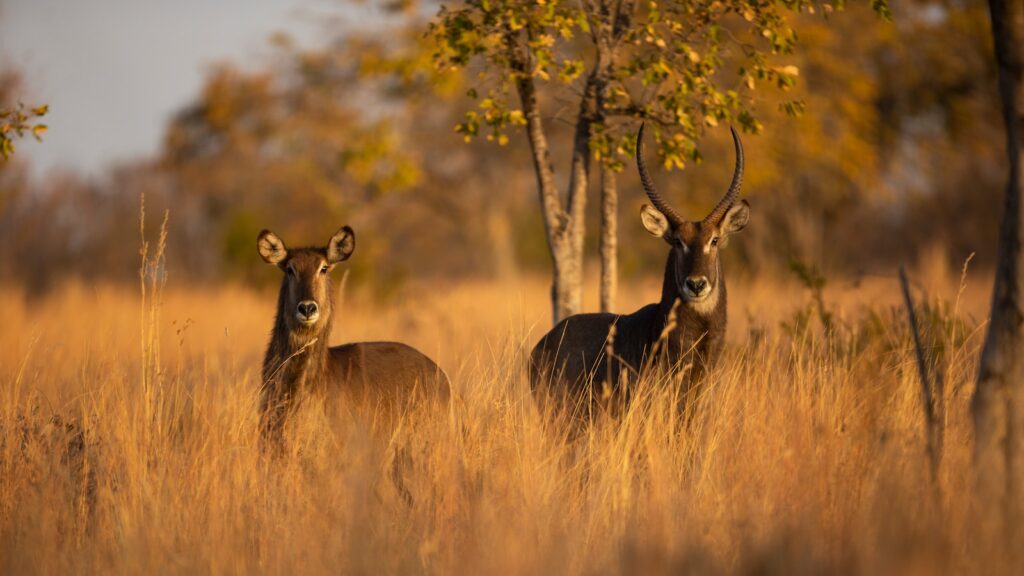
Beyond scientific research, camera traps serve as a powerful weapon in the fight against wildlife poaching within protected areas. Strategic deployment along known entry points and poaching hotspots creates a virtual surveillance network that supplements ranger patrols. When equipped with cellular connectivity, cameras can instantly alert authorities to human intrusions, allowing rapid response to potential threats before poachers reach endangered animals. Some advanced systems incorporate artificial intelligence that distinguishes between legitimate park visitors and potential poachers based on equipment carried or movement patterns. The mere presence of camera networks often serves as a deterrent, with studies showing reduced poaching activity in areas known to be monitored. Parks increasingly partner with law enforcement to ensure camera evidence meets legal standards for prosecution, transforming these scientific tools into crucial components of wildlife crime prevention strategies.
Citizen Science: Engaging the Public in Camera Trap Research
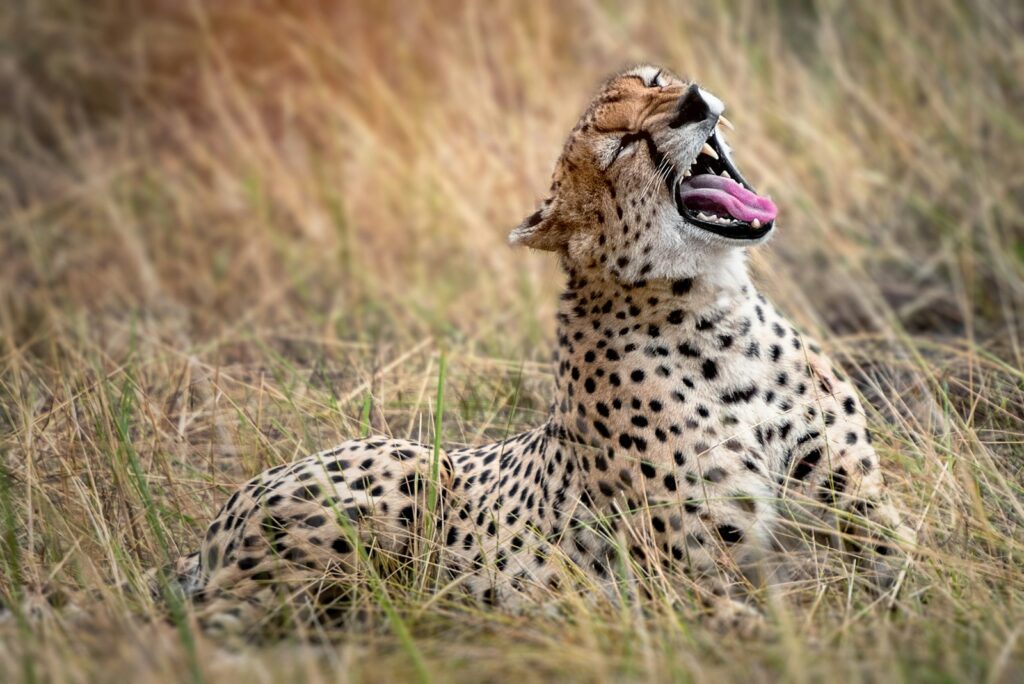
The enormous volume of camera trap images has prompted many parks to develop innovative citizen science initiatives that engage the public in conservation research. Platforms like Zooniverse’s “Snapshot Serengeti” and “Wildlife Insights” allow volunteers worldwide to help classify species in camera trap photos through user-friendly interfaces. These projects simultaneously process massive datasets and create powerful educational opportunities that connect people to conservation challenges. Park visitor centers often feature interactive displays showing recent camera trap highlights, creating emotional connections between tourists and elusive species they’re unlikely to see in person. Some parks have developed educational programs where local school children help monitor cameras near their communities, fostering conservation values in the next generation. The combination of public participation and professional oversight represents a scalable approach to handling the data deluge while building broader support for endangered species protection.
Discovering New Species and Rediscovering the Lost

Camera traps have repeatedly proven their value in documenting species previously unknown to science or thought to be extinct. In 2010, cameras in Indonesia’s Bukit Tigapuluh National Park captured the first-ever photographs of the Miller’s Grizzled Langur, a critically endangered primate thought possibly extinct. Vietnam’s remarkable saola, sometimes called the “Asian unicorn” for its extreme rarity, was photographed alive by camera traps after being known only through physical specimens. Parks in remote regions regularly document range extensions—species appearing in areas where they weren’t previously known to exist. These discoveries happen because cameras maintain continuous vigilance in locations too remote or challenging for traditional survey methods, essentially creating millions of hours of observation opportunity. Each new finding helps parks adjust conservation priorities and protection strategies to account for previously unknown biodiversity within their boundaries.
Measuring Human Impact on Wildlife Behavior

Camera networks provide invaluable data on how human activities affect wildlife behavior within supposedly protected areas. By comparing images from high-visitor zones with those from remote backcountry locations, researchers can quantify behavioral changes like temporal shifts, avoidance patterns, or habituation responses. Parks use this information to design evidence-based visitor management policies that balance recreation access with wildlife protection. Camera studies have documented how infrastructure development—even for conservation purposes—can disrupt movement corridors and alter habitat use by sensitive species. Particularly concerning findings often include animals avoiding critical resources like water sources during peak tourist seasons or abandoning territories near newly constructed facilities. By establishing baselines before development projects and monitoring changes afterward, parks can implement adaptive management approaches that mitigate negative impacts through modified designs, seasonal closures, or visitor number limitations.
Technical Challenges in Extreme Environments

Deploying camera trap networks in protected areas often means contending with environmental extremes that push equipment to its limits. In tropical rainforest parks, researchers battle 100% humidity that can fog lenses and corrode electronics, requiring specialized waterproofing and silica gel packets changed during regular maintenance. Arctic and high-altitude parks face temperature challenges where standard batteries fail, necessitating lithium cells and insulated housings to maintain operation during frigid months. Camera theft poses a significant problem in some regions, leading to the development of camouflaged housings, security boxes, and even GPS trackers embedded within the units themselves. Particularly remote deployments may require helicopter access or multi-day treks for installation and maintenance, dramatically increasing operational costs. The most successful park monitoring programs balance cutting-edge technology with practical field realities, often developing custom solutions for their specific environmental challenges.
Ethical Considerations in Wildlife Surveillance
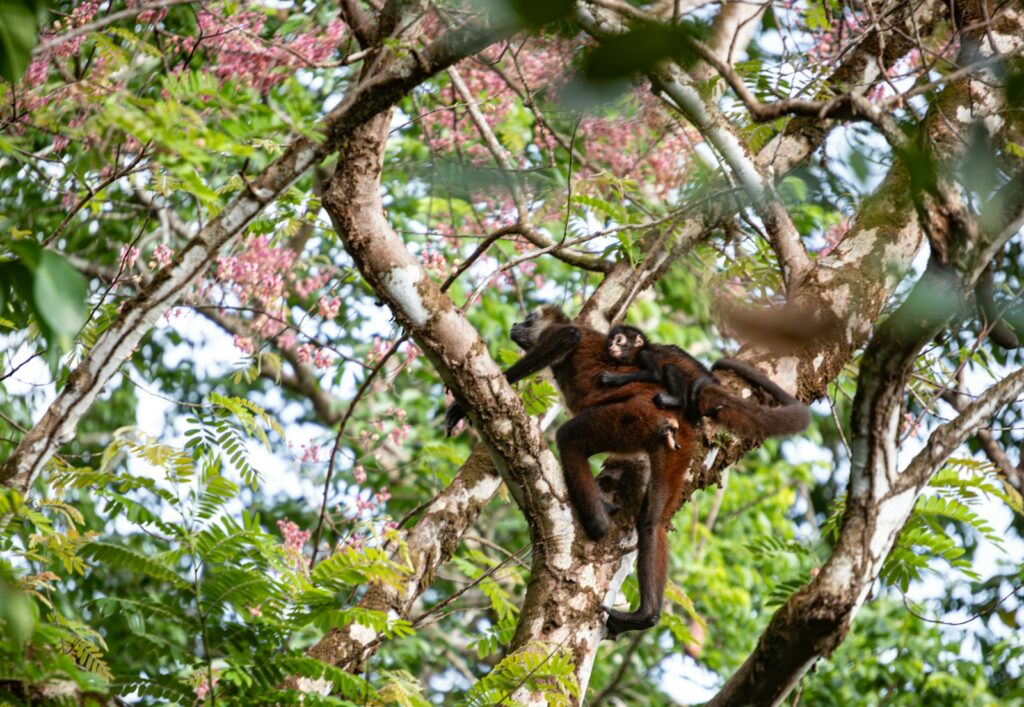
The proliferation of camera technology raises important ethical questions about wildlife monitoring that conscientious park managers must address. Privacy concerns emerge when cameras inadvertently capture images of indigenous people using traditional territories within park boundaries, requiring clear protocols for handling human images. The potential stress caused by camera flash on nocturnal species has prompted research into completely invisible infrared illumination systems that minimize behavioral disruption. Some conservationists worry that geotagged camera images shared on scientific platforms could inadvertently provide poachers with location data for rare species, leading to the development of metadata scrubbing procedures before public release. Park managers increasingly engage with ethicists and indigenous knowledge holders when designing monitoring programs to ensure cultural sensitivities and animal welfare concerns are properly addressed. These considerations highlight the need to balance technological capabilities with responsible implementation that respects both wildlife and human communities.
The Future of Camera Trap Technology in Conservation
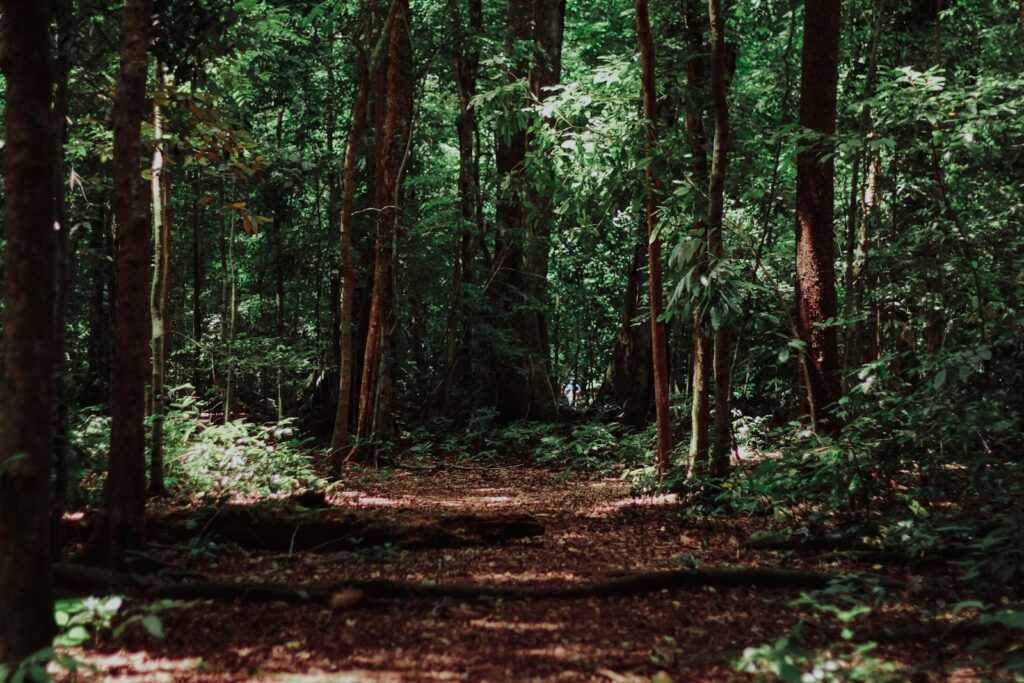
The next generation of wildlife monitoring technology promises to further transform how parks track and protect endangered species. Emerging innovations include acoustic triggers that activate cameras when specific animal calls are detected, dramatically improving capture rates for elusive species. Real-time analysis at the camera itself—known as edge computing—will allow devices to make intelligent decisions about what to record and transmit, conserving battery life and bandwidth. Integration with environmental DNA (eDNA) sampling stations could create comprehensive monitoring posts that document both visible animals and molecular evidence of species presence. Several parks are experimenting with drone-deployed camera networks that can rapidly establish monitoring grids in remote or disaster-affected areas without ground access. Perhaps most transformative is the development of open-source, low-cost camera systems specifically designed for resource-limited parks in biodiversity hotspots, democratizing access to this powerful conservation tool in regions where it’s most needed.
From their humble beginnings as novelty devices, camera traps have evolved into sophisticated conservation tools that fundamentally change how we study and protect endangered wildlife. Their unobtrusive nature provides an authentic window into animal behavior while their scalability allows coverage impossible through human observation alone. As parks worldwide face unprecedented conservation challenges from climate change, habitat fragmentation, and poaching, these silent sentinels stand as technological allies in the fight to preserve biodiversity. The insights they provide inform not just scientific understanding but practical management decisions that directly impact species survival. Through continued innovation and responsible implementation, hidden cameras will remain at the forefront of parks’ efforts to monitor, understand, and ultimately save the planet’s most vulnerable creatures for generations to come.