

In the enchanting wilderness of our planet, a complex dynamic exists between humans and wildlife. Many people harbor romantic notions about forming bonds with wild animals, imagining scenes reminiscent of Disney movies where creatures approach humans with trust and affection. Reality, however, paints a starkly different picture. Wildlife has evolved over millennia to be wary of potential predators and threats – a category in which humans firmly belong. This natural wariness isn’t simply unfriendliness but represents sophisticated survival mechanisms honed through evolutionary processes. In this article, we’ll explore the multifaceted reasons why wildlife doesn’t and shouldn’t see humans as friends, examining the biological, historical, and ecological factors that shape these critical boundaries between our species and the wild world around us.
Evolutionary Instincts and Survival Mechanisms

Wild animals have evolved sophisticated defense mechanisms over millions of years that help them survive in often harsh and dangerous environments. These instincts include an inherent wariness of unfamiliar species, especially larger ones that could potentially pose a threat. For prey animals, this caution is particularly pronounced, as their survival depends on detecting and avoiding predators. The human form – tall, bipedal, and moving in ways distinctly different from other animals – triggers innate alarm responses in most wildlife. Even predatory species exhibit caution around humans, as natural selection has favored individuals that avoid unnecessary risks and confrontations. These deeply ingrained survival mechanisms cannot simply be overridden by momentary kindness or food offerings from well-meaning humans.
The Long Shadow of Human Predation
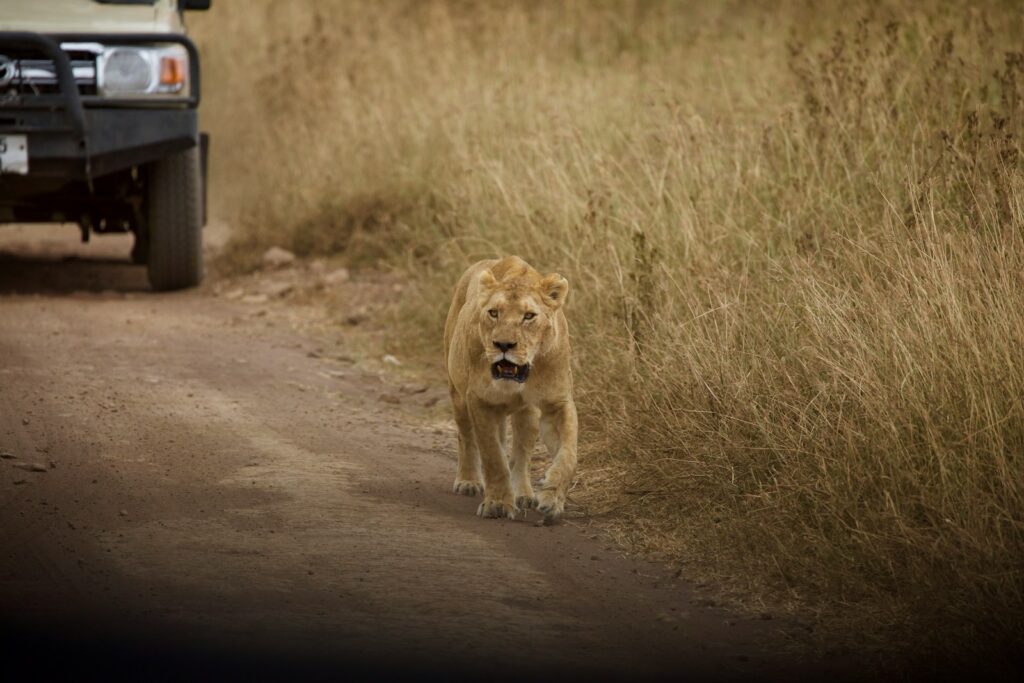
Throughout human history, our species has been one of the most effective predators the planet has ever known. For tens of thousands of years, humans have hunted wildlife for food, clothing, tools, and sport, establishing ourselves as apex predators in virtually every ecosystem we’ve inhabited. This long history of predation has been encoded into the collective evolutionary memory of many species. Animals that failed to fear humans were more likely to be killed, while those with genetic predispositions toward human avoidance survived to pass on their genes. In many regions of the world, this hunting pressure continues today, reinforcing the survival value of human avoidance. Even in protected areas where hunting is prohibited, wildlife often requires many generations to lose their wariness of humans, if they ever do at all.
Habitat Destruction and Human Encroachment
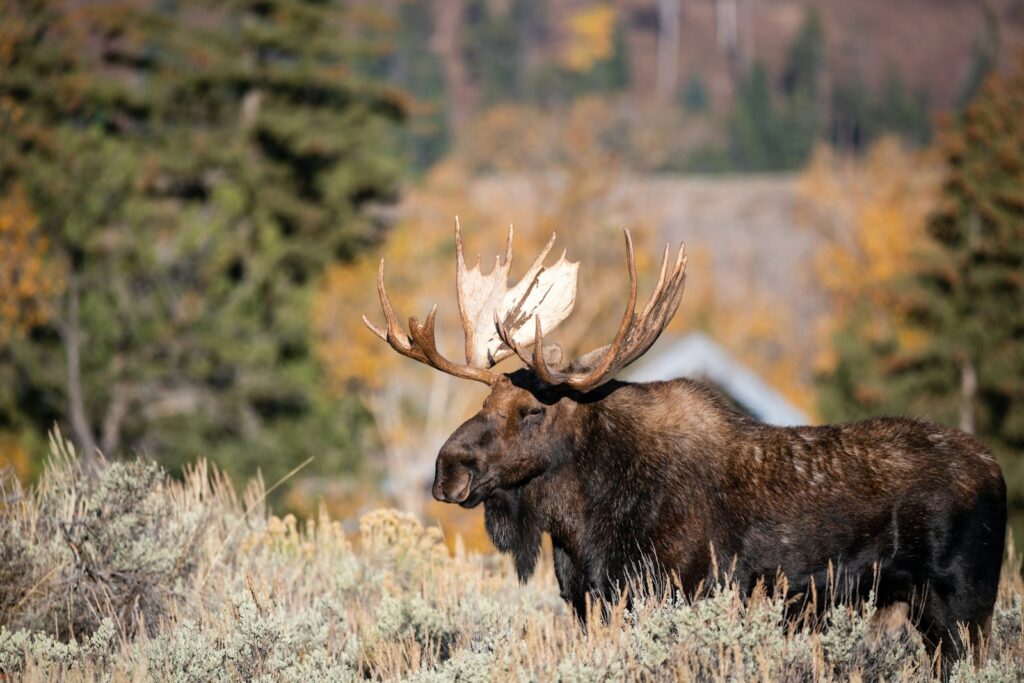
One of the most significant ways humans impact wildlife is through habitat destruction and fragmentation. As human populations expand, natural habitats are converted to agricultural land, urban developments, and infrastructure, forcing wildlife into increasingly small and isolated patches of suitable habitat. From the perspective of wild animals, humans represent the force that continuously diminishes their homes and resources. When forests are cleared, wetlands drained, or grasslands paved, wildlife experiences direct negative consequences. These experiences reinforce the association between human presence and threat, as animals witness their homes disappearing under the advance of human activity. The stress and displacement caused by habitat loss further cements wildlife’s perception of humans as dangers rather than potential allies.
Chemical and Sensory Differences
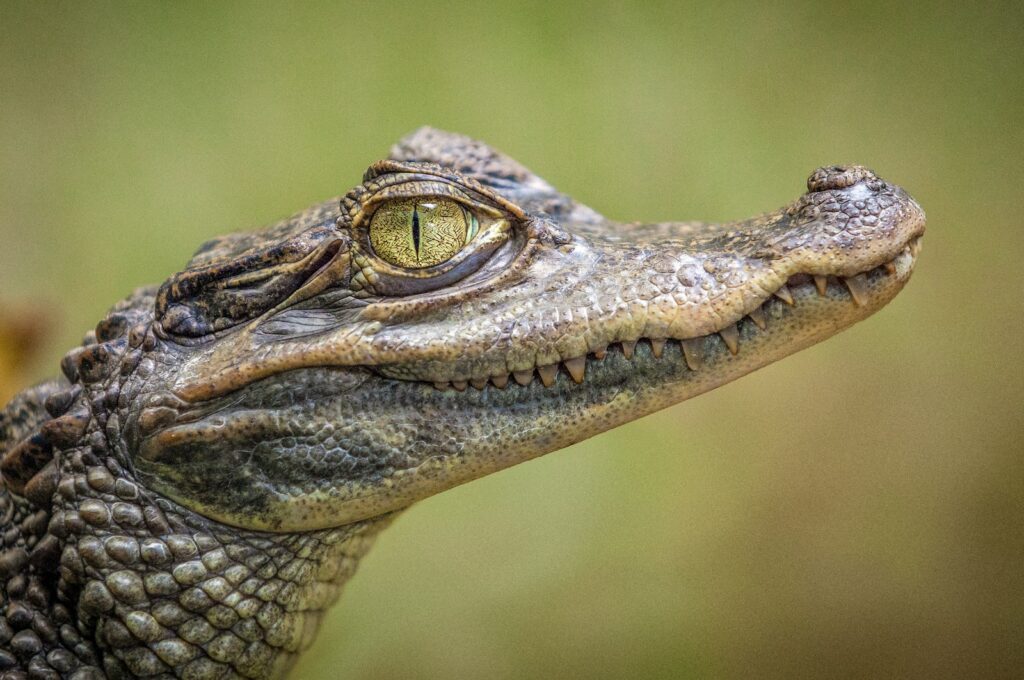
The sensory world of wildlife differs dramatically from our own, with many species possessing olfactory, auditory, or visual capabilities far exceeding human senses. To many animals, humans emit a distinctive and often alarming scent profile that immediately identifies us as different and potentially threatening. Our use of artificial scents like perfumes, laundry detergents, and food residues creates complex chemical signatures that wildlife finds foreign and disturbing. Additionally, the sounds associated with humans—from our voices to our vehicles and technology—register as unnatural intrusions in the sensory landscape of wild animals. These sensory differences create fundamental barriers to mutual understanding and comfort, as wildlife processes our presence through sensory systems evolved to detect anomalies and potential threats in their environment.
The Dangers of Food Conditioning
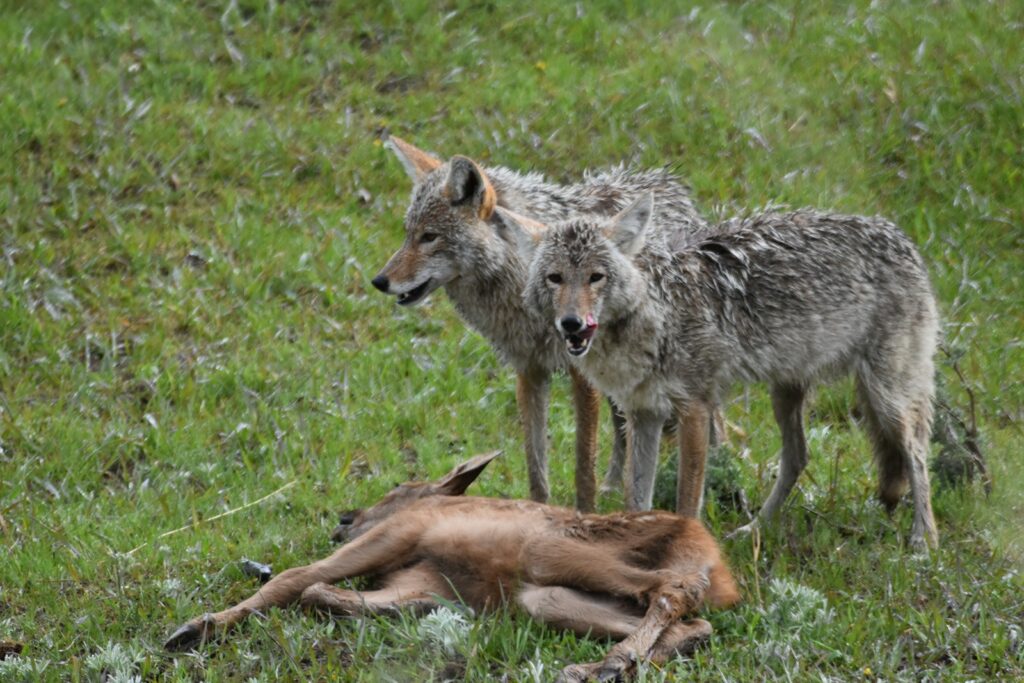
When humans attempt to befriend wildlife through feeding, they initiate a dangerous process known as food conditioning. This occurs when wild animals learn to associate humans with food rewards, gradually losing their natural wariness and becoming increasingly bold in seeking human handouts. While this might seem like successful “friendship-building” initially, the consequences can be devastating for both animals and people. Food-conditioned wildlife often becomes aggressive when expectations for food aren’t met, leading to potentially dangerous confrontations. Additionally, animals that seek human food frequently consume items nutritionally inappropriate or even toxic to their systems. Perhaps most tragically, animals that lose their fear of humans often meet early deaths through vehicle collisions, conflict situations, or euthanasia by wildlife management agencies when they become nuisances or threats to human safety.
Different Communication Systems
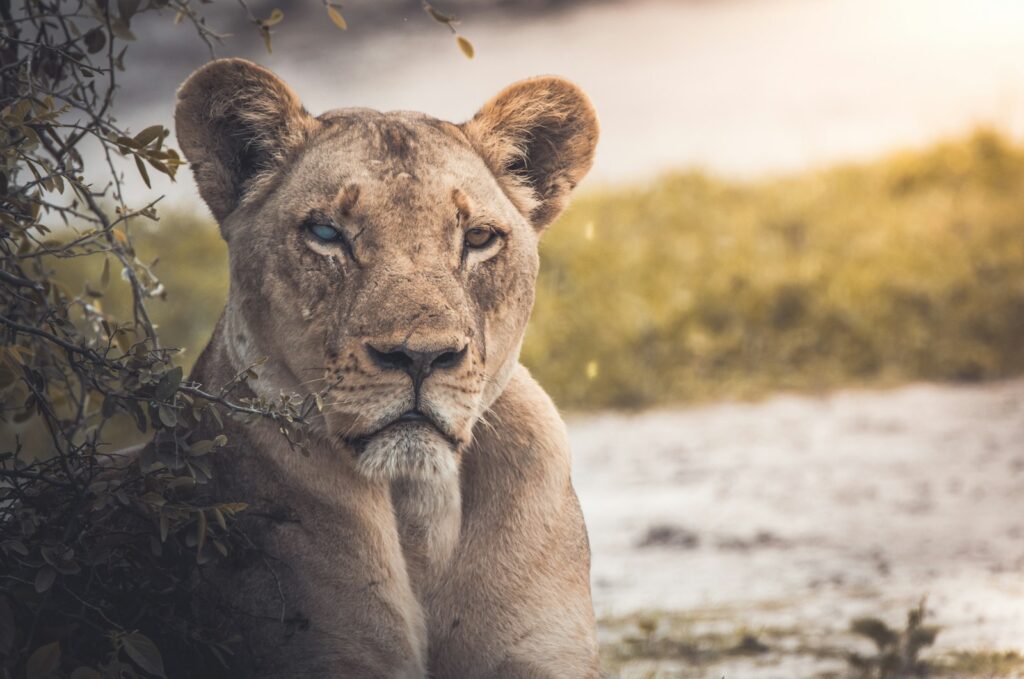
Humans and wildlife operate on fundamentally different communication frequencies, creating a chasm of misunderstanding between our species. Wild animals communicate through complex systems of vocalizations, body postures, scent markings, and behaviors that have evolved specifically for intraspecies communication. When humans attempt to interact with wildlife, our actions and intentions are frequently misinterpreted through the lens of animal communication systems. A friendly human approach might be perceived as a territorial threat, while direct eye contact—a sign of attention and interest for humans—registers as an aggressive challenge to many species. Even well-intentioned human behaviors like reaching out to touch an animal can trigger defensive responses because they mimic predatory movements. This communication gap makes genuine friendship impossible, as we literally speak different languages with our bodies and behaviors.
Disease Transmission Concerns
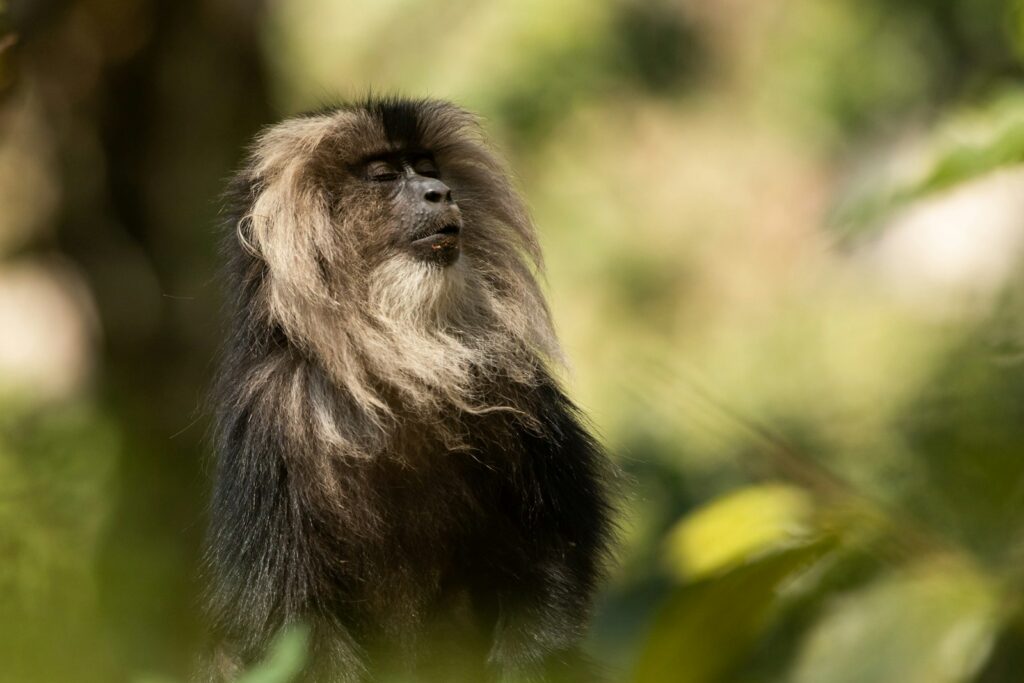
Close contact between humans and wildlife creates dangerous opportunities for zoonotic disease transmission in both directions. Wildlife carries numerous pathogens that can cross species barriers to infect humans, including rabies, hantavirus, and various bacterial infections. Conversely, humans can transmit diseases to wildlife, potentially devastating populations with no natural immunity to these novel pathogens. The COVID-19 pandemic powerfully illustrated the dangers of wildlife-human disease interfaces, reminding us that maintaining appropriate boundaries benefits both parties. From an evolutionary perspective, animals that maintain distance from other species reduce their exposure to novel pathogens, making avoidance of close contact with humans an adaptive strategy. Wildlife rehabilitation experts and researchers who work with animals take extensive precautions precisely because of these disease risks, highlighting that casual interactions pose unnecessary health hazards.
The Energy Economics of Wild Animals
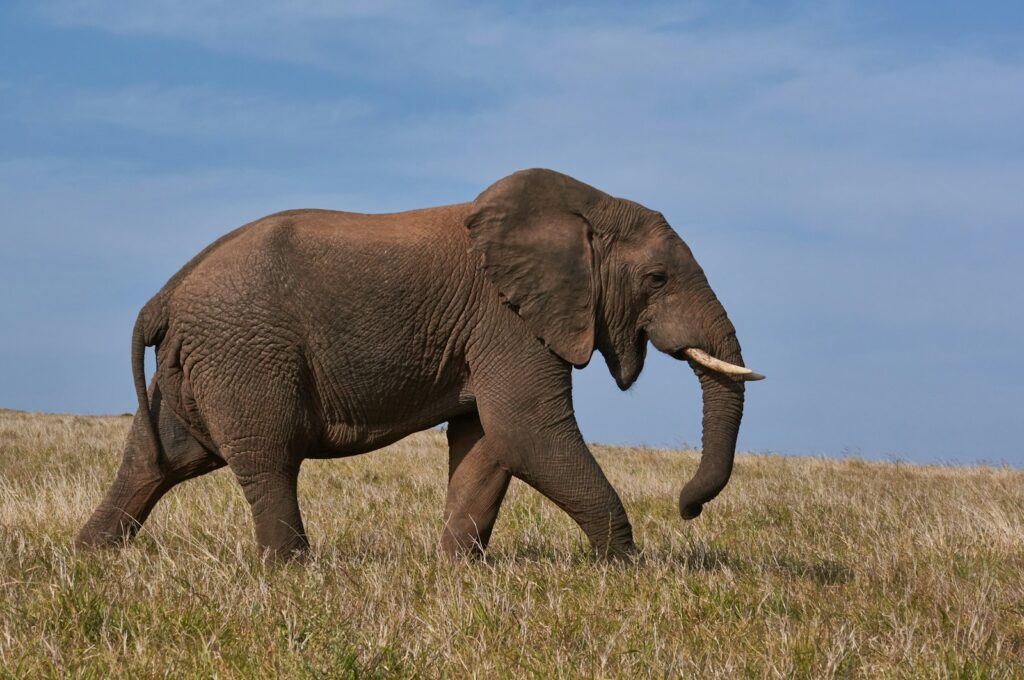
Wildlife operates under strict energy budgets that shape every aspect of their behavior and decision-making. In the wild, animals must carefully balance energy expenditure against energy intake, avoiding unnecessary activities that consume precious calories. Interacting with novel entities like humans represents a potentially costly expenditure of energy with uncertain benefits and significant risks. From a purely economic perspective of survival, avoiding unknown situations conserves energy and reduces risk. Additionally, stress responses triggered by human presence increase metabolic demands on animals, potentially compromising their ability to hunt, forage, or survive harsh conditions. For many species, particularly in challenging seasons like winter or drought, these energy economics make human avoidance the only sensible strategy for survival.
Impact of Human-Wildlife Conflict
Throughout the world, conflicts between humans and wildlife create patterns of antagonism that reinforce mutual wariness. When predators like wolves or tigers attack livestock, retaliatory killings often follow, teaching surviving animals that humans represent mortal danger. Similarly, when elephants raid crops or bears break into homes seeking food, negative encounters with humans typically result. These conflict situations create learned associations that pass through both genetic selection and cultural transmission within animal populations. In regions with high human-wildlife conflict, animals display heightened avoidance behaviors and stress responses to human presence. The historical memory of conflict exists within animal populations just as it does in human communities, shaping interaction patterns across generations and creating deep-seated wariness that cannot be easily overcome.
Psychological Well-being of Wildlife
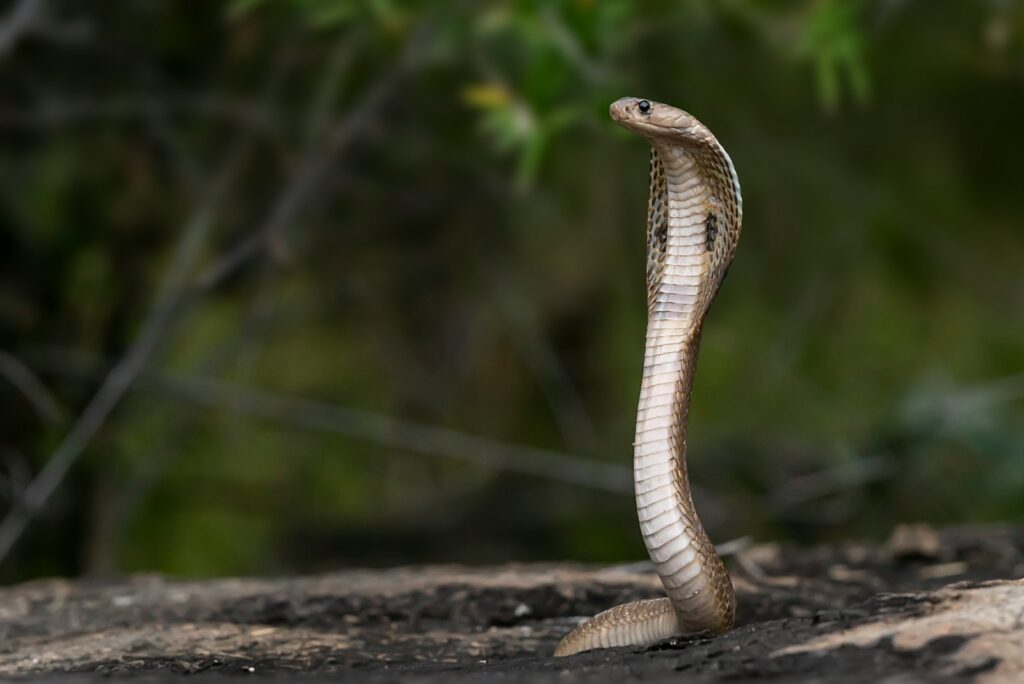
Wild animals experience optimal psychological health when they can express natural behaviors in appropriate environments without human interference. Forced or artificial interactions with humans often create significant stress that compromises animal welfare, even when the humans have benign intentions. Studies measuring stress hormones in wildlife consistently show elevated levels when animals are exposed to human presence, indicating physiological responses similar to those experienced during predator encounters. For territorial species, human incursion represents a potential threat to resources and security. Even habituated animals that appear comfortable around humans typically show subtle signs of compromised welfare, including altered activity patterns, reduced reproductive success, and behavioral abnormalities. Respecting wildlife’s need for psychological space represents true compassion, rather than forcing unwanted interactions for human gratification.
The Exception of Domestication
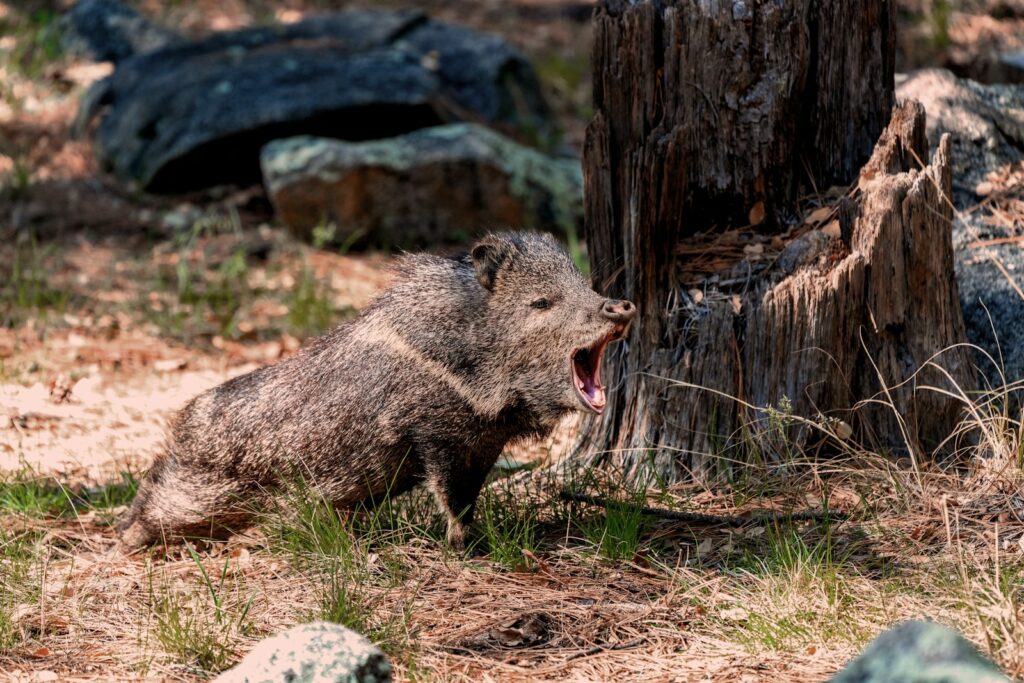
Domesticated animals like dogs and cats provide a striking contrast to wildlife in their relationships with humans, having undergone thousands of years of selective breeding specifically for human companionship. This process involved selecting individuals with reduced fear responses, increased sociability toward humans, and psychological neoteny (retention of juvenile traits into adulthood). The genetic and neurological differences between domesticated animals and their wild counterparts are substantial, affecting everything from stress hormone production to brain structure and social cognition. These changes didn’t happen naturally but required intensive human intervention over countless generations. The successful companionship we enjoy with domesticated animals actually highlights why true friendship with wildlife is neither possible nor appropriate—it would require overriding millions of years of evolution that has shaped wildlife to survive independently of human interaction.
Ethical Wildlife Viewing and Appreciation
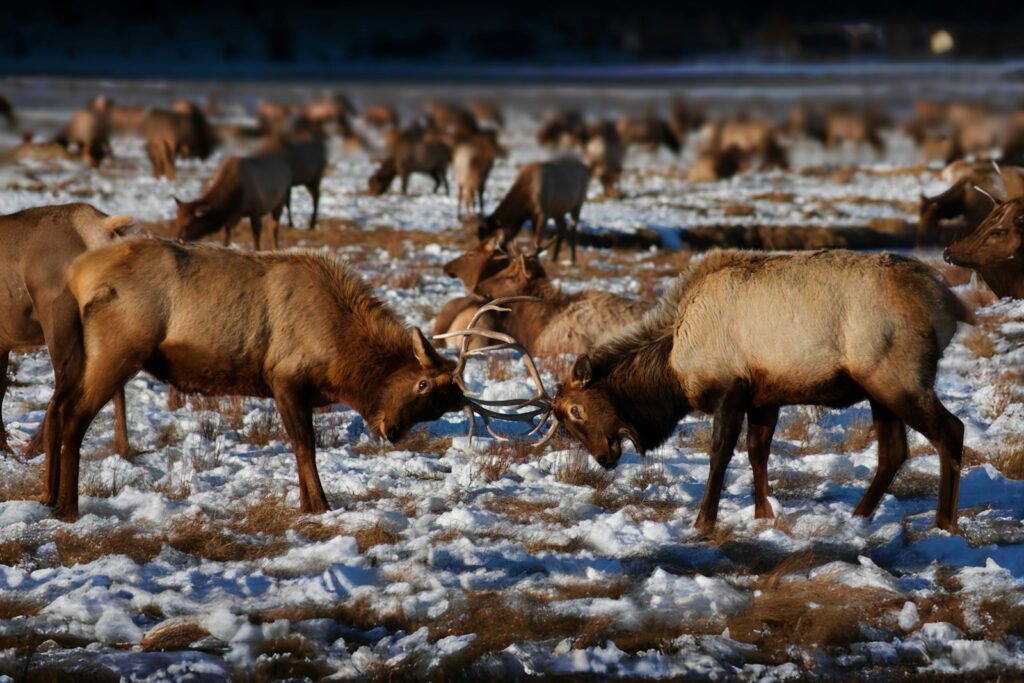
Recognizing that wildlife doesn’t see humans as friends doesn’t diminish our ability to appreciate and connect with wild animals—it simply changes how we approach these relationships. Ethical wildlife viewing involves maintaining appropriate distances, using tools like binoculars or telephoto lenses to observe without disturbing, and prioritizing animal welfare over photo opportunities or close encounters. When we respect natural boundaries, we often witness more authentic behaviors and gain deeper insights into animals’ natural lives. Conservation psychology research suggests that meaningful connections with wildlife can form through respectful observation that acknowledges and honors the wildness of these creatures. This ethical approach creates a foundation for genuine appreciation based on understanding and respect rather than imposing anthropomorphic expectations of friendship. By learning to value wildlife on its own terms, we develop a more mature and meaningful connection to the natural world.
Conclusion
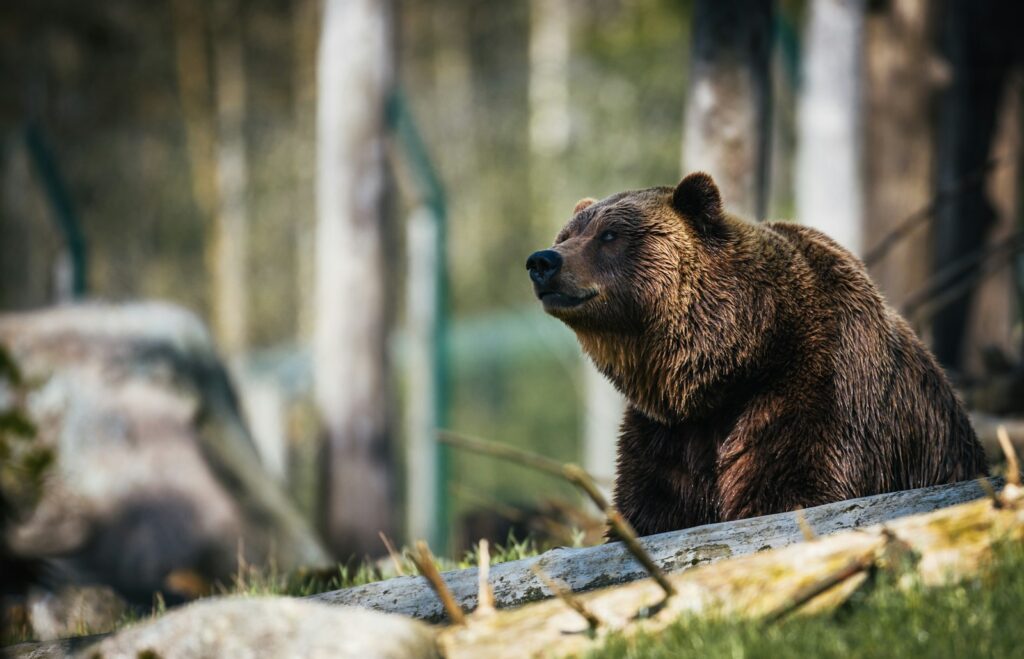
The notion that wildlife should or could see humans as friends represents a fundamental misunderstanding of animal biology, ecology, and evolutionary history. The boundaries between humans and wildlife exist for profound reasons that benefit both parties. Wild animals’ wariness of humans represents not hostility but sophisticated adaptation—the culmination of millions of years of evolution optimized for survival in complex and often dangerous environments. As we continue to share this planet with countless wild species, our responsibility lies not in attempting to befriend wildlife but in respecting their autonomy, preserving their habitats, and minimizing our disruptive impact on their lives. True appreciation for wildlife means accepting and honoring the natural boundaries that define our relationships with these remarkable beings, allowing them to remain truly wild in a world increasingly shaped by human influence.