

In the vast wilderness of our national parks and protected areas, park rangers employ a variety of methods to monitor wildlife populations and ecosystem health. Among these techniques, one of the most valuable yet often overlooked approaches is the tracking and analysis of animal scat (feces). This seemingly unglamorous aspect of wildlife management provides rangers with a treasure trove of information about animal populations, behaviors, health status, and ecosystem dynamics. Without having to disturb or directly observe elusive wildlife, rangers can gather critical data that informs conservation efforts, visitor safety protocols, and scientific research. The study of animal droppings has evolved into a sophisticated science that combines field techniques with laboratory analysis, offering insights that might otherwise remain hidden in the depths of the forest.
The Fundamentals of Scat Identification

Park rangers develop remarkable expertise in identifying which animal produced a particular dropping based on size, shape, content, and location. Deer scat typically appears as small pellets in clusters, while bear droppings resemble large cylindrical segments often containing visible berry seeds or fur. Coyote and fox scat frequently contains hair and bone fragments and usually has tapered ends. Rabbit droppings are distinctive small, round pellets often found in groupings. This identification skill takes years to master but becomes second nature to experienced rangers who can often determine not just the species but sometimes even the individual animal based on subtle characteristics in the scat.
Population Monitoring Without Disturbance

One of the primary reasons rangers track scat is that it provides a non-invasive method to monitor wildlife populations. Traditional wildlife counting methods like trapping or direct observation can stress animals and alter their natural behaviors. Scat surveys, however, allow rangers to estimate population density and distribution without ever seeing the animals themselves. By establishing transect lines through habitat areas and counting scat along these routes, rangers can develop mathematical models to estimate population sizes. This technique proves especially valuable for monitoring endangered or threatened species that might be particularly sensitive to human presence.
Dietary Analysis Reveals Ecosystem Health

Animal droppings contain a wealth of information about what creatures are eating, offering rangers insight into food web dynamics and resource availability. By examining bear scat, for instance, rangers can determine whether bears are finding adequate natural food sources or if they’re being drawn to human foods, which might indicate a potential conflict situation. Herbivore scat can reveal which plant species are being consumed, helping rangers understand grazing patterns and vegetation impacts. Predator scat containing bones, fur, or feathers helps document which prey species are being hunted. These dietary insights paint a comprehensive picture of ecosystem health and function that informs management decisions.
DNA Extraction and Individual Identification

Modern scientific techniques have revolutionized what rangers can learn from scat. The outer layer of animal droppings contains cells shed from the intestinal lining, providing a source of DNA that can be extracted and analyzed. This genetic material allows scientists to identify not just the species but often the specific individual animal that left the dropping. DNA analysis enables rangers to create “capture-recapture” studies without ever actually capturing animals. By collecting scat samples over time and matching DNA profiles, rangers can track individual movements, estimate population sizes, and even construct family trees showing relationships between animals within a population.
Tracking Animal Movement Patterns

The distribution of scat across a landscape tells rangers where animals are spending their time and how they’re moving through their habitat. Fresh droppings indicate recent animal presence, while scat accumulations suggest frequently used areas like bedding sites, feeding grounds, or travel corridors. Rangers often map scat locations using GPS coordinates, building detailed pictures of territory boundaries and seasonal movement patterns. This spatial information helps identify critical habitats that might need special protection or areas where wildlife frequently crosses roads, informing decisions about wildlife crossing structures to reduce vehicle collisions.
Health Assessment and Disease Monitoring

Animal droppings provide valuable indicators of wildlife health and can serve as an early warning system for disease outbreaks. Parasites and their eggs are often visible in scat under microscopic examination, allowing rangers to monitor parasite loads in wildlife populations. Abnormal droppings might indicate digestive problems, infections, or other health issues affecting an animal. During disease outbreaks like chronic wasting disease in deer or white-nose syndrome in bats, scat analysis helps rangers track the spread of pathogens through wildlife populations. Some diseases can jump from wildlife to humans or domestic animals, making this health monitoring crucial for public safety as well as wildlife conservation.
Hormone Analysis and Stress Monitoring
Sophisticated laboratory techniques allow rangers to measure hormone levels in animal scat, providing insights into stress levels, reproductive status, and physiological condition. Cortisol levels in droppings indicate whether animals are experiencing chronic stress, which might be caused by human disturbances, habitat changes, or competition. Reproductive hormones reveal breeding cycles and pregnancy status, helping rangers understand population dynamics. These non-invasive hormone measurements are particularly valuable for endangered species, where traditional methods of capturing animals for blood samples might be too risky or disruptive. By tracking hormone levels over time, rangers can assess how environmental changes or management actions affect wildlife well-being.
Visitor Safety and Conflict Prevention

Fresh predator scat along trails serves as an important safety indicator for park rangers monitoring potential human-wildlife conflict zones. The presence of bear or mountain lion droppings near campgrounds or popular hiking routes alerts rangers to increase visitor education efforts or potentially close certain areas temporarily. Scat containing human food packaging or garbage might indicate an animal becoming habituated to human sources of food, a dangerous situation that often leads to problem encounters. By proactively monitoring scat distribution, rangers can identify emerging conflict patterns before serious incidents occur and implement targeted management responses like increased food storage requirements or temporary area closures.
Seasonal Patterns and Climate Change Indicators

The content of animal scat changes seasonally as food sources shift, providing rangers with insights into natural cycles and potential disruptions. Berry seeds appearing in bear scat earlier than normal might indicate shifting plant phenology due to climate change. The absence of certain food items during traditional peak seasons could signal food shortages or habitat changes affecting wildlife. Long-term scat monitoring programs allow rangers to document these shifting patterns over decades, creating valuable datasets for understanding ecosystem responses to climate change. These observations help park managers develop adaptive strategies to support wildlife facing changing environmental conditions.
Scat Surveys as Citizen Science Opportunities
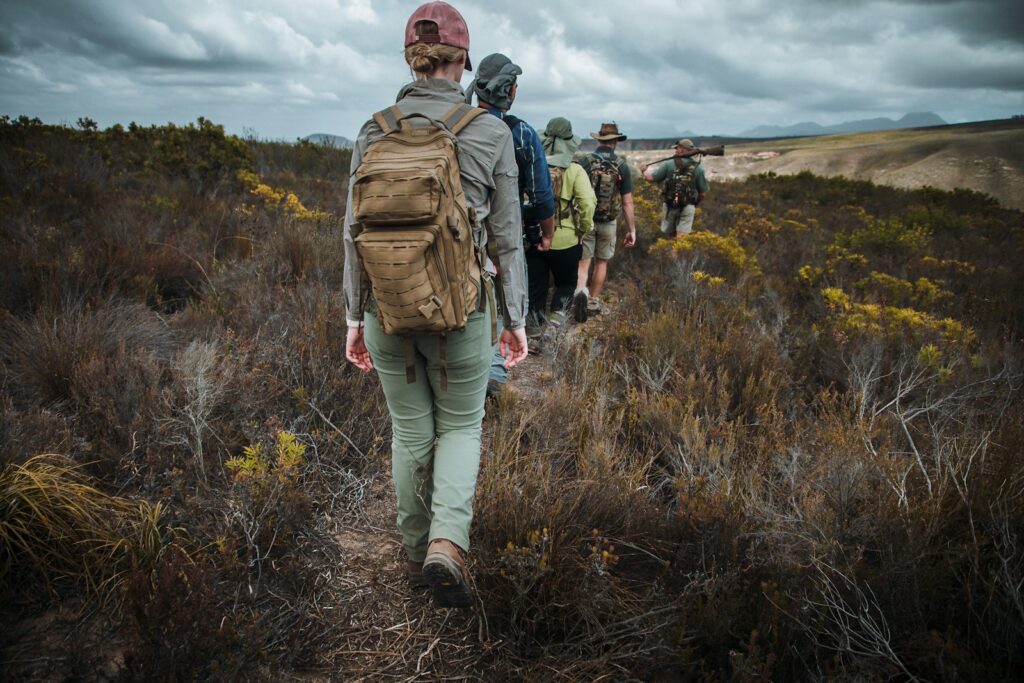
Many park systems now engage visitors in citizen science programs focused on scat identification and recording. These programs train interested park visitors to recognize common animal droppings and report sightings using standardized protocols and smartphone apps. The collective observations of hundreds of hikers can generate impressive datasets that would be impossible for rangers to collect alone. These citizen science initiatives serve dual purposes: gathering valuable ecological data while simultaneously educating the public about wildlife biology and conservation. Participants typically develop greater appreciation for the complexity of ecosystem management and become advocates for science-based conservation approaches.
Advanced Laboratory Techniques in Scat Analysis

Modern wildlife scat analysis extends far beyond visual examination, incorporating sophisticated laboratory methods that extract maximum information. Mass spectrometry can identify chemical compounds in droppings that reveal detailed dietary components down to specific plant species consumed. Environmental DNA techniques can detect traces of prey species or environmental contaminants present in predator scat. Microbiome analysis examines the community of microorganisms in animal droppings, providing insights into digestive health and adaptation to different food sources. These advanced analytical approaches transform simple droppings into comprehensive biological datasets that inform scientific understanding of wildlife ecology and health.
Challenges and Limitations in Scat Tracking

Despite its many advantages, scat tracking presents rangers with significant challenges that require careful methodology. Environmental conditions like rain, snow, or extreme heat can rapidly degrade droppings, destroying valuable information and making accurate aging difficult. Misidentification remains a persistent concern, particularly with similar-looking scat from related species like coyotes and foxes. Sample collection for laboratory analysis must follow strict protocols to prevent contamination or DNA degradation. Additionally, scat surveys in dense vegetation or vast wilderness areas present logistical challenges requiring significant time and resources. Rangers must account for these limitations when designing monitoring programs and interpreting results, often using multiple complementary methods to build a complete picture of wildlife populations.
The Future of Wildlife Scat Analysis
The field of wildlife scat analysis continues to evolve with technological advances creating new possibilities for conservation insights. Portable DNA sequencers now allow for field-based genetic analysis, providing immediate species confirmation without laboratory delays. Artificial intelligence algorithms are being developed to automatically identify scat from trail camera images, creating efficient monitoring systems. Chemical sensors that can detect specific compounds in animal droppings may soon enable automated scat monitoring stations throughout parks. As these technologies mature, rangers will gain increasingly detailed and real-time information about wildlife populations, enhancing their ability to make informed conservation decisions and protect both wildlife and park visitors.
Conclusion

The tracking and analysis of animal scat represents one of the most valuable yet underappreciated tools in a park ranger’s wildlife management toolkit. This non-invasive approach provides critical insights into population dynamics, animal health, ecosystem functioning, and potential human-wildlife conflicts without disturbing the very creatures rangers are working to protect. From simple field identification to sophisticated laboratory analysis extracting DNA, hormones, and dietary information, scat studies have evolved into a multifaceted scientific discipline. As technology advances and citizen science initiatives expand, the humble animal dropping will continue to yield increasingly valuable data that shapes conservation strategies, informs visitor safety protocols, and deepens our understanding of the complex ecological relationships within our protected natural areas.