

America’s vast landscape was once a continuous tapestry of wilderness, allowing animals to migrate, disperse, and maintain healthy populations. However, decades of development have fragmented these wild spaces, creating isolated islands of habitat. Today, an innovative conservation approach is gaining momentum across the country: wildlife corridors. These connected pathways are breathing new life into our ecosystem management strategies, offering hope for countless species struggling to navigate our human-dominated landscape. From local grassroots efforts to ambitious interstate initiatives, wildlife corridors are reshaping conservation in America, reconnecting habitats and revitalizing biodiversity in remarkable ways.
The Fragmentation Crisis in American Wildlands
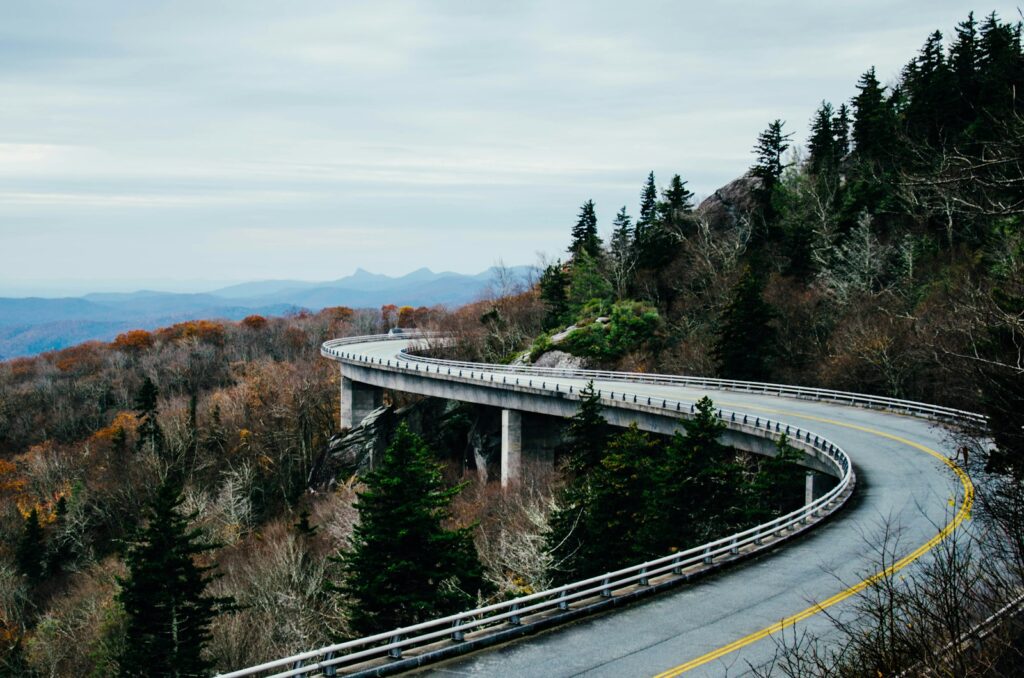
The American landscape has undergone dramatic transformation over the past two centuries, with roads, urban development, and agricultural expansion carving up once-continuous habitats into isolated fragments. Nearly 70% of forest cover in the contiguous United States exists within 0.6 miles of a forest edge, exposing wildlife to human disturbances and creating barriers to movement. These divisions have profound consequences for wildlife, preventing seasonal migrations, limiting access to food and mates, and creating genetic bottlenecks in isolated populations. The resulting phenomenon, known as habitat fragmentation, ranks among the leading threats to biodiversity in North America, with particularly devastating impacts on large mammals, migratory birds, and amphibians that require connected landscapes to thrive.
Understanding Wildlife Corridors: Nature’s Highways
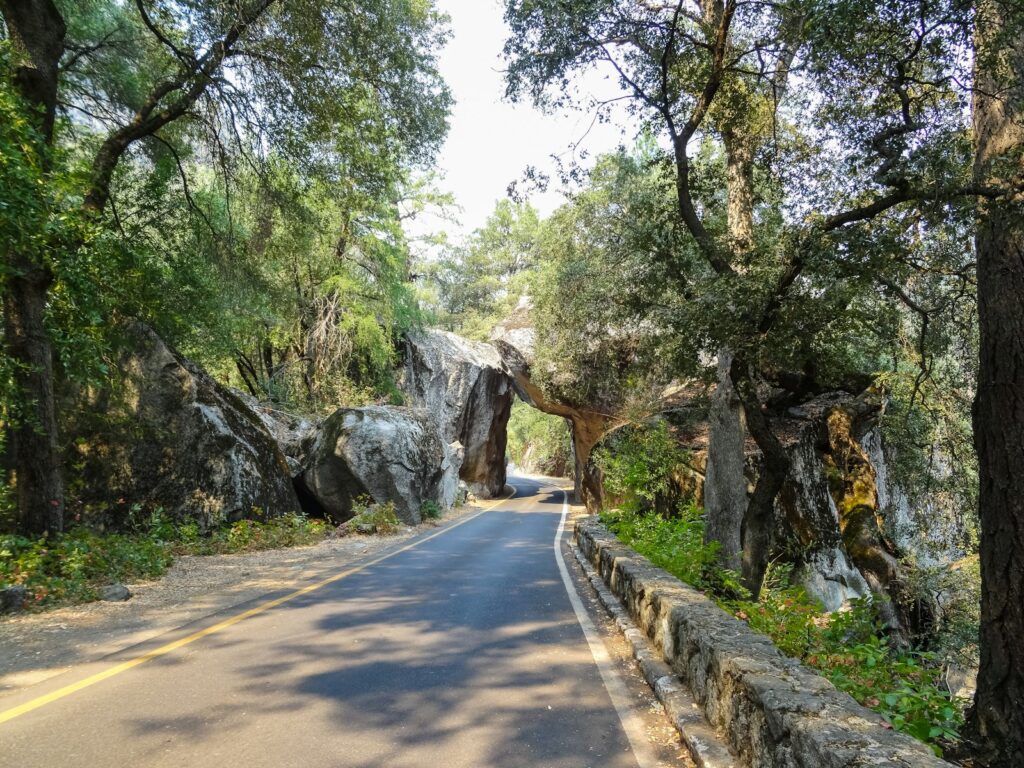
Wildlife corridors are protected pathways that connect fragmented habitats, allowing animals to move safely across landscapes that would otherwise be inhospitable or dangerous. These corridors come in various forms, from narrow strips of forest connecting larger protected areas to broad swaths of semi-wild lands that facilitate seasonal migrations. The concept draws inspiration from natural animal movement patterns, essentially creating highways for wildlife that bypass or safely traverse human infrastructure. Successful corridors must account for the specific needs of target species, including appropriate vegetation, water sources, and adequate protection from human disturbance. Unlike isolated conservation areas, corridors function as dynamic zones of movement and interaction, serving not just as passages but as vital ecological connections that maintain the functional integrity of entire ecosystems.
The Science Behind Corridor Effectiveness

Research consistently demonstrates that well-designed wildlife corridors deliver measurable conservation benefits across diverse landscapes. Studies using GPS tracking, camera traps, and genetic analysis have documented increased movement rates, improved genetic diversity, and enhanced population resilience in areas connected by corridors. One landmark 2018 study in the journal Science found that habitat patches connected by corridors retained approximately 14% more species than isolated patches of the same size. The effectiveness of corridors varies by species, with large mammals like mountain lions showing particularly strong positive responses to landscape connectivity. Scientific monitoring has also revealed that corridors function as more than simple travel paths—they often serve as habitat in their own right, supporting breeding populations and providing crucial resources during climate shifts or natural disasters that affect primary habitat areas.
Flagship Projects: The Yellowstone to Yukon Conservation Initiative

The Yellowstone to Yukon Conservation Initiative (Y2Y) stands as North America’s most ambitious corridor project, aiming to create and maintain connectivity across a 2,000-mile stretch of the Rocky Mountains from Yellowstone National Park to Canada’s Yukon Territory. Since its inception in 1993, Y2Y has helped protect or enhance connectivity across more than 500,000 square miles of critical habitat, benefiting iconic species like grizzly bears, wolves, and wolverines. The initiative combines land purchases, conservation easements, wildlife crossing structures, and policy advocacy to create a coherent network of protected areas and connecting corridors. Y2Y’s success stems from its collaborative approach, bringing together more than 300 organizations, government agencies, indigenous communities, and private landowners around a shared vision of landscape connectivity. This model has inspired similar large-scale corridor initiatives across North America, demonstrating the power of thinking beyond isolated protected areas to whole-landscape conservation.
Wildlife Crossings: Engineering Solutions for Deadly Roads
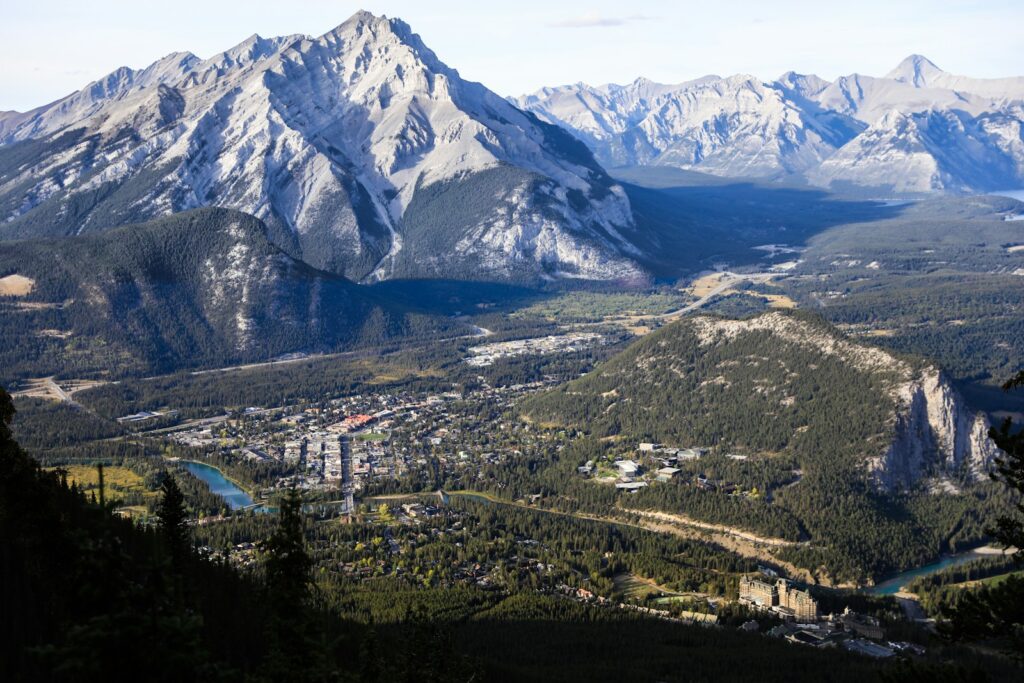
Roads represent one of the most lethal and impermeable barriers for wildlife, with vehicle collisions killing an estimated one million vertebrates daily in the United States alone. Wildlife crossing structures—including overpasses, underpasses, culverts, and fencing systems—offer engineered solutions to this crisis, allowing animals to safely traverse roadways. The Banff National Park wildlife overpasses in Alberta, Canada, have reduced wildlife-vehicle collisions by more than 80% and facilitated over 200,000 documented animal crossings since their installation. Similar success has been seen at crossings throughout the United States, with Florida’s panther underpasses helping the endangered population rebound from the brink of extinction. These structures are increasingly incorporating biologically appropriate design elements, such as native vegetation and noise-reducing features, to maximize usage by target species. The Infrastructure Investment and Jobs Act passed in 2021 allocated $350 million specifically for wildlife crossing projects across America, representing unprecedented federal investment in connectivity solutions.
Urban Wildlife Corridors: Green Threads Through the Concrete Jungle
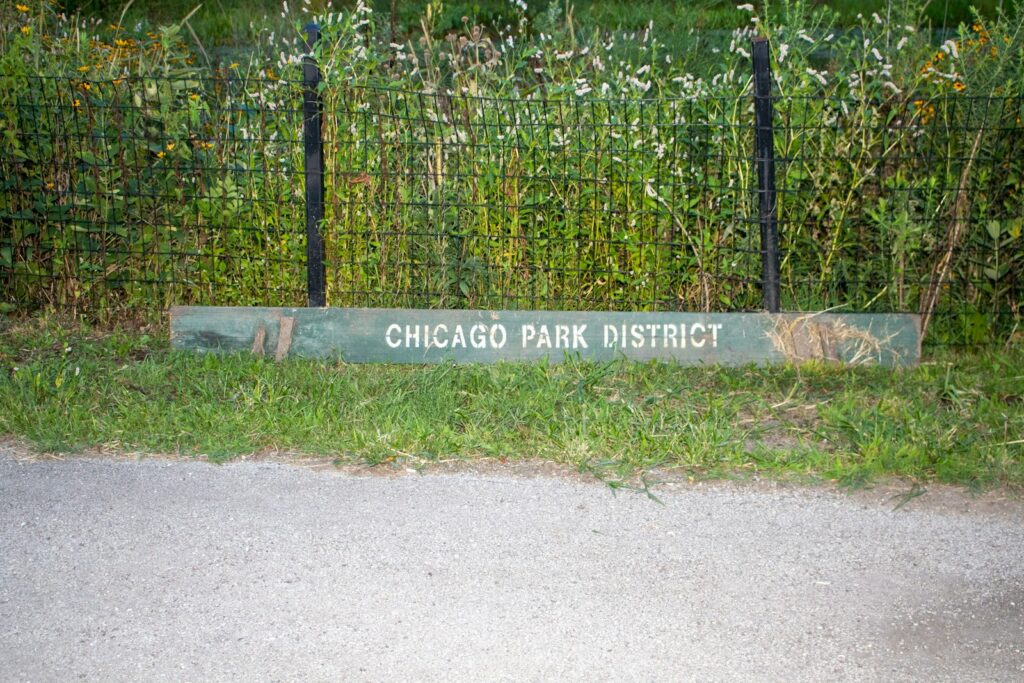
Wildlife corridors aren’t limited to wilderness areas—they’re increasingly being implemented within and around urban environments to maintain biodiversity in human-dominated landscapes. Cities like Seattle, Washington have created urban wildlife corridor networks that connect parks, greenbelts, and natural areas with vegetated pathways, backyard habitat programs, and stream restoration projects. These urban corridors serve multiple species, from pollinators like butterflies to medium-sized mammals such as coyotes and bobcats that have adapted to life on the urban fringe. The Chicago Wilderness initiative has created a regional conservation plan connecting more than 370,000 acres of protected natural areas through the metropolitan region, benefiting both wildlife and human residents who gain improved access to nature. Urban corridors often deliver additional benefits beyond wildlife connectivity, including improved air quality, stormwater management, and increased property values for adjacent neighborhoods.
Riparian Corridors: Rivers as Lifelines for Biodiversity
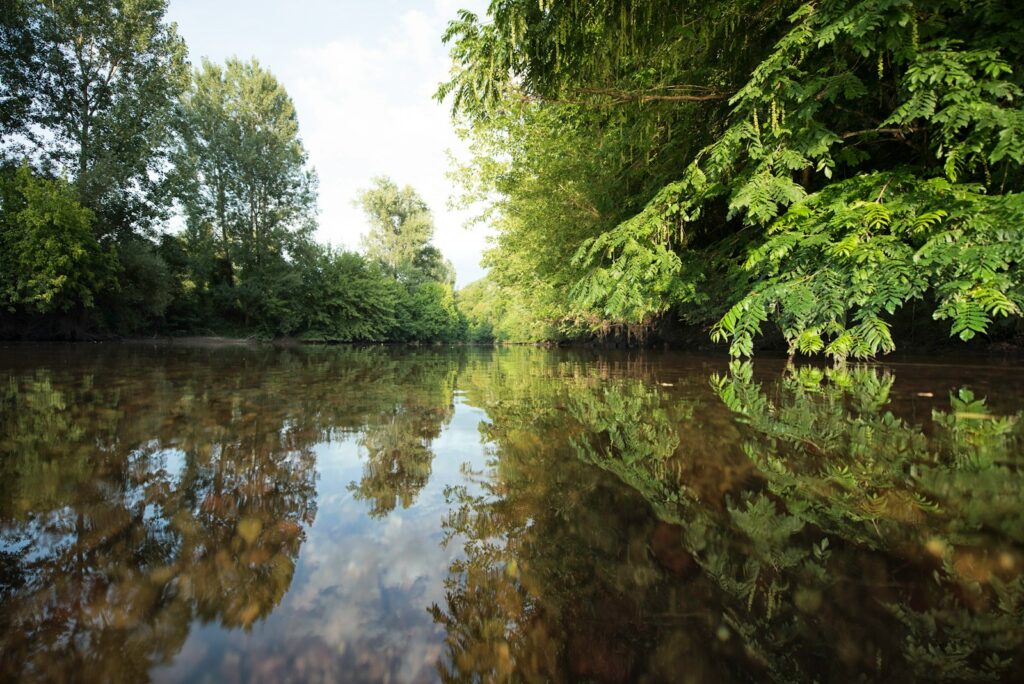
River systems naturally function as corridors through landscapes, with their riparian zones (the vegetated areas along waterways) serving as critical movement pathways for countless species. Organizations like American Rivers have championed the protection and restoration of these riparian corridors, which can provide connectivity even through heavily developed regions. The Connecticut River watershed initiative has created a continuous riparian corridor spanning four states, benefiting everything from migratory fish to terrestrial mammals that use the river corridor for movement. These riparian corridors are particularly valuable in arid regions like the American Southwest, where they concentrate biodiversity and provide essential resources in water-limited landscapes. Protecting and restoring riparian corridors often involves removing invasive species, replanting native vegetation, and establishing buffer zones that shield these sensitive areas from development and agricultural runoff.
Working Lands as Wildlife Corridors

Private agricultural and forest lands comprise approximately 60% of the United States, making them essential components of any comprehensive connectivity strategy. A growing movement of “working lands conservation” aims to maintain wildlife corridor functionality on productive landscapes through modified management practices. Programs like the USDA’s Conservation Reserve Program provide financial incentives for farmers to maintain wildlife-friendly features such as hedgerows, windbreaks, and riparian buffers that facilitate animal movement through agricultural matrices. The American Prairie Reserve in Montana works with ranchers to implement wildlife-friendly practices like removing unnecessary fencing and using grazing patterns that mimic historical bison movements. These approaches recognize that complete protection isn’t always necessary or feasible—many species can navigate through working landscapes if certain key habitat elements and safe passage opportunities are maintained.
Corridors for Climate Resilience
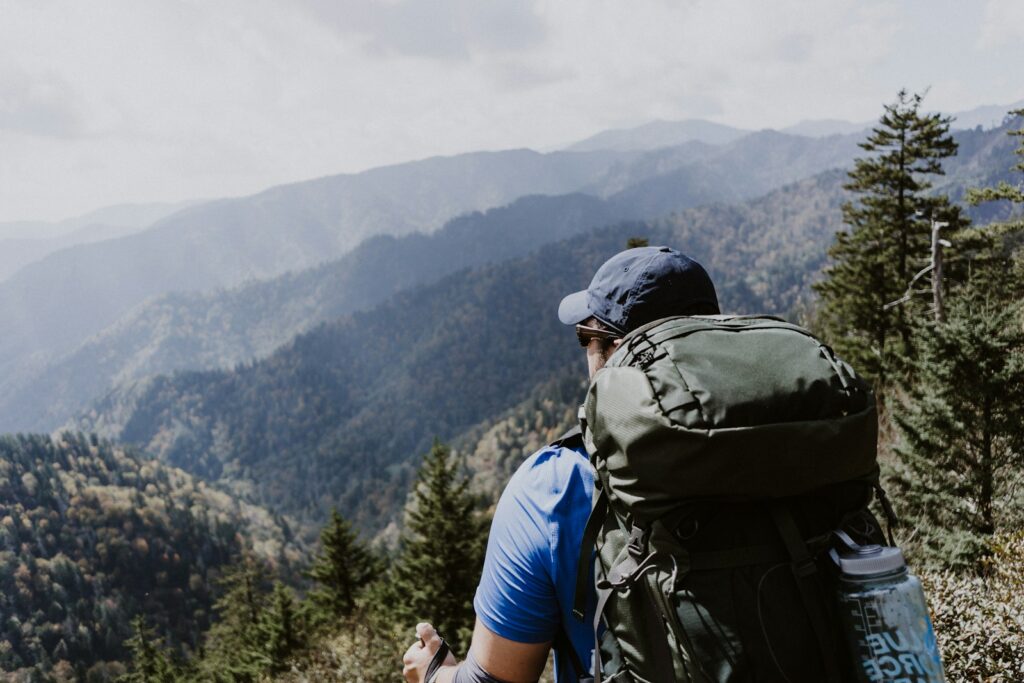
Wildlife corridors have taken on new importance in the context of climate change, as species need to shift their ranges to track suitable conditions. Research indicates that species are moving poleward at an average rate of 10.5 miles per decade and to higher elevations at 36 feet per decade in response to warming temperatures. Corridors oriented along climate gradients, particularly north-south or elevational pathways, provide essential migration routes for these climate-driven movements. The Appalachian Trail corridor, which spans 14 states along the eastern mountain chain, offers a prime example of a climate-resilient corridor, allowing species to gradually shift northward or upslope as conditions change. Conservation organizations are increasingly using climate connectivity modeling to identify and protect the landscapes that will be most crucial for facilitating these climate-driven movements, creating what some call “climate corridors” designed specifically to maintain biodiversity during rapid environmental change.
Indigenous Leadership in Corridor Conservation
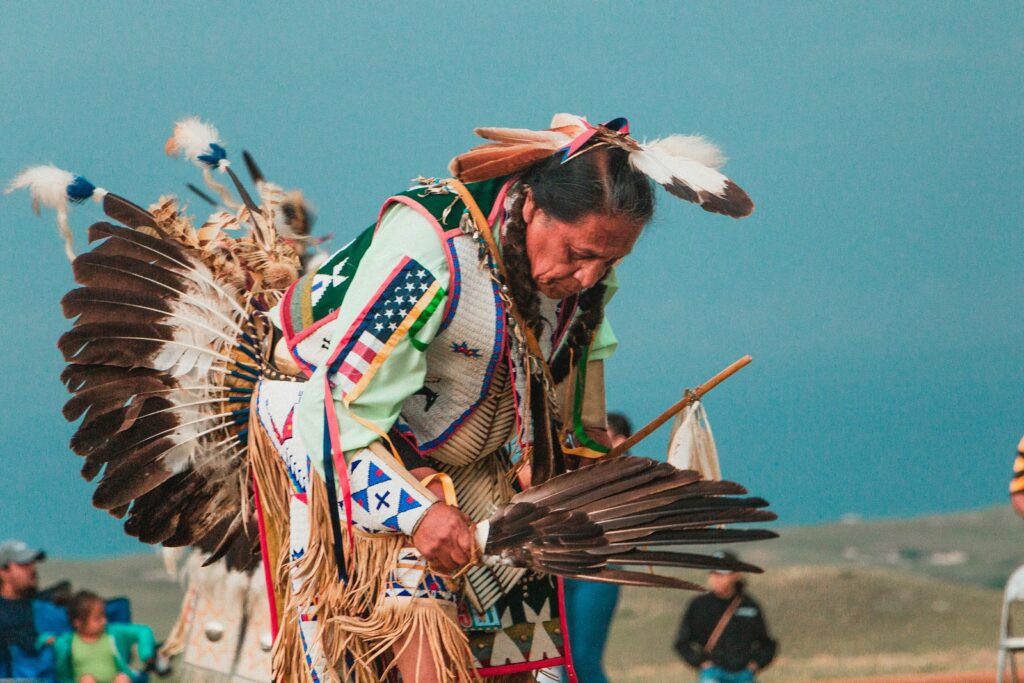
Indigenous communities across North America are playing increasingly prominent roles in wildlife corridor initiatives, bringing traditional ecological knowledge and sovereign authority to connectivity conservation. The Indigenous-led Flathead River to Yellowstone connectivity project has protected critical grizzly bear movement corridors across the Montana-Wyoming border through partnerships between the Blackfeet Nation and conservation organizations. In the Southwest, the Bears Ears Inter-Tribal Coalition has worked to protect a critical wildlife corridor connecting the Bear Ears region to Grand Canyon National Park, benefiting species like mule deer and desert bighorn sheep. These Indigenous-led efforts often take a more holistic approach to corridor protection, considering not just wildlife movement but cultural values, traditional use areas, and sacred sites. The Indigenous Guardians program, which employs tribal members to monitor and manage traditional territories, has become an important component of corridor management in many regions, combining scientific monitoring with traditional stewardship practices.
Policy Innovations for Connectivity Conservation
The legal and policy frameworks supporting wildlife corridors have evolved significantly in recent years, creating new tools for protecting connectivity at multiple scales. The Wildlife Corridors Conservation Act, introduced in Congress multiple times since 2016, would establish a national wildlife corridors system and provide funding for corridor identification and protection. Several states have passed their own corridor legislation, with New Mexico’s Wildlife Corridors Act of 2019 standing as a model for comprehensive state-level corridor protection. These policies typically require transportation and land management agencies to consider wildlife connectivity in their planning processes and allocate resources for crossing structures and habitat protection. Conservation easements—legal agreements that restrict development while keeping land in private ownership—have become a crucial tool for corridor protection, with organizations like The Nature Conservancy securing connectivity through strategic easement acquisition in critical linkage areas.
Challenges and Controversies in Corridor Implementation
Despite their ecological benefits, wildlife corridor initiatives face significant challenges ranging from funding limitations to community opposition. Land acquisition costs for corridor protection can be prohibitive, particularly in regions with high development pressure or valuable natural resources. Some corridor projects have faced resistance from landowners concerned about property rights restrictions or from communities worried about predator movement near populated areas. The effectiveness of corridors can be compromised by factors like invasive species spread, increased edge effects, or poor design that fails to account for specific species needs. Certain corridor critics argue that resources might be better spent on protecting larger habitat blocks rather than connecting fragments, though most conservation biologists now advocate for both approaches as complementary strategies. Addressing these challenges requires transparent community engagement, flexible conservation tools, robust scientific monitoring, and sustainable funding mechanisms that can maintain corridor functionality over the long term.
The Future of Connectivity Conservation in America
The wildlife corridor movement in America continues to gain momentum, evolving from isolated projects toward comprehensive connectivity networks spanning jurisdictional boundaries. New technologies like genetic connectivity monitoring, machine learning-based wildlife movement prediction, and advanced tracking systems are improving our ability to identify critical linkage areas and measure corridor effectiveness. The concept of “ecological networks”—interconnected systems of core habitats, corridors, and buffer zones—is replacing the more limited focus on linear corridors alone. Federal initiatives like the America the Beautiful plan, which aims to conserve 30% of U.S. lands and waters by 2030, have explicitly incorporated connectivity as a central conservation goal. As climate change accelerates and development pressures continue, wildlife corridors will likely become even more essential components of conservation planning, requiring increased investment, policy support, and cross-boundary collaboration to maintain America’s ecological integrity for future generations.
Wildlife corridors represent one of conservation’s most hopeful innovations—a practical strategy for maintaining biodiversity in an increasingly fragmented world. From vast interstate initiatives like Yellowstone to Yukon to small urban greenways connecting city parks, these connectivity projects are reweaving America’s ecological fabric. The science clearly demonstrates their effectiveness, and public support continues to grow as communities recognize the multiple benefits corridors provide—not just for wildlife, but for ecosystem services, outdoor recreation, and climate resilience. As we face unprecedented environmental challenges, wildlife corridors offer a unifying vision of conservation that transcends boundaries, bringing together diverse stakeholders around the shared goal of keeping wild creatures moving across the landscape. By reconnecting what has been divided, we’re not just preserving individual species but maintaining the dynamic ecological processes that sustain all life—including our own.