

National parks are not just scenic destinations for tourists and adventure seekers—they’re also vital laboratories for scientific discovery. These protected natural areas provide researchers with pristine environments where ecological processes can be studied with minimal human interference. From studying climate change impacts to discovering new species, national parks serve as living libraries of biodiversity and natural history. The relationship between science and these protected areas has grown increasingly symbiotic, with research informing park management decisions while parks provide invaluable opportunities for advancing human knowledge. This article explores the multifaceted ways national parks support and enhance scientific research across numerous disciplines.
Living Laboratories: The Unique Research Environment of National Parks

National parks offer scientists something increasingly rare in our developed world—relatively undisturbed natural ecosystems where ecological processes continue to function with minimal human intervention. These protected areas serve as control sites against which researchers can measure environmental changes occurring in more heavily impacted regions. The long-term protection status of these lands means studies can be conducted over decades, allowing for the collection of invaluable longitudinal data that would be impossible in areas subject to development or resource extraction. For example, Yellowstone National Park has provided researchers with over a century of continuous ecological data, creating one of the world’s longest-running natural laboratories. This protection of intact ecosystems makes national parks irreplaceable resources for understanding how natural systems function when allowed to operate on their own terms.
Biodiversity Documentation and Discovery

National parks play a crucial role in cataloging Earth’s biodiversity, serving as repositories of genetic information and living museums of evolution. Park-based inventories have documented thousands of previously unknown species, from microscopic soil organisms to new varieties of plants and animals. The Great Smoky Mountains National Park’s All Taxa Biodiversity Inventory has identified over 19,000 species within park boundaries, including more than 1,000 species previously unknown to science. These discoveries expand our understanding of biodiversity and provide valuable genetic resources that may hold solutions to human challenges, from medical treatments to agricultural innovations. Furthermore, the preservation of intact ecosystems within parks enables scientists to study complex ecological relationships that might be disrupted in more fragmented habitats, offering insights into the intricate web of life that sustains our planet.
Climate Change Research and Monitoring
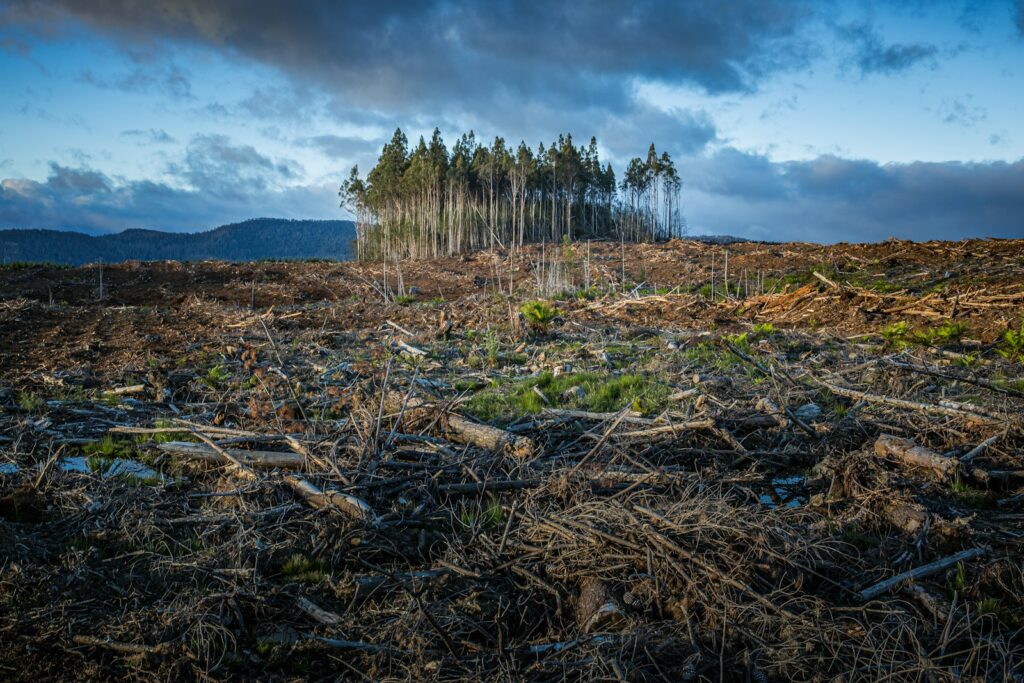
As relatively pristine environments, national parks serve as critical reference points for monitoring and understanding climate change impacts. Many parks maintain weather stations and other monitoring equipment that have collected decades of climate data, creating invaluable baselines against which changes can be measured. Glacier National Park’s disappearing ice fields have become iconic indicators of warming temperatures, with researchers documenting the retreat of once-massive glaciers through systematic monitoring programs. Parks spanning different elevations and ecosystems allow scientists to track how climate shifts affect various habitats and species across environmental gradients. This research not only documents the reality of climate change but also helps predict future conditions and informs adaptation strategies both within park boundaries and beyond, making national parks sentinel sites in our understanding of global environmental change.
Dedicated Research Facilities and Infrastructure

Many national parks host specialized research stations, laboratories, and monitoring equipment that facilitate scientific investigation. These purpose-built facilities range from rustic field stations to sophisticated research centers equipped with cutting-edge technology. The Sierra Nevada Research Institute at Yosemite National Park provides scientists with laboratory space, accommodations, and research equipment in close proximity to their study sites. Rocky Mountain National Park’s alpine research stations monitor everything from air quality to snowpack levels, creating continuous data streams for scientific analysis. These facilities often include long-term monitoring plots, weather stations, and other infrastructure that supports consistent data collection protocols across years or even decades. By providing this research infrastructure, national parks significantly reduce the logistical barriers that might otherwise prevent certain types of scientific investigation, particularly long-term studies requiring regular site visits and monitoring.
Wildlife Research and Conservation Biology

National parks provide unparalleled opportunities for studying wildlife in their natural habitats, facilitating breakthroughs in conservation biology and animal behavior research. The reintroduction of wolves to Yellowstone National Park created one of history’s most significant natural experiments, allowing scientists to document the cascading ecological effects of returning a top predator to an ecosystem. Parks provide safe havens where endangered species can be studied and recovery programs implemented, as demonstrated by the successful California condor research and breeding program based in Grand Canyon National Park. GPS collaring and tracking programs within parks have revolutionized our understanding of animal movement patterns, habitat requirements, and responses to environmental changes. These protected spaces also allow researchers to study wildlife behavior with minimal human interference, providing insights into natural social structures, feeding patterns, and reproductive strategies that would be difficult to observe in more disturbed environments.
Geological and Earth Science Research
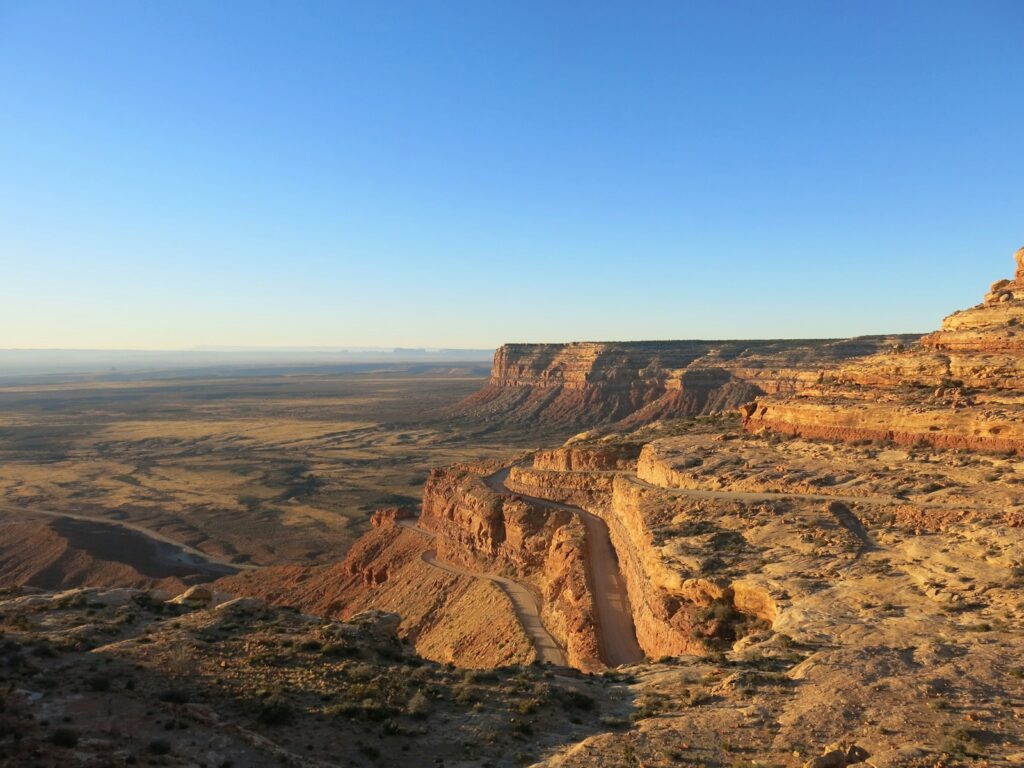
The spectacular landscapes preserved within national parks make them natural laboratories for geological and earth science research. Many parks were established specifically to protect unique geological features, providing researchers with access to exposed rock formations, active geothermal areas, and other phenomena that reveal Earth’s processes and history. Yellowstone’s geothermal features have led to groundbreaking discoveries in extremophile biology, including organisms that have applications in biotechnology and potentially inform theories about the origins of life. The Grand Canyon’s exposed rock layers offer an unparalleled record of nearly two billion years of Earth’s history, allowing geologists to study ancient environments and evolutionary processes. Many parks also maintain monitoring equipment for seismic activity, erosion rates, and other geological processes, creating valuable data sets for understanding Earth’s dynamic systems. This geological research extends beyond pure science to practical applications in hazard assessment, resource management, and understanding landscape evolution.
Archaeological and Cultural Research
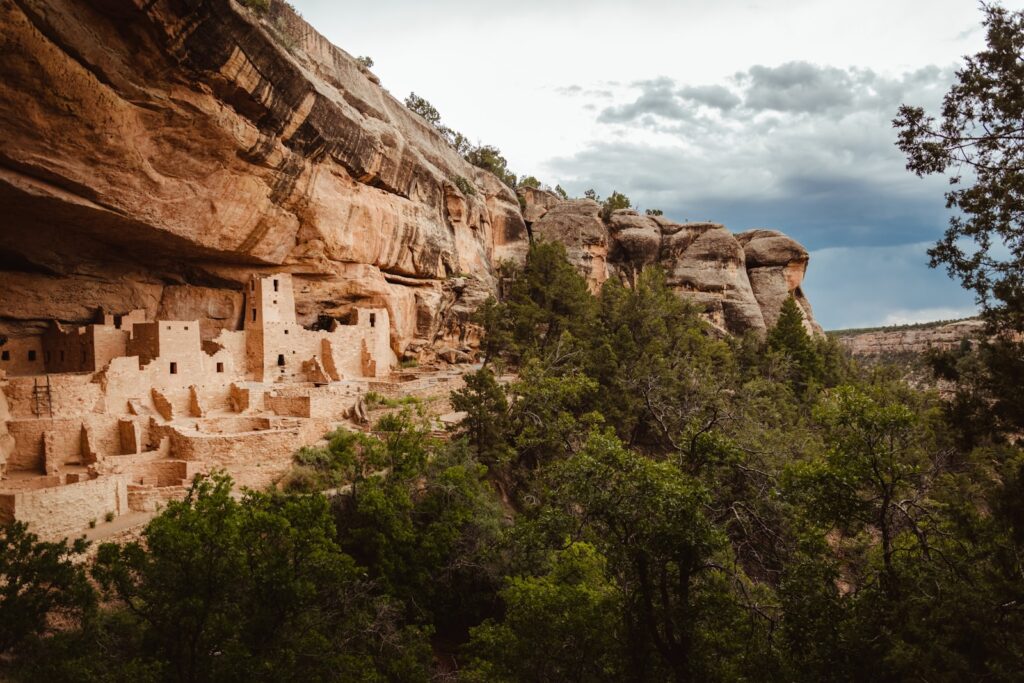
Beyond natural sciences, national parks protect significant archaeological and cultural sites that enable research into human history and cultural development. Mesa Verde National Park preserves ancient Puebloan cliff dwellings that provide archaeologists with insights into indigenous architecture, agriculture, and society dating back centuries. Cultural anthropologists study living traditions in parks like Hawaii Volcanoes National Park, where Native Hawaiian cultural practices continue and inform modern understanding of human-environment relationships. The protection afforded to archaeological sites within parks prevents looting and destruction, ensuring these irreplaceable records of human history remain available for systematic scientific study. This research not only advances our understanding of the past but also helps parks accurately interpret cultural heritage for visitors, creating educational opportunities that connect people with diverse human experiences across time.
Citizen Science Programs and Public Engagement

National parks have become leaders in citizen science initiatives that simultaneously advance research goals and engage the public in scientific discovery. Programs like the National Phenology Network enlist park visitors to record observations of seasonal events like flowering times and animal migrations, creating massive data sets that would be impossible for professional scientists to collect alone. The annual Christmas Bird Count in many parks contributes to long-term monitoring of bird populations and distribution patterns across the continent. These citizen science programs not only generate valuable scientific data but also build public understanding of and support for both scientific research and park conservation efforts. By democratizing the research process, parks help bridge the gap between professional scientists and the general public, creating opportunities for meaningful public participation in knowledge creation.
Research Permits and Administrative Support
National park systems have developed sophisticated research permitting processes that both facilitate legitimate scientific inquiry and protect park resources from potentially harmful research activities. These permitting systems help coordinate research efforts, prevent duplication, and ensure research findings are shared with park managers and the broader scientific community. Many parks employ science coordinators who help researchers navigate permit requirements, identify appropriate study sites, and connect with relevant park staff and resources. The National Park Service’s Research Learning Centers serve as clearinghouses for scientific information and facilitate connections between researchers, managers, and the public. This administrative infrastructure creates a supportive environment for research while maintaining appropriate oversight to ensure park resources remain protected for future generations of scientists and visitors alike.
Applying Research to Park Management

The relationship between scientific research and national parks is reciprocal, with research findings directly informing park management decisions and policies. Studies of visitor impacts help parks design sustainable trail systems and determine appropriate carrying capacities for different areas. Wildlife research guides habitat management practices, from prescribed fire regimes to invasive species control efforts. Parks increasingly embrace adaptive management approaches that incorporate ongoing research and monitoring to continuously refine management practices based on scientific evidence. This science-based management creates a positive feedback loop where research improves park stewardship, which in turn preserves the integrity of these living laboratories for future scientific inquiry. The integration of research into management decision-making represents one of the most important ways national parks support scientific advancement—by actually implementing findings in real-world conservation contexts.
Interdisciplinary Research Opportunities

National parks excel at fostering interdisciplinary research that crosses traditional academic boundaries to address complex environmental and social questions. A single park might simultaneously host geologists studying rock formations, botanists cataloging plant communities, archaeologists excavating cultural sites, and social scientists surveying visitor experiences. This concentration of diverse research creates unique opportunities for collaboration and synthesis across disciplines. The Crown of the Continent Research Learning Center in Glacier National Park brings together researchers from fields as diverse as hydrology, wildlife biology, climate science, and indigenous studies to develop holistic understandings of park ecosystems and their changes. Such interdisciplinary approaches are increasingly recognized as essential for addressing complex challenges like climate change, biodiversity loss, and sustainable tourism, making national parks important incubators for integrated scientific thinking.
International Scientific Collaboration

National parks facilitate international scientific collaboration through shared research protocols, transboundary protected areas, and global monitoring networks. Many parks participate in international research initiatives like the Global Observation Research Initiative in Alpine Environments (GLORIA), which monitors climate change impacts on mountain ecosystems across continents. Waterton-Glacier International Peace Park spans the U.S.-Canada border, enabling coordinated research programs that transcend political boundaries—much like the natural systems they study. Parks also serve as meeting grounds where scientists from different countries can exchange ideas, methodologies, and findings through field courses, workshops, and conferences. These international connections strengthen global scientific capacity while acknowledging that many environmental challenges require coordinated research efforts across political boundaries, positioning national parks as nodes in a worldwide network of protected area research.
Securing the Future of Park-Based Research

Ensuring the continued role of national parks in supporting scientific research requires addressing several challenges, from funding constraints to balancing research access with resource protection. Many parks are developing dedicated research endowments and partner relationships with universities to create sustainable funding streams for long-term monitoring and research programs. Digital technologies are expanding research possibilities through remote sensing, environmental DNA sampling, and automated monitoring systems that reduce the need for physically intrusive research methods. Parks are also working to diversify the scientific workforce through internship programs, research grants for early-career scientists, and partnerships with historically underrepresented communities. By addressing these challenges proactively, national parks can continue to serve as irreplaceable scientific resources while adapting to changing research needs and methodologies in the coming decades.
National parks represent one of humanity’s most significant investments in preserving natural and cultural heritage, but their value extends far beyond recreation and aesthetic appreciation. As living laboratories where scientific research flourishes, these protected areas generate knowledge that informs our understanding of natural systems, human history, and global environmental change. The relationship between science and parks continues to evolve, with new technologies opening fresh research possibilities while long-term studies yield increasingly valuable insights from decades of consistent data collection. By supporting scientific research across disciplines, national parks fulfill an essential role in advancing human knowledge while simultaneously using that knowledge to improve their stewardship of the very resources they were established to protect. In an era of rapid environmental change and biodiversity loss, the scientific value of these protected areas only continues to grow, making their preservation not just a matter of natural heritage but also an investment in humanity’s collective knowledge and future wellbeing.