
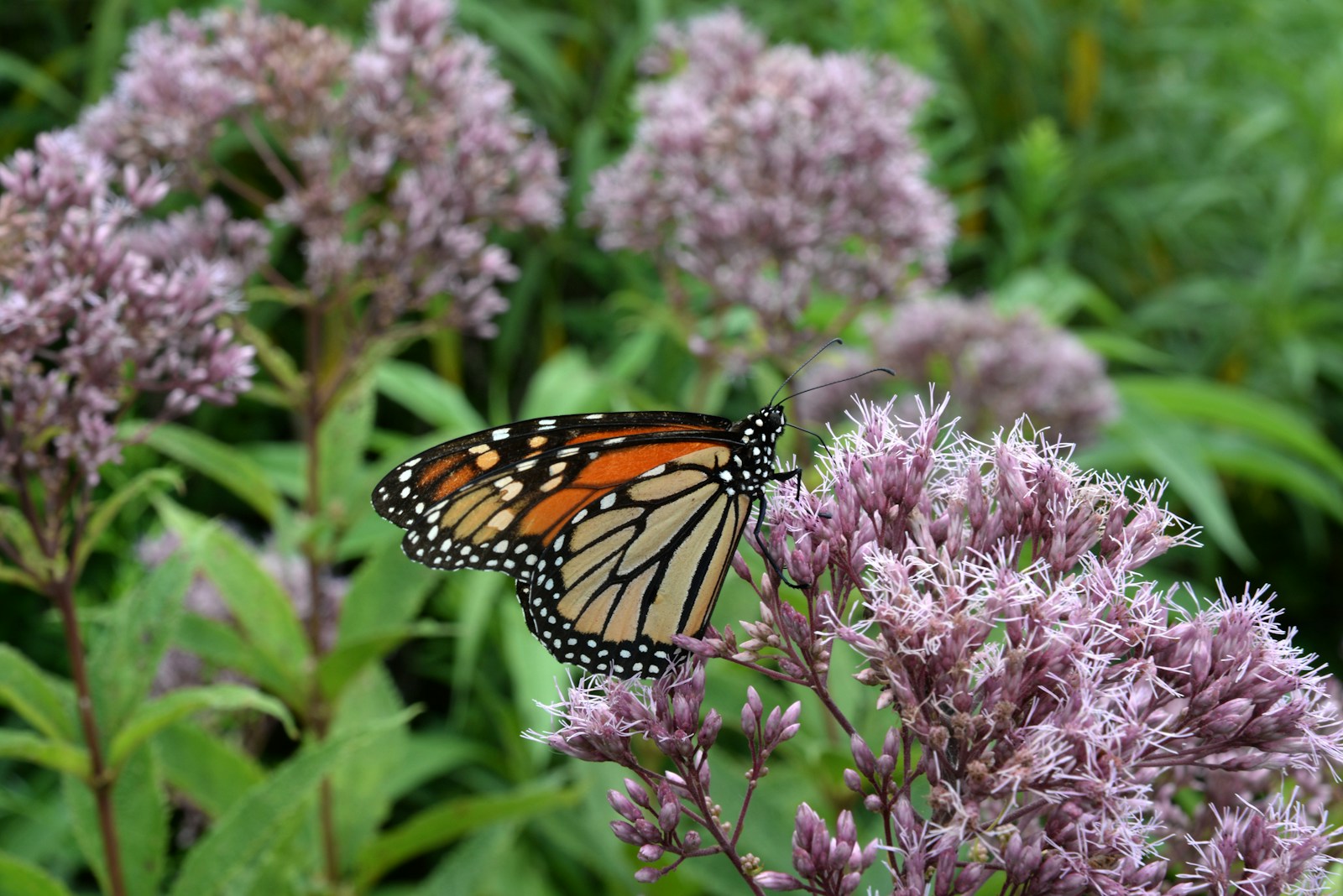
Across North America, an ecological renaissance is taking place in our public parks and green spaces. After decades of decline due to habitat loss, pesticide use, and climate change, native pollinators are finding new havens through innovative conservation efforts. These small but mighty creatures—bees, butterflies, moths, beetles, and other insects—are essential to ecosystem health and food production, responsible for pollinating approximately 80% of flowering plants worldwide. As park managers, conservation organizations, and community volunteers join forces, parks are being transformed into pollinator paradises that combine ecological functionality with public education. The following article explores the multifaceted approaches being used to bring native pollinators back to our parks, creating resilient ecosystems that benefit wildlife and humans alike.
Understanding the Pollinator Crisis
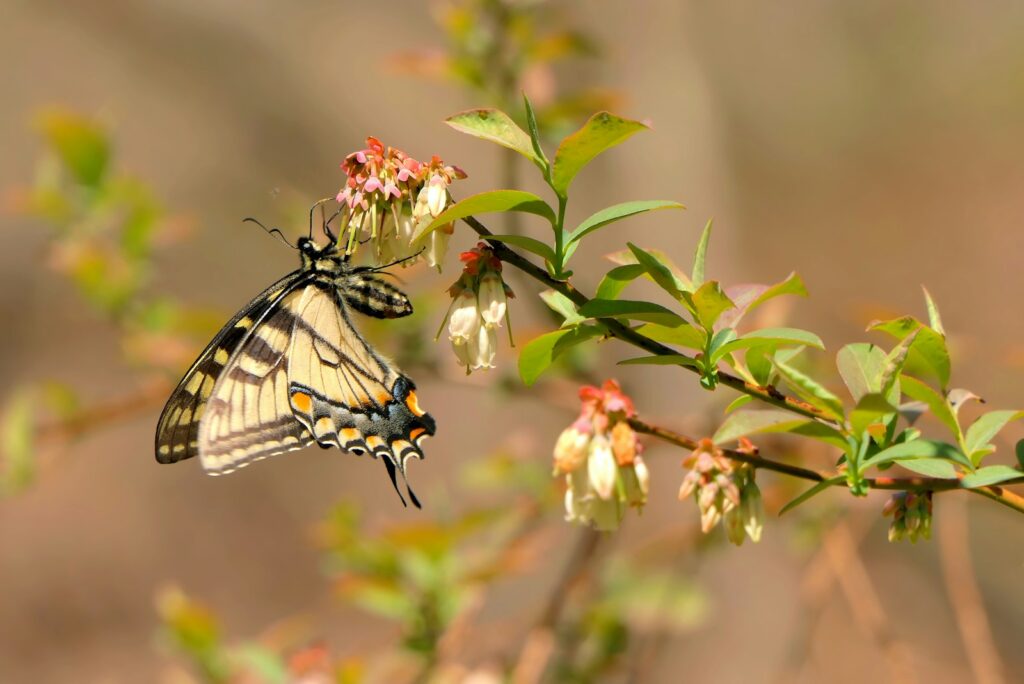
Native pollinator populations have experienced alarming declines over recent decades, with some regions reporting losses of up to 40% of native bee species. This crisis stems from a perfect storm of environmental stressors, including widespread habitat destruction, agricultural intensification, pesticide use, introduced diseases, and climate change impacts. In urban and suburban areas, the replacement of native plant communities with non-native ornamentals and turf grass has eliminated crucial food sources and nesting sites. Unlike managed honeybees, which receive human care, native pollinators must fend for themselves in increasingly hostile landscapes. The consequences extend far beyond the insects themselves, threatening ecosystem stability, plant diversity, and ultimately, human food security, as approximately one-third of global food production depends on animal pollination.
The Ecological Significance of Parks for Pollinators
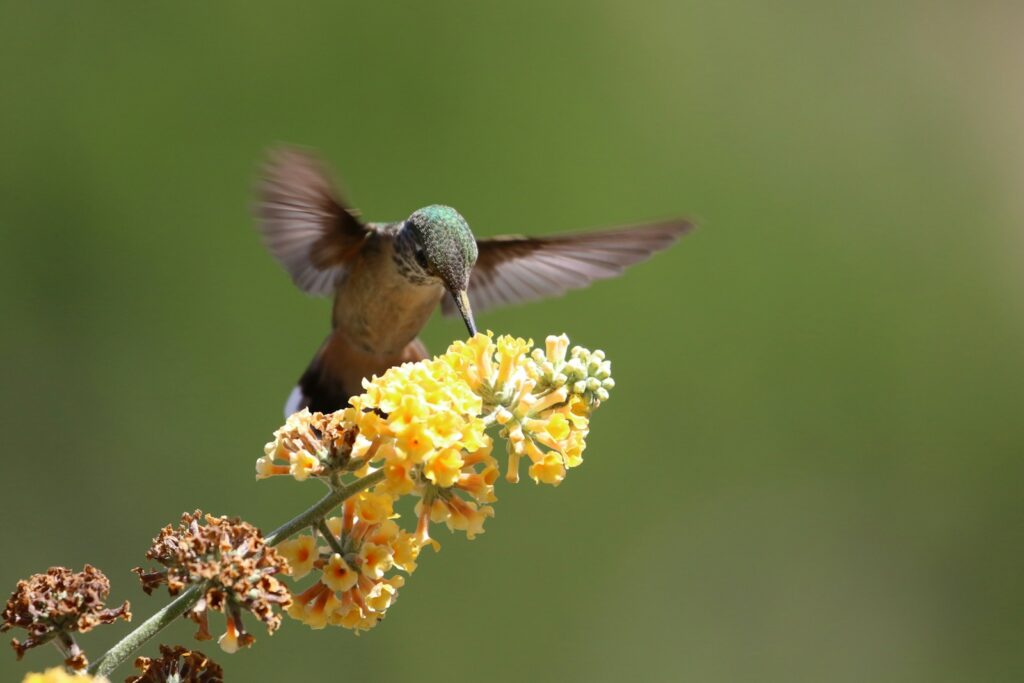
Public parks represent critical opportunities for pollinator conservation, functioning as green islands within fragmented landscapes. Even modest-sized parks can support surprising biodiversity when properly managed, creating habitat corridors that allow pollinators to move through otherwise inhospitable urban environments. Parks offer advantages that private lands often cannot, including protection from development, consistent management approaches, and opportunities for long-term conservation planning. Many parks contain remnant natural areas that have preserved native plant communities and soil structures essential for ground-nesting bees, which constitute approximately 70% of native bee species in North America. Additionally, parks serve as living laboratories where conservation techniques can be tested, refined, and demonstrated to the public, multiplying their impact through education and inspiration.
Native Plant Restoration: The Foundation of Pollinator Recovery
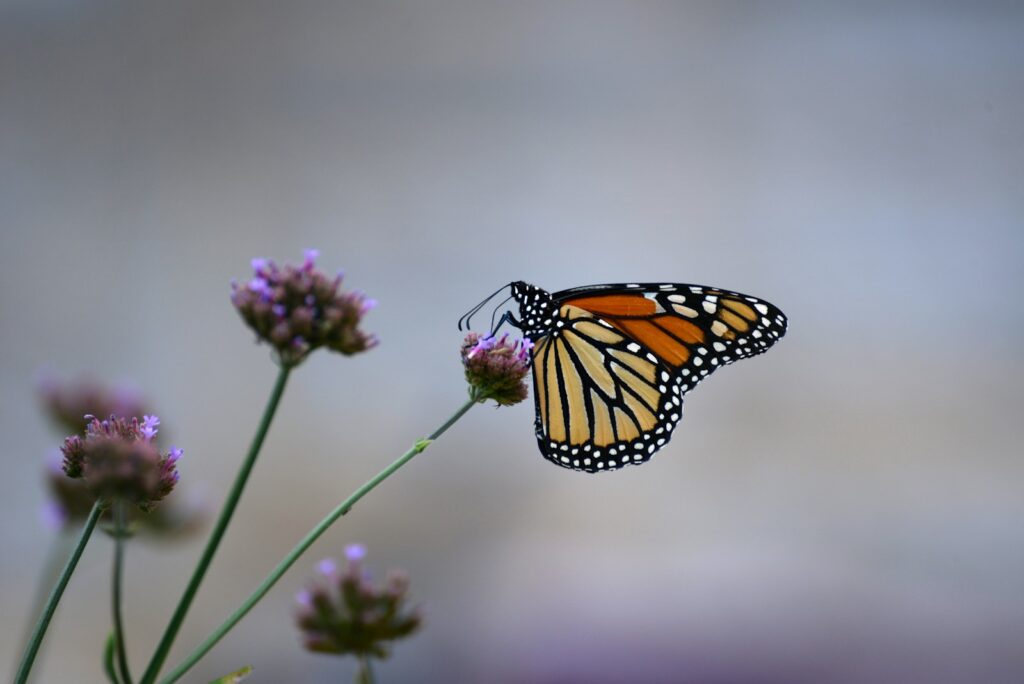
The cornerstone of pollinator conservation in parks is the reintroduction of diverse native plant communities that provide sequential blooming throughout the growing season. Native plants and native pollinators have co-evolved over millennia, developing specialized relationships that non-native ornamentals simply cannot replace. Park managers are increasingly removing invasive species and converting portions of manicured lawns to wildflower meadows, prairie reconstructions, and woodland understory plantings rich in pollinator-friendly species. These plantings are carefully designed to provide continuous floral resources from early spring through late fall, ensuring pollinators have reliable food sources throughout their active seasons. Beyond nectar and pollen, native plant communities provide crucial nesting materials, shelter from predators, and overwintering habitat, addressing all aspects of pollinator life cycles.
Creating Specialized Pollinator Gardens
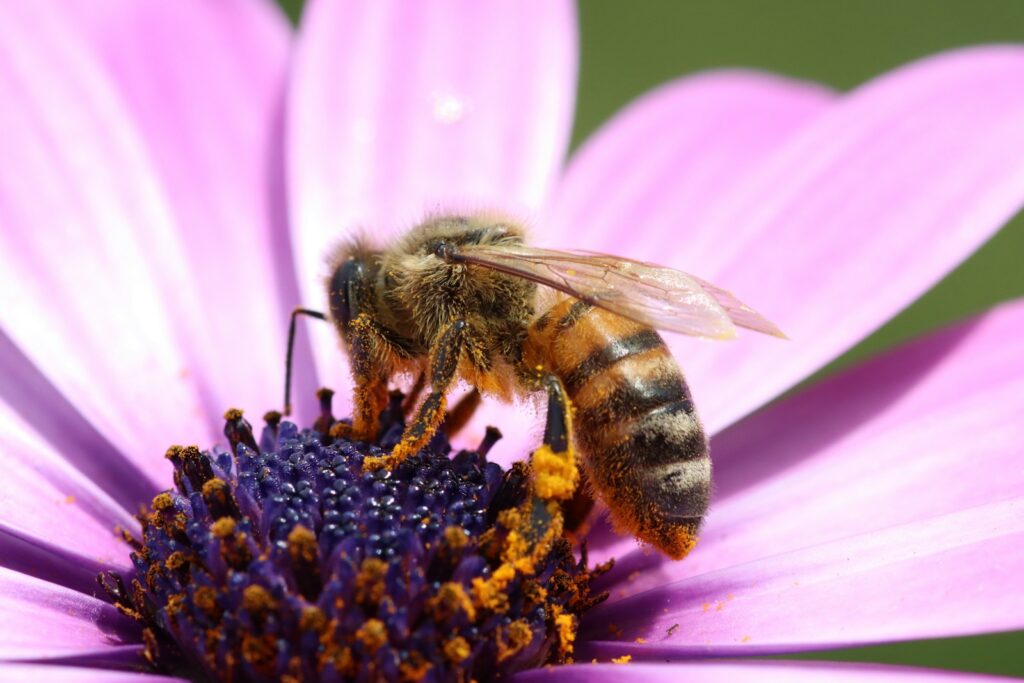
Dedicated pollinator gardens have become popular features in parks across the country, serving both ecological and educational purposes. Unlike conventional ornamental gardens, these specialized plantings prioritize biodiversity and ecological function over purely aesthetic considerations. Successful pollinator gardens incorporate plants with diverse flower shapes, sizes, and colors to accommodate different pollinator species’ feeding adaptations—from the long proboscis of butterflies to the short mouthparts of small native bees. Many parks now feature demonstration gardens that highlight regional native plants and their pollinator relationships, complete with interpretive signage that explains these connections to visitors. These gardens often become focal points for community engagement, hosting workshops, citizen science activities, and volunteer opportunities that build public support for broader conservation initiatives throughout the park system.
Pesticide-Free Management Approaches
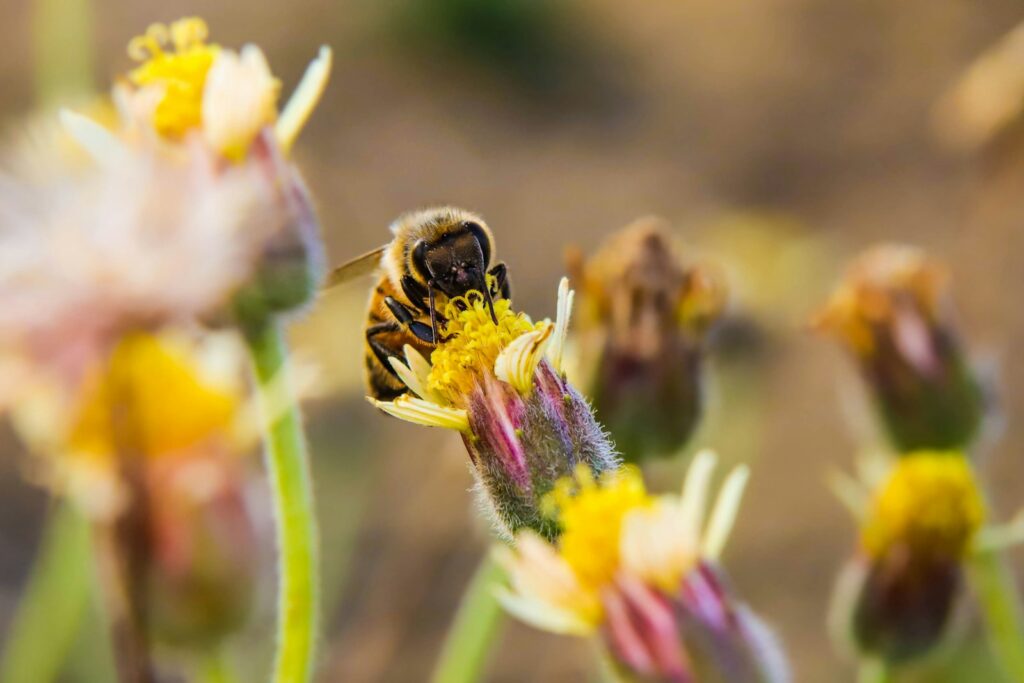
A critical component of pollinator recovery in parks has been the widespread adoption of pesticide-free management practices. Many park systems have implemented formal policies prohibiting neonicotinoids and other systemic insecticides particularly harmful to pollinators, even at sublethal doses. Instead of chemical controls, parks are embracing integrated pest management (IPM) strategies that use biological controls, physical barriers, and increased plant diversity to naturally regulate pest populations. This transition has required retraining maintenance staff and educating the public about accepting some level of insect damage as part of a healthy ecosystem. Many parks now post signs indicating “Pollinator Protection Zones” where no pesticides are used, simultaneously protecting pollinators and informing visitors about these conservation measures. These pesticide-free approaches have revealed that many conventional chemical treatments were unnecessary when parks are managed as functioning ecosystems rather than sterile landscapes.
Providing Nesting Habitat Beyond Flowers
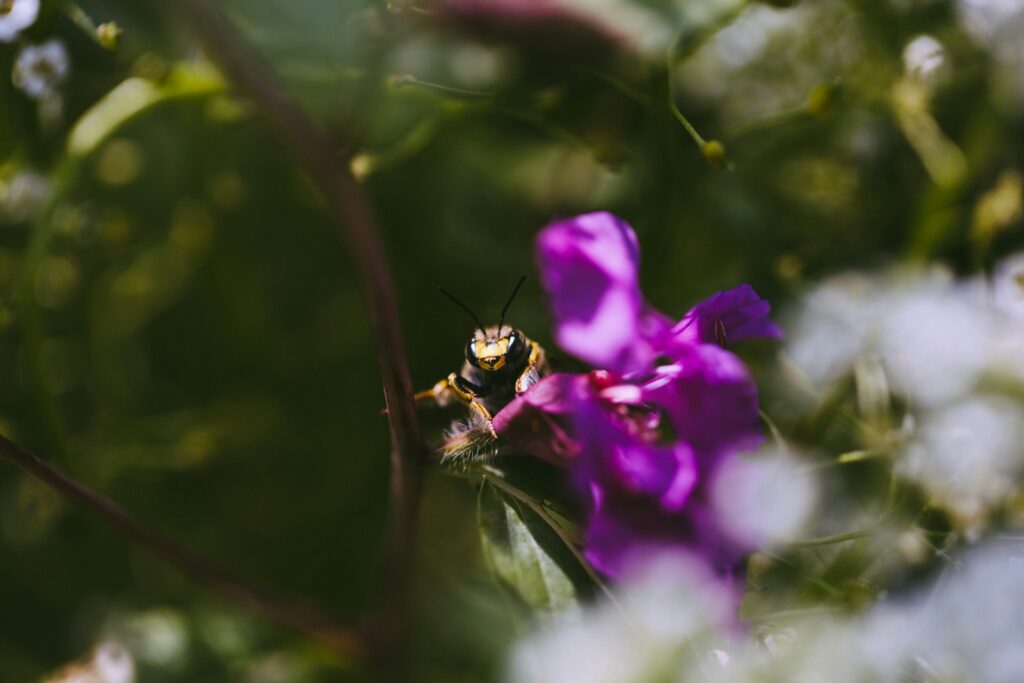
While floral resources receive the most attention, successful pollinator conservation requires addressing the full life cycle needs of diverse species, particularly nesting habitat. Parks are incorporating specific features to support different pollinator nesting requirements, from leaving areas of bare, undisturbed soil for ground-nesting bees to retaining dead trees and stems for cavity-nesting species. Some parks maintain sections of unmowed grass and brushy areas where bumble bee queens can establish colonies in abandoned rodent burrows or tussocks of grass. Purpose-built “insect hotels” with various-sized tubes, drilled wooden blocks, and bundled hollow stems provide supplemental nesting sites while serving as educational exhibits about pollinator diversity. Park managers are also adjusting maintenance schedules to avoid disrupting nesting sites, such as delaying the cutting back of perennial gardens until spring to protect overwintering insects sheltering in stems and leaf litter.
Monarch Butterfly Recovery Initiatives
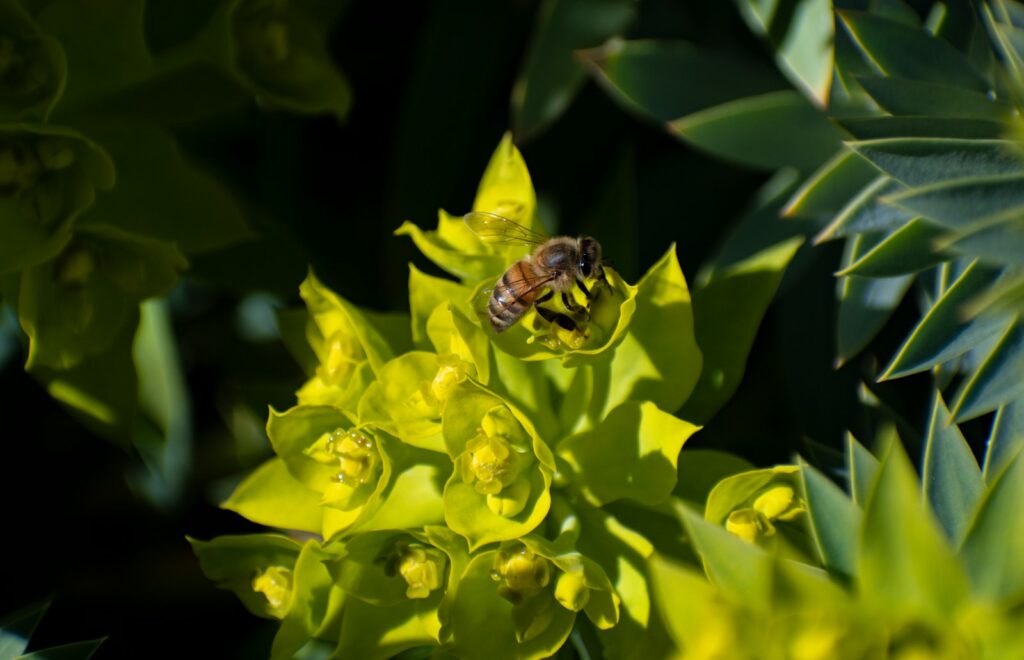
The iconic monarch butterfly has become a flagship species for pollinator conservation, with its 90% population decline galvanizing public support for recovery efforts in parks nationwide. Parks along migration corridors have established “Monarch Waystations” containing milkweed species—the exclusive host plant for monarch caterpillars—alongside nectar plants that fuel adult butterflies on their remarkable migration. Some park systems have initiated milkweed propagation programs, collecting local ecotype seeds and growing thousands of plants for restoration projects. Beyond habitat creation, parks host citizen science monitoring activities where visitors help count eggs, caterpillars, and adult butterflies, contributing valuable data to national tracking efforts like the Monarch Watch program. The visibility and cultural significance of monarchs have made them particularly effective for engaging the public with broader pollinator conservation, as people who come to learn about monarchs leave understanding the needs of many pollinator species.
Wild Bee Conservation Strategies
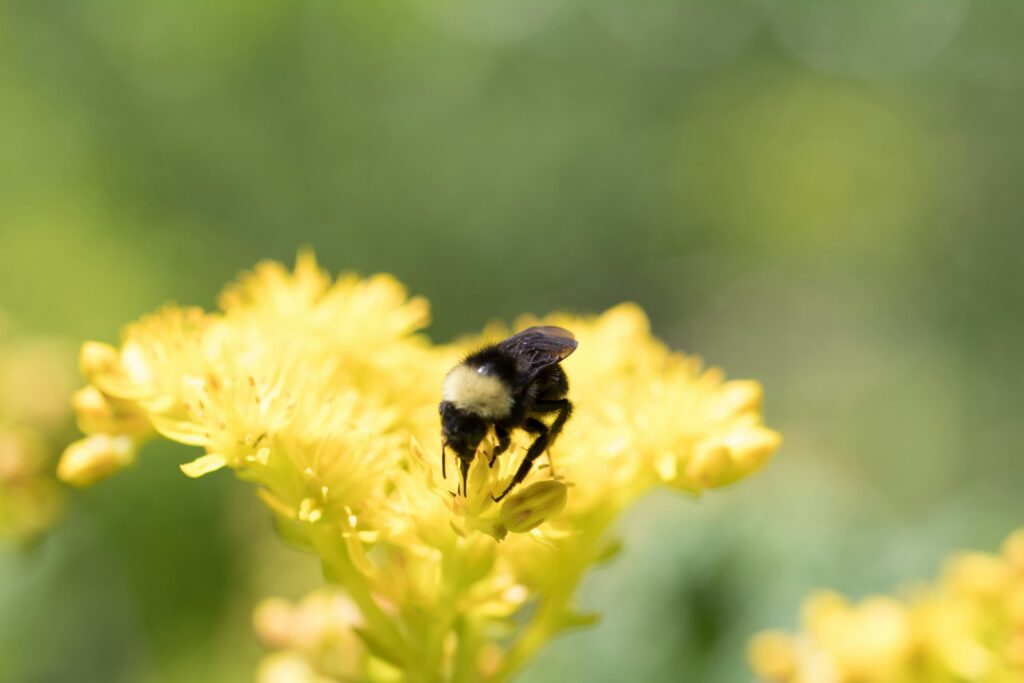
While butterflies capture public imagination, native bees do the heavy lifting of pollination, and parks are implementing specialized strategies to support their diverse needs. Unlike honeybees, most native bees are solitary, with different species active at different times and specializing in different plants. Park managers are creating “bee banks”—south-facing slopes with exposed soil ideal for ground-nesting species that make up approximately 70% of native bee diversity. Some parks maintain areas with specific soil textures and compositions that support particular bee species of conservation concern. Woodland parks are preserving dead standing trees and fallen logs where carpenter bees and other wood-nesters can create homes. Conservation efforts are increasingly targeting specific bee-plant relationships, such as squash bees with native gourds or specialized andrenid bees with spring ephemeral wildflowers, recognizing that generic “pollinator gardens” may miss these specialized ecological relationships.
Community Science and Monitoring Programs
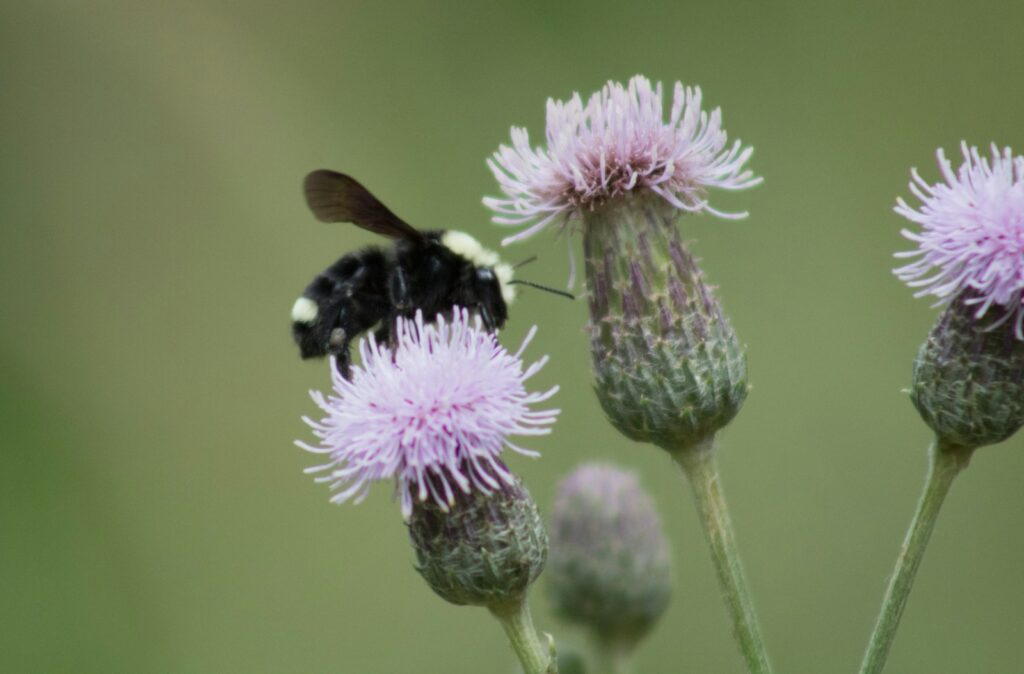
The success of pollinator restoration efforts depends on robust monitoring to track changes and adapt management practices accordingly. Parks have become centers for community science (also called citizen science) programs that engage volunteers in systematic pollinator surveys, from photographic inventories to standardized transect counts. Programs like Bumble Bee Watch, Monarch Larva Monitoring Project, and Great Sunflower Project provide protocols that park staff and volunteers can follow to contribute meaningful scientific data. These monitoring efforts serve multiple purposes: tracking conservation outcomes, engaging the public, identifying emerging threats, and documenting species previously unknown in the park. The longitudinal data collected through these programs has proven invaluable for adaptive management, allowing park managers to see which interventions are working and which need adjustment to better support pollinator recovery.
Educational Outreach and Interpretive Programs
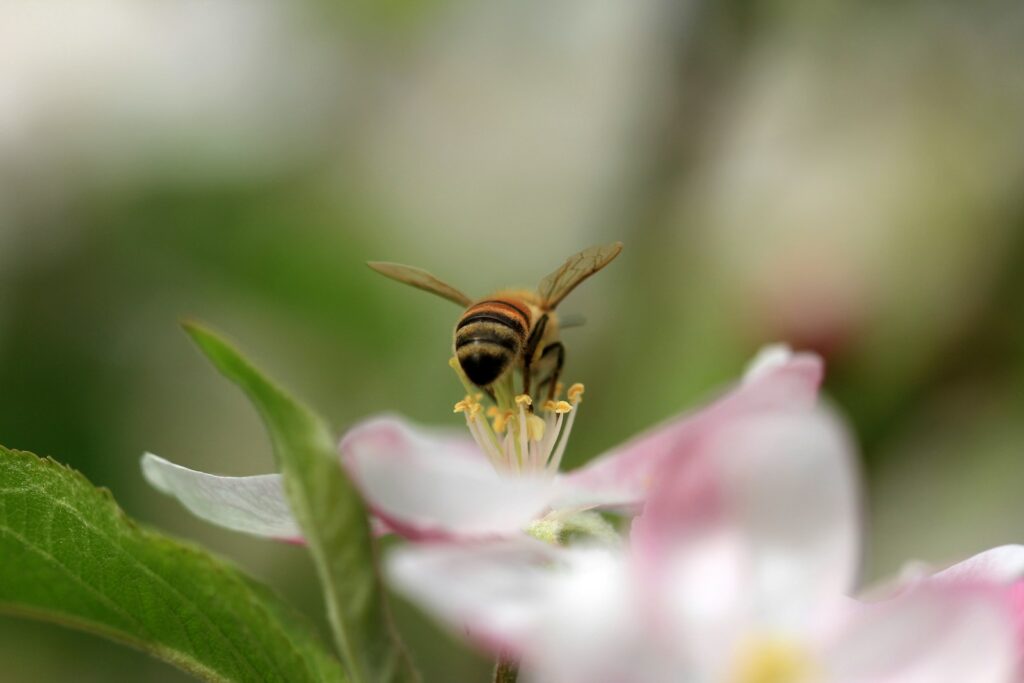
Education has proven essential to building public support for pollinator conservation initiatives in parks. Many parks now offer specialized interpretive programs focused on pollinators, from guided walks and observation stations to hands-on activities like planting pollinator gardens or building bee houses. Permanent interpretive displays help visitors understand the ecological relationships between plants and pollinators, often using enlarged models of pollinator anatomy to explain fascinating adaptations invisible to the naked eye. Some parks have developed pollinator-themed playgrounds where climbing structures shaped like flowers and insects invite children to physically engage with pollination concepts through play. These educational efforts extend beyond park boundaries through take-home materials, social media campaigns, and partnerships with schools, multiplying the impact of park-based conservation work by inspiring visitors to create pollinator habitat in their own yards and communities.
Partnerships and Funding Models
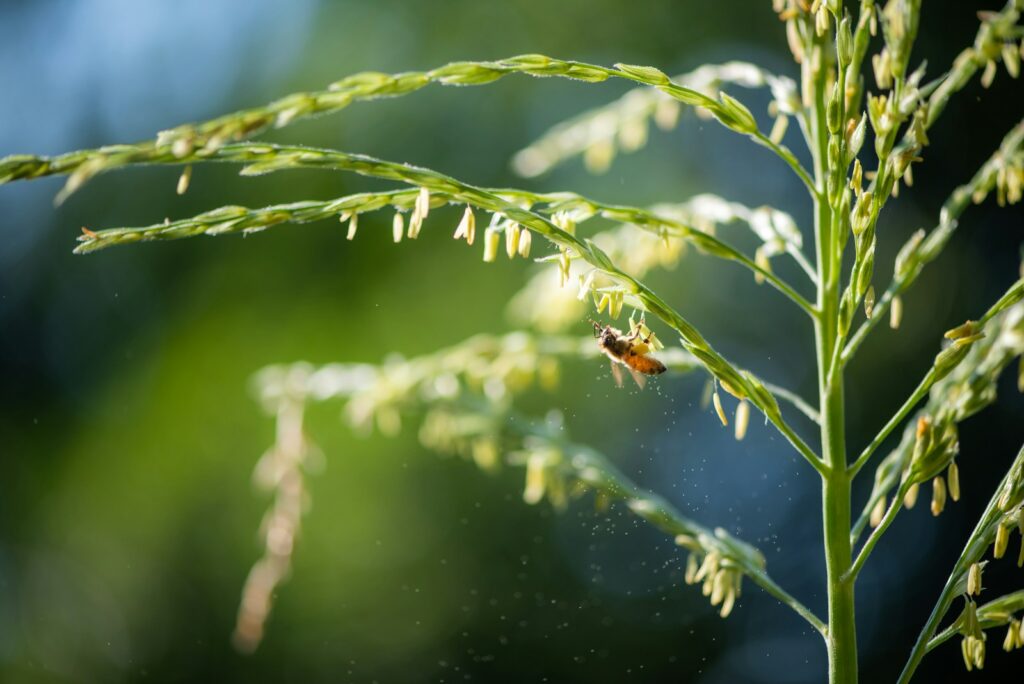
Successful pollinator restoration in parks typically involves collaborative partnerships that leverage diverse expertise and funding sources. Many parks work closely with conservation organizations like the Xerces Society, Pollinator Partnership, or local native plant societies that provide technical guidance, volunteer training, and sometimes plant materials. Corporate partners increasingly fund pollinator initiatives as part of their sustainability commitments, while community foundations and environmental grant programs help support implementation costs. Some innovative parks have developed “adoption” programs where community groups, schools, or businesses take responsibility for maintaining specific pollinator habitats, reducing the burden on park staff. These partnerships extend to research institutions as well, with many university entomology and ecology departments conducting studies in parks that simultaneously advance scientific understanding and inform management practices, creating a mutually beneficial relationship between researchers and land managers.
Balancing Public Use with Habitat Protection
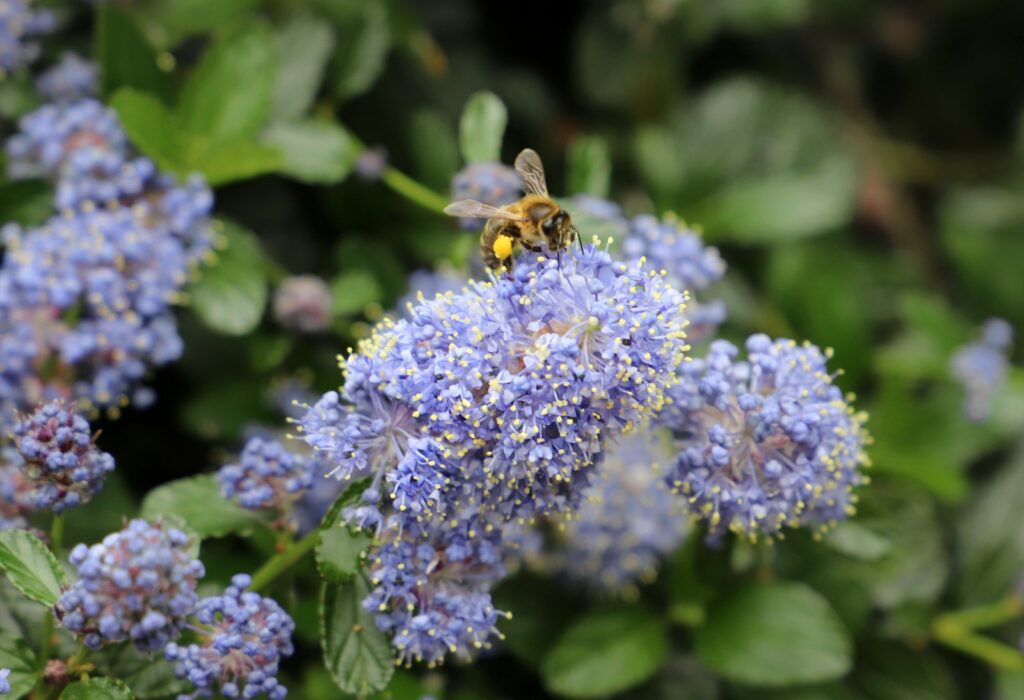
A persistent challenge in park-based pollinator conservation is balancing habitat needs with recreational use and public expectations. Parks are developing creative approaches to integrate pollinator habitat with human activities rather than segregating them. Some parks use interpretive signage to explain the ecological purpose behind what might otherwise be perceived as “messy” natural areas, helping shift visitor expectations from manicured aesthetics to ecological functionality. Strategic placement of pollinator plantings along trails and near seating areas brings visitors into close contact with pollinator activity, creating opportunities for observation and appreciation. Many parks have adopted “cues to care” design principles that frame naturalistic plantings with mowed borders or decorative fencing, signaling intentional stewardship while maintaining ecological benefits. These thoughtful design approaches help overcome resistance to habitat restoration by demonstrating that pollinator conservation can enhance rather than detract from visitors’ park experience.
Measuring Success and Adaptive Management
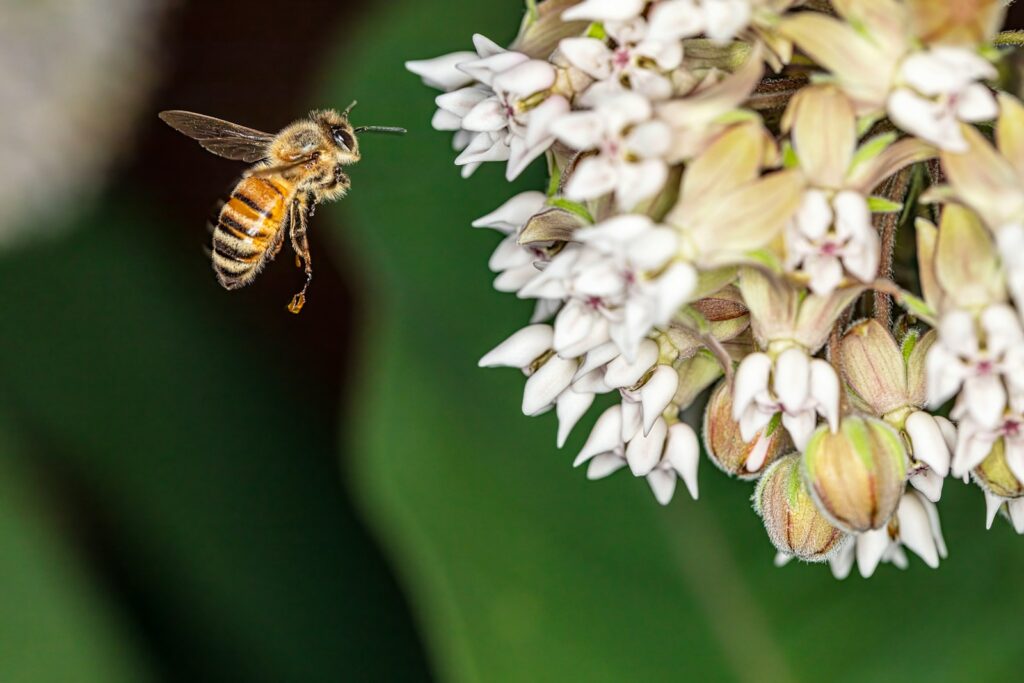
As pollinator conservation in parks matures, practitioners are developing sophisticated methods to measure success and adapt practices accordingly. Beyond simple species presence/absence data, parks are tracking metrics like pollinator diversity, abundance, persistence through seasons, and successful reproduction. Some parks collaborate with researchers to study pollination effectiveness through fruit set in native plants or pollen deposition rates. Long-term photo monitoring helps document habitat development and plant community changes over time, while standardized survey methods allow comparison between different management approaches. These assessment efforts have revealed that successful pollinator conservation requires patience—some bee species may take several years to colonize new habitat, while butterfly populations often show significant year-to-year fluctuations affected by weather patterns. By documenting both successes and failures, park managers are building a collective knowledge base that improves conservation outcomes across the park system and informs future restoration efforts.
The Future of Park-Based Pollinator Conservation
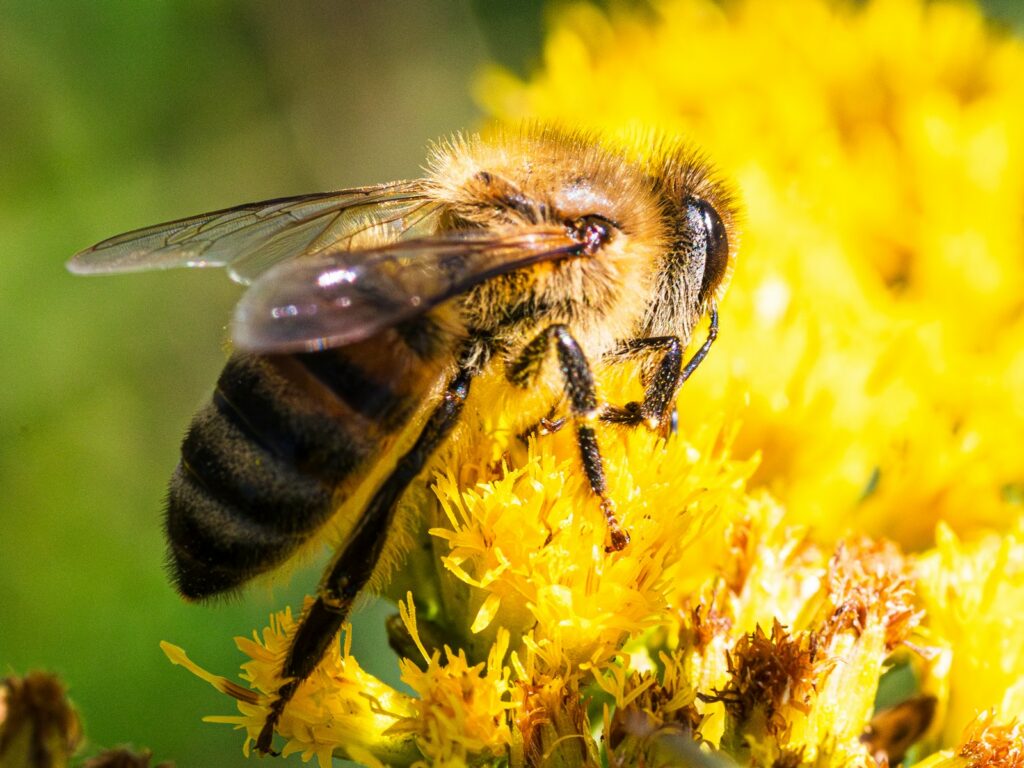
Looking forward, pollinator conservation in parks continues to evolve with new scientific understanding and management approaches. Climate change adaptation is becoming a central focus, with parks selecting plant species and ecotypes resilient to changing conditions and providing habitat that can buffer pollinators against weather extremes. Many park systems are moving beyond isolated pollinator gardens to landscape-scale planning that creates habitat corridors connecting parks with other natural areas. Technological innovations are enhancing conservation efforts, from eDNA sampling that can detect rare pollinator species to remote sensing that helps map habitat potential across large areas. As these efforts mature, parks are increasingly recognized as critical biodiversity reservoirs within human-dominated landscapes—not just places for recreation, but essential components of regional conservation networks. By continuing to refine and expand pollinator conservation initiatives, parks are helping ensure these essential ecological partners will continue to sustain natural systems and human food security for generations to come.
As we’ve seen, the restoration of native pollinators to our parks represents one of the most accessible and effective conservation success stories of our time. What began as scattered efforts has evolved into a sophisticated movement combining ecological science, community engagement, and innovative land management. These initiatives demonstrate that meaningful conservation can happen not just in remote preserves, but in the public spaces woven through our communities. As parks continue to transform into havens for bees, butterflies, and other pollinators, they fulfill multiple roles: protecting biodiversity, educating the public, and proving that ecological restoration is possible even in human-dominated landscapes. The buzz of returning pollinators in our parks offers hope that with dedicated effort and science-based approaches, we can reverse wildlife declines and create healthier ecosystems for all species—including our own.