

In the intricate dance of ecosystem management, fire plays a pivotal yet often misunderstood role. For centuries, wildfires have shaped landscapes, influenced vegetation patterns, and determined wildlife habitats across the globe. Modern park management has evolved to recognize that fire isn’t simply a destructive force to be suppressed at all costs, but rather an essential ecological process that, when properly managed, helps maintain biodiversity and preserve wildlife populations. From controlled burns that mimic natural processes to strategic interventions that prevent catastrophic blazes, fire management has become a sophisticated conservation tool. This article explores how thoughtful fire management in parks and protected areas helps maintain natural habitats, supports wildlife adaptation, and preserves the delicate balance of ecosystems for generations to come.
The Historical Relationship Between Fire and Ecosystems
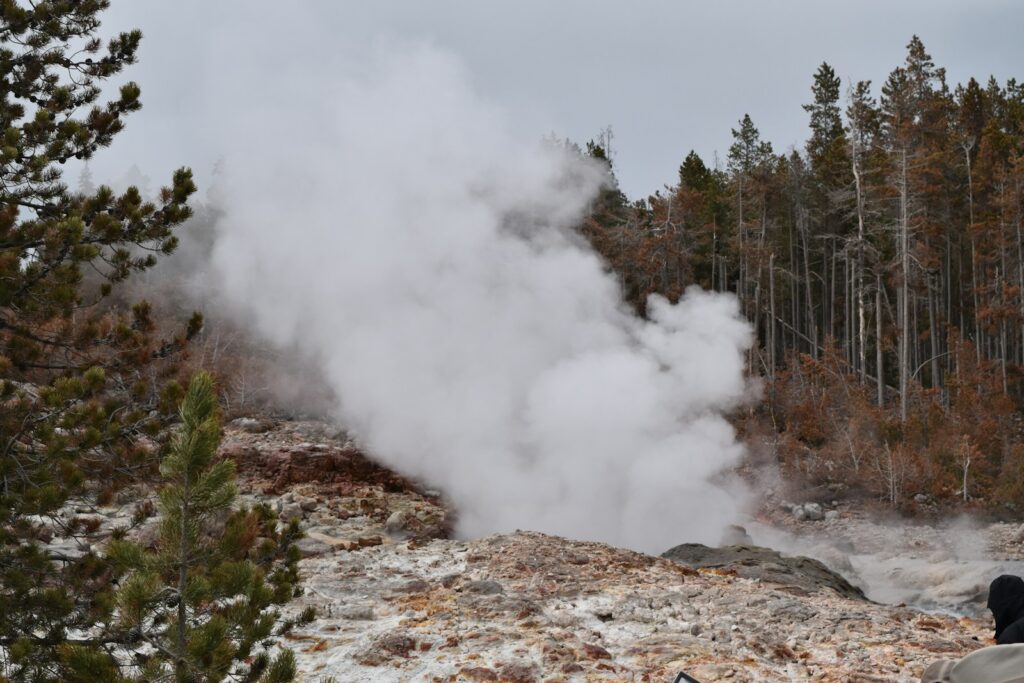
Long before human intervention, fire served as a natural architect of landscapes, shaping ecosystems and wildlife habitats for millennia. Many ecosystems, particularly grasslands, savannas, and certain forest types, evolved alongside periodic fires caused by lightning strikes. These natural burn cycles created mosaics of habitat at different stages of succession, supporting diverse wildlife communities adapted to specific post-fire conditions. Native Americans recognized fire’s benefits and intentionally burned landscapes to improve hunting grounds, enhance plant growth, and manage resources. This historical relationship between fire and ecosystems established intricate adaptations in plant and animal species that modern conservation efforts aim to preserve. Understanding this long evolutionary history helps park managers make informed decisions about how to reintroduce fire as a management tool.
Fire Suppression: Lessons from a Century of Mismanagement
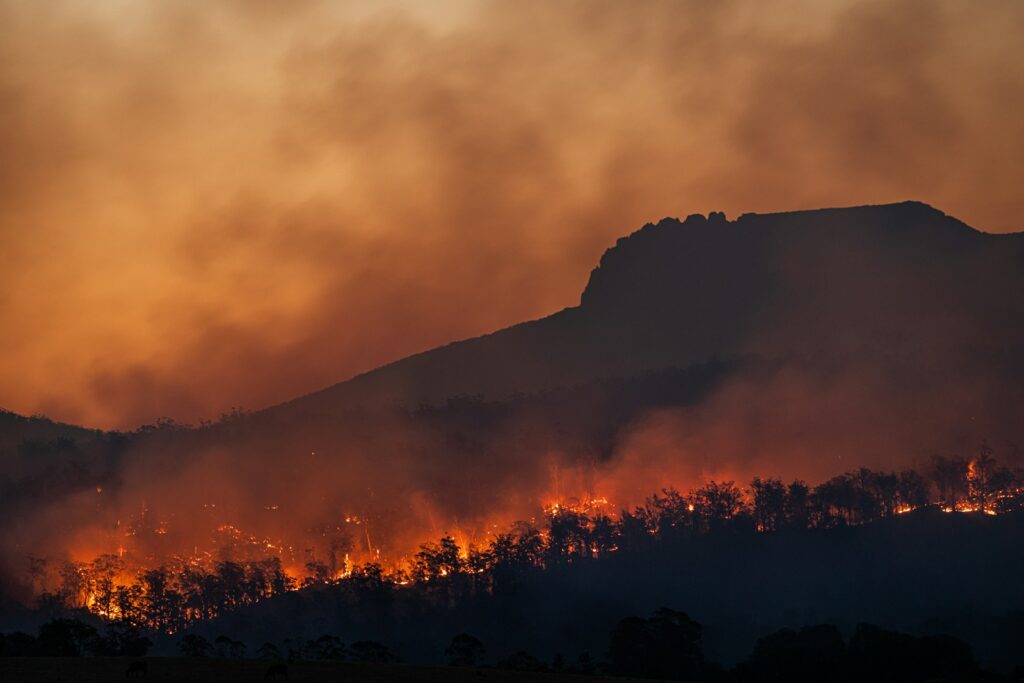
The early 20th century marked a dramatic shift in fire management policy when federal agencies adopted aggressive fire suppression tactics following devastating wildfires. The “10 a.m. policy,” which aimed to extinguish all fires by 10 a.m. the day after discovery, became standard practice across American landscapes. This well-intentioned approach inadvertently disrupted natural fire cycles, allowing unprecedented fuel accumulation in many ecosystems. Decades of suppression created dense, uniform forests where diverse, fire-adapted communities once thrived, setting the stage for catastrophic megafires that burn hotter and spread faster than historical patterns. Wildlife populations dependent on fire-maintained habitats declined as vegetation became increasingly homogeneous. This period of mismanagement taught valuable lessons about the consequences of removing natural disturbance regimes from ecosystems, ultimately leading to the development of more nuanced fire management approaches we see today.
Prescribed Burns: Mimicking Nature’s Cycles
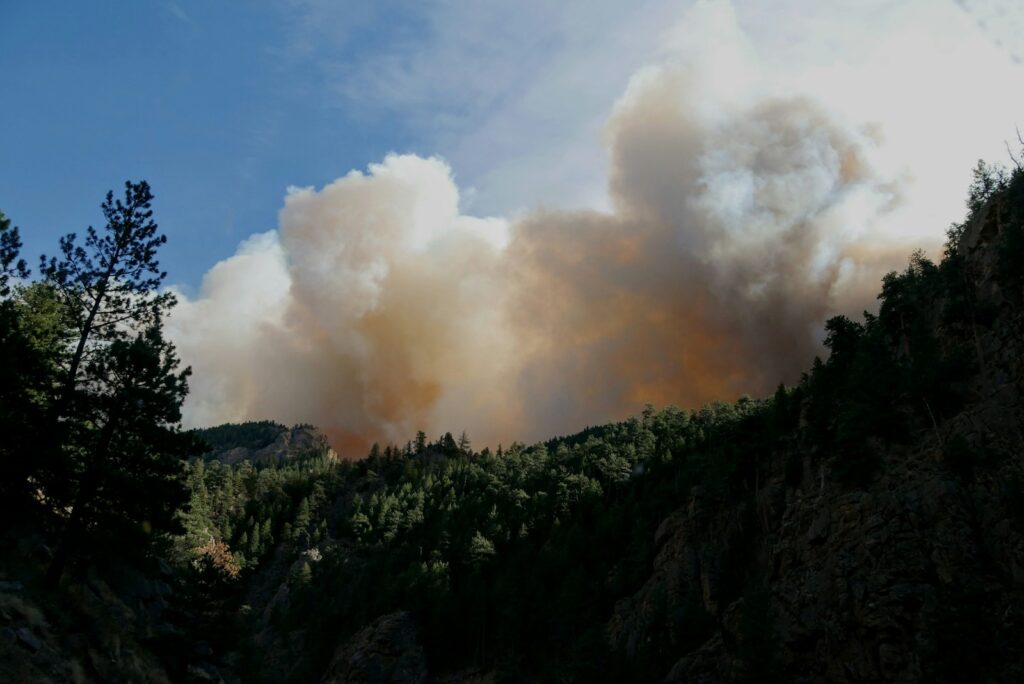
Prescribed burns have emerged as one of the most effective tools in modern park fire management, carefully reintroducing fire under controlled conditions. These planned ignitions typically occur during specific weather windows when humidity, wind, and temperature create optimal conditions for manageable, low-intensity burns. Fire managers establish clear boundaries with firebreaks and carefully monitor conditions throughout the burn to ensure fires remain within designated areas. Unlike wildfires that might burn during dangerous conditions, prescribed burns can be timed to accommodate wildlife breeding seasons and migration patterns, minimizing direct impacts on animal populations. The controlled nature of these burns also allows managers to target specific areas most in need of ecological restoration, creating a landscape mosaic that benefits diverse wildlife species with different habitat requirements.
Wildlife Adaptations to Fire Regimes
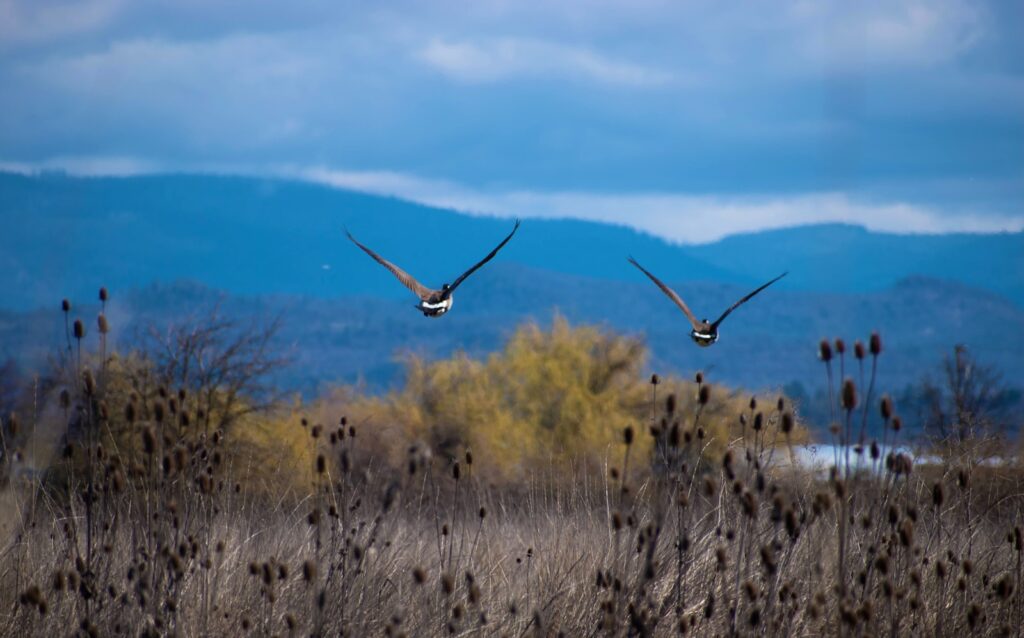
Wildlife species in fire-prone ecosystems have evolved remarkable adaptations to survive and even thrive in post-fire landscapes. Some animals, like certain deer species, preferentially graze in recently burned areas where nutritious regrowth provides high-quality forage. Many bird species have developed behaviors that allow them to detect fires from great distances and evacuate safely, while others actively seek out burned areas for feeding opportunities. Fascinating adaptations exist among reptiles as well—some species take refuge in burrows or rock crevices during burns, emerging unharmed to take advantage of the simplified hunting terrain afterward. Perhaps most remarkable are fire-dependent species like the Kirtland’s warbler, which requires young jack pine stands that only regenerate after fire for successful reproduction. These adaptations underscore why proper fire management isn’t merely about preventing ecosystem damage but about maintaining the very conditions many species need to survive.
Creating Habitat Mosaics Through Strategic Burns
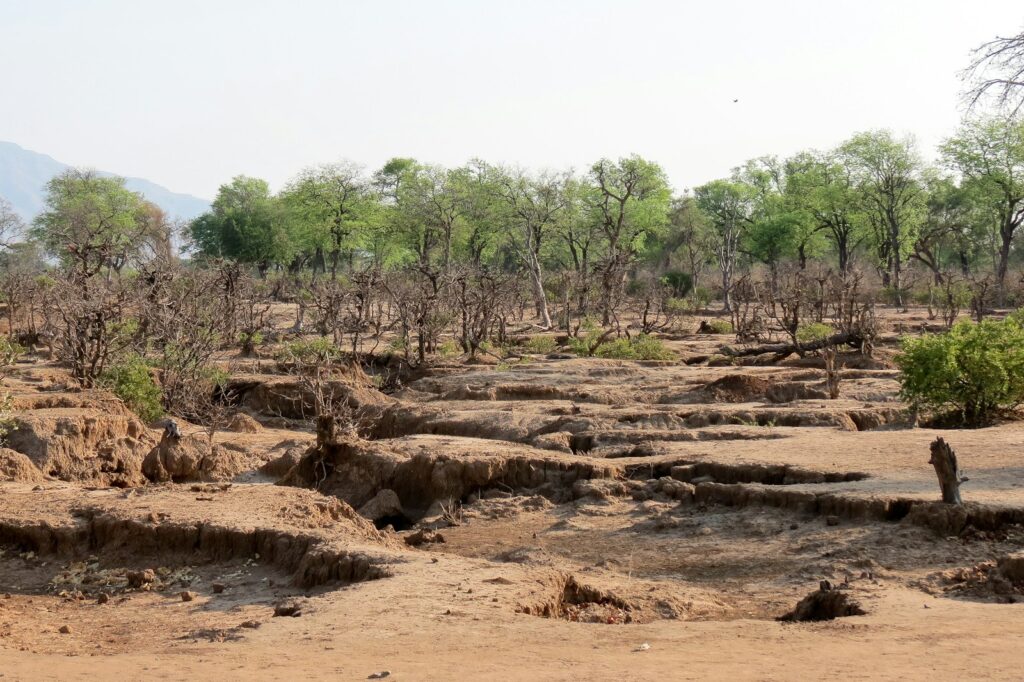
Modern fire management embraces the concept of creating habitat mosaics—a patchwork of areas at different stages of post-fire recovery. Rather than burning entire landscapes uniformly, managers implement strategic burns of varying intensities and frequencies across different areas. This approach mimics natural fire patterns that historically created diverse habitat structures across landscapes. The resulting mosaic provides critical resources for wildlife with different needs: recently burned areas offer abundant forage for grazers, while patches burned several years prior provide cover for smaller mammals and nesting sites for birds. Unburned refugia within burn areas serve as important sanctuaries where fire-sensitive species can persist during and immediately after burns. This patchwork approach maintains biodiversity by ensuring that no single fire event eliminates all suitable habitat for any particular species.
Plant Communities and Wildlife Habitat Recovery
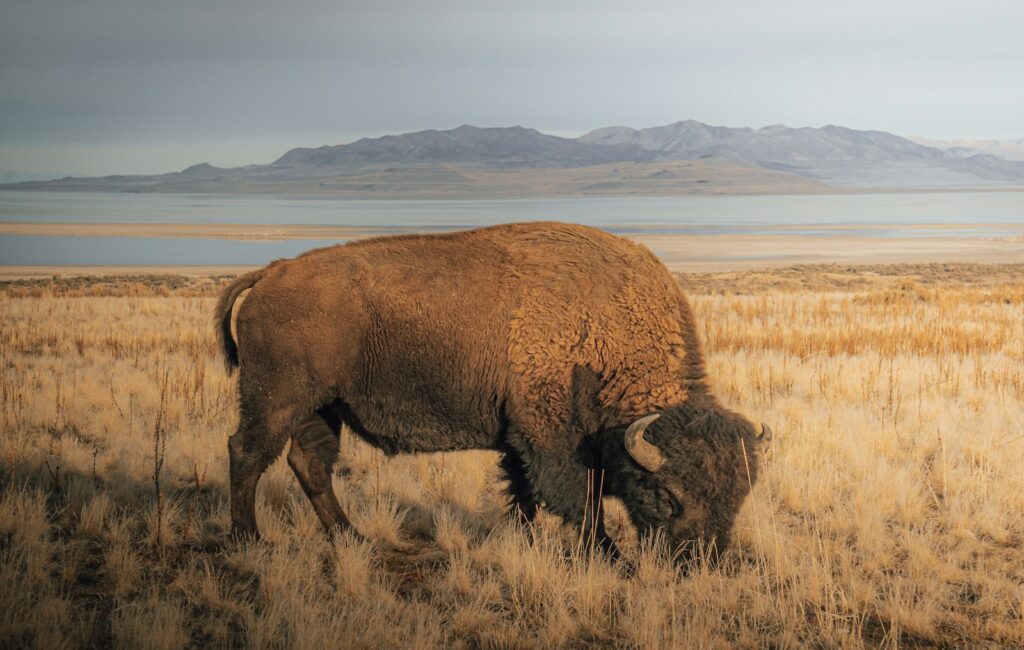
Fire triggers remarkable transformations in plant communities that directly benefit wildlife populations through habitat enhancement. In many ecosystems, fire stimulates dormant seeds to germinate, releases nutrients back into the soil, and reduces competition from dominant species. These changes create temporary windows of opportunity for diverse plant assemblages that might otherwise be outcompeted in later successional stages. The flush of new growth following fires provides nutrient-rich forage for herbivores, which in turn supports predator populations. Fire-adapted trees like lodgepole pines release seeds from serotinous cones specifically in response to heat, ensuring forest regeneration after burns. In grassland ecosystems, periodic fires prevent woody encroachment and maintain the open structure needed by species like prairie chickens and burrowing owls. The succession of plant communities following fire creates a dynamic landscape that supports wildlife diversity across both space and time.
Managing Fire for Endangered Species Protection
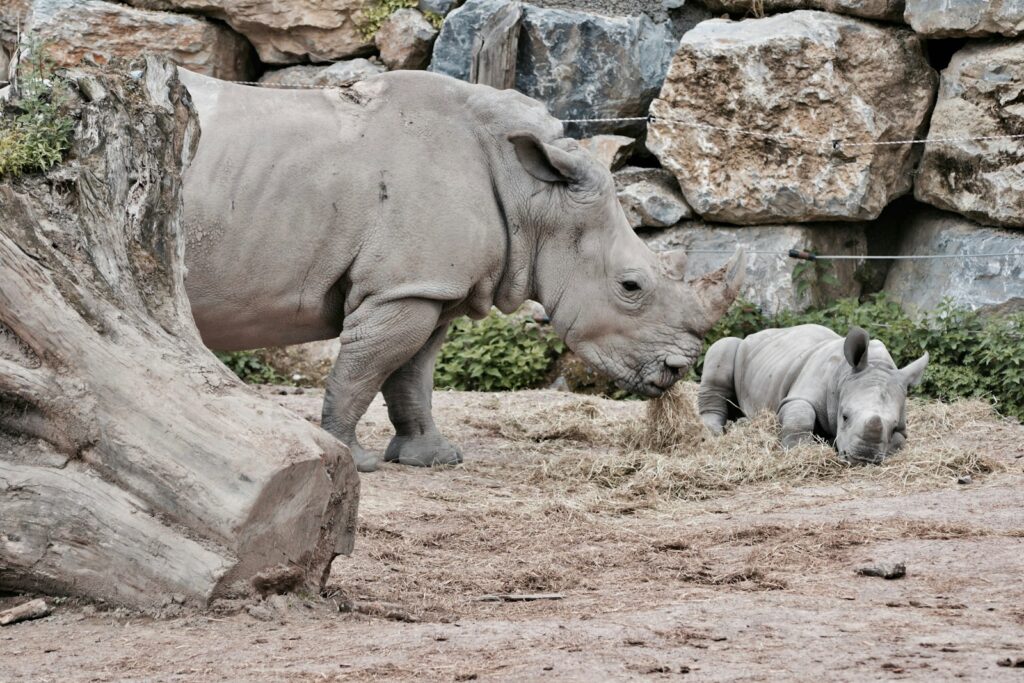
For many endangered species, appropriate fire management has become a critical component of recovery efforts. The red-cockaded woodpecker of southeastern pine forests depends on mature longleaf pines maintained by frequent, low-intensity fires that prevent hardwood encroachment while preserving the older trees they nest in. Recovery programs for the Karner blue butterfly focus on prescribed burns that maintain the lupine plants their caterpillars exclusively feed upon. In Australia, the malleefowl requires a specific fire interval—not too frequent to destroy habitat completely, but regular enough to maintain the vegetation structure needed for successful breeding. Fire managers must carefully balance timing, intensity, and frequency to benefit these sensitive species without creating additional threats. This specialized approach often involves extensive monitoring before and after burns to evaluate impacts and adjust future management actions accordingly.
The Role of Fire in Controlling Invasive Species

Invasive species represent one of the greatest threats to biodiversity worldwide, and strategic fire management offers a powerful tool for their control. Many invasive plants evolved in environments without regular fire and lack the adaptations to survive burns that native species possess. By implementing properly timed burns, managers can target invasive species during their most vulnerable growth stages while favoring fire-adapted natives. For example, carefully timed burns help control cheatgrass in western sagebrush ecosystems by interrupting its life cycle before seed production. Fire can also reduce the thick layers of non-native grasses that prevent native seedling establishment in many ecosystems. However, fire must be used judiciously, as some invasive species actually benefit from burns and may spread more rapidly afterward. Successful invasive species management through fire requires detailed understanding of both the target species’ vulnerabilities and the native ecosystem’s fire adaptations.
Balancing Public Safety with Ecological Benefits

Fire managers face the complex challenge of balancing ecological benefits with human safety concerns, particularly in parks with high visitation or near developed areas. Communication plays a crucial role in this balance, with managers educating the public about planned burns well in advance through visitor centers, websites, and social media. Temporary closures of certain park areas during burns protect visitors while allowing necessary management actions to proceed. Smoke management has become increasingly sophisticated, with meteorologists helping plan burns during conditions that will minimize impacts on nearby communities and sensitive populations. Creating defensible space around infrastructure within parks helps protect these investments while still allowing beneficial fires to occur in more remote areas. This careful balancing act requires collaboration between fire ecologists, safety experts, and public relations specialists to ensure that management actions achieve ecological goals while maintaining public trust and safety.
Technological Advances in Fire Management
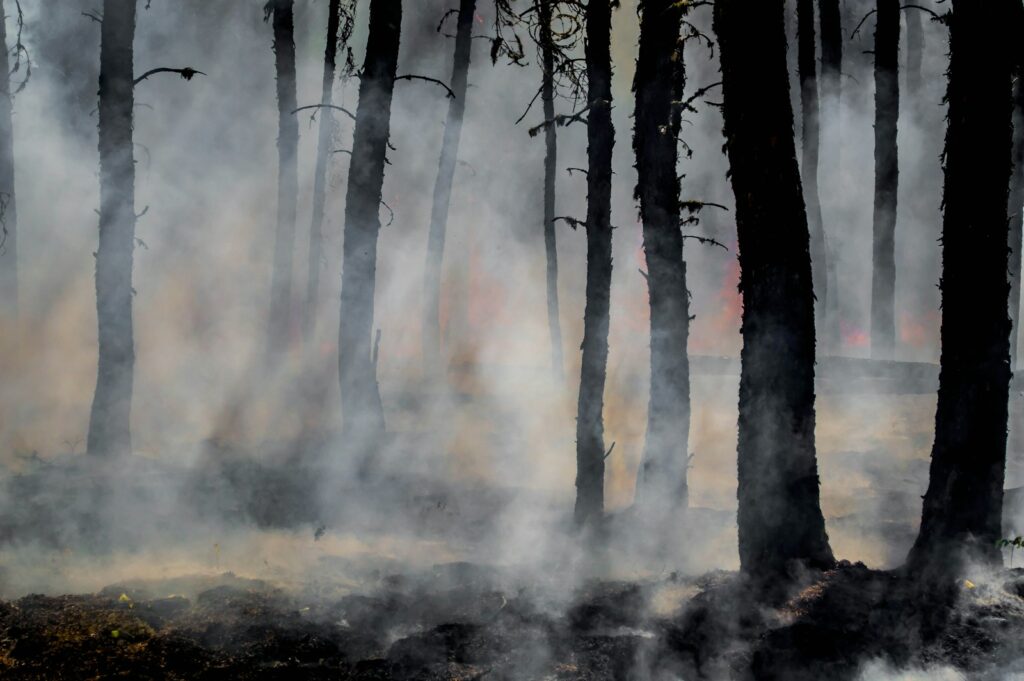
Modern fire management benefits from remarkable technological advances that enhance precision, safety, and effectiveness. Aerial ignition techniques using helicopters or drones allow managers to start controlled burns in remote or difficult terrain without putting personnel at risk. Sophisticated computer modeling can predict fire behavior under various weather conditions, helping managers identify optimal burn windows and anticipate potential challenges. Infrared cameras mounted on aircraft detect hotspots that might escape visual observation, ensuring fires remain contained within designated boundaries. GPS tracking of burn perimeters provides real-time information to coordination centers, improving command decisions during active burns. Remote sensing technologies help evaluate burn severity and vegetation recovery post-fire, providing valuable data for adaptive management. These technological tools, combined with traditional ecological knowledge, create more precise and effective fire management programs that maximize benefits to wildlife while minimizing risks.
Climate Change Considerations in Fire Management
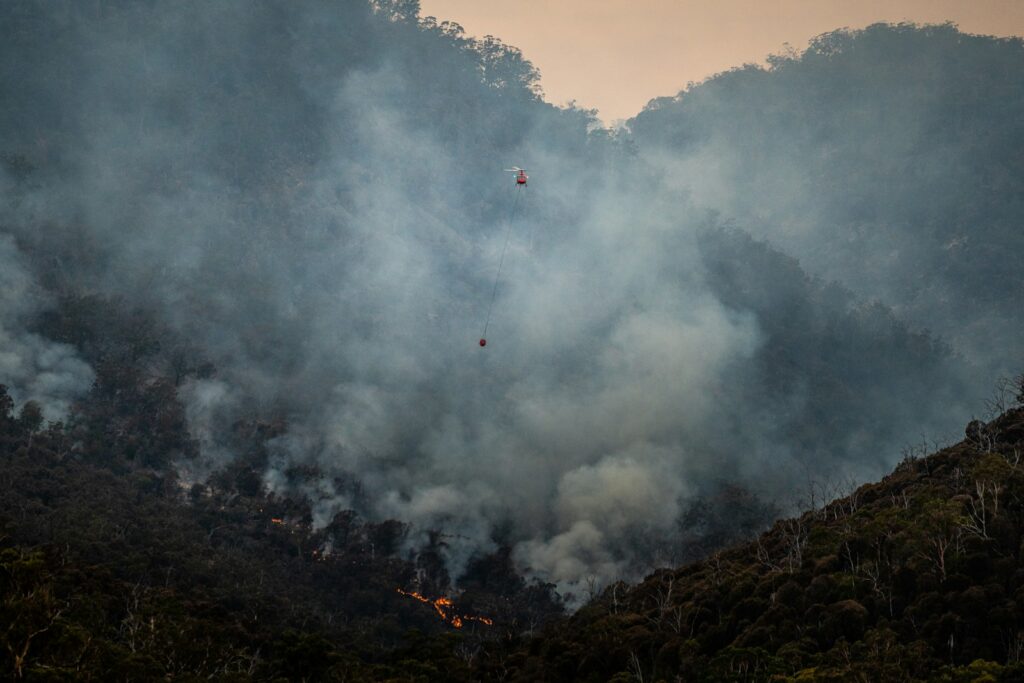
Climate change has dramatically altered fire regimes worldwide, requiring adaptive approaches to fire management that account for changing conditions. Rising temperatures, altered precipitation patterns, and extended drought periods have increased both the frequency and intensity of wildfires in many regions. Park managers must now consider how these changing conditions affect the timing and implementation of prescribed burns, often working within narrower windows of appropriate weather conditions. Fire management increasingly incorporates climate modeling to anticipate future conditions and develop proactive strategies rather than merely responding to current patterns. Some ecosystems may require more frequent burns to reduce fuel loads under warmer, drier conditions, while others might need reduced burn frequencies as they adapt to changing climates. These climate considerations add complexity to wildlife conservation efforts, as managers must predict how both fire regimes and wildlife needs will shift in coming decades.
Collaborative Approaches to Fire Management
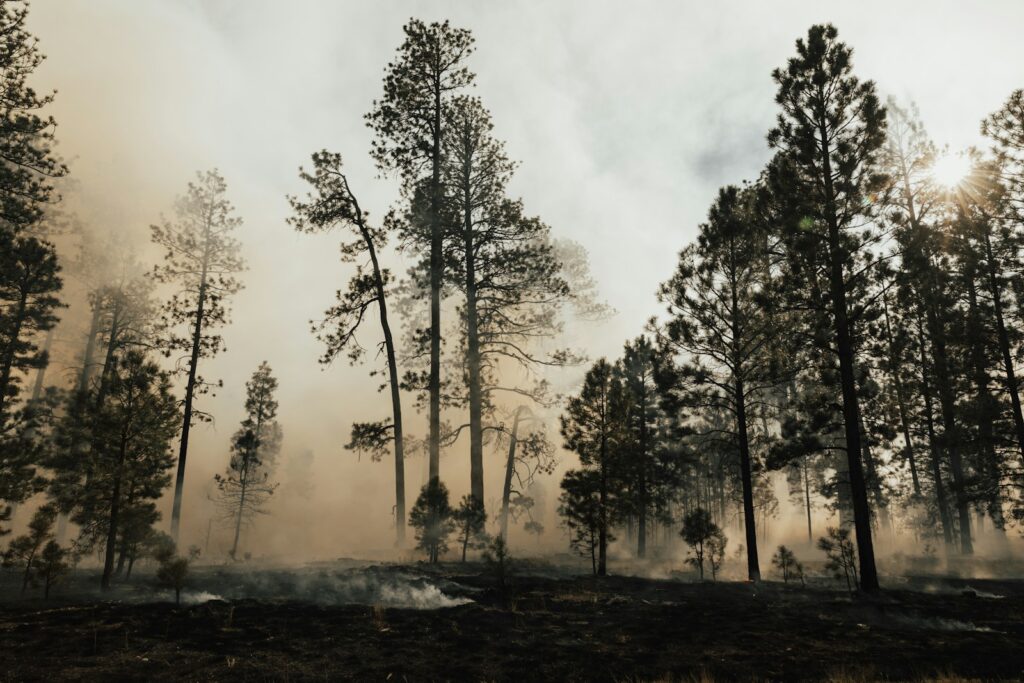
Effective fire management transcends individual park boundaries, requiring collaboration among diverse stakeholders across landscapes. Interagency partnerships between national parks, forest services, state agencies, and private landowners create more cohesive approaches to fire management at ecologically meaningful scales. Indigenous communities increasingly contribute traditional ecological knowledge about historical fire regimes and management techniques, enriching scientific approaches with centuries of practical experience. Collaboration with universities and research institutions helps evaluate management outcomes and refine techniques based on emerging science. Local communities participate through volunteer fire departments, citizen science monitoring programs, and educational initiatives that build public support for necessary burns. These collaborative efforts recognize that wildlife populations move across jurisdictional boundaries and that ecosystem processes operate at landscape scales, necessitating coordinated approaches to fire management that benefit wildlife throughout their ranges.
Measuring Success: Monitoring Wildlife Responses to Fire Management

Evaluating the effectiveness of fire management requires sophisticated monitoring programs that track wildlife responses across multiple scales and timeframes. Before-after-control-impact study designs help isolate the effects of fire from other environmental variables by comparing burned areas to similar unburned reference sites. Long-term monitoring stations track vegetation structure and wildlife populations over decades, capturing both immediate post-fire responses and longer-term succession patterns. Advanced techniques like acoustic monitoring for birds and bats, camera trapping for mammals, and environmental DNA sampling for aquatic species provide comprehensive data with minimal disturbance to recovering ecosystems. Citizen science initiatives often supplement professional monitoring efforts, expanding data collection while building public investment in conservation outcomes. These monitoring programs not only measure success but also inform adaptive management approaches, allowing fire managers to refine techniques based on observed wildlife responses and changing environmental conditions.
Conclusion
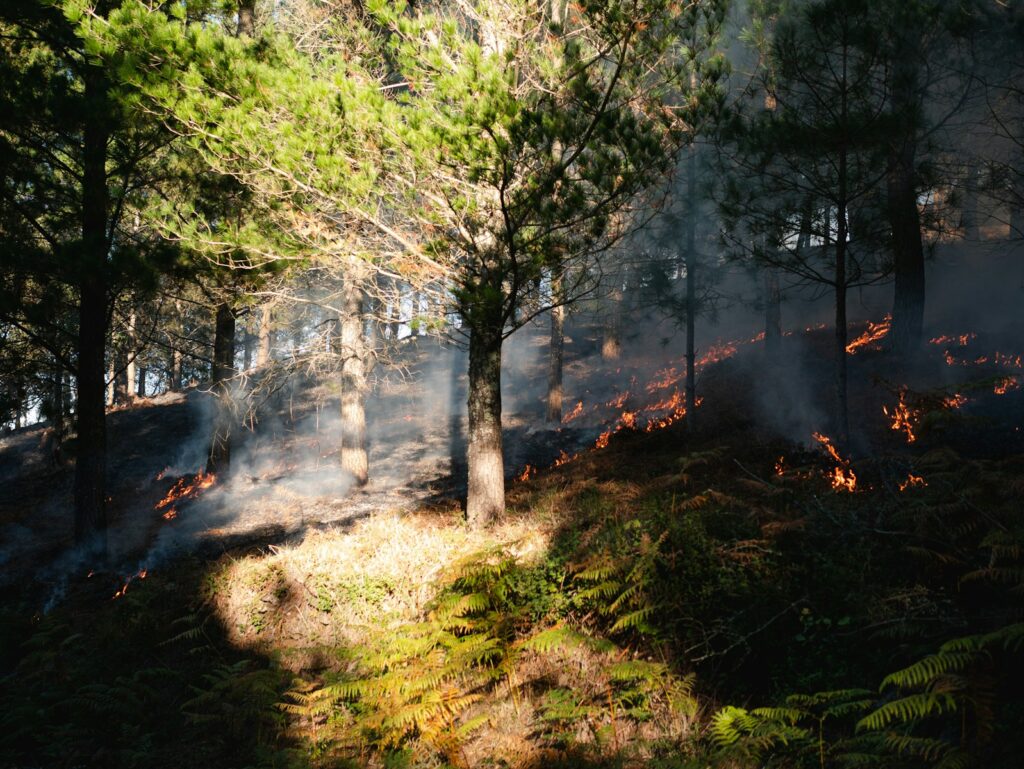
The relationship between fire management and wildlife conservation continues to evolve as our understanding of ecological processes deepens. By embracing fire as a natural and necessary component of many ecosystems, park managers have transformed a once-feared element into a sophisticated conservation tool. Properly implemented fire management creates resilient landscapes that support diverse wildlife communities, controls invasive species, and helps ecosystems adapt to changing climate conditions. The success of these efforts depends on science-based approaches, technological innovation, collaborative partnerships, and careful monitoring of outcomes. As we face increasing environmental challenges, thoughtful fire management in our parks and protected areas remains one of our most powerful strategies for preserving wildlife and the habitats they depend on. Through this work, we honor the evolutionary relationships between fire and wildlife while ensuring these natural processes continue to shape healthy ecosystems for generations to come.