

The natural world around us is changing at an unprecedented pace, creating urgent challenges for wildlife conservation efforts worldwide. As ecosystems face mounting threats from climate change, habitat loss, and pollution, scientists are racing to understand these impacts on animal populations and biodiversity. Yet traditional research methods often struggle with limitations in scale, funding, and personnel. Enter citizen science: a revolutionary approach that invites ordinary people to participate in scientific research, transforming wildlife monitoring and conservation efforts across the globe. By enlisting the help of passionate volunteers, researchers have expanded their reach exponentially, gathering vast datasets that would otherwise be impossible to collect. This collaborative model has become increasingly vital to our understanding of wildlife populations and the development of effective conservation strategies in a rapidly changing world.
Defining Citizen Science in Wildlife Research
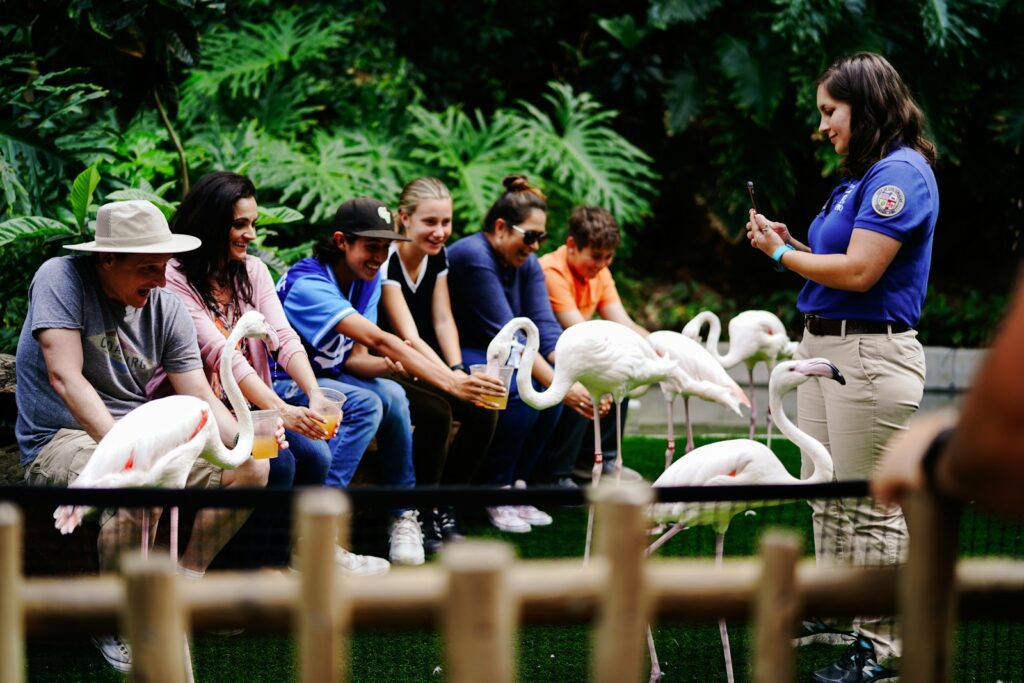
Citizen science refers to the practice of engaging non-professional scientists—everyday people—in scientific research through data collection, analysis, or other contributions. In wildlife research specifically, it involves volunteers observing, documenting, and reporting information about animal species, their behaviors, and their habitats using standardized protocols developed by scientists. These projects can range from backyard bird counts conducted by homeowners to complex monitoring programs tracking endangered species across vast geographic areas. The defining characteristic of citizen science is its democratization of the research process, making scientific inquiry accessible to anyone with interest, regardless of formal training or credentials. While professional scientists design the methodologies and analyze results, it’s the collective effort of volunteers that provides the rich, extensive datasets that make these projects so valuable to conservation efforts and ecological understanding.
The Historical Evolution of Citizen Science

While the term “citizen science” may seem modern, the practice of amateur naturalists contributing to scientific knowledge has deep historical roots dating back centuries. The Christmas Bird Count, initiated by the Audubon Society in 1900, stands as one of the earliest formal citizen science programs and continues today as the longest-running wildlife census worldwide. In the mid-20th century, birding projects like the North American Breeding Bird Survey established in 1966 further formalized volunteer participation in wildlife monitoring. The true explosion in citizen science, however, came with the digital revolution of the 1990s and 2000s, when internet connectivity and smartphone technology dramatically reduced barriers to participation. Platforms like eBird (launched 2002) and iNaturalist (launched 2008) transformed how data could be collected, verified, and shared, allowing instant uploads of observations complete with photos, GPS coordinates, and timestamps. This technological evolution has enabled today’s citizen science projects to operate at previously unimaginable scales, with some global initiatives now involving millions of participants across continents.
Expanding Research Scale Through Volunteer Networks
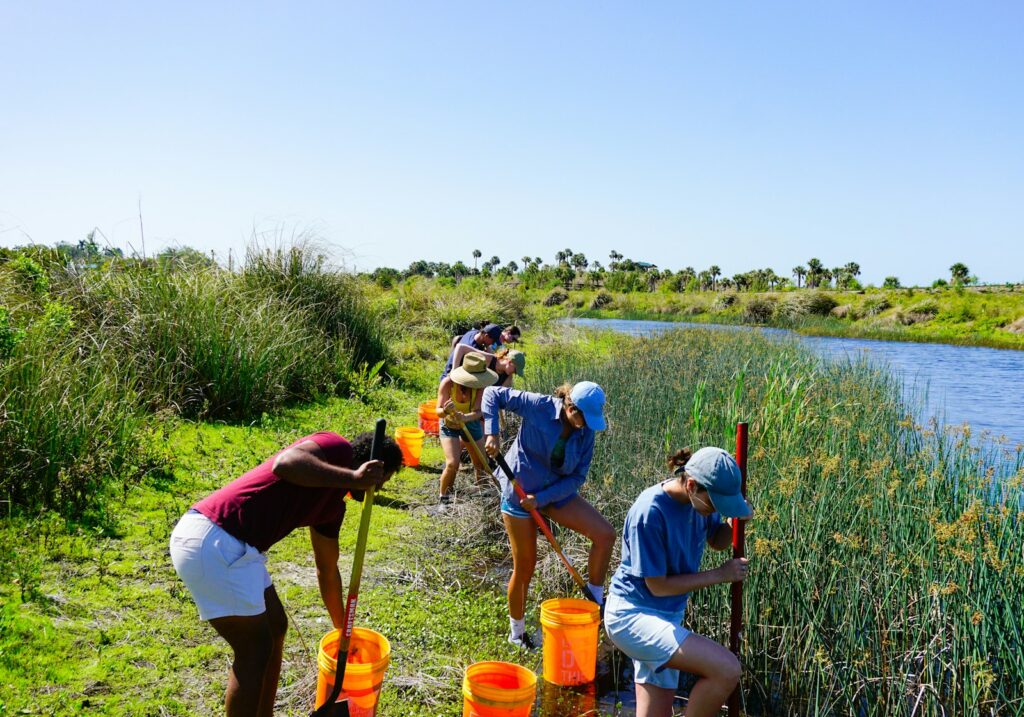
One of the most powerful advantages citizen science brings to wildlife research is the ability to dramatically expand the geographical and temporal scale of data collection. Professional scientists, no matter how dedicated, face practical limitations in how much territory they can cover and how frequently they can make observations. Citizen science shatters these constraints by creating networks of observers distributed across landscapes, countries, and even continents. The eBird platform exemplifies this scale advantage, with over 100 million bird observations submitted annually from virtually every country on Earth, creating the largest biodiversity-related citizen science project in existence. This expansive coverage enables researchers to track migration patterns, population trends, and range shifts at continental scales that would be impossible using traditional research methods alone. Additionally, these volunteer networks allow for continuous monitoring throughout seasons and years, capturing rare events like unusual breeding behaviors or responses to extreme weather that might otherwise go undocumented in more limited research programs.
Cost-Effectiveness of Volunteer Participation

The financial realities of wildlife research present significant challenges, with funding often limited and competition for grants intense. Citizen science offers a remarkably cost-effective solution to this persistent problem by leveraging volunteer labor for data collection that would otherwise require paid professional staff. A 2015 study published in Biological Conservation estimated that the economic value of volunteer time contributed to biodiversity monitoring programs exceeded $2.5 billion annually worldwide. This extraordinary resource allows research dollars to stretch much further, enabling projects to collect data at scales that would be financially prohibitive using traditional methods. For example, the UK Butterfly Monitoring Scheme relies on volunteers who collectively walk thousands of standardized transects each year, providing population trend data that would cost millions to gather using paid researchers. Beyond direct cost savings, these programs often benefit from volunteers contributing their own equipment, transportation, and technological resources, further reducing project expenses while maintaining high-quality scientific outputs.
Technology’s Role in Modern Citizen Science
The technological revolution of the past two decades has transformed citizen science from a niche activity into a mainstream research methodology. Smartphone apps now serve as powerful data collection tools, allowing volunteers to record wildlife observations complete with photographs, audio recordings, GPS coordinates, and timestamps—all validated in real-time through artificial intelligence systems that help identify species and flag potential errors. Platforms like iNaturalist use machine learning algorithms that suggest species identifications from submitted photos, improving accuracy while simultaneously teaching users about taxonomy and identification. Web-based dashboards provide instant visualization of collected data, allowing participants to see how their contributions fit into larger patterns and trends. Cloud computing and big data analytics enable researchers to process these massive datasets, extracting meaningful insights about species distributions, population changes, and behavioral patterns. The integration of these technologies has dramatically lowered barriers to participation while simultaneously improving data quality, creating a virtuous cycle that continues to expand the reach and impact of citizen science in wildlife research.
Quality Control in Volunteer-Generated Data

A common concern about citizen science is the reliability of data collected by volunteers with varying levels of expertise. However, the field has developed sophisticated quality control mechanisms that often produce datasets rivaling those collected by professionals. Many projects implement tiered participation structures, where beginners receive training and guidance while experienced participants help verify submissions. Statistical methods have been developed specifically to account for observer variability, allowing researchers to adjust for differences in skill levels when analyzing results. Photograph-based observations enable expert review, with platforms like eBird employing regional reviewers who examine unusual sightings and request additional documentation when needed. Technological solutions also play a crucial role, with automated filters flagging improbable observations (like tropical species reported in arctic conditions) for human review. Research has repeatedly demonstrated that when properly designed with these quality control mechanisms, citizen science projects can generate reliable, publication-quality data suitable for peer-reviewed research and conservation planning.
Flagship Projects Making Major Impacts

Several citizen science initiatives have become cornerstones of wildlife research, demonstrating the enormous potential of this collaborative approach. The Monarch Watch program has engaged thousands of volunteers in tracking the declining populations of monarch butterflies, creating the most comprehensive dataset on this species’ migration patterns and breeding success across North America. Their data directly informed the 2020 decision to consider monarchs for endangered species protection. The FrogWatch USA program has documented concerning amphibian population declines and range shifts, with volunteers recording calling frogs and toads during evening monitoring sessions that have continued for over 20 years. The Sea Turtle Nest Monitoring Network coordinates hundreds of volunteers who patrol beaches during nesting season, protecting nests and collecting crucial data on reproductive success rates that have guided conservation policies in coastal communities. The Reef Life Survey engages recreational divers to monitor marine biodiversity on coral reefs worldwide, creating a global snapshot of reef health that would be logistically impossible for scientists to collect independently. Each of these initiatives demonstrates how citizen science has evolved from supplemental data collection into essential research infrastructure for wildlife conservation.
Early Warning Systems for Population Changes

One of the most valuable contributions citizen science makes to wildlife conservation is serving as an early warning system for population declines or behavioral changes that might otherwise go undetected until reaching crisis levels. The distributed nature of volunteer networks creates a surveillance system spanning diverse habitats and regions, capable of detecting subtle shifts before they become apparent in more limited professional studies. The UK Butterfly Monitoring Scheme, operated primarily by volunteers since 1976, was among the first to document northward range shifts in butterfly species responding to climate change, detecting these movements years before similar patterns were widely recognized in other wildlife. Citizen reports through the Wildlife Health Event Reporter helped identify unusual mortality events in bird populations, allowing researchers to detect the spread of West Nile virus and other pathogens much earlier than would have been possible through traditional surveillance alone. The power of these early detection systems becomes even more pronounced with long-running projects, where decades of consistent data collection creates baseline knowledge that makes new trends or anomalies immediately apparent to researchers analyzing the data.
Educational Benefits and Scientific Literacy

Beyond the direct research contributions, citizen science projects serve as powerful educational tools that increase scientific literacy and environmental awareness among participants. Studies have consistently demonstrated that active involvement in wildlife monitoring leads to deeper understanding of ecological concepts, research methods, and conservation challenges than passive learning approaches. Participants frequently report improved species identification skills, greater knowledge of animal behavior and habitat requirements, and stronger connections to local ecosystems. This hands-on engagement with science often extends beyond the individual to affect family members and social networks, creating ripple effects that spread scientific thinking through communities. For younger participants, these experiences can be transformative, with research showing that involvement in citizen science during childhood correlates with increased interest in STEM careers and environmental stewardship. The participatory nature of these projects breaks down perceived barriers between “scientists” and “the public,” fostering a more scientifically engaged citizenry that better understands the process and value of evidence-based decision making in environmental management.
Bridging the Gap Between Science and Policy

Citizen science projects create unique bridges between scientific research and policy implementation, particularly at local and regional levels where community engagement can drive conservation action. When citizens personally collect data documenting wildlife declines or environmental threats, they often become powerful advocates for policy changes to address these issues. The Flint River Water Watch in Michigan exemplifies this connection, where citizen-collected water quality data highlighted problems that eventually led to significant policy reforms protecting both wildlife and human health. Similarly, volunteer-collected data on bald eagle populations was instrumental in evaluating the success of pesticide regulations enacted to protect this iconic species. The community connections formed through citizen science can be particularly effective at translating research findings into municipal policies like wildlife corridor protection, habitat restoration projects, and wildlife-friendly development codes. This science-to-policy pathway becomes especially powerful when projects are designed from the outset with policy relevance in mind, collecting exactly the kinds of data needed to inform specific management decisions or regulatory processes.
Addressing the Challenges of Volunteer Engagement

Despite its many benefits, citizen science faces significant challenges in volunteer recruitment, retention, and engagement that project managers must actively address for long-term success. Initial enthusiasm often gives way to participant dropout, particularly in projects requiring ongoing commitments or challenging protocols. Successful programs combat this through thoughtful design elements like gamification, where participants earn badges or recognition for milestones achieved, creating both competition and community that sustains involvement. Clear communication about how data is being used proves essential, as volunteers who understand the impact of their contributions remain motivated through challenging conditions or repetitive tasks. Accessibility presents another challenge, with many programs historically skewing toward participants with economic advantages, flexible schedules, and technology access. Leading projects now actively work to diversify participation through multilingual materials, simplified protocols for beginners, loan equipment programs, and partnerships with community organizations serving underrepresented populations. Social elements also prove crucial for retention, with events, online communities, and mentorship opportunities creating connections that keep volunteers engaged beyond their initial interest in the scientific questions.
The Future of Wildlife Citizen Science
The coming decade promises transformative advances in citizen science approaches to wildlife research, building on technological innovations and evolving research needs. Artificial intelligence and machine learning tools will increasingly augment human observations, with algorithms assisting in species identification while simultaneously learning from expert corrections to improve accuracy over time. Automated sensors and acoustic monitoring devices maintained by volunteer networks will expand data collection beyond visual observations, capturing wildlife activity continuously in remote locations. Integration of citizen-collected data with environmental DNA sampling, satellite imagery, and climate modeling will create unprecedented opportunities to understand wildlife responses to environmental change at multiple scales. New collaborative models are emerging that more deeply involve volunteers in research design and analysis phases, not just data collection, creating more equitable partnerships between professional and citizen scientists. International standardization of protocols is increasing, allowing data from different citizen science projects to be combined and compared across borders. These innovations suggest citizen science will play an increasingly central role in wildlife research, evolving from a supplementary approach to a core methodology that fundamentally reshapes how we study and protect biodiversity worldwide.
Conclusion: The Collective Future of Wildlife Research
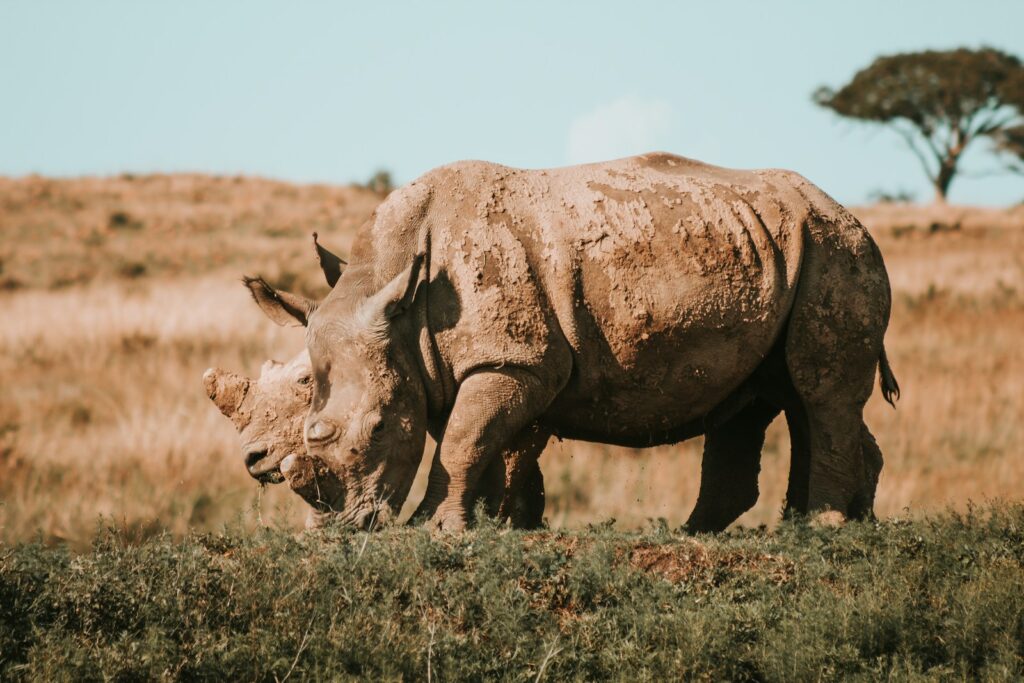
As we face unprecedented environmental challenges, the collaborative model of citizen science represents not just a useful tool but a necessary evolution in how we study and protect wildlife. By harnessing the collective power of concerned citizens worldwide, researchers can gather data at scales that would otherwise be impossible, detecting changes in populations and behaviors that might otherwise go unnoticed until reaching crisis levels. Beyond the scientific contributions, these projects create communities of engaged citizens who better understand ecological processes and often become powerful advocates for evidence-based conservation policies. The future of wildlife research lies in this partnership between professional scientists and volunteer participants, each bringing unique and valuable contributions to our understanding of the natural world. As technology continues to lower barriers to participation while improving data quality, citizen science promises to become even more central to wildlife conservation efforts worldwide, transforming not just how research is conducted but creating a more scientifically literate society with deeper connections to the wildlife with which we share our planet.