

Across parks and green spaces nationwide, a surprising ecological hero has emerged in the battle against invasive plants: the humble goat. With their voracious appetites and ability to access difficult terrain, goats are revolutionizing how land managers approach ecosystem restoration. This natural alternative to chemical herbicides and mechanical removal combines ancient agricultural practices with modern conservation needs. As parks struggle with limited budgets and growing invasive plant problems, goat-powered landscape management offers an innovative, environmentally friendly solution that’s capturing public imagination while delivering impressive results.
The Growing Invasive Species Crisis in Parks

Invasive plant species represent one of the most significant threats to the ecological integrity of America’s parks and natural areas. These non-native plants outcompete native vegetation, disrupt wildlife habitat, and can fundamentally alter ecosystem functions from nutrient cycling to fire regimes. According to the National Park Service, invasive plants infest approximately 2.6 million acres of the 85 million acres in the national park system, with this footprint expanding by an estimated 1.7 million acres annually. Traditional management approaches like chemical herbicides raise environmental concerns and can be prohibitively expensive for parks operating with constrained budgets. Many invasive plants, such as kudzu, Japanese knotweed, and multiflora rose, have proven remarkably resilient to conventional control methods, requiring persistent, multi-year treatment plans that strain resources and staff time.
Why Goats Are Ecological Superheroes
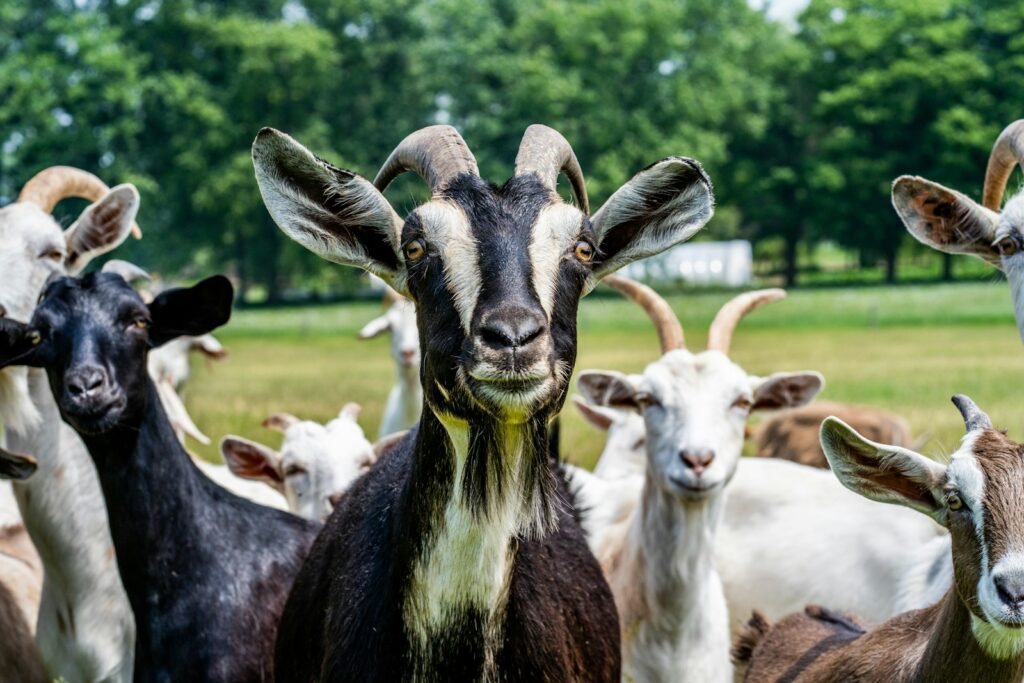
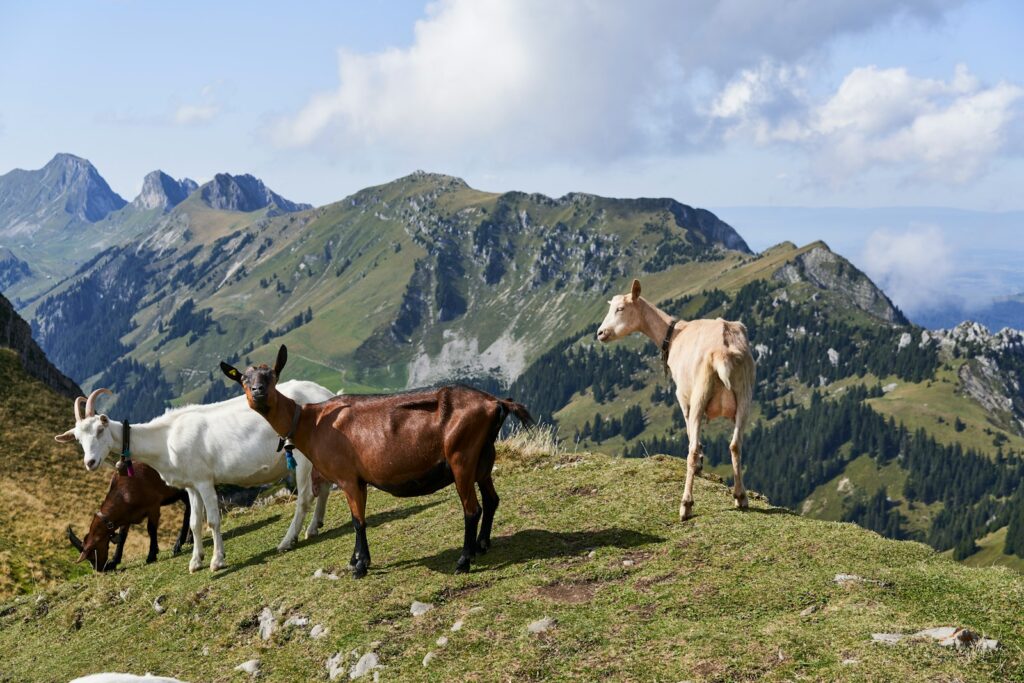
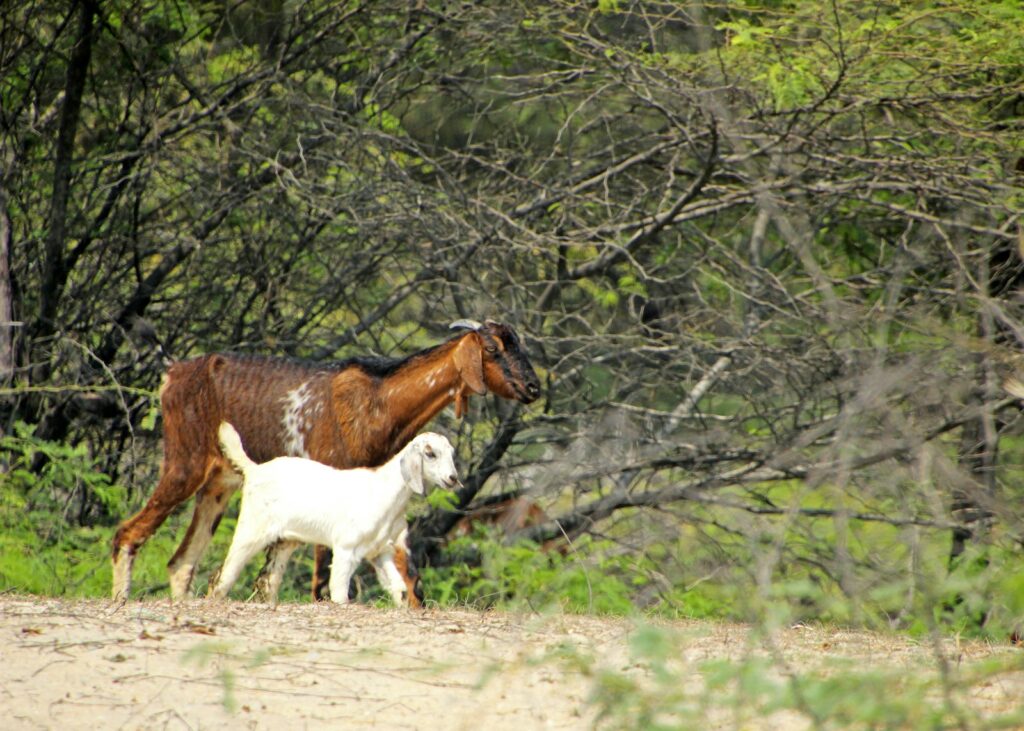
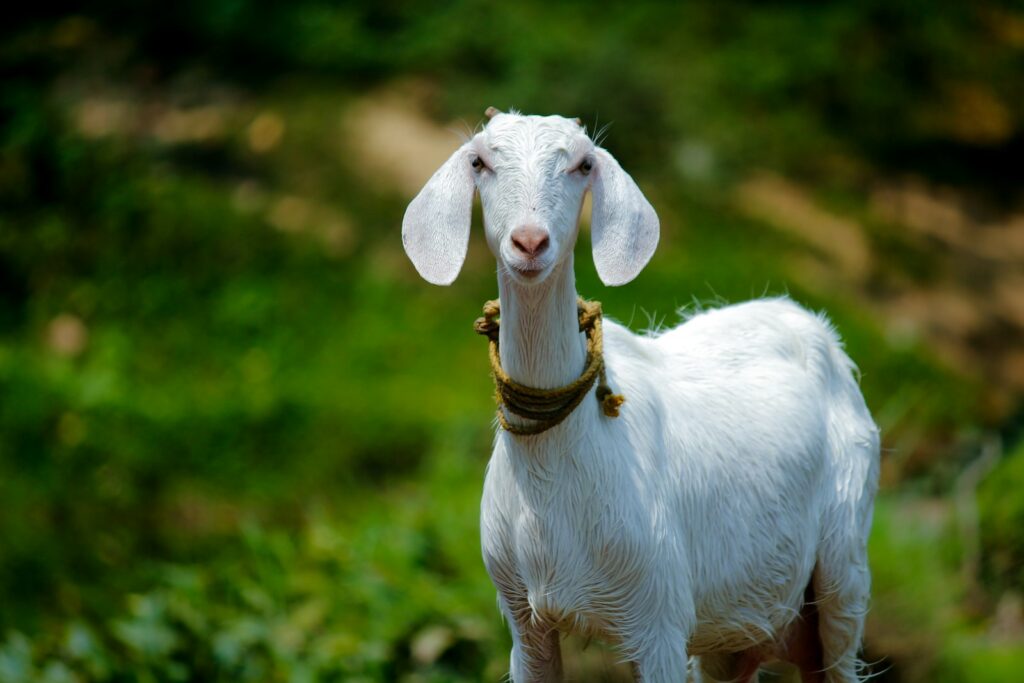
Goats possess several biological and behavioral characteristics that make them exceptionally effective at controlling invasive vegetation. Unlike most domestic livestock, goats are browsers rather than grazers, meaning they preferentially consume woody and leafy vegetation instead of grasses. Their digestive systems can process plants containing compounds that would sicken other animals, including toxic plants like poison ivy and plants with high tannin content. Goats are remarkably agile, capable of accessing steep slopes, ravines, and other challenging terrain where mechanical equipment cannot safely operate. Perhaps most importantly, goats can consume 25% of their body weight in vegetation daily, making them incredibly efficient at clearing large areas of unwanted plants. Their natural tendency to strip bark from woody invasives and their ability to reach vegetation up to six feet high gives them advantages over other biological control methods.
The Science Behind Goat-Based Management
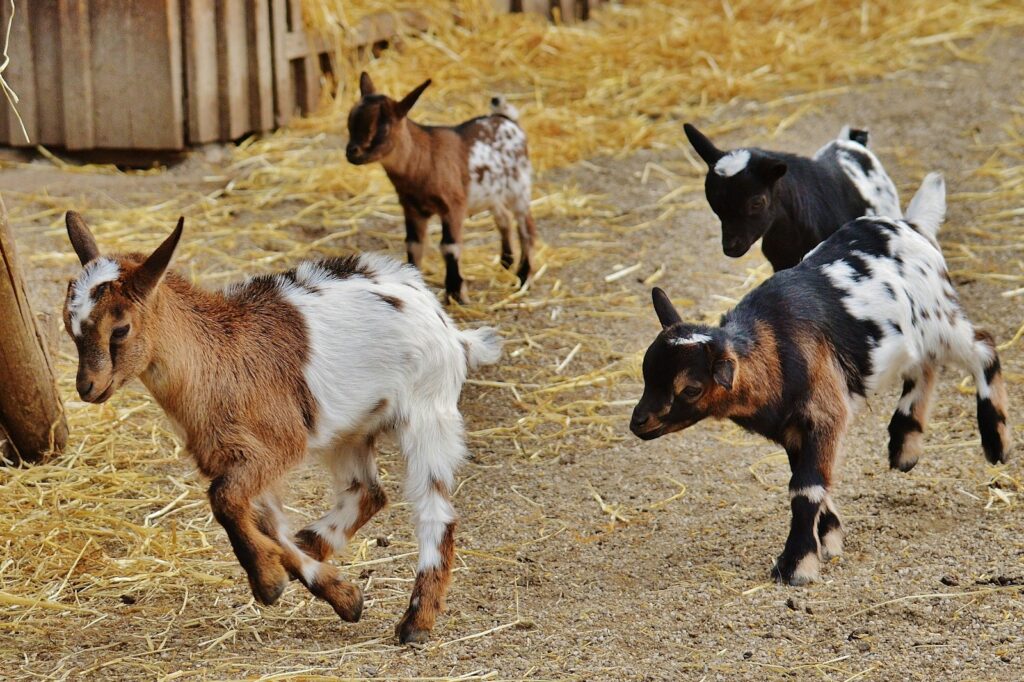
The effectiveness of goats as invasive species managers is grounded in solid ecological science. Research studies from universities including UC Davis and Oregon State have documented goats’ impact on target species, highlighting how properly timed grazing can deplete plant energy reserves stored in roots by removing photosynthetic tissues. When invasive plants are browsed repeatedly during the growing season, they exhaust their energy stores and eventually die. Additionally, goats’ digestive process destroys most seeds they consume, preventing further spread of invasive plants through their droppings. Scientists have observed that some invasive species require specific timing for goat introduction – early spring deployment works best for plants like garlic mustard, while others like kudzu require multiple grazing periods throughout the growing season. The digestive efficiency of goats also means they can effectively process massive quantities of plant material without the carbon emissions associated with mechanical removal and disposal.
Success Stories from National Parks
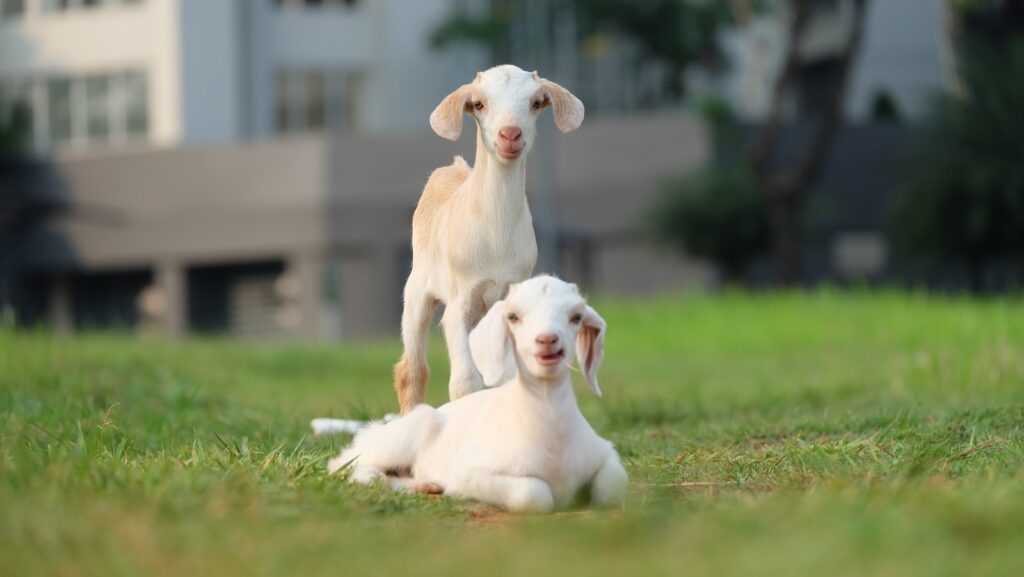
The Gateway National Recreation Area in New York has become a model for goat-based invasive management, employing a herd of 24 goats to target phragmites and oriental bittersweet that threatened native coastal habitats. After three seasons of targeted grazing, park biologists documented a 45% reduction in invasive cover and significant recovery of native plant communities. At Olympic National Park in Washington, a pilot program using Spanish goats to combat Scotch broom invasion along sensitive riverbanks has shown promising results, with 85% reduction in target species after just two grazing cycles. Shenandoah National Park partnered with local farmers to bring in seasonal goat herds that successfully reduced mile-a-minute vine infestations by over 70% in treated areas, all without damage to the delicate understory plants that support the park’s biodiversity. These successes have inspired dozens of other national and state parks to launch their own goat-based management programs.
Urban Park Applications

Urban parks face unique challenges with invasive species, as these areas often serve as introduction points for ornamental plants that escape into natural areas. New York City’s Prospect Park has pioneered urban goat deployment, bringing in a specialized herd to tackle dense stands of Japanese knotweed and porcelainberry that mechanical equipment couldn’t reach without damaging mature trees. Chicago’s park district now rotates goat herds through multiple city parks each season, targeting buckthorn and honeysuckle while creating educational opportunities for urban residents unfamiliar with agricultural practices. Atlanta’s Chastain Park has documented significant cost savings compared to traditional removal methods, calculating that their three-year goat program costs 40% less than equivalent chemical and mechanical control would require. The visibility of goats in urban settings has the added benefit of engaging community members who might otherwise remain disconnected from ecological management efforts.
The Economics of Goat-Powered Restoration
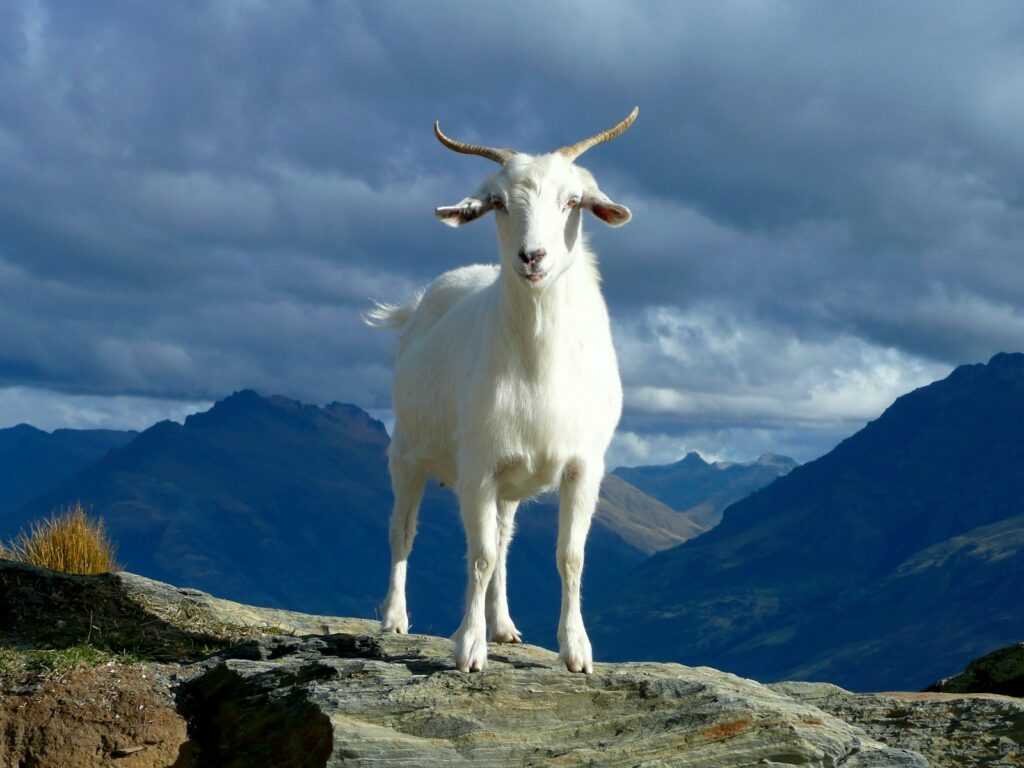
Financial considerations often drive park management decisions, making the economic case for goat-based invasive control particularly compelling. Cost analyses from multiple park systems indicate that while initial expenses for goat deployment may be comparable to traditional methods, the reduced need for follow-up treatments creates significant long-term savings. A comprehensive study by the California State Parks found that areas treated with goats required 62% less herbicide application in subsequent years compared to areas managed with conventional methods alone. Labor costs also decrease substantially, as a single herder with dogs can manage hundreds of goats compared to the crew needed for manual removal of dense invasive thickets. Additional economic benefits include reduced equipment maintenance costs, lower fuel consumption, and decreased worker compensation claims that sometimes result from the physical demands of manual removal in difficult terrain.
Targeted Grazing Techniques

Successful invasive management with goats requires sophisticated grazing techniques tailored to specific ecological conditions and target species. Park managers typically employ portable electric fencing to create management cells that concentrate the goats’ impact on priority areas, moving the animals systematically through infested zones. Herd composition matters significantly, with experienced herders selecting animals based on age, breed, and previous grazing experience to match the vegetation challenge. Kiko and Spanish goat breeds have proven particularly effective against woody invasives due to their browsing preferences and ability to reach higher vegetation. Timing is critical – for example, goats deployed against autumn olive are most effective during flowering but before fruit set, while kudzu control requires early season grazing followed by repeated treatments as the plant attempts to regenerate. The most successful programs employ adaptive management, adjusting grazing intensity and duration based on plant response and recovery patterns.
Environmental Benefits Beyond Invasive Control
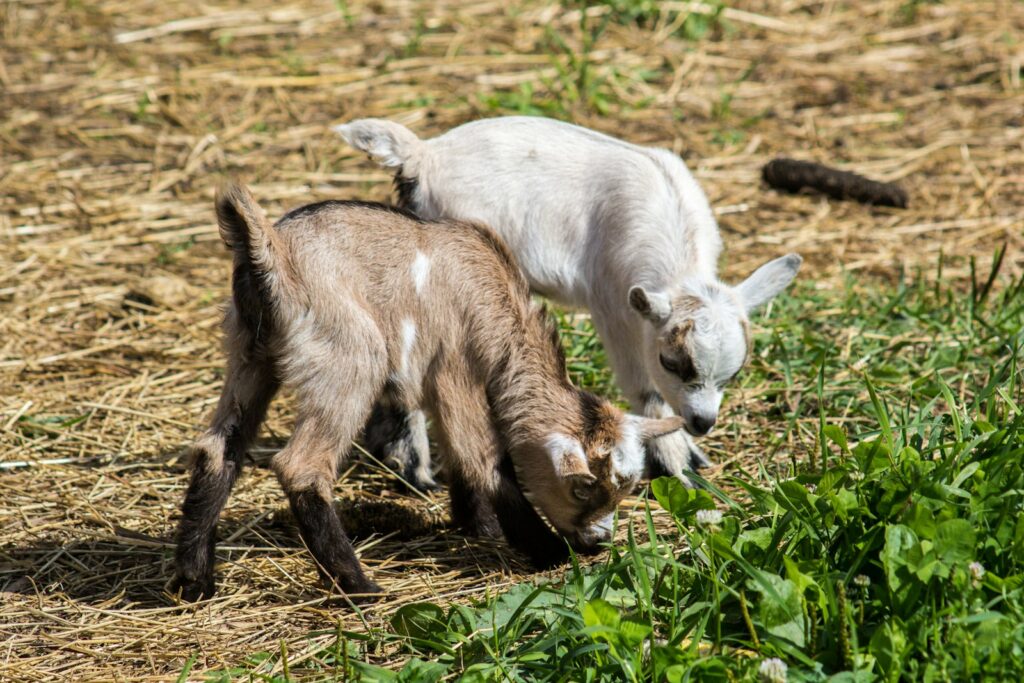
Goat-based management delivers numerous ecological benefits beyond just removing unwanted plants. Their hooves provide natural soil aeration as they move through an area, breaking up compacted soils and creating microsites for native seed germination. Research from restoration projects in California has shown that moderate soil disturbance from goat activity can enhance native plant recruitment in previously invaded areas. The nutrient cycling from goat droppings represents a natural fertilization process, returning organic matter to the soil in forms readily available to recovering plant communities. Fire risk reduction represents another significant benefit, particularly in western parks where invasive grasses can increase wildfire intensity and frequency. Several national forests now deploy goats specifically to create and maintain firebreaks in strategic locations, combining invasive management with critical fire protection.
Challenges and Limitations
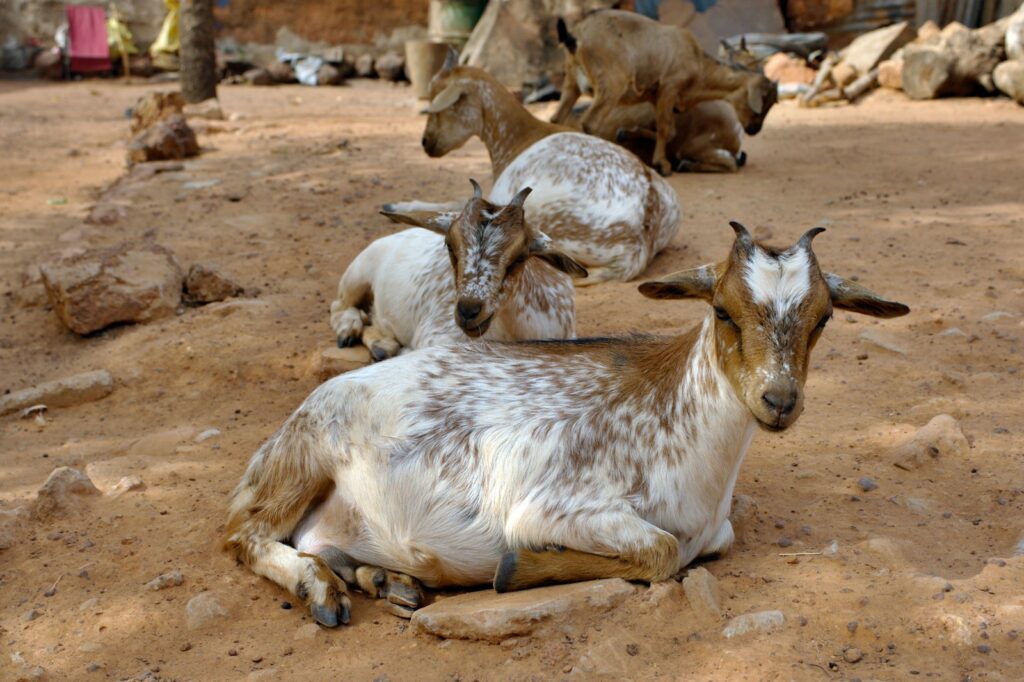
Despite their effectiveness, goat-based invasive management isn’t without challenges that park managers must navigate. Goats are generalists that will consume native plants alongside invasives if not carefully managed, requiring close supervision and strategic fencing to protect sensitive native species. Weather conditions significantly impact goat deployment schedules, as extreme heat or prolonged rain can stress the animals and reduce their browsing efficiency. Logistical complications include transporting animals to remote locations, providing adequate water sources, and ensuring predator protection in areas with wolves or mountain lions. Public expectations must also be managed, as goats create a temporarily barren landscape that may initially alarm visitors accustomed to seeing lush (if invasive) greenery. Most significantly, goats rarely provide one-and-done solutions – successful programs typically require multiple years of treatment to exhaust root reserves and deplete seed banks of persistent invasives.
The Human Element: Goat Herders and Park Rangers
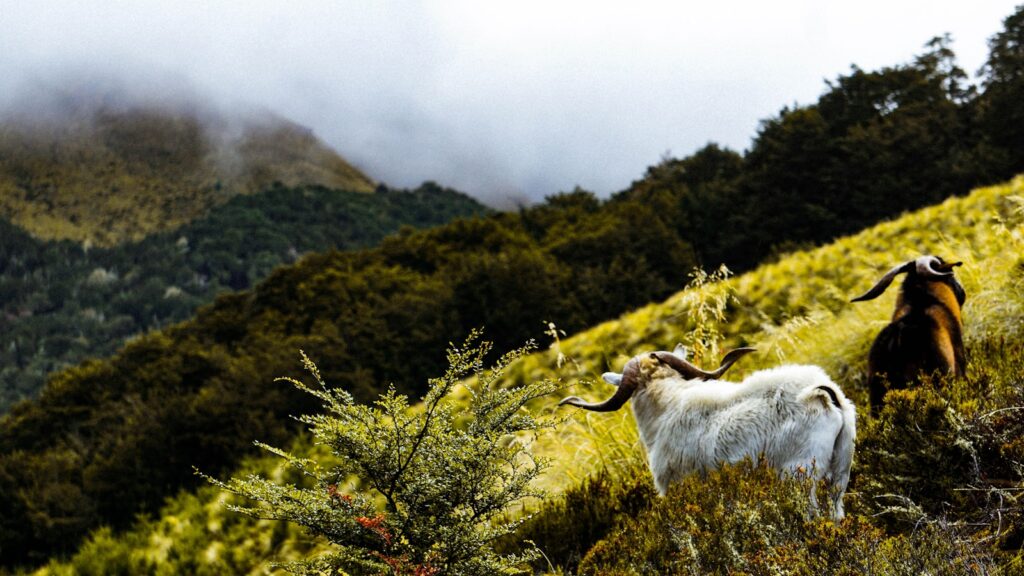
Behind every successful goat grazing program stands a skilled team of human managers who combine traditional herding knowledge with modern ecological understanding. Professional goat grazing companies have emerged to meet growing demand, employing experienced herders who often use traditional livestock guardian dogs to protect their animals while maintaining precise grazing patterns. These specialists work closely with park ecologists to develop site-specific grazing plans targeting problematic species while protecting native vegetation. Park rangers play crucial roles in monitoring treatment effectiveness, documenting plant community responses, and educating visitors about the ecological benefits of what might otherwise appear to be destructive browsing. This collaboration creates valuable knowledge exchange between agricultural and conservation communities that historically operated in separate spheres. Many programs now include training opportunities for young conservationists to learn practical restoration skills combining traditional ecological knowledge with contemporary scientific understanding.
Public Engagement and Educational Opportunities
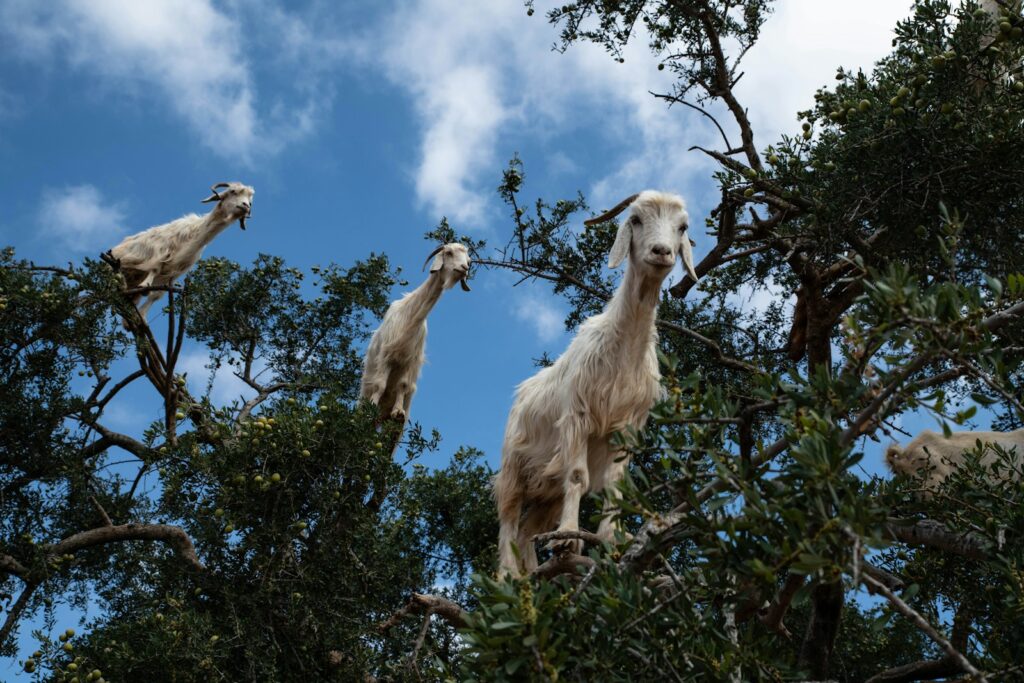
One unexpected benefit of goat-based management programs has been their remarkable effectiveness as public engagement tools. Parks report significantly increased visitor interest and participation in invasive species education programs when goats are present, with some locations seeing attendance at interpretive events triple during active grazing periods. Many parks have developed specialized programming around their goat herds, including “Meet the Goats” events where visitors learn about both the animals and the ecological challenges they address. School groups particularly benefit from these tangible demonstrations of applied ecology, with teachers reporting that students retain information about invasive species impacts much more effectively after witnessing goats in action. Social media engagement skyrockets during goat deployments, with parks leveraging this interest to disseminate broader conservation messages to audiences that might otherwise remain disconnected from ecological management issues.
Combining Goats with Other Management Approaches
The most successful invasive species management programs integrate goats into comprehensive approaches rather than relying on them exclusively. Effective strategies typically begin with goat deployment to remove the bulk of invasive biomass, followed by targeted herbicide application to emerging regrowth, maximizing efficiency while minimizing chemical use. Manual removal of survivors and persistent root fragments often follows as the third phase, with workers able to access areas more easily after goats have cleared dense vegetation. Some parks have developed sophisticated restoration sequences where native plants are immediately installed after goat treatment to reclaim cleared areas before invasives can reestablish. Monitoring programs track treatment effectiveness through transect sampling and photo monitoring points, allowing managers to adapt their approach based on documented results. This integrated pest management approach recognizes that no single tool can address the complexity of invasive species challenges.
The Future of Goat-Powered Conservation
As climate change accelerates invasive plant spread and park budgets remain constrained, goat-based management is likely to expand significantly in coming years. Several national park regions are developing dedicated goat herds shared among multiple parks to reduce transportation costs and ensure consistent availability. Breeding programs focusing on selecting goats with preferences for particular problem species are underway at several agricultural research stations, potentially creating specialized herds for specific invasive challenges. Technology integration is enhancing management precision, with GPS collars tracking goat movements and drone monitoring assessing vegetation changes in real-time. Some forward-thinking parks are exploring year-round goat presence in heavily invaded areas, creating dedicated conservation herds that become permanent ecosystem management tools. As more data on long-term effectiveness accumulates, best practices continue to evolve, making goat-powered restoration increasingly sophisticated and tailored to specific ecological contexts.
Conclusion
The reintroduction of goats as ecological management tools represents a fascinating convergence of traditional agricultural knowledge and modern conservation science. As parks continue to refine these programs, the evidence increasingly suggests that these four-legged landscape managers offer sustainable, effective solutions to one of conservation’s most persistent challenges. Beyond their practical benefits, goats create unique opportunities to engage the public in understanding complex ecological relationships and management needs. While not a silver bullet for all invasive species challenges, goat-powered conservation exemplifies the kind of creative, nature-based solutions that will be increasingly valuable in an era of climate change and biodiversity loss. The hungry goat, it seems, has earned its place in the modern conservation toolkit.