

In the diverse world of wildlife conservation and research, scientists and field researchers frequently deploy various trapping mechanisms to monitor animal populations, study migration patterns, and collect biological data. However, these essential tools of scientific discovery can sometimes pose risks to unsuspecting hikers, pet owners, and outdoor enthusiasts who may accidentally encounter them. Understanding how to identify, avoid, and respond to wildlife research traps ensures both your safety and the integrity of valuable scientific studies.
Understanding Wildlife Research Traps
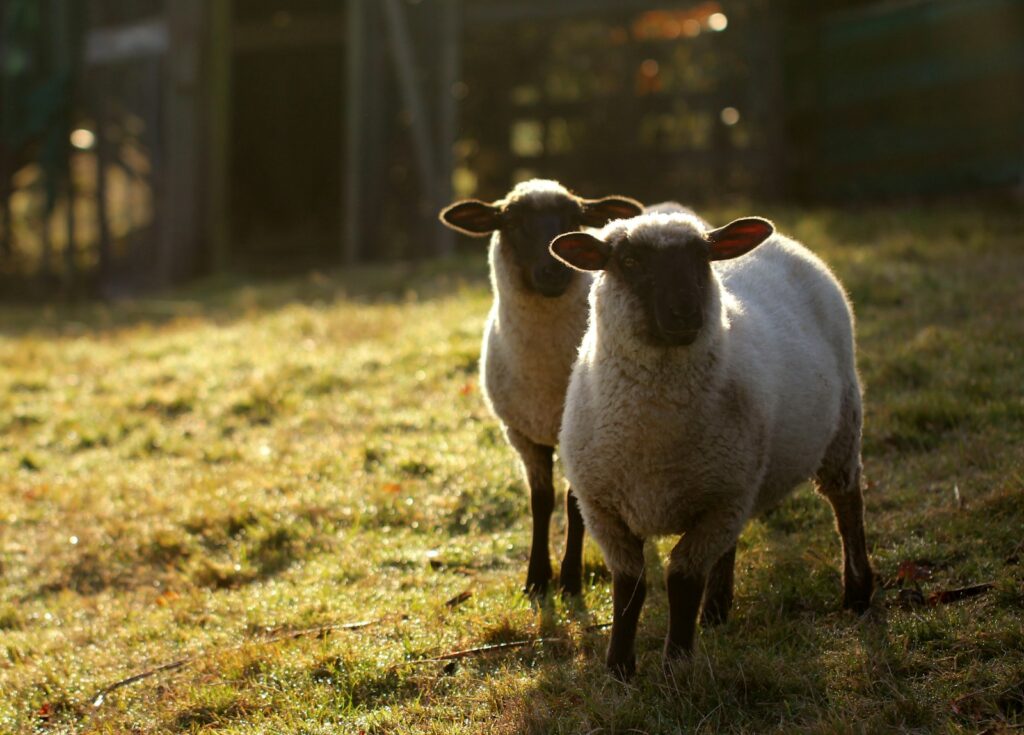
Wildlife research traps come in numerous forms, each designed for specific purposes and target species. Common varieties include box traps, snares, foothold traps, camera traps, and nets, all strategically placed to capture or monitor specific animals without causing harm. These devices play a crucial role in conservation efforts, allowing researchers to gather data on population dynamics, health status, genetic information, and behavioral patterns. Without such tools, our understanding of wildlife populations and their needs would be severely limited, potentially compromising conservation efforts. Researchers invest significant resources in designing traps that minimize stress and potential injury to target animals while maximizing data collection efficiency.
Recognizing Research Areas
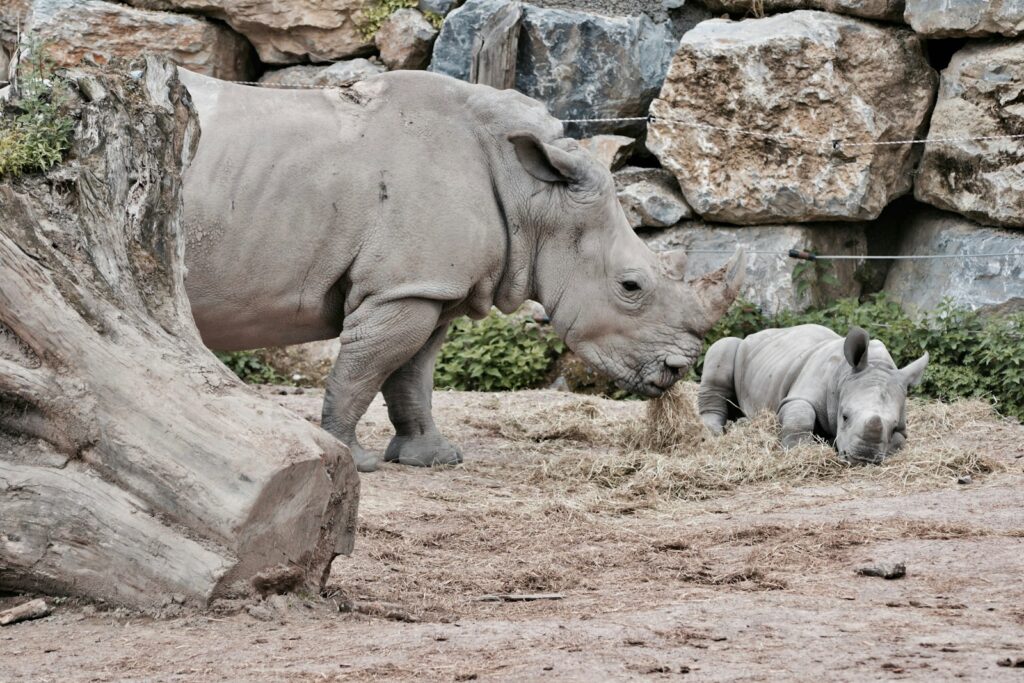
One of the most effective ways to avoid accidental encounters with research traps is to recognize areas where wildlife studies are likely taking place. These locations are typically marked with bright flagging tape, informational signs, or distinctive markers that indicate an active research site. National parks, wildlife refuges, conservation areas, and university-owned lands frequently host research projects and may have multiple trap sites throughout their boundaries. Most legitimate research projects will post notices at trailheads or visitor centers informing the public about ongoing studies in the area. If you’re planning an outing to a natural area, check with rangers or staff beforehand to learn about any active research projects that might affect your visit.
Identifying Warning Signs and Markers
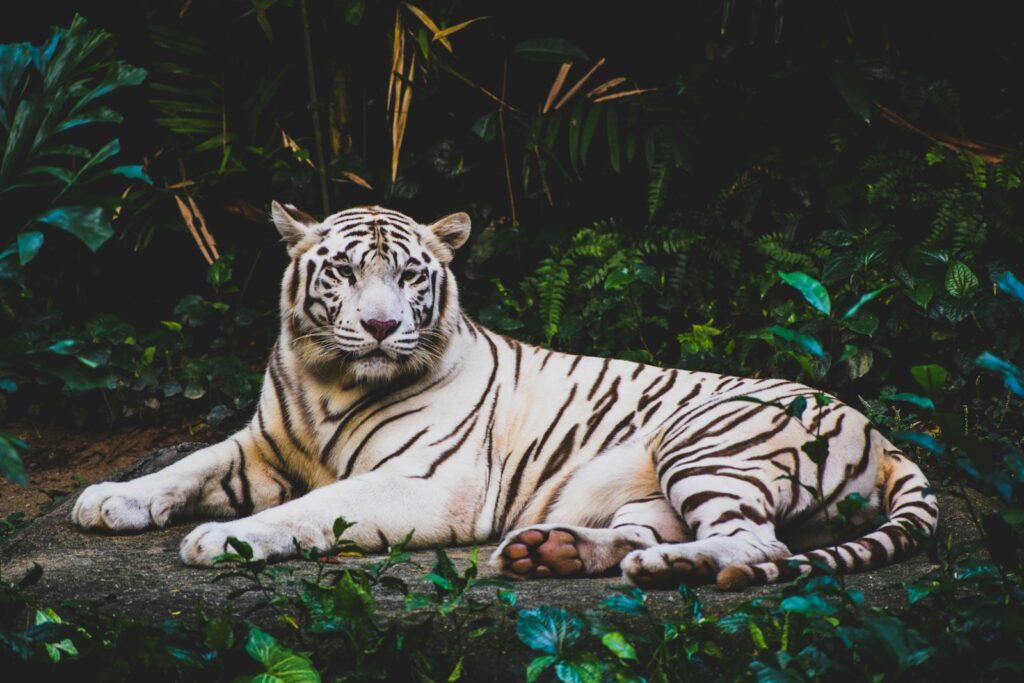
Responsible researchers employ consistent marking systems to alert the public to the presence of wildlife traps. Bright orange, yellow, or pink flagging tape often delineates research areas and may lead to specific trap locations. Metal or plastic tags with contact information, permit numbers, and research identification codes are typically attached to traps themselves. Small signs with warnings like “Wildlife Research in Progress” or “Scientific Study Area” may be posted on nearby trees or stakes. Some projects even use reflective materials to ensure visibility during twilight hours or for nighttime recreationists using headlamps. Learning to spot these indicators can help you avoid inadvertently interfering with research equipment or potentially triggering a trap mechanism.
Staying on Designated Trails
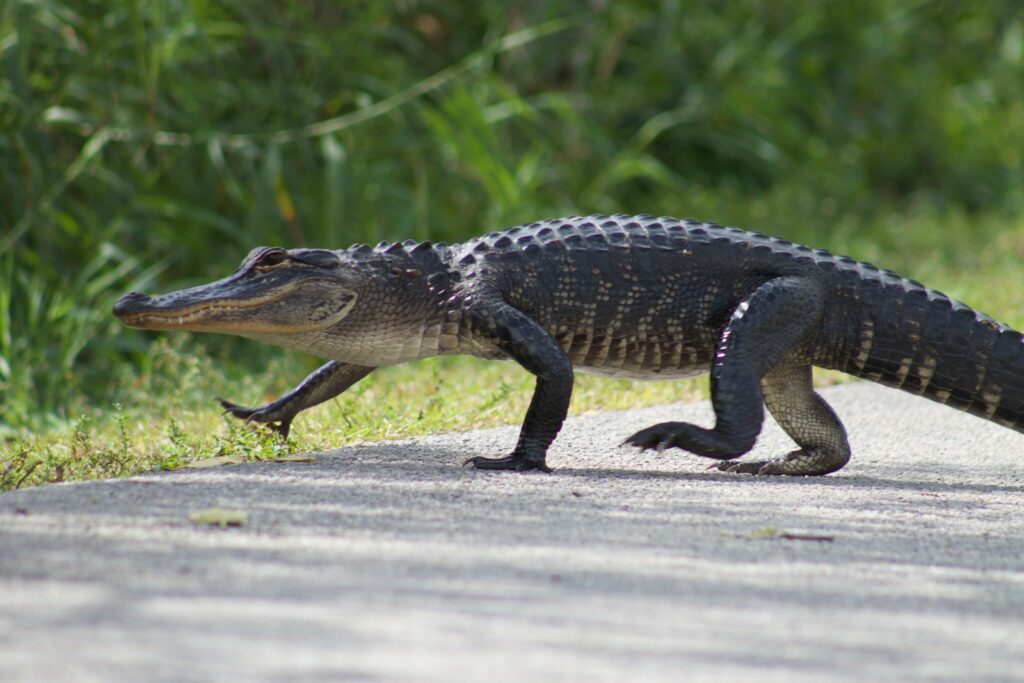
One of the simplest and most effective strategies for avoiding wildlife research traps is to remain on designated trails and paths when enjoying outdoor areas. Researchers typically avoid placing traps directly on high-traffic trails to prevent human interference and minimize the risk of accidental captures. Venturing off-trail not only increases your chance of encountering research equipment but can also damage sensitive habitats and disturb wildlife. If your recreational activities necessarily involve off-trail exploration, such as backcountry hiking or mushroom gathering, take extra precautions by researching active study areas beforehand and remaining alert to markers and signs. Many land management agencies provide maps of ongoing research projects to help visitors avoid these areas entirely.
Keeping Pets Under Control
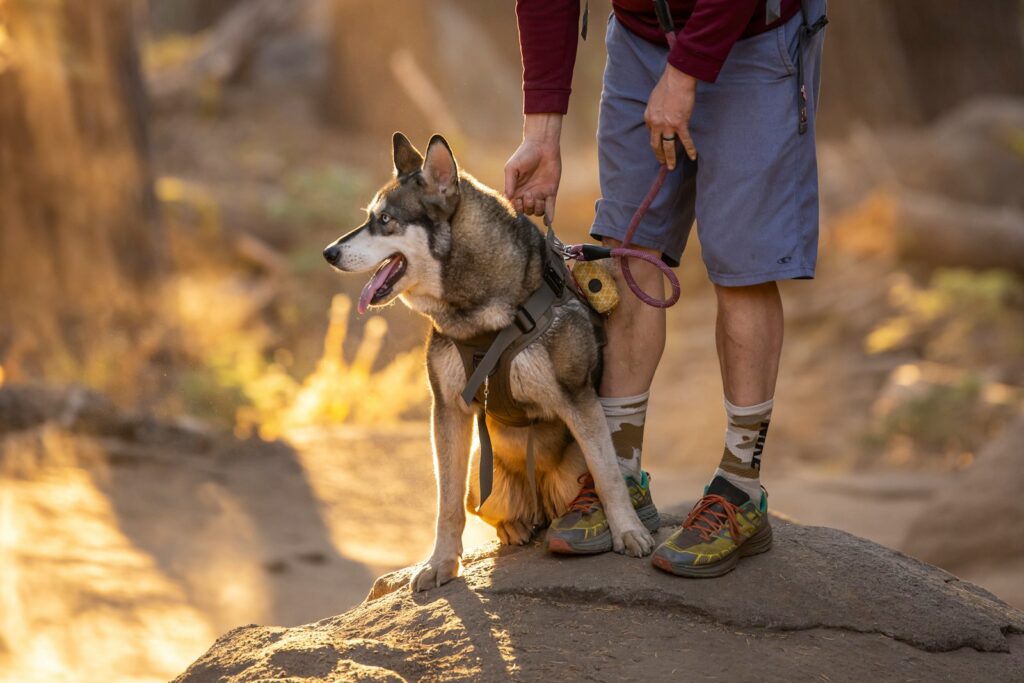
Domestic dogs are particularly vulnerable to accidentally triggering wildlife traps, as their curious nature and keen sense of smell often lead them to investigate unfamiliar objects. When exploring natural areas, keep dogs on leashes at all times, even if the area typically allows off-leash activity, if you know research is being conducted nearby. A standard six-foot leash provides enough control to guide your pet away from potential trap locations while still allowing them to enjoy the outing. Avoid allowing pets to investigate flagged areas, unusual scents, or disturbed ground that might indicate trap placement. Some wildlife researchers use food baits or scent lures that are especially attractive to domestic dogs, making vigilance particularly important if you’re bringing pets into areas where research may be ongoing.
Educating Children About Safety
Children’s natural curiosity makes them particularly likely to investigate unusual objects they might encounter outdoors, including wildlife research equipment. Before embarking on outdoor adventures with young people, take time to explain what research traps might look like and why they should never touch or disturb them. Use age-appropriate language to explain the importance of wildlife research and the role these tools play in protecting animal populations. Establish clear rules about staying on trails and checking with an adult before investigating anything unusual found in nature. Consider creating a game where children earn points for spotting research markers from a safe distance, channeling their curiosity into a supervised learning experience rather than potentially dangerous exploration.
What to Do If You Find a Trap
Encountering a wildlife research trap requires careful consideration of both safety and scientific integrity. If you discover what appears to be a research trap, maintain a safe distance and do not attempt to trigger, disarm, or remove it, as this could compromise valuable research and potentially violate laws protecting scientific studies. Look for identification information such as permit numbers or researcher contact details, which legitimate studies will display prominently. Photograph the trap from a safe distance if possible, noting its location using GPS coordinates or detailed descriptions of nearby landmarks. Report your finding to local wildlife authorities or land managers, who can verify whether the trap is part of an approved study or potentially an illegal trapping operation. Never place your hands or any body part near trap mechanisms, even if they appear inactive.
Seasonal Awareness
Wildlife research activities often follow seasonal patterns that align with animal behaviors and life cycles, making certain times of year more likely for encountering traps. Spring and early summer frequently see increased trapping activity as researchers monitor breeding populations and collect genetic samples from newborn animals. Fall migration periods often involve intensive tagging and tracking studies to document movement patterns. Winter studies focusing on survival rates and population estimates may employ different trapping methods adapted to cold weather conditions. By understanding these seasonal patterns in your region, you can adjust your outdoor activities accordingly, perhaps choosing different locations during peak research seasons or taking extra precautions during those times. Many wildlife agencies publish calendars of research activities that can help inform your planning.
Technology-Based Research Tools
Modern wildlife research increasingly relies on sophisticated technological tools that present different considerations for outdoor enthusiasts. Camera traps, which use motion sensors to photograph passing wildlife, are virtually harmless to humans but may capture images of people who inadvertently trigger them. Wildlife tracking devices, including radio collars and satellite tags, are attached to animals themselves and pose no direct risk to humans but may lead to unexpected encounters with sedated or recently released study animals. Environmental DNA collection equipment, which gathers genetic material from water or soil, often appears as strange filtering devices in streams or unusual collection containers in the landscape. While these technologies generally pose minimal physical risk, understanding their appearance helps prevent unnecessary concern or accidental damage to expensive scientific equipment.
Legal Protections for Research
Wildlife research is protected by various laws and regulations that make interfering with scientific studies a potentially serious offense. Federal laws like the Wildlife Research Protection Act provide specific protections for authorized studies, while state wildlife codes typically include provisions against tampering with research equipment. Penalties for intentionally disturbing or destroying research traps can include substantial fines and, in extreme cases, criminal charges. These legal protections exist not only to safeguard scientific investments but also to ensure the welfare of study animals that might be harmed if traps are improperly handled. Understanding these legal frameworks reinforces the importance of leaving research equipment undisturbed and reporting concerns through proper channels rather than taking direct action.
Engaging with Local Research Projects

One effective strategy for avoiding conflicts with wildlife research is to become informed about projects happening in areas you frequently visit. Many research teams welcome public interest and offer information sessions, volunteer opportunities, or citizen science initiatives that allow community members to learn about and even participate in their work. University websites, wildlife agency announcements, and local nature center programs often provide details about ongoing studies in your region. By developing relationships with researchers, you can gain insider knowledge about study locations, better understand the purpose behind their work, and perhaps even contribute to valuable conservation efforts. This engagement transforms potential hazards into educational opportunities and fosters a collaborative approach to wildlife management.
Emergency Response to Accidental Captures

Despite best precautions, accidents can happen, and knowing how to respond if you or a pet becomes caught in a research trap is essential knowledge for outdoor enthusiasts. If a person becomes trapped, remain calm and assess the situation before attempting any movement that might cause injury. Many research traps have quick-release mechanisms designed specifically for accidental human captures, which are often marked with bright colors or clear instructions. If a pet becomes trapped, prevent them from struggling, which could cause further injury, and carefully examine the trap for release mechanisms before attempting to free them. Contact emergency services immediately in either scenario, as professional help may be needed to safely remove certain types of traps. Always report accidental captures to the research team using the contact information typically provided on the trap, as this information helps improve safety protocols for future studies.
Balancing Recreation and Research

The outdoors provides space for both scientific discovery and recreational enjoyment, requiring thoughtful balance between these sometimes competing interests. Responsible researchers design their studies to minimize impacts on popular recreation areas while still collecting meaningful data. Similarly, informed outdoor enthusiasts can adjust their activities to accommodate important research efforts. This mutual respect forms the foundation of successful coexistence in shared natural spaces. By viewing wildlife research as a collaborative effort that ultimately benefits both conservation goals and recreation opportunities, we can develop a more integrated approach to enjoying and protecting our natural resources. The knowledge gained through wildlife studies often directly improves habitat management, leading to healthier ecosystems that provide enhanced recreational experiences for everyone.
Wildlife research represents a critical component of conservation efforts worldwide, providing the data needed to protect species and habitats for future generations. By understanding how to recognize and avoid research traps, outdoor enthusiasts can enjoy nature safely while allowing important scientific work to continue unimpeded. This awareness not only prevents potential accidents but also contributes to a culture of respect for the scientific processes that ultimately benefit wildlife and humans alike. The next time you venture outdoors, carry this knowledge with you, and consider how your actions might support rather than hinder the dedicated researchers working to understand and protect our natural world.