

Witnessing wildlife mating rituals can be one of nature’s most fascinating spectacles, offering rare insights into the reproductive behaviors that have evolved over millions of years. From the elaborate dances of birds of paradise to the dramatic clashes between rival male elk, these rituals showcase the remarkable diversity of courtship strategies in the animal kingdom. However, observing these intimate moments requires respect, preparation, and ethical considerations to ensure both your safety and the wellbeing of the animals involved. This guide will help you appreciate these natural wonders responsibly, balancing your curiosity with conservation principles and wildlife protection.
Understanding the Importance of Wildlife Mating Rituals
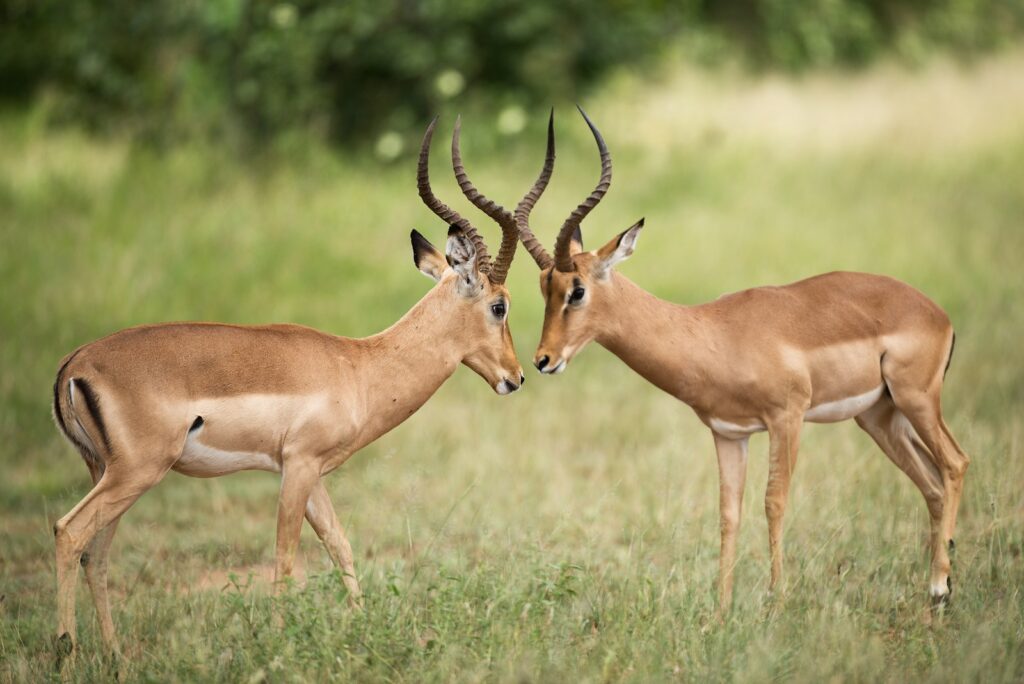
Mating rituals represent crucial biological processes that ensure species survival and genetic diversity. These behaviors have evolved over countless generations, finely tuned by natural selection to maximize reproductive success in specific environments. For many species, these rituals involve complex displays of strength, skill, or genetic fitness that help potential mates assess the quality of their prospective partners. Beyond their biological importance, these moments provide researchers with valuable information about animal behavior, evolution, and ecology. By understanding the significance of these events, observers can develop a deeper appreciation for the natural cycles they’re privileged to witness, recognizing that they’re viewing essential components of ecosystem health rather than mere entertainment.
Researching Before You Go
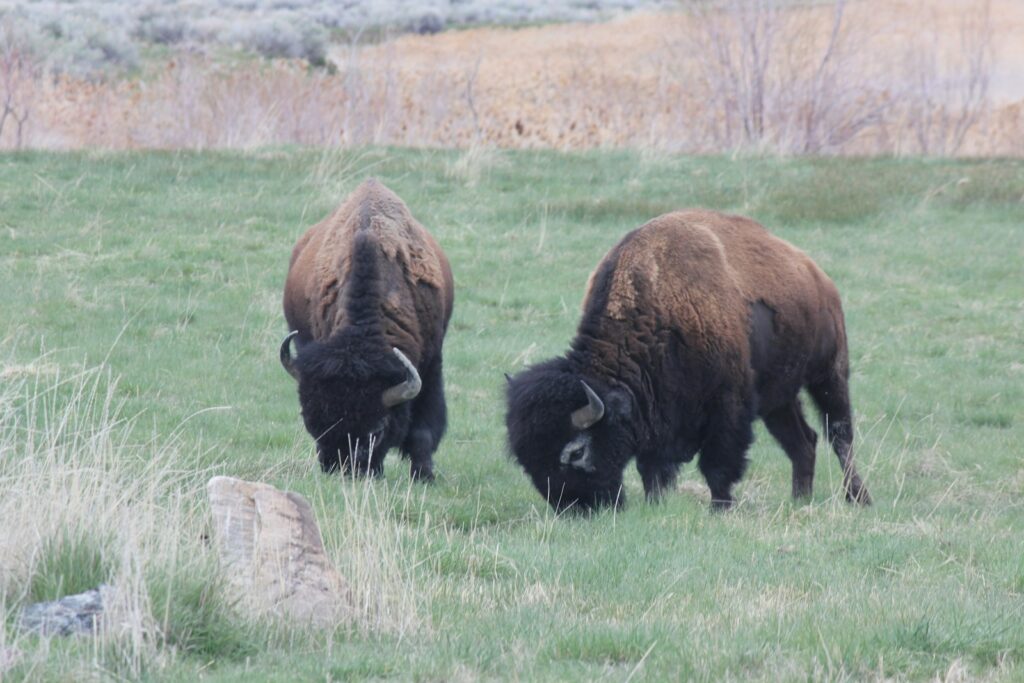
Thorough research is the foundation of responsible wildlife observation, particularly when it comes to mating rituals. Before setting out, learn about the species you hope to observe, including their conservation status, typical mating seasons, and the specific behaviors you might witness. Understanding the duration and intensity of these rituals will help you plan appropriately and set realistic expectations. Consult wildlife guides, academic resources, and conservation organizations specializing in your target species to gather accurate information. Additionally, research the legal regulations governing wildlife observation in your destination, as many protected areas have specific rules about minimum viewing distances and prohibited behaviors during sensitive breeding periods. This preparation not only enhances your experience but demonstrates respect for the animals and their natural processes.
Choosing the Right Location and Timing
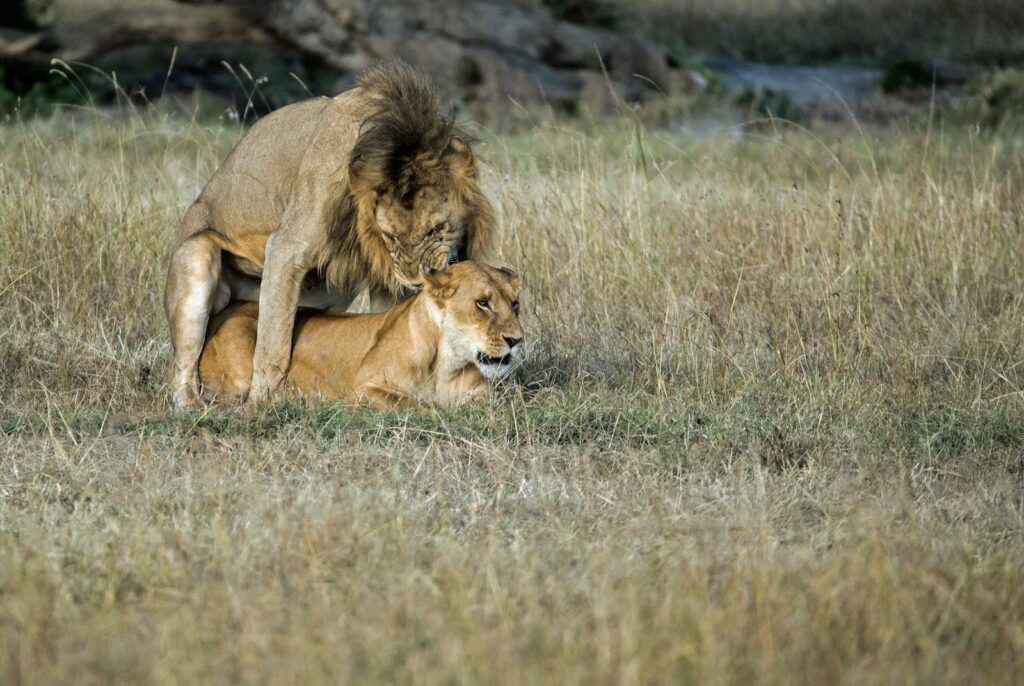
Timing and location are critical factors in successfully and responsibly observing wildlife mating rituals. Many species have highly specific breeding seasons, often triggered by environmental cues like day length, temperature, or rainfall patterns. Research these seasonal windows carefully, as they may be surprisingly brief for some species. Protected areas, wildlife refuges, and national parks often offer the best opportunities for ethical observation, with established viewing platforms or blinds that minimize disturbance. Consider contacting local wildlife authorities or hiring reputable guides who can direct you to appropriate viewing locations that balance good visibility with minimal impact. Remember that prime mating sites are often defended territories or specially selected habitats that play crucial roles in reproductive success, making respectful distance especially important in these areas.
Essential Equipment for Ethical Observation
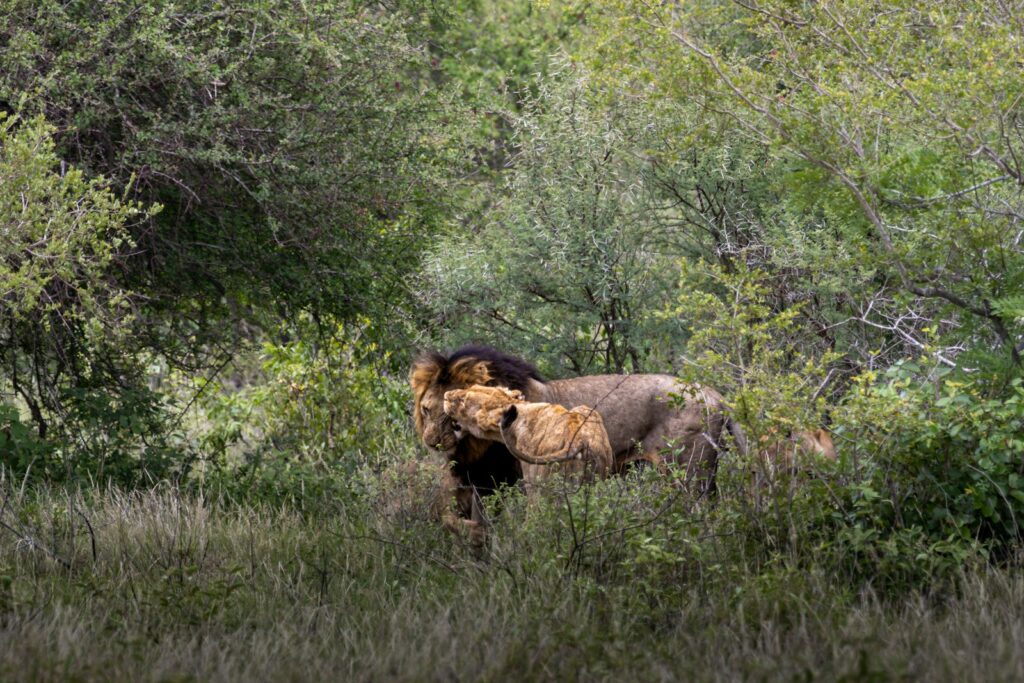
The right equipment enables you to observe wildlife intimately without disturbing natural behaviors. Quality binoculars or spotting scopes are essential investments, allowing detailed observation from safe distances that won’t alter animal behavior. A camera with a telephoto lens serves both as a viewing tool and a way to document behaviors without intrusion. Dress in muted, natural colors that blend with the environment, and consider weather-appropriate clothing that will allow you to remain comfortable during potentially long waiting periods. Field guides specific to your region or target species can help identify behaviors and understand what you’re witnessing. Additionally, consider bringing a notebook for recording observations, enhancing both your personal experience and potentially contributing valuable citizen science data to conservation efforts.
Maintaining Proper Distance and Concealment
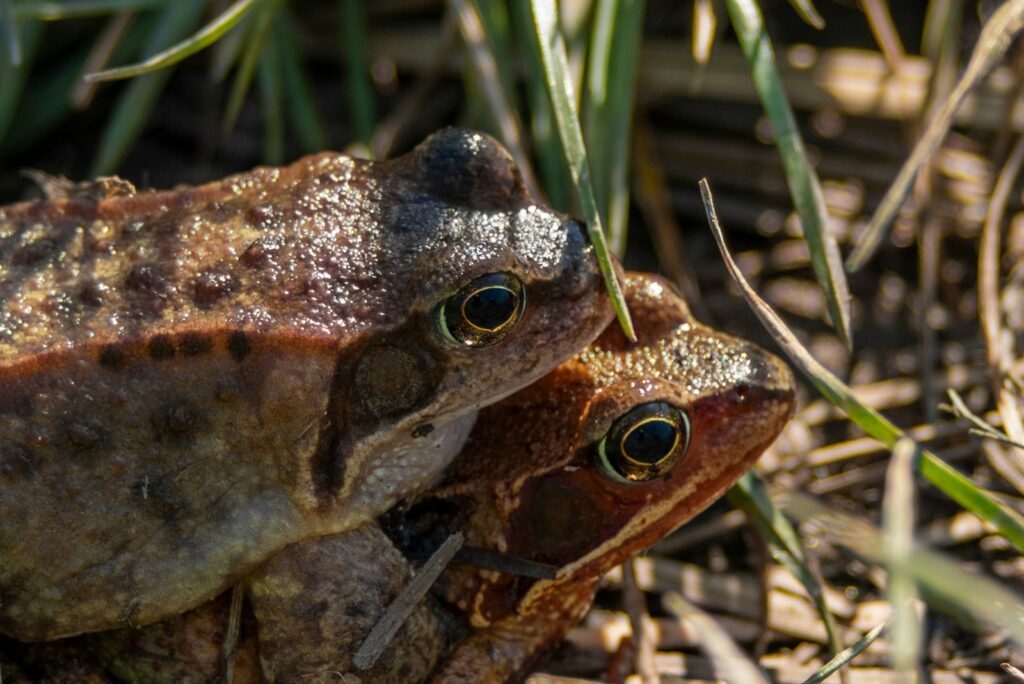
Respecting appropriate viewing distances is perhaps the most fundamental principle of ethical wildlife observation. Different species have varying tolerance thresholds for human presence, particularly during sensitive mating periods when interruptions can have serious reproductive consequences. As a general rule, if animals alter their behavior in response to your presence—looking up frequently, stopping their activities, or moving away—you’re too close and should increase your distance immediately. Natural or purpose-built blinds can help conceal your presence, allowing animals to behave naturally without awareness of human observers. Patience becomes a virtue in these scenarios, as remaining still and quiet in one location often yields better observations than actively pursuing animals. Remember that stress during mating can lead to abandoned breeding attempts, potentially affecting population dynamics.
Reading Animal Body Language
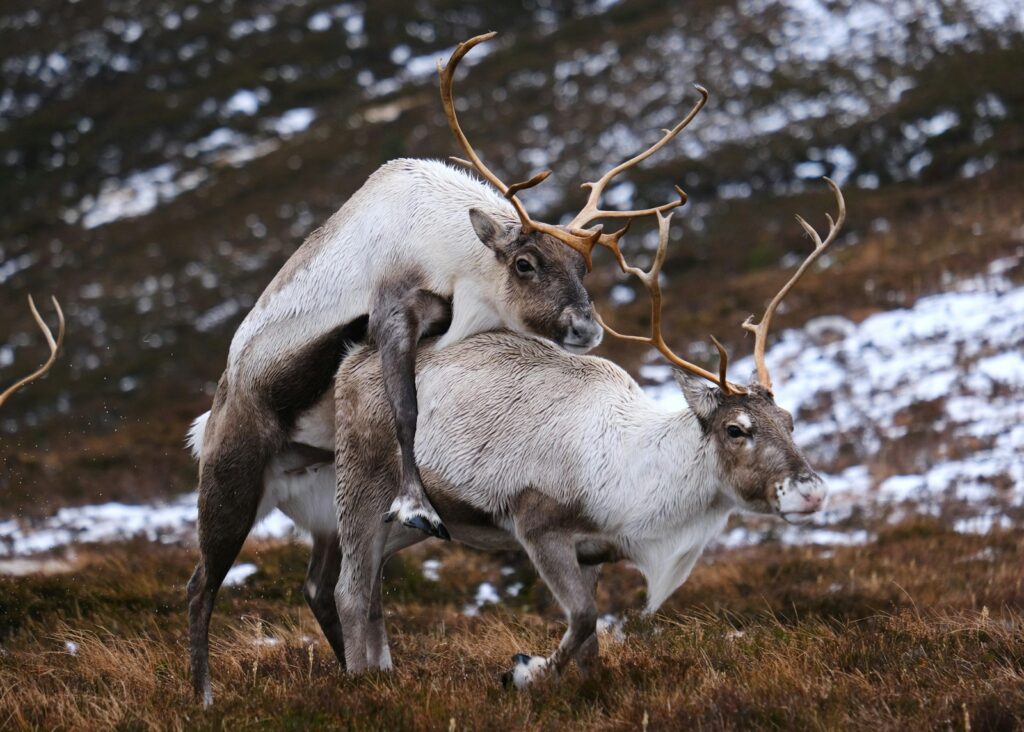
Developing the ability to interpret animal body language is crucial for both wildlife welfare and observer safety during mating season. Many species display heightened aggression or territorial behavior during breeding periods, particularly males competing for access to mates. Learn to recognize warning signs specific to your target species, which might include direct staring, vocalizations, display postures, or mock charges. These signals indicate stress or potential aggression that should prompt you to increase your distance immediately. Understanding the progression of mating behaviors can also enhance your observation experience, helping you anticipate key moments in courtship sequences. This knowledge transforms random viewing into informed observation, allowing you to recognize when you’re witnessing rare or significant behavioral patterns versus common interactions.
Managing Your Impact on the Environment
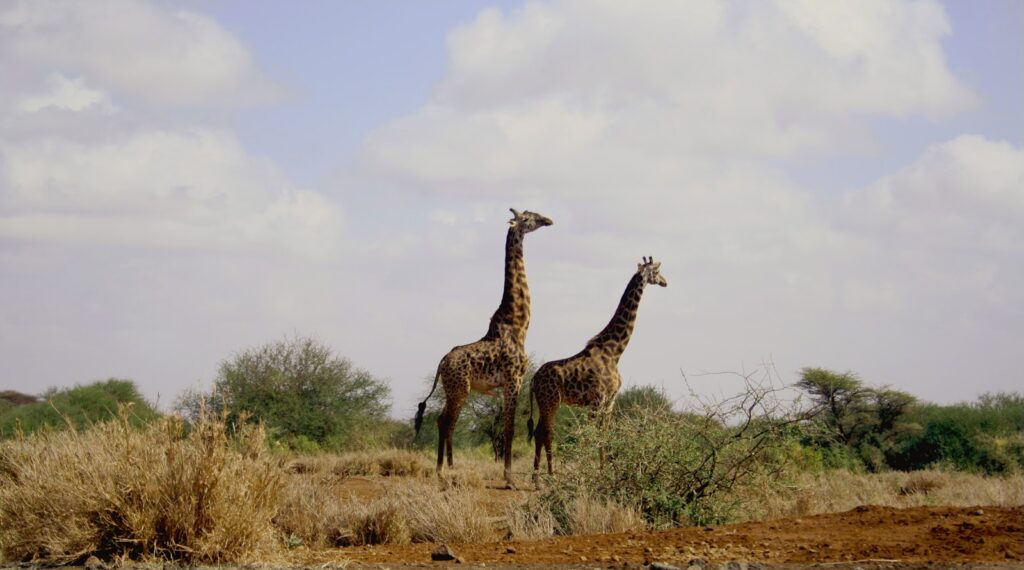
Even well-intentioned wildlife observers can inadvertently damage sensitive habitats, especially in breeding areas where animals may have specific environmental requirements. Stay on designated trails and observation points whenever possible to minimize habitat disruption and soil compaction. Be particularly careful around nesting sites, breeding grounds, or display arenas, as these locations may have been carefully selected for specific microhabitat features that support successful reproduction. Carry out all trash, including seemingly biodegradable items like fruit peels that can attract predators to breeding areas. Consider the cumulative impact of multiple observers by adhering to visitor capacity limits and avoiding popular wildlife viewing sites during peak times when possible. Remember that responsible observation extends beyond animal interactions to include respect for the entire ecosystem.
Safety Considerations During Breeding Season
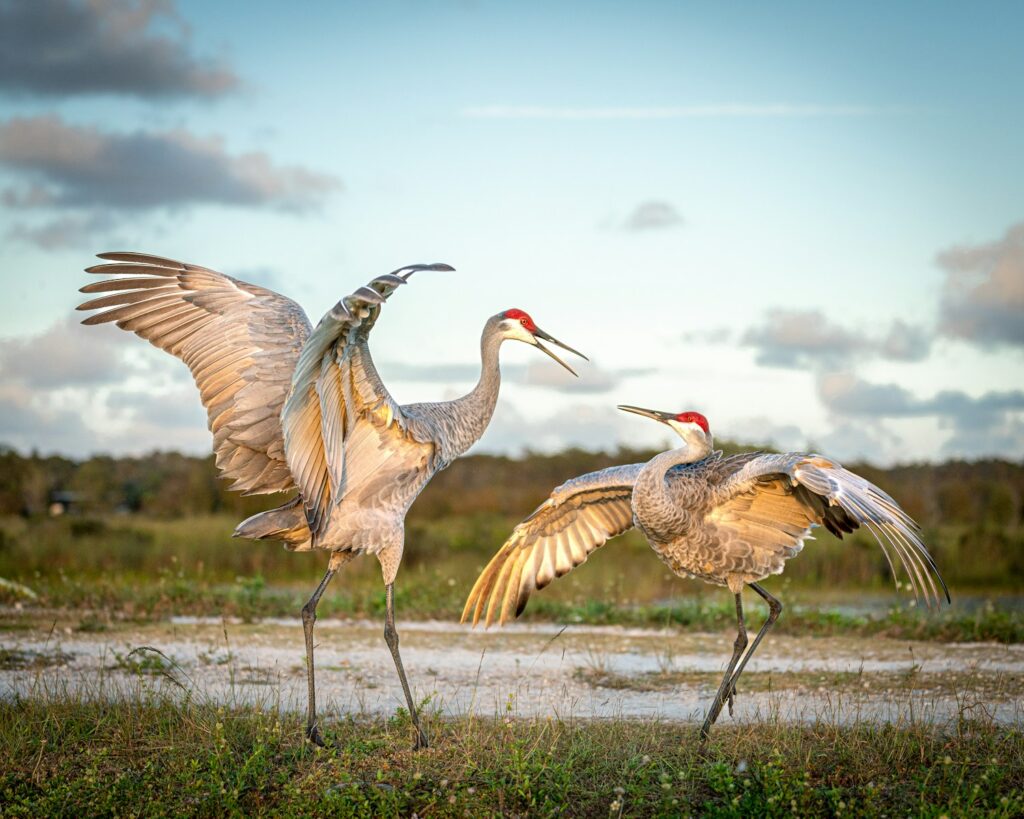
Wildlife breeding seasons often coincide with heightened aggression and unpredictable behavior, creating potential safety risks for observers. Many normally docile species become territorial or protective during mating and subsequent nesting or birthing periods. Maintain vigilant awareness of your surroundings, particularly when observing large mammals like deer, elk, or bison whose mating behaviors can include vigorous fighting or chasing. Never position yourself between competing males or between a male and potential mates, as you could become an unintended target of aggression. Develop an exit strategy before beginning your observation, identifying clear paths for retreat if animals approach too closely. While focusing on mating rituals, remain alert to other potential hazards including predators attracted to breeding congregations.
Ethical Considerations and Wildlife Protection Laws
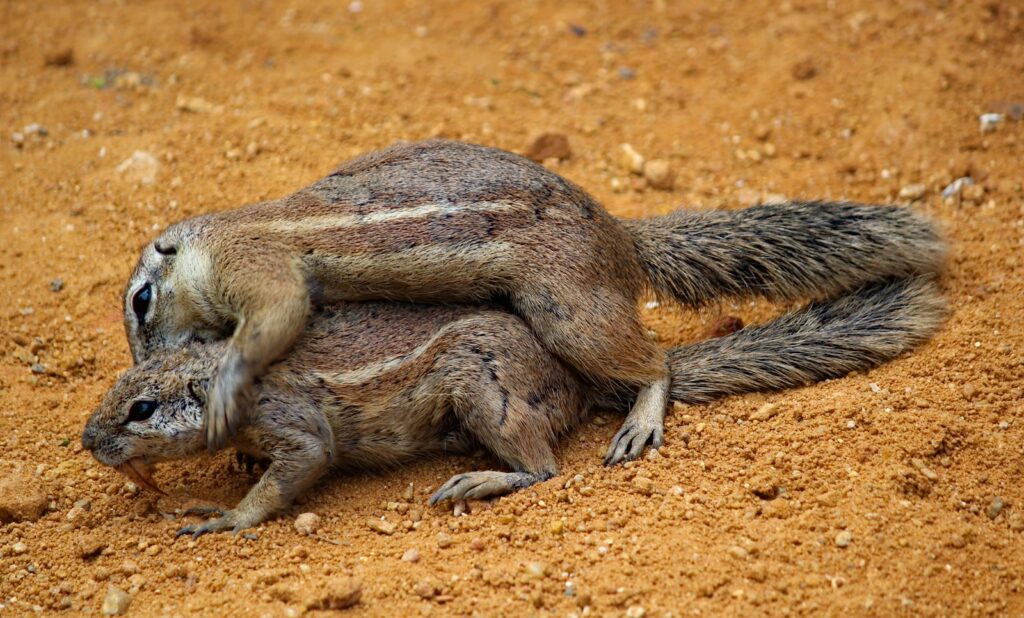
Ethical wildlife observation exists within a framework of legal protections designed to safeguard animals during vulnerable periods. Many countries have specific regulations governing wildlife disturbance, with heightened restrictions during breeding seasons when disruption can have population-level impacts. Familiarize yourself with local wildlife protection laws, which may include minimum approach distances, prohibited behaviors, or seasonal closures of certain areas. Understand that obtaining certain images or observations never justifies breaking these protections or causing animal stress. Commercial wildlife photography often requires special permits, particularly in protected areas or when featuring sensitive species. By modeling legal and ethical behavior, you help establish norms of responsible wildlife observation for other enthusiasts and contribute to a culture of respect for wild animals.
Group Etiquette and Minimizing Collective Impact
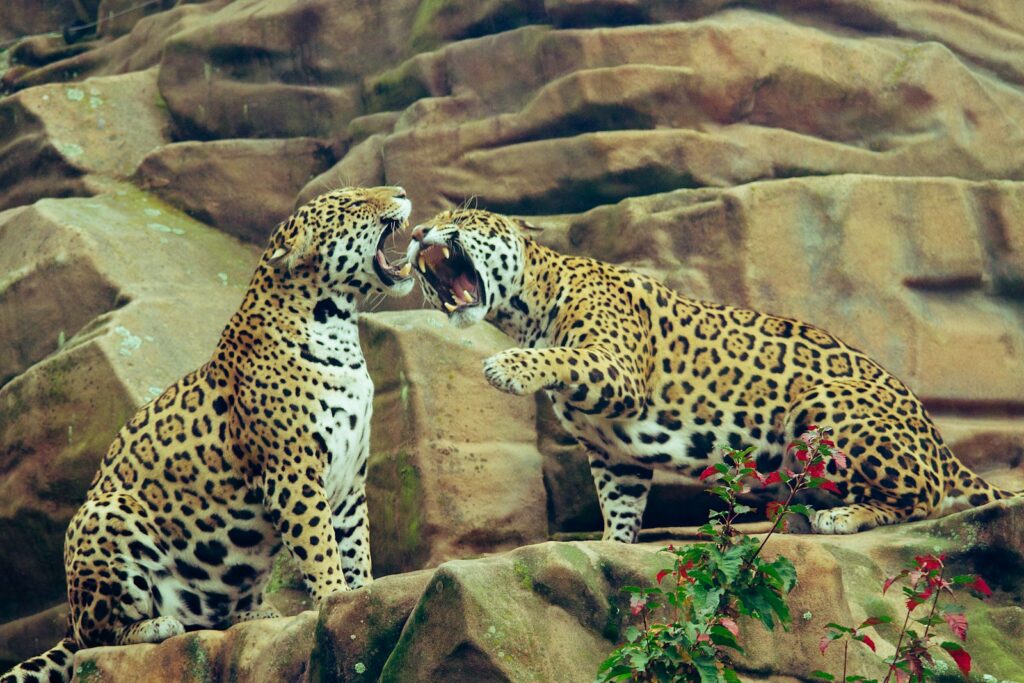
When observing wildlife in groups, coordinated behavior becomes essential to minimize collective impact on animal behavior. Keep groups small whenever possible, as larger gatherings create more noise, movement, and visual disturbance that can disrupt natural mating behaviors. Establish clear expectations about noise levels, movement restrictions, and appropriate reactions before beginning your observation. Designate a group leader responsible for making decisions about distance and duration, preventing the common scenario where competitive positioning leads groups progressively closer to wildlife. Resist the temptation to point or speak loudly when animals appear, instead using quiet signals to alert others in your party. Remember that a single person’s inappropriate behavior can disturb an entire mating sequence, affecting not just your group’s experience but the animals’ reproductive success.
Documenting Observations Responsibly
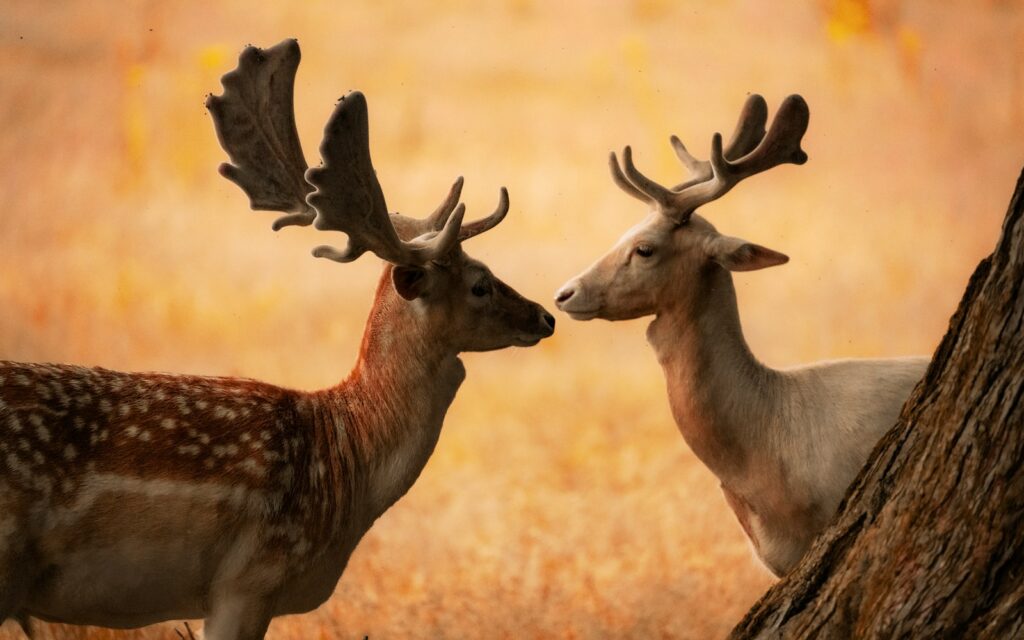
Photography and videography of mating rituals require additional ethical considerations beyond basic observation principles. Use camera settings that eliminate the need for flash, which can startle animals and disrupt natural behavior patterns. Telephoto lenses allow detailed documentation from appropriate distances, removing the temptation to approach too closely for better images. When sharing your observations online or in publications, consider whether location information could lead to overcrowding or disturbance of sensitive sites; for rare species or vulnerable populations, withholding specific location data may be the most responsible choice. Accurate captioning of behaviors is also important, avoiding anthropomorphized interpretations that can spread misconceptions about animal behavior. Responsible documentation creates valuable records without compromising the welfare of the subjects.
Contributing to Citizen Science and Conservation
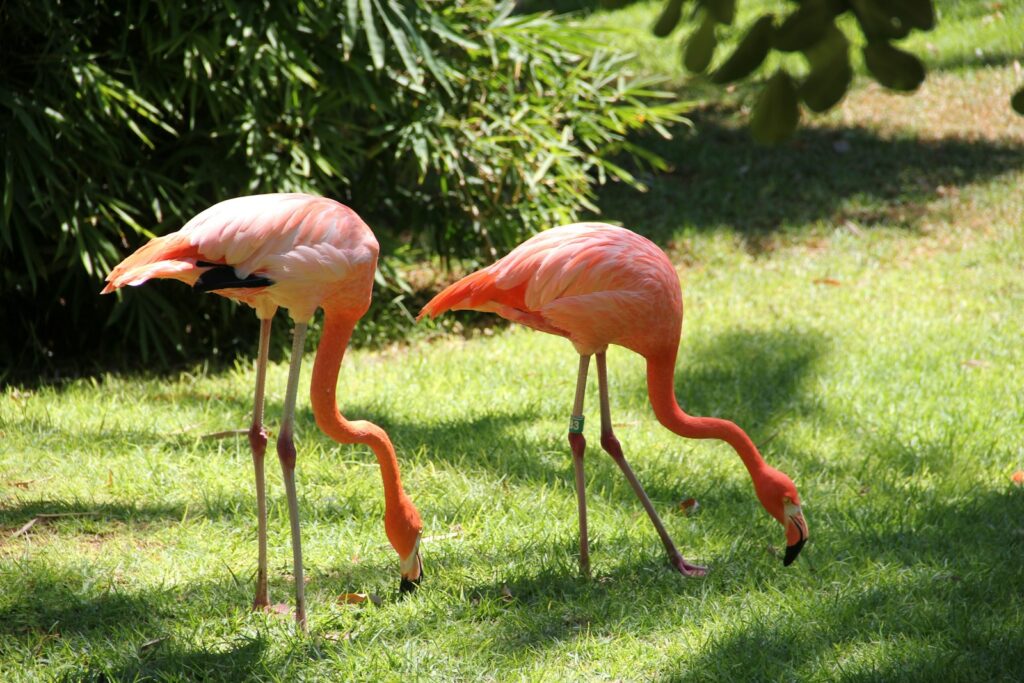
Your wildlife observations can contribute meaningful data to conservation efforts when properly documented and shared. Numerous citizen science projects focus on breeding behaviors and reproductive success rates, using public observations to track population health across wider areas than professional scientists could cover alone. Record specific details like dates, times, locations, weather conditions, and behavioral sequences to maximize the scientific value of your observations. Many wildlife agencies and conservation organizations have established protocols for submitting breeding observations through mobile apps or online databases. These contributions help researchers identify trends in breeding timing, success rates, and behavior changes that might indicate environmental stressors or population concerns. By transforming your recreational observation into valuable scientific data, you multiply the positive impact of your wildlife experiences.
Learning from Professional Wildlife Guides
Professional wildlife guides offer invaluable expertise that enhances both the educational value and ethical standards of your wildlife viewing experience. These individuals typically combine extensive knowledge of animal behavior with practical skills in minimizing human impact during observation. Beyond simply locating animals, quality guides interpret behaviors as they unfold, helping you understand the significance of the interactions you’re witnessing within their ecological context. They can identify subtle courtship signals that might be missed by casual observers and explain how specific behaviors contribute to mate selection or reproductive success. Additionally, experienced guides model appropriate viewing practices and can intervene if group members behave in ways that might disturb wildlife. Investing in guided experiences, particularly when first observing a species’ mating rituals, establishes sound observation habits while supporting local conservation-minded businesses.
Conclusion
Witnessing wildlife mating rituals offers profound connections to natural cycles and evolutionary processes that have shaped our planet’s biodiversity. By approaching these observations with appropriate preparation, respect, and ethical awareness, you can experience these remarkable moments while supporting wildlife conservation. Remember that your primary responsibility is to remain an undetected observer, allowing natural behaviors to unfold without human influence. The measure of a successful wildlife observation isn’t capturing the perfect photograph or getting the closest possible view, but rather experiencing authentic animal behavior while leaving no trace of your presence. With patience, appropriate distance, and the right equipment, you can safely enjoy one of nature’s most fascinating phenomena while contributing to the protection of the species you admire.