

Wild animals face numerous threats in their natural habitats, from predators to habitat loss, but one of the most heartbreaking situations occurs when young animals lose their parents. Wildlife rescue organizations worldwide have developed specialized protocols for handling orphaned cubs of various species. These vulnerable young animals require expert care to survive and eventually return to the wild. This article explores the comprehensive approaches wildlife rescue teams employ when faced with orphaned cubs, from initial assessment to eventual release.
Initial Assessment and Rescue Protocols

When a potential orphaned cub is reported, wildlife rescue teams must first determine if the animal is truly orphaned or simply temporarily alone while its parent forages. Many well-meaning individuals mistakenly “rescue” young animals that aren’t actually abandoned, creating unnecessary separation from their mothers. Trained wildlife professionals conduct thorough assessments, observing from a distance when possible to see if a parent returns. They look for signs of injury, dehydration, or distress that would indicate the cub truly needs intervention. If rescue is necessary, teams use specialized equipment and techniques designed to minimize stress and prevent imprinting on humans. Documentation begins immediately, recording the location, circumstances, and condition of the cub to inform its rehabilitation plan.
Species-Specific Considerations
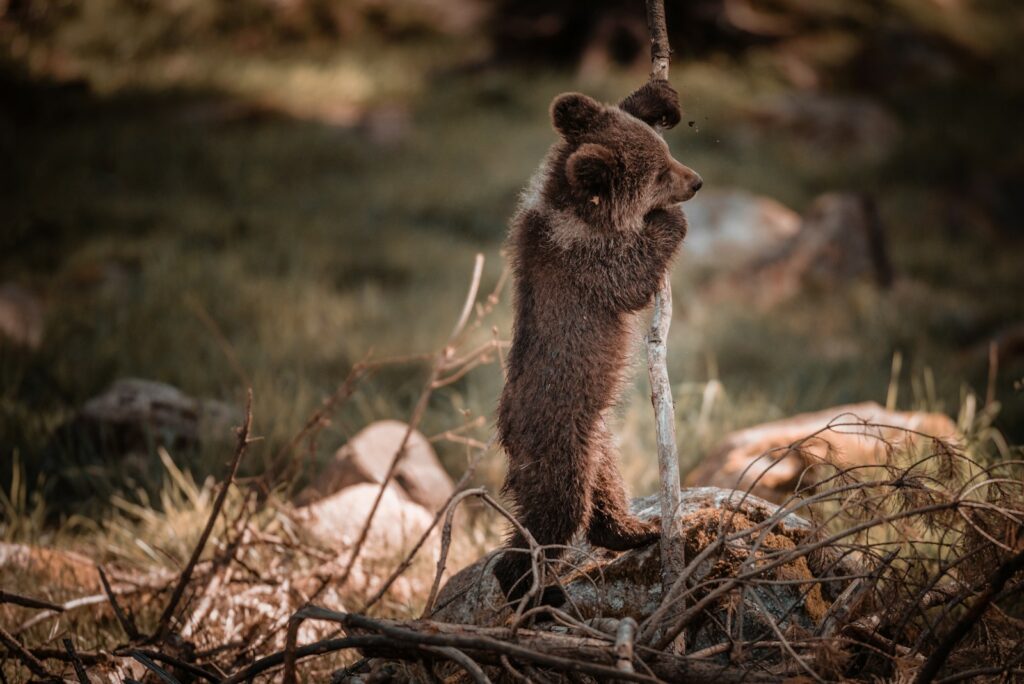
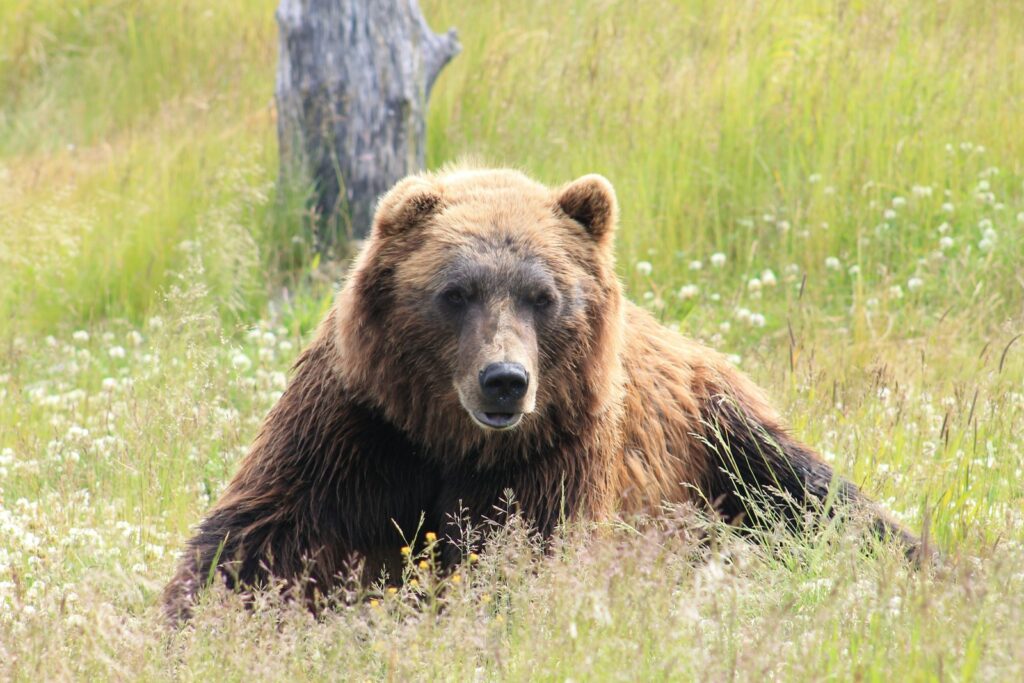
Different species require vastly different approaches to rescue and rehabilitation. Bear cubs, for instance, need specialized facilities that can accommodate their size and strength while preventing habituation to humans. Raccoon orphans are highly susceptible to diseases that can spread through rescue facilities, requiring strict quarantine protocols. Fox kits require socialization with other foxes to develop proper behavioral skills and hunting techniques. Small mammal cubs like squirrels or rabbits have specific nutritional needs that change rapidly as they develop. Wildlife rescuers must be knowledgeable about the particular requirements of each species they encounter, often consulting with veterinarians and species experts to provide appropriate care.
Immediate Medical Care
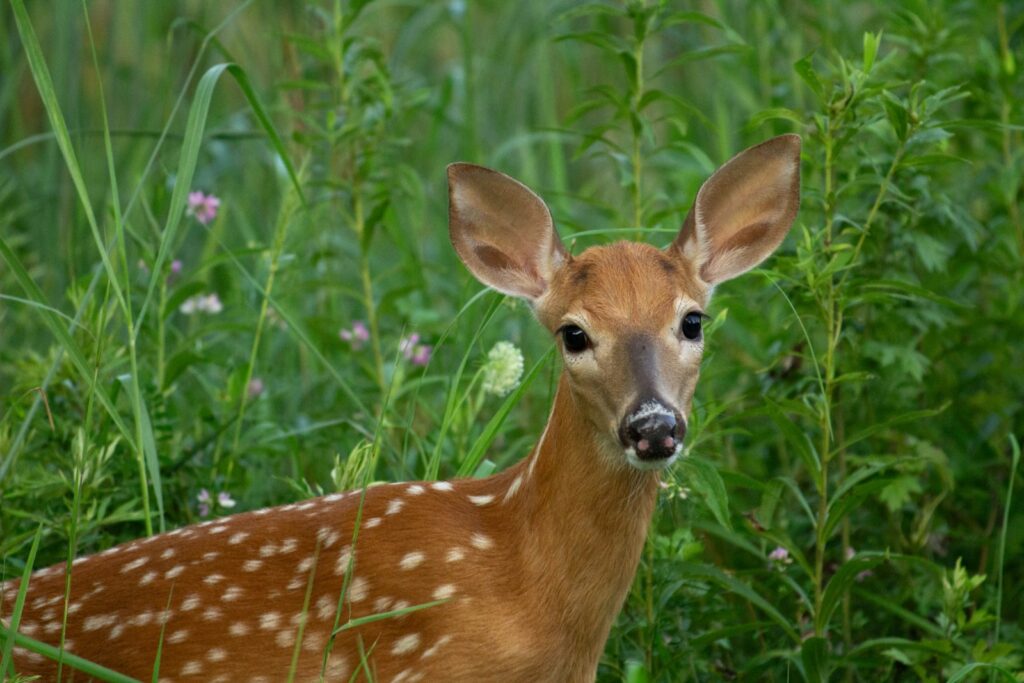
Upon arrival at a wildlife rehabilitation center, orphaned cubs receive prompt medical evaluation to assess their health status and address any urgent issues. This typically includes checking for dehydration, parasites, injuries, and signs of disease that might require immediate intervention. Specialized wildlife veterinarians perform physical examinations, taking vital signs and collecting samples for laboratory testing when necessary. Rehydration is often the first priority, as many orphaned cubs arrive in a dehydrated state after hours or days without parental care. Treatment plans are developed based on the cub’s specific condition, with consideration for both immediate needs and long-term rehabilitation goals. Throughout this process, handling is kept to an absolute minimum to reduce stress and prevent the cub from becoming comfortable with human contact.
Nutritional Support and Feeding
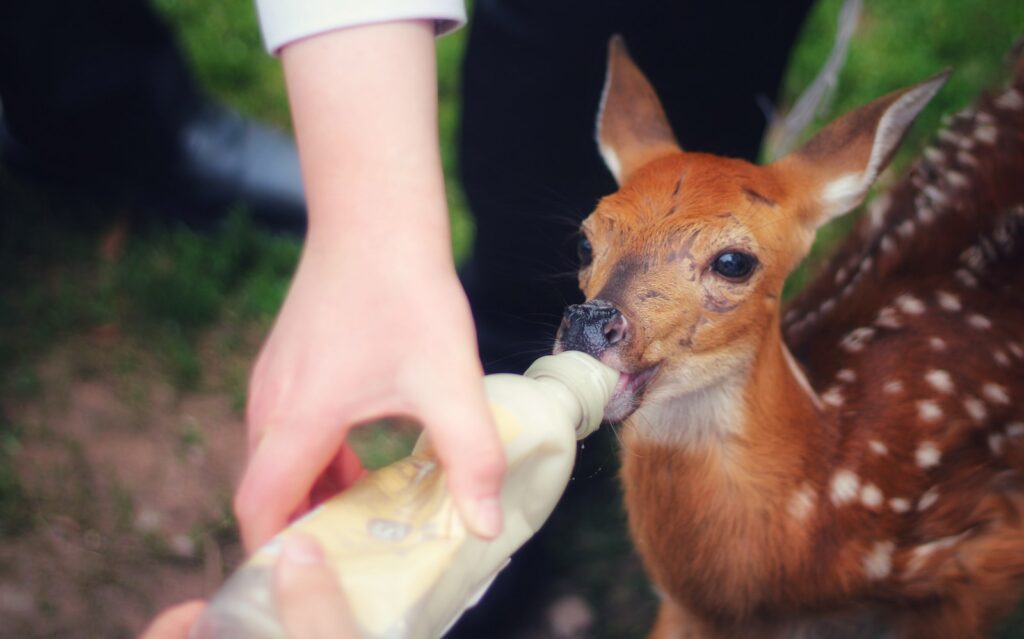
One of the most challenging aspects of caring for orphaned wildlife is providing appropriate nutrition to support healthy development. Wildlife rehabilitators use specially formulated milk replacers that mimic the composition of the mother’s milk for each species, as commercially available pet formulas can cause serious digestive issues or nutritional deficiencies. Feeding schedules vary dramatically between species, with some requiring feedings as frequently as every two hours around the clock. As cubs develop, rehabilitators gradually introduce natural foods appropriate to their species, teaching them to recognize and consume what they would eat in the wild. For predator species, this may eventually include teaching hunting behaviors through specialized techniques that don’t create human associations. The transition from formula to natural diet represents a critical milestone in the rehabilitation process.
Creating Appropriate Housing
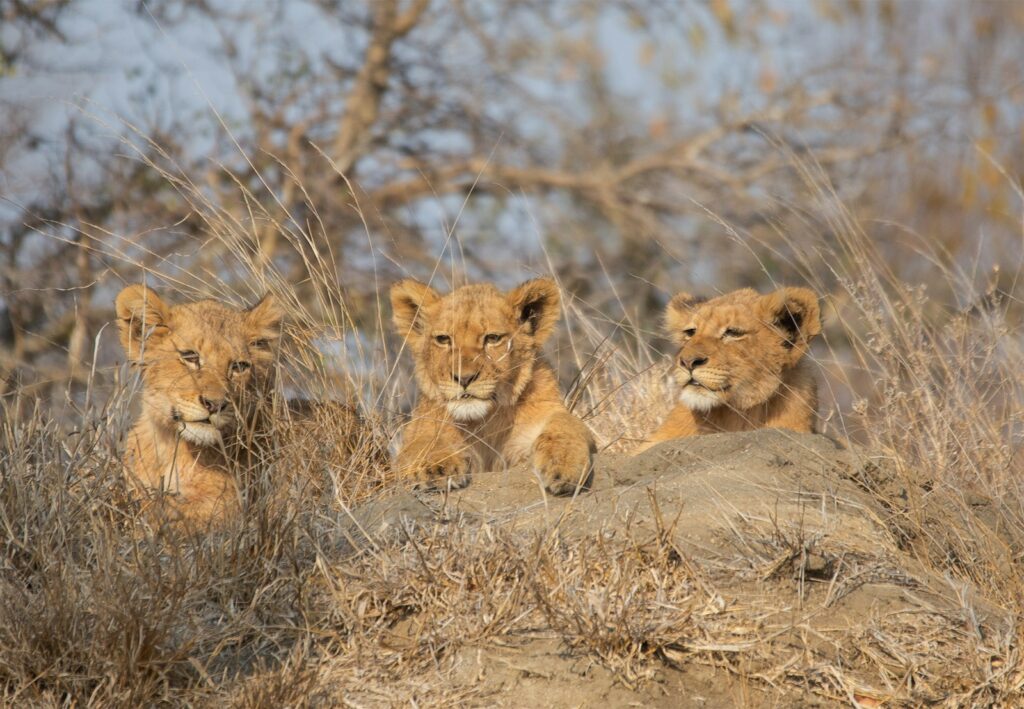
Housing for orphaned cubs must balance several competing priorities: providing safety and comfort while mimicking natural environments and preventing habituation to humans. Young cubs often start in small, warm enclosures with heating elements that replicate the body heat they would normally receive from their mothers. As they grow, they transition to progressively larger spaces that include natural elements from their native habitats, such as appropriate vegetation, water features, climbing structures, or den spaces. Housing must also account for the social needs of the species, keeping naturally social animals with compatible conspecifics while providing solitary species with appropriate space. Facilities design enclosures to allow minimal human contact while still permitting necessary care and monitoring, often incorporating one-way glass or video monitoring systems to observe without being seen.
Preventing Human Imprinting
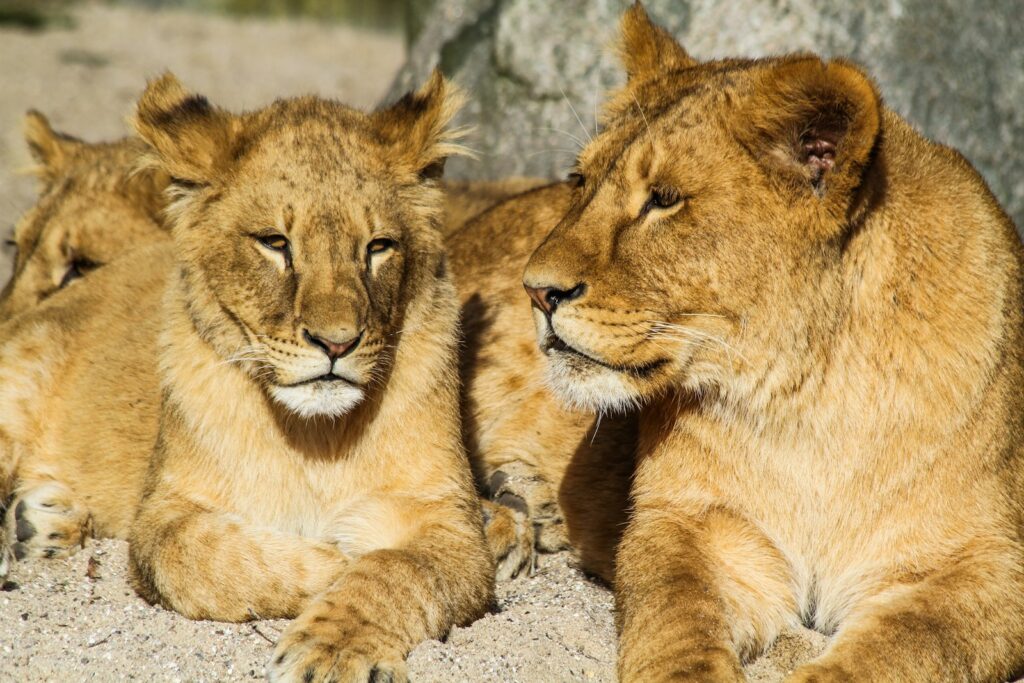
One of the greatest challenges in wildlife rehabilitation is preventing orphaned cubs from imprinting on human caregivers, as this can severely compromise their ability to survive in the wild. Specialized protocols minimize human interaction, with rehabilitators often wearing masks, ponchos, or other disguises to avoid having cubs associate human faces and forms with food and comfort. Some facilities use puppets or other proxies that resemble adult animals of the same species when feeding very young cubs. Vocalizations and other human sounds are kept to a minimum during all interactions. As cubs mature, human contact is progressively reduced until it becomes virtually non-existent in the final stages of rehabilitation. For some species, this process requires extreme measures, such as delivering food through chutes or barriers that completely prevent visual contact with humans.
Socialization with Conspecifics

For many species, proper development requires interaction with members of their own kind, making the socialization of orphaned cubs with conspecifics a critical component of rehabilitation. Wildlife rescue centers make every effort to house compatible orphans of the same species together, allowing them to develop normal social behaviors and learn from one another. In cases where only a single orphan is being rehabilitated, some facilities maintain “ambassador” animals of the same species that can provide appropriate socialization without being eligible for release themselves. The timing of introductions is carefully managed to prevent aggression or inappropriate bonding that could interfere with natural behaviors. Through these interactions, cubs learn species-appropriate communication, play behaviors, and social boundaries that will be essential for their survival after release.
Teaching Survival Skills
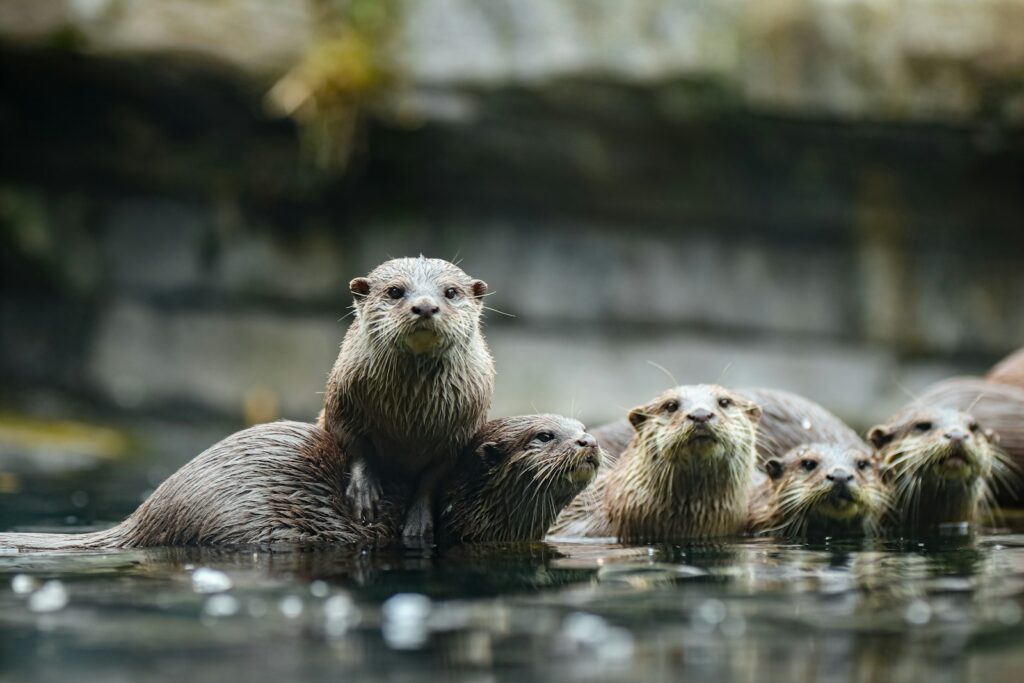
Unlike domesticated animals, wild cubs must develop specific skills to survive independently in their natural environments. Wildlife rehabilitators employ various techniques to ensure cubs develop these essential abilities without human dependency. For predator species, this often involves creating opportunities for cubs to practice hunting behaviors on live prey in controlled settings. Facilities may design specialized enclosures with flowing water where otter cubs can learn to swim and catch fish, or provide bear cubs with complex environments where they must search for hidden food. Rehabilitators observe these interactions carefully, documenting the development of natural behaviors and identifying any deficiencies that require intervention. For many species, the presence of older conspecifics provides the most effective teaching, as young animals naturally observe and imitate the behaviors of their elders.
Preparing for Release
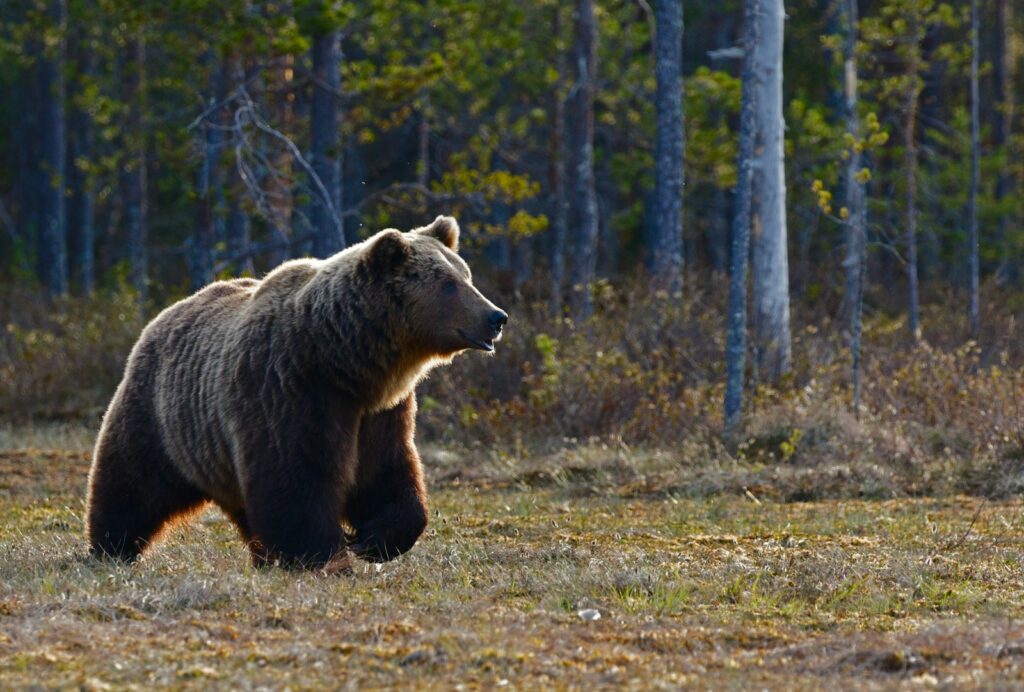
As orphaned cubs mature and develop the necessary skills for independence, wildlife rehabilitation teams begin preparing them for return to the wild. This process includes transitioning to larger, more naturalistic enclosures that closely mimic the environments they will inhabit after release. Human contact is typically eliminated entirely during this phase, with food provided in ways that require cubs to use natural foraging behaviors. Weather acclimation becomes important, with cubs gradually exposed to seasonal conditions they will face in the wild. Pre-release assessments evaluate each animal’s physical condition, appropriate weight, and demonstration of species-typical behaviors necessary for survival. For some species, this preparation may include introducing cubs to the sounds, smells, and challenges they will encounter in the wild, such as recordings of predator calls or competing species.
Release Site Selection
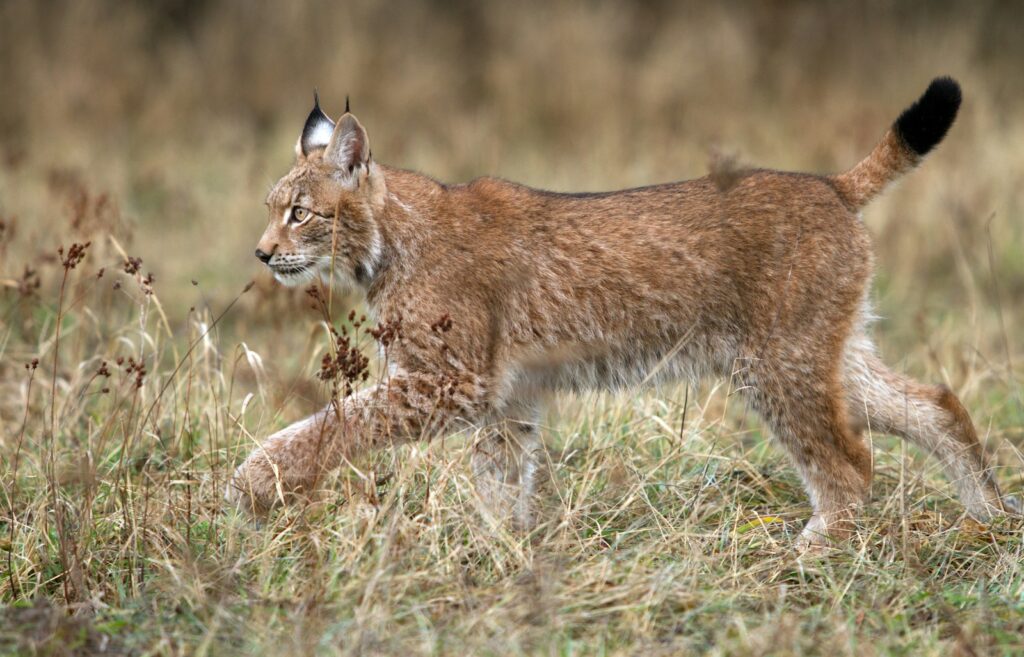
Choosing an appropriate location for releasing rehabilitated wildlife requires careful consideration of numerous ecological and practical factors. Wildlife teams assess habitat quality, including availability of appropriate food sources, water, shelter, and denning sites specific to the species. They consider the presence of conspecifics in the area, as some species benefit from being released into established populations while others require unoccupied territories. Human activity and potential threats in the area are evaluated to minimize risks to the released animals. When possible, cubs are released in or near the area where they were found, though this depends on habitat suitability and the circumstances of their rescue. Seasonal timing is also critical, with releases scheduled to give animals the best chance of establishing themselves before challenging weather or breeding seasons.
Release Methods and Monitoring
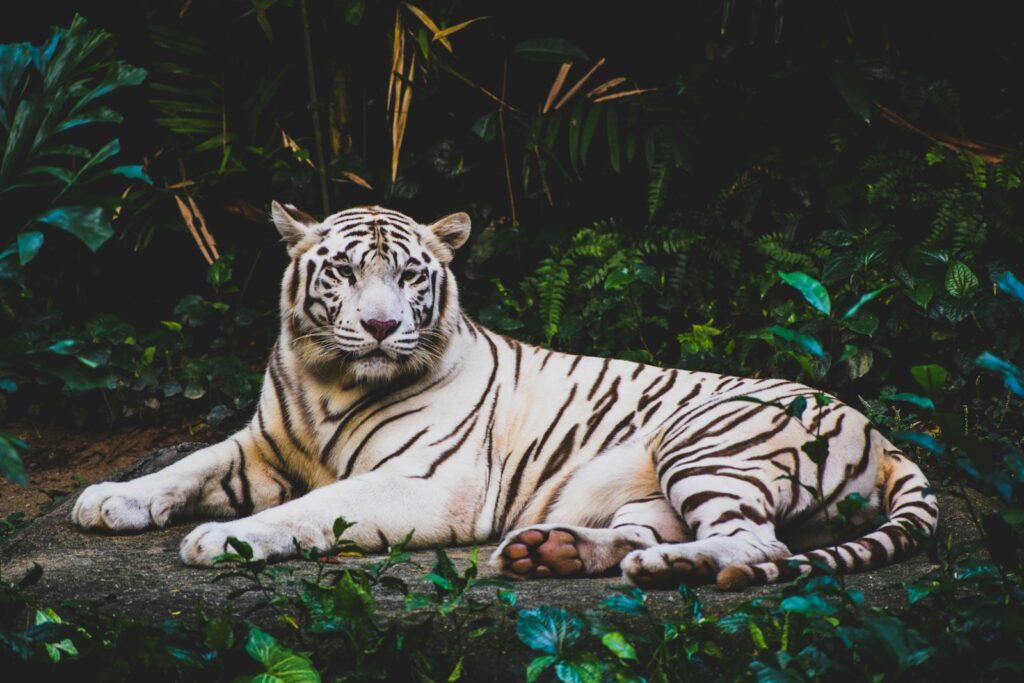
Wildlife rehabilitators employ various release strategies depending on the species, age, and individual needs of the cubs they’ve raised. Soft releases involve providing temporary supplemental feeding and shelter at the release site, gradually withdrawn as the animals become self-sufficient. Hard releases, more common with species that don’t typically maintain territories, involve transporting the animal to an appropriate habitat and releasing it directly. Many facilities use tracking devices such as radio collars or ear tags to monitor the movements and survival of released animals, providing valuable data about rehabilitation success. Camera traps may be set up near release sites to observe behavior without human presence. This post-release monitoring provides critical feedback that helps refine rehabilitation techniques and protocols for future orphans.
Ethical Considerations and Challenges
Wildlife rehabilitation raises complex ethical questions that rescue teams must constantly navigate. They must balance the welfare of individual animals against broader conservation goals and resource limitations. In some cases, rehabilitators face difficult decisions about whether severely injured or imprinted cubs should be rehabilitated, placed in captivity, or humanely euthanized. Cultural and regional differences in wildlife management philosophies can create additional challenges when developing standardized protocols. Funding constraints often limit the resources available for lengthy rehabilitation processes, particularly for species requiring extended care. Despite these challenges, wildlife rescue organizations typically adhere to the principle that rehabilitation efforts should ultimately serve the welfare of both individual animals and wild populations, with successful release back to the natural environment as the primary goal whenever possible.
Training and Collaboration in Wildlife Rescue

Effective wildlife rehabilitation requires extensive knowledge and specialized skills that come through rigorous training and collaborative networks. Many countries require licensing or certification for wildlife rehabilitators, ensuring those handling vulnerable cubs meet minimum standards of care. Rescue organizations frequently collaborate with universities, veterinary schools, and research institutions to develop and refine rehabilitation techniques based on the latest scientific understanding. International networks allow the sharing of protocols and knowledge across borders, particularly valuable for rare species or unusual circumstances. These collaborative relationships extend to government wildlife agencies, conservation organizations, and private landowners who may assist with releases or habitat protection. Through these partnerships, wildlife rescue teams continuously improve their approaches to caring for orphaned cubs, increasing survival rates and conservation outcomes.
Success Stories and Conservation Impact
While rehabilitating orphaned wildlife presents numerous challenges, wildlife rescue teams have achieved remarkable successes that demonstrate the value of their work. Black bear cubs rehabilitated using minimal-contact protocols have been documented forming natural social groups and raising their own young after release. Orphaned mountain lion cubs raised together and released with tracking collars have established territories and successfully hunted wild prey. River otter orphans raised in specialized facilities with flowing water features have integrated into wild populations and contributed to recovering numbers in regions where they were previously declining. These success stories not only represent individual animals saved but also contribute to broader conservation efforts by maintaining genetic diversity in wild populations and restoring animals to areas where they fulfill important ecological roles. The knowledge gained through rehabilitation efforts often contributes to better understanding of species needs and behaviors, indirectly supporting conservation planning and habitat protection initiatives.
Conclusion
The rehabilitation of orphaned cubs represents one of the most challenging yet rewarding aspects of wildlife conservation. Through carefully designed protocols that balance immediate welfare needs with long-term survival requirements, wildlife rescue teams provide these vulnerable young animals a second chance at wild lives. The process demands extraordinary dedication, specialized knowledge, and constant adaptation to the unique needs of different species and individuals. While not every orphaned cub can be saved, the successful rehabilitation and release of these animals contributes to both individual welfare and broader conservation goals. As human development continues to impact wildlife habitats worldwide, the expertise developed by wildlife rehabilitators becomes increasingly valuable in mitigating our species’ impact on the natural world.