

Walking through nature’s corridors offers a unique connection to the wild world around us. While we primarily rely on our sense of sight, the animal kingdom communicates through an invisible language of scents. Predator animals regularly mark their territories, hunting routes, and presence using distinctive odors that serve multiple purposes in their survival strategies. For hikers, outdoor enthusiasts, and wilderness professionals, the ability to recognize these olfactory signatures can provide valuable information about the wildlife sharing the landscape. This guide explores how to identify various predator scents on trails, understand their significance, and use this knowledge to enhance both safety and wildlife appreciation during outdoor adventures.
The Science Behind Animal Scent Marking
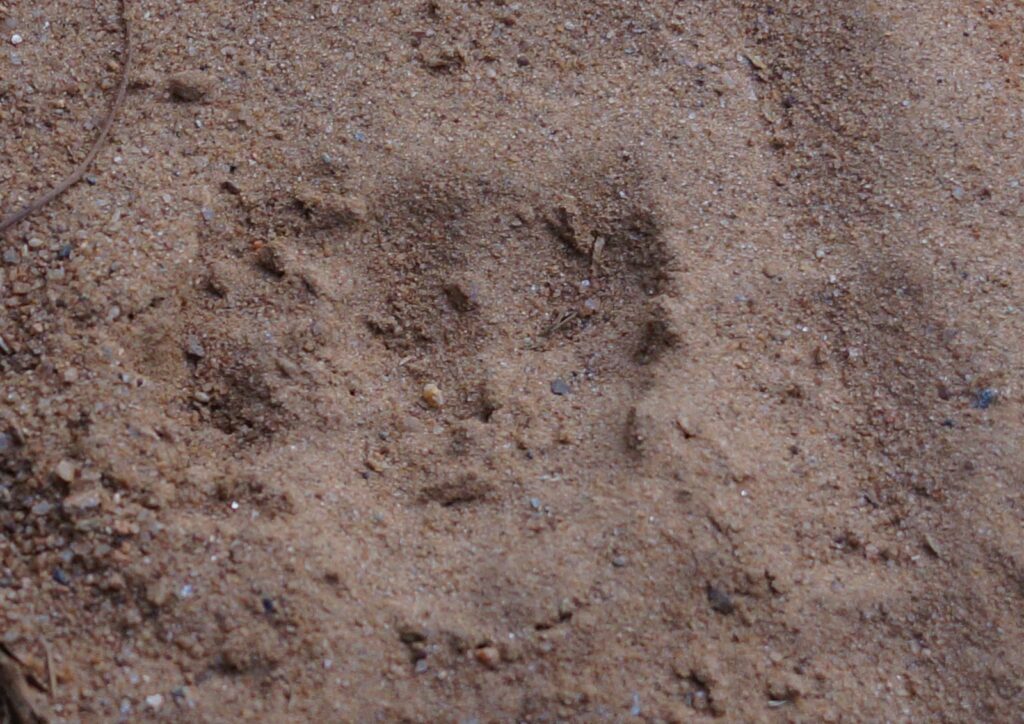
Predators use specialized glands to produce distinctive scents that serve as chemical communications with other animals. These glands may be located near anal regions, on paws, or within specific body areas depending on the species. The scent molecules they release contain complex information including the animal’s identity, reproductive status, territorial boundaries, and even emotional state. Unlike human communication, which relies heavily on visual and auditory signals, many predators exist in a world dominated by olfactory information. The chemical compounds in these scents can persist in the environment for days or even weeks, creating an enduring message for other animals to interpret. Understanding this biological process helps humans better recognize and interpret these invisible markers when encountering them on trails.
Bear Scent Signatures on Trails

Bears leave some of the most distinctive and recognizable scent markers in North American wilderness areas. Black bears and grizzlies often create “rub trees” where they scratch and rub their bodies against tree trunks, leaving behind hair and a musky, sometimes sweet odor that can be detected by humans. During mating season, male bears particularly increase their scent marking behaviors, producing stronger odors that carry hints of skunk-like compounds mixed with a sweet undertone. Bear scat, another obvious sign, often carries a distinctive smell that varies depending on diet – berries create sweeter-smelling scat while meat consumption results in a more pungent odor. Fresh bear urine has a strong ammonia-like quality that gradually fades but can remain detectable to human noses for several days in humid conditions.
Recognizing Big Cat Markings

Mountain lions, bobcats, and other wild felines leave territorial markings with distinctive characteristics. Cat urine contains felinine, which breaks down into sulfur compounds that produce the characteristic “cat spray” smell – a sharp, acrid odor that’s particularly potent and unmistakable when fresh. Unlike some predators, cats often deliberately spray vertical surfaces like trees, rocks, or trail markers at nose level of other cats. Mountain lion scat frequently contains visible bone fragments and hair, accompanied by a distinctively strong odor that experienced trackers can identify even in small amounts. In addition to urine marking, some big cats create scrapes in the ground with their hind feet and deposit scent from foot glands, leaving shallow depressions that may retain their scent for weeks in protected areas.
Wolf and Coyote Scent Communications
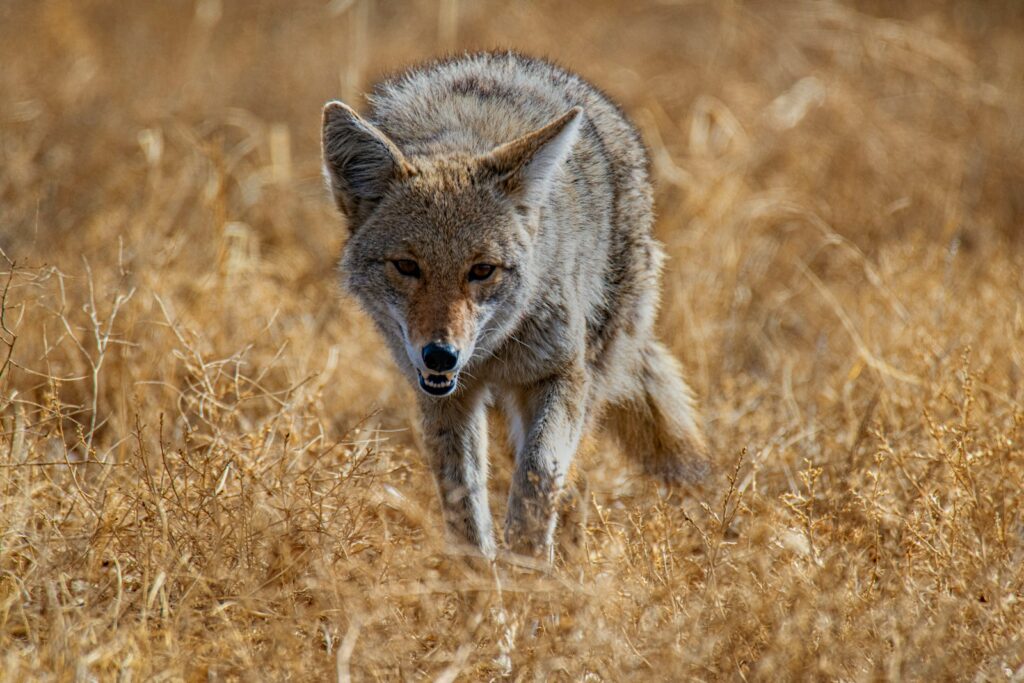
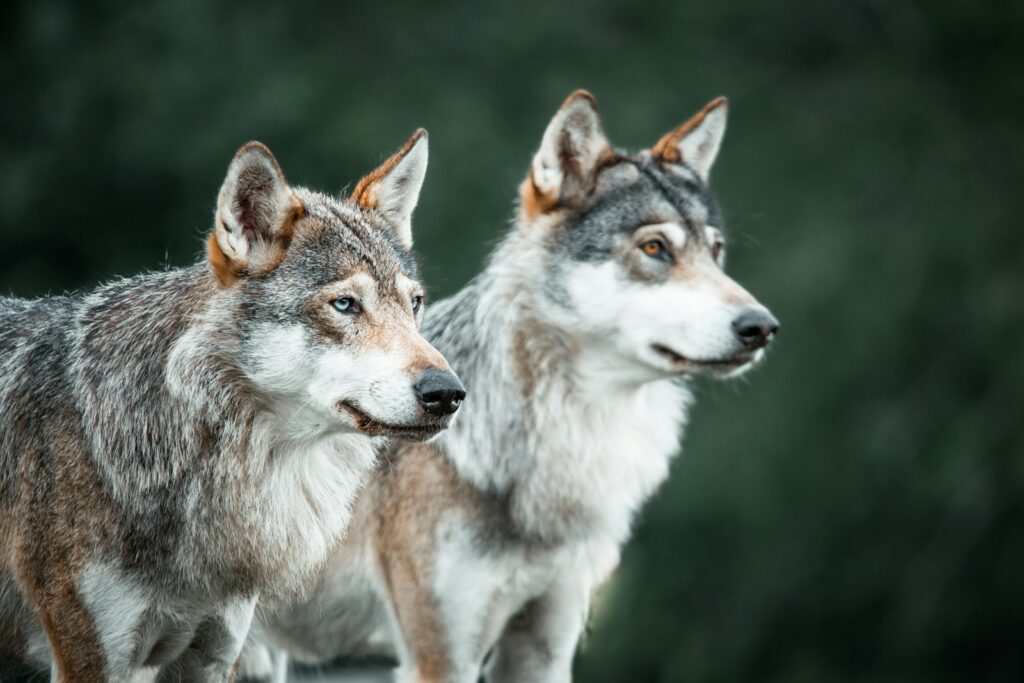
Canid predators including wolves and coyotes use complex scent marking systems that serve both territorial and social functions within their pack structures. Wolf urine carries a strong, musky odor with ammonia undertones that experienced wilderness travelers describe as more pungent than domestic dog urine. Pack members frequently mark trail intersections, creating “scent posts” that help define territory boundaries and communicate pack movements to neighboring groups. Coyotes tend to deposit scat in prominent locations along trails, often containing visible fur, seeds, or berry remnants depending on seasonal diet, accompanied by a distinctive odor that’s typically less intense than wolf markings. Both species also engage in ground scratching behaviors after elimination, which releases additional scent from special glands between their toes, creating concentrated scent locations that may be detectable to humans as earthy, musky spots along the trail.
Mustelid Family Signatures
The mustelid family, including wolverines, fishers, martens, and weasels, produces some of the most potent and distinctive scents in the wilderness despite their relatively small size. Wolverines possess anal scent glands that produce an extraordinarily powerful musk described as similar to skunk but with additional pungent notes that can linger in an area for weeks. Fishers and martens leave scent marks with a sweet, almost pleasant initial note that quickly develops into a more penetrating musk as the volatile compounds change in open air. Weasels mark their hunting territories with a scent that contains thiols – sulfur compounds that create an unmistakable, sharp odor detectable even to the relatively poor human sense of smell. These concentrated scent deposits are often found at the base of trees, on logs crossing trails, or at prominent junctions in small game pathways.
Seasonal Variations in Predator Scents
The intensity and frequency of predator scent marking changes dramatically with seasons, providing observant hikers with additional contextual information. During breeding seasons, most predators increase both the quantity and potency of their scent markings as they advertise their reproductive status and define territories more aggressively. Winter scents often persist longer in cold conditions as the chemical breakdown processes slow, though the frozen ground may trap some odors until thaw releases them suddenly. Spring thaws frequently reveal accumulated winter markings, creating temporary “hotspots” of predator scent that can seem alarmingly fresh to inexperienced observers. Summer heat accelerates the evaporation of volatile compounds in scent marks, requiring predators to refresh their markings more frequently and potentially increasing human encounters with actively marking animals.
Human Detection Capabilities and Limitations
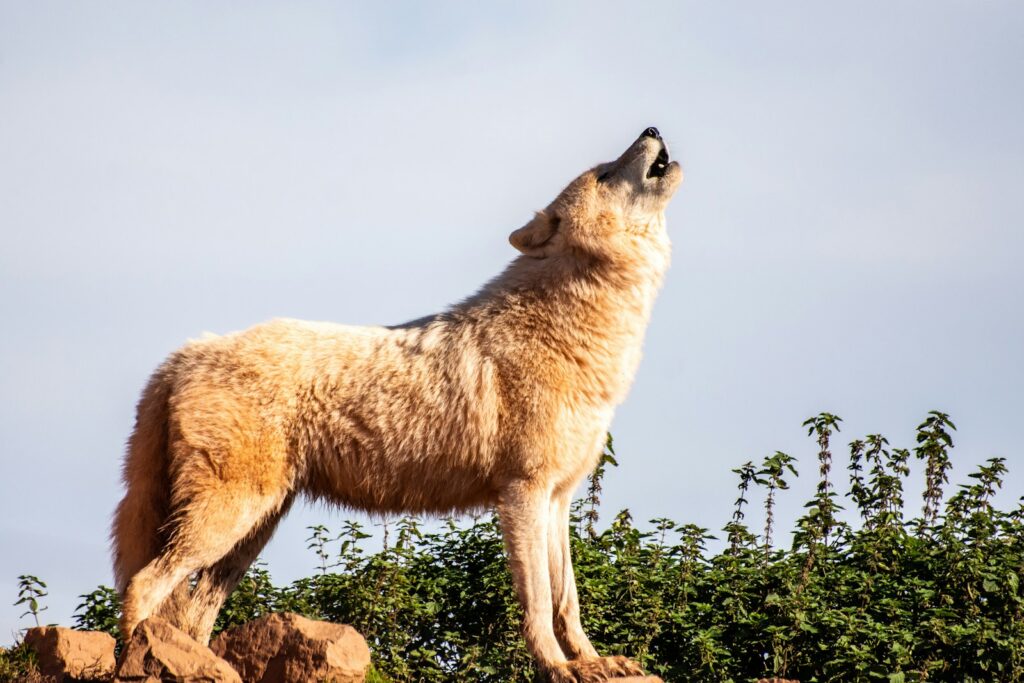
While humans possess significantly less sensitive olfactory abilities than most wildlife, we can still detect many predator scents with practice and awareness. The human nose contains roughly 6 million olfactory receptors compared to a bear’s 100 million or a wolf’s 200 million, putting us at a distinct disadvantage in scent detection. However, human brains excel at pattern recognition and learning, allowing experienced outdoors people to develop surprisingly accurate scent identification skills through repeated exposure and conscious attention. Environmental factors dramatically affect human detection abilities – humid conditions generally enhance scent recognition while dry, windy conditions disperse scent molecules rapidly. Temperature inversions common in mountain valleys at dawn often trap and concentrate scent molecules near ground level, making early morning one of the best times for humans to detect predator markings.
Distinguishing Fresh from Aged Scent Marks
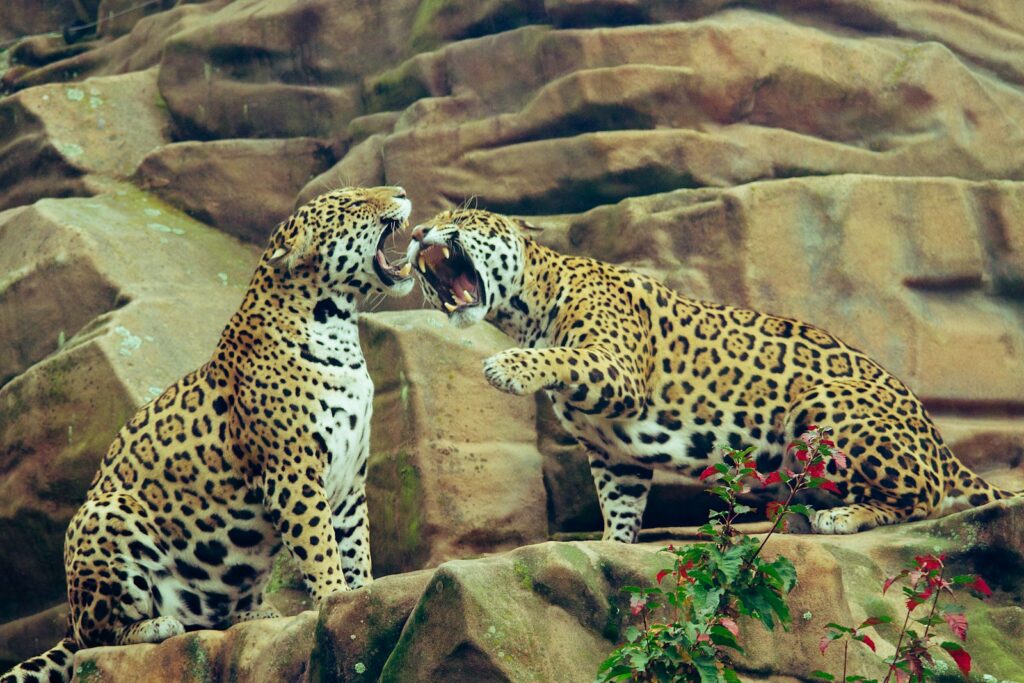
The ability to determine the age of predator scent marks provides crucial information about how recently the animal passed through the area. Fresh marks typically contain more volatile compounds that create sharper, more distinct impressions in the human nose, while older scents become progressively muted and less complex as these compounds evaporate. Weather exposure significantly affects aging rates – rain can wash away water-soluble components while leaving oil-based elements, creating a different scent profile. UV exposure from direct sunlight accelerates chemical breakdown of many scent components, causing faster degradation on exposed trail sections compared to shaded areas. Trained wildlife professionals often use a combination of visual clues (moisture, associated tracks, disturbance patterns) alongside scent characteristics to estimate remarkably precise timeframes for animal passages.
Dangerous Misinterpretations to Avoid
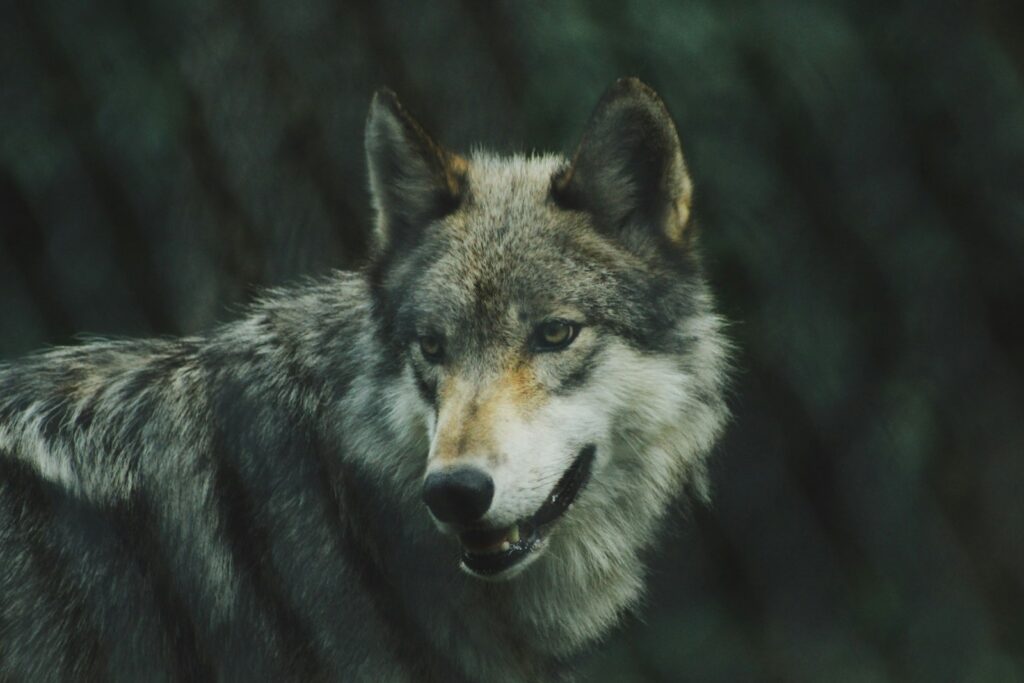
Misreading predator scent signs can lead to unnecessary fear or dangerous complacency in wilderness settings. One common mistake is confusing domestic dog markings with wolf or coyote scents, potentially creating false alarms in areas where these wild canids are sensitive conservation issues. Conversely, dismissing unusual predator scents as domestic animals can lead to reduced vigilance in areas with actual predator activity. Environmental contaminants including certain fungi, plant resins, and even some human-introduced chemicals can sometimes mimic predator scent components, creating false positives that experienced trackers learn to distinguish. Perhaps most dangerous is the misinterpretation that absence of detectable scent means absence of predators – many animals, particularly cats, can move through territories without actively scent marking, especially when focused on hunting rather than territorial behaviors.
Safety Implications of Scent Recognition

Developing the ability to recognize predator scents offers tangible safety benefits for wilderness travelers. Fresh, concentrated predator markings, particularly when combined with other signs like tracks or scat, provide clear indication of recent animal activity that merits increased awareness and appropriate precautions. Recognizing the distinctive characteristics of feeding site scents – which often contain blood compounds, digestive by-products, and concentrated marking behaviors – can help hikers avoid potentially dangerous locations where predators may defend their kills. For backcountry campers, the ability to detect subtle predator scents can inform better campsite selection, avoiding locations that intersect with established hunting routes or territorial boundaries where encounters are more likely. However, scent recognition should always be considered just one component of a comprehensive wildlife awareness strategy that includes visual observation, understanding behavioral patterns, and appropriate response protocols.
Ethical Considerations and Wildlife Respect
Developing predator scent recognition skills carries ethical responsibilities for wilderness users. Understanding that scent marks represent essential communication for wildlife should encourage respectful behavior that minimizes disruption to these invisible but important networks. Deliberately interfering with scent marks, whether by removing scat, covering urine marks, or adding foreign substances, can disrupt complex territorial systems that help prevent physical confrontations between competing predators. Commercial predator scents sold for hunting purposes should never be introduced to wilderness areas where they might create artificial territorial conflicts or alter natural movement patterns. Conservation-minded outdoors people increasingly recognize that learning to detect and respect these olfactory boundaries represents a deeper level of wilderness ethics that acknowledges wildlife needs beyond merely avoiding direct disturbance.
Training Your Nose for Better Recognition
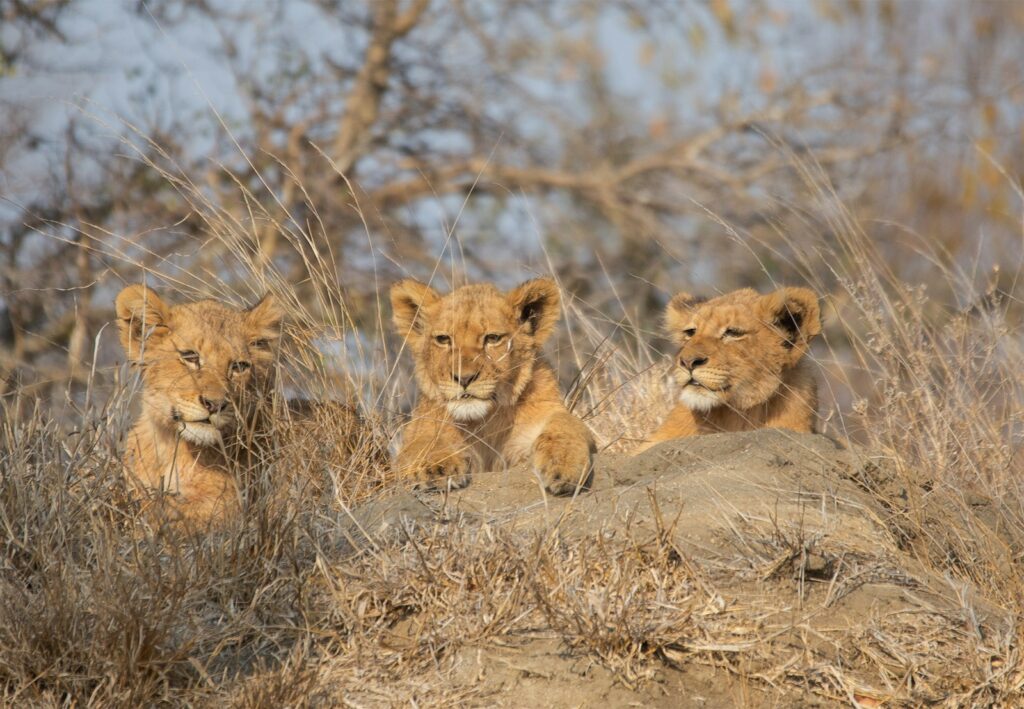
Like any sensory skill, scent recognition improves dramatically with intentional practice and exposure. Wildlife tracking courses offered by wilderness schools often include scent recognition components where participants can safely experience preserved animal scents under expert guidance. Creating a personal “scent journal” where you record descriptions of wilderness smells along with contextual information like weather, location, and associated sign can accelerate pattern recognition abilities over time. Practicing “blind” scent identification with partners in controlled settings helps develop more precise recognition skills that translate to field conditions. Experienced trackers recommend specifically training for early morning and evening conditions when temperature changes can release different scent components, creating distinctive signatures compared to midday scent profiles.
Integrating Scent with Other Wildlife Signs
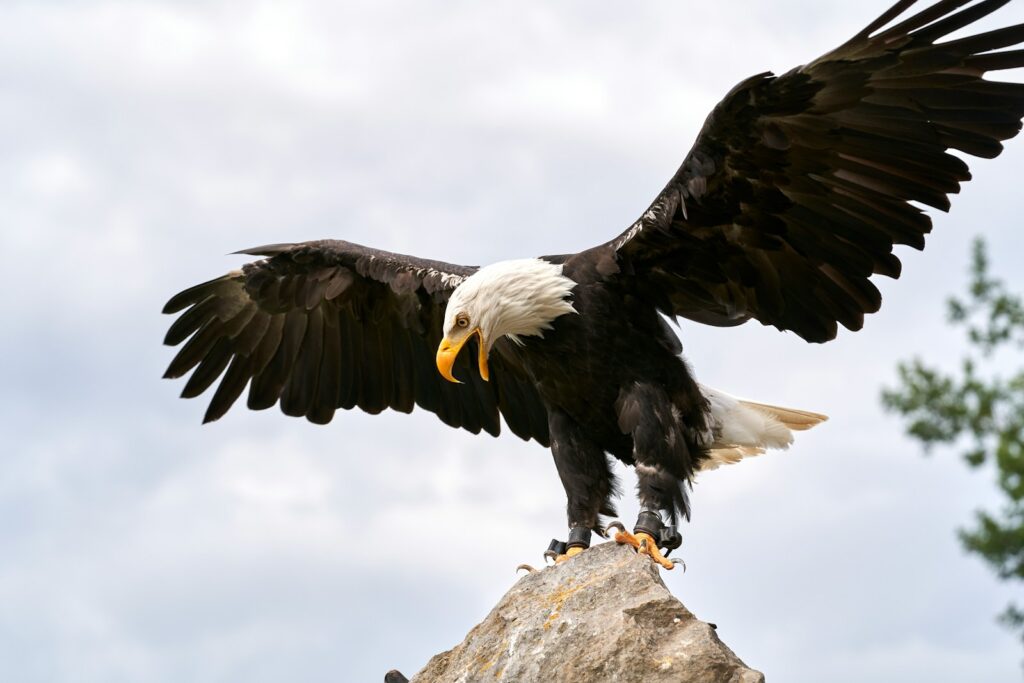
The most effective wildlife awareness combines scent recognition with visual tracking, behavioral knowledge, and ecological understanding. Scent detection often provides the first alert to wildlife presence, while tracks can confirm species identification and movement patterns in ways scent alone cannot. Seasonal and geographical knowledge helps contextualize scent information – for example, recognizing that increased bear marking in early summer often correlates with mating season rather than aggressive territorial defense. Habitat assessment skills complement scent recognition by helping identify likely movement corridors, feeding areas, and bedding sites where scent marking behaviors may concentrate. This integrated approach creates a more complete picture of the invisible wildlife community sharing the landscape, enriching the wilderness experience while promoting both human safety and wildlife conservation.
Understanding the language of scents that predators leave behind transforms how we experience wilderness trails. While invisible to the eye, these olfactory markers reveal a parallel world of communication happening continuously in wild places. By developing our ability to recognize, interpret, and respect these scent signatures, we gain not only practical safety benefits but also a deeper connection to the ancient sensory landscape that dominated Earth long before human visual culture. The next time you detect an unusual odor on the trail, pause to consider its source and meaning – you might be receiving a message from the wilderness that most hikers walk past without ever noticing.