
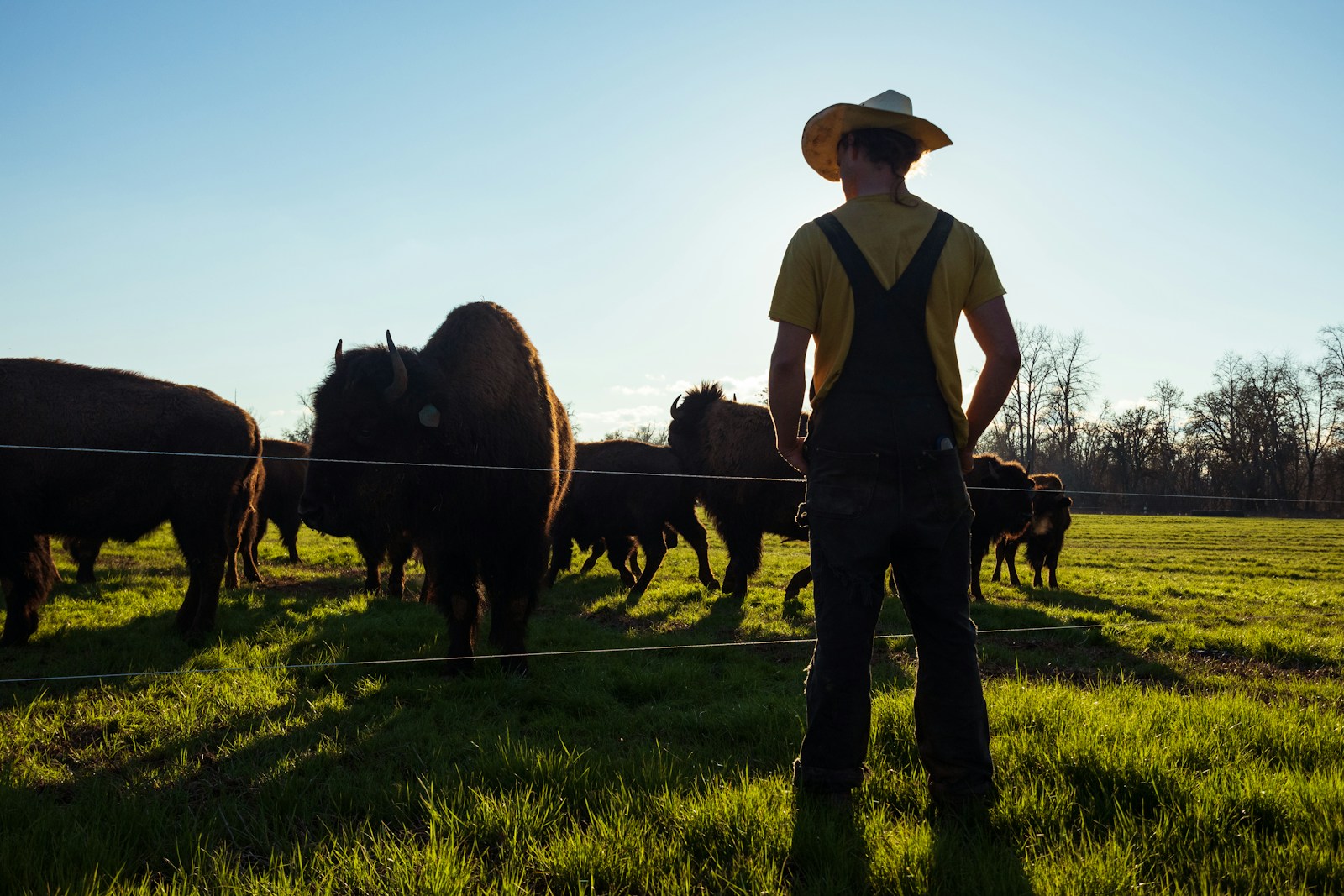
The American bison, often incorrectly called buffalo, stands as a living symbol of the American West’s untamed spirit. Once nearly exterminated with populations dropping from millions to fewer than 1,000 by the late 1800s, these magnificent creatures have made a remarkable comeback through dedicated conservation efforts. Today, wildlife enthusiasts can observe these massive mammals—North America’s largest land animals—in several locations across the United States. From the iconic herds of Yellowstone to lesser-known sanctuaries, each bison viewing destination offers a unique opportunity to witness these prehistoric-looking beasts in their natural habitat. This guide explores the best places to see wild bison across America, detailing what makes each location special and providing tips to enhance your viewing experience.
Yellowstone National Park: America’s Premier Bison Destination
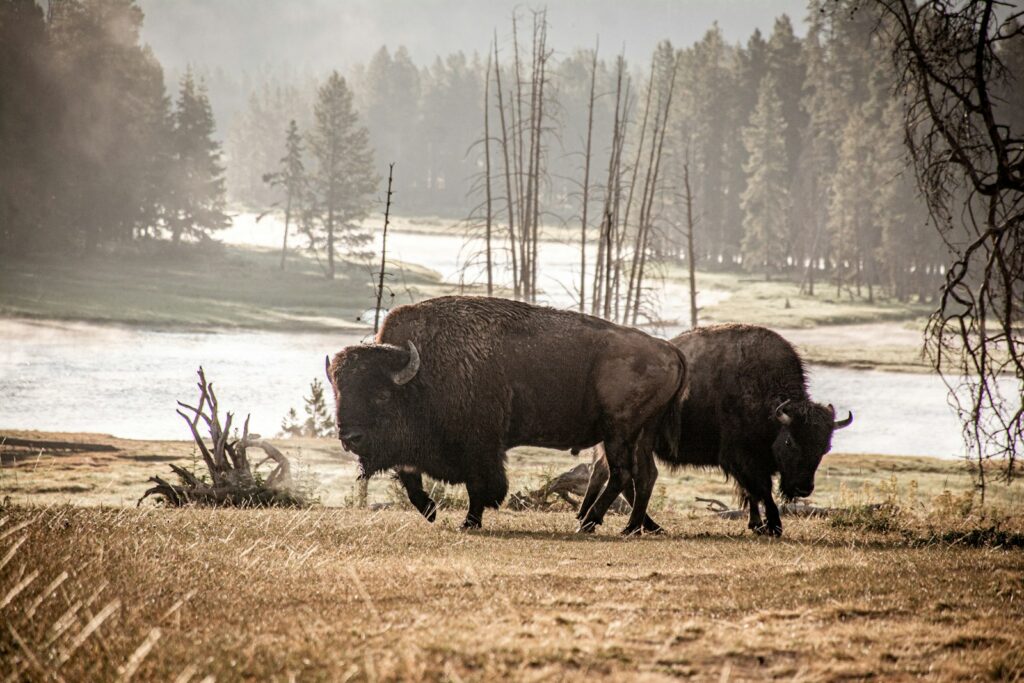
Yellowstone National Park claims the title of hosting America’s oldest and largest public bison herd, with approximately 5,000 animals roaming its vast landscape. The bison here represent the most genetically pure lineage, descending directly from the last wild bison that survived the mass slaughter of the 19th century. Lamar Valley, often called “America’s Serengeti,” offers the park’s best viewing opportunities, particularly during early morning or evening hours when the animals are most active. Year-round viewing is possible, though winter presents a dramatic contrast as the massive creatures trudge through deep snow, their breath visible in the frigid air while thermal features create an otherworldly backdrop. Hayden Valley, another prime location within Yellowstone, frequently features large herds grazing against the backdrop of the Yellowstone River.
Grand Teton National Park: Scenic Mountain Backdrops
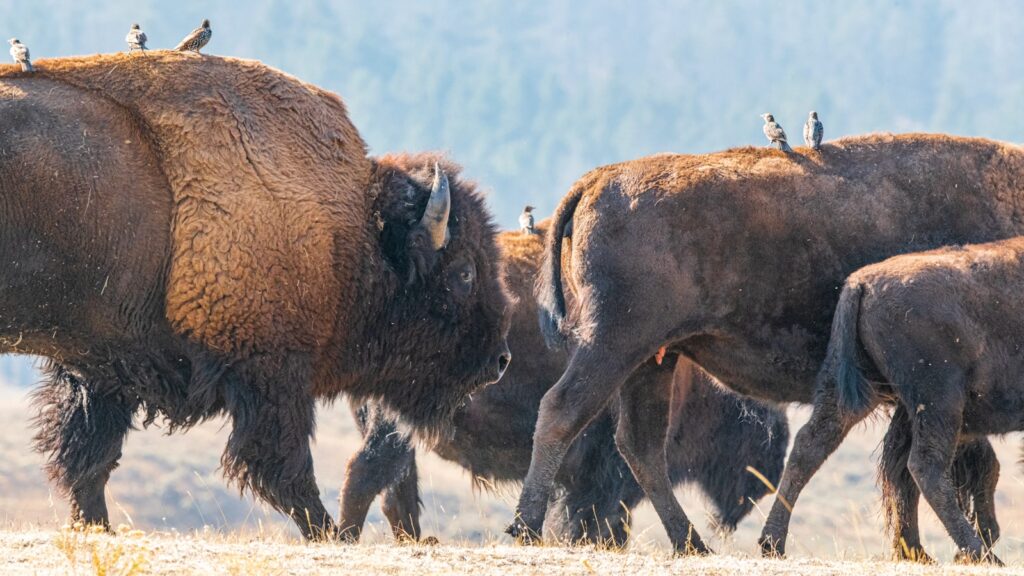
Just south of Yellowstone, Grand Teton National Park offers bison viewing opportunities with perhaps the most spectacular mountain backdrop in America. The park’s herd of approximately 500 bison often grazes in the sagebrush flats of Antelope Flats and Mormon Row, creating postcard-perfect scenes with the jagged Teton Range rising dramatically behind them. Morning light bathes both bison and mountains in a golden glow, making this time ideal for photography enthusiasts. Unlike some other locations, Grand Teton’s relatively open landscape makes spotting bison straightforward, even for first-time wildlife watchers. The Moose-Wilson Road and the area around Jackson Lake Lodge also offer occasional bison sightings, especially during the summer months when herds disperse throughout the park.
Theodore Roosevelt National Park: North Dakota’s Hidden Gem
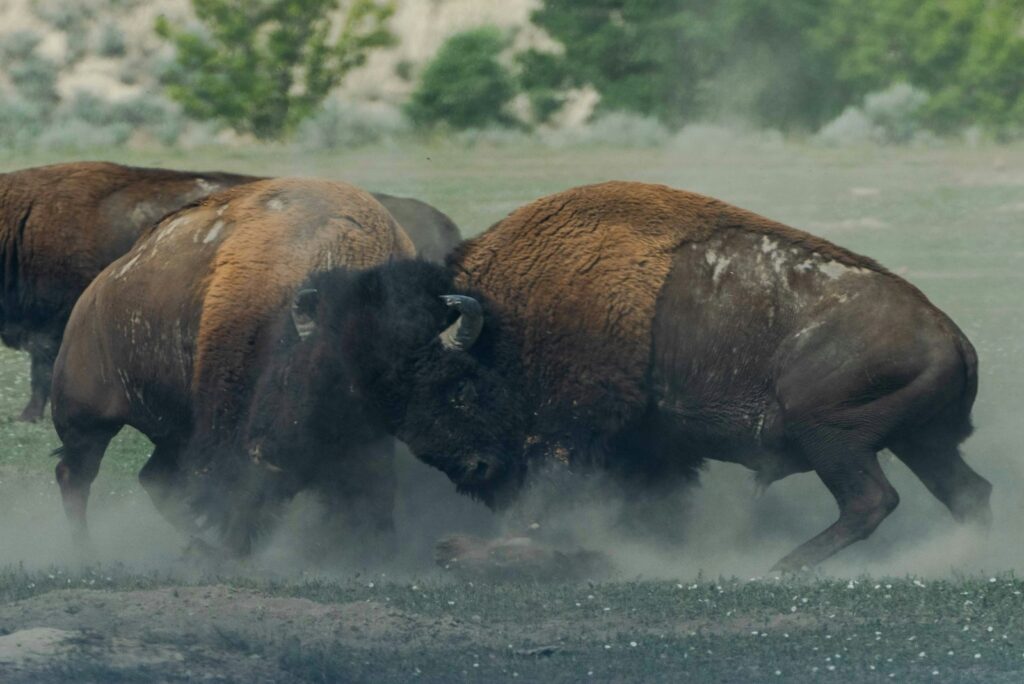
Theodore Roosevelt National Park in North Dakota offers a fitting tribute to the president who helped save bison from extinction, with approximately 400 bison now thriving in its rugged badlands landscape. The park’s unique topography of colorful buttes, deep ravines, and sweeping prairies creates a stunning setting for observing these animals in terrain similar to what Roosevelt himself would have witnessed in the late 1800s. The South Unit’s 36-mile scenic drive provides multiple pullouts where visitors frequently spot bison grazing or wallowing in dust baths, a behavior that helps them remove parasites and soothe irritated skin. Rangers recommend visiting during cooler morning hours in summer when bison are most active, or during the autumn rut when bulls display impressive shows of dominance as they compete for mates.
Custer State Park: Home to the Famous Buffalo Roundup
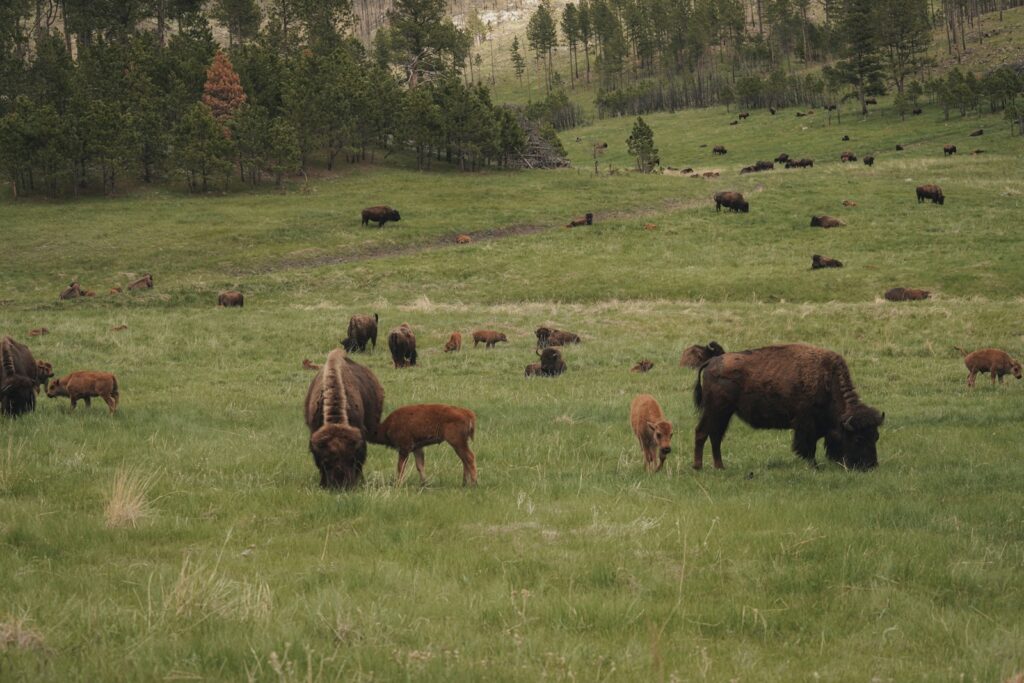
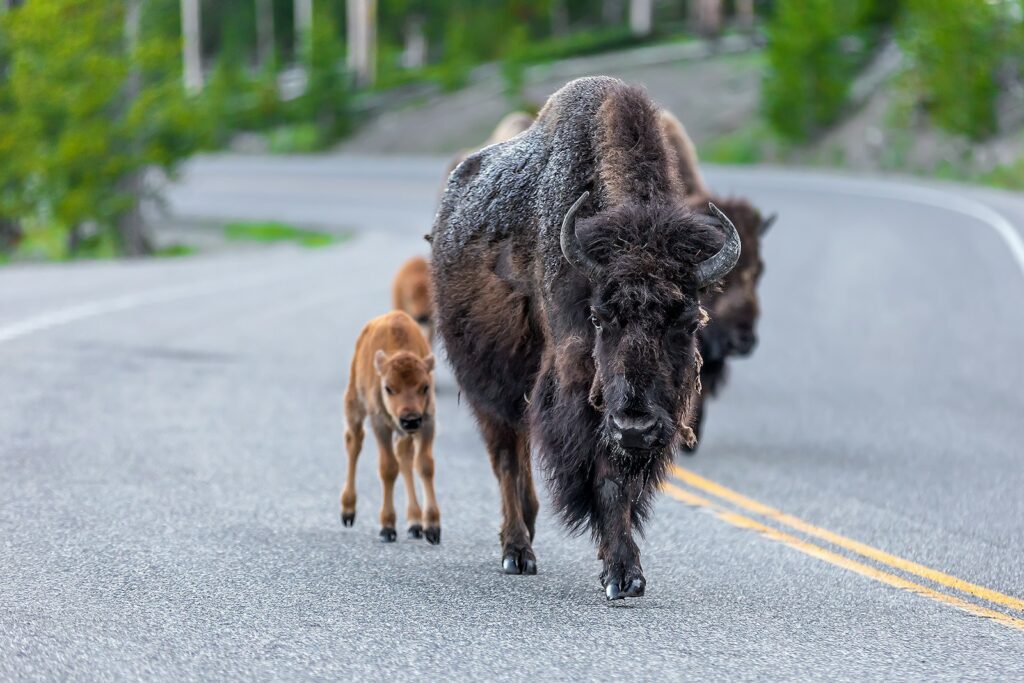
Custer State Park in South Dakota’s Black Hills maintains one of the world’s largest publicly owned bison herds, with approximately 1,400 animals roaming its 71,000 acres. The park’s Wildlife Loop Road offers reliable year-round viewing, with bison frequently appearing alongside prairie dogs, pronghorn, and the park’s famous “begging burros.” Each September, the park hosts its internationally renowned Buffalo Roundup, where cowboys on horseback drive the entire herd into corrals for sorting and veterinary care, attracting thousands of spectators to witness this thundering spectacle. Beyond the roundup, spring brings the delight of orange-colored calves wobbling alongside their massive mothers, while summer finds large herds gathering near watering holes during the heat of the day. Visitors should remain vigilant as the park’s bison frequently cross roads unexpectedly, creating both traffic hazards and extraordinary photo opportunities.
Wind Cave National Park: Pristine Prairie Ecosystem
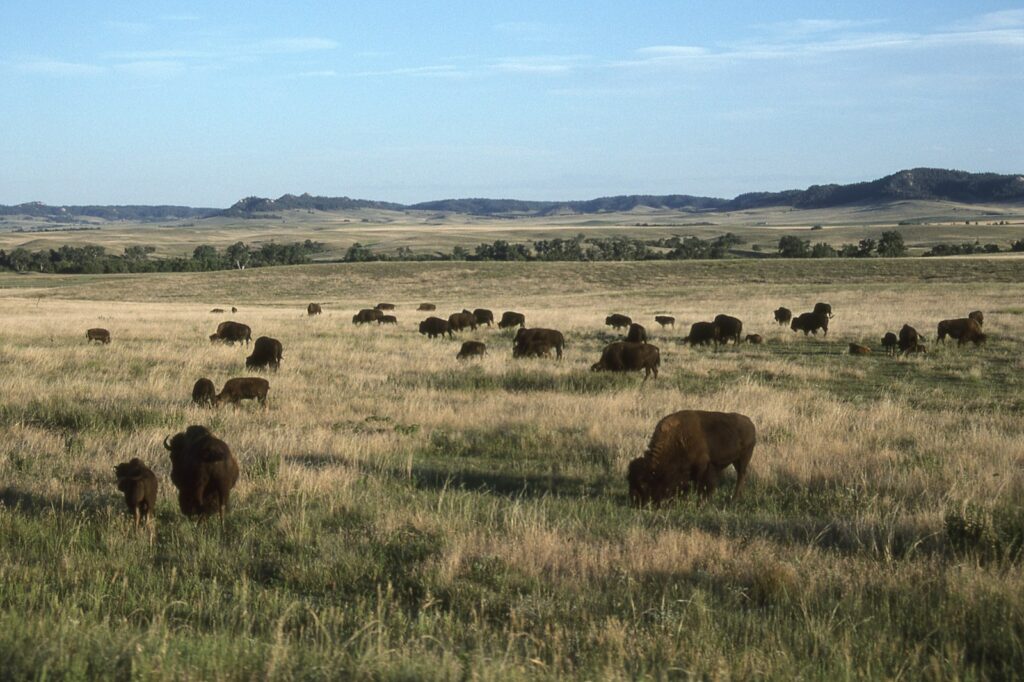
Adjacent to Custer State Park, Wind Cave National Park preserves one of the last intact mixed-grass prairie ecosystems in the United States, supporting approximately 250-350 bison in a natural setting. The park’s rolling hills and open grasslands provide excellent visibility for wildlife watching, with Bison Flats along Highway 385 being a particularly productive viewing area. What makes Wind Cave’s herd especially significant is its high genetic diversity and purity, as these bison have been protected from crossbreeding with cattle, making them especially valuable to conservation efforts nationwide. Rankin Ridge offers an elevated vantage point where visitors can scan the landscape for grazing herds, while the park’s interpretive programs frequently include information about bison ecology and conservation. Unlike some parks that experience extreme visitor congestion, Wind Cave’s relatively lower visitation numbers mean wildlife encounters often feel more intimate and natural.
Badlands National Park: Prehistoric Landscapes
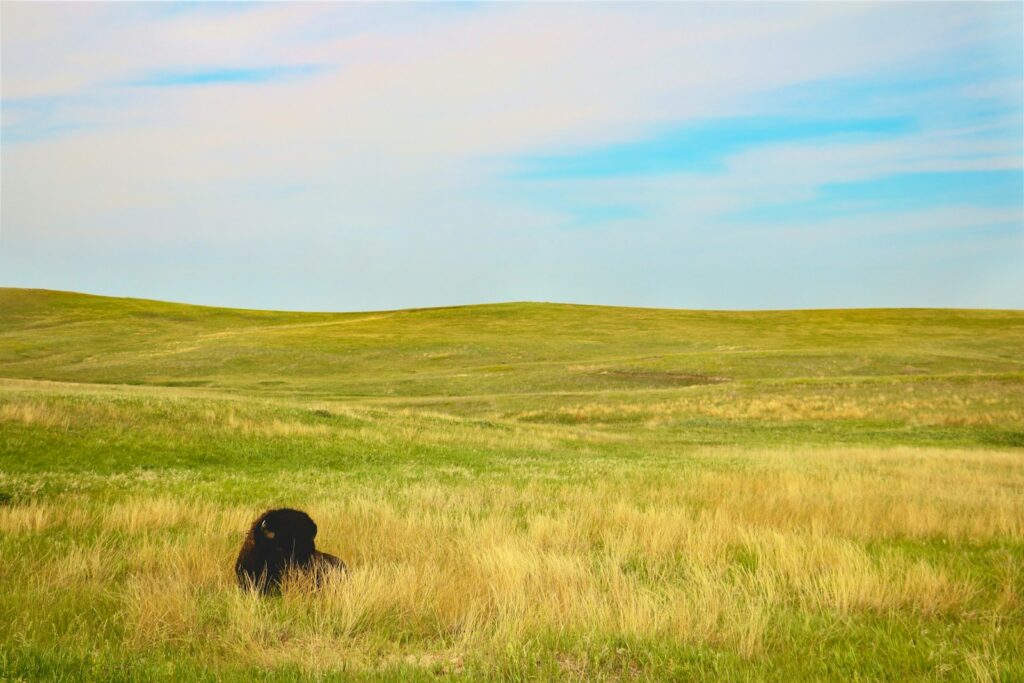
The surreal, otherworldly terrain of Badlands National Park in South Dakota provides a dramatic backdrop for observing its approximately 1,200 bison. The stark contrast between the rust-colored spires and buttes against the green prairie where bison graze creates an almost primeval scene reminiscent of the Pleistocene era. Sage Creek Rim Road in the park’s Wilderness Area offers the most reliable viewing opportunities, with bison frequently visible from the Sage Creek Basin Overlook or near the primitive campground. Morning and evening hours typically provide the best viewing conditions, when the animals are most active and the dramatic landscape is bathed in golden light. Sharp-eyed visitors might also spot pronghorn antelope, bighorn sheep, and prairie dog towns while searching for bison, making this area a wildlife watcher’s paradise.
Wichita Mountains Wildlife Refuge: Oklahoma’s Historic Herd
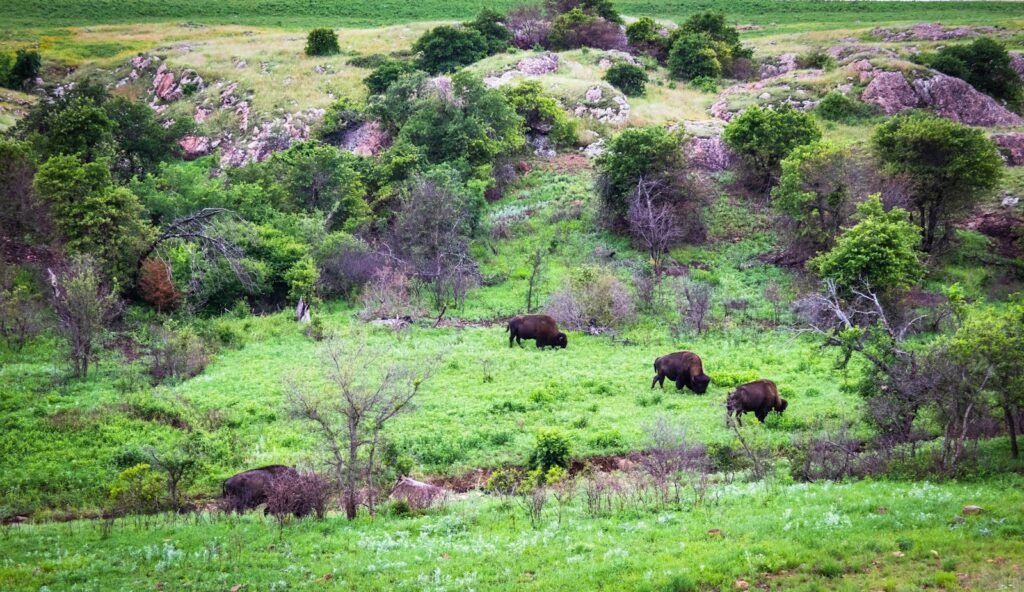
Established in 1905, the Wichita Mountains Wildlife Refuge in southwestern Oklahoma harbors one of America’s oldest protected bison herds, descended from animals sent from the Bronx Zoo as part of early conservation efforts. Today, approximately 650 bison roam the refuge’s 59,000 acres of mixed-grass prairie, oak forests, and ancient granite mountains. The refuge’s 8-mile scenic drive provides reliable viewing opportunities, particularly in the open areas near Quanah Parker Lake and the prairie dog town. Unlike many northern herds, Wichita Mountains’ bison can be comfortably viewed year-round thanks to Oklahoma’s milder climate, with spring bringing the added bonus of wildflower displays carpeting the prairie. The visitor center offers informative exhibits on the refuge’s pivotal role in saving bison from extinction and the ongoing management practices that maintain the health of this historic herd.
National Bison Range: Montana’s Wildlife Showcase
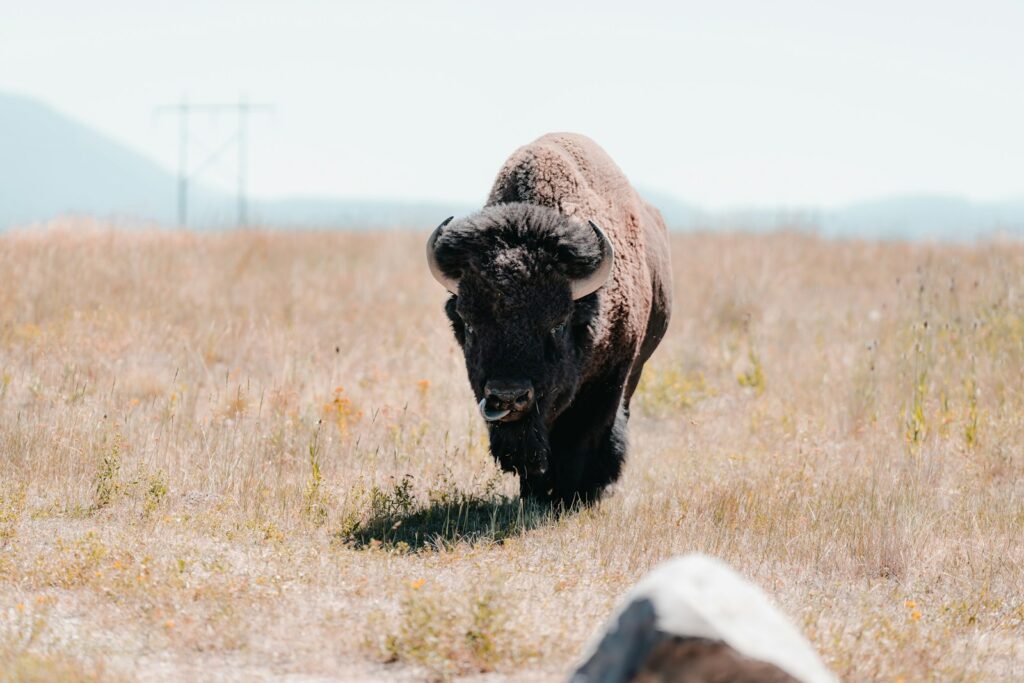
Established in 1908, the National Bison Range in western Montana stands as one of America’s oldest wildlife refuges, created specifically to provide sanctuary for bison when their numbers nationwide had dwindled to mere hundreds. Today, approximately 350-500 bison thrive across the refuge’s 18,500 acres of diverse habitat ranging from grasslands to forests. The Red Sleep Mountain Drive, a one-way 19-mile scenic route, climbs to over 4,800 feet elevation, offering spectacular panoramic views and numerous opportunities to observe bison throughout the refuge. The prairie habitat here supports not only bison but also impressive populations of elk, pronghorn, bighorn sheep, and deer, making this a premier destination for comprehensive wildlife viewing. Photographers particularly appreciate the late spring when bison calves with their distinctive orange-cinnamon coats frolic alongside their massive parents against the backdrop of Mission Mountains.
Antelope Island State Park: Great Salt Lake’s Bison Haven

Rising from Utah’s Great Salt Lake, Antelope Island State Park maintains a healthy herd of approximately 500-700 bison on its 28,000 acres, creating one of the most unique settings for bison viewing in America. The stark contrast between the dark bison against white salt flats, with the blue waters of Great Salt Lake in the background, provides exceptional photographic opportunities unlike any other location. Each fall, the park conducts a public bison roundup where riders on horseback gather the herd for health assessments and population management, an event that draws spectators from across the country. The island’s relatively compact size and open terrain make bison spotting relatively easy, with Fielding Garr Ranch and the area around White Rock Bay being particularly reliable locations. As an added bonus, the park’s high elevation and isolation from light pollution make it an excellent stargazing destination after a day of wildlife watching.
Book Cliffs: Colorado’s Wild Bison Restoration
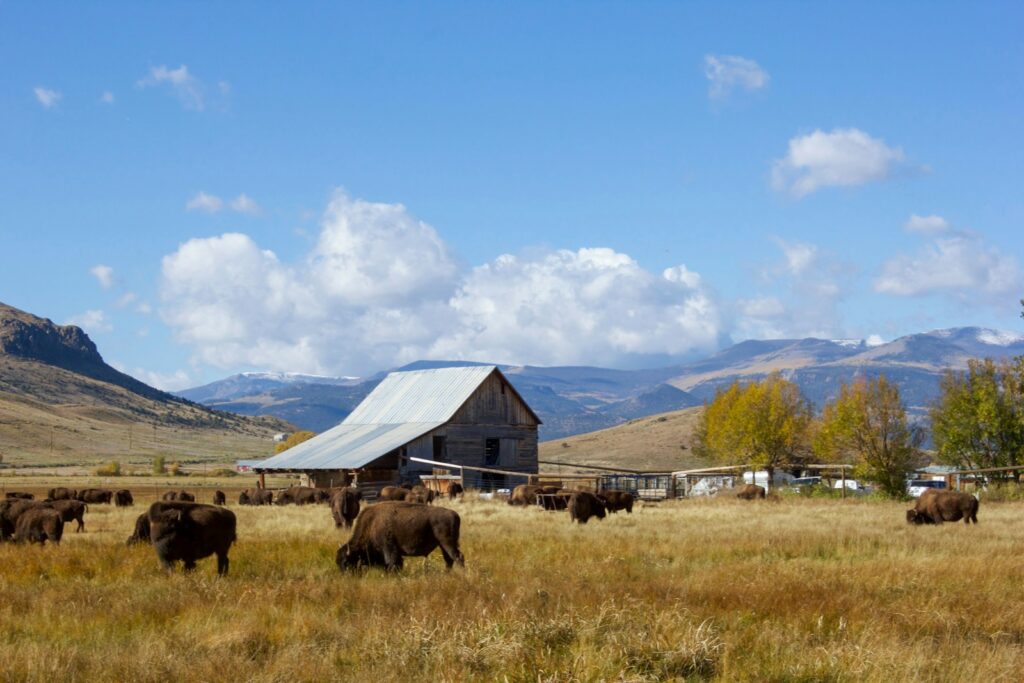
The Book Cliffs region of northwestern Colorado represents one of America’s newest and most ambitious bison conservation efforts, where approximately 75-100 wild bison now roam nearly 65,000 acres of public lands. Unlike many conservation herds, these animals resulted from a groundbreaking 2018 collaboration between wildlife biologists and the Southern Ute Tribe to restore wild bison to their native range on Bureau of Land Management property. Viewing these bison requires more effort than at established parks, with Wild Horse and Little Book Cliffs Scenic Byway offering potential distant sightings, though sometimes high-clearance vehicles and hiking are necessary to reach prime viewing areas. What makes this herd special is its designation as truly wild—unconfined and minimally managed—representing a new chapter in bison conservation focused on ecosystem restoration rather than simply preserving the species. The rugged canyon landscape provides an authentic glimpse of how bison shaped western ecosystems before European settlement.
Tallgrass Prairie National Preserve: Kansas Heartland
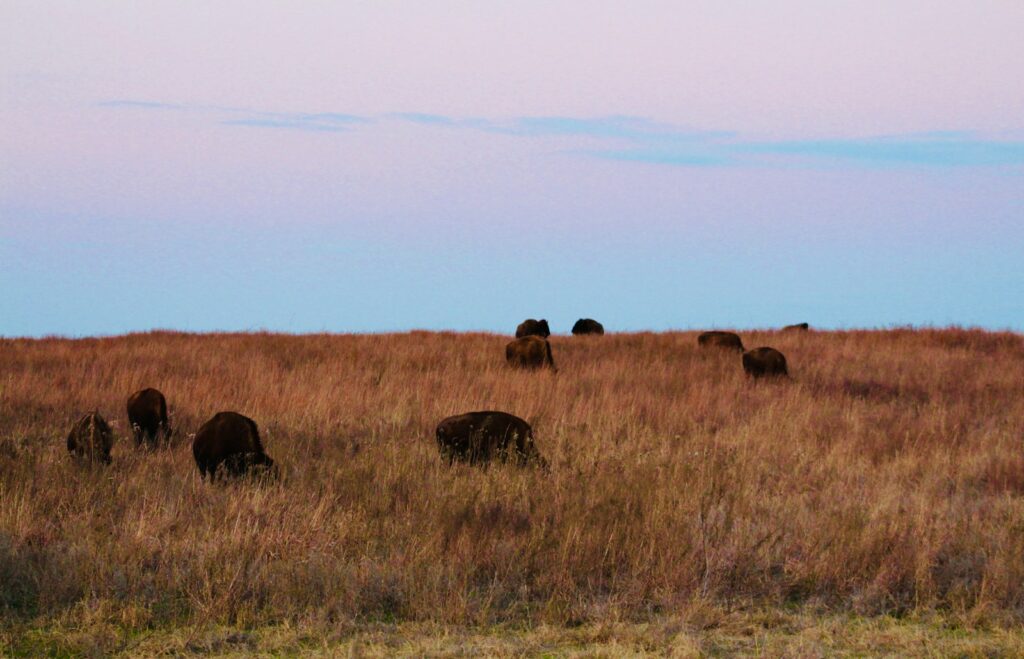
The Tallgrass Prairie National Preserve in the Flint Hills of Kansas offers a unique opportunity to observe bison in what was once their predominant native habitat—the vast sea of tallgrass that once covered 170 million acres of central North America. The preserve’s small but growing herd of approximately 100 bison inhabits a mere 10,000 acres, yet this represents the largest protected remnant of tallgrass prairie ecosystem in the world. Hiking the Southwind Nature Trail or the Scenic Overlook Trail provides excellent opportunities to view bison grazing among grasses that can grow over six feet tall by late summer. Fall brings spectacular color as the prairie grasses turn russet and gold, creating a stunning backdrop for the dark silhouettes of grazing bison. Rangers lead regular bus tours into the preserve’s backcountry, offering detailed interpretation about both the ecosystem and the bison restoration program that began here in 2009.
Henry Mountains: Utah’s Truly Wild Herd
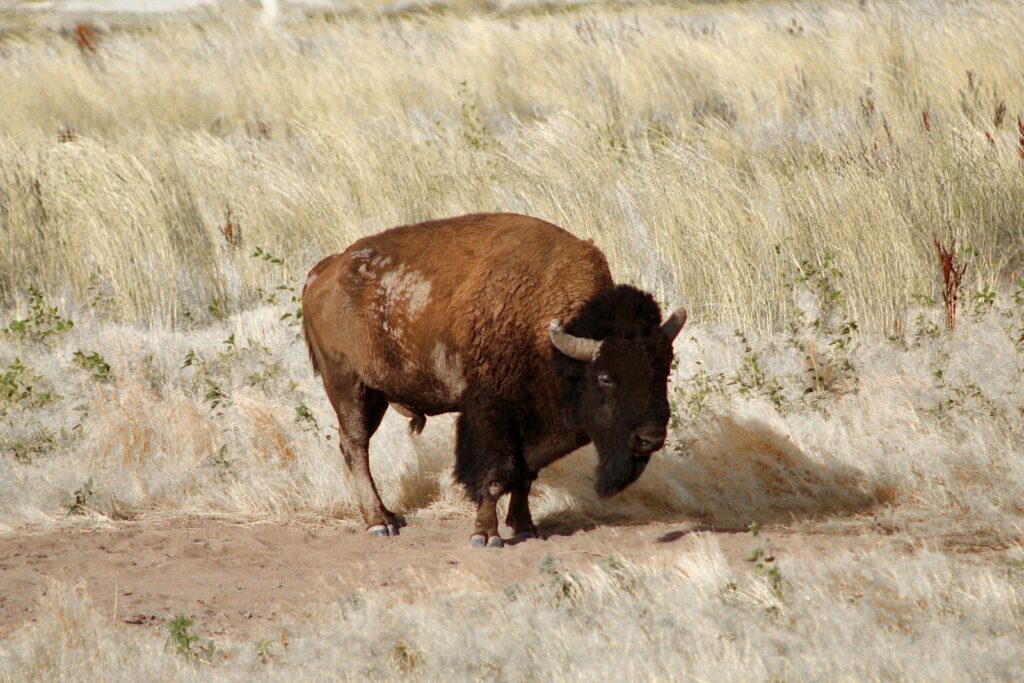
The remote Henry Mountains of southern Utah harbor what many biologists consider America’s only truly wild, free-roaming, and genetically pure bison herd. Approximately 300-500 bison range across this isolated mountain range, descended from animals introduced from Yellowstone in the 1940s and now managed as public wildlife rather than park or refuge animals. Accessing viewing areas requires high-clearance vehicles and often challenging drives on unpaved roads, with the Pennellen Pass area and McMillan Springs offering the best chances for sightings. Unlike managed herds elsewhere, these bison follow natural migration patterns, moving from high mountain meadows in summer to lower desert regions in winter, demonstrating behaviors largely unchanged from their ancestors. The extraordinary effort required to view these animals rewards visitors with an unparalleled sense of connection to truly wild bison living as they have for thousands of years, completely untamed and unmanaged except through limited hunting permits.
Tips for Responsible Bison Viewing
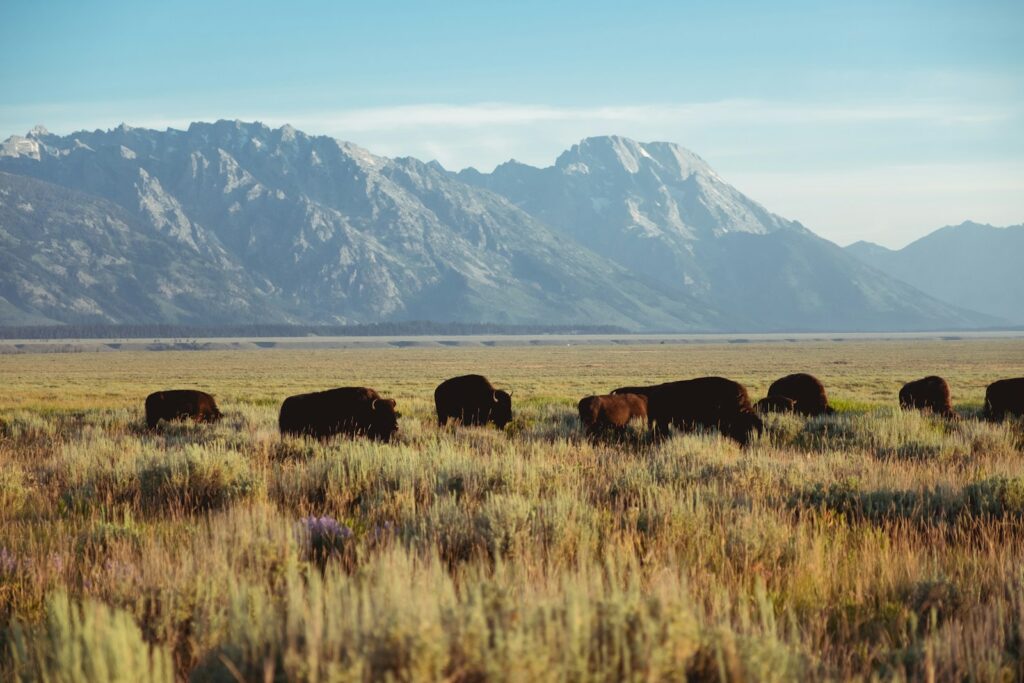
Responsible wildlife viewing begins with maintaining appropriate distance—park regulations typically require staying at least 25 yards (75 feet) from bison, though many experienced wildlife photographers recommend 100 yards or more for both safety and to avoid disturbing natural behaviors. Bison may appear docile, but they can run three times faster than humans and are responsible for more visitor injuries in Yellowstone than any other animal, capable of charging with little warning when they feel threatened. Early morning and evening hours typically offer the best viewing conditions both for animal activity and optimal lighting for photography. Bringing quality binoculars or a spotting scope allows intimate observation without dangerous proximity, while telephoto lenses (at least 300mm) are essential for photography. Visitors should remember that bison are wild animals functioning within complex social structures, and seemingly odd behaviors—like rolling in dust, rubbing against trees, or vocalizing deeply—are all natural activities best observed quietly and respectfully.
Conclusion
The American bison’s recovery from the brink of extinction represents one of our nation’s greatest conservation success stories. These magnificent animals, having once numbered in the tens of millions before being reduced to just a few hundred, now thrive in protected areas across the country. Each location offers a unique perspective on these iconic creatures—from Yellowstone’s geothermal backdrop to the tallgrass prairies of Kansas where bison once ruled in vast numbers. As you plan your bison-viewing adventure, remember that observing these prehistoric-looking giants in their natural habitat connects us not just to America’s wildlife heritage, but to the complex history of our continent and the resilience of a species that nearly vanished. By visiting these locations with respect and appreciation, you participate in ensuring these magnificent animals continue to inspire future generations and maintain their rightful place in the American landscape.