

Forests and water share one of nature’s most vital partnerships. The relationship between forests and water quality is a remarkable example of ecosystem interdependence that affects everything from the smallest microorganisms to massive human cities. When we look at a pristine mountain stream or drink clean tap water, we’re often benefiting from the invisible work of forest ecosystems. These natural filters and water regulators play a crucial role in ensuring water security for billions of people worldwide. Understanding this connection helps us recognize why forest conservation isn’t just about protecting trees and wildlife—it’s about safeguarding the very foundation of our water resources and, by extension, human civilization itself.
The Natural Filtration System
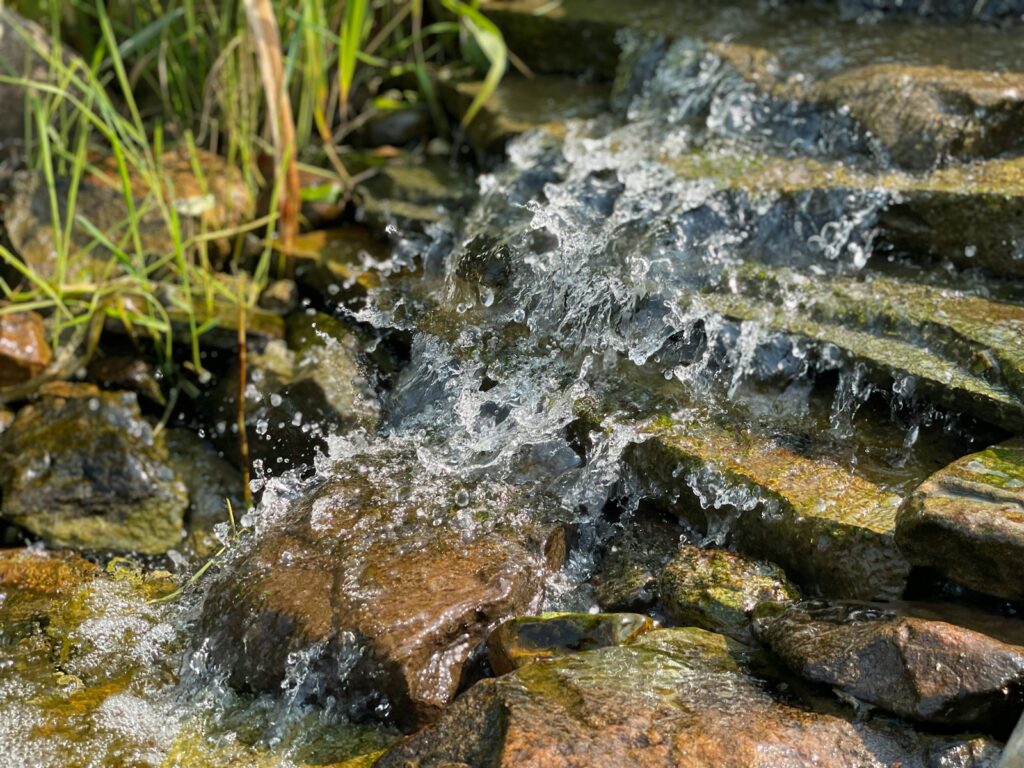
Forests act as nature’s most effective water filtration systems, working tirelessly to purify water as it moves through the ecosystem. When rain falls onto a forest canopy, it begins a journey through multiple layers of natural filtration. First, the canopy itself catches pollutants from the air, preventing them from reaching the forest floor. As water trickles down through leaves, branches, and eventually to the ground, it encounters the forest floor—a complex layer of decomposing leaves, roots, and soil teeming with microorganisms. This rich organic layer traps sediments and absorbs potential contaminants like excess nutrients and even some toxic compounds. Research has shown that water emerging from healthy forest watersheds contains significantly fewer pollutants than water flowing from developed or agricultural lands, demonstrating the remarkable purification power of intact forest ecosystems.
Regulating Water Flow and Preventing Floods
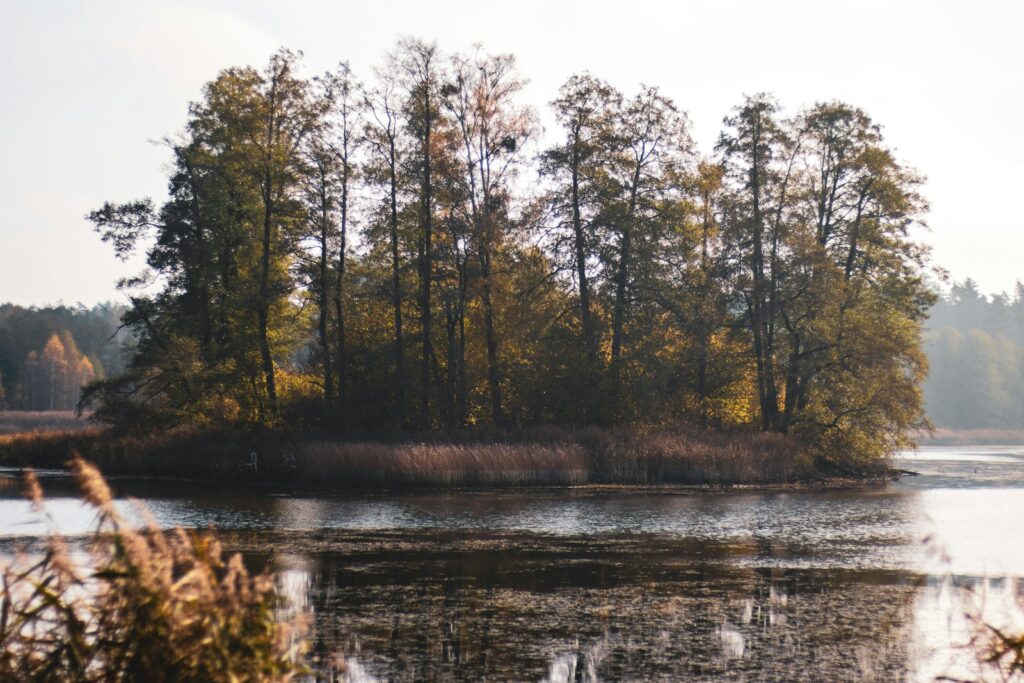
Healthy forests serve as natural sponges, absorbing rainfall during wet periods and releasing it slowly during drier times. This regulation occurs primarily through the forest soil structure, which can absorb and hold tremendous amounts of water. A single acre of forest soil can absorb and filter millions of gallons of water annually. During heavy rainfall events, this absorption capacity significantly reduces runoff and helps prevent devastating flash floods downstream. The intricate network of tree roots creates channels in the soil that enhance infiltration, allowing water to penetrate deeper rather than racing across the surface. Communities situated downstream from healthy forest watersheds typically experience more stable river flows throughout the year, with less dramatic flooding during rainy seasons and more reliable water supplies during dry periods.
The Root of the Matter: Soil Stabilization
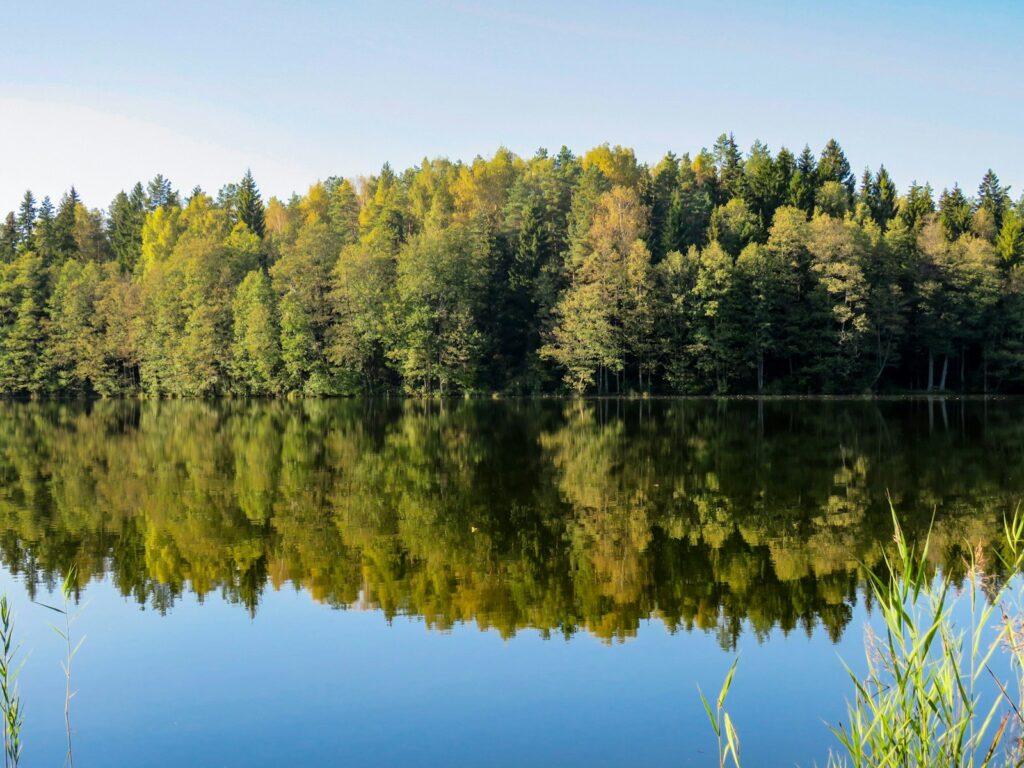
Tree roots form an elaborate underground network that effectively holds soil in place, preventing erosion that would otherwise contaminate waterways with sediment. This soil stabilization function is particularly critical on slopes and hillsides, where the risk of landslides and erosion is highest. A mature tree’s root system can extend far beyond its canopy spread, creating a natural mesh that binds soil particles together. When forests are removed, the loss of this root structure dramatically increases erosion rates—studies have shown that deforested watersheds can experience sediment loads up to 100 times higher than forested ones. This sediment doesn’t just cloud water; it carries nutrients, chemicals, and other pollutants downstream, degrading water quality and harming aquatic ecosystems for miles beyond the immediate deforestation site.
Forests as Rainfall Generators
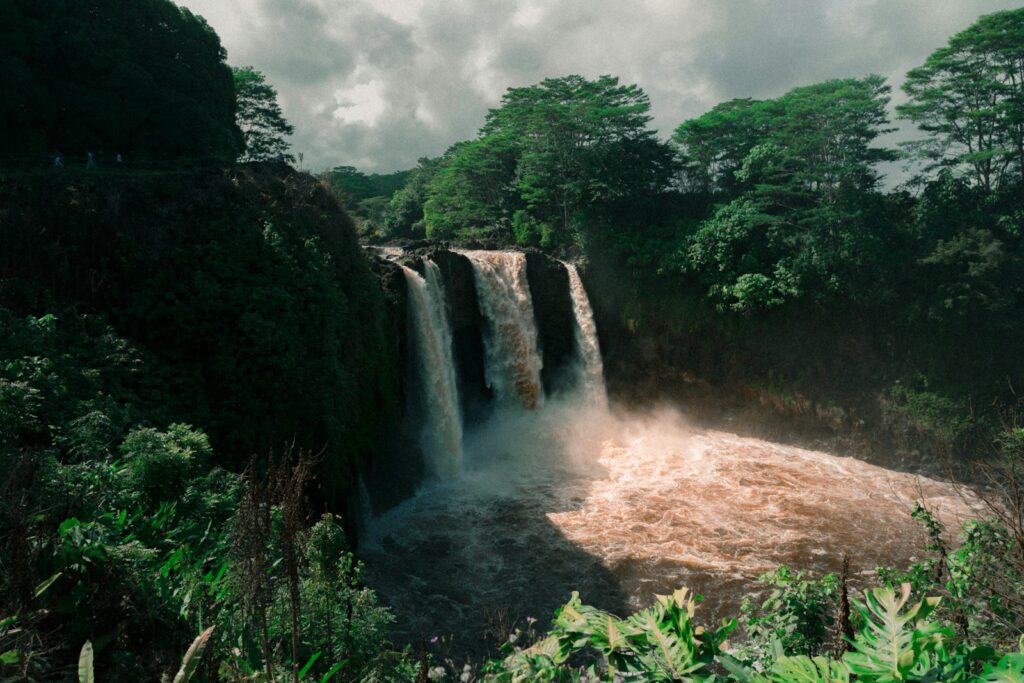
Forests don’t just passively receive rainfall—they actively participate in generating it through a process called evapotranspiration. Trees pull water from the soil through their roots and release it as vapor through their leaves, creating a continuous cycle that increases atmospheric moisture. This moisture eventually condenses and falls as rain, often in the same region. This phenomenon is particularly evident in massive forest systems like the Amazon rainforest, which generates approximately half of its own rainfall through this recycling process. Research has demonstrated that large-scale deforestation can reduce regional rainfall by as much as 30%, creating drier conditions that affect not only water supplies but also agricultural productivity in surrounding areas. This “flying river” effect shows how forests serve as crucial components of the hydrological cycle far beyond their physical boundaries.
Watershed Protection: Nature’s Infrastructure

Watersheds—the areas of land that drain to a common water body—function best when covered with healthy forests. Many major cities worldwide depend on forested watersheds for their drinking water, recognizing the economic and health benefits of this natural infrastructure. New York City provides a famous example, having invested billions in protecting the forests of its Catskill Mountain watershed rather than building expensive filtration plants. The city determined that preserving these forests was more cost-effective than constructing and operating artificial treatment facilities. Similar approaches have been adopted in cities from Tokyo to Quito, where watershed protection programs pay upstream forest communities to maintain forest cover. These programs represent a growing recognition that healthy forests provide water-related services worth billions of dollars annually in treatment costs avoided.
Forests and Groundwater Recharge
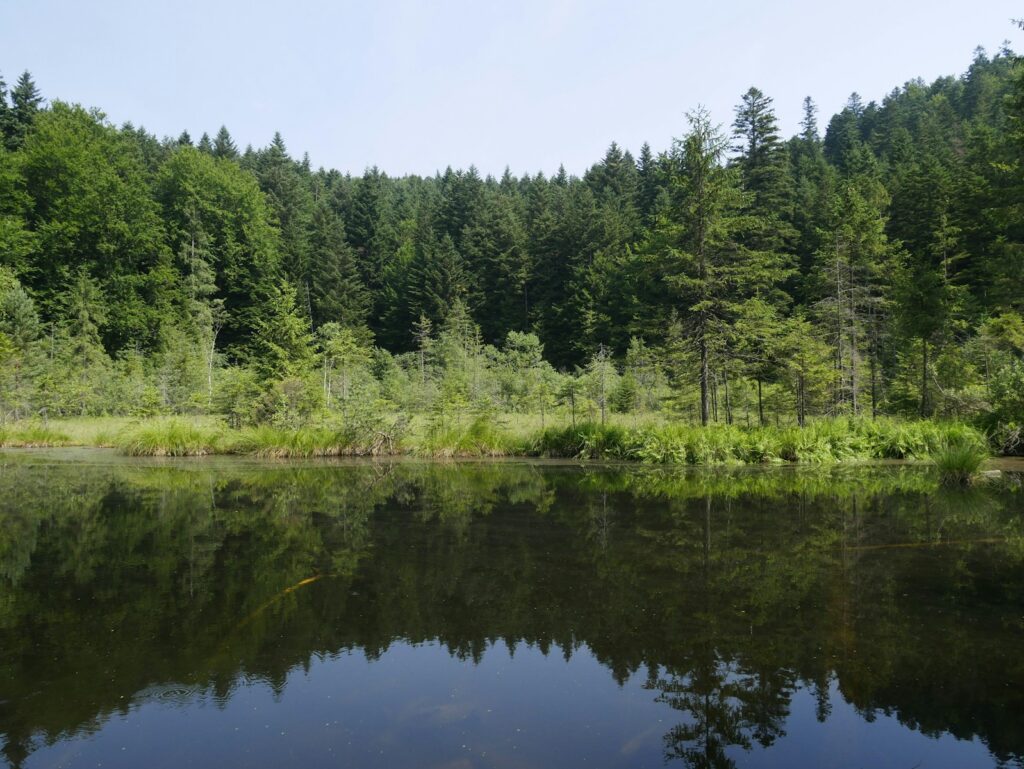
Healthy forests play a critical role in replenishing underground aquifers, which serve as essential reservoirs of freshwater around the world. The forest floor, with its porous soil and minimal compaction, creates ideal conditions for water to infiltrate deeply into the ground. This infiltration process is enhanced by tree roots, which create pathways for water to travel downward, and by the overall forest structure that slows the movement of water across the landscape. In contrast, developed lands with impervious surfaces prevent this natural recharge, diverting rainfall into stormwater systems instead of allowing it to replenish groundwater. Recent studies have shown that forest restoration in critical recharge zones can increase groundwater supplies by up to 15%, providing a natural solution to water scarcity issues in many regions dependent on well water or springs.
Temperature Regulation of Waterways

Streamside forests, often called riparian buffers, provide crucial shade that keeps water temperatures cool enough for sensitive aquatic species. These riverside forests create a microclimate that moderates water temperature fluctuations, particularly during hot summer months. Without this natural shade, stream temperatures can rise to levels lethal for many fish species, including economically important ones like trout and salmon. Research indicates that streams running through deforested areas can experience temperature increases of 10°F or more compared to forested streams, often exceeding the thermal tolerance of native aquatic life. Beyond temperature effects, riparian forests also filter runoff before it reaches the water, intercept potentially harmful airborne substances, and contribute organic matter that forms the base of aquatic food webs, making them critical transition zones between terrestrial and aquatic ecosystems.
Forests and Water Quality: The Chemical Connection
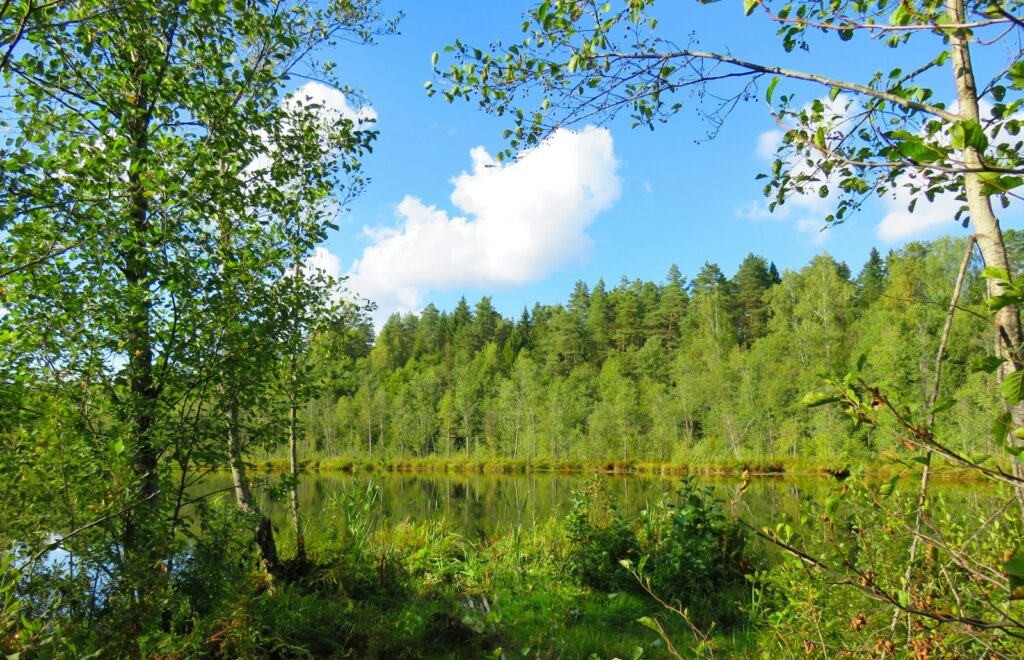
Forest ecosystems help maintain proper chemical balances in water systems through complex biological processes. The rich communities of microorganisms in forest soils transform potential pollutants like nitrogen and phosphorus into forms that plants can use, preventing these nutrients from leaching into waterways where they might cause harmful algal blooms. Forests also influence the pH of water moving through them, often buffering against acidification caused by pollution or natural geological factors. The natural compounds released by decomposing plant matter in forests can even help break down certain contaminants through processes like chelation, where organic molecules bind with metal pollutants. Scientists have observed that watersheds with higher percentages of forest cover consistently show lower levels of common water pollutants, demonstrating the remarkable capacity of forests to maintain water chemistry within the narrow parameters needed for healthy aquatic ecosystems.
The Threat of Deforestation to Water Resources
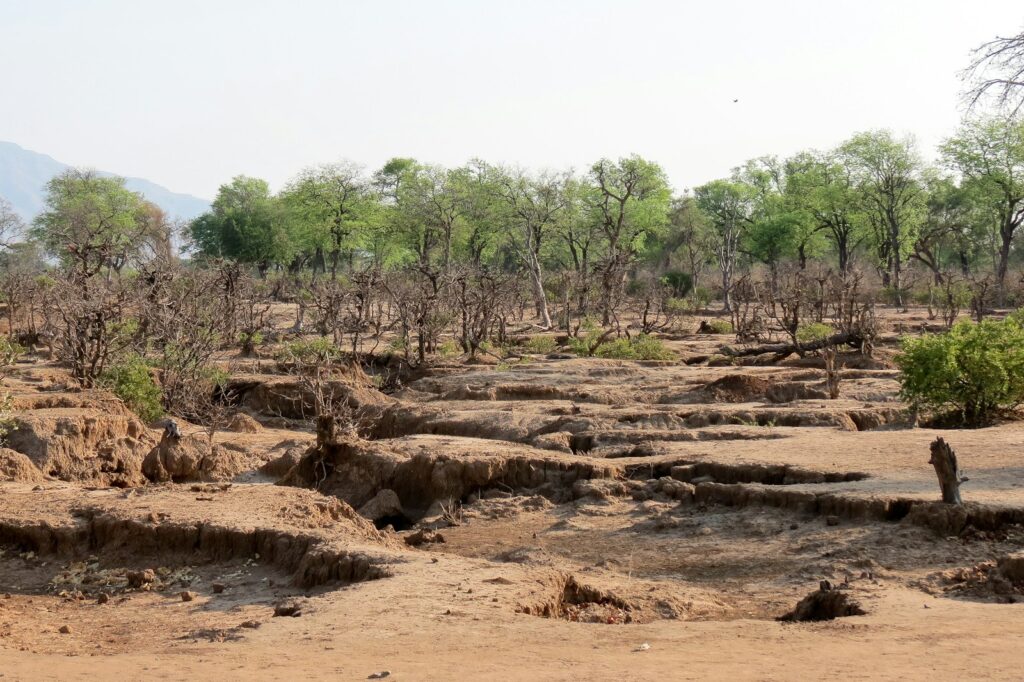
When forests are cleared, the impacts on water resources are both immediate and long-lasting, creating a cascade of negative effects. The most visible consequence is increased erosion, which sends sediment rushing into streams and rivers, clogging waterways and degrading aquatic habitats. This sediment can carry agricultural chemicals, heavy metals, and other pollutants that would otherwise remain bound in forest soils. Beyond pollution concerns, deforestation fundamentally alters the timing and volume of water flows—deforested watersheds typically experience more extreme fluctuations, with higher peak flows during storms and lower flows during dry periods. A comprehensive study of 330 large rivers worldwide found that those in heavily deforested basins showed significantly more variable flow patterns and higher incidence of both flooding and drought conditions. The water-related impacts of deforestation are so substantial that they often extend hundreds of miles downstream from the actual forest clearing.
Indigenous Knowledge and Forest-Water Management

Indigenous communities around the world have long understood and respected the connection between forests and water, developing sophisticated management practices that maintain this relationship. Many indigenous cultures incorporate water protection into their forest management, recognizing certain areas as especially important for water security and treating them with particular care. In the Pacific Northwest, Native American tribes developed forest practices that protected salmon-bearing streams while still allowing for sustainable use of forest resources. Similar traditional ecological knowledge exists worldwide, from the community forest management systems of Nepal to the sacred forest groves of India that often protect critical springs. Modern water management increasingly recognizes the value of this indigenous knowledge, with some governments formally incorporating traditional practices into watershed protection policies. These approaches often emphasize a holistic view that sees forests and water as interconnected elements of a living system rather than separate resources to be managed independently.
Economic Value of Forest Water Services
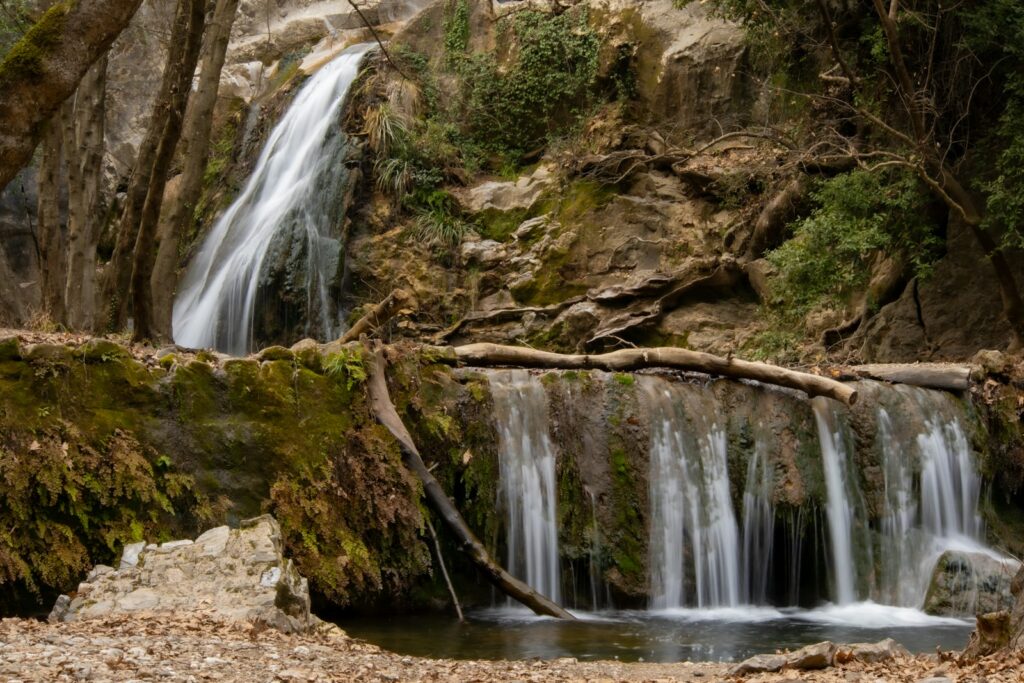
The water-related services provided by forests represent enormous economic value, though this worth has historically been undervalued in traditional market systems. Recent economic analyses have attempted to quantify these benefits, with estimates suggesting that a single acre of healthy forest can provide water services worth thousands of dollars annually in terms of filtration, flood control, and flow regulation. When these values are aggregated across entire watersheds, the numbers become staggering—the water purification function of forests globally has been valued at over $4.1 trillion annually by some economists. Many innovative “payment for ecosystem services” programs now compensate forest landowners for maintaining forest cover specifically to protect water resources. Costa Rica pioneered this approach nationally, creating a system where downstream water users, including hydroelectric companies and municipal water suppliers, pay into a fund that compensates upstream landowners for forest conservation, creating economic incentives that align with environmental goals.
Climate Change: Forests, Water, and Resilience
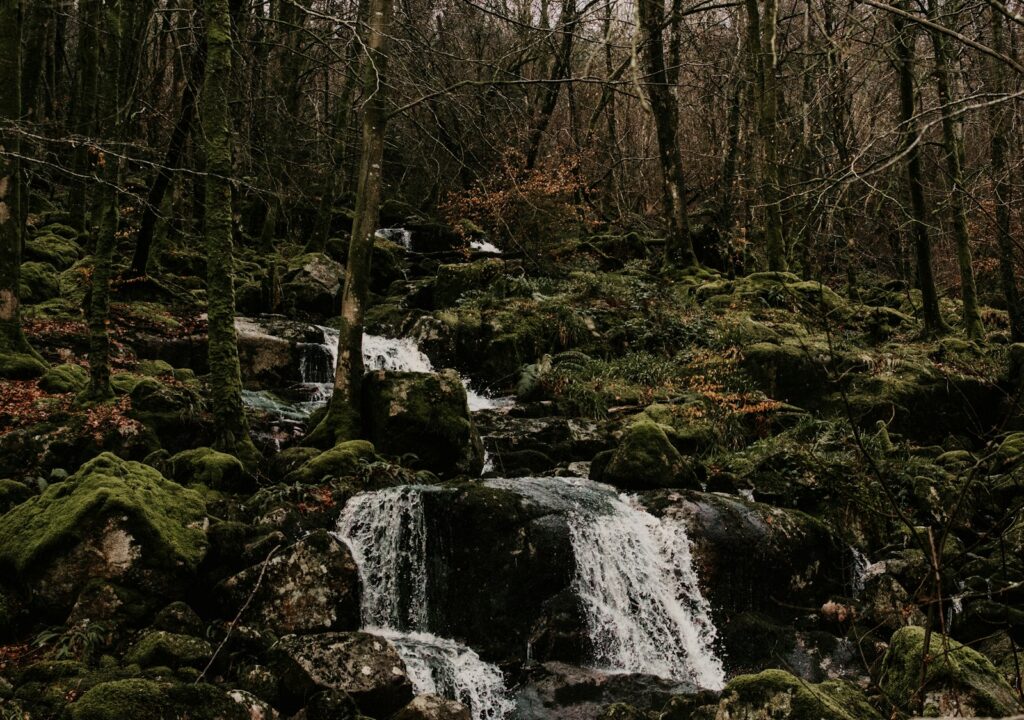
As climate change intensifies, the relationship between forests and water takes on even greater importance in building resilience to changing conditions. Healthy forests help buffer water systems against climate extremes, moderating the impacts of both floods and droughts that are becoming more common. The cooling effect of forests extends beyond their boundaries, creating microclimates that can reduce local temperatures by several degrees and moderate the evaporation of water from soil and waterways. This temperature regulation becomes particularly important as global warming increases evaporation rates and changes precipitation patterns worldwide. Research suggests that restoring and protecting forests in strategic locations could offset some climate change impacts on water resources, particularly in regions expected to experience greater seasonal variability in rainfall. The deep, carbon-rich soils of healthy forests also store significant amounts of water, providing a crucial buffer during extended dry periods that models predict will become more frequent in many regions.
Restoration Success Stories: Bringing Forests and Water Back

Around the world, communities are reconnecting the vital link between forests and water through ambitious restoration projects that demonstrate the powerful recovery potential of these systems. In China’s Loess Plateau, once considered one of Earth’s most degraded landscapes, an extensive reforestation effort has dramatically improved water quality and reduced sedimentation in the Yellow River while bringing back reliable water supplies to local communities. The “Working for Water” program in South Africa has removed water-intensive invasive trees and restored native forest vegetation across thousands of hectares, increasing water yields in critical watersheds by up to 30% while creating jobs for marginalized communities. In the eastern United States, the reforestation of abandoned agricultural lands over the past century has led to documented improvements in water quality throughout the region, with many streams now supporting aquatic ecosystems that had disappeared during the deforestation era. These success stories provide compelling evidence that investments in forest restoration yield substantial returns in terms of water security, often within surprisingly short timeframes.
Protecting Our Liquid Assets: The Path Forward
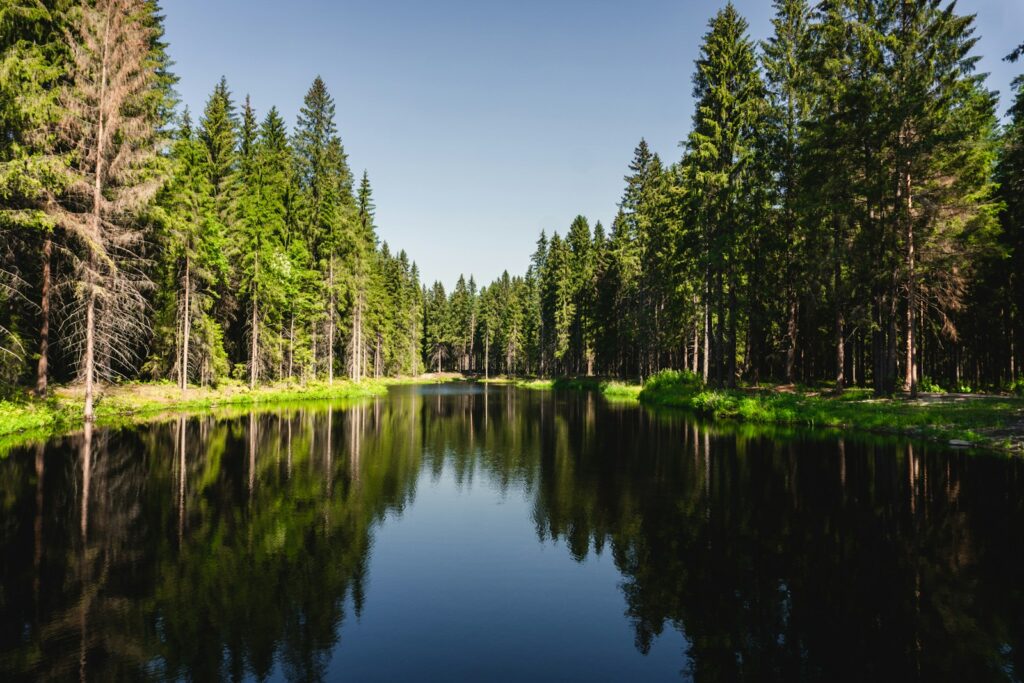
Securing the future of our water resources requires deliberate action to protect and restore the forest systems that naturally regulate water quality and quantity. Integrated management approaches that recognize the forest-water connection are gaining traction worldwide, moving beyond the traditional separation of forestry and water resource departments. Forward-thinking policies now incorporate forest protection into drinking water regulations, recognizing that source water protection through forest conservation is often more cost-effective than treatment after contamination occurs. At the local level, many communities are creating forest buffers around reservoirs and along streams, applying the knowledge that even relatively narrow forest corridors can provide significant water quality benefits. Urban forestry initiatives are expanding to include “green infrastructure” designed specifically to manage stormwater and reduce water pollution in cities. The growing recognition of forests as essential water infrastructure represents a promising shift toward natural solutions for some of our most pressing water security challenges.
The intricate relationship between healthy forests and clean water represents one of nature’s most valuable services to humanity. As we face increasing pressures from population growth, development, and climate change, protecting this connection becomes not just an environmental concern but a fundamental matter of human welfare. The evidence is clear: when we protect forests, we safeguard our water resources; when we destroy forests, we compromise the very systems that purify, regulate, and sustain our water supplies. By recognizing forests as essential water infrastructure and investing in their protection and restoration, we make one of the most cost-effective investments possible in our collective future. The ancient partnership between forests and water offers powerful lessons about the interconnectedness of natural systems—and reminds us that in protecting one resource, we often secure the future of many others.