

America’s national parks represent some of the country’s most treasured landscapes, from towering mountain ranges to pristine coastlines. While iconic destinations like Yellowstone and the Grand Canyon have been protected for generations, the National Park System continues to grow as new sites are recognized for their natural, cultural, or historical significance. In recent years, several remarkable places have joined this prestigious network, expanding the diversity of protected lands and offering visitors fresh opportunities to connect with America’s heritage. These newest additions reflect evolving conservation priorities and growing recognition of previously underrepresented stories in our national narrative. Let’s explore these recent designations and what makes each one a worthy addition to America’s “best idea.”
New River Gorge National Park and Preserve
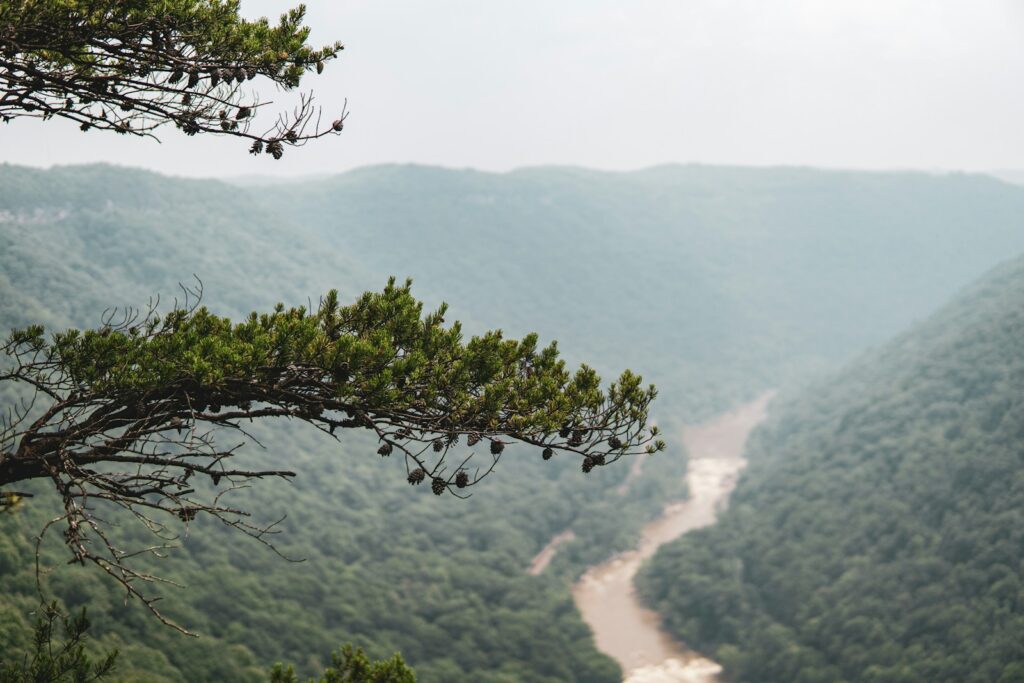
Established in December 2020, New River Gorge became America’s 63rd national park, transitioning from its previous designation as a national river. Located in West Virginia, this 72,000-acre park features one of the oldest rivers in North America, carving a spectacular gorge through Appalachian terrain. The park offers world-class whitewater rafting, rock climbing on its sandstone cliffs, and hiking trails that showcase diverse ecosystems. Its dual designation as both a national park and preserve represents a compromise that protects the landscape while allowing traditional activities like hunting to continue in designated areas, reflecting the region’s cultural heritage alongside its natural wonders.
White Sands National Park
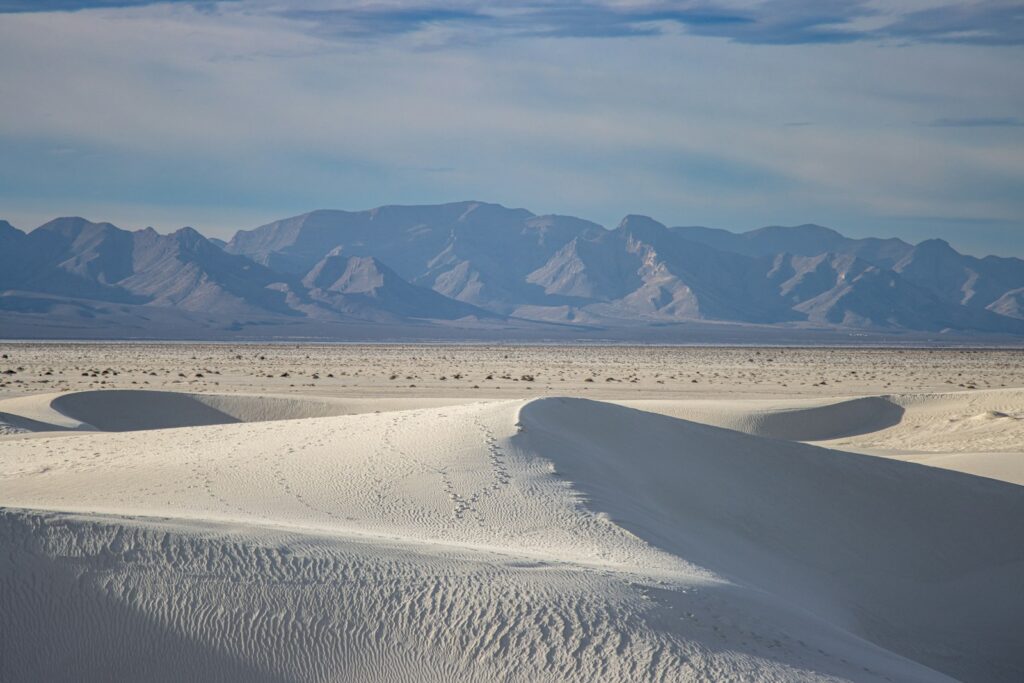
In December 2019, White Sands National Monument was elevated to national park status, becoming America’s 62nd national park. Located in New Mexico’s Tularosa Basin, this otherworldly landscape features the world’s largest gypsum dune field, creating a stunning sea of white sand that stretches over 275 square miles. The park’s redesignation came with expanded boundaries and increased protections for this unique ecosystem. Beyond its breathtaking dunes, White Sands preserves remarkable paleontological resources, including fossilized footprints of ice-age humans, giant sloths, and other prehistoric creatures dating back thousands of years. The site’s transition to national park status has brought increased visibility and visitation to this geological marvel.
Gateway National Recreation Area Expansion
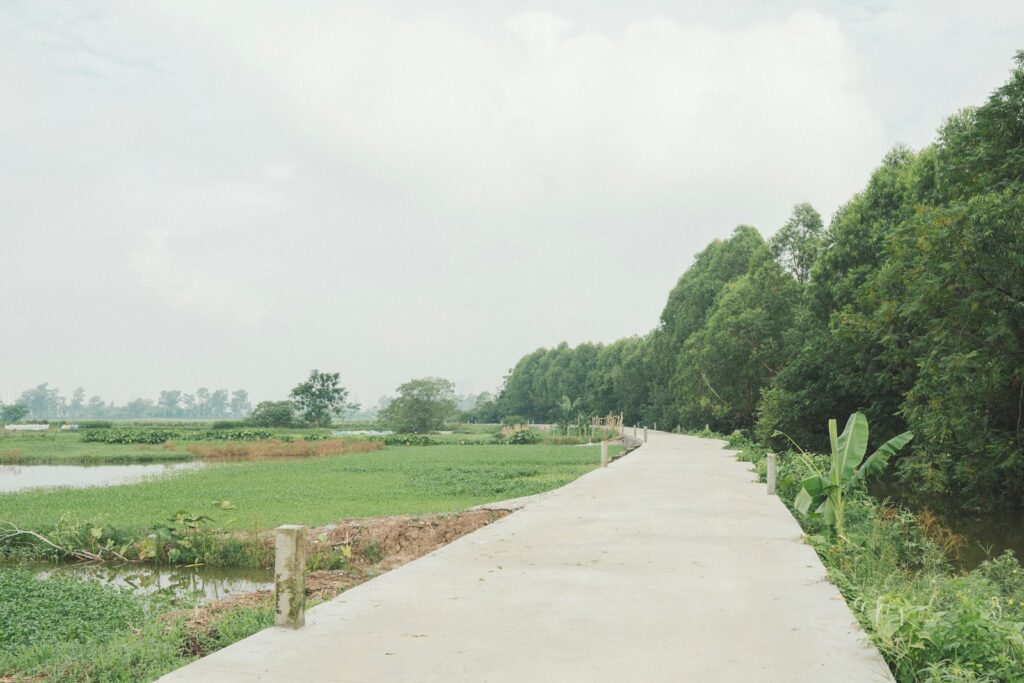
While not a new unit itself, Gateway National Recreation Area in New York and New Jersey received a significant expansion in recent years through the addition of Sandy Hook Bay. This expansion adds crucial coastal wetlands and maritime forest to the existing recreation area, enhancing wildlife habitat and expanding recreational opportunities for the millions living in the surrounding metropolitan area. The expansion reflects growing recognition of the importance of urban national park units that provide nature access to diverse communities. These additions protect critical storm buffer zones in an era of climate change and rising sea levels, while preserving historic structures that tell stories of maritime history along the Atlantic coast.
Mill Springs Battlefield National Monument
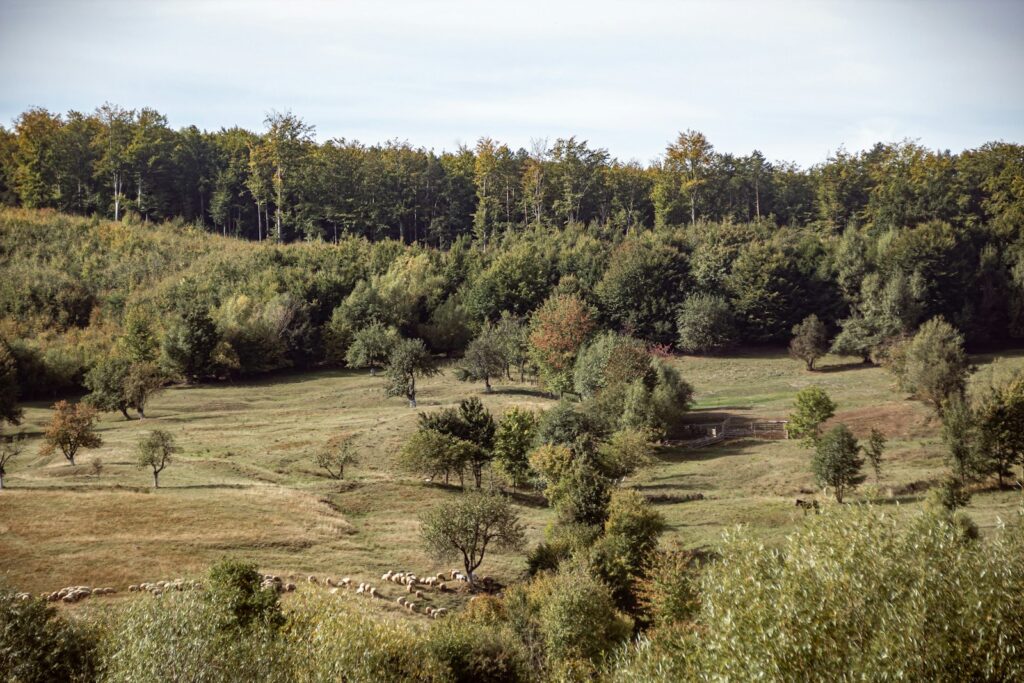
Established in 2019, Mill Springs Battlefield National Monument in Kentucky preserves the site of an early Union victory in the Civil War. This January 1862 battle represented a crucial turning point in the western theater of operations and helped secure Kentucky for the Union. The monument encompasses approximately 600 acres, including core battlefield land, historic structures, and interpretive facilities previously managed by a local preservation group. Its designation represented a partnership between grassroots preservation efforts and federal protection. The site offers visitors a chance to understand a lesser-known but strategically significant Civil War engagement through preserved landscapes, hiking trails, and educational programs.
Medgar and Myrlie Evers Home National Monument
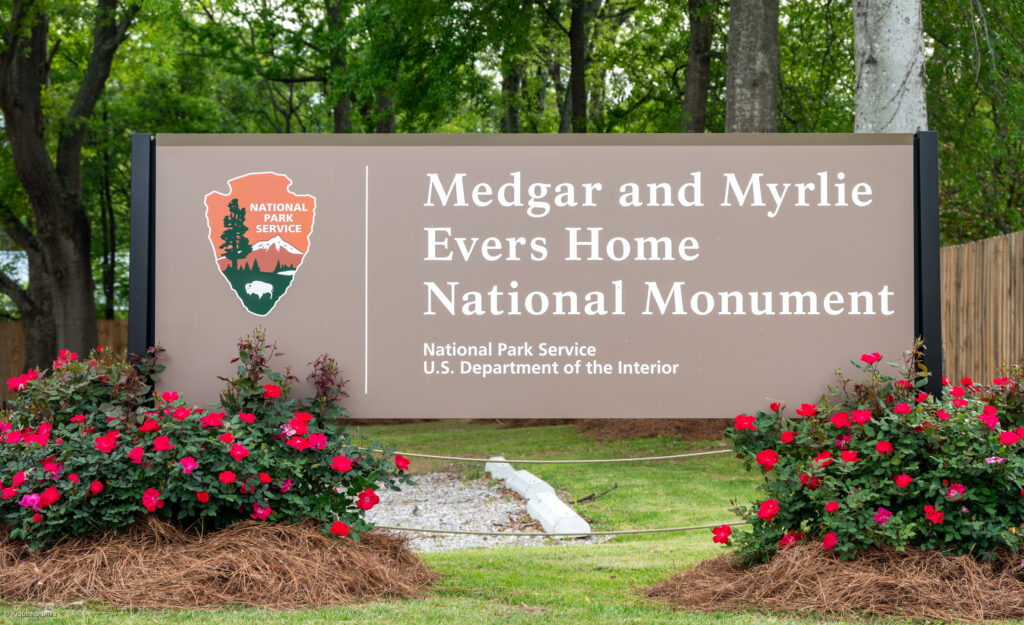
Designated in 2020, this national monument preserves the Jackson, Mississippi home where civil rights leader Medgar Evers lived and was assassinated in 1963. As the NAACP’s first field secretary in Mississippi, Evers fought against segregation and for voting rights, making him a target for white supremacists. The modest ranch-style home, preserved largely as it was at the time of his murder, stands as a powerful reminder of the violence faced by civil rights activists. The monument also recognizes Myrlie Evers, who continued the fight for justice after her husband’s death and became a civil rights leader in her own right. This designation represents the Park Service’s ongoing commitment to preserving sites associated with the civil rights movement and telling a more complete American story.
Reconstruction Era National Historical Park
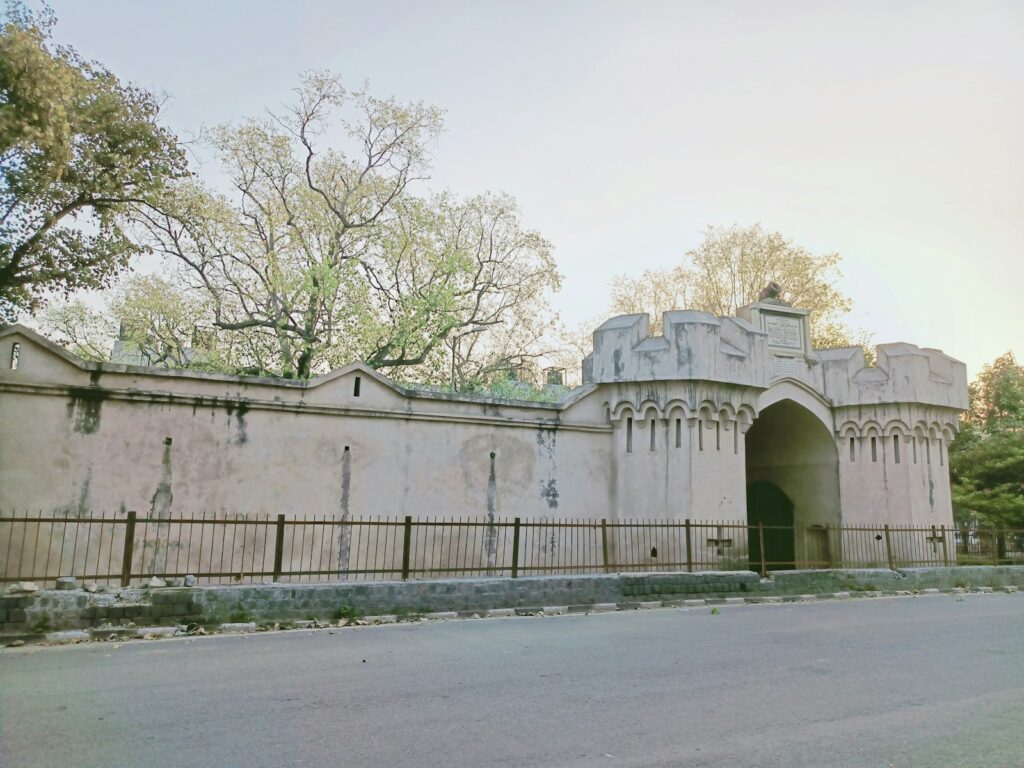
Initially established as a national monument in 2017 and redesignated as a national historical park in 2019, this site in Beaufort County, South Carolina preserves locations central to the Reconstruction Era following the Civil War. During this pivotal period (1865-1877), newly freed African Americans in the South began building communities, establishing schools, churches, and businesses while participating in democracy for the first time. The park includes multiple locations, such as Brick Baptist Church, built by enslaved people and later used as a school for formerly enslaved people, and Camp Saxton, where the Emancipation Proclamation was read to thousands of newly freed people. As one of the few national park units specifically dedicated to telling the Reconstruction story, the park addresses a long-overlooked chapter in American history.
Camp Nelson National Monument
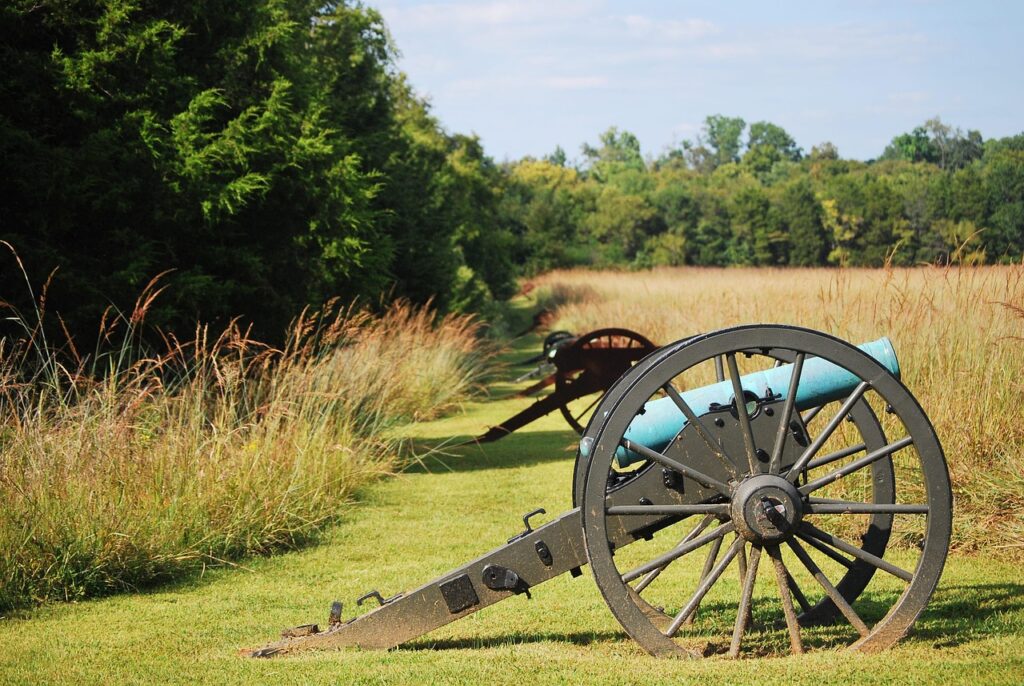
Designated in 2018, Camp Nelson National Monument in Kentucky preserves a significant Civil War site that served as one of the largest Union Army recruitment centers for African American soldiers. Established as a supply depot and hospital, Camp Nelson became a crucial site for emancipation when thousands of enslaved people fled to the camp seeking freedom through military service. The site includes fortifications, archaeological remains, and reconstructed buildings that help tell the story of the approximately 10,000 African Americans who gained freedom there. Camp Nelson offers a powerful window into the complex relationships between military service, emancipation, and citizenship during the Civil War era. The monument’s designation filled an important gap in the National Park System’s representation of African American military history.
Pullman National Monument
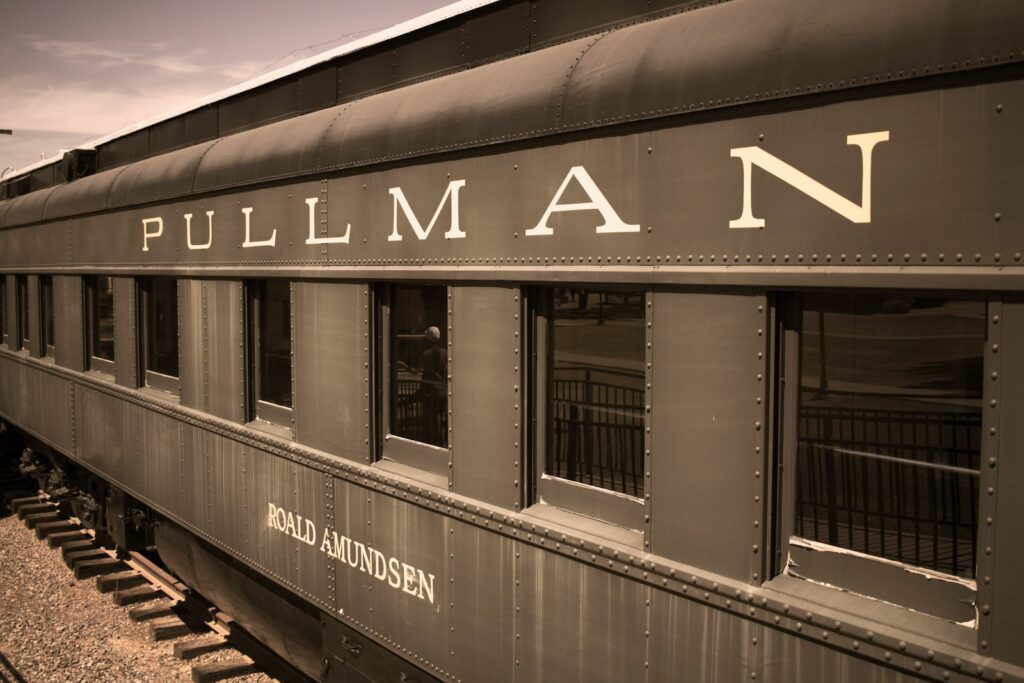
Established in 2015 and officially opened to visitors in 2021 after extensive restoration, Pullman National Monument preserves the historic company town built by industrialist George Pullman for workers who manufactured his famous railroad sleeping cars. Located on Chicago’s South Side, the site is significant for its planned industrial community and its central role in labor history, including the 1894 Pullman Strike and the formation of the first African American labor union, the Brotherhood of Sleeping Car Porters. The monument encompasses the ornate Pullman Administration Building, the Factory Complex, and portions of the planned community with its distinctive rowhouses. As an urban industrial heritage site, Pullman represents the Park Service’s expanding focus on preserving places that tell diverse American stories, particularly those related to industrial and labor history.
Stonewall National Monument
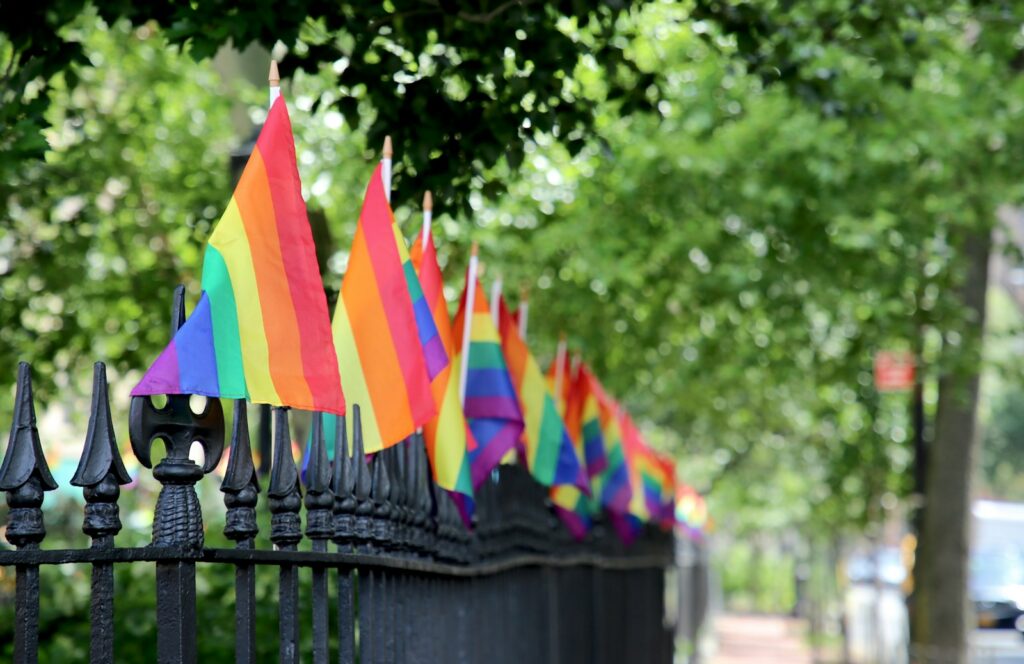
Designated in 2016, Stonewall National Monument in New York City’s Greenwich Village commemorates the 1969 Stonewall Uprising, a pivotal moment in the struggle for LGBTQ+ rights in America. The monument includes the Stonewall Inn, a gay bar that was the site of spontaneous demonstrations against police harassment that helped catalyze the modern LGBTQ+ rights movement. Encompassing Christopher Park and surrounding streets where the uprising took place, this urban monument represents the first National Park Service unit specifically designated to recognize LGBTQ+ history. The monument’s establishment reflects the Park Service’s growing commitment to preserving sites that represent the full diversity of the American experience. Its location in a vibrant urban neighborhood makes it accessible to millions of visitors annually.
Birmingham Civil Rights National Monument
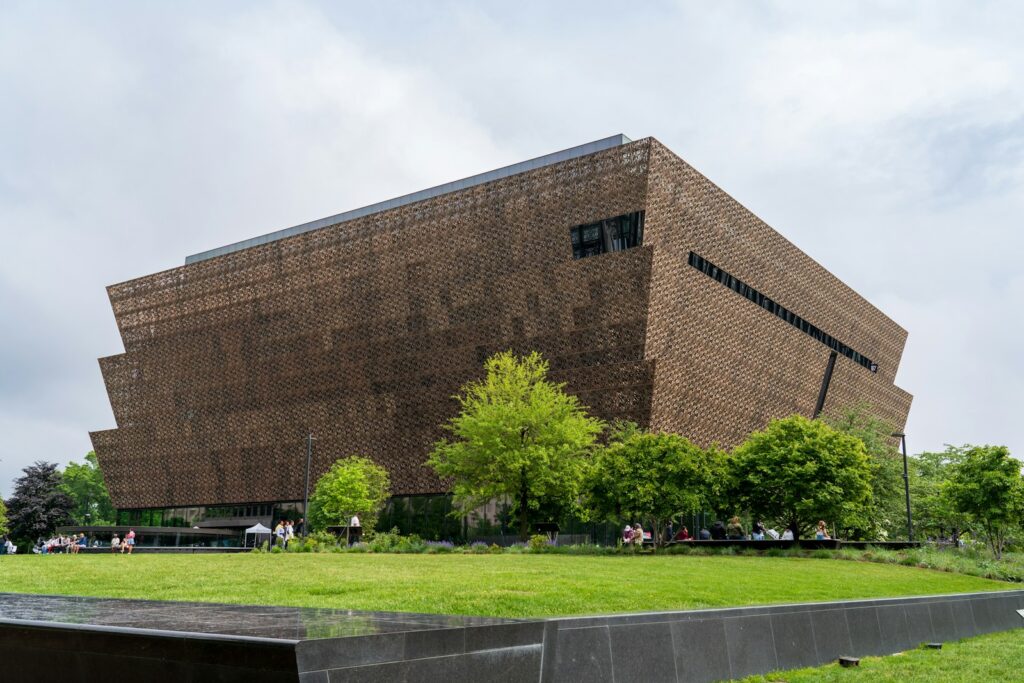
Designated in 2017, this national monument preserves sites in Birmingham, Alabama associated with the civil rights movement of the 1950s and 1960s. The monument includes the A.G. Gaston Motel, which served as headquarters for civil rights leaders including Dr. Martin Luther King Jr., and the 16th Street Baptist Church, where a 1963 bombing killed four young girls. These sites witnessed crucial moments in the struggle against segregation, including the Birmingham Campaign with its children’s marches that faced fire hoses and police dogs, images that shocked the nation’s conscience. The monument works in partnership with the Birmingham Civil Rights Institute to tell these stories through preserved buildings, oral histories, and interpretive programs. Its designation acknowledges the pivotal role Birmingham played in advancing civil rights legislation.
Freedom Riders National Monument
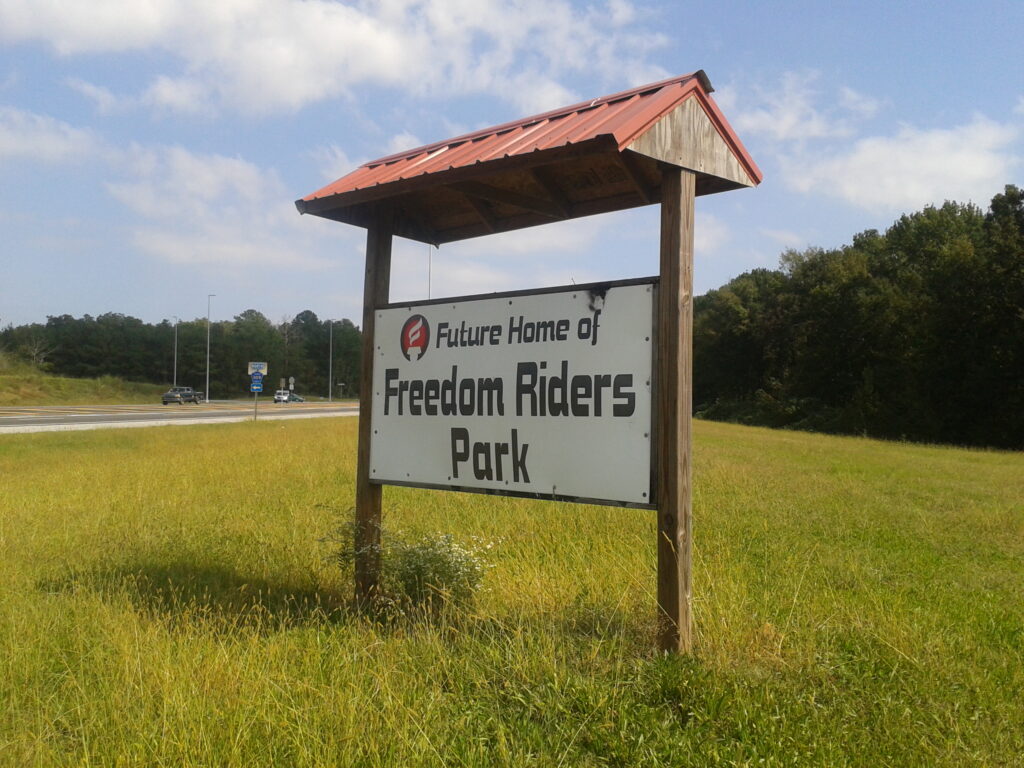
Established in 2017 in Anniston, Alabama, this monument preserves two sites associated with the 1961 Freedom Rides, when integrated groups of activists challenged segregation on interstate buses. The monument includes the former Greyhound Bus Station where a mob attacked a bus carrying Freedom Riders, and a site along Old Birmingham Highway where the same bus was firebombed after being forced to stop. The monument preserves these locations where courageous activists faced violent resistance while testing federal court decisions that prohibited segregation in interstate travel. Through interpretive exhibits and programs, the site tells the story of ordinary citizens who risked their lives to challenge injustice. As part of a group of civil rights sites added to the National Park System in recent years, Freedom Riders National Monument helps tell a more complete story of America’s ongoing struggle for equality.
Belmont-Paul Women’s Equality National Monument
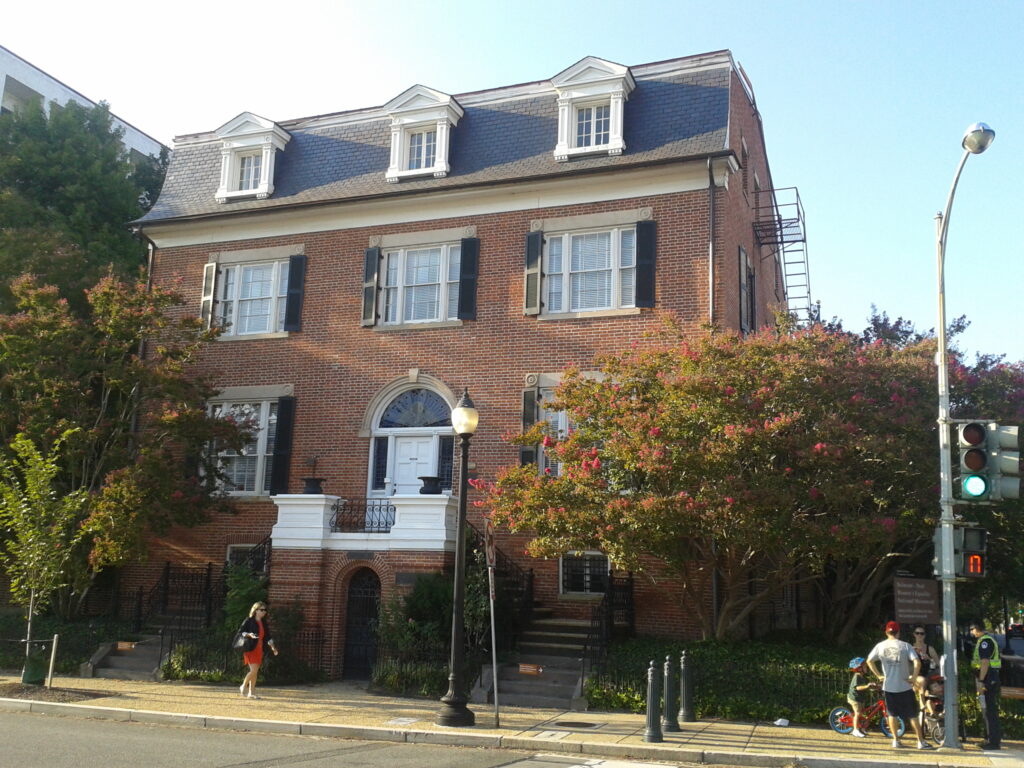
Designated in 2016, this Washington, D.C. monument preserves the historic house that served as headquarters for the National Woman’s Party. Named for suffragist Alva Belmont and Alice Paul, who drafted the original Equal Rights Amendment, the site was at the center of the struggle for women’s voting rights and equality throughout the 20th century. The Sewall-Belmont House contains an extensive collection of suffrage banners, archives, and artifacts documenting the women’s rights movement. The monument’s location near the U.S. Capitol highlights how women activists strategically positioned themselves to lobby for legislative change. Through guided tours and exhibitions, visitors learn about the tactics, arguments, and personal sacrifices of those who fought for women’s constitutional rights, creating a fuller understanding of American democracy’s evolution.
Blackstone River Valley National Historical Park
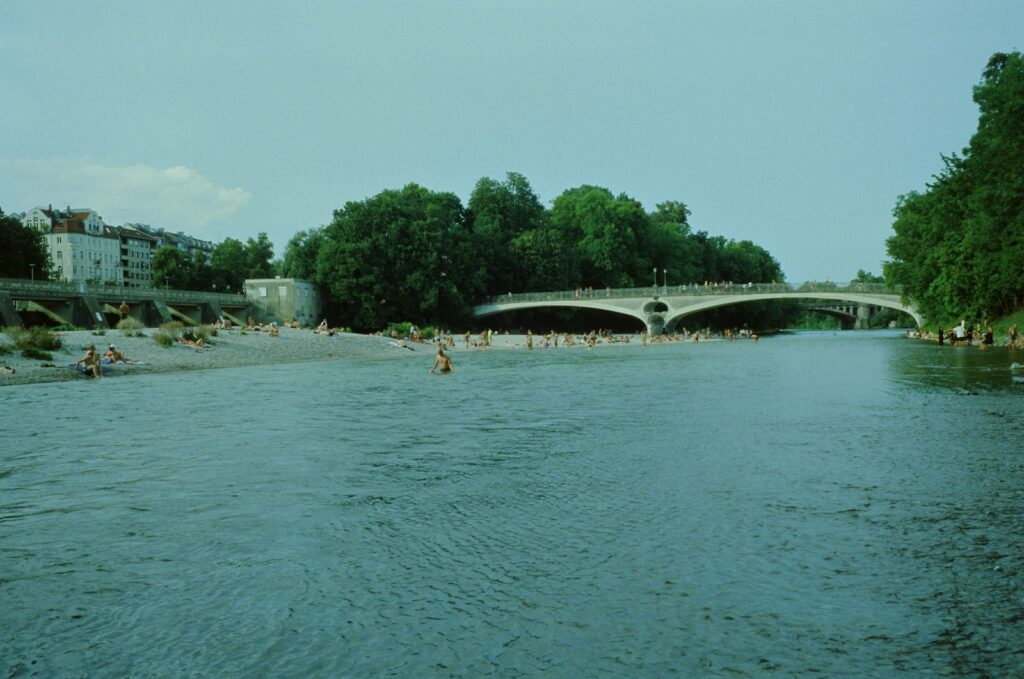
Authorized in 2014 and still developing its facilities, this park in Massachusetts and Rhode Island preserves the birthplace of America’s Industrial Revolution. The park encompasses historic districts, former mill villages, and natural resources along the Blackstone River, which powered early textile mills that transformed American manufacturing in the early 19th century. The park tells stories of technological innovation, immigration, and labor history that shaped modern America. Visitors can explore former mill complexes, worker housing, and transportation networks including historic canals that facilitated early industrial development. By preserving both built environments and natural landscapes, the park demonstrates how industrialization fundamentally altered the relationship between Americans and their environment, creating patterns of work and community that continue to influence our society today.
The Future of America’s National Parks
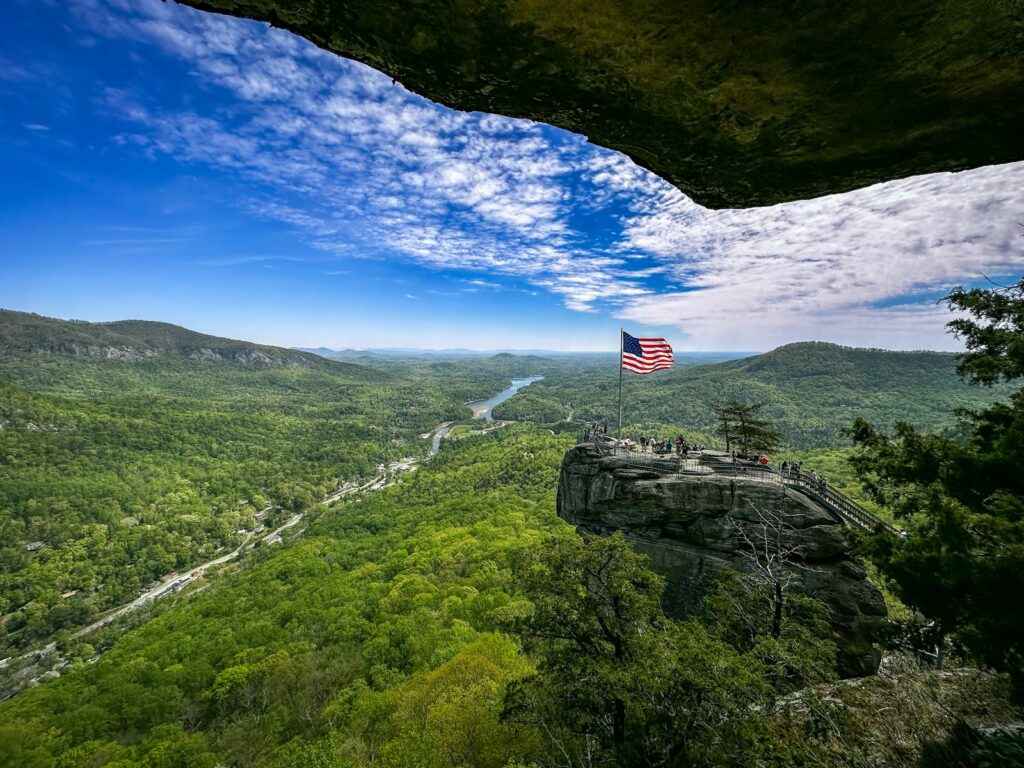
The newest additions to the National Park System reflect evolving priorities in what Americans consider worth preserving for future generations. Moving beyond the early focus on spectacular natural landscapes, recent designations increasingly recognize sites of cultural, historical, and social significance—particularly those telling previously marginalized stories. These additions create a more inclusive system that better represents the full American experience. As climate change, urban development, and other pressures threaten sensitive landscapes and historical sites, we can expect future additions to the system to continue this trend of diverse recognition while also protecting critical ecosystems and cultural resources. Each new park, monument, or historical site added to the system not only preserves irreplaceable treasures but also expands opportunities for Americans to connect with their shared heritage in all its complexity.