
In the face of unprecedented biodiversity loss, wildlife restoration has become a critical component of conservation efforts worldwide. At the heart of these initiatives lies a powerful but often underappreciated tool: genetics. The genetic makeup of species and populations provides the blueprint for their survival, adaptation, and evolution. As habitats fragment and species decline, understanding and harnessing genetic principles has transformed from an academic pursuit to a practical necessity in conservation biology. Modern wildlife restoration no longer focuses solely on increasing population numbers; it now integrates sophisticated genetic considerations to ensure that restored populations possess the genetic diversity and adaptive potential needed to thrive in changing environments. This genetic approach to conservation represents one of the most promising frontiers in our efforts to preserve and restore the planet’s biological heritage.
Understanding Genetic Diversity in Wildlife Populations
Genetic diversity represents the variety of genes within a species or population and serves as the fundamental currency of evolutionary potential. When populations possess high genetic diversity, they contain a wider range of traits and adaptations that may prove beneficial under changing environmental conditions. This diversity arises from mutations, genetic recombination during reproduction, and gene flow between populations, creating a reservoir of potential adaptations. In wildlife restoration, genetic diversity acts as a form of biological insurance, providing populations with the adaptive flexibility to respond to disease outbreaks, climate change, and other environmental challenges. Conservation geneticists measure this diversity using various molecular techniques, from analyzing specific genetic markers to sequencing entire genomes, allowing them to quantify the genetic health of populations and identify those most in need of intervention.
The Threat of Inbreeding Depression
When wildlife populations decline to small numbers, they face a significant genetic threat known as inbreeding depression—the reduced biological fitness that occurs when related individuals mate. This process leads to an increase in homozygosity, where offspring inherit identical gene variants from both parents, often exposing harmful recessive alleles that would otherwise remain hidden in diverse populations. The consequences can be severe, including reduced reproductive success, compromised immune function, developmental abnormalities, and decreased survival rates. Historical examples abound, from the Florida panther’s kinked tails and heart defects to the reduced reproductive capacity in certain island bird populations. For restoration biologists, preventing or mitigating inbreeding depression represents a critical challenge, particularly when working with critically endangered species where every individual’s genetic contribution matters. Effective management strategies must carefully balance the immediate need to increase population size with the long-term requirement for genetic health.
Genetic Bottlenecks and Founder Effects
Wildlife populations that experience dramatic reductions in size often undergo genetic bottlenecks—events that drastically reduce genetic diversity as only a small subset of the original genetic variation survives. These bottlenecks can occur through natural disasters, disease outbreaks, habitat destruction, or overhunting, leaving surviving populations genetically impoverished compared to their historical state. Similarly, when new populations are established from a small number of individuals, they may experience founder effects, where the genetic composition of the new population reflects only a fraction of the source population’s diversity. The cheetah serves as a classic example of a species that experienced a severe bottleneck approximately 12,000 years ago, resulting in remarkably low genetic variation that continues to challenge conservation efforts today. Restoration programs must account for these historical genetic events, sometimes requiring techniques to artificially enhance diversity or careful selection of founders to maximize the genetic variation in restored populations.
Conservation Genetics Tools and Techniques
Modern wildlife restoration benefits from an impressive array of genetic tools that would have seemed like science fiction just decades ago. DNA sequencing technologies, from targeted approaches to whole-genome analysis, allow scientists to characterize genetic diversity with unprecedented precision and develop conservation strategies tailored to specific genetic challenges. Molecular markers such as microsatellites and single nucleotide polymorphisms (SNPs) enable researchers to track relatedness between individuals, identify population structure, and monitor gene flow across landscapes. Environmental DNA (eDNA) techniques have revolutionized wildlife monitoring by detecting genetic material shed into the environment, allowing non-invasive assessment of elusive species. Additionally, genomic resources like reference genomes and transcriptomes provide insights into adaptive traits and disease resistance genes that may be crucial for restoration success. These technological advances have transformed conservation genetics from a largely theoretical discipline to a practical set of tools that guide on-the-ground conservation decisions.
Genetic Rescue and Managed Gene Flow
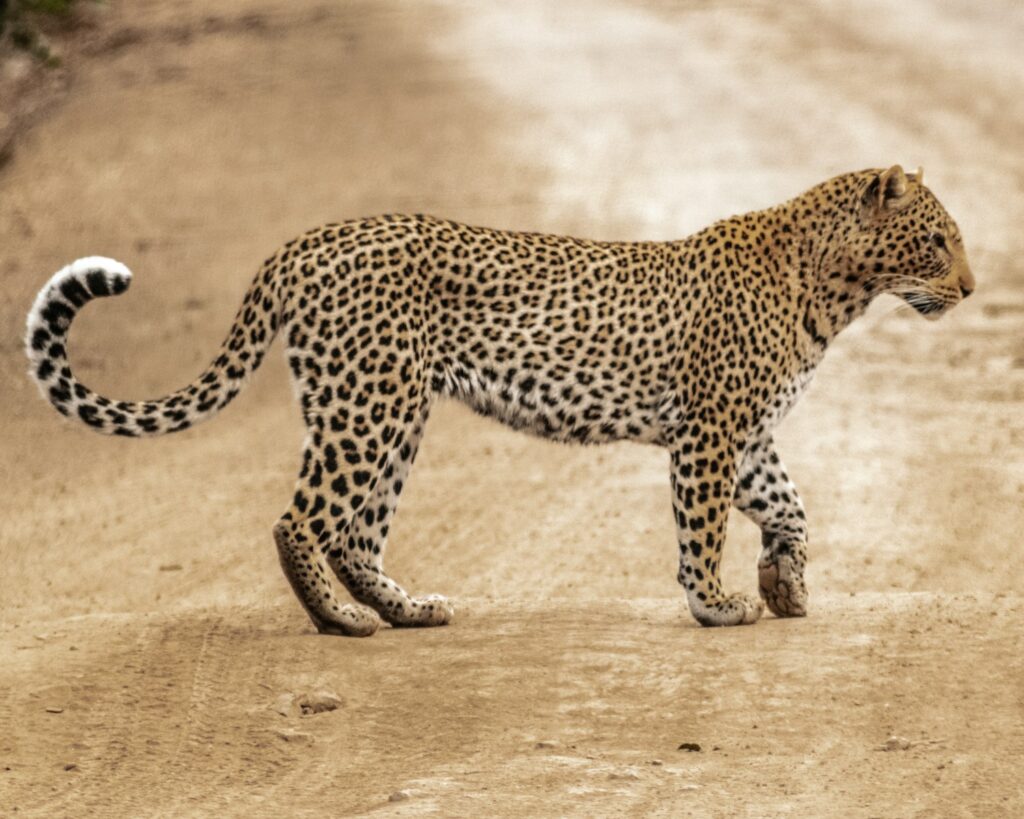
When wildlife populations face genetic impoverishment, conservation biologists may implement genetic rescue—the deliberate introduction of individuals from other populations to increase genetic diversity and fitness. This approach has shown remarkable success in several cases, including the Florida panther, where the introduction of Texas panthers in the 1990s reversed declining reproductive success and physical abnormalities associated with inbreeding. Managed gene flow represents a careful balancing act, as it must introduce sufficient new genetic material to counteract inbreeding depression while preserving locally adapted traits that may be crucial for survival in specific environments. The timing and extent of genetic rescue interventions require careful consideration, with ongoing monitoring to assess both genetic and demographic outcomes. For isolated populations where physical translocation is challenging, alternatives like gamete transfer or assisted reproductive technologies may facilitate gene flow while minimizing disturbance to wild populations.
Local Adaptation and Genetic Considerations in Reintroductions
Wildlife populations often evolve specific genetic adaptations to their local environments—adaptations that can be crucial for their survival and reproduction in those particular conditions. When planning reintroductions, conservation biologists must carefully consider these local adaptations to maximize the likelihood of restoration success. The concept of “local is best” has traditionally guided many reintroduction programs, with the assumption that locally adapted individuals will outperform those from distant populations. However, contemporary approaches recognize that climate change and habitat modification may render historical local adaptations less relevant to current conditions. Modern reintroduction programs often employ more nuanced strategies, sometimes deliberately selecting source populations from environments that match projected future conditions at the release site. This forward-looking approach, sometimes called “assisted gene flow” or “climate-adjusted provenancing,” represents an emerging paradigm in restoration genetics that attempts to prepare restored populations for environmental changes they will face.
Genetic Management of Captive Breeding Programs
Captive breeding represents a critical component of many wildlife restoration efforts, particularly for species that have declined to critically low numbers in the wild. The genetic management of these programs requires sophisticated approaches to maintain diversity while minimizing adaptation to captivity. Pedigree analysis forms the foundation of traditional captive breeding management, with careful records tracking relationships between individuals to minimize inbreeding and maximize the retention of genetic diversity. Modern programs increasingly supplement pedigrees with genetic data, using molecular markers to verify relationships and identify particularly valuable individuals that may carry rare alleles. Mean kinship strategies prioritize breeding individuals that are less related to the overall population, effectively “evening out” genetic contributions across the captive population. For long-term captive programs spanning many generations, managers must also guard against adaptation to captivity—genetic changes that enhance survival and reproduction in human care but may reduce fitness upon reintroduction to the wild.
De-extinction and Advanced Genomic Approaches
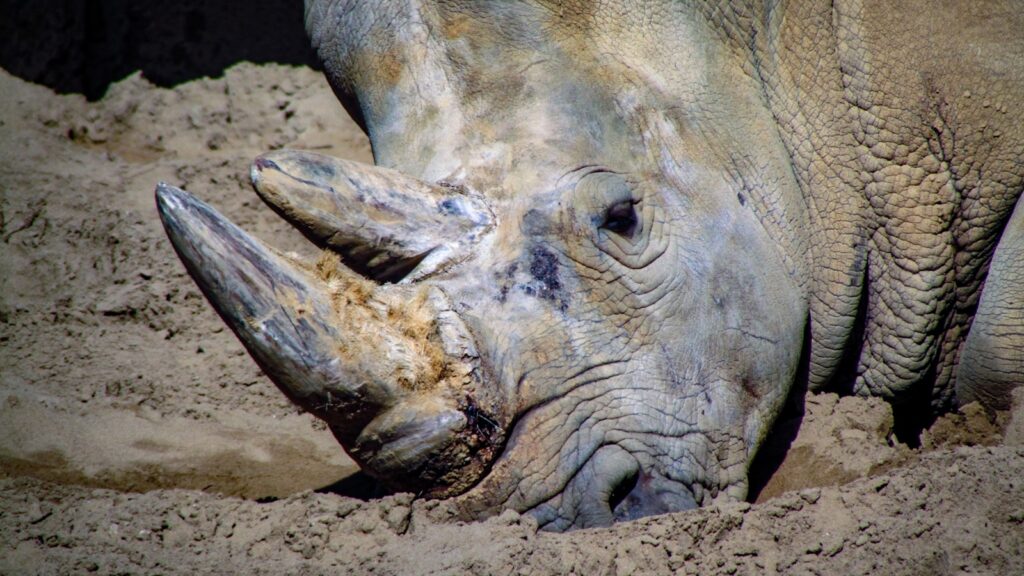
The frontier of genetic approaches in wildlife restoration extends into technologies that were once confined to science fiction, most notably de-extinction—attempts to resurrect extinct species using genetic material and reproductive technologies. While complete de-extinction remains largely theoretical, scientists have made progress with projects like the passenger pigeon revival effort and attempts to create proxies of extinct species using CRISPR gene editing on the genomes of close living relatives. Beyond de-extinction, advanced genomic approaches like gene editing hold potential for addressing specific genetic challenges in endangered species, such as introducing disease resistance genes or removing deleterious mutations from small populations. These technologies raise profound ethical and ecological questions about human intervention in natural processes and require careful consideration of both the technical feasibility and ecological consequences. As these approaches move from theoretical possibilities to practical applications, they will necessitate new frameworks for assessing risks and benefits in conservation contexts.
Case Study: The Genetic Restoration of the Black-footed Ferret

The black-footed ferret’s recovery represents one of the most compelling success stories in genetic restoration, demonstrating both the challenges and potential of genetic approaches in wildlife conservation. Believed extinct until a small population was discovered in Wyoming in 1981, the species’ recovery began with just 18 founding individuals—a classic genetic bottleneck that threatened the species’ long-term viability. Conservation biologists implemented a carefully managed breeding program that maximized genetic diversity retention through pedigree analysis and molecular verification of relationships. Despite these efforts, the limited genetic diversity of the founding population has presented ongoing challenges, including susceptibility to diseases like sylvatic plague and canine distemper. In a groundbreaking development, scientists successfully cloned a black-footed ferret named Willa in 2020, using genetic material preserved from an individual that died in the 1980s, effectively reintroducing genetic diversity that had been lost from the living population. This integration of traditional conservation breeding with cutting-edge reproductive technologies demonstrates how genetic approaches continue to evolve to address the complex challenges of wildlife restoration.
Genetics in Landscape Connectivity and Corridor Design
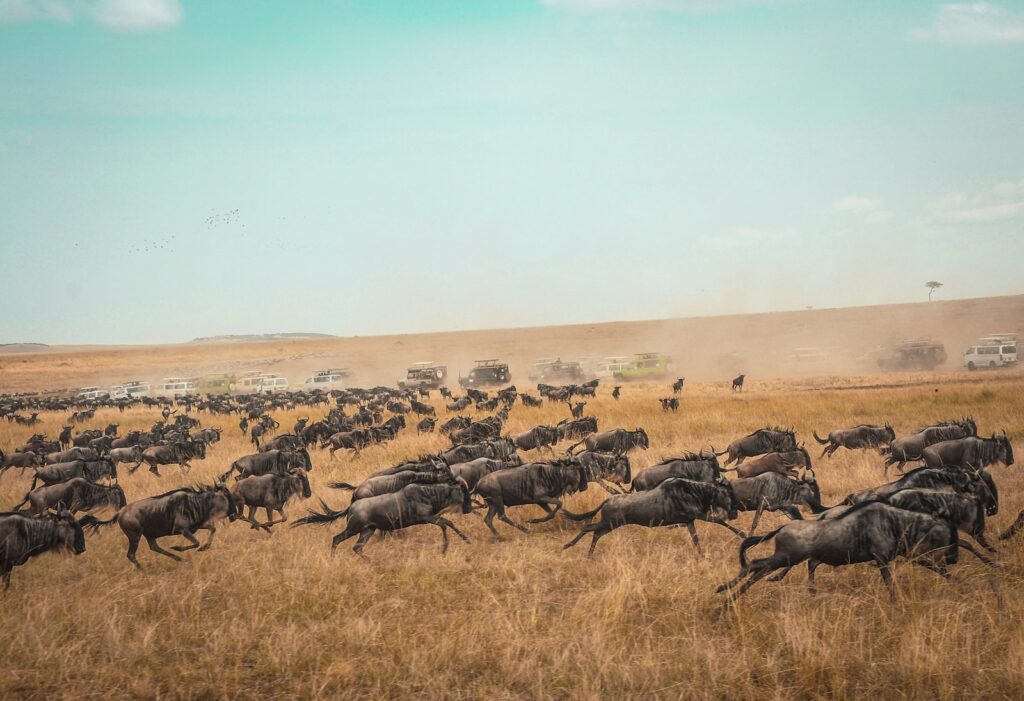
Maintaining gene flow across fragmented landscapes has become a central concern in wildlife conservation, with genetic data increasingly informing the design of wildlife corridors and connected protected area networks. Landscape genetics—a field that merges landscape ecology with population genetics—provides powerful tools for understanding how landscape features facilitate or impede genetic connectivity between wildlife populations. By analyzing patterns of genetic similarity across space, scientists can identify natural and anthropogenic barriers to movement, pinpoint crucial linkages that maintain connectivity, and prioritize areas for corridor protection or restoration. These analyses often reveal cryptic patterns that would be difficult to detect through traditional observation, such as “stepping stone” habitat patches that facilitate gene flow or barriers created by seemingly minor landscape features. For restoration projects, these insights help ensure that reintroduced populations can maintain genetic connections with existing populations, preventing the genetic isolation that could undermine long-term viability.
Balancing Genetic and Ecological Considerations
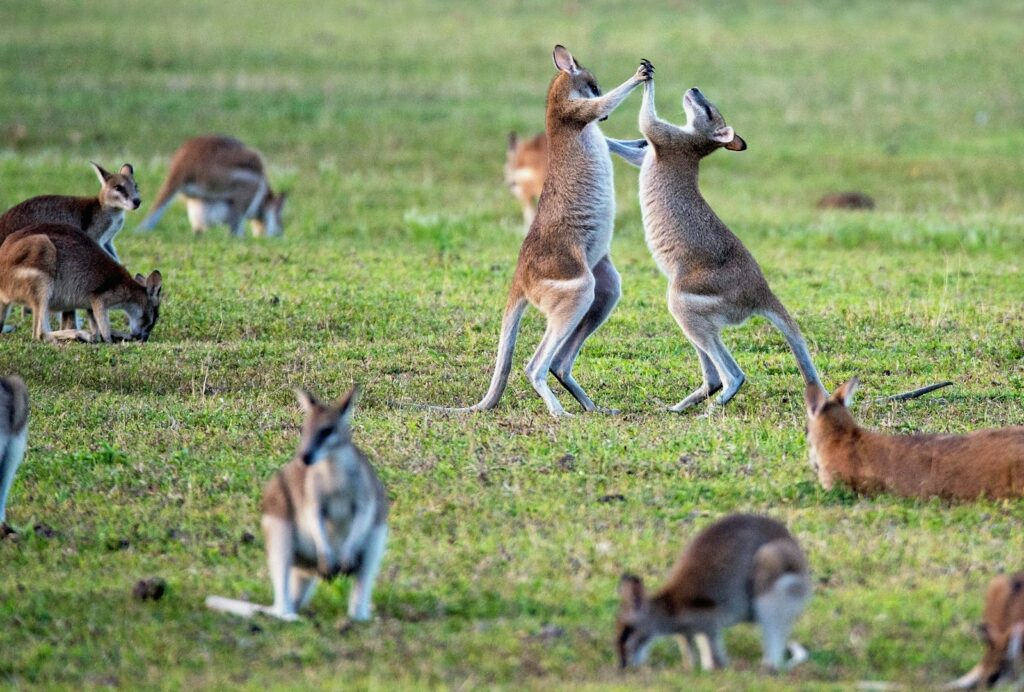
While genetics has become an essential component of wildlife restoration, successful programs must integrate genetic considerations with broader ecological, behavioral, and socioeconomic factors. A genetically diverse population will still fail if released into unsuitable habitat, exposed to unmanaged threats, or lacking the behavioral adaptations necessary for survival in the wild. Effective restoration programs require multidisciplinary approaches that address the full spectrum of factors affecting wildlife recovery, from habitat quality and interspecific interactions to human-wildlife conflict and climate change impacts. The timing of genetic interventions also requires careful consideration, as premature genetic rescue might swamp locally adapted gene complexes before they can be properly evaluated, while delayed intervention might allow irreversible genetic deterioration. Conservation practitioners increasingly recognize that genetic management represents one crucial piece of a complex restoration puzzle, most effective when integrated into holistic approaches that address the multiple dimensions of species recovery.
Ethical Dimensions of Genetic Intervention
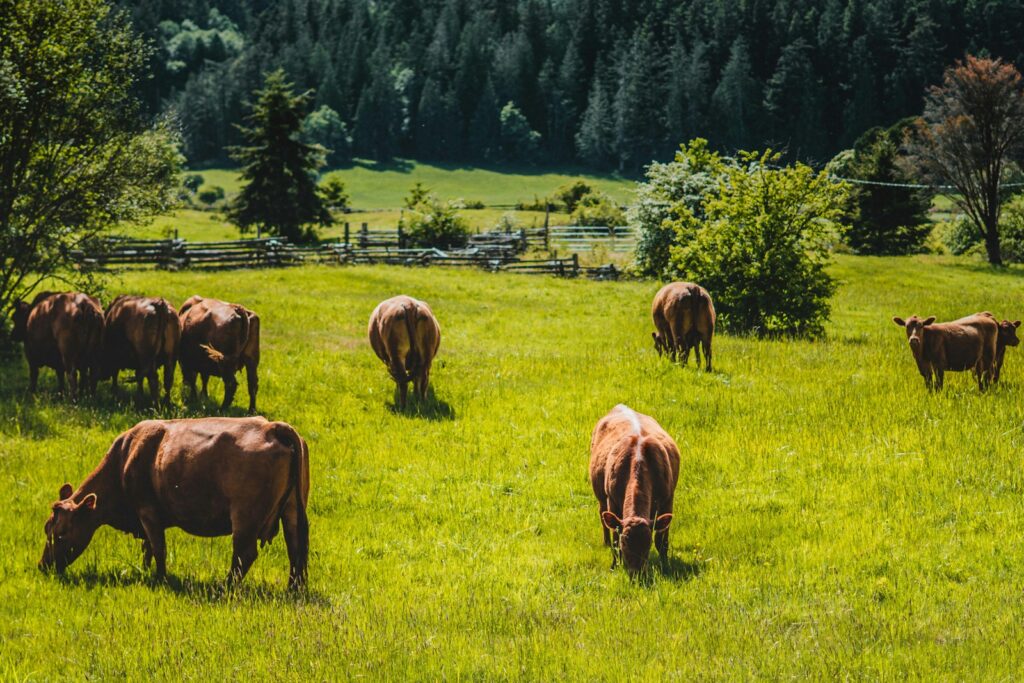
As genetic technologies in wildlife restoration grow more sophisticated, they raise profound ethical questions about the appropriate limits of human intervention in natural processes. Conservation biologists must navigate tensions between preserving “natural” evolutionary trajectories and preventing extinctions through increasingly interventionist approaches. The concept of genetic rescue, while effective in many cases, challenges traditional conservation paradigms that prioritize protecting “pure” populations from genetic “contamination” through hybridization. Similarly, advanced technologies like de-extinction and gene editing blur the boundaries between conservation and biotechnology, raising questions about whether certain interventions constitute restoration or creation. Indigenous and traditional knowledge systems often offer valuable perspectives on these questions, sometimes emphasizing relational ethics and kinship with wildlife that complement or challenge scientific frameworks. As restoration genetics continues to advance, the field must engage with these ethical dimensions through inclusive conversations that incorporate diverse stakeholders and value systems, recognizing that decisions about genetic intervention reflect not just scientific considerations but fundamental values about human relationships with the natural world.
Future Directions in Genetic Approaches to Wildlife Restoration
The rapidly evolving field of conservation genetics promises new approaches that will transform wildlife restoration in the coming decades. Emerging technologies like portable DNA sequencers enable real-time genetic analysis in remote field locations, democratizing access to genetic tools and allowing immediate integration of genetic data into management decisions. Advances in ancient DNA techniques continue to reveal historical genetic states of populations, providing restoration targets that account for genetic diversity lost during recent declines. Predictive genomics approaches hold promise for identifying populations with genetic profiles suited to future climate conditions, potentially informing climate-smart restoration strategies. Additionally, the integration of genetic data with other “omics” approaches—including epigenomics, transcriptomics, and metabolomics—offers a more comprehensive understanding of how organisms respond to environmental changes at multiple biological levels. As these technologies continue to develop, successful implementation will require not only technical expertise but also creative approaches to training conservation practitioners, engaging diverse communities, and translating complex genetic information into actionable conservation strategies.
Conclusion
The integration of genetics into wildlife restoration represents a profound evolution in conservation practice—moving from efforts focused primarily on numbers to approaches that recognize the fundamental importance of genetic processes in ensuring long-term species survival. As habitat fragmentation accelerates and climate change intensifies, the genetic challenges facing wildlife will only grow more complex, requiring increasingly sophisticated responses. The future of restoration genetics lies not just in technological advancement but in thoughtful application that balances intervention with respect for natural processes. By weaving together cutting-edge genetic science with ecological understanding and ethical consideration, wildlife restoration programs can help ensure that the genetic heritage of Earth’s biodiversity—the product of millions of years of evolution—continues to adapt, evolve, and endure in our rapidly changing world.