

When venturing into natural spaces, encountering wildlife is often a thrilling experience. However, when a wild animal begins to follow you, that excitement can quickly turn to concern or even fear. Understanding why animals might follow humans and knowing how to respond appropriately can make the difference between a dangerous encounter and a safe resolution. This comprehensive guide will help you recognize different following behaviors, understand what motivates them, and respond in ways that protect both you and the animal.
Understanding Why Wild Animals Follow Humans
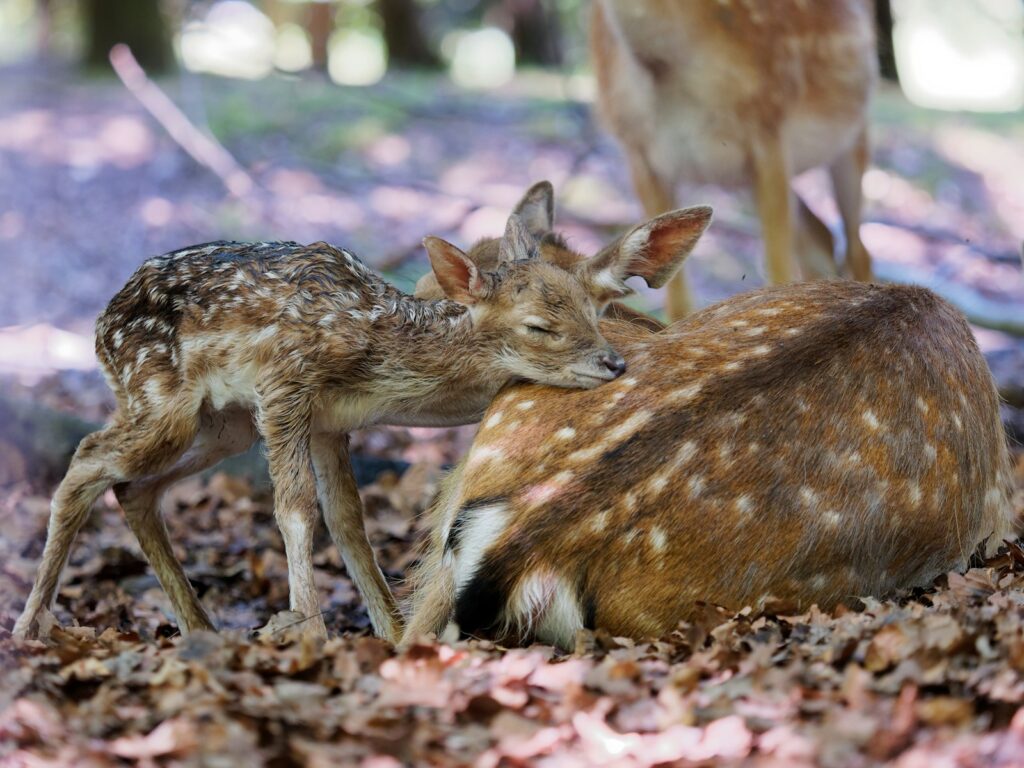
Wild animals may follow humans for several distinct reasons, each requiring a different response strategy. Some animals, particularly in areas frequented by people, may associate humans with food due to intentional or unintentional feeding. Others might be curious about human presence, especially if they haven’t had much exposure to people before. Young animals occasionally mistake humans for parents if they’ve become separated from their actual family group. Perhaps most concerning, predatory animals might follow humans because they’re assessing potential prey, though this is relatively rare compared to other motivations. Understanding the underlying motivation behind an animal’s behavior can help you determine the most appropriate response.
Recognizing Signs of Different Types of Following Behavior

The manner in which an animal follows you often reveals its intentions and level of threat. A curious animal typically maintains some distance, stopping when you stop, and showing clear interest without aggressive posturing. Food-conditioned animals tend to approach more directly and may show less fear than is natural for their species. Predatory following usually involves stalking behavior – the animal may duck behind cover when you look at it, maintain a constant distance, and potentially circle to approach from different angles. Parent-seeking young animals often make distress calls and may approach quite closely despite their natural wariness. Learning to distinguish between these behaviors will help you assess the situation’s seriousness and respond appropriately.
Maintaining Calm When Followed by Wildlife
Your emotional state significantly impacts how effectively you handle a wildlife encounter. When you notice an animal following you, your first priority should be managing your own reaction. Take several deep breaths to help control any panic response that might trigger in your body. Remember that most wild animal followings don’t result in attacks or injuries. Speak in a calm, firm voice – not to communicate with the animal, but to help steady yourself and project confidence. Avoid making sudden movements that might startle the animal or trigger a chase response. By maintaining your composure, you’ll be better positioned to assess the situation clearly and take appropriate action based on the type of animal and its apparent motivation.
Appropriate Responses to Non-Predatory Followers
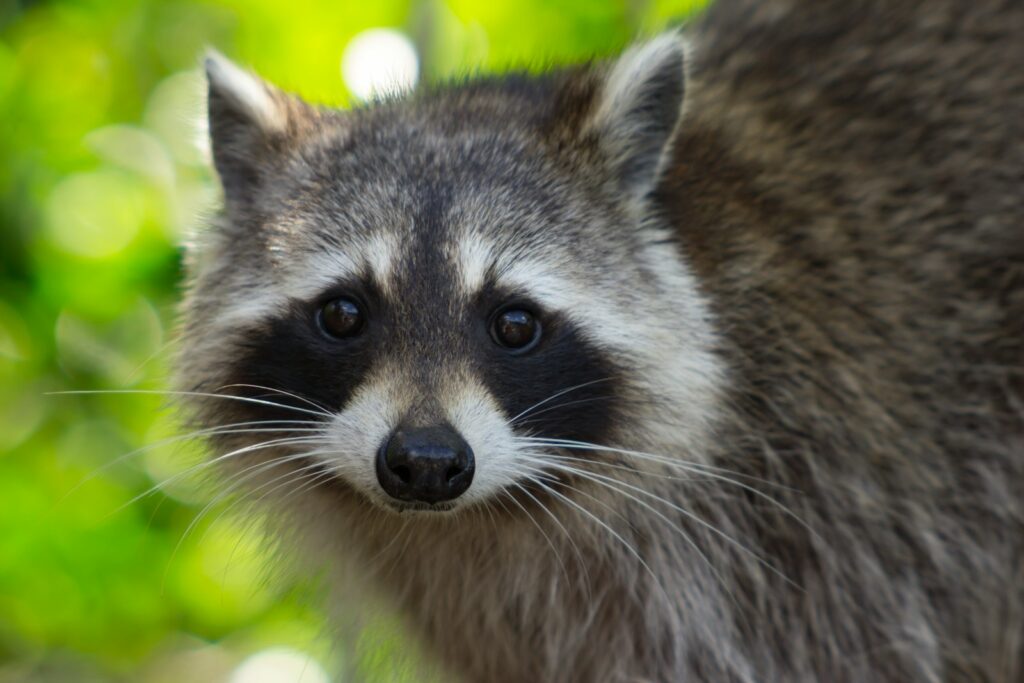
If you determine the animal following you is non-predatory – perhaps a curious deer, a food-seeking raccoon, or a lost young animal – your response should aim to discourage further following without escalating the situation. For curious animals, sometimes simply stopping and facing them (without making direct eye contact, which can be threatening) will cause them to lose interest and move on. For food-conditioned animals, ensure all food is securely stored away and make it clear you have nothing to offer. If a young animal is following you, creating distance is the best approach – its parent is likely nearby and human interference can prevent reunification. In all these cases, making yourself boring and non-rewarding to the animal is often the most effective strategy for ending the encounter safely.
Handling Potentially Dangerous Predator Encounters

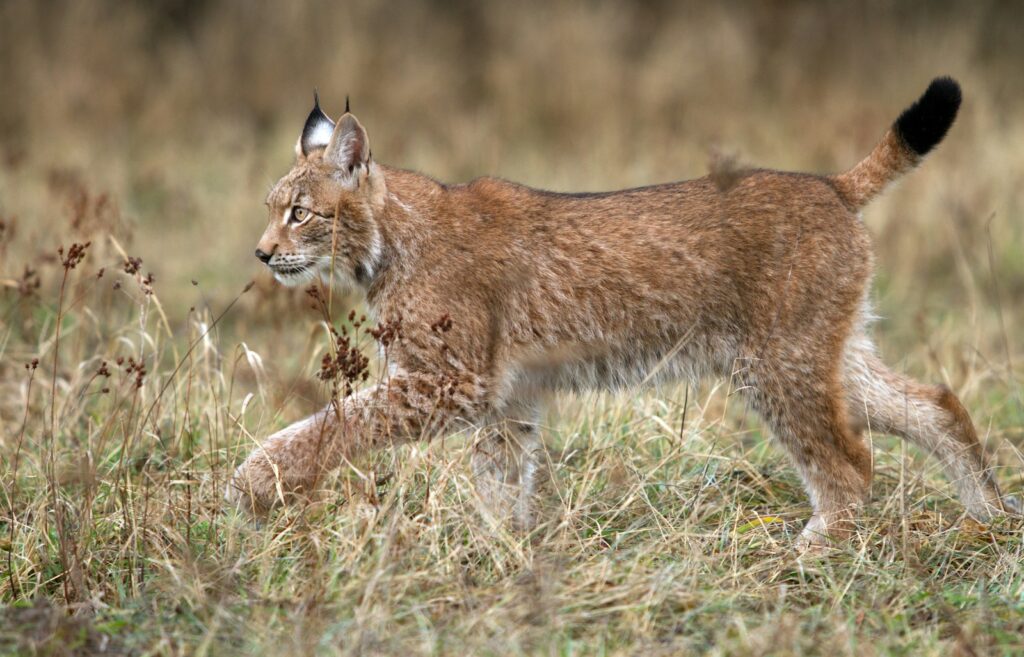
When followed by a potential predator like a bear, mountain lion, or wolf, your response needs to be more strategic. Never run, as this can trigger a chase instinct in many predators. Instead, maintain eye contact (unlike with non-predators), make yourself appear larger by raising your arms or opening a jacket, and speak in a firm, loud voice to assert your presence. Back away slowly if possible, always facing the animal rather than turning your back. If you’re carrying bear spray or another wildlife deterrent, prepare to use it if necessary. Group together if you’re with others to present a more intimidating presence. Remember that most predators prefer to avoid confrontation with humans and are often just investigating out of curiosity rather than hunting intent.
Specific Strategies for Common Following Wildlife

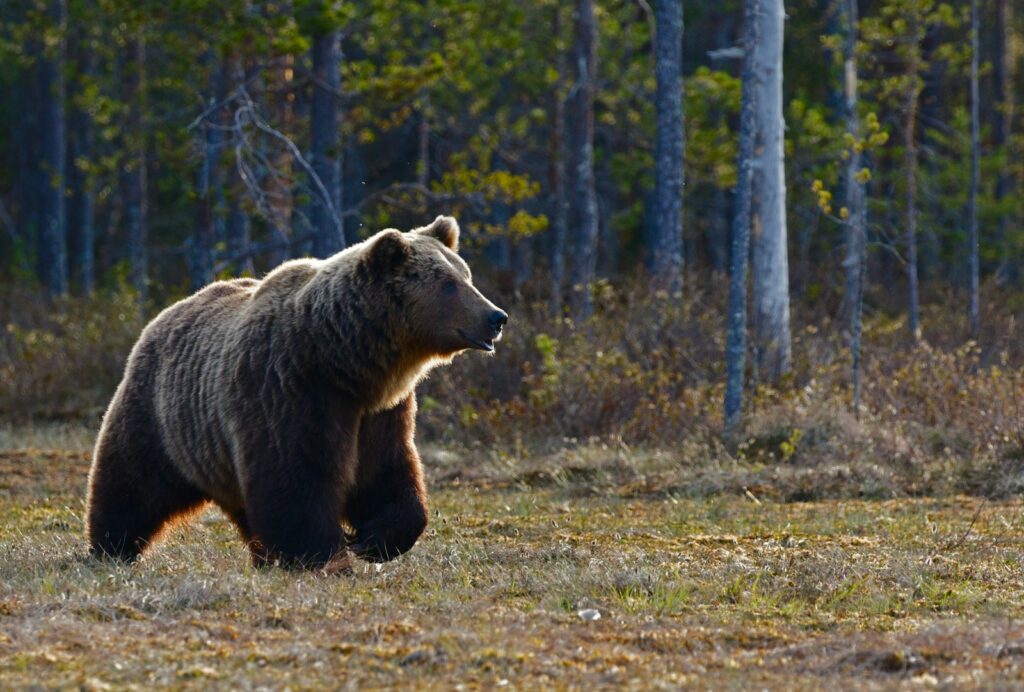
Different animals require tailored responses based on their behavior patterns and potential threat level. With bears, speaking calmly while slowly backing away works for black bears, while playing dead may be necessary if a brown/grizzly bear charges. For mountain lions, maintaining eye contact, appearing large, and fighting back aggressively if attacked are recommended. Coyotes and wolves typically respond to assertive behavior – loud noises, throwing objects near (not at) them, and aggressive posturing can discourage following. For non-predatory animals like deer or moose, simply creating distance and avoiding behaviors they might perceive as threatening is usually sufficient. Research the wildlife common to areas you plan to visit so you’re prepared with species-specific knowledge before an encounter occurs.
Using Deterrents Effectively and Ethically
Various deterrents can help end a wildlife following situation, but they must be used properly to be effective without causing unnecessary harm. Bear spray is among the most effective wildlife deterrents, with studies showing it works in most bear encounters when used correctly. Air horns or whistle blasts can startle many animals enough to discourage following. Even a flashlight, particularly one with a strobe function, can deter nocturnal animals temporarily. If you carry deterrents, practice using them before heading into wildlife areas so you can deploy them effectively under stress. Remember that deterrents should be used as a last resort when an animal continues to follow despite other avoidance strategies, not as a first response to wildlife sightings.
The Role of Body Language and Movement
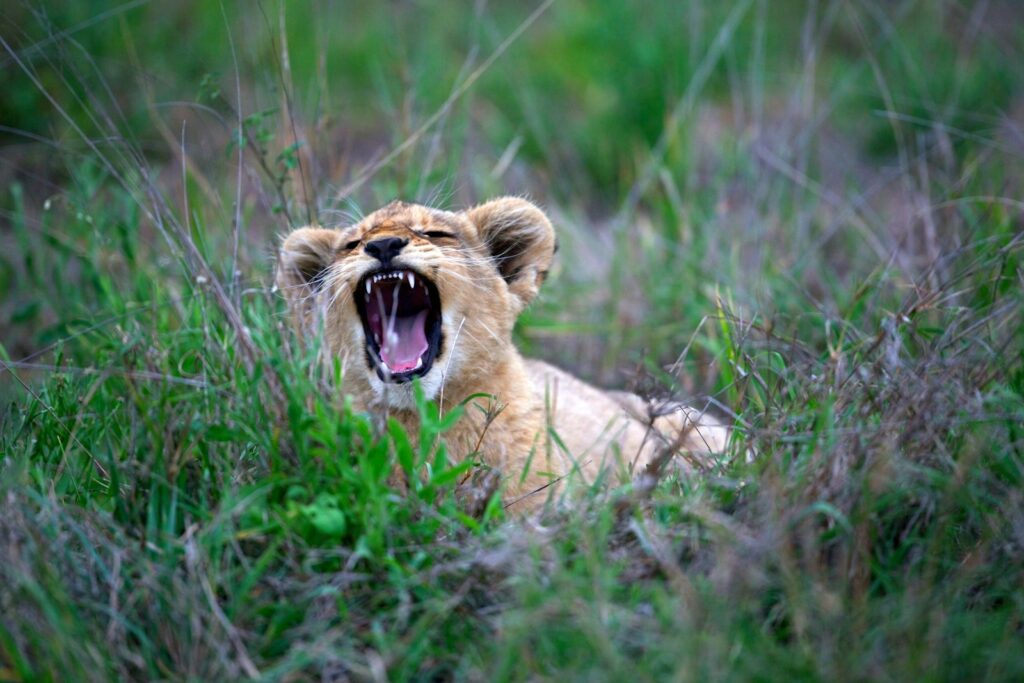
Your body language communicates volumes to wildlife, often in ways humans don’t intuitively understand. Direct eye contact, for instance, is interpreted differently by various species – it may deter a mountain lion but provoke a gorilla. Slow, deliberate movements generally appear less threatening than quick, jerky motions that might trigger predatory responses. Your posture also matters – standing tall with shoulders back projects confidence that may discourage predatory interest, while hunching or cowering can signal vulnerability. If an animal is following you, avoid turning your back completely on the animal when possible. Instead, back away while keeping the animal in your peripheral vision, which allows you to monitor its behavior while creating distance.
Prevention: Avoiding Wildlife Following Situations
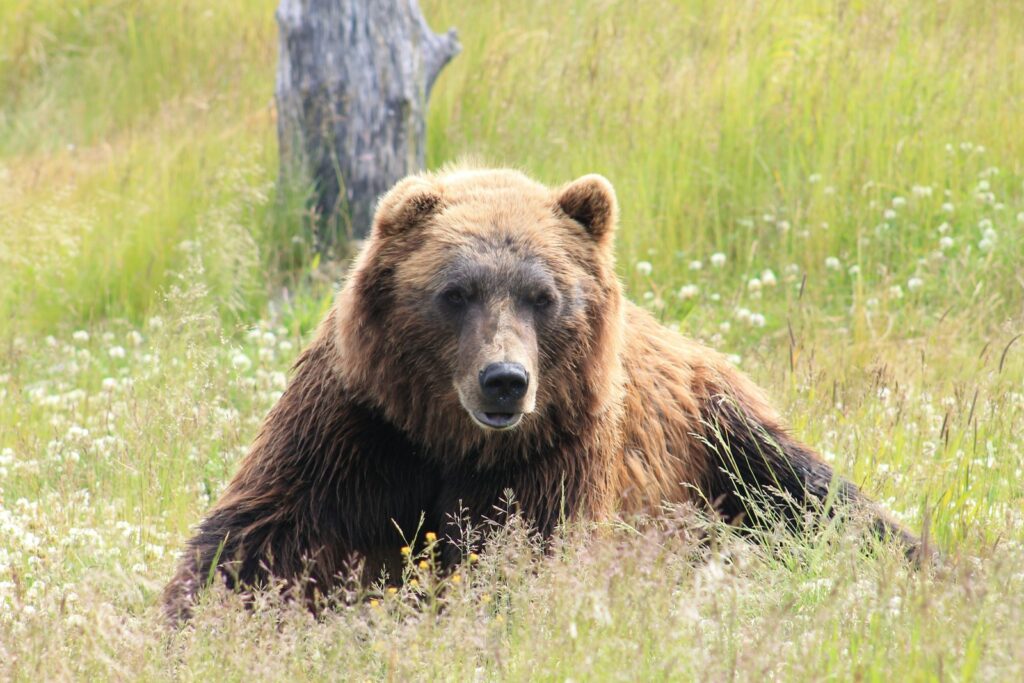
Preventing wildlife following situations begins before you even set foot on the trail. Research the area you plan to visit to understand what wildlife you might encounter and their typical behaviors. Make noise while hiking – conversation, singing, or occasional calls of “Hey bear!” alert animals to your presence and give them time to avoid you. Properly storing food and scented items in wildlife-proof containers prevents animals from associating humans with food rewards. Travel in groups when possible, as most wildlife are more hesitant to approach multiple people. Stay on established trails where animals expect human presence rather than venturing into more remote areas where wildlife may be unaccustomed to humans. These preventive measures significantly reduce the likelihood of problematic wildlife following encounters.
When and How to Report Wildlife Encounters
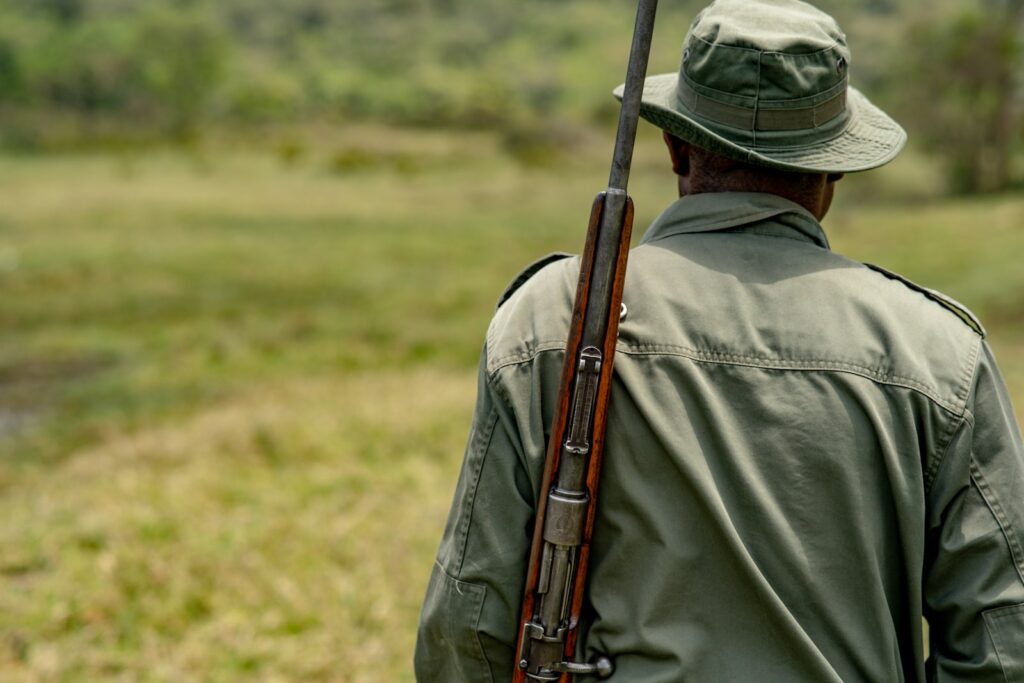
Reporting wildlife encounters, especially those involving following behavior, serves an important role in wildlife management and public safety. Contact the local park ranger station, wildlife management agency, or conservation officer to report significant encounters, particularly if an animal showed unusual boldness, aggression, or signs of illness. Your report should include the species, location (as precise as possible), time of day, the animal’s behavior, and any actions you took in response. These reports help authorities identify animals that may pose risks to other visitors or that may have become food-conditioned and require intervention. Additionally, your experience contributes to broader data collection that informs wildlife management policies and public education efforts.
Teaching Children About Wildlife Safety
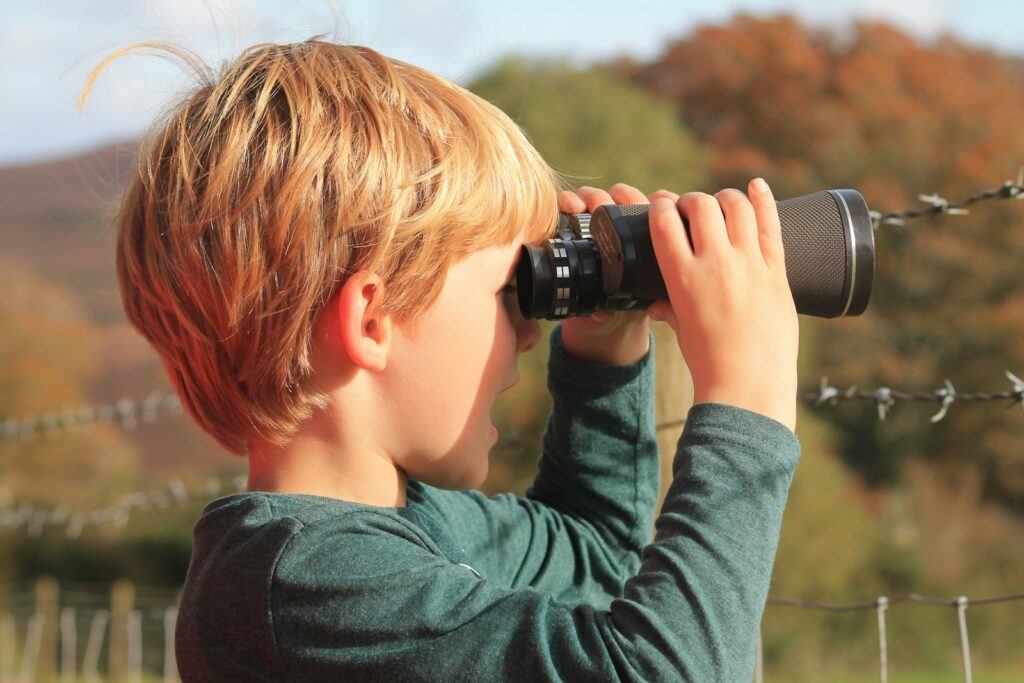
Children require special instruction on wildlife encounters, as their natural behaviors might put them at greater risk. Teach children never to run from wildlife, as this can trigger chase instincts in predators. Practice using a “quiet voice” and “statue game” where they practice standing still and speaking softly when wildlife appears. Establish clear rules about maintaining appropriate distances from all wild animals, regardless of how cute or harmless they may appear. Role-play different scenarios so children develop muscle memory for proper responses rather than having to think through unfamiliar situations under stress. Make wildlife safety a regular conversation topic before and during outdoor activities, reinforcing key messages about respecting animal space and behavior.
The Ethics of Human-Wildlife Interactions
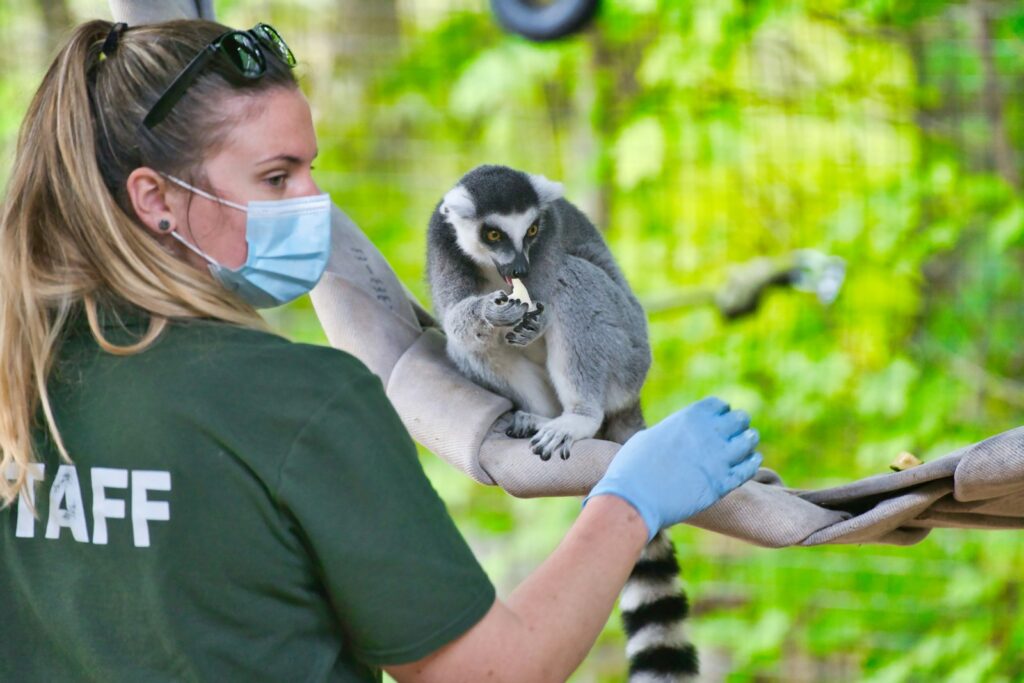
Ethical considerations should guide all wildlife encounters, even those that feel threatening. Remember that we are visitors in wildlife habitat, and animals are simply behaving according to their natural instincts. Avoid intentionally approaching, feeding, or otherwise habituating wild animals, as these actions often lead to problematic behaviors that may result in the animal’s eventual destruction. Consider how your presence impacts wildlife movement corridors and feeding areas, and adjust your activities accordingly. If an animal follows you, use the minimum intervention necessary to ensure your safety while respecting the animal’s well-being. Supporting conservation efforts and wildlife education programs helps foster coexistence between humans and wildlife, reducing negative encounters for both species.
Learning from the Experience
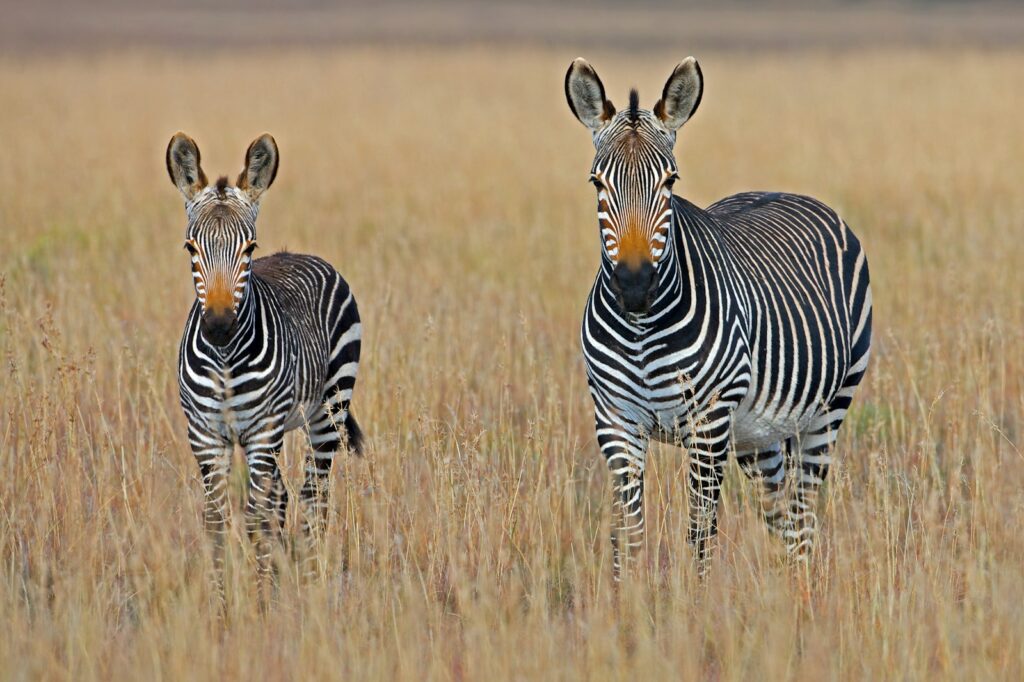
After any wildlife following encounter, take time to reflect on and learn from the experience. Consider what warning signs might have preceded the following behavior that you could recognize earlier in future encounters. Evaluate your response – what worked well, and what might you do differently next time? Share your experience (responsibly, without sensationalizing) with other outdoor enthusiasts to contribute to collective knowledge about wildlife encounters. Each wildlife interaction offers valuable lessons that can help you develop greater comfort and competence in natural spaces. Many experienced outdoor enthusiasts find that with knowledge and practice, initial fear of wildlife encounters transforms into respectful coexistence and deeper appreciation for wild animals in their natural habitats.
Wildlife encounters represent some of the most memorable moments in outdoor recreation, even when they involve animals following you. By understanding animal behavior, responding appropriately, and preparing in advance, you can navigate these situations safely while respecting the wild creatures whose home you’re visiting. Remember that most wildlife following incidents end without harm to either party when handled with knowledge and calm. With each responsible encounter, you develop not only greater outdoor safety skills but also a deeper connection to the natural world and its remarkable inhabitants.