
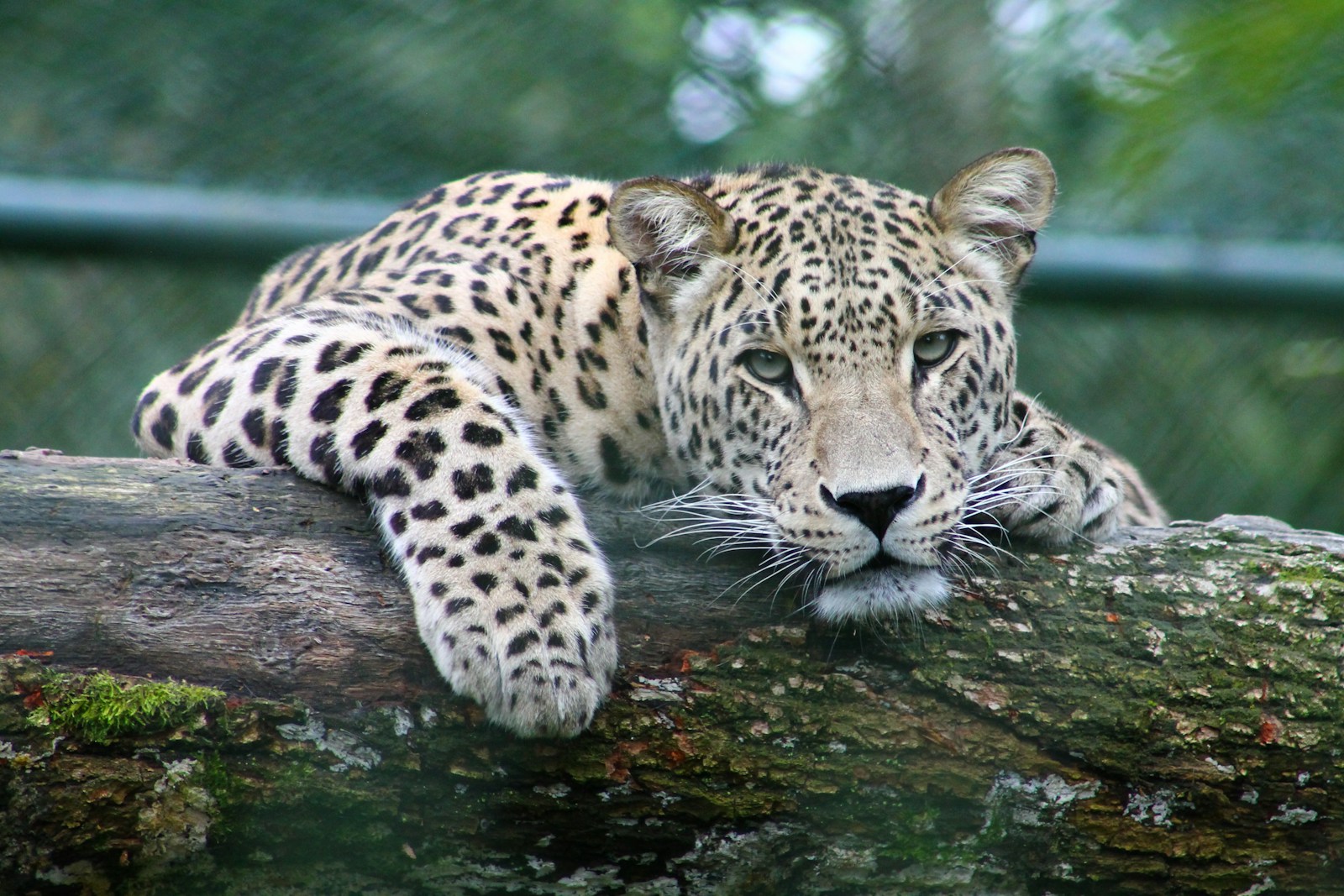
In the wilderness, knowing how to react when facing wild animals can be the difference between a memorable experience and a dangerous situation. Wildlife encounters are unpredictable by nature, and our instinctual responses don’t always serve us well. Many of us have heard conflicting advice: “Don’t run from predators” versus “Back away slowly from aggressive animals.” The truth is that proper response varies dramatically depending on the species, the context, and the animal’s behavior. This guide will help you understand when staying perfectly still is your best defense and when strategic movement could save your life.
Understanding Animal Behavior Basics
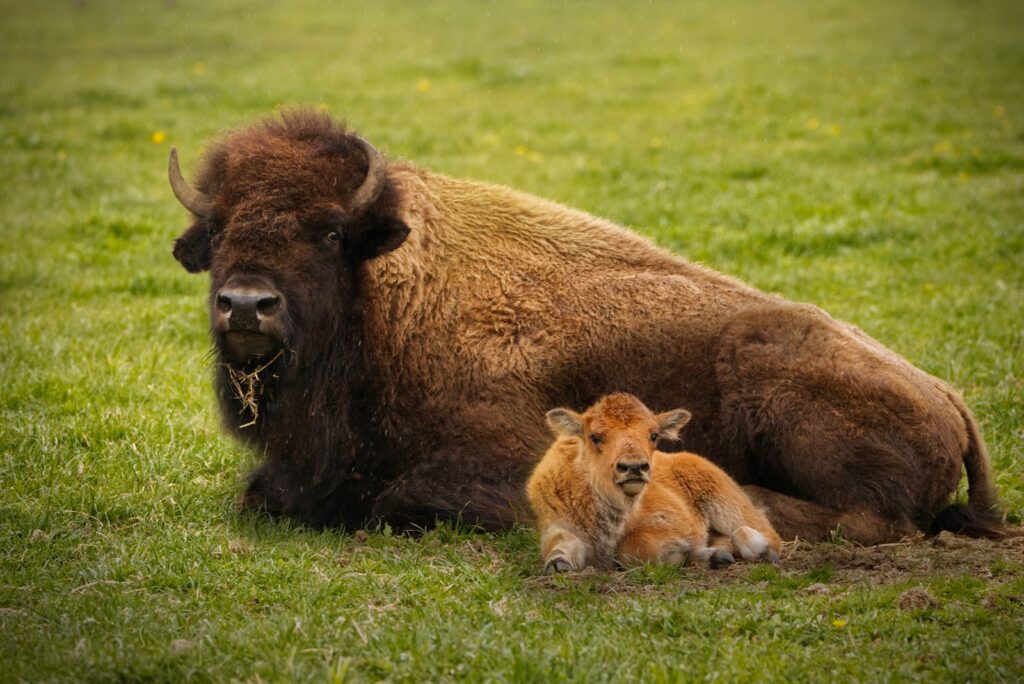
Wild animals typically don’t seek human interaction and most encounters occur because we’ve accidentally entered their territory or disrupted their activities. Before determining whether to freeze or move, it’s essential to understand what motivates animal behavior in these situations. Most wildlife operates from four basic drives: protection of young or territory, hunger, fear, or curiosity. Learning to recognize signs of these motivations can help you predict how an animal might respond to your presence. For instance, a mother bear with cubs nearby displays protective behavior, while a lone predator might be assessing you as potential prey. The more you understand about wildlife psychology, the better equipped you’ll be to make split-second decisions that could prevent aggression.
General Guidelines for Any Encounter
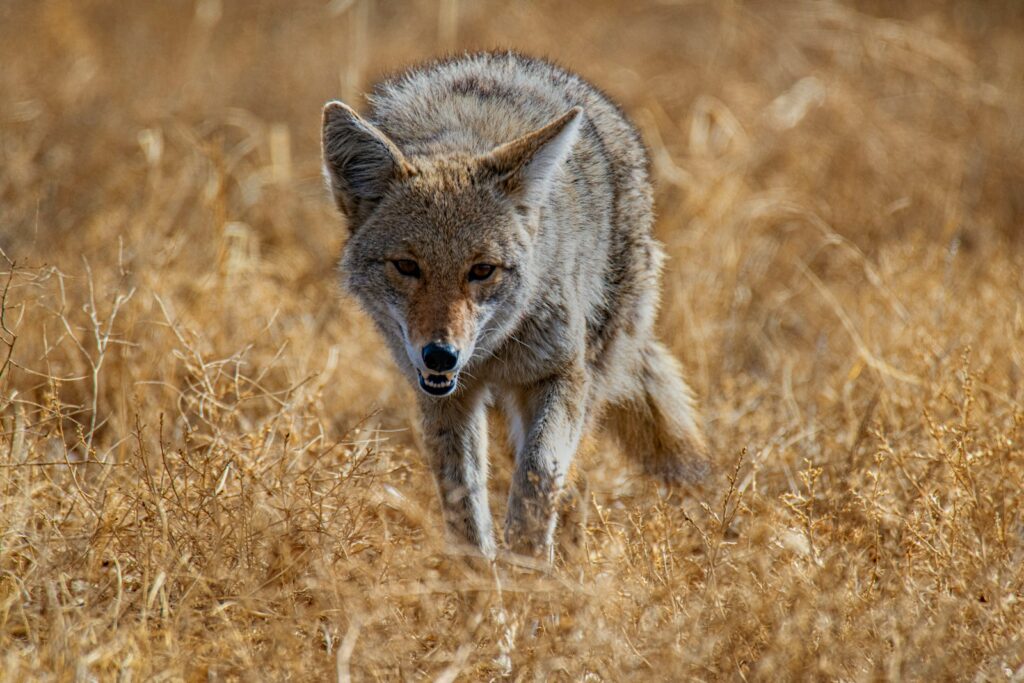
Regardless of the species you encounter, certain universal principles apply to wildlife interactions. Always maintain awareness of your surroundings when in natural areas, as prevention is the best strategy. Make noise while hiking to avoid surprising animals, which often triggers defensive reactions. If you spot wildlife at a distance, give the animal ample space and a clear escape route—never corner or pursue an animal for a better photo opportunity. Should an encounter become unavoidable, remain calm and avoid making direct eye contact, which many species interpret as a challenge. Remember that your primary goal is to end the encounter peacefully, not to stand your ground or assert dominance over a wild animal that’s operating on instinct rather than reason.
When to Freeze: Predator Encounters
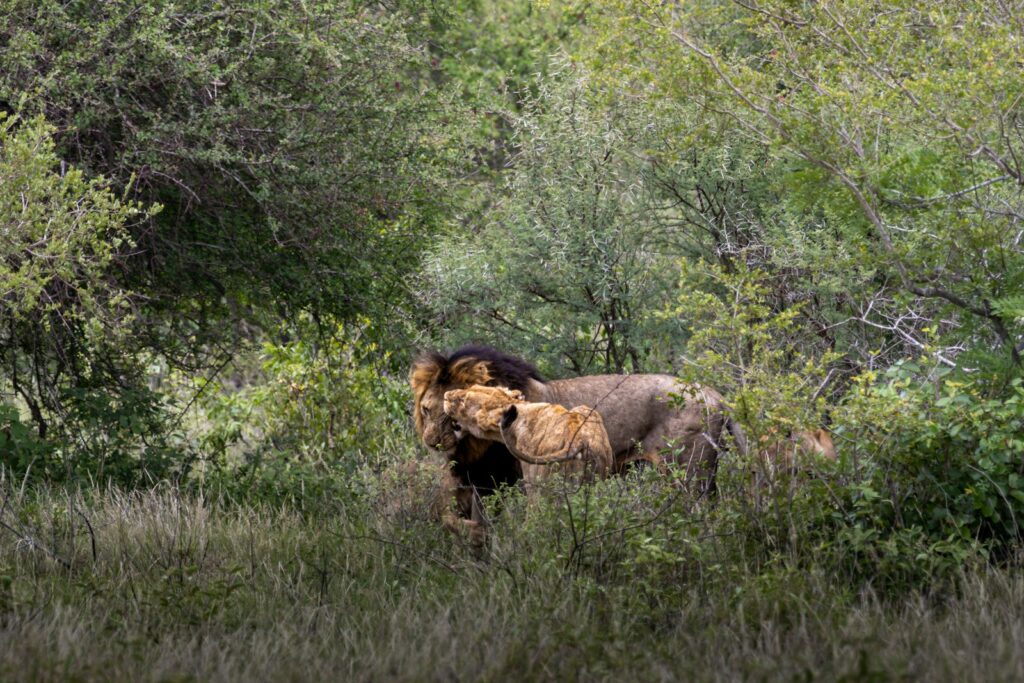
Freezing is often the best initial response when encountering predators like mountain lions, wolves, or bears that haven’t yet noticed you. Sudden movements can trigger a predator’s chase instinct, as movement resembles prey behavior. If you spot a predator before it notices you, become completely still and assess whether you can quietly retreat without drawing attention. If the animal has spotted you but isn’t approaching, maintain your position while slowly reaching for deterrents like bear spray if available. In situations where a predator appears to be stalking you, freezing may allow it to lose interest if you don’t reinforce its hunting instincts through movement. However, this freeze response should be temporary while you evaluate the situation—extended periods of immobility are rarely the complete solution with large predators.
When to Move: Creating Distance from Predators
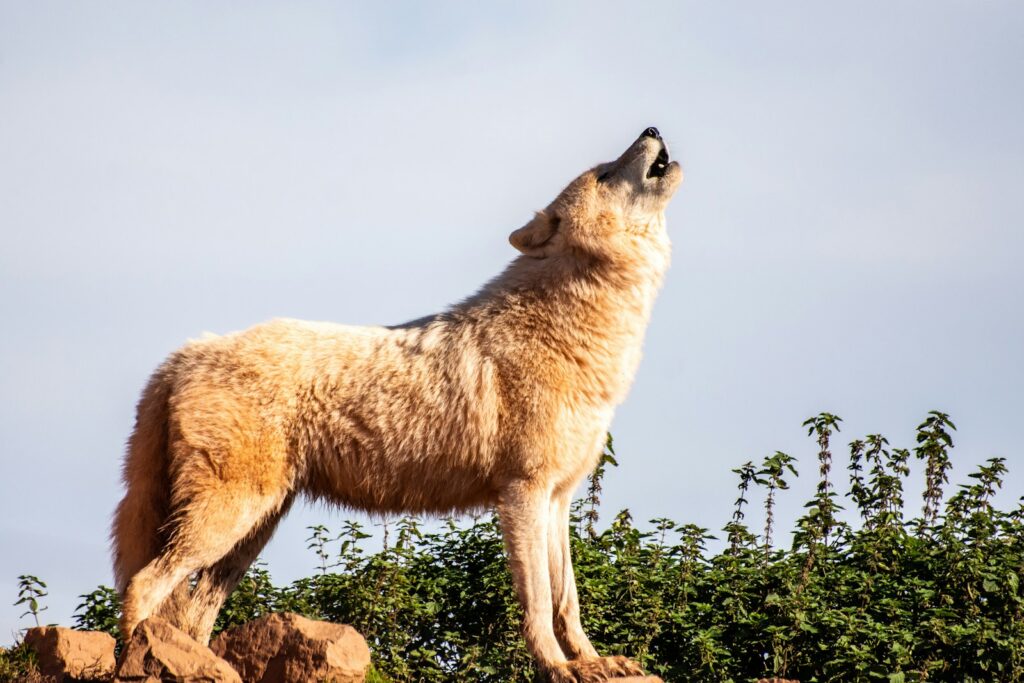
Movement becomes necessary when a predator shows sustained interest or begins approaching you deliberately. In these situations, back away slowly while facing the animal, never turning your back or running, which can trigger pursuit. Make yourself appear larger by raising your arms or opening your jacket, and speak in a firm, loud voice to establish your human presence—many predators avoid humans when they recognize what they’re dealing with. If a predator continues approaching despite these measures, more assertive action may be required, such as throwing objects near (not at) the animal or deploying bear spray if the animal comes within range. With mountain lions specifically, fighting back aggressively is recommended if contact appears imminent, as they tend to target prey that appears weak or submissive.
Bear Encounters: Black vs. Grizzly
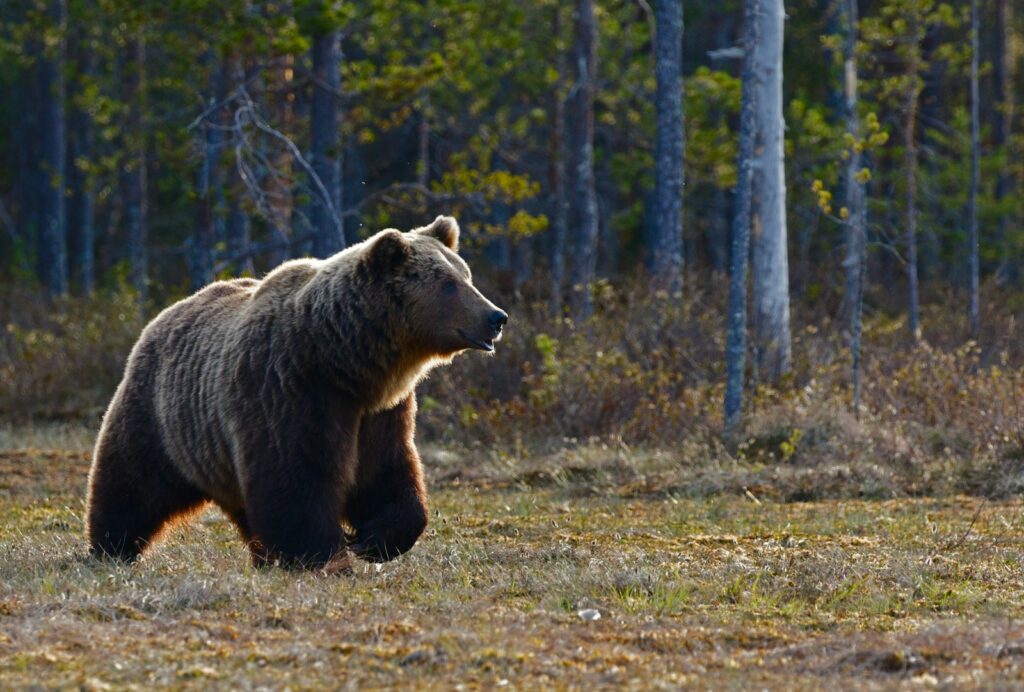
Bear encounters require species-specific responses that can seem contradictory if you don’t know what you’re dealing with. With black bears, which are often more timid despite their potential danger, making yourself appear large and intimidating while making loud noises often encourages them to retreat. If a black bear attacks, fighting back vigorously with whatever means available is recommended by wildlife experts. Grizzly encounters, however, call for different tactics—play dead if a grizzly makes contact after a defensive charge by lying face down with hands clasped behind your neck and legs spread to prevent being rolled over. This strategy signals you’re not a threat to a defensive grizzly, which often ends the confrontation once you’re no longer perceived as dangerous. Only if the attack persists and becomes predatory should you fight back against a grizzly, as this indicates the rare situation where the bear is actively hunting you rather than defending territory.
Moose, Elk, and Large Herbivores
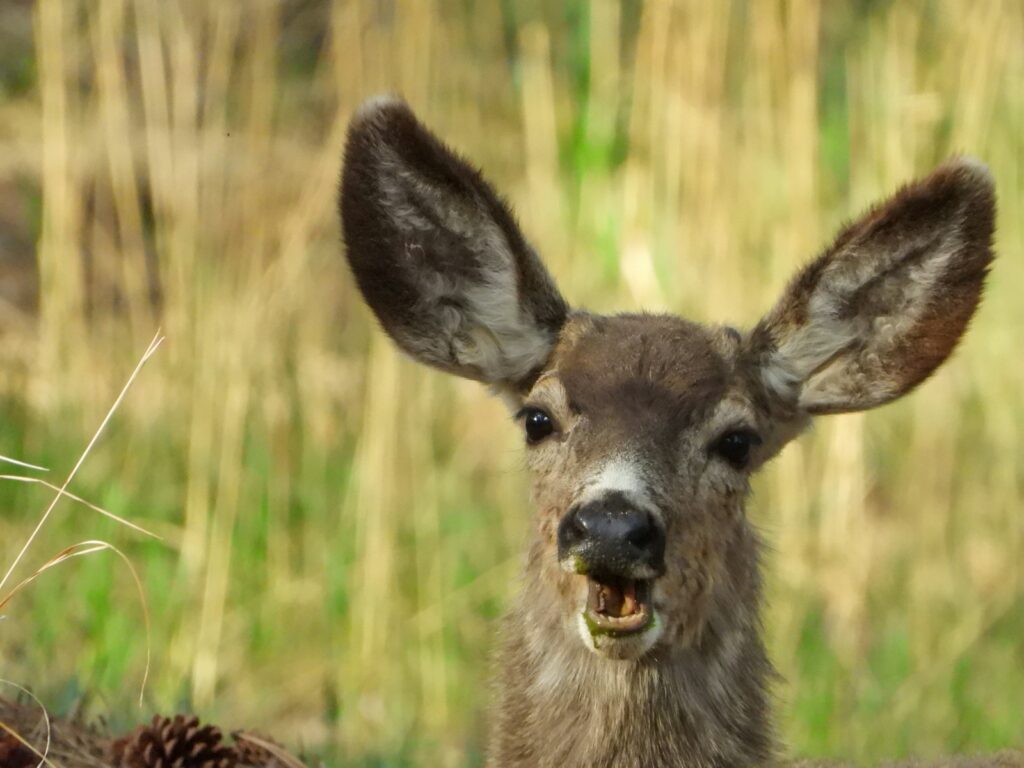
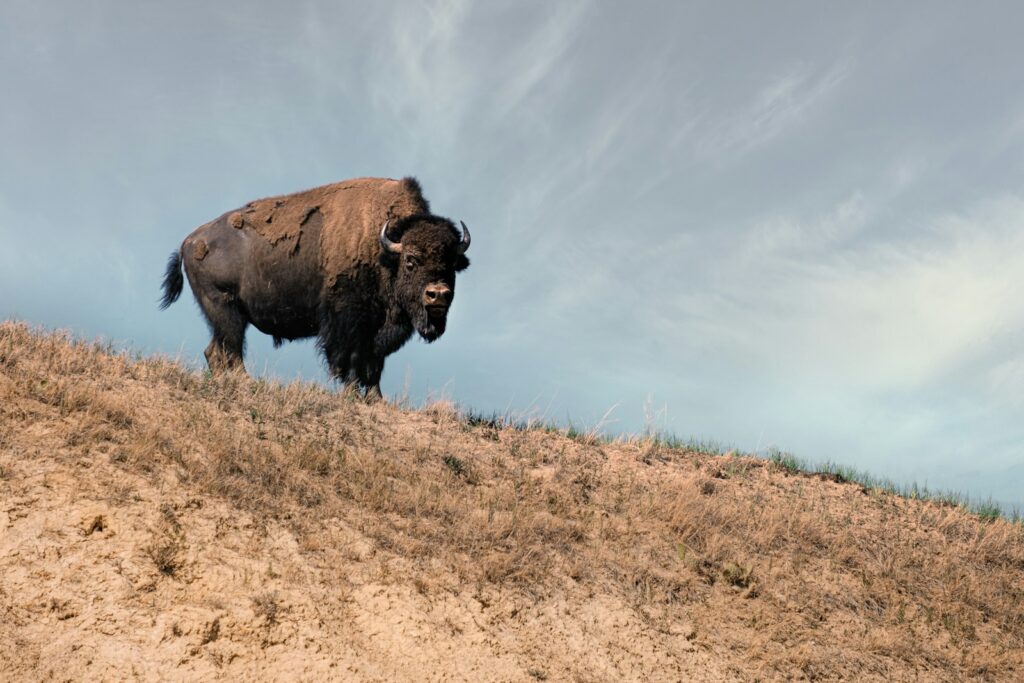
Large herbivores like moose, elk, and bison cause more human injuries in North America than predators, yet many people underestimate their danger. With these animals, maintaining significant distance is crucial as they can charge with little warning when feeling threatened. If you encounter a moose or elk, immediately look for barriers like trees or large rocks that could offer protection should the animal charge. Unlike with predators, running from charging herbivores may be necessary if you can quickly reach safety, as these animals typically won’t pursue humans beyond what they perceive as their personal space. Pay particular attention to females with young and males during rutting season, when aggressive behavior is most common. Watch for warning signs like laid-back ears, raised hackles, or stomping hooves, which indicate you should increase your distance immediately.
Snake Encounters and Venomous Species

When encountering snakes, freezing is almost always your best first response to avoid triggering a defensive strike. Most snake bites occur when people accidentally step on snakes or when they attempt to move, kill, or handle them. If you spot a snake on a trail, remain still until you can identify whether it’s venomous and determine its location and direction. Once assessed, slowly back away, giving the snake plenty of space to retreat or continue its journey without feeling threatened. Even venomous snakes prefer to avoid confrontation with humans and will typically only strike if they feel cornered or directly threatened. If hiking in snake country, always watch your step, use a walking stick to probe areas before stepping, and wear appropriate footwear and long pants as preventative measures.
Canine Predators: Wolves and Coyotes
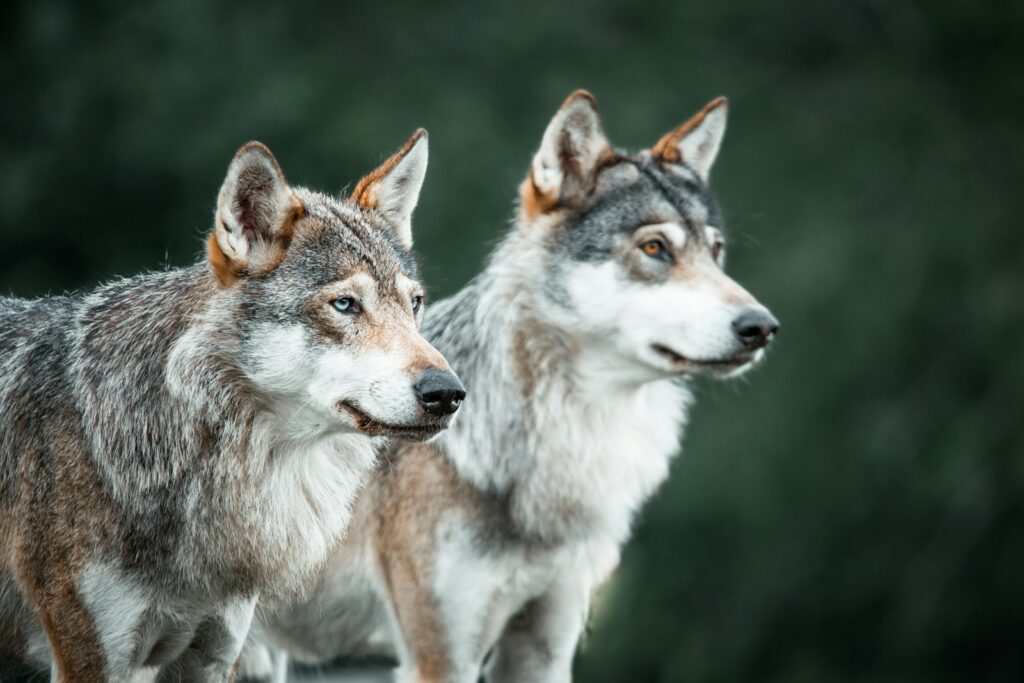
Wolf and coyote encounters require a balanced approach between stillness and assertive movement. Initial freezing helps you assess the situation—solitary animals are typically less dangerous than packs, and animals displaying curiosity are less concerning than those showing signs of aggression or testing behavior. If wolves or coyotes approach, stand your ground and begin making yourself appear larger while making loud, authoritative noises. Throwing objects near them can discourage approach, but direct hits could escalate the situation if the animal feels attacked. Slowly backing away while maintaining a confident posture is appropriate once you’ve established your presence. Wolves almost never attack humans unless rabid or habituated to human food, while coyotes occasionally become bold in urban environments where they’ve lost their natural fear of people.
Wild Cat Behavior: Mountain Lions and Bobcats

Wild cats like mountain lions operate primarily as ambush predators, making stillness potentially dangerous if you’ve already been targeted. If you spot a mountain lion watching you, immediately begin speaking loudly and authoritatively while making yourself appear as large as possible. Maintain direct eye contact with mountain lions, unlike with other predators, as looking away may signal vulnerability. Slowly back away while continuing to face the animal, and if it approaches, become more aggressive with your deterrence by throwing objects, waving branches, or using whatever tools you have available. Should a mountain lion attack, fight back aggressively targeting sensitive areas like eyes and nose, as mountain lions typically abandon prey that fights back forcefully. Smaller cats like bobcats rarely pose threats to adults but may become defensive if cornered or if protecting young.
Alligator and Crocodile Encounters
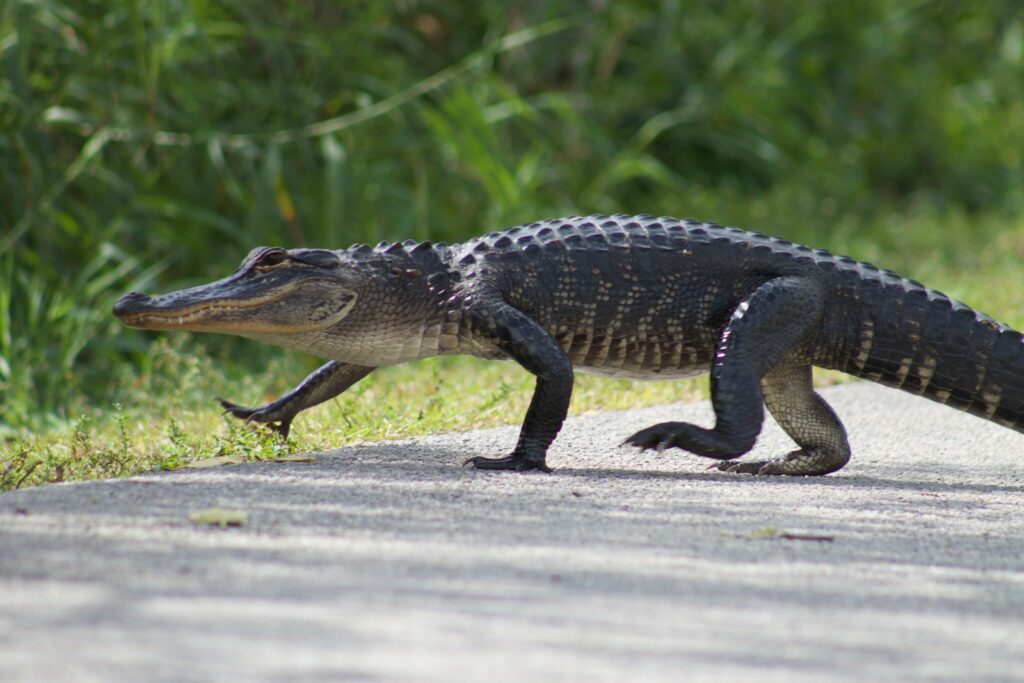
Crocodilians require extreme caution as they can move with surprising speed despite their apparently sluggish nature. When encountering alligators or crocodiles, maintain a distance of at least 30 feet (9 meters) on land and avoid waterways where they’ve been spotted. If you find yourself closer than this safe distance, back away slowly with no sudden movements that might trigger a predatory response. Never approach nesting females or young crocodilians, as females are highly protective and will attack perceived threats. Unlike with many predators, running away in a straight line may be effective with alligators on land, as they tire quickly during extended pursuits. However, never attempt to outswim these reptiles, as water is their primary domain where they have overwhelming advantages in speed and maneuverability.
Dealing with Charging Animals

When an animal charges, your response must be immediate and species-appropriate. For defensive bears (protecting cubs or food), standing your ground until the last moment before dropping to a protective position is often recommended, as many charges are bluffs intended to test your threat level. With aggressive ungulates like moose or elk, seeking barriers or escape routes is essential since their charges rarely bluff. Mountain lion charges require aggressive counter-intimidation and readiness to fight. Charging bison, which can reach speeds of 35 mph, demand immediate shelter behind substantial objects like vehicles or large trees. Understanding the difference between a bluff charge (which often includes displays like head-shaking, ground-pawing, or short rushes) and a committed attack can help you respond appropriately in the critical seconds you have to make a decision.
Wildlife in Campsite Situations

Wildlife encounters at campsites present unique challenges since animals may be habituated to human presence or attracted by food scents. If animals approach your campsite, never retreat into your tent, which offers no real protection and may actually make you more vulnerable by limiting visibility and movement options. Instead, group together with fellow campers, make noise, and use available items like pots, walking sticks, or air horns to discourage approach. Food management is critical—store all food, toiletries, and scented items in animal-proof containers placed at appropriate distances from sleeping areas according to local regulations. If persistent animals refuse to leave despite deterrence efforts, organized retreat to vehicles or designated shelter may be necessary, especially with food-conditioned bears that have lost their natural wariness of humans.
Teaching Children About Wildlife Safety

Children require special preparation for wildlife encounters as their natural behaviors—running, shrieking, or freezing in fear—can either trigger predatory responses or render them vulnerable. Teach children to recognize potentially dangerous wildlife and practice appropriate responses through role-playing scenarios in safe environments. The “huddle and hide” technique works well for younger children: if dangerous wildlife is spotted, they should quietly move to an adult, who can pick them up or position them behind adult protection. Older children should learn the specific freeze or move protocols for common local wildlife and understand never to approach, feed, or attempt to pet wild animals regardless of how docile they may appear. Regular reinforcement of these lessons before outdoor activities helps ensure children will respond appropriately rather than panicking during actual encounters.
Using Deterrents Effectively
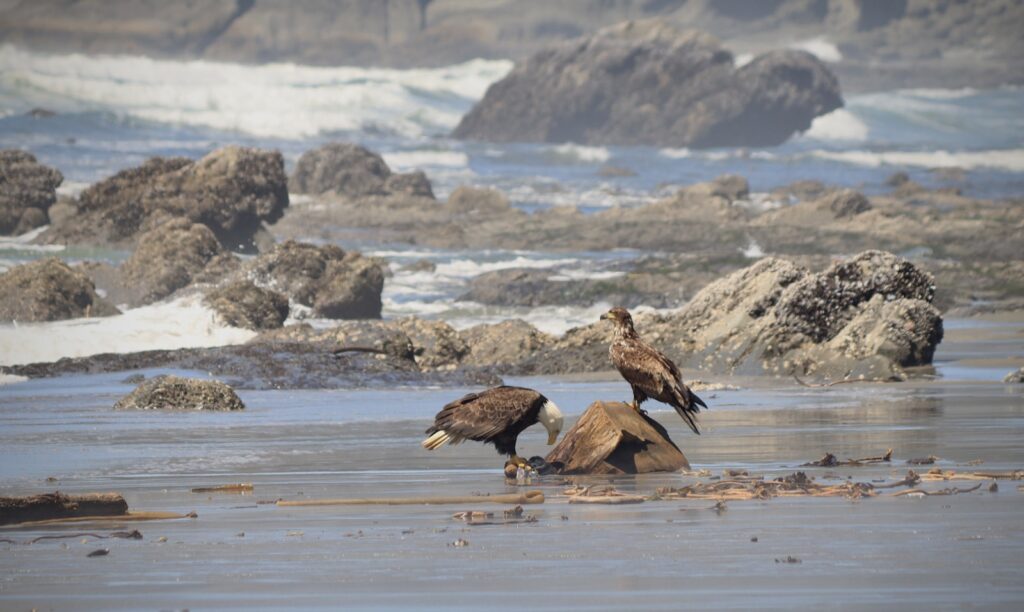
Wildlife deterrents can provide critical advantages during close encounters, but only if used properly. Bear spray, the most common and effective deterrent, should be carried in an accessible holster, not buried in a backpack where it’s useless in sudden encounters. Practice removing the safety and test-firing inert training canisters to develop muscle memory for emergency situations. The effective range for most bear sprays is 12-30 feet, making timing crucial—deploy too early and the spray dissipates; too late and the animal may be too close to deter. Noise deterrents like air horns provide distance advantages but may be ineffective with determined predators or habituated animals. Remember that deterrents are not guarantees of safety but tools that increase your odds of escaping dangerous wildlife encounters without injury to yourself or the animal.
After the Encounter: Reporting and Learning
After any significant wildlife encounter, especially those involving aggressive behavior or attacks, reporting to local wildlife authorities serves both public safety and conservation purposes. Detailed reports help wildlife managers identify potentially dangerous animals, recognize patterns of habituation, and implement appropriate management strategies before serious injuries occur. These reports also contribute valuable data to scientific understanding of wildlife behavior and human-wildlife conflict prevention. Take time to reflect on the encounter, analyzing what worked well and what you might do differently in future situations. Share your experience with others in appropriate forums, as firsthand accounts often provide insights that generic guidelines might miss. Each wildlife encounter, even frightening ones, offers valuable learning opportunities that can improve your wilderness skills and confidence.
Conclusion

Wildlife encounters remain one of the most exhilarating yet potentially dangerous aspects of outdoor recreation. The decision to freeze or move isn’t a simple binary choice but a dynamic response that evolves with each moment of the encounter. By understanding species-specific behaviors, recognizing warning signs, and practicing appropriate responses before they’re needed, you can enjoy wild spaces with greater confidence and safety. Remember that most wildlife avoids human interaction when given the choice, and with proper preparation, encounters can remain the awe-inspiring experiences they should be rather than dangerous confrontations. When in doubt, prioritize creating distance through deliberate, non-threatening movement—while respecting that we are visitors in the homes of these magnificent creatures.