
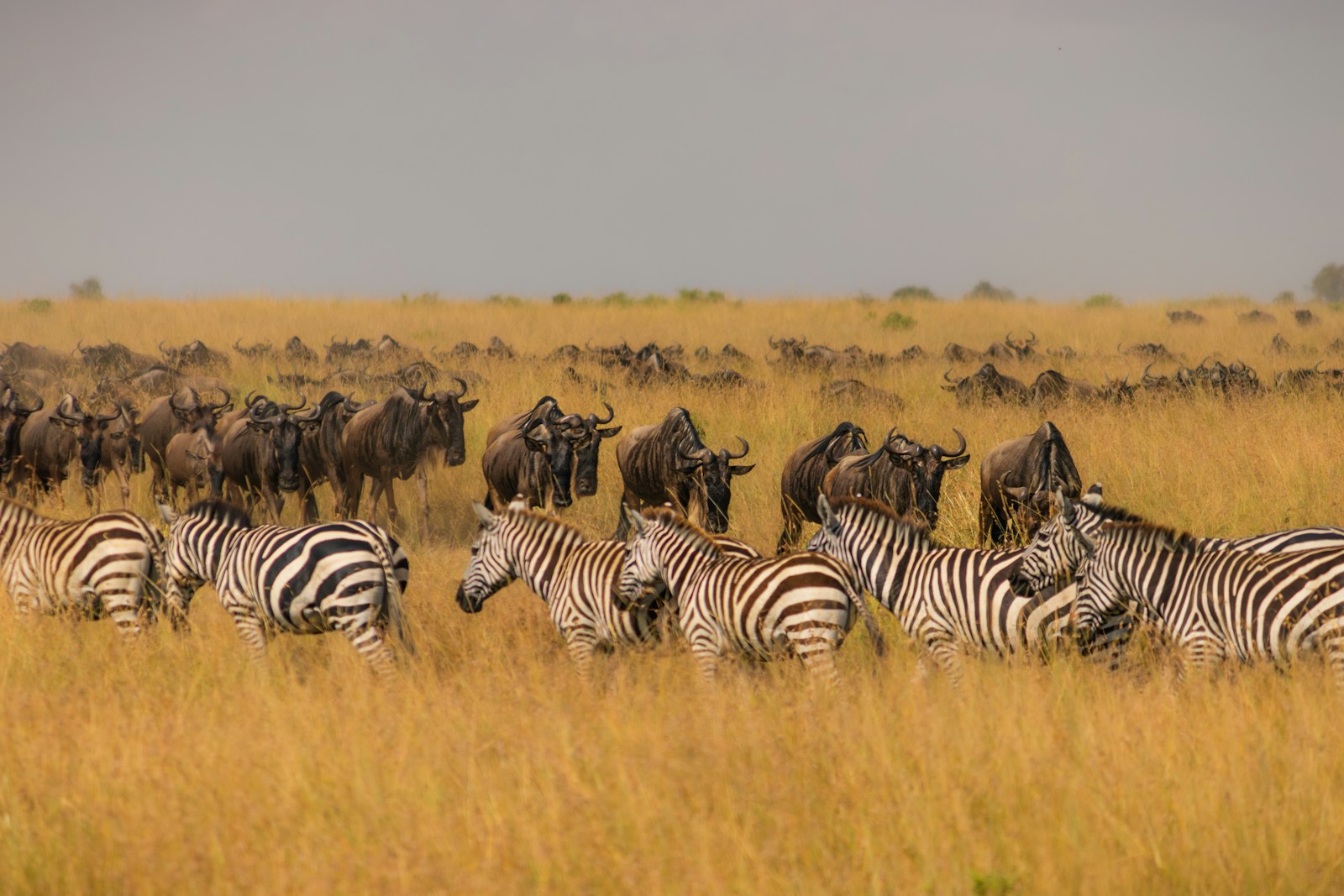
The earth pulses with remarkable journeys as millions of creatures traverse vast distances in search of food, breeding grounds, or more hospitable climates. Wildlife migrations represent nature’s grandest spectacles—awe-inspiring demonstrations of instinct, endurance, and the intricate dance of ecosystems. From thundering hooves across African plains to delicate butterfly wings fluttering across continents, these mass movements connect distant habitats and offer witnesses a profound glimpse into the rhythms that have shaped our planet for millennia. For nature enthusiasts and casual travelers alike, witnessing these epic migrations provides not just extraordinary photo opportunities but also deeper appreciation for our interconnected world. This guide explores the most spectacular wildlife migrations across the globe and the best vantage points from which to experience these unforgettable natural phenomena.
The Great Wildebeest Migration – Serengeti and Maasai Mara
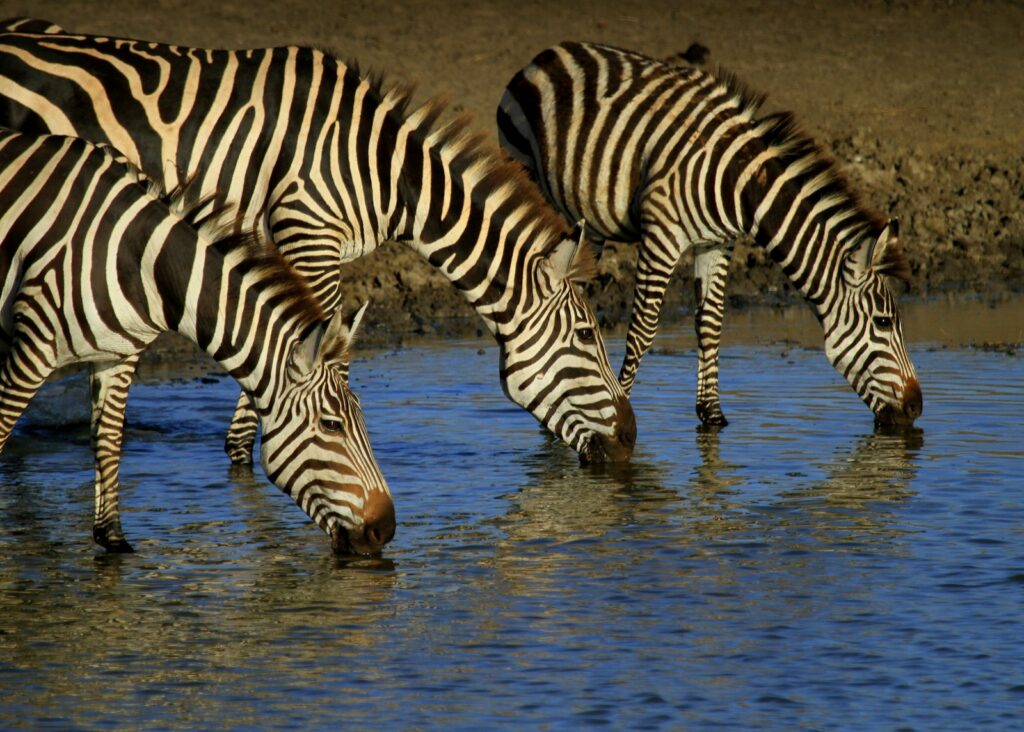
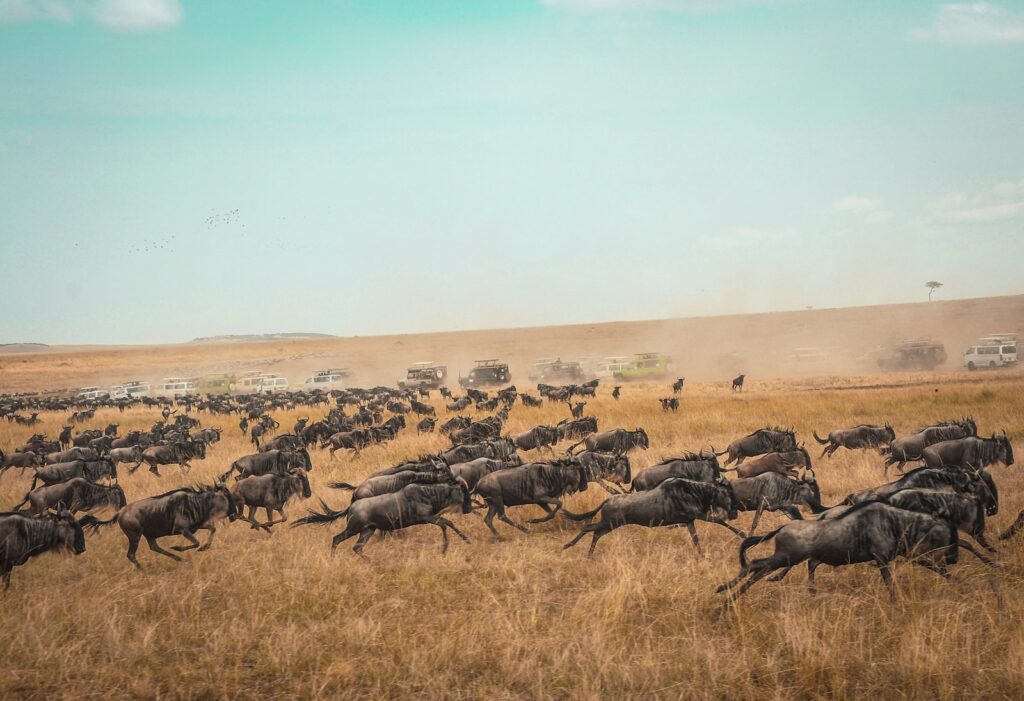
Often described as the “Greatest Show on Earth,” the annual wildebeest migration across Tanzania’s Serengeti and Kenya’s Maasai Mara represents wildlife movement at its most dramatic scale. Approximately 1.5 million wildebeest, accompanied by hundreds of thousands of zebras and gazelles, move in a clockwise circuit covering nearly 1,800 miles in search of fresh grazing and water. The most thrilling moments occur at river crossings, particularly at the Mara River between July and October, where crocodiles lie in wait and the chaotic crossing creates intense drama as the animals leap into turbulent waters. Accommodation options range from luxury lodges to mobile tented camps that follow the migration’s path, with professional guides who track the herds’ movements daily. For the optimal viewing experience, booking a multi-day safari that incorporates both aerial perspectives and ground-level observations provides the full magnitude of this spectacular event.
Monarch Butterfly Migration – Mexico
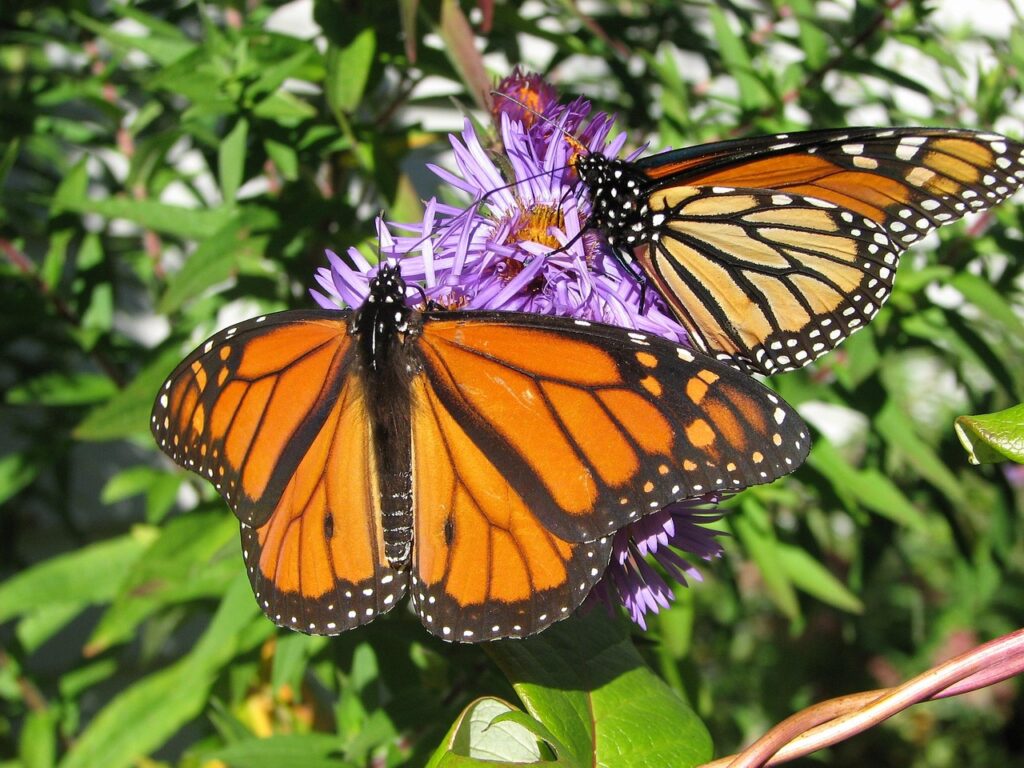
One of nature’s most delicate yet resilient migrations occurs as monarch butterflies travel up to 3,000 miles from Canada and the northern United States to central Mexico’s oyamel fir forests. The Monarch Butterfly Biosphere Reserve, a UNESCO World Heritage site spanning the states of Michoacán and México, hosts millions of these orange-winged insects from November through March. The butterflies cluster so densely on tree branches that they transform entire sections of forest into vibrant orange canopies, occasionally taking flight in shimmering clouds when warmed by the sun. The sanctuaries of El Rosario and Sierra Chincua offer accessible viewing via guided tours, with February typically providing the most spectacular displays as the butterflies become more active. This remarkable journey becomes even more astonishing considering it takes multiple generations to complete the round trip, with no individual butterfly ever having made the journey before.
Red Crab Migration – Christmas Island

Australia’s Christmas Island transforms into a moving red carpet each year when approximately 50 million red crabs embark on their breeding migration from the forest to the ocean. This extraordinary event, typically occurring during the wet season between October and December, begins with the first rainfall and is synchronized with lunar cycles. The island becomes awash with crimson as the crabs move relentlessly toward the coast, crossing roads, climbing cliffs, and navigating through specially constructed crab bridges and tunnels built to protect them. The pinnacle of this spectacle comes when the female crabs release their eggs into the sea precisely during a pre-dawn high tide in the last quarter of the moon. The Dales and Ethel Beach provide excellent viewing opportunities, while boardwalks in the national park allow visitors to observe the migration without disturbing the crabs’ path. Christmas Island National Park rangers provide daily migration updates during the season, helping visitors maximize their chances of witnessing this remarkable phenomenon.
Arctic Tern Migration – Global

The Arctic tern holds the record for the longest migration of any animal, traveling approximately 44,000 miles annually between the Arctic and Antarctic. These remarkable birds literally chase summer, enjoying more daylight hours than any other creature on the planet as they make their pole-to-pole journey each year. Iceland’s coastal areas, particularly the Snæfellsnes Peninsula and Jökulsárlón glacier lagoon, offer excellent viewing opportunities from May to August when approximately two million terns gather to breed. The Farne Islands off England’s Northumberland coast provide another prime viewing location, where visitors can observe large breeding colonies between May and July, though protective headgear is recommended as the birds vigorously defend their nests. In southern locations like South Africa’s Cape of Good Hope, Antarctica’s Ross Sea, or Australia’s coastal regions, these incredible birds can be spotted during their non-breeding season from November through February, having completed the equivalent of circling the Earth twice in a single year.
Caribou Migration – Alaska and Canada
North America’s largest terrestrial migration features hundreds of thousands of caribou traveling across the Arctic tundra in one of the continent’s most remarkable wildlife spectacles. The Western Arctic Herd in Alaska and the Porcupine Caribou Herd that crosses between Alaska, Yukon, and Northwest Territories move in response to seasonal changes, traversing hundreds of miles between winter grounds and summer calving areas. Alaska’s Gates of the Arctic National Park and Canada’s Ivvavik National Park offer remote but rewarding viewing opportunities during the peak migration periods between May and June. For a more accessible experience, guided tours from Fairbanks or Whitehorse can bring visitors to strategic viewing locations where the thundering herds pass through mountain passes or cross rivers. The spectacle is particularly poignant considering the increasing challenges these migrations face from climate change, resource development, and altered landscape conditions. Witnessing this migration connects observers to both ancient natural rhythms and present-day conservation concerns in the rapidly changing Arctic.
Straw-Colored Fruit Bat Migration – Zambia
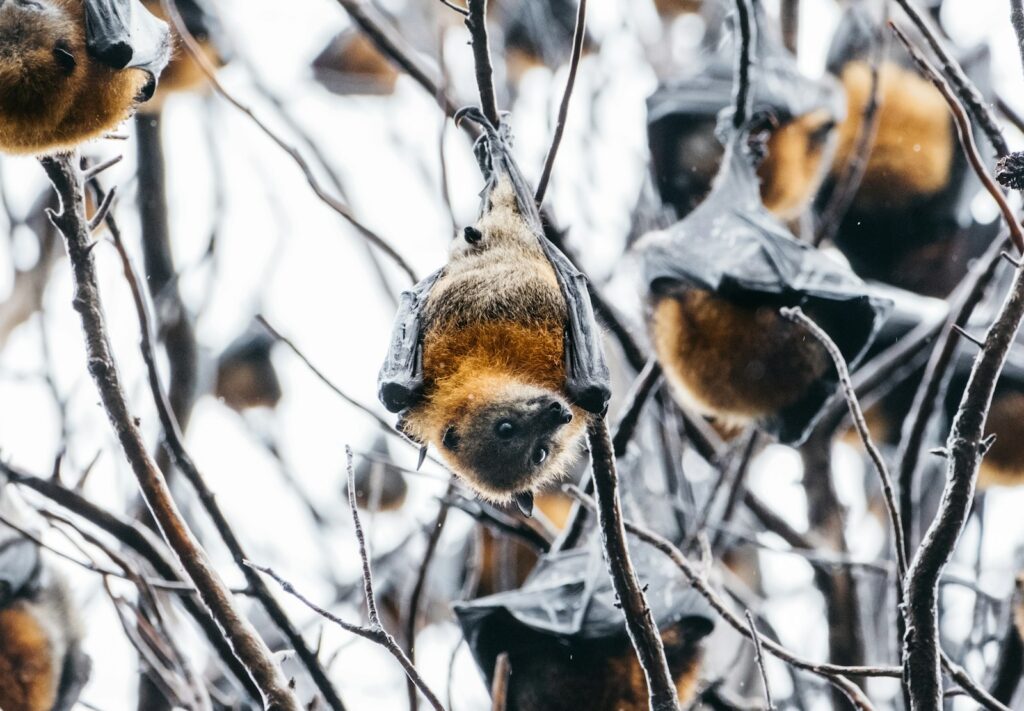
Kasanka National Park in Zambia hosts what may be the world’s largest mammal migration by biomass when approximately 10 million straw-colored fruit bats descend upon a small patch of swamp forest each year. From late October through December, these bats converge from across Central Africa to feast on the abundant fruit that ripens during this period. The evening exodus from their daytime roosts creates a spectacular darkening of the sky that continues for nearly an hour as the bats depart to forage, while their return at dawn offers another breathtaking display as millions of wings flutter against the morning light. Dedicated viewing hides and platforms constructed throughout the park provide perfect vantage points for witnessing this phenomenon, with guided tours available at both sunset and sunrise. Beyond the sheer spectacle, this migration plays a crucial ecological role in seed dispersal across vast regions of Africa, making it both visually impressive and environmentally significant.
Sandhill Crane Migration – Nebraska
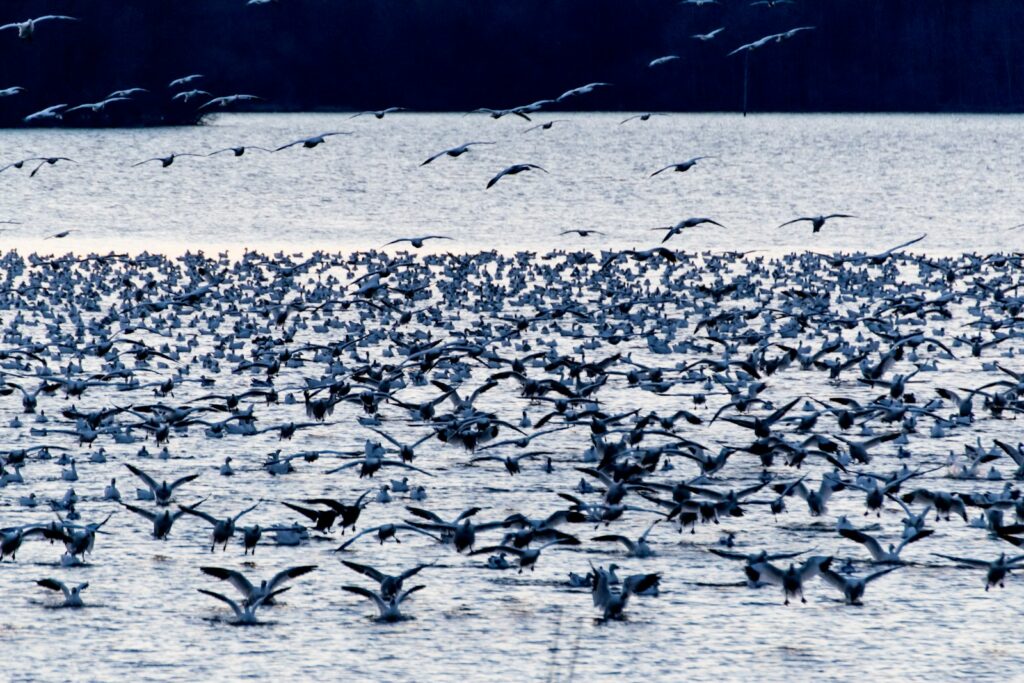
The central Platte River valley in Nebraska transforms into a critical stopover for approximately 600,000 sandhill cranes each spring, representing 80% of the world’s population of these ancient birds. From late February through early April, the normally quiet landscape becomes a cacophony of distinctive rattling calls as these elegant gray birds gather to rest and refuel during their northward journey to breeding grounds. The Rowe Sanctuary and the Crane Trust Nature & Visitor Center offer guided blind tours at dawn and dusk when the cranes leave their river roosts for feeding in surrounding fields or return for the evening. The evening return to the river creates a particularly mesmerizing display as thousands of birds descend in waves, filling the air with their prehistoric calls. For photography enthusiasts, the juxtaposition of thousands of gray birds against Nebraska’s golden evening light or morning mist creates opportunities for spectacular images that capture both individual grace and collective movement.
Sardine Run – South Africa
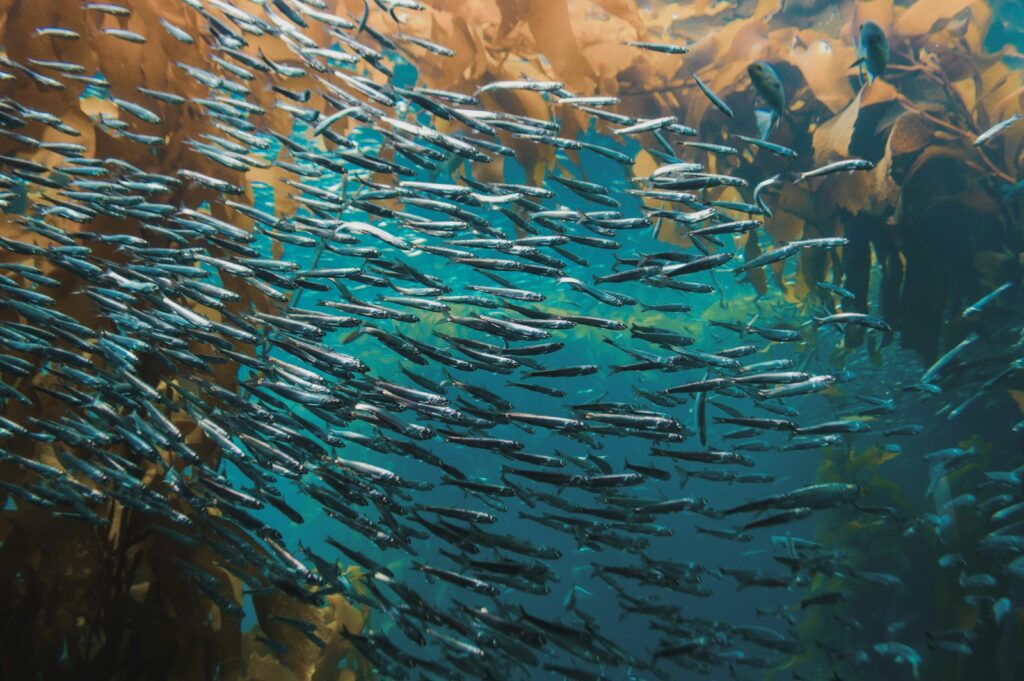
South Africa’s eastern coast hosts what marine biologists describe as the planet’s greatest biomass migration in its coastal waters when billions of sardines move northward along the coast between May and July. This massive movement of fish triggers a feeding frenzy that attracts thousands of predators—dolphins, sharks, whales, seals, and seabirds—creating a multi-layered spectacle of marine hunting behavior. The sardines form defensive bait balls that can span up to 20 meters in diameter, creating silver spheres that predators attack from all directions. The coastal towns of Port St. Johns, Coffee Bay, and Mbotyi offer excellent land-based viewing points, while boat tours and diving expeditions provide more immersive experiences for those wanting to witness the action underwater. The exact timing varies annually based on water temperature and currents, making this migration somewhat unpredictable but rewarding for those fortunate enough to time their visit correctly.
Humpback Whale Migration – Australia
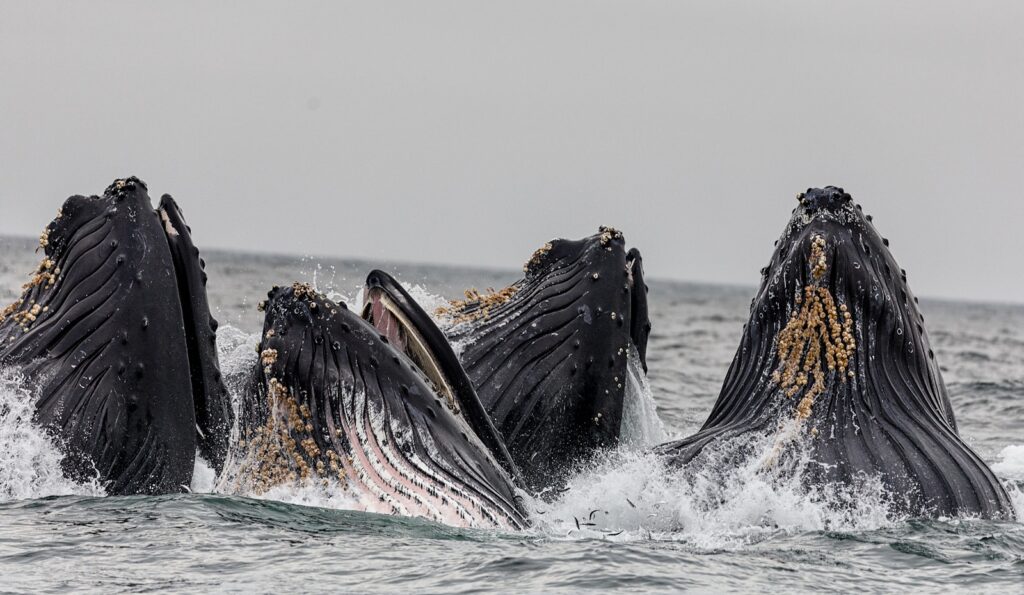
Australia’s eastern coastline serves as the highway for approximately 35,000 humpback whales making their annual 5,000-kilometer journey between Antarctic feeding grounds and tropical breeding waters. From May through November, these magnificent marine mammals travel northward to calve in the warm waters of the Great Barrier Reef before returning southward with their young. Hervey Bay in Queensland has earned its reputation as the world’s premier whale-watching destination, particularly in August and September when mother-calf pairs spend extended periods in its sheltered waters. The headlands of Sydney, Byron Bay, and the Gold Coast offer excellent land-based viewing opportunities, while specialized whale-watching tours operate from numerous coastal towns throughout the migration season. The frequency of breaching, tail slapping, and other surface behaviors makes this migration particularly spectacular for observers, providing opportunities to witness these enormous creatures demonstrating surprising agility and apparent playfulness despite their 40-ton size.
Bat Emergence – Texas
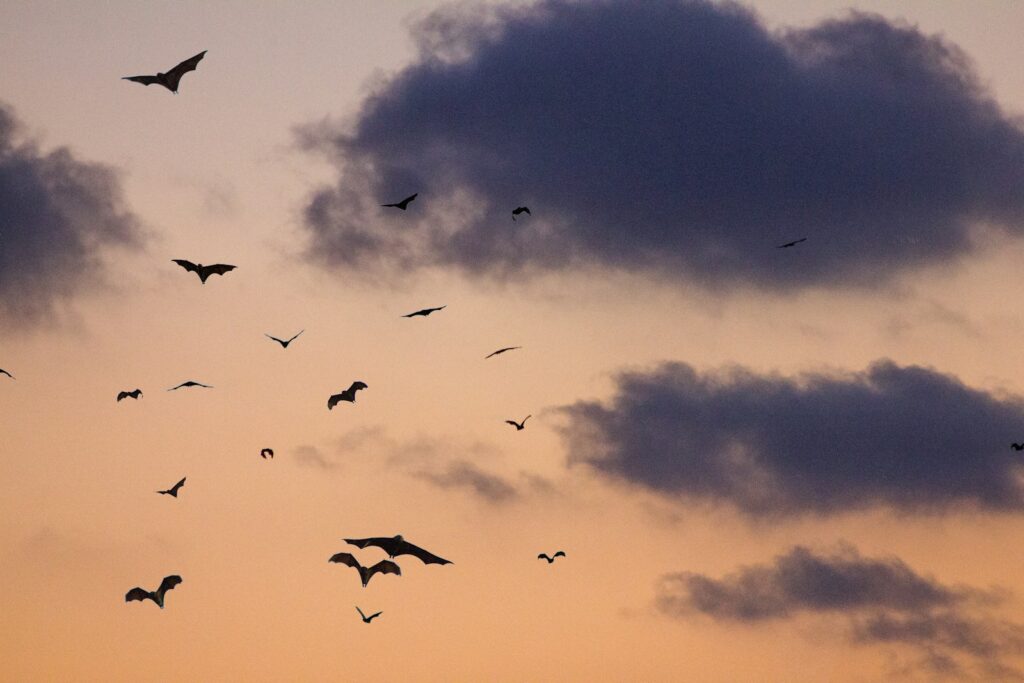
While not a long-distance migration, the nightly emergence of Mexican free-tailed bats from Bracken Cave near San Antonio represents one of North America’s most concentrated wildlife movements. From March through October, approximately 20 million bats spiral out of the cave entrance each evening in a vortex so dense it appears as a living tornado against the twilight sky. The Bracken Cave Preserve, managed by Bat Conservation International, offers limited guided viewing opportunities that must be reserved well in advance due to high demand. For more accessible viewing, Congress Avenue Bridge in downtown Austin hosts about 1.5 million bats that emerge nightly during the same season, creating an urban wildlife spectacle as they stream out from beneath the bridge. The precision of their emergence, typically beginning exactly at sunset, creates a predictable yet always astonishing display that continues for nearly three hours as the column of bats stretches for miles into the distance, consuming approximately 20 tons of insects during their nightly foraging.
Snow Geese Migration – California and Mid-Atlantic
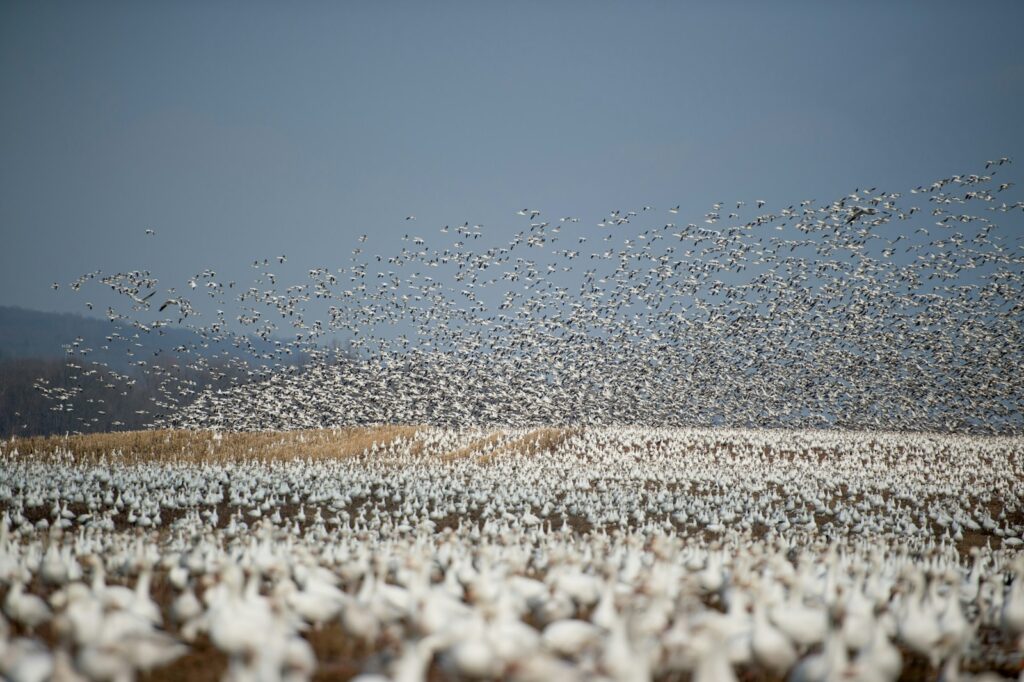
The snow goose migration creates some of North America’s most visually dramatic wildlife concentrations when millions of these white birds gather during their bi-annual journeys between Arctic breeding grounds and southern wintering areas. California’s Sacramento Valley transforms between November and February as approximately three million snow geese and other waterfowl descend upon its wetlands and flooded rice fields. The Sacramento National Wildlife Refuge Complex offers driving tours and observation platforms where visitors can witness massive flocks that literally blanket the landscape in white before erupting in spectacular mass takeoffs that fill the sky from horizon to horizon. On the East Coast, Middle Creek Wildlife Management Area in Pennsylvania and Bombay Hook National Wildlife Refuge in Delaware host impressive concentrations during February and March as the geese move northward. The contrast of brilliant white birds against blue skies or golden marshes creates memorable visual displays, while the constant honking creates an auditory experience equally impressive in its intensity.
Flamingo Migration – Kenya
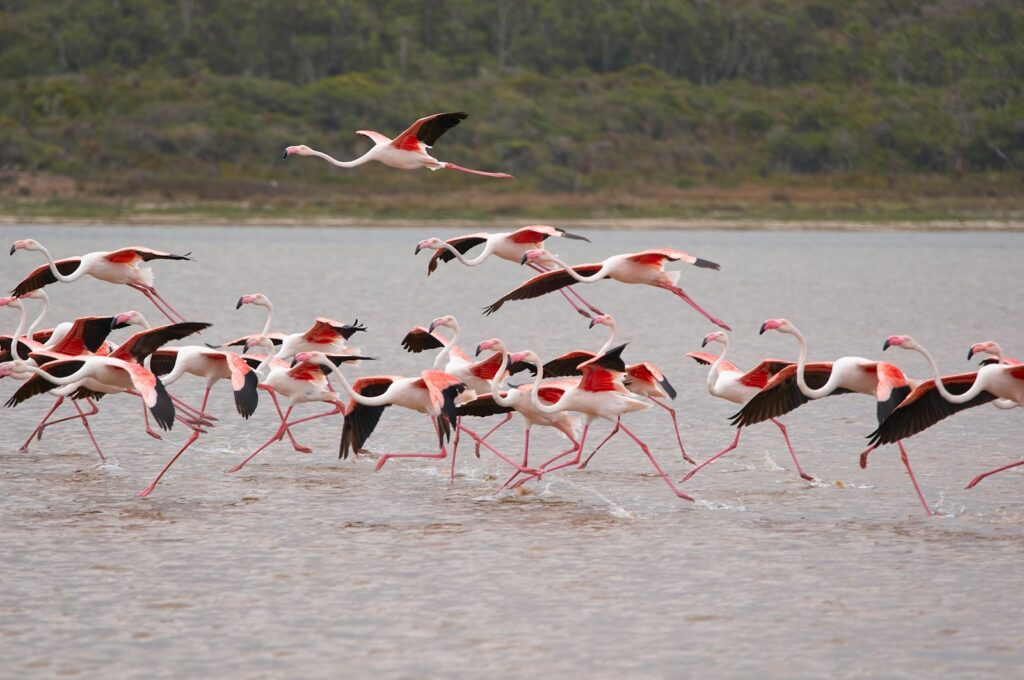
Lake Nakuru and Lake Bogoria in Kenya’s Rift Valley periodically host one of the world’s most visually striking wildlife concentrations when millions of lesser flamingos gather to feed on the lakes’ abundant blue-green algae. These shallow, alkaline lakes become rimmed with pink as the birds congregate in dense formations that can stretch for kilometers along the shoreline. The spectacle varies unpredictably throughout the year based on algal blooms, water levels, and conditions at other lakes within the flamingos’ circuit, which makes timing a visit somewhat challenging but potentially extraordinarily rewarding. Lake Nakuru National Park provides excellent infrastructure for viewing, including elevated viewpoints that showcase the scale of the gathering, while Lake Bogoria offers a more remote experience with natural hot springs adding to the dramatic landscape. When conditions align perfectly, the density of birds creates the illusion of a solid pink carpet covering large portions of the lake, with coordinated movements sending waves of color rippling across the surface as the birds respond to subtle disturbances or feeding opportunities.
Planning Your Wildlife Migration Experience

Witnessing wildlife migrations requires careful planning that balances predictability with nature’s inherent variability. Working with specialized tour operators who track animal movements can significantly increase your chances of optimal timing, particularly for migrations with shifting patterns or multiple potential viewing locations. Conservation-focused organizations often provide migration forecasts and updates that can guide last-minute adjustments to itineraries, helping maximize viewing opportunities. Proper equipment also enhances the experience—quality binoculars are essential for most migrations, while telephoto camera lenses capture memorable images without disturbing wildlife. For many migrations, patience proves as important as positioning, as the most spectacular moments often occur unpredictably within longer viewing periods. Perhaps most importantly, responsible viewing practices that prioritize animal welfare—maintaining appropriate distances, following guide instructions, and respecting habitat needs—ensure these magnificent natural phenomena continue for generations to come.
Wildlife migrations represent our planet’s most compelling reminders of nature’s power, resilience, and interconnectedness. Whether watching millions of wildebeest thunder across African plains, monarch butterflies transforming Mexican forests into orange canopies, or humpback whales breaching along coastlines, these mass movements connect us to biological rhythms that long predate human civilization. Each migration tells a story of adaptation, instinct, and the intricate balance that sustains life across continents and oceans. As climate change and habitat loss increasingly threaten these ancient patterns, witnessing these spectacles becomes both a privilege and a call to conservation action. The memories created—of sound, movement, and sheer natural abundance—remain among travel’s most profound experiences, reminding us of our place within the magnificent, ever-moving tapestry of life on Earth.