

In the murky waters and dense vegetation of protected swamp reserves across the southeastern United States, American alligators reign as apex predators and ecosystem engineers. These ancient reptiles, having survived for over 150 million years with minimal evolutionary changes, find ideal sanctuary in these designated protected areas. Swamp reserves offer a delicate balance of environmental conditions, limited human interference, and ecological connections that allow alligators to not just survive but thrive. Their success in these habitats represents one of conservation’s great achievements, bringing these magnificent creatures back from the brink of extinction in the mid-20th century to stable, healthy populations today. Understanding why alligators flourish in protected swamp reserves reveals much about effective wildlife management, ecosystem health, and the intricate relationships between species and their environments.
The Perfect Habitat: Swamp Ecosystems and Alligator Adaptations
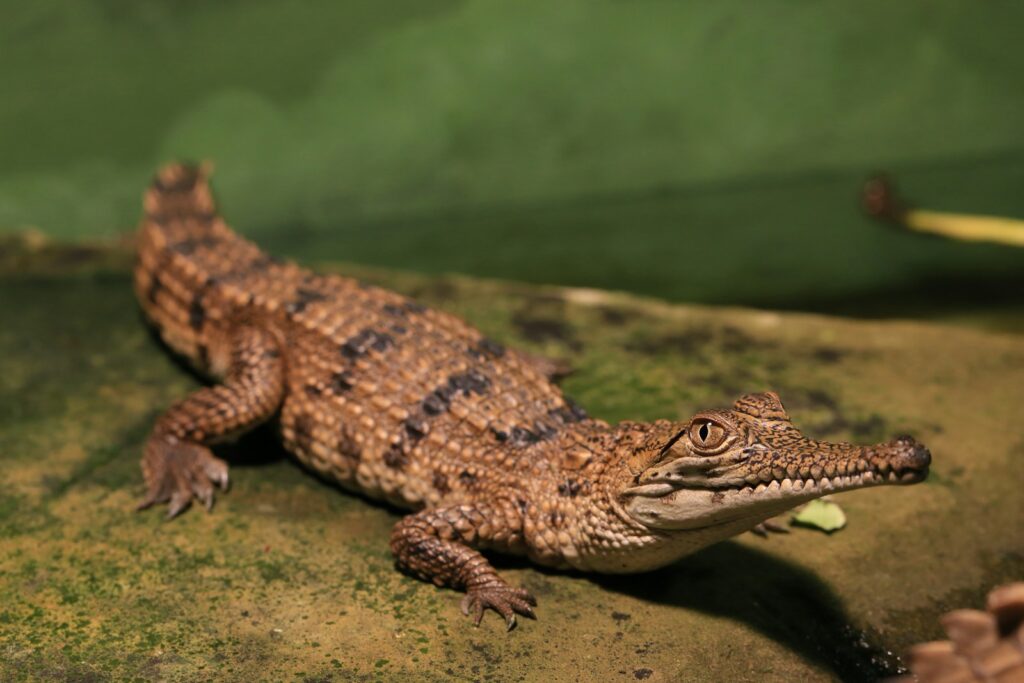
Protected swamp reserves provide alligators with the precise combination of environmental conditions they’ve evolved to exploit over millions of years. These reptiles thrive in freshwater wetlands with abundant shallow water, dense vegetation, and stable temperatures—all hallmarks of southern swamps from the Everglades to East Texas. Alligators’ physical adaptations, including powerful tails for swimming, elevated eyes and nostrils for surface breathing while remaining concealed, and pressure-sensitive receptors on their jaws for detecting prey movements in murky water, are perfectly suited to swamp environments. Their ability to regulate body temperature through behavioral thermoregulation—basking in sun or retreating to cool water—is ideally accommodated in swamps where both sunny banks and shaded waters are readily available. Additionally, the soft substrate of swamp bottoms allows female alligators to construct their characteristic mound nests using vegetation and mud, creating the perfect incubation chambers for their eggs.
Abundant Food Sources Within Protected Reserves
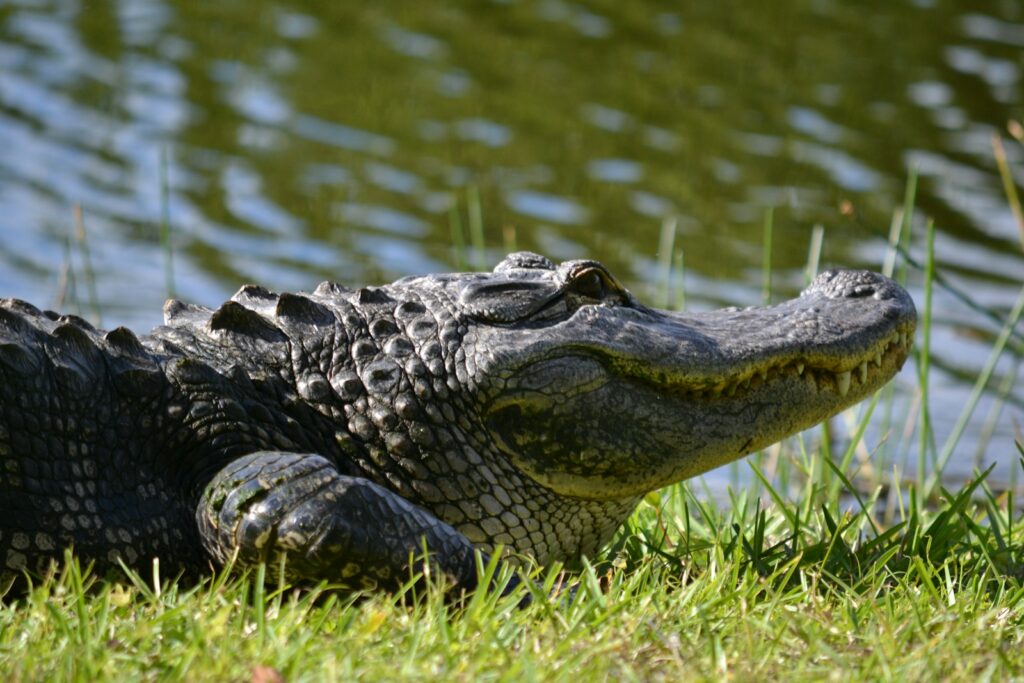
Protected swamp reserves support rich biodiversity that provides alligators with a diverse and plentiful diet throughout their lives. Young alligators feed primarily on insects, small fish, frogs, and crustaceans—all abundant in healthy swamp ecosystems. As they grow, their diet expands to include larger fish, turtles, birds, and mammals that come to the water’s edge to drink. The protection of these reserves ensures that prey populations remain stable, as hunting, fishing, and development pressures are strictly limited. Seasonal fluctuations in water levels within many swamp habitats concentrate prey at certain times of year, creating feeding opportunities that alligators have evolved to exploit. The interconnected food webs within protected swamps remain intact, allowing natural predator-prey relationships to function without human disruption, which is crucial for alligators that sit at the top of these aquatic food chains.
Reduced Human Interference and Conflict
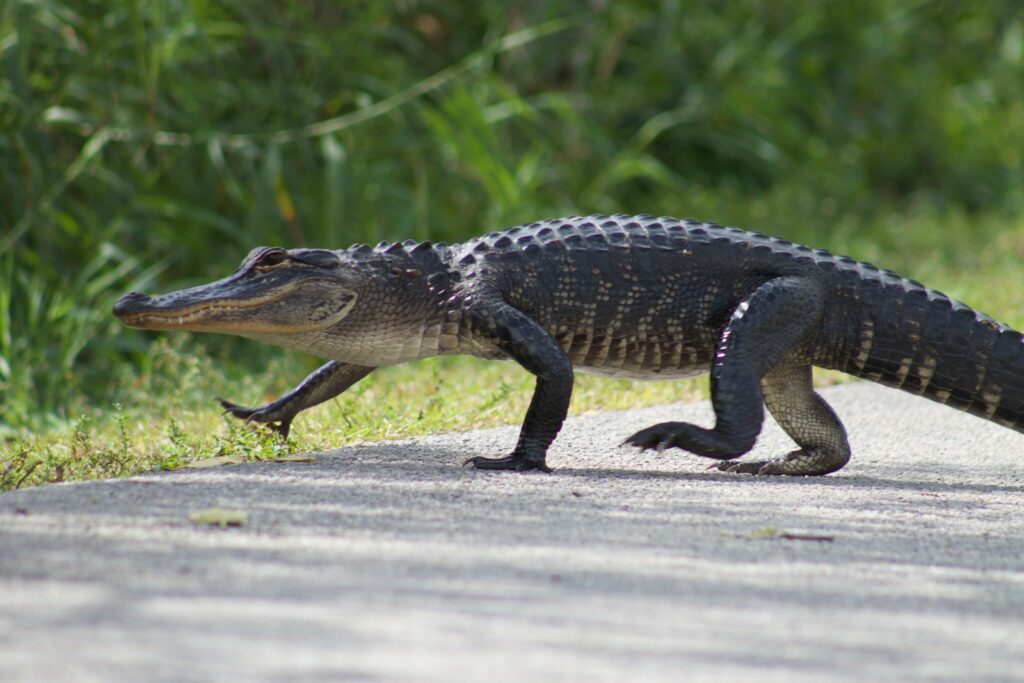
One of the most significant benefits protected swamp reserves provide alligators is substantially reduced human interference compared to unprotected areas. Regulated access in these reserves means fewer encounters between humans and alligators, drastically reducing conflicts that often end tragically for the reptiles. Many reserves prohibit activities like alligator feeding that can create dangerous habituation to humans, preserving natural wariness that benefits both species. Strict enforcement of anti-poaching laws within reserves protects alligators from illegal hunting for their valuable hides and meat, a practice that devastated populations before protective legislation. Additionally, the buffer zones that typically surround protected areas create transition spaces between fully wild habitat and developed areas, further insulating alligator populations from direct human impacts and allowing them to behave naturally without constant disturbance.
Ecosystem Engineers: Alligator Holes and Habitat Modification
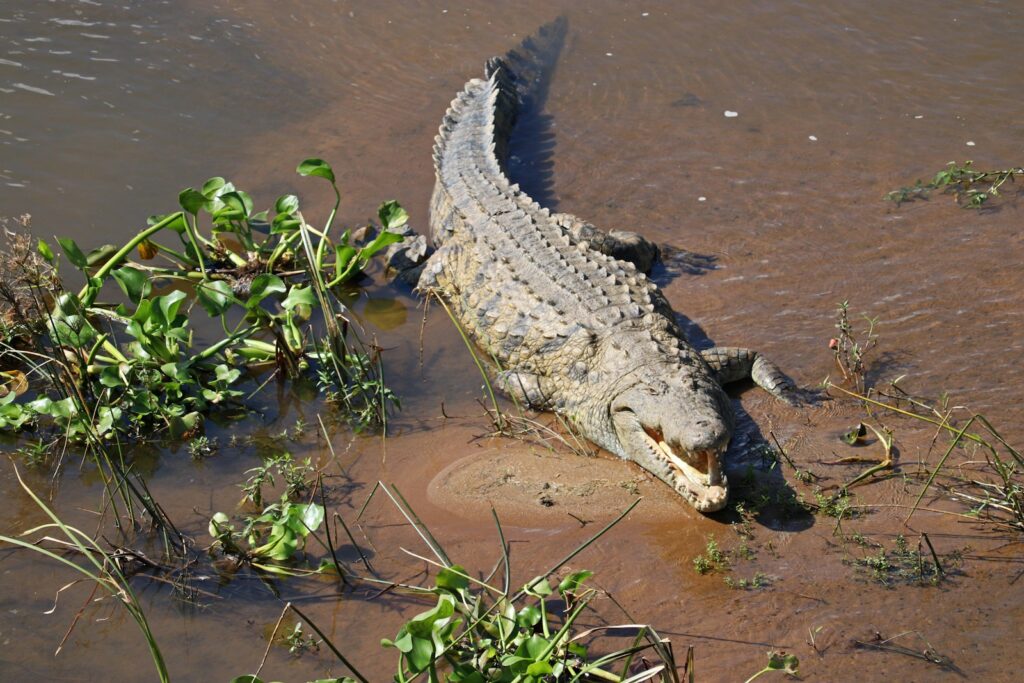
Alligators earn their classification as “ecosystem engineers” through their creation of alligator holes, depressions that collect water during dry periods and become critical microhabitats for countless other species. In protected swamp reserves, alligators are free to engage in this natural behavior without human interference, digging and maintaining these holes that serve as refuges during droughts. These alligator-created features increase habitat heterogeneity within swamps, providing deep-water habitat when surrounding areas may dry completely, benefiting fish, amphibians, and other water-dependent organisms. During extended dry periods, alligator holes often become the only remaining aquatic habitat in certain areas, concentrating biodiversity and actually helping to sustain populations of the alligator’s own prey. Research has documented over 200 species of plants and animals using alligator holes during dry seasons, highlighting how the presence of healthy alligator populations enhances overall ecosystem resilience to environmental fluctuations.
Water Quality and Hydrological Protection
Protected swamp reserves maintain water quality standards that support alligator health and reproduction far better than unprotected wetlands exposed to pollutants. Alligators are surprisingly sensitive to water quality issues, with studies showing that chemical contaminants can affect their reproductive success and immune function. The preservation of natural hydrological regimes within protected areas—including seasonal flooding cycles and water level fluctuations—creates the dynamic conditions alligators have evolved with over millennia. Many reserves actively manage water control structures to mimic natural flow patterns when complete restoration isn’t possible, ensuring alligators experience appropriate seasonal cues for behaviors like breeding and nesting. Additionally, the filtering function of intact swamp vegetation removes many potential contaminants before they can enter the water system, further protecting the health of resident alligator populations and their prey.
Nesting Success and Reproductive Security

Female alligators require specific conditions for successful reproduction, and protected swamp reserves provide ideal nesting environments secure from human disturbance. The availability of elevated, stable areas adjacent to water for nest construction is crucial, as females build vegetation mounds where eggs incubate through decomposition heat. Protection from recreational activities and development ensures nesting females aren’t disturbed during the critical egg-laying period, when disturbance might cause nest abandonment. Managed reserves often include monitoring programs that identify and protect nesting sites, sometimes even providing additional protection from natural predators like raccoons during particularly vulnerable periods. Perhaps most importantly, the temperature stability of these protected wetlands helps maintain appropriate incubation temperatures, which is crucial since sex determination in alligators is temperature-dependent—warmer nests produce more males, cooler nests more females—making undisturbed natural conditions essential for maintaining balanced population demographics.
Genetic Diversity and Population Health

Protected swamp reserves are large enough to support genetically diverse alligator populations, a key factor in their long-term resilience and adaptability. The substantial territories that adult alligators require—particularly breeding males—can be accommodated within these expansive protected areas, allowing natural mating behaviors and selection to occur. The connectivity between water bodies within large reserves permits necessary gene flow between semi-isolated groups of alligators, preventing the negative effects of inbreeding that can occur in fragmented habitats. Long-term studies in places like Florida’s Everglades demonstrate that protected populations maintain higher genetic diversity than those in more developed areas with limited habitat connectivity. This genetic health translates directly to population vigor, with alligators in well-protected reserves showing better growth rates, higher reproductive success, and greater resistance to environmental stressors than their counterparts in marginal or fragmented habitats.
Regulated Hunting and Sustainable Management
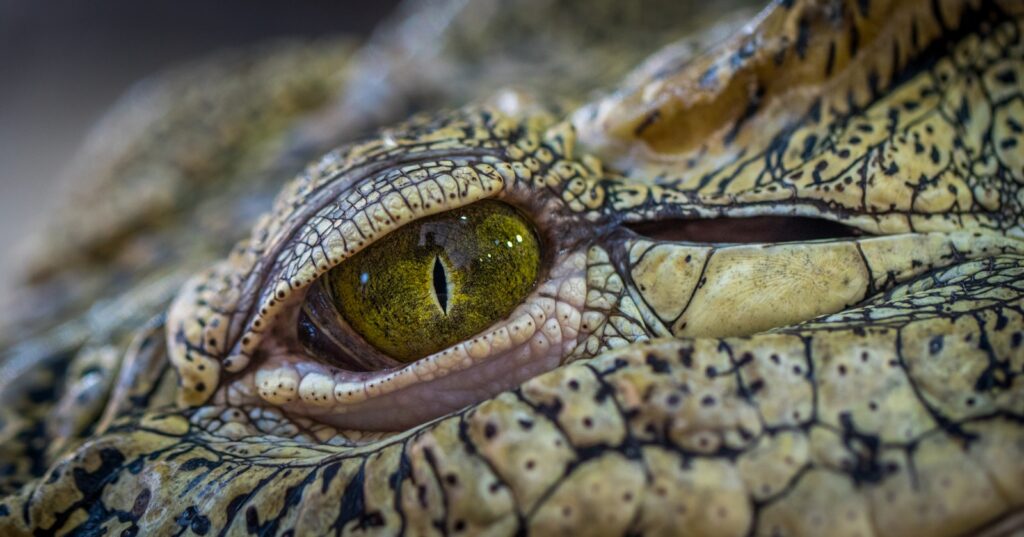
Counter-intuitively, carefully regulated hunting programs within some protected reserves actually contribute to alligator conservation success rather than hindering it. These science-based management approaches ensure that only sustainable harvest levels occur, typically focusing on specific size classes to minimize impact on breeding populations. Revenue generated from controlled hunting permits often goes directly back into conservation efforts, funding habitat improvements, research, and monitoring programs that benefit the overall alligator population. The economic value created through these regulated programs helps maintain political and public support for continued protection of swamp habitats that might otherwise face development pressure. Additionally, scientific collection of data from harvested alligators provides valuable information on population health, growth rates, and environmental contaminant levels that informs adaptive management strategies, creating a virtuous cycle where limited hunting actually strengthens conservation outcomes.
Climate Change Resilience and Adaptation
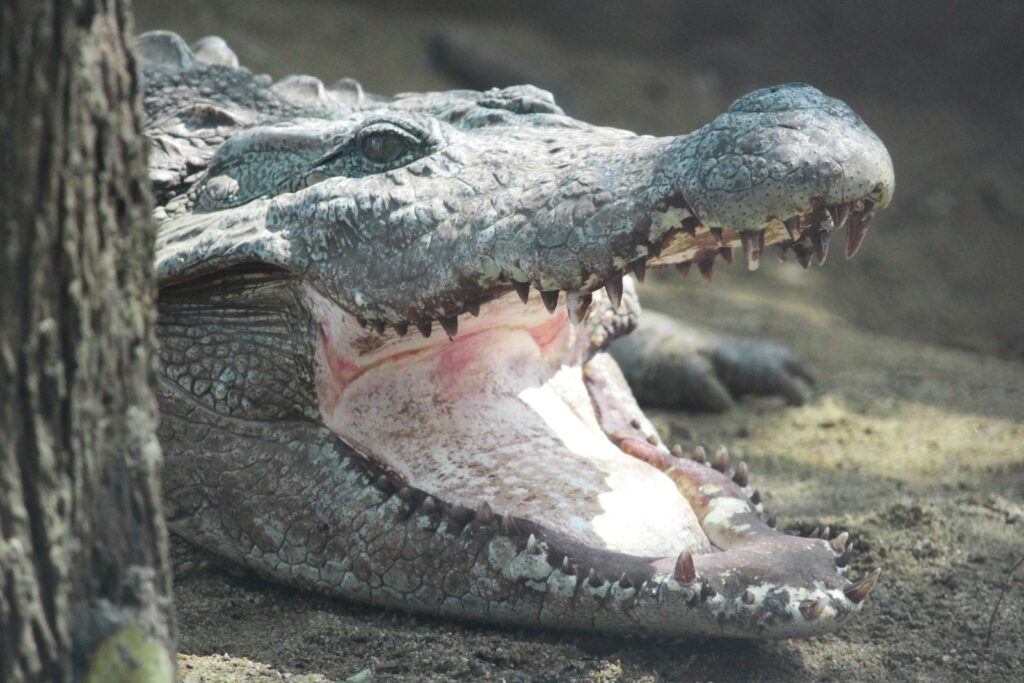
Protected swamp reserves provide alligators with their best chance to adapt to changing climate conditions through preservation of diverse microhabitats and migration corridors. The varied topography within many reserves creates a range of elevation and water depth options, allowing alligators to adjust their habitat use as conditions change. The intact vegetation of protected swamps moderates temperature extremes, buffering alligators somewhat from the increasing frequency of heat waves and sudden cold snaps that can be fatal to these ectothermic reptiles. Connectivity between protected areas allows for potential range shifts in response to changing conditions, particularly important as warming trends push suitable habitat northward for many species. Research suggests that alligators in intact, protected wetlands show greater behavioral plasticity—the ability to adjust behaviors in response to environmental changes—than those in more constrained, fragmented habitats, indicating better adaptive capacity to face future climate challenges.
Research Opportunities and Scientific Knowledge
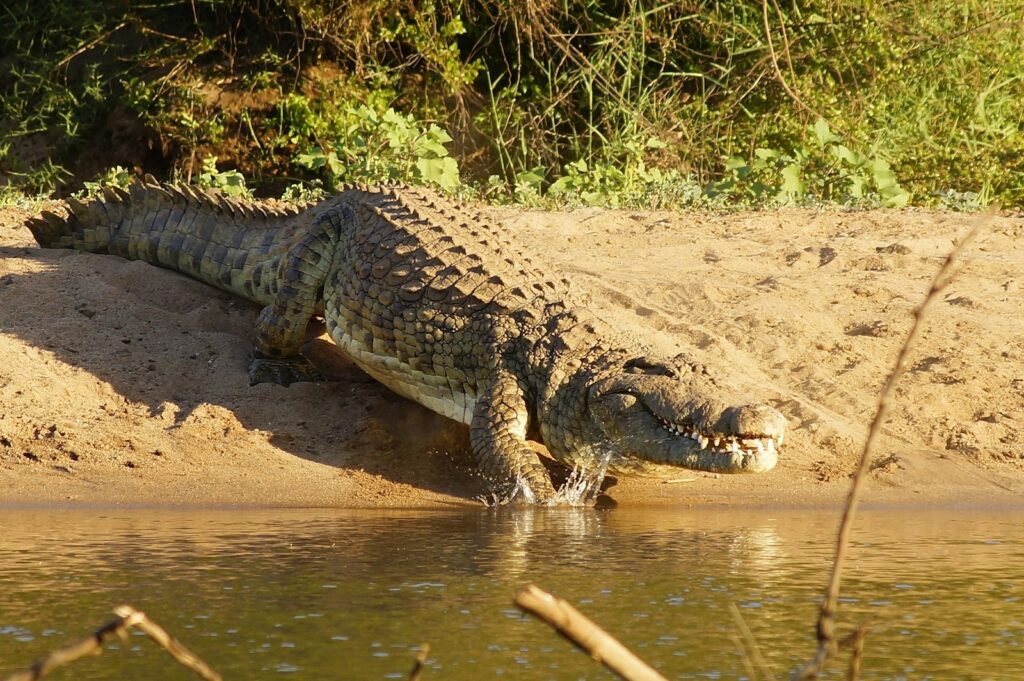
Protected swamp reserves serve as living laboratories where researchers can study alligator behavior, ecology, and physiology in natural settings, generating knowledge that further improves conservation strategies. Long-term monitoring programs in places like Louisiana’s Rockefeller Wildlife Refuge and Florida’s Everglades National Park have yielded decades of data on alligator population dynamics, helping managers understand normal fluctuations versus concerning declines. The opportunity to observe undisturbed natural behaviors provides insights into complex aspects of alligator ecology that would be impossible to study in captivity or disturbed habitats, such as courtship, territorial defense, and maternal care behaviors. Scientific research conducted in these protected areas has revealed alligators’ surprising ecological roles, including their function as keystone species whose presence increases overall biodiversity. Additionally, discoveries about alligators’ remarkable immune systems and wound healing capabilities, made possible through research in protected populations, have potential applications in human medicine, creating broader societal benefits from alligator conservation.
Conservation Success Stories and Population Recovery
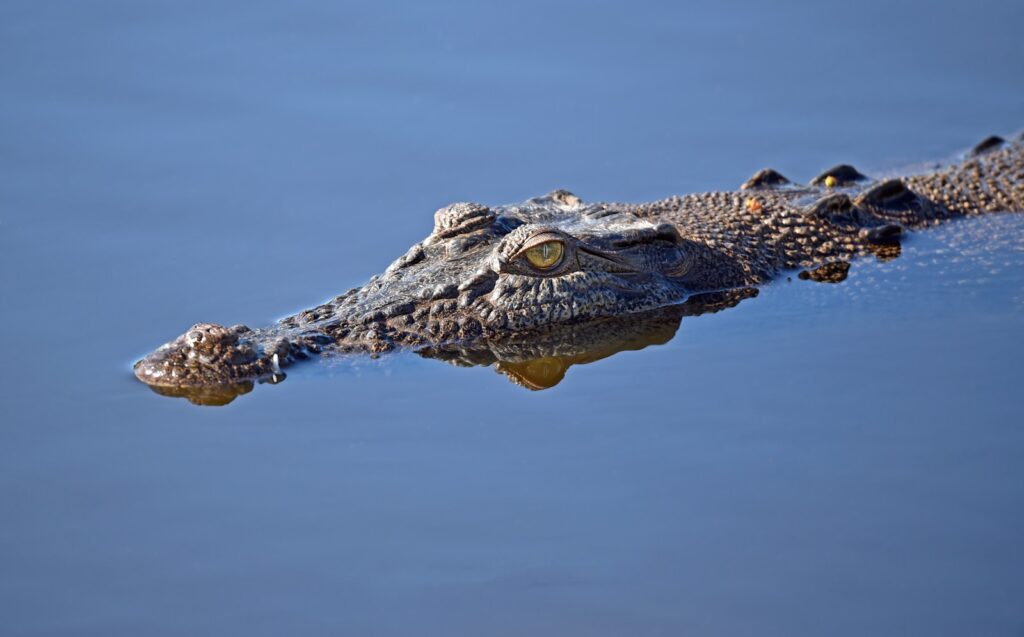
The American alligator represents one of wildlife conservation’s greatest success stories, with protected swamp reserves playing the central role in their recovery from near-extinction. By the 1960s, alligator populations had plummeted due to unregulated hunting and habitat loss, prompting their listing as an endangered species in 1967. The establishment and enforcement of protected areas throughout their range provided safe havens where populations could slowly rebuild under careful management. States like Florida, Louisiana, and Texas created extensive networks of wildlife refuges and management areas specifically designed to protect critical alligator habitat, resulting in remarkable population rebounds. Today, estimated alligator numbers exceed 5 million across their range, allowing for their reclassification from endangered to threatened status due to similarity of appearance to the still-endangered American crocodile. This recovery demonstrates how effective protection of critical habitat, combined with appropriate legal protections and management, can reverse even severe population declines for long-lived species with relatively slow reproductive rates.
Tourism and Educational Value
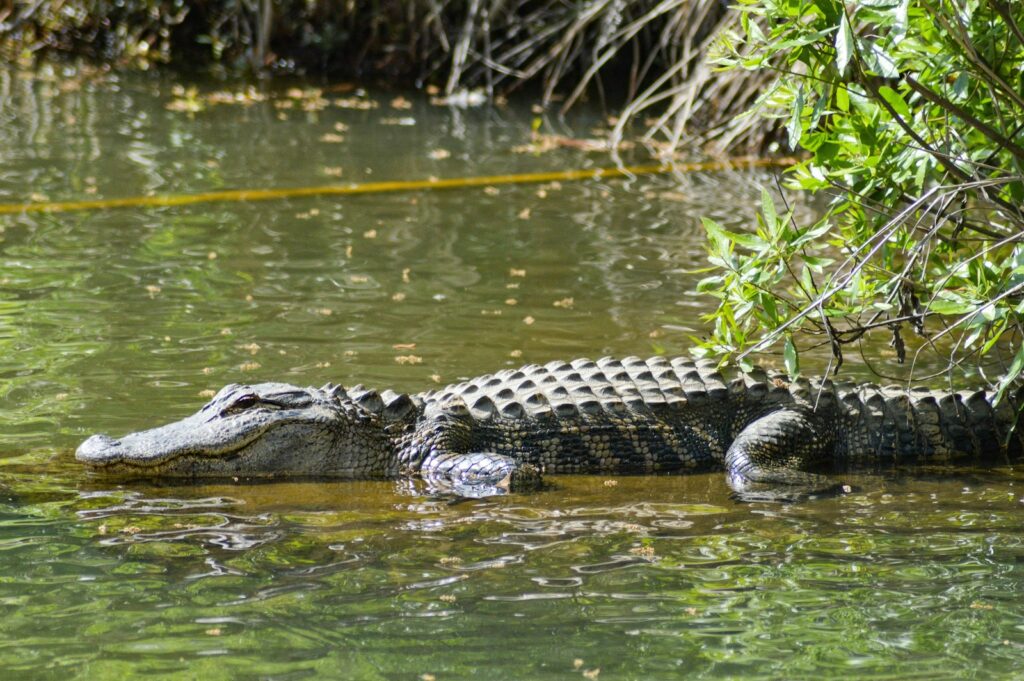
Protected swamp reserves create opportunities for sustainable ecotourism centered around alligator viewing, generating economic benefits while raising public awareness and support for conservation. Carefully designed boardwalks, observation towers, and guided boat tours allow visitors to observe alligators safely in their natural habitat without disrupting their normal behaviors. Educational programs at these reserves teach visitors about alligator ecology, behavior, and conservation needs, helping transform fear-based perceptions into appreciation for these ecologically important reptiles. Local communities near successful alligator reserves often experience economic benefits through tourism-related employment, accommodations, and services, creating stakeholders with direct interest in continued protection. The photographic opportunities these reserves provide generate widespread media coverage and social media sharing, extending educational reach far beyond those who physically visit and creating broader constituencies for wetland conservation efforts nationwide.
Future Challenges for Alligator Conservation in Reserves

Despite their success, protected swamp reserves face mounting challenges that could affect their ability to support thriving alligator populations in coming decades. Invasive species like Burmese pythons in Florida’s Everglades compete with alligators for prey and habitat, potentially disrupting the ecological balance that has supported alligator success. Increasing development pressure on lands surrounding reserves creates edge effects that can degrade habitat quality, introduce pollutants, and increase human-alligator conflicts in boundary areas. Climate change threats—including sea level rise in coastal reserves, altered precipitation patterns affecting water levels, and increasing temperature extremes—may exceed alligators’ adaptive capacity in some areas despite their evolutionary resilience. Sustainable funding for adequate management, monitoring, and enforcement remains a persistent challenge as conservation agencies face budget constraints while management needs grow more complex. Addressing these challenges will require innovative approaches, strong public support, and continued scientific research to ensure protected swamp reserves remain effective sanctuaries for alligators into the future.
Conclusion
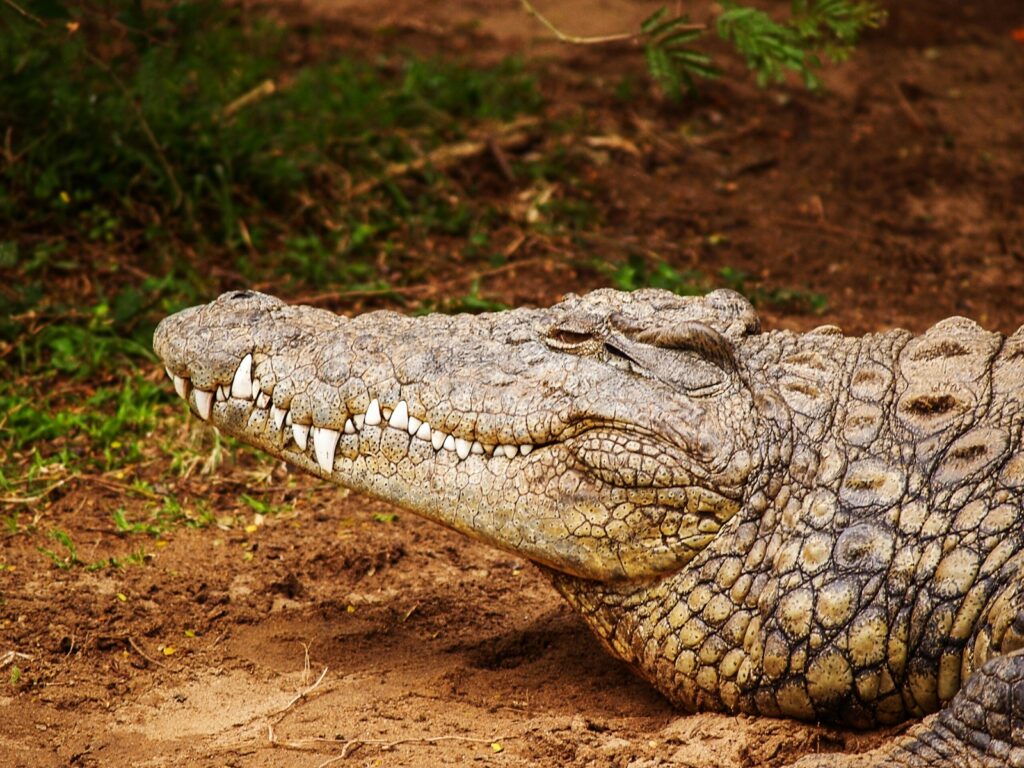
Protected swamp reserves have proven essential to the remarkable recovery of American alligator populations, providing these ancient reptiles with the complex ecological conditions they require to thrive. Through a combination of appropriate habitat protection, reduced human interference, and science-based management, these reserves support every aspect of alligator life history from feeding to reproduction. The success story of alligator conservation demonstrates the effectiveness of dedicated habitat protection for species recovery, while simultaneously highlighting the broader ecological benefits that flow from preserving intact wetland ecosystems. As we face growing environmental challenges, the continued protection and management of these critical habitats will determine whether alligators remain a conservation success story or face renewed threats. Their future, like their past, remains inextricably linked to the health and protection of the swamp ecosystems they have inhabited for millions of years.