
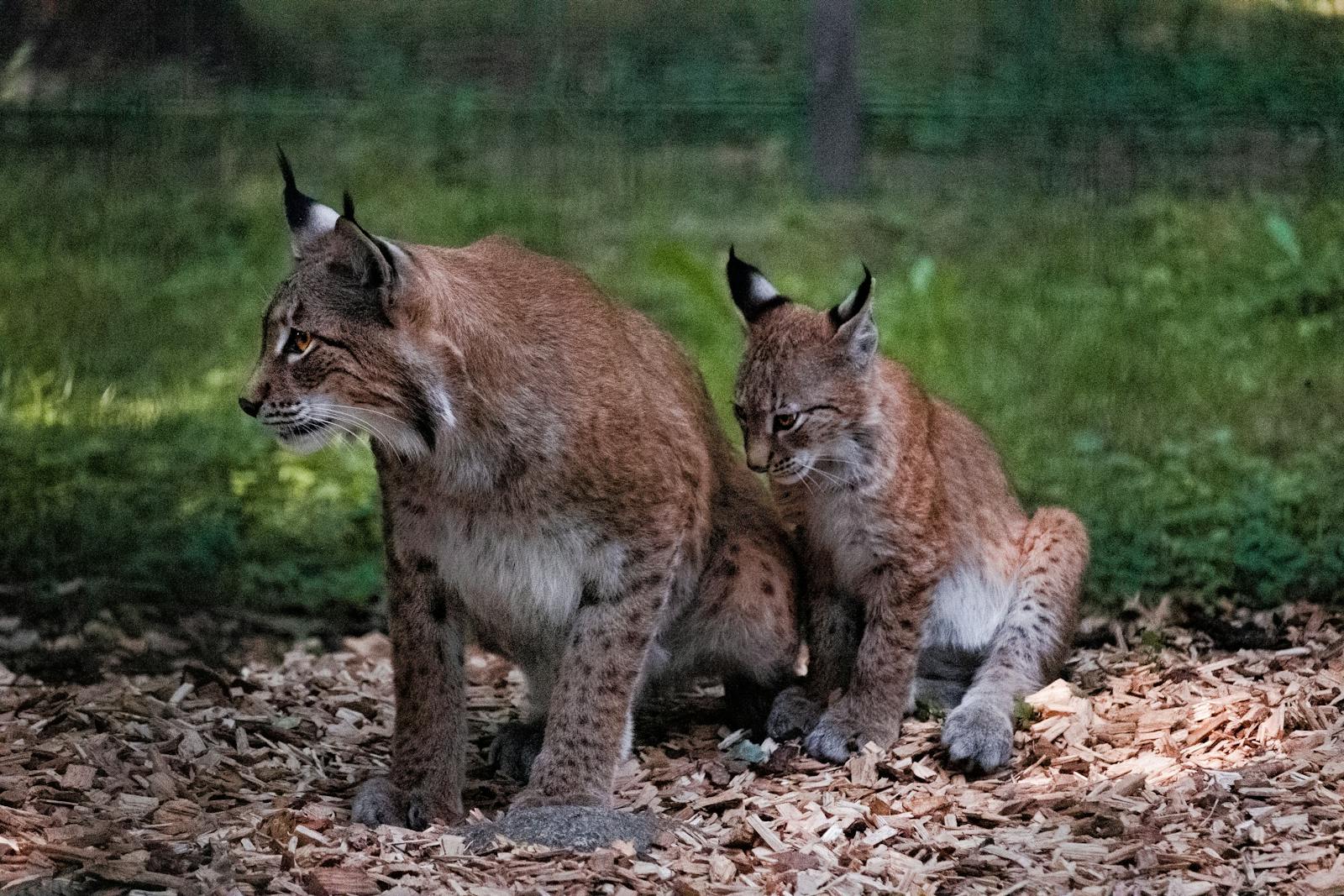
In the shadowy realm between wilderness and civilization, one predator moves with such stealth and cunning that many Americans live their entire lives without ever glimpsing one—despite the animal potentially residing just beyond their backyard. The bobcat (Lynx rufus), a medium-sized feline predator native to North America, has mastered the art of invisibility in an increasingly human-dominated landscape. Despite being the most widespread wild cat in the United States, with populations in 47 of the 48 contiguous states, bobcats remain phantoms to most people. Their remarkable adaptability, coupled with naturally secretive behaviors, has allowed them to thrive in diverse habitats while remaining largely unseen. This article explores why bobcats have earned their reputation as America’s most elusive predators and how they’ve perfected the delicate balance of living alongside humans without revealing themselves.
Masters of Crepuscular Living
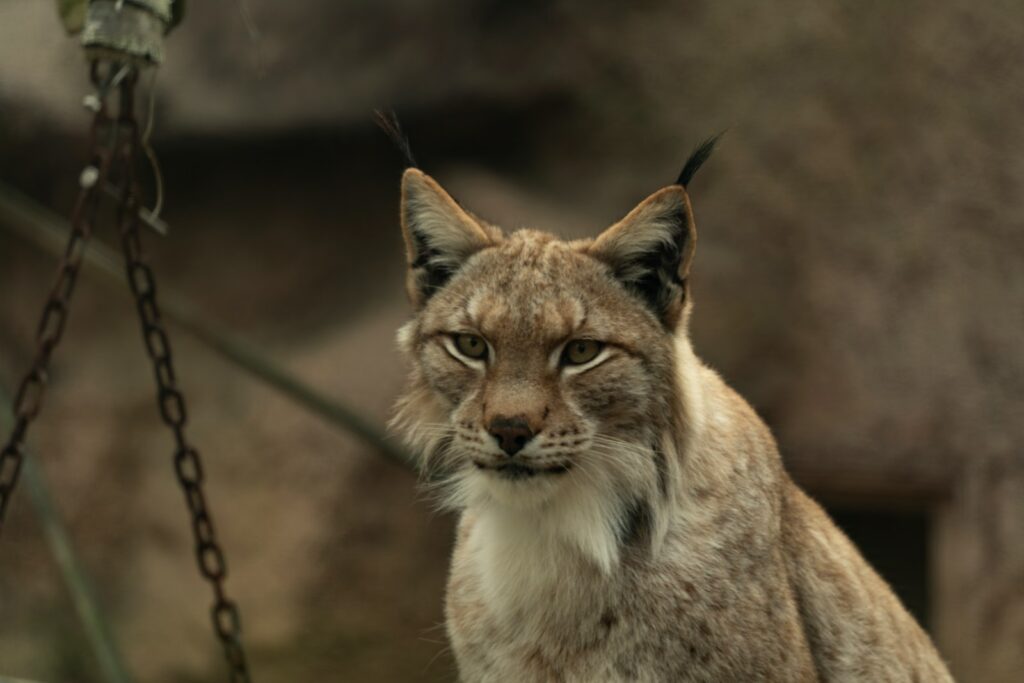
Bobcats have evolved a lifestyle pattern that minimizes human encounters by being primarily active during dawn and dusk—the crepuscular hours when light conditions are challenging for human vision. During these transitional periods, bobcats embark on hunting expeditions, taking advantage of prey animals that are also active at these times while avoiding the peak hours of human activity. Throughout the middle of the day, when humans are most likely to be outdoors, bobcats typically retreat to secluded resting spots in dense vegetation, rock crevices, or hollow logs. This strategic timing of activity represents an evolutionary adaptation that has become increasingly advantageous as human development has expanded into wildlife habitats. By shifting their most active periods to times when humans are least likely to be present, bobcats have developed a temporal separation that contributes significantly to their elusiveness.
Exceptional Camouflage Capabilities
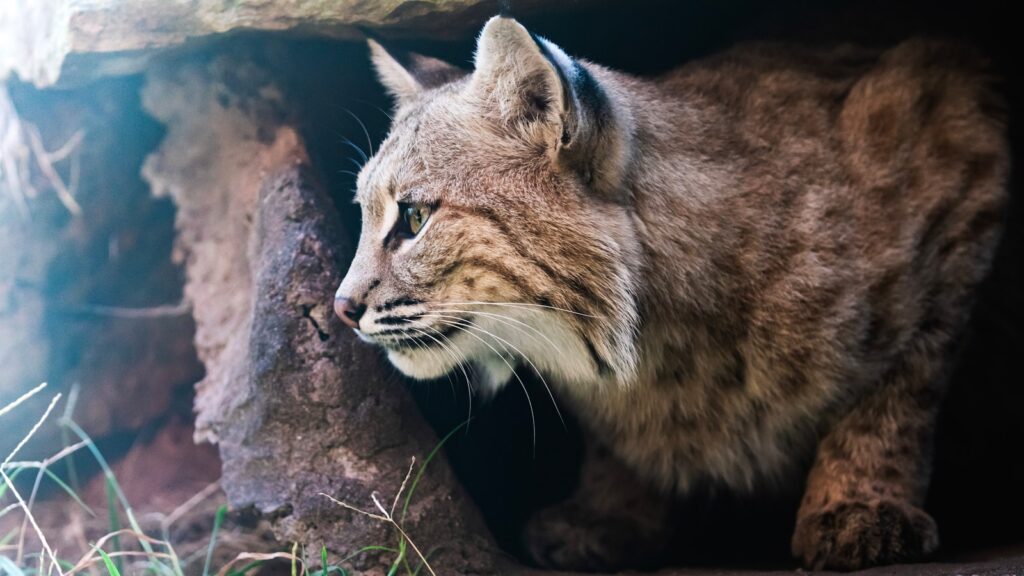
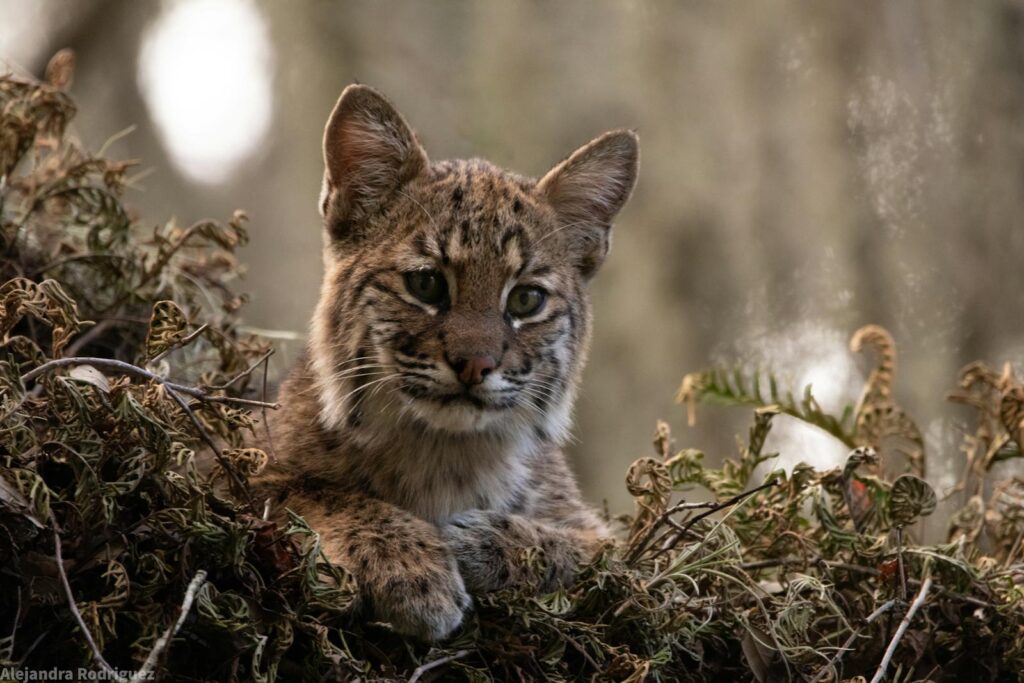
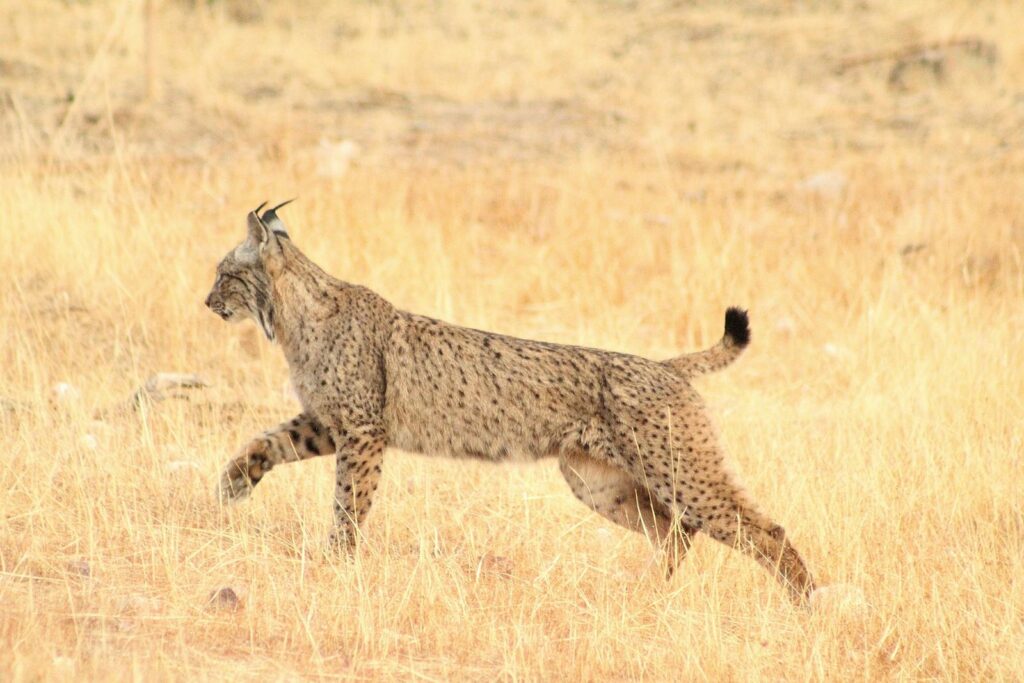
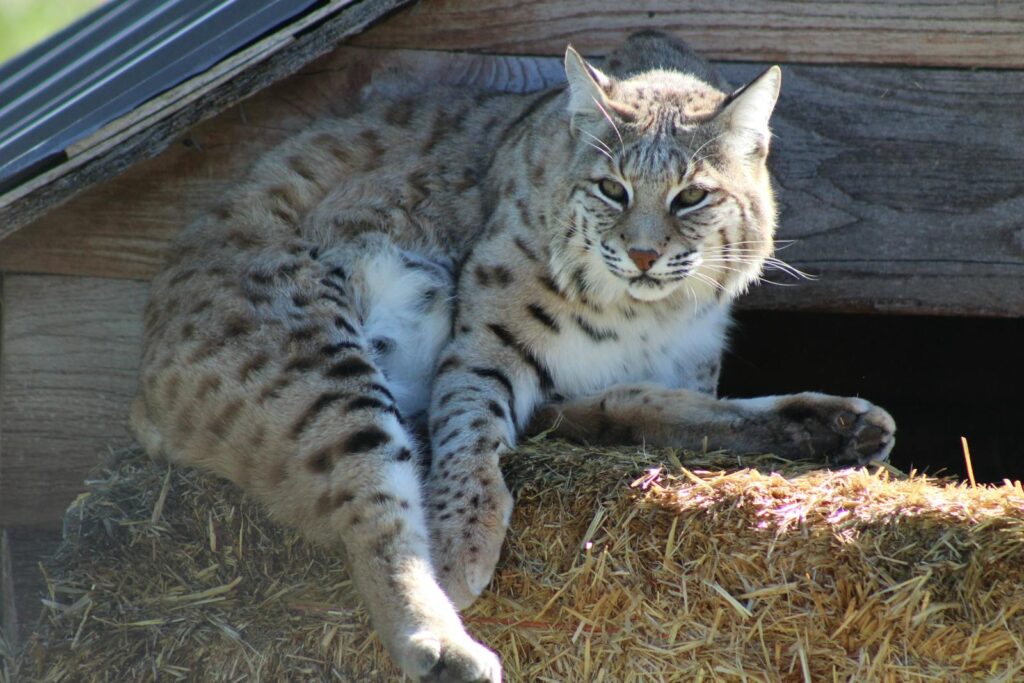
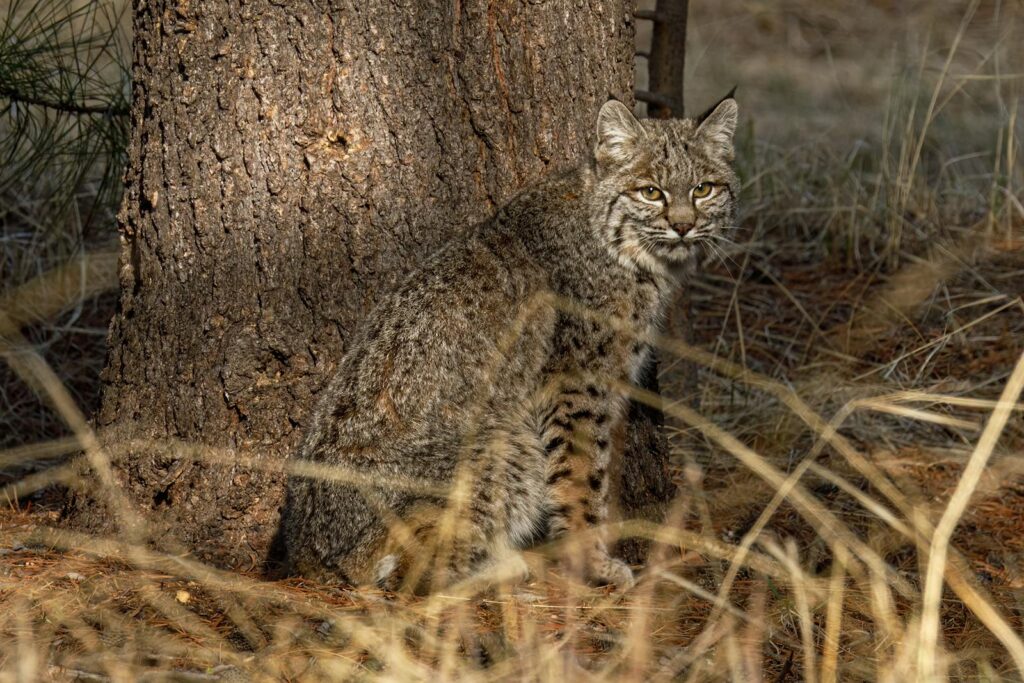
The bobcat’s physical appearance serves as nature’s perfect disguise in North American landscapes. Their tawny, mottled fur creates a remarkably effective natural camouflage that blends seamlessly with forest floors, desert scrub, and rocky outcroppings alike. This coloration—a mixture of brown, tan, gray, and black with distinctive spots and streaks—breaks up the cat’s outline when stationary, making them nearly invisible against dappled sunlight and shadow patterns in their habitat. Regional variations in coat color further enhance this camouflage effect, with northern populations typically displaying grayer coats while southern bobcats tend toward more reddish hues that match their respective environments. Even the distinctive black bars on the forelegs and bobbed tail (from which they derive their name) help disrupt the visual silhouette when the animal is motionless among vegetation. This remarkable camouflage capability allows bobcats to remain hidden even when humans pass within yards of their position.
Silent Movement Techniques
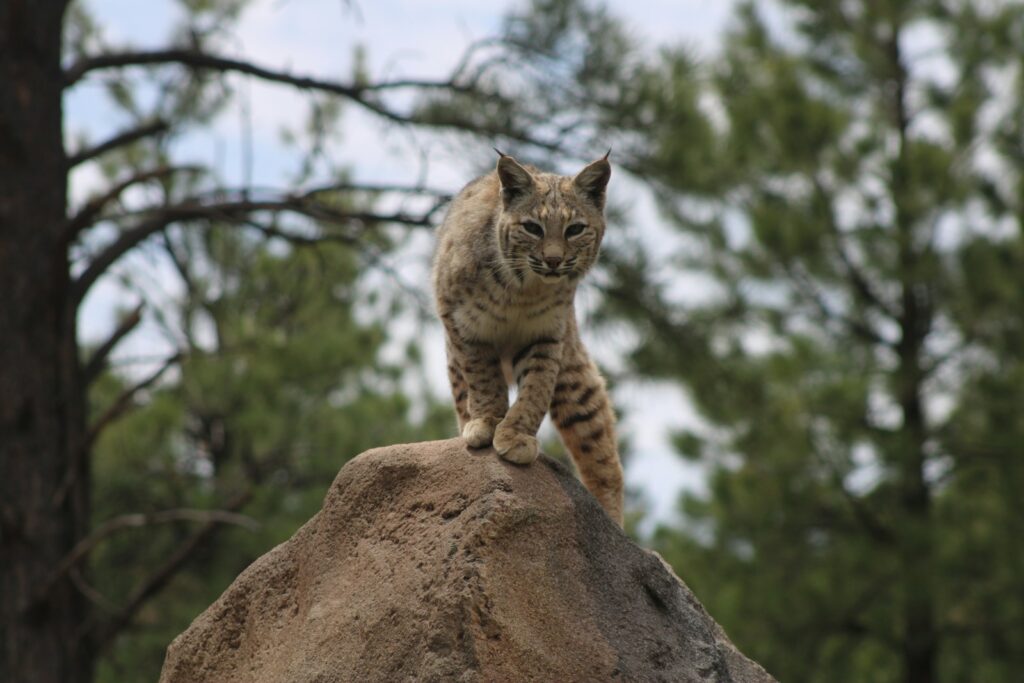
Bobcats have perfected the art of silent movement through their habitats, employing specialized physiological and behavioral adaptations that minimize auditory detection. Their padded paws distribute weight evenly while simultaneously dampening sound, allowing them to place each foot with precision and minimal disturbance to the environment. Unlike domestic cats, bobcats possess an exceptional awareness of their surroundings that enables them to avoid stepping on twigs, leaves, or other objects that might create noise. They typically move in a deliberate, measured pace that reduces the likelihood of creating sudden sounds that would alert prey or human observers. Perhaps most impressively, bobcats can freeze mid-movement when detecting potential threats, demonstrating remarkable patience by remaining motionless for extended periods until danger passes. This combination of physical adaptations and learned behaviors makes bobcats virtually silent travelers through even the noisiest forest floor environments.
Heightened Sensory Perception
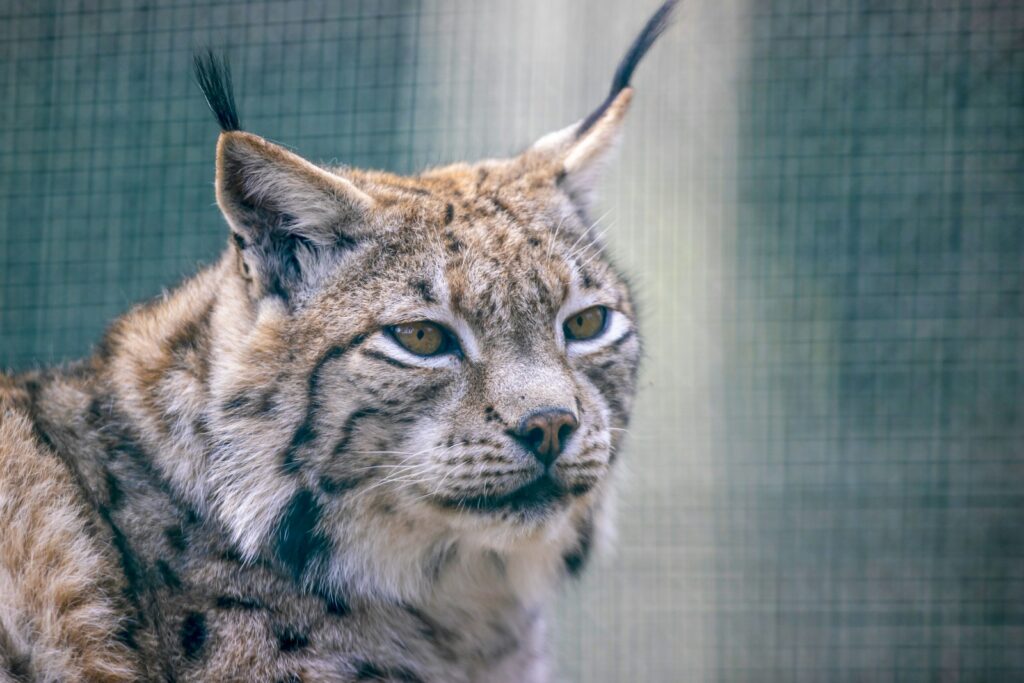
The sensory capabilities of bobcats far exceed human perception, providing them with an extraordinary advantage in detecting potential observers long before being seen themselves. Their vision is acutely tuned for low-light conditions, with a reflective layer behind the retina (tapetum lucidum) that enhances light gathering ability during dawn and dusk hunting periods. Bobcats can detect movement at distances exceeding 100 yards even in dim light. Their hearing is equally impressive, with independently movable ears capable of rotating to pinpoint sounds with remarkable precision—able to detect the movement of small rodents under snow or leaf litter. Perhaps most significantly, their olfactory capabilities allow them to process scent information that’s entirely imperceptible to humans, enabling them to detect human presence from considerable distances and adjust their movements accordingly. This sensory superiority essentially provides bobcats with an early warning system that facilitates avoidance of human encounters before they ever occur.
Strategic Territory Selection
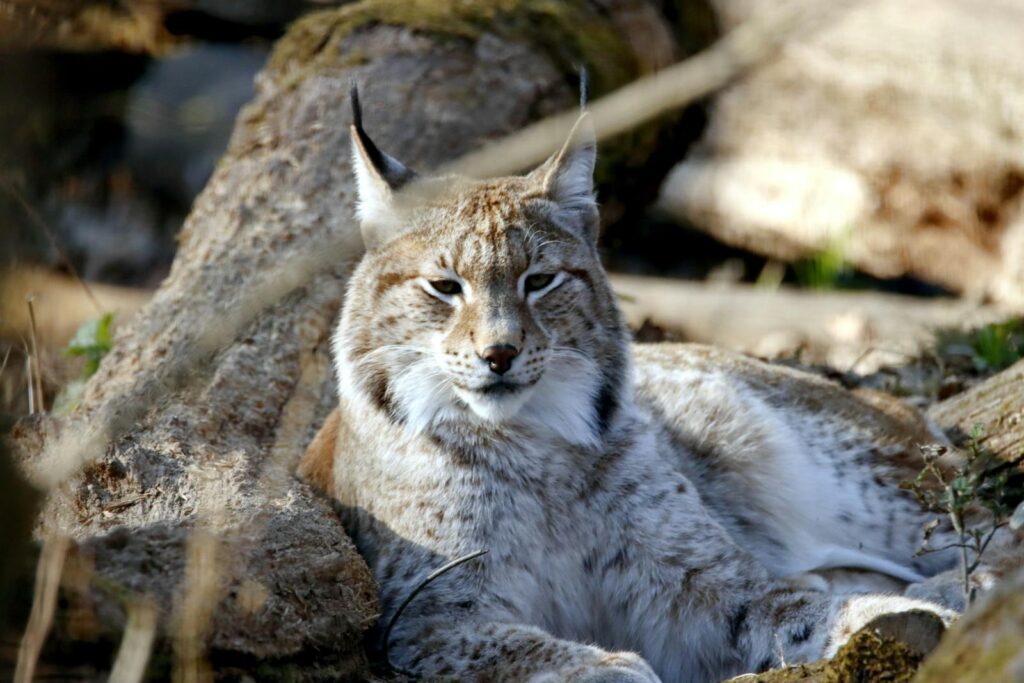
Bobcats demonstrate remarkable discrimination in selecting territories that maximize seclusion while maintaining access to necessary resources. They frequently establish core habitat areas in landscapes featuring complex physical structures—dense thickets, rocky outcroppings, swamps, or mature forests with substantial understory vegetation—that provide abundant hiding places and limited human access. Within even heavily developed regions, bobcats identify and utilize remaining habitat fragments connected by corridors like stream valleys, power line cuts, or undeveloped hillsides that allow movement while minimizing exposure. Research has documented bobcats establishing territories surprisingly close to suburban developments, often in remnant green spaces that humans rarely venture into due to difficult terrain or dense vegetation. These cats display remarkable ability to assess landscape features for their concealment value, often selecting territories with natural barriers to human foot traffic while maintaining proximity to prey-rich environments. This strategic habitat selection explains how bobcats can persist virtually undetected even in regions with substantial human populations.
Remarkable Adaptability to Human Presence
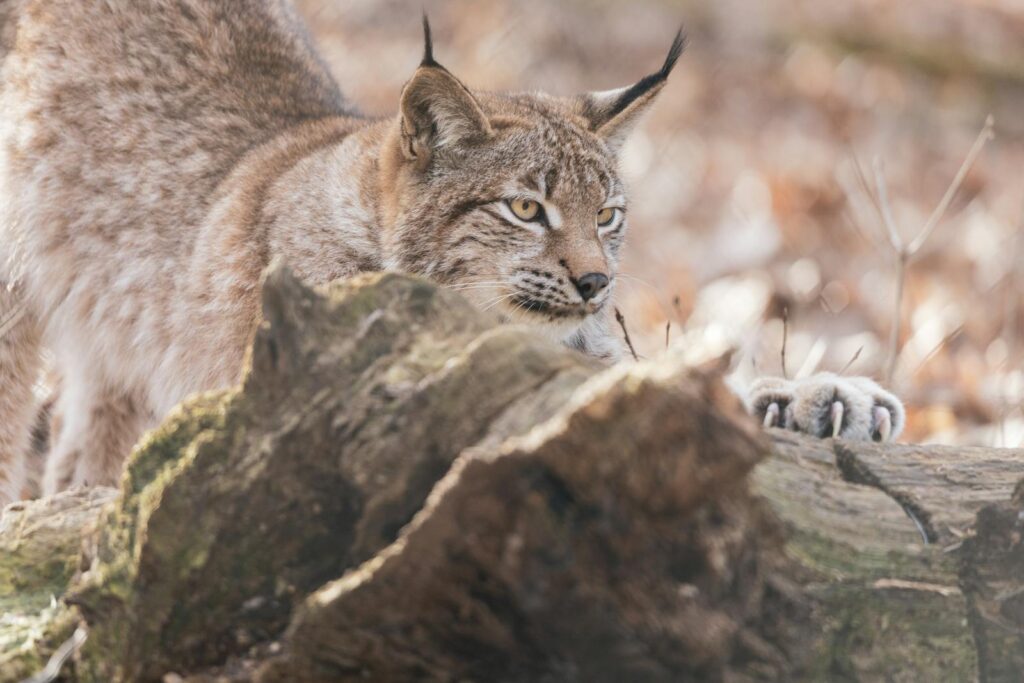
Unlike many predators that retreat entirely from human-altered landscapes, bobcats have demonstrated extraordinary behavioral flexibility that allows them to persist even in semi-developed environments while remaining largely undetected. They rapidly learn to identify and avoid predictable patterns of human activity, adjusting their movements to circumvent hiking trails during popular hours or shifting hunting grounds away from weekend-busy areas. Studies utilizing GPS-collared bobcats reveal sophisticated navigation through suburban environments, with individuals following corridors of natural vegetation along drainage areas or utilizing culverts to cross beneath roadways without exposure. Particularly noteworthy is their ability to adjust territorial boundaries in response to development, often compressing home ranges or shifting activity centers rather than abandoning established territories when human encroachment occurs. This remarkable adaptability extends to diet as well, with bobcats in human-influenced landscapes sometimes incorporating novel prey species while avoiding areas with domestic animals that might bring them into conflict with humans.
Solitary Social Structure
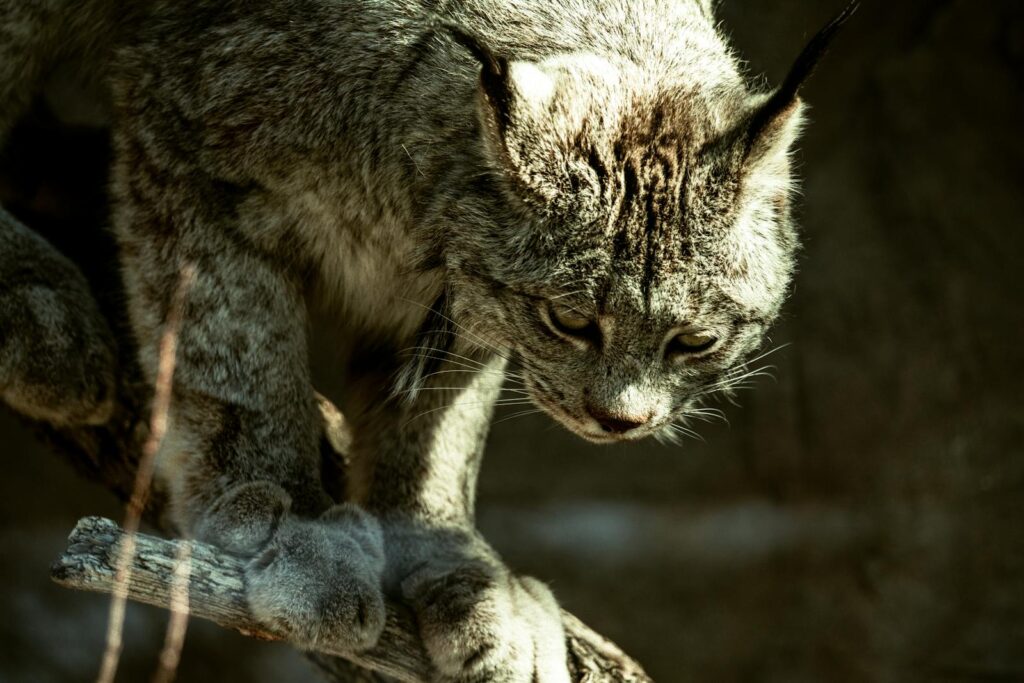
The fundamentally solitary nature of bobcat social organization significantly contributes to their elusiveness across American landscapes. Unlike pack animals whose larger numbers increase detection probability, adult bobcats maintain exclusive territories and actively avoid other individuals except during brief mating periods. This solitary existence dramatically reduces the visual and auditory footprint of the species on the landscape, with each animal moving independently and leaving minimal evidence of presence. Territorial behavior is primarily maintained through scent marking rather than vocal communication, further reducing opportunities for human detection compared to more vocal predators. Even female bobcats with young maintain a low profile, teaching kittens to remain concealed in dens while hunting alone rather than traveling as a more conspicuous family group. This solitary lifestyle represents an evolutionary strategy that minimizes competition among individuals while simultaneously reducing detection risk from both natural predators and human observers.
Minimal Vocalization Patterns
Bobcats maintain an acoustic profile that dramatically reduces their detectability compared to many other North American predators. Their vocalizations are remarkably limited in both frequency and volume, with adults rarely making sounds audible to human ears except during the breeding season when territorial and mating calls might be heard. Even these seasonal vocalizations are typically reserved for nighttime hours when human presence is minimal. Unlike coyotes or wolves that may howl regularly or mountain lions that scream during mating periods, bobcats primarily communicate through subtle body language and scent marking that leaves no auditory signature. When they do vocalize, the sounds often resemble common wildlife noises like owl hoots or fox barks that most people would misidentify. This acoustic stealth represents a significant evolutionary adaptation that has become increasingly advantageous as human development has expanded, allowing bobcats to maintain communication necessary for reproduction while minimizing detection risk.
Efficient Predation Techniques
The hunting strategies employed by bobcats are specifically adapted for maximum efficiency with minimal disturbance, contributing significantly to their ability to remain undetected even while actively hunting. Rather than chasing prey over long distances—which would increase visibility and energy expenditure—bobcats employ an ambush hunting style that emphasizes patience and precision. They identify areas with high prey activity through scent and visual cues, then establish concealed waiting positions where they may remain motionless for hours. When prey comes within striking distance, bobcats execute explosive but brief pursuits, typically covering just a few meters before either capturing prey or abandoning the chase. This hunting approach minimizes conspicuous movement across the landscape while maximizing caloric return for energy expended. Additionally, bobcats typically consume smaller prey immediately at kill sites and cache larger kills under vegetation, behaviors that reduce both the visual evidence of predation and the time spent exposed during feeding. These efficient hunting techniques allow bobcats to meet their nutritional requirements while maintaining their characteristic invisibility.
Minimal Daylight Activity
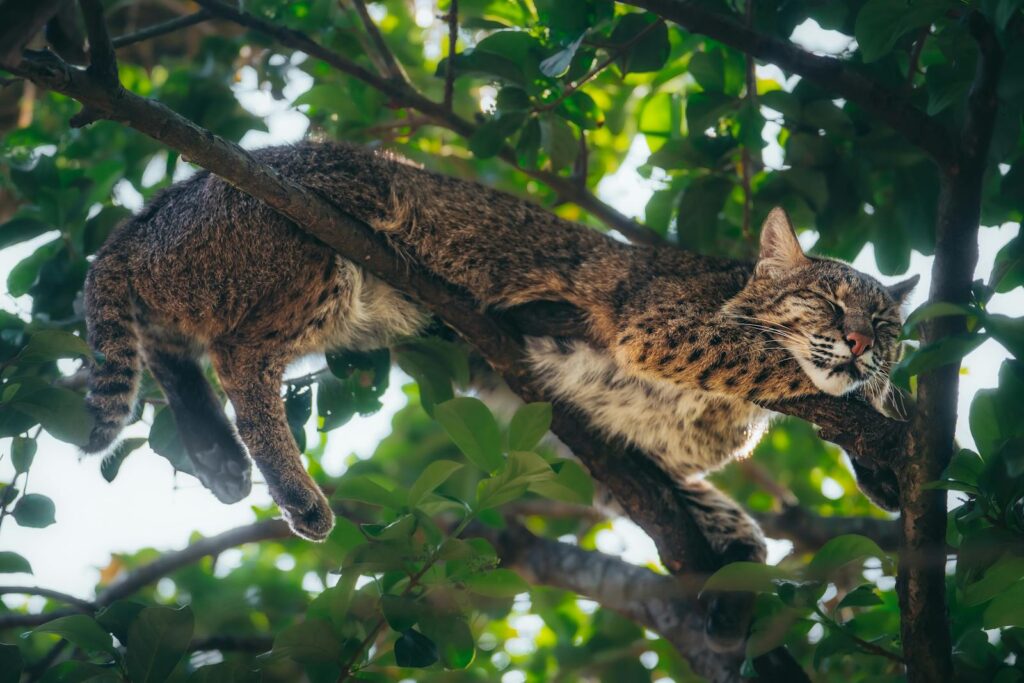
Bobcats have developed activity patterns that specifically minimize their visibility during periods of peak human presence in outdoor environments. While technically crepuscular rather than nocturnal, bobcats display remarkable flexibility in adjusting their activity schedules in response to human pressure. In areas with significant human development, they often shift toward increasingly nocturnal behavior, conducting most hunting and territorial patrolling during full darkness when human activity is lowest. During daylight hours, these adaptable predators typically seclude themselves in densely vegetated resting locations, often in elevated positions that provide good visibility of surrounding areas while offering concealment. Research using motion-activated cameras consistently demonstrates that bobcat movement drops dramatically during midday hours even in protected areas with minimal human presence, suggesting this pattern may be deeply ingrained in their behavior. By concentrating activity during hours when human vision is most compromised and human presence is reduced, bobcats effectively create a temporal separation that significantly contributes to their phantom-like reputation.
Low Population Density Distribution
The spatial distribution pattern of bobcat populations across the landscape creates an inherently low encounter probability with humans compared to many other wildlife species. Adult bobcats maintain relatively large territories—typically ranging from 5-40 square miles depending on habitat quality and prey abundance—with minimal overlap between individuals of the same sex. This territorial system naturally results in low population densities even in optimal habitat, with estimates typically ranging from 1-5 bobcats per 10 square miles. Unlike species that concentrate in visible groups or herds, this dispersed distribution means bobcats exist as scattered individuals across vast areas, significantly reducing the statistical likelihood of human encounters. Even in regions with healthy bobcat populations, the actual number of cats per unit area remains remarkably low compared to more commonly observed wildlife. This naturally low density distribution, combined with their other elusive attributes, means that even dedicated wildlife watchers might spend years in bobcat habitat without ever glimpsing one of these secretive predators.
Historical Persecution and Learned Wariness
The modern bobcat’s extreme wariness of humans represents an evolutionary response to generations of intense persecution that has become embedded in their behavior. Throughout much of American history, bobcats were actively hunted, trapped, and poisoned as perceived threats to livestock and game animals, creating strong selection pressure favoring individuals with heightened human avoidance instincts. This historical relationship has produced a species that demonstrates extreme caution around human scent, sounds, and structures—behaviors that persist even in areas where they’ve received legal protection in recent decades. Bobcat mothers actively teach offspring to avoid human-associated environments during the critical learning period of their first year, reinforcing this wariness across generations. Researchers studying bobcat behavior have documented immediate response to human scent that includes retreat, freezing, or detour behaviors even in protected areas where no hunting occurs. This deeply ingrained wariness, resulting from centuries of conflict with humans, continues to shape bobcat behavior in ways that minimize detection even as legal protections have allowed their populations to recover across much of their historical range.
Limited Evidence of Presence
Unlike many wildlife species that leave obvious signs of their activities, bobcats produce remarkably little physical evidence of their presence in an ecosystem. Their careful movement patterns minimize track formation, with soft, padded feet that leave minimal impression except in ideal substrates like fresh snow or mud. When tracks are left, they often appear in secluded locations away from human traffic patterns. Bobcat scat is typically buried or deposited in inconspicuous locations rather than prominently placed, contrasting with coyotes and foxes that often leave droppings in visible locations on trails. Even kill sites are meticulously managed, with remains of larger prey often dragged to concealed locations and smaller prey consumed completely, leaving minimal evidence of predation events. Territorial markings, consisting primarily of scrapes and urine deposits, are placed in locations significant to other bobcats but generally imperceptible to casual human observers. This combination of behaviors that minimize physical evidence allows bobcats to maintain nearly invisible presence even in areas where they regularly travel and hunt.
In a nation increasingly dominated by human development and activity, the bobcat stands as a remarkable testament to evolutionary adaptation and behavioral flexibility. These medium-sized predators have perfected the art of coexistence without detection, utilizing a sophisticated combination of physical characteristics, behavioral patterns, and ecological strategies that allow them to persist virtually unseen across diverse American landscapes. Their success in remaining elusive represents not simply shyness but rather a complex survival strategy finely tuned through natural selection. As we continue to expand our human footprint across North America, the bobcat’s extraordinary elusiveness may prove to be its greatest asset—allowing these magnificent predators to maintain their ecological role while minimizing conflict with the most dominant species on the landscape. Perhaps there is something profoundly reassuring in knowing that despite our technological advancement and landscape transformation, some wild creatures still move like ghosts among us, rarely seen but persisting nonetheless.