

In an age where artificial illumination stretches far beyond our cities and into once-pristine wilderness areas, dark sky parks emerge as critical sanctuaries for countless species that have evolved under star-filled skies. These protected areas, where light pollution is minimized or eliminated, provide essential habitat for nocturnal wildlife whose very existence depends on darkness. From insects and amphibians to mammals and birds, countless creatures rely on natural darkness for navigation, hunting, mating, and protection. As artificial light increasingly floods our planet, understanding and preserving these dark refuges becomes not merely a matter of astronomical appreciation but of urgent ecological necessity. The relationship between darkness and biodiversity represents one of the most overlooked yet critical conservation issues of our time.
The Evolutionary Significance of Darkness
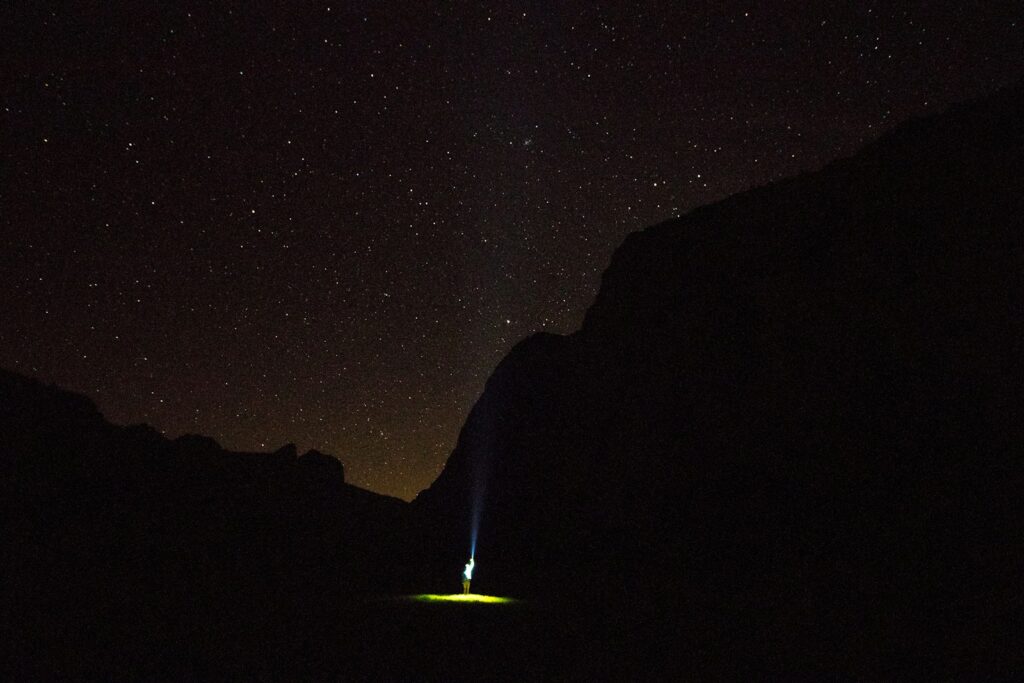
For billions of years before humans invented artificial lighting, the rhythmic cycle of day and night shaped the evolution of nearly all life on Earth. Countless species developed specialized adaptations specifically for functioning in darkness, from enhanced night vision and acute hearing to specialized navigation systems based on moonlight and starlight. These evolutionary adaptations didn’t simply develop as convenient options—they became fundamental survival mechanisms integrated into species’ biological functions, behaviors, and life cycles. When we artificially brighten the night, we disrupt patterns established over millions of years of evolution, effectively altering the environmental conditions that shaped these species. Dark sky parks preserve the evolutionary context in which nocturnal species developed, allowing natural selection’s intricate work to continue functioning as it has since life began.
Light Pollution’s Far-Reaching Impacts
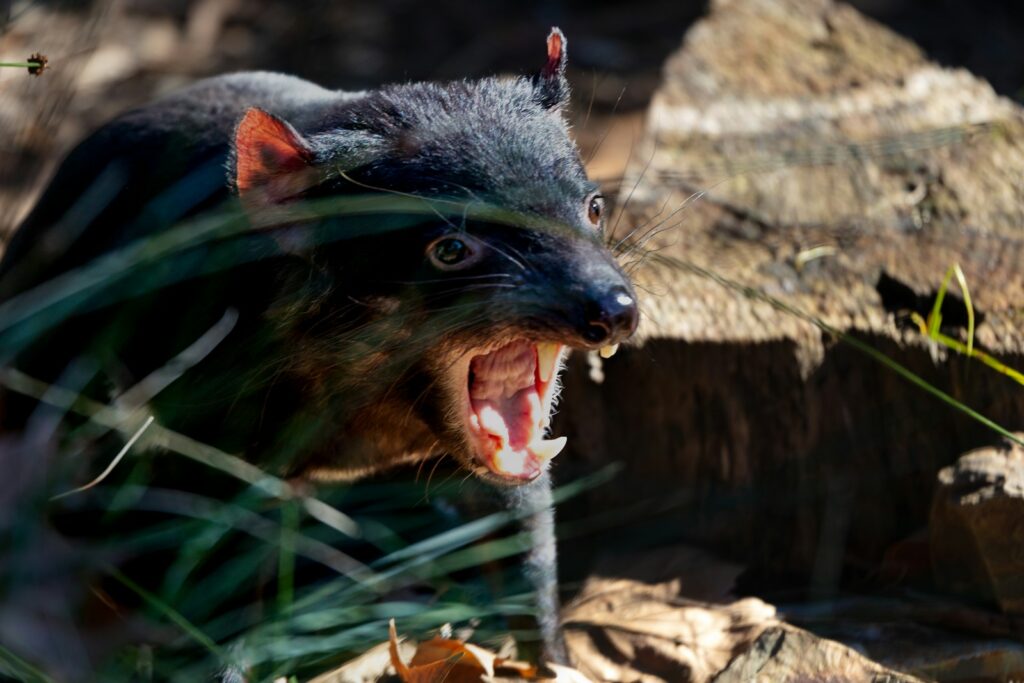
Light pollution extends far beyond the visible boundaries of cities, creating a diffuse glow in the atmosphere that can affect ecosystems hundreds of miles from its source. This artificial illumination disrupts natural light cycles that regulate crucial biological processes including hormone production, sleep patterns, immune function, and reproductive timing across countless species. Research has shown that even low levels of artificial light at night can suppress melatonin production in wildlife, potentially compromising immune systems and increasing disease susceptibility. Beyond physiological effects, light pollution confuses migration patterns, alters predator-prey relationships, and disrupts plant flowering and seed production that many animals depend upon. The cascading ecological consequences of light pollution can ripple through entire ecosystems, affecting even species that aren’t directly nocturnal themselves.
Insect Decline and Pollination Disruption
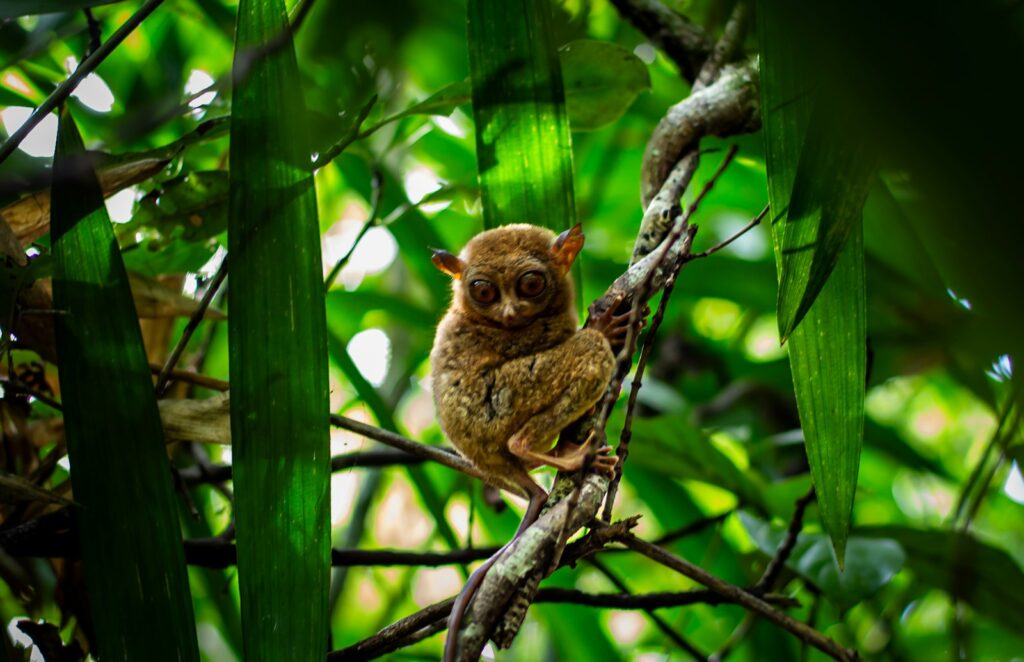
Perhaps no group of creatures faces greater threats from light pollution than insects, with recent studies revealing alarming connections between artificial lighting and insect population collapse. Nocturnal insects evolved to navigate by natural light sources like the moon and stars, but artificial lights prove irresistibly attractive, creating fatal “ecological traps” where insects exhaust themselves circling lights until death by exhaustion, predation, or collision. Beyond direct mortality, artificial light disrupts mating behaviors, as many insects release pheromones specifically during dark hours, with illumination preventing successful reproduction. This disruption extends to pollination services, as many plants depend on night-flying moths and beetles for reproduction, with studies showing reduced pollination rates in areas with significant light pollution. Dark sky parks provide essential refuges where these critical insect populations can maintain natural behaviors and continue providing ecosystem services upon which countless other species—including humans—depend.
Bat Conservation and Dark Sky Protection
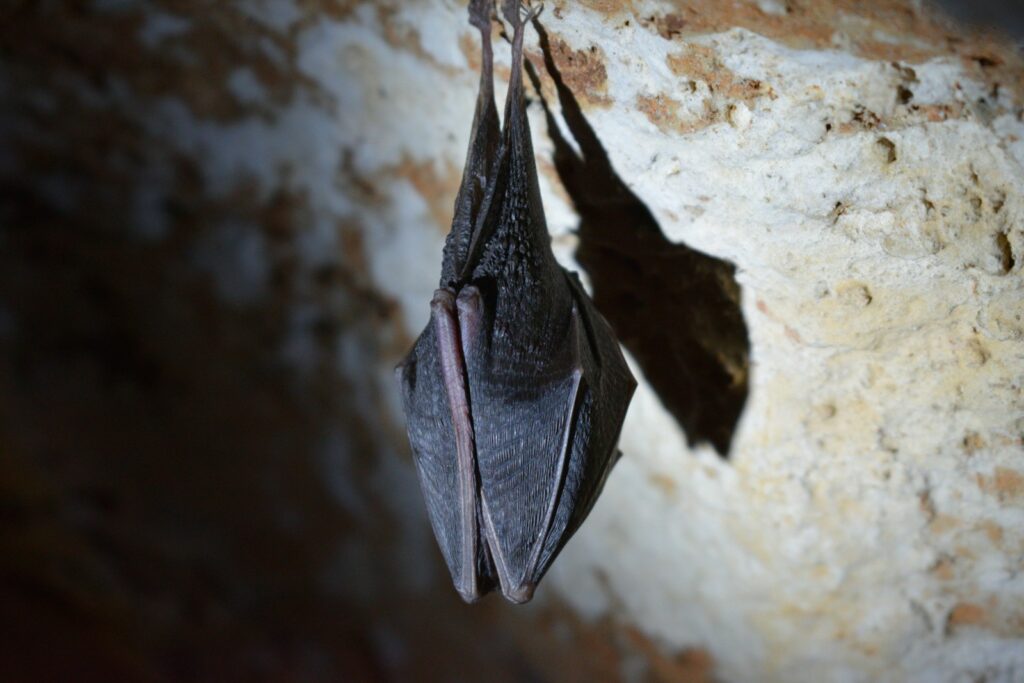
Bats represent one of the clearest examples of how dark sky preservation directly benefits biodiversity conservation. These remarkable mammals, which comprise nearly a quarter of all mammal species, overwhelmingly rely on darkness for successful feeding, as artificial light dramatically alters their hunting behavior and success rates. Many bat species actively avoid illuminated areas, effectively losing critical habitat when nighttime darkness disappears. For the species that feed primarily on night-flying insects, light pollution creates a double threat—directly restricting their hunting territory while simultaneously decimating their prey populations. Research in dark sky areas shows significantly higher bat activity and species diversity compared to light-polluted regions, demonstrating these protected areas’ vital importance. As major controllers of insect populations and essential pollinators for numerous plants, including commercially important crops, bat conservation through dark sky protection delivers substantial ecological and economic benefits.
Amphibian Reproduction and Development
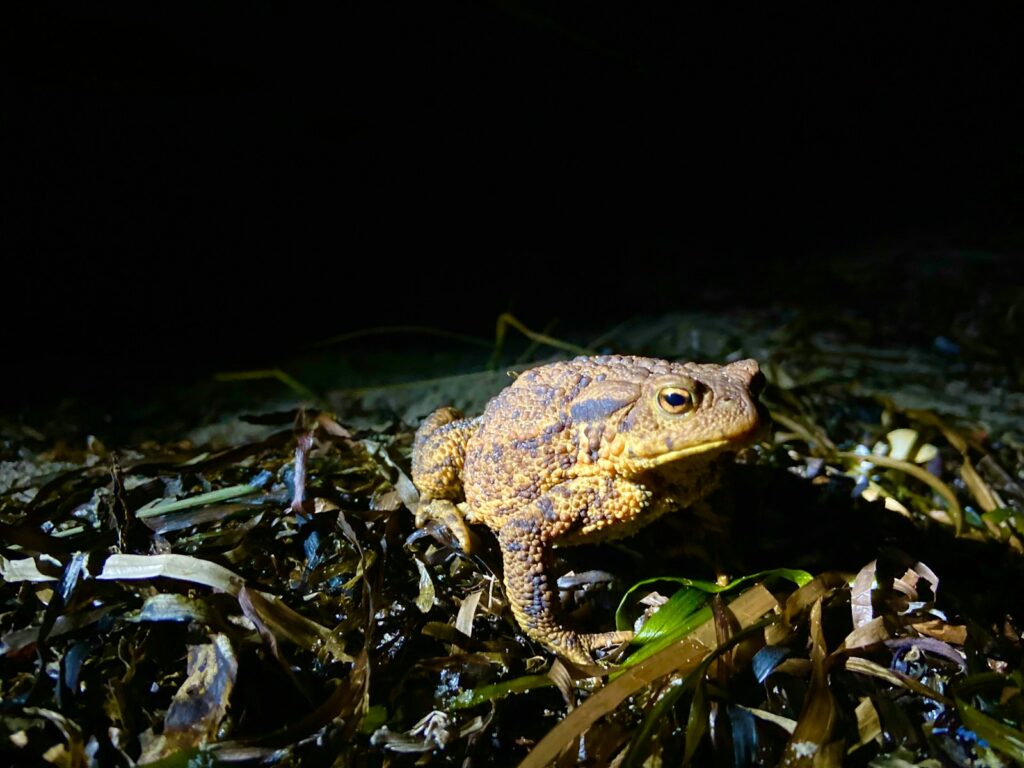
Amphibians, already facing unprecedented global declines, experience particularly severe disruptions from artificial night lighting that interferes with their predominantly nocturnal lifestyles. For many frog and salamander species, breeding activities occur exclusively during dark hours, with artificial light suppressing mating calls, reducing breeding activity, and disorienting individuals traveling to breeding ponds. Research has documented how even modest artificial illumination can prevent male frogs from calling or females from approaching breeding sites, potentially leading to reproductive failure. Beyond behavioral impacts, studies show that tadpole development becomes abnormal under artificial light conditions, potentially reducing survival rates. Dark sky parks provide essential breeding habitat where amphibian reproduction can proceed naturally, supporting population stability for these ecologically important and highly threatened vertebrates whose permeable skin and dual-habitat lifecycle make them particularly vulnerable to environmental changes.
Sea Turtle Hatchling Navigation
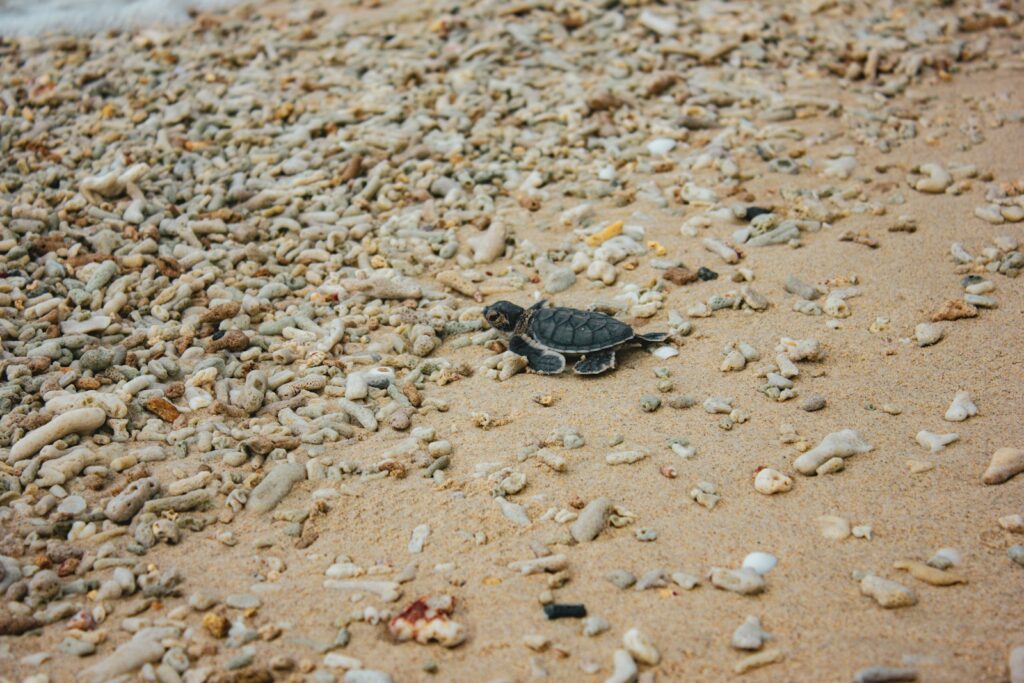
The plight of sea turtle hatchlings disoriented by coastal lighting has become an iconic example of light pollution’s harmful effects, though the problem extends far beyond popular awareness. After hatching, baby turtles instinctively move toward the brightest horizon, which under natural conditions would be the star and moonlight reflected on the ocean surface. Artificial coastal lighting disrupts this ancient navigational system, causing hatchlings to move inland toward artificial lights where they face dehydration, predation, or death from exhaustion or vehicle strikes. Even when lighting ordinances exist, the diffuse sky glow from distant cities can still disorient these vulnerable creatures. Dark sky designation for coastal areas provides crucial protection for nesting beaches, ensuring that the approximately 1 in 1,000 hatchlings that naturally survive to adulthood aren’t further reduced by artificial lighting impacts. These protections benefit not just sea turtles but entire coastal ecosystems that depend on these ancient reptiles’ ecological roles.
Bird Migration and Collisions
Millions of birds migrate under cover of darkness, using celestial navigation systems refined over millions of years of evolution to guide their extraordinary journeys. Artificial lighting disrupts these natural navigation systems, causing birds to become disoriented, circle illuminated structures until exhausted, or collide directly with illuminated buildings. The toll is staggering—researchers estimate that between 365 million and one billion birds die annually in North America alone from building collisions, with light pollution significantly increasing collision rates during nocturnal migration. Beyond collision risks, light pollution forces birds to expend precious energy navigating around bright areas, potentially depleting the fat reserves essential for successful migration. Dark sky parks and corridors provide crucial navigation pathways where migrating birds can follow ancient routes undisturbed by artificial light, potentially saving millions of birds’ lives annually while preserving the ecological benefits these migratory species provide across multiple ecosystems.
Mammalian Predator-Prey Dynamics
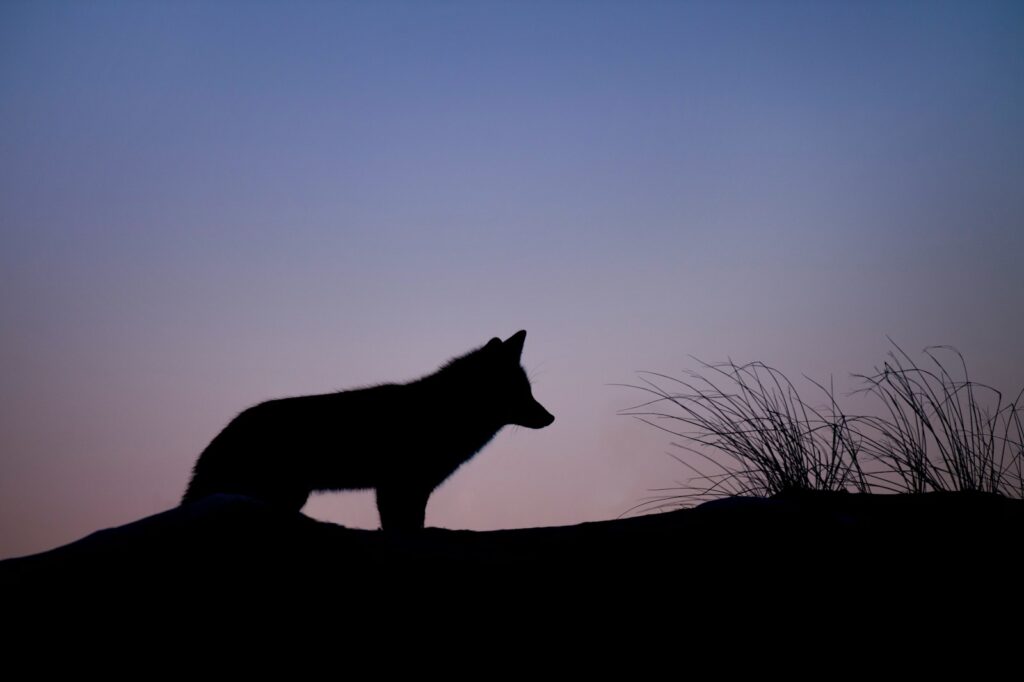
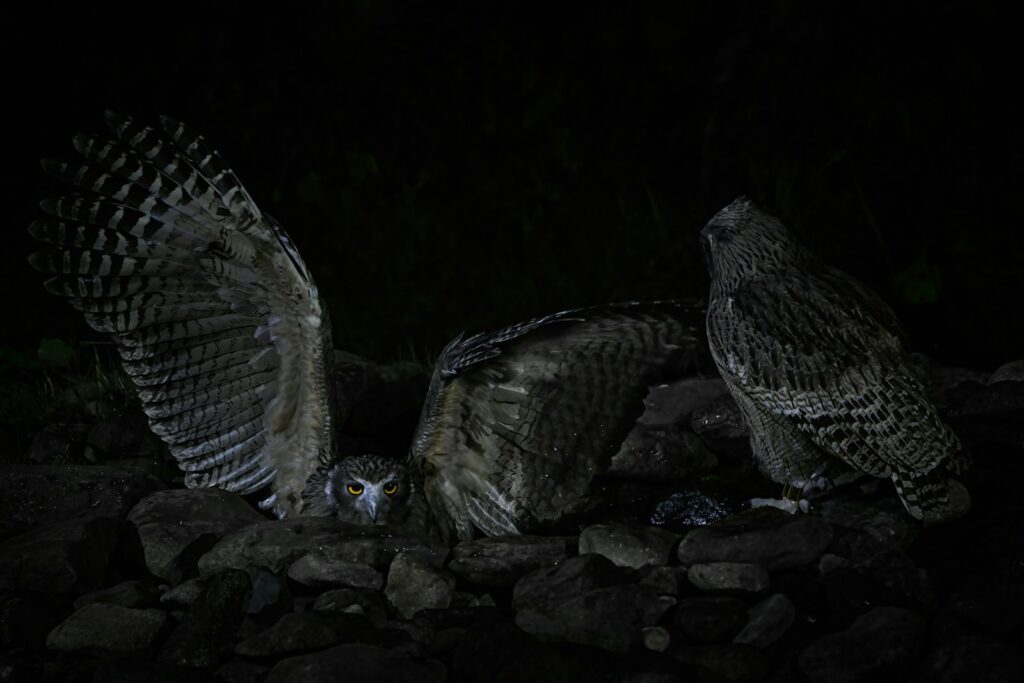
The delicate balance between predators and prey faces significant disruption from artificial lighting that alters hunting and foraging behaviors evolved specifically for darkness. Nocturnal predators like owls and wild cats lose hunting efficiency in illuminated areas, potentially leading to nutritional stress and population declines. Conversely, prey species may experience heightened predation in artificially lit environments where they become more visible to predators not typically active during darkness. Research demonstrates that even moonlight influences predator-prey interactions, with many small mammals reducing foraging activity during bright lunar phases—an effect artificial lighting magnifies tremendously. These shifts cascade through ecosystems, potentially altering population dynamics, species composition, and ecological relationships established over evolutionary timescales. Dark sky parks maintain natural predator-prey relationships by preserving the darkness in which these ecological interactions evolved, supporting ecosystem stability and resilience.
Plant Photoperiodism and Ecosystem Timing
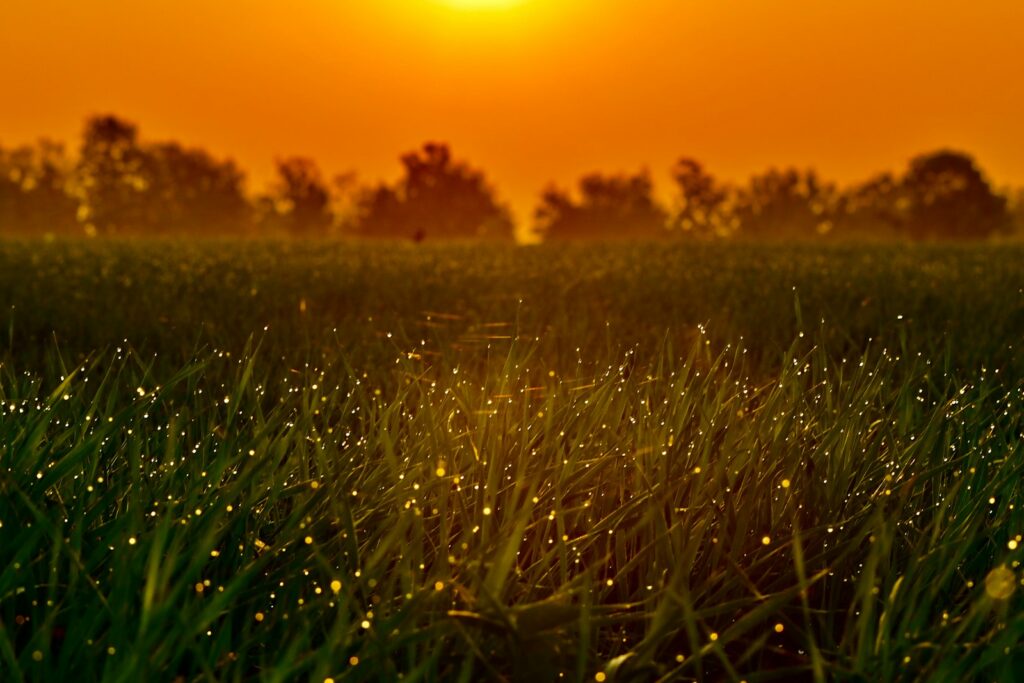
While plants might seem unaffected by nighttime darkness, many species rely on precise day-night cycles to regulate seasonal activities from flowering and leaf production to dormancy and seed germination. Artificial lighting disrupts these photoperiod cues, potentially causing plants to flower at inappropriate times, delay dormancy, or alter growth patterns in ways that desynchronize them from their pollinators or seed dispersers. Research documents trees near streetlights holding leaves longer into fall and flowering earlier in spring compared to those in darker areas, creating potential ecological mismatches. These timing disruptions can have far-reaching consequences, as many animals synchronize their life cycles with plant resources—from insects timing emergence with specific flowering periods to birds nesting when caterpillar abundance peaks. Dark sky protection preserves natural photoperiods, maintaining the intricate timing systems that coordinate interactions between plants and animals across entire ecosystems.
Nocturnal Pollination Networks

While daytime pollination receives significant attention, many plants rely exclusively or primarily on nocturnal pollinators, with entire pollination networks operating under darkness. Night-blooming plants often produce white flowers with strong fragrances specifically adapted to attract moths, bats, and beetles that are active after sunset. Artificial lighting disrupts these specialized relationships, preventing pollinators from visiting flowers or altering plant reproduction in illuminated areas. Research in dark sky regions reveals the remarkable complexity of these nocturnal pollination networks, with certain plant species receiving up to 90% of their pollination services from nocturnal visitors. The disruption of these relationships threatens not just individual species but entire ecological communities and potentially agricultural systems that benefit from spillover pollination services. Dark sky parks protect these invisible yet essential ecological relationships that have remained largely unstudied and unappreciated until recent decades.
Aquatic Ecosystems and Vertical Migration
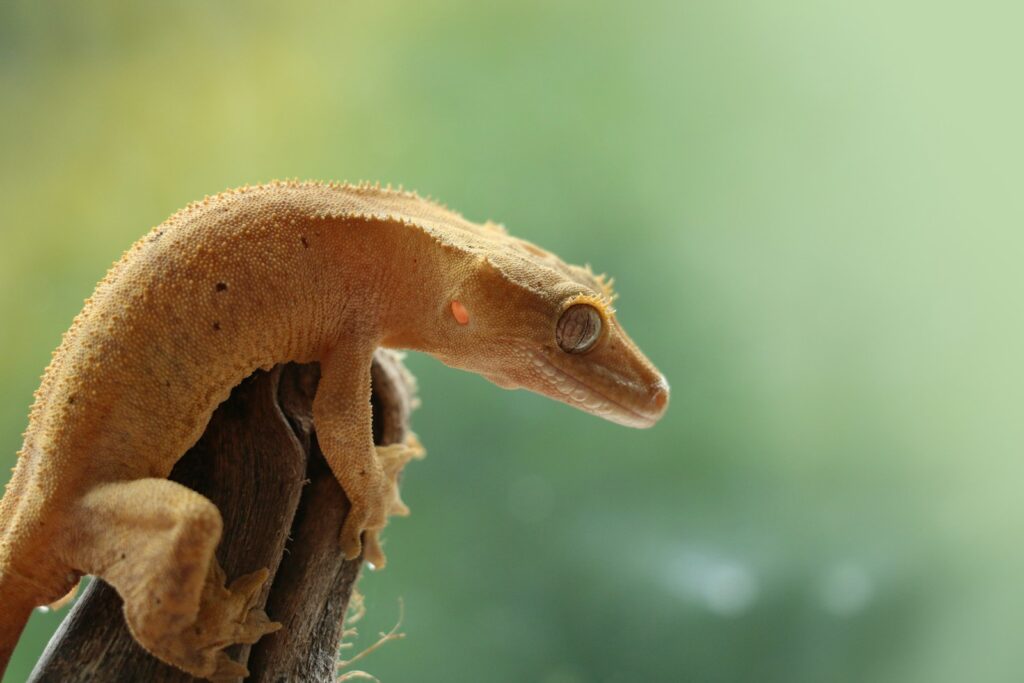
Light pollution’s effects extend underwater, disrupting one of Earth’s most massive daily migrations as plankton rise toward the surface at night and descend during daylight. This vertical migration pattern, evolved to avoid visual predators while accessing food-rich surface waters, involves billions of organisms and represents a fundamental process in aquatic ecosystems worldwide. Artificial lighting along shorelines disrupts these movements, potentially altering nutrient cycling, carbon sequestration, and food availability for countless species. Research shows that even modest artificial illumination can suppress vertical migration, with zooplankton remaining in deeper waters and missing feeding opportunities while disrupting predator-prey relationships throughout the water column. The consequences extend to commercially important fish species that depend on these planktonic movements for feeding opportunities. Dark sky protection for lakes, rivers, and coastal areas preserves these ancient movement patterns essential to aquatic ecosystem function and the services they provide.
Human Health and Ecological Awareness
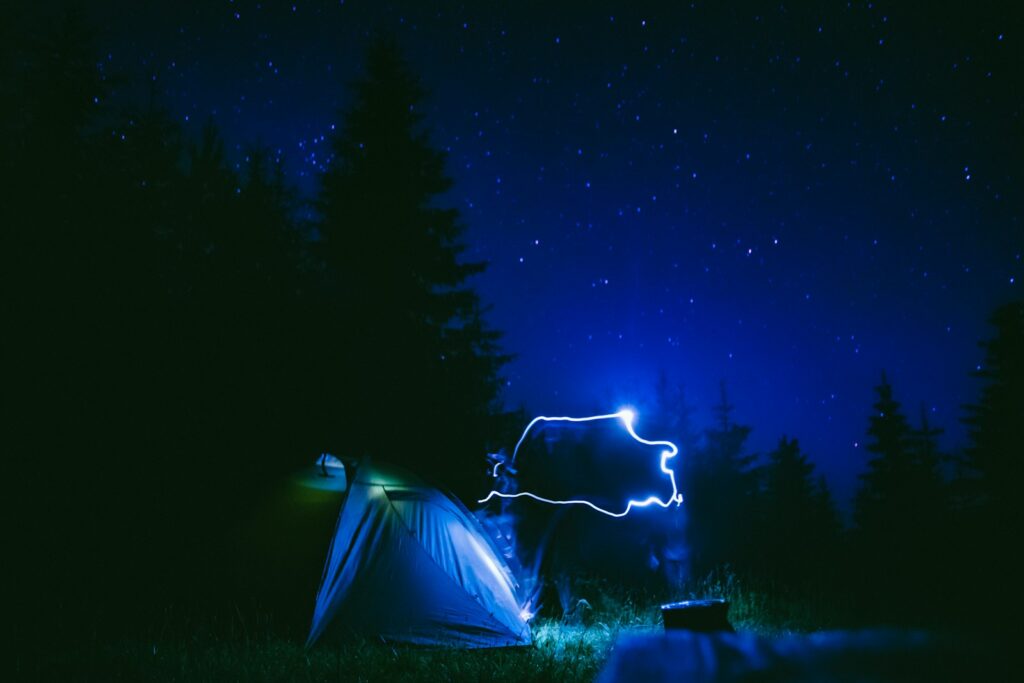
Dark sky parks deliver benefits beyond direct wildlife protection by reconnecting humans with natural darkness increasingly absent from modern life. This reconnection offers both health benefits, as artificial light disrupts human circadian rhythms much as it does for wildlife, and psychological benefits through awe-inspiring experiences of truly dark skies filled with stars. Perhaps most importantly, dark sky experiences build ecological awareness and appreciation for nocturnal biodiversity often overlooked in conservation efforts. Visitors to dark sky parks frequently report profound shifts in perception after witnessing firsthand the activity and diversity of nocturnal ecosystems, from bat feeding frenzies to chorusing frogs or glowing bioluminescent organisms. This awareness translates into broader support for conservation initiatives and lifestyle changes that reduce light pollution beyond park boundaries. By creating spaces where humans can safely experience natural darkness, dark sky parks build a constituency for night-conscious conservation efforts worldwide.
The Future of Dark Sky Conservation
As artificial lighting continues expanding globally, with satellite observations showing Earth’s illuminated area growing by approximately 2% annually, dark sky conservation becomes increasingly urgent. Fortunately, unlike many environmental challenges, light pollution solutions offer immediate benefits, as simply turning off unnecessary lights or redirecting illumination provides instant darkness recovery. International Dark Sky Places certification programs have protected over 195,000 square kilometers globally, with successful examples demonstrating that human safety and economic activity can coexist with darkness preservation through thoughtful lighting design. Emerging research continues revealing new ecological relationships dependent on darkness, strengthening the scientific case for expanded protection. Dark sky conservation represents a rare environmental opportunity where solutions benefit multiple stakeholders—reducing energy consumption and carbon emissions while improving wildlife habitat, human health, and cultural heritage preservation. The protection of darkness may ultimately prove as important for biodiversity conservation as the preservation of clean water, clean air, and undeveloped land.
Conclusion

Dark sky parks stand as essential refuges in an increasingly illuminated world, protecting not just the beauty of star-filled nights but the biological necessities of countless species. These protected areas preserve evolutionary relationships, behavioral patterns, and ecological processes that developed over millions of years of natural darkness. As our understanding of light pollution’s far-reaching impacts grows, so too does the imperative to expand dark sky protection through both formal designations and improved lighting practices worldwide. By preserving darkness, we maintain the conditions that support biodiversity’s full complexity, from the smallest insects to the largest mammals, all while reconnecting humans with the natural rhythms that shaped our own species. In the constellation of conservation priorities facing our planet, the protection of darkness deserves recognition as a critical component of maintaining Earth’s ecological integrity for future generations.