

Prairie dogs – those small, chattering rodents of North America’s grasslands – are often dismissed as agricultural pests or viewed simply as cute curiosities. However, these remarkable colonial mammals play a profoundly important role in their ecosystems that far exceeds their modest size. From engineering entire landscapes to supporting dozens of other species, prairie dogs are truly keystone species whose decline threatens the health of America’s prairies. This article explores the surprising importance of prairie dogs and why their conservation matters to ecosystems, agriculture, and even human communities across the Great Plains.
The Misunderstood Engineers of the Plains

Prairie dogs belong to the genus Cynomys and are native to the grasslands of North America, where they’ve been shaping landscapes for millions of years. Despite their name, these animals aren’t dogs at all but rather burrowing rodents belonging to the squirrel family. Five species exist today: black-tailed, white-tailed, Gunnison’s, Utah, and Mexican prairie dogs, each adapted to specific regions across the Great Plains and western states. Their complex underground towns, called “colonies” or “prairie dog towns,” can span hundreds of acres and contain thousands of individuals living in sophisticated social structures. These industrious creatures have been unfairly maligned for generations, primarily by ranchers who viewed them as competitors for grass and farmers who saw their burrows as hazards for livestock.
Ecosystem Engineers Extraordinaire
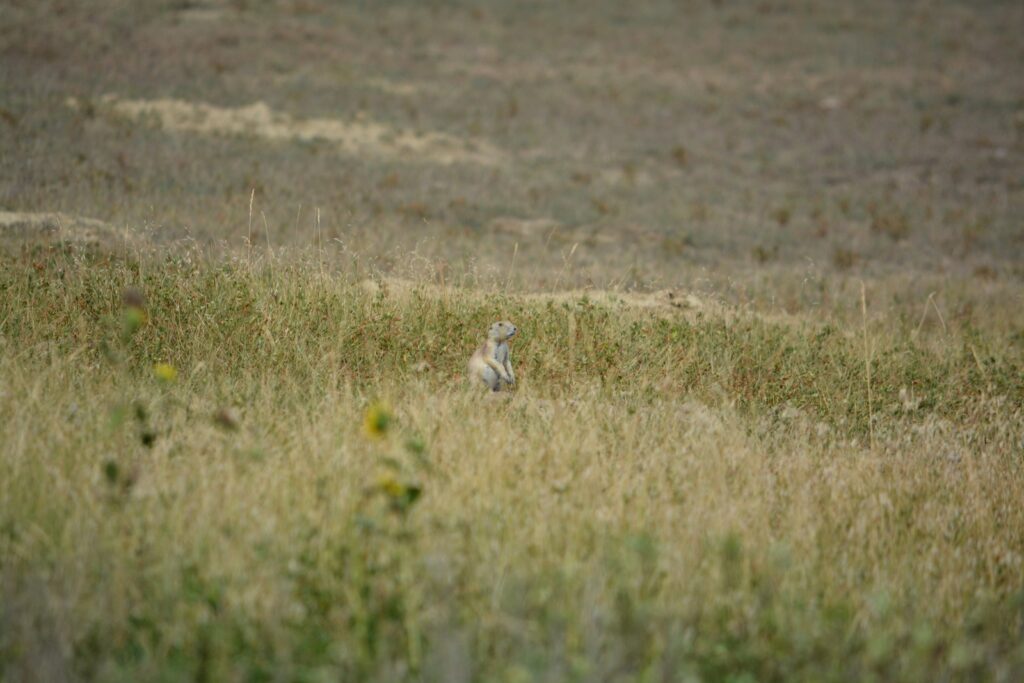
Prairie dogs are what ecologists call “ecosystem engineers” – organisms that directly or indirectly modify their environment and create habitat for other species. Through their burrowing activities, prairie dogs aerate and turn soil, allowing water to penetrate deeper into the ground rather than running off the surface. A single prairie dog can move up to 500 pounds of soil to the surface annually during burrow excavation, bringing nutrients from deep below to the topsoil where plants can access them. Their engineering efforts increase soil carbon storage and nitrogen content, effectively creating fertile islands across the prairie landscape. The physical changes they make to soil structure can persist for decades or even centuries, leaving a lasting impact on prairie ecology even after colonies have moved or disappeared.
Creating Biodiversity Hotspots
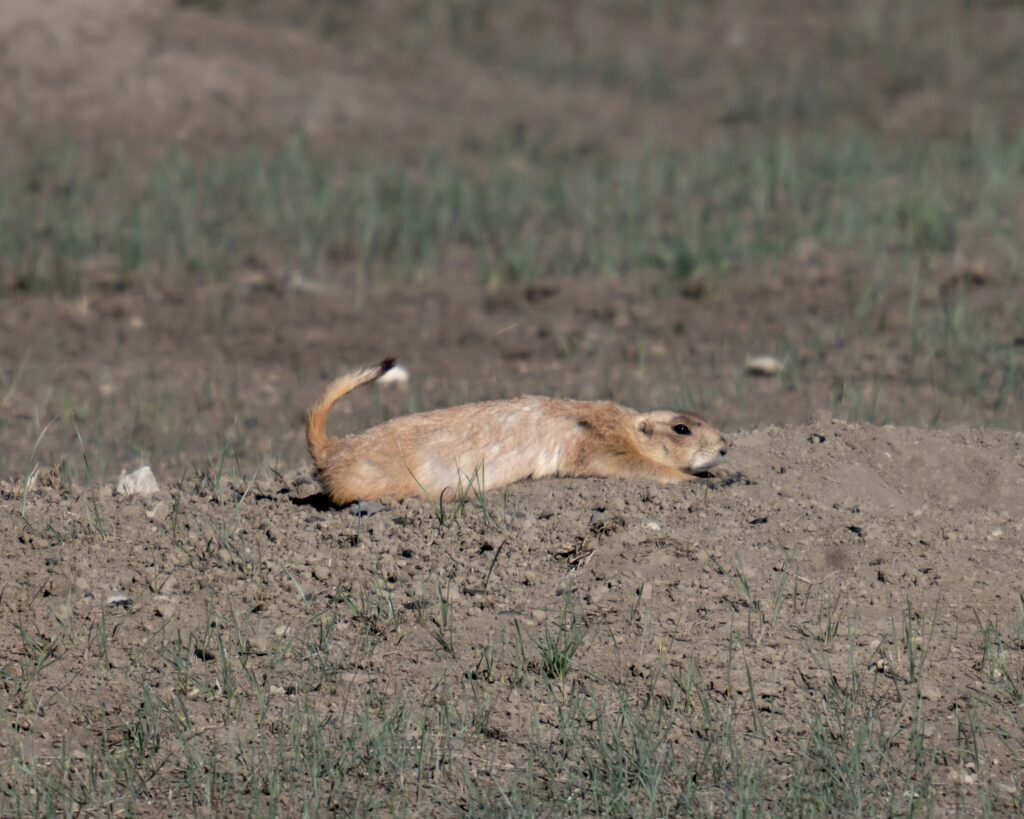
Prairie dog colonies are veritable biodiversity hotspots that support an astonishing array of other prairie species. Research has shown that more than 150 vertebrate species benefit from or depend on prairie dog colonies in some way, from providing ready-made homes to creating hunting grounds. Burrowing owls and rattlesnakes move into abandoned prairie dog burrows, while swift foxes, mountain plovers, and killdeer preferentially nest within or near colonies. Even large mammals like pronghorn antelope graze preferentially on prairie dog colonies because the vegetation there tends to be more nutritious. This concentration of biodiversity makes prairie dog towns among the most species-rich habitats in the grassland ecosystem, functioning essentially as wildlife magnets in what might otherwise be relatively uniform landscapes.
The Black-Footed Ferret’s Lifeline

Perhaps no species illustrates the ecological importance of prairie dogs better than the black-footed ferret, North America’s most endangered mammal. These sleek predators evolved to specialize almost exclusively on prairie dogs, which comprise over 90% of their diet. A single ferret family needs approximately 100-150 acres of prairie dog colony to sustain itself. When prairie dog populations plummeted in the 20th century due to poisoning campaigns and habitat loss, black-footed ferrets were driven to the brink of extinction – they were actually declared extinct in the wild at one point before a small population was discovered in Wyoming in 1981. Recovery efforts for the ferret remain entirely dependent on healthy prairie dog populations, making prairie dog conservation a prerequisite for saving this iconic predator from extinction.
Vegetation Management Specialists
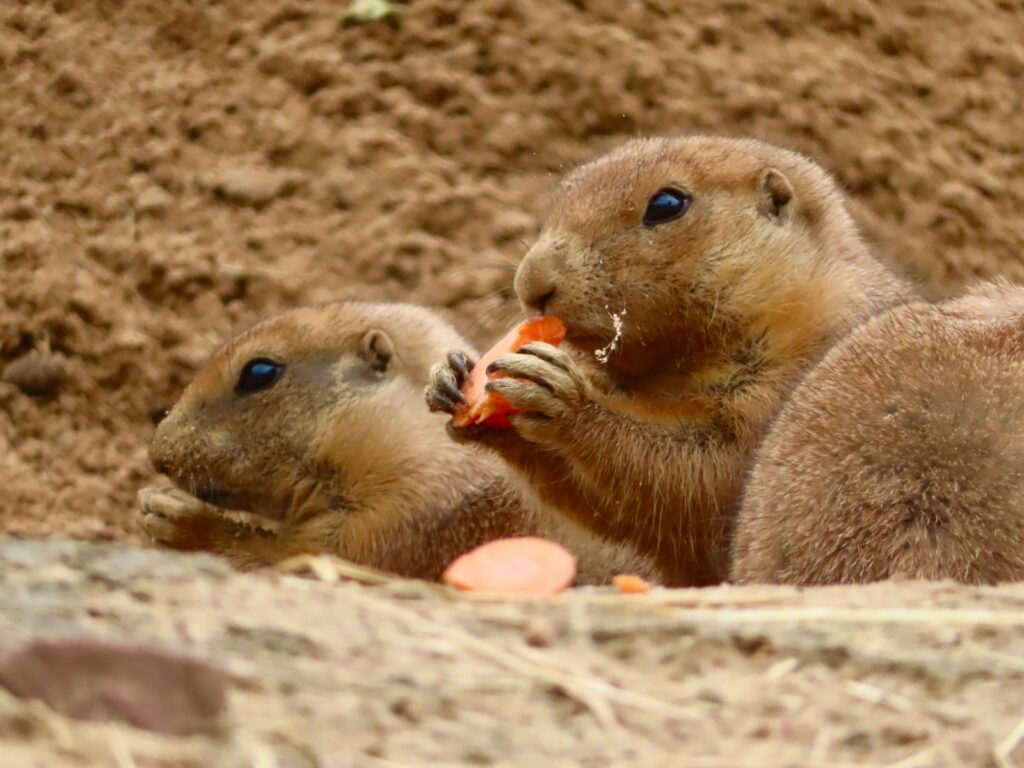
Prairie dogs significantly alter the plant communities within their colonies through their constant grazing and clipping activities. By regularly trimming vegetation, they maintain grasses and forbs in a perpetually young, growing state, which often increases the nutritional quality of the plants. This selective pressure favors certain plant species over others, creating distinctive plant communities that differ from the surrounding uncolonized prairie. The resulting vegetation is typically more diverse, with a higher proportion of nitrogen-rich plants and forbs that support insects and other herbivores. Their colonies also create natural firebreaks in the landscape, as the shorter vegetation and bare ground patches help prevent the spread of grassland wildfires, which benefits both wildlife and human communities in fire-prone regions.
Sophisticated Social Structures
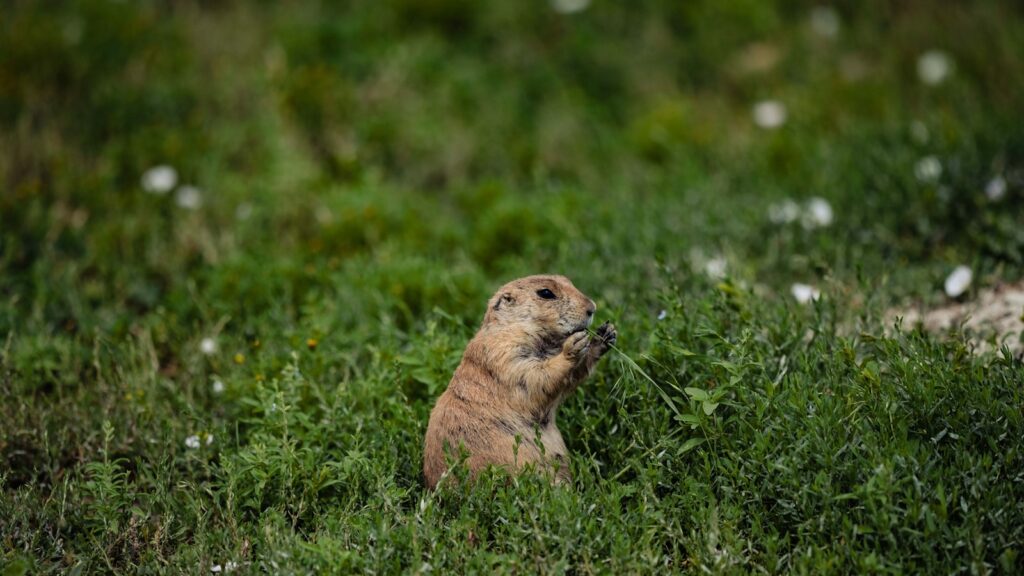
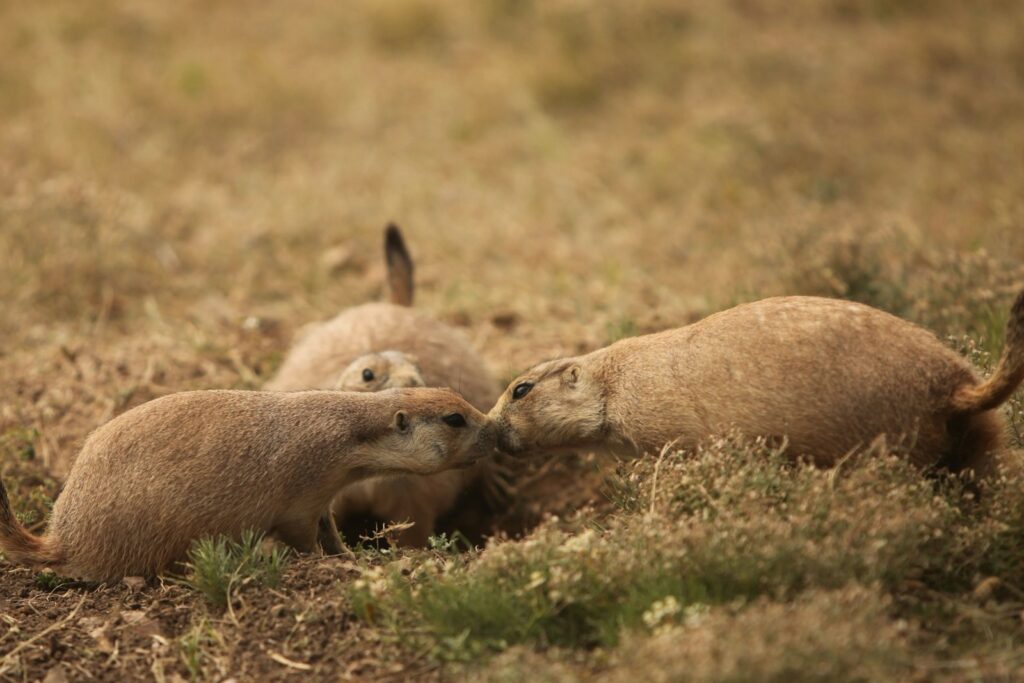
Prairie dogs possess one of the most complex social systems of any rodent, living in tight-knit family groups called coteries within larger colonies. These coteries typically consist of one adult male, several related females, and their young offspring. Their sophisticated communication system includes a variety of alarm calls so specific that they can distinguish between different predator types – hawks, coyotes, humans – and even describe the physical characteristics of the approaching threat. Prairie dogs greet each other with “kisses” (actually a form of recognition through teeth touching) and engage in cooperative behaviors like shared burrow maintenance and predator vigilance. Their social complexity extends to territorial defense, with coteries vigorously protecting their patch of the colony from neighboring groups through elaborate displays and occasional physical confrontations.
Water Conservation Champions
In the semi-arid environments where prairie dogs thrive, water management is crucial, and these rodents have evolved to become natural water conservation champions. Their extensive burrow systems capture and direct rainwater deep into the soil rather than allowing it to run off or evaporate from the surface. This improved water infiltration creates microhabitats with higher soil moisture that benefit drought-sensitive plant species in the surrounding areas. Studies have shown that water retention in soil is significantly higher within and around prairie dog colonies compared to similar prairie areas without them. During periods of drought, these moisture-rich patches become even more ecologically valuable, serving as refuge areas for plants and insects that might otherwise perish in drier conditions.
A History of Persecution
Despite their ecological importance, prairie dogs have endured one of the most systematic eradication campaigns of any North American wildlife species. Beginning in the late 1800s, government-sponsored poisoning programs eliminated prairie dogs from approximately 98% of their historic range. Millions of acres of colonies were destroyed through poisoning, shooting, and habitat conversion to agriculture. This persecution stemmed largely from the misconception that prairie dogs significantly competed with livestock for forage – a claim later research has shown to be largely exaggerated. The poisoning campaigns not only devastated prairie dog populations but also inadvertently poisoned countless non-target species, including predators that helped control prairie dog numbers naturally. Even today, prairie dogs remain unprotected in most states and face continued persecution through recreational shooting and poisoning programs.
The Surprising Benefits for Ranchers
Contrary to long-held beliefs, emerging research suggests that prairie dogs may actually benefit ranching operations under certain conditions. While they do consume some of the same grasses as cattle, prairie dogs improve forage quality by maintaining plants in a perpetually young, protein-rich state that can be more nutritious for grazing livestock. Studies have shown that cattle actually gain weight as efficiently or even more efficiently when grazing on prairie dog colonies compared to uncolonized grasslands during certain seasons. The increased plant diversity on colonies also provides nutritional variety for livestock and greater resilience during drought periods. Forward-thinking ranchers are beginning to experiment with managing for coexistence rather than eradication, finding that moderate prairie dog populations can be compatible with sustainable ranching practices.
Sentinels of Environmental Health
Prairie dogs serve as important biological indicators of grassland ecosystem health, with their population dynamics reflecting environmental changes that might otherwise go unnoticed. Their sensitivity to landscape alterations, climate shifts, and disease makes them excellent early warning systems for ecological disruption. For example, prairie dog populations often decline rapidly in response to drought conditions, providing an early signal of deteriorating rangeland health before vegetation changes become visibly apparent. They’re also susceptible to sylvatic plague, an introduced bacterial disease that can wipe out entire colonies in days – monitoring plague outbreaks in prairie dogs can help public health officials track disease patterns that might affect humans. As climate change alters precipitation patterns across the Great Plains, changes in prairie dog distribution and abundance may serve as tangible evidence of shifting ecological conditions.
Urban Survivors and Human Connections
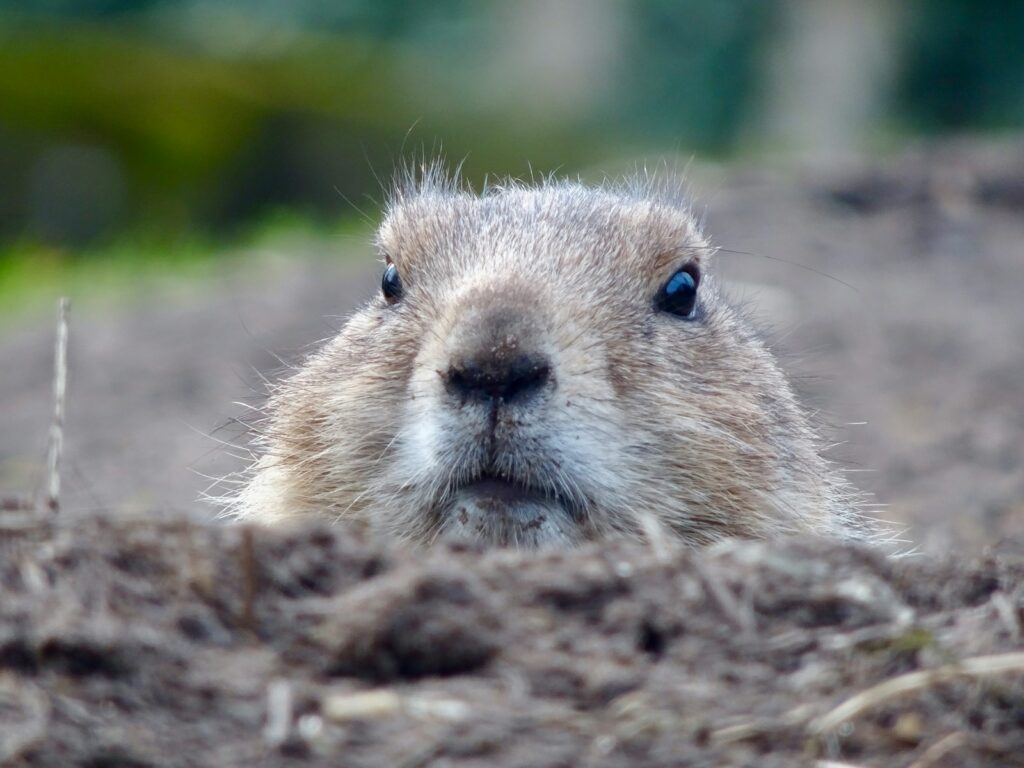
In some areas, prairie dogs have adapted to urban environments, creating colonies in city parks, vacant lots, and along roadways. These urban colonies provide rare opportunities for people to connect with wildlife and learn about prairie ecosystems in accessible settings. Cities like Denver, Boulder, and Fort Collins have developed prairie dog management plans that attempt to balance conservation with development needs, sometimes relocating colonies from areas slated for construction to protected natural areas. Urban prairie dogs face unique challenges, including habitat fragmentation, increased predation from domestic dogs and cats, and higher exposure to rodenticides and vehicle collisions. Nevertheless, these resilient urban colonies serve as important educational resources and reminders of the natural heritage of cities built on former prairies.
Conservation Challenges and Solutions
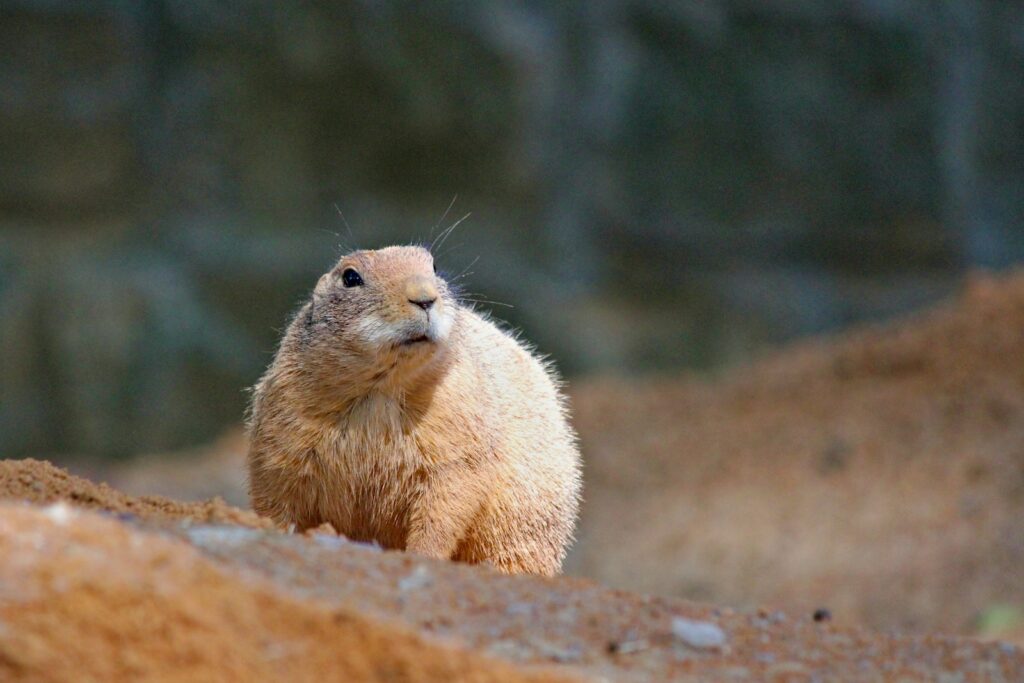
Prairie dog conservation faces numerous challenges, including continued habitat loss, fragmentation, disease, and persistent negative attitudes. All five prairie dog species have experienced significant population declines, with the Mexican prairie dog listed as endangered and the Utah prairie dog as threatened under the Endangered Species Act. Conservation efforts are increasingly focusing on landscape-scale approaches that maintain connected networks of colonies large enough to support dependent species like black-footed ferrets. Innovative solutions include the development of oral plague vaccines delivered through baits, conservation easements that incentivize landowners to maintain prairie dog colonies, and education programs that highlight their ecological value. Conservation success will ultimately depend on changing public perception and finding ways for prairie dogs to coexist with human land uses across their range.
Climate Change Allies
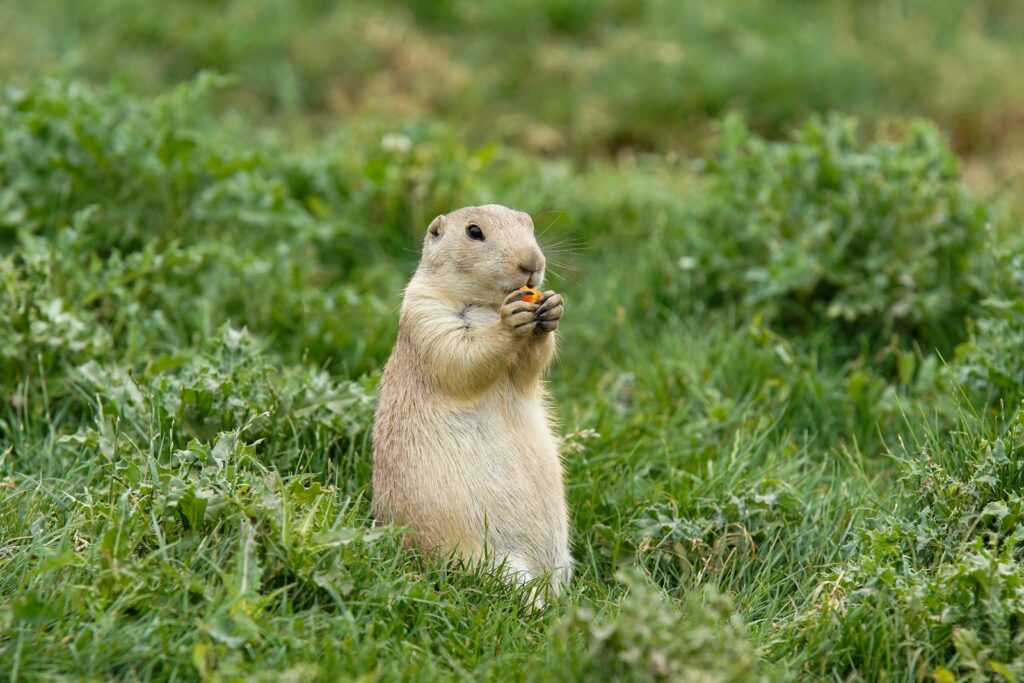
As climate change intensifies across North America’s grasslands, prairie dogs may prove to be unexpected allies in maintaining ecosystem resilience. Their soil engineering activities increase carbon sequestration, with prairie dog colonies storing more carbon in soil than comparable uncolonized areas. The improved water infiltration in their colonies helps mitigate the effects of both drought and intense rainfall events, which are becoming more common with climate change. The plant diversity they promote provides ecological insurance against climate extremes, as diverse plant communities are generally more resistant to environmental stresses than monocultures. Some research suggests that maintaining healthy prairie dog populations could be an important component of climate adaptation strategies for the Great Plains, highlighting yet another reason why these small mammals deserve greater appreciation and protection.
Conclusion
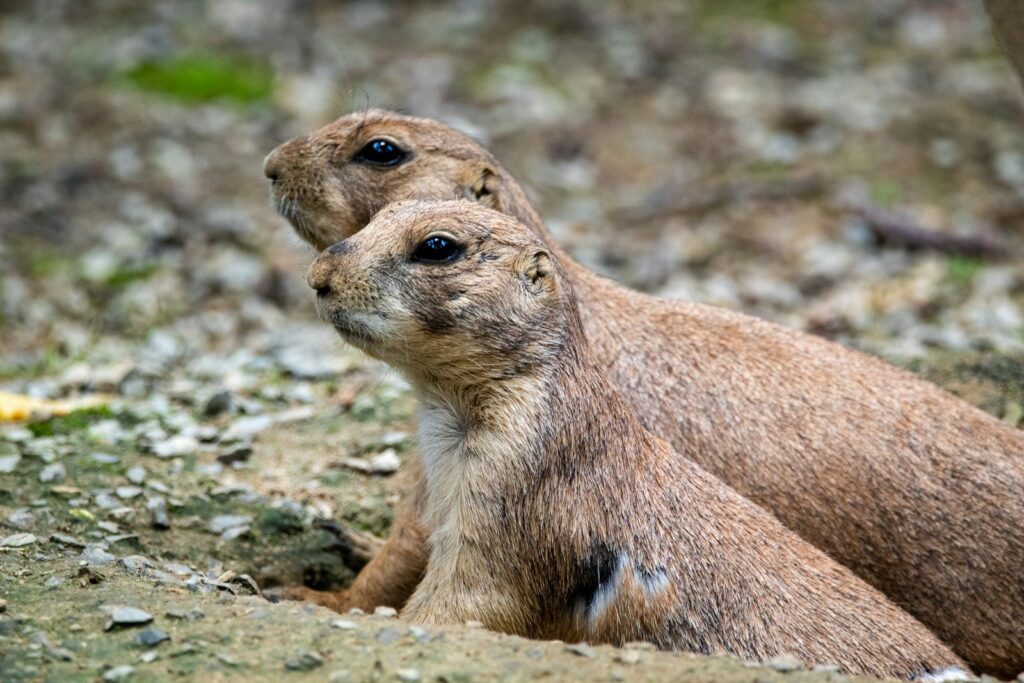
Prairie dogs may be small in stature, but their ecological footprint is enormous. From creating habitat for endangered species to improving soil health, managing vegetation, and enhancing water infiltration, these colonial rodents are true ecosystem engineers whose influence extends throughout the prairie food web. Their decline represents not just the loss of a charismatic species but the unraveling of complex ecological relationships that have evolved over millennia. By reconsidering our relationship with prairie dogs and recognizing their profound importance to healthy grasslands, we can work toward conservation approaches that benefit these keystone species, the ecosystems they support, and ultimately the human communities that depend on functioning prairie landscapes. The humble prairie dog, it turns out, is anything but insignificant.