

Rivers are the lifeblood of wildlife reserves, functioning as critical ecosystems that support diverse plant and animal species while connecting various habitats within protected areas. The health of these waterways directly influences the overall biodiversity and resilience of the entire reserve. As environmental pressures mount globally, conservation authorities are increasingly prioritizing river system management as a cornerstone of wildlife protection strategies. This article explores the multifaceted importance of river health in wildlife reserves and examines the approaches being taken to preserve these vital waterways for future generations.
The Ecological Significance of Rivers in Wildlife Reserves

Rivers serve as the arteries of wildlife reserves, transporting essential nutrients, sediments, and water throughout the ecosystem. These dynamic waterways create and maintain diverse habitats ranging from deep channels to shallow backwaters, supporting specialized species that have evolved to thrive in specific river conditions. Beyond simply providing water, healthy rivers regulate temperature, filter pollutants, and facilitate crucial ecological processes like decomposition and nutrient cycling. The seasonal variations in river flow—from gentle summer trickles to powerful spring floods—trigger important biological events including fish spawning, plant germination, and insect emergence, demonstrating how river rhythms orchestrate the timing of life throughout the reserve.
Rivers as Biodiversity Hotspots
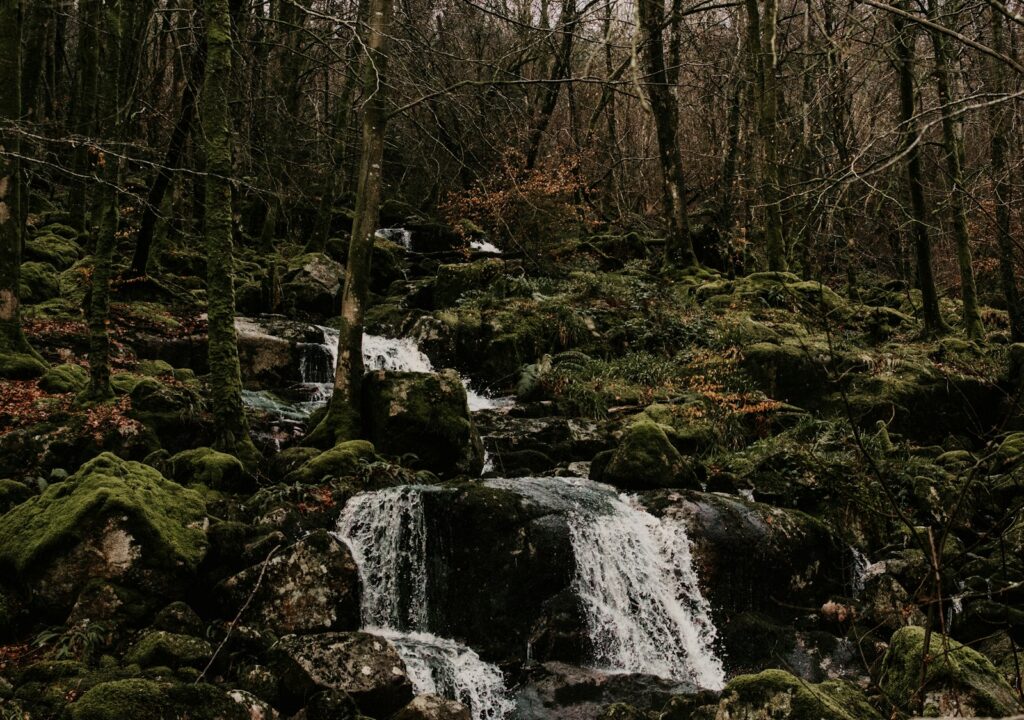
Although rivers typically occupy a relatively small physical footprint within wildlife reserves, they harbor disproportionately high biodiversity compared to surrounding terrestrial environments. These waterways support specialized aquatic species like fish, amphibians, and invertebrates that cannot survive elsewhere, while simultaneously attracting terrestrial wildlife that depends on river resources. The unique transition zones between water and land—known as riparian areas—are particularly rich in biodiversity, often containing more species than either the river or the upland areas alone. Research has demonstrated that healthy river systems in reserves can support up to three times the number of bird species and twice the mammal diversity compared to areas with degraded waterways, highlighting rivers’ outsized contribution to overall reserve biodiversity.
Connectivity and Wildlife Movement Corridors
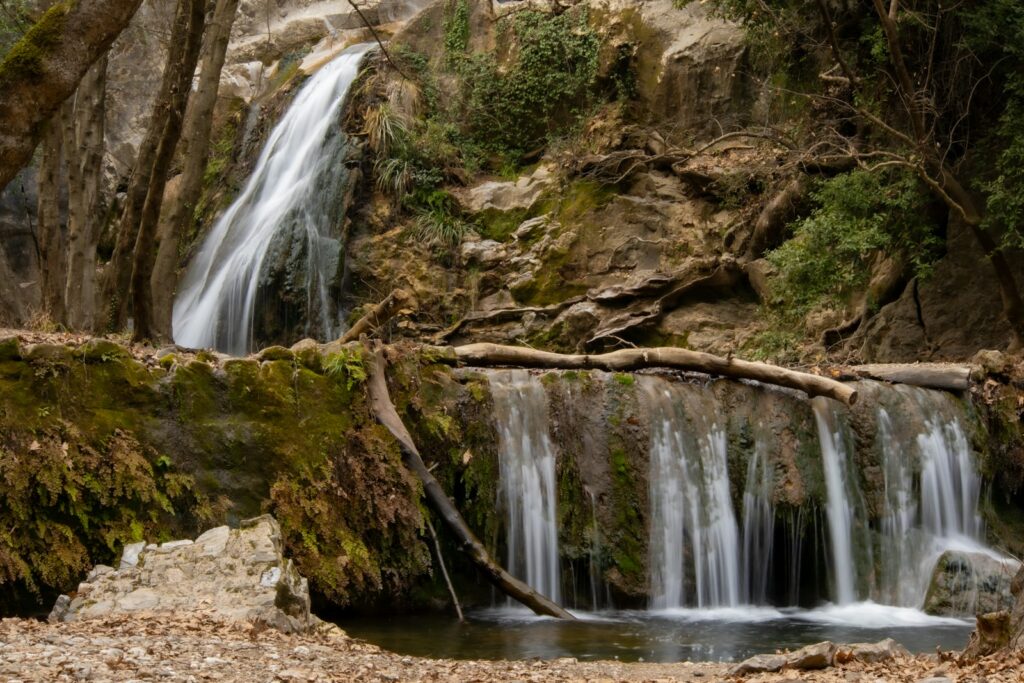
Rivers function as natural highways for wildlife, facilitating essential movement through the landscape that maintains genetic diversity and population health. For many species, these waterways serve as critical migration routes, allowing seasonal travels between breeding, feeding, and wintering grounds that may span hundreds of miles. In fragmented landscapes, rivers and their associated riparian zones often represent the last remaining corridors connecting isolated habitat patches, enabling wildlife to access different parts of the reserve that would otherwise be inaccessible. Conservation biologists now recognize that protecting these movement corridors is as important as preserving core habitat areas, with healthy rivers playing a pivotal role in maintaining functional connectivity that allows wildlife populations to adapt to changing conditions.
Water Quality and Wildlife Health

The quality of water in reserve rivers directly impacts the health of wildlife populations that depend on these waterways. Contaminants including agricultural runoff, industrial pollutants, and untreated sewage can introduce harmful chemicals and pathogens that cause disease, reproductive failure, and mortality in aquatic species. These effects can biomagnify through the food chain, eventually affecting predator species like eagles, otters, and large cats that consume aquatic prey. Beyond chemical contamination, physical factors such as water temperature, clarity, and oxygen content significantly influence wildlife health, with even subtle changes potentially disrupting sensitive species’ life cycles. Maintaining high water quality standards has become a central focus for reserve managers who recognize that clean water is fundamental to wildlife population stability.
Riparian Zones: Critical Transition Ecosystems

The areas immediately adjacent to rivers—known as riparian zones—serve as crucial transition ecosystems between aquatic and terrestrial environments within wildlife reserves. These dynamic zones perform multiple ecological functions, including filtering pollutants, stabilizing banks, moderating water temperatures through shade, and providing critical habitat for countless species. Vegetation in healthy riparian areas reduces erosion during flood events, traps sediments that would otherwise clog waterways, and contributes organic matter that forms the base of aquatic food webs. Research indicates that up to 70% of terrestrial wildlife in many reserves uses riparian corridors during some portion of their life cycle, underscoring these zones’ importance as biological hotspots that warrant special protection efforts.
Hydrological Regulation and Climate Resilience
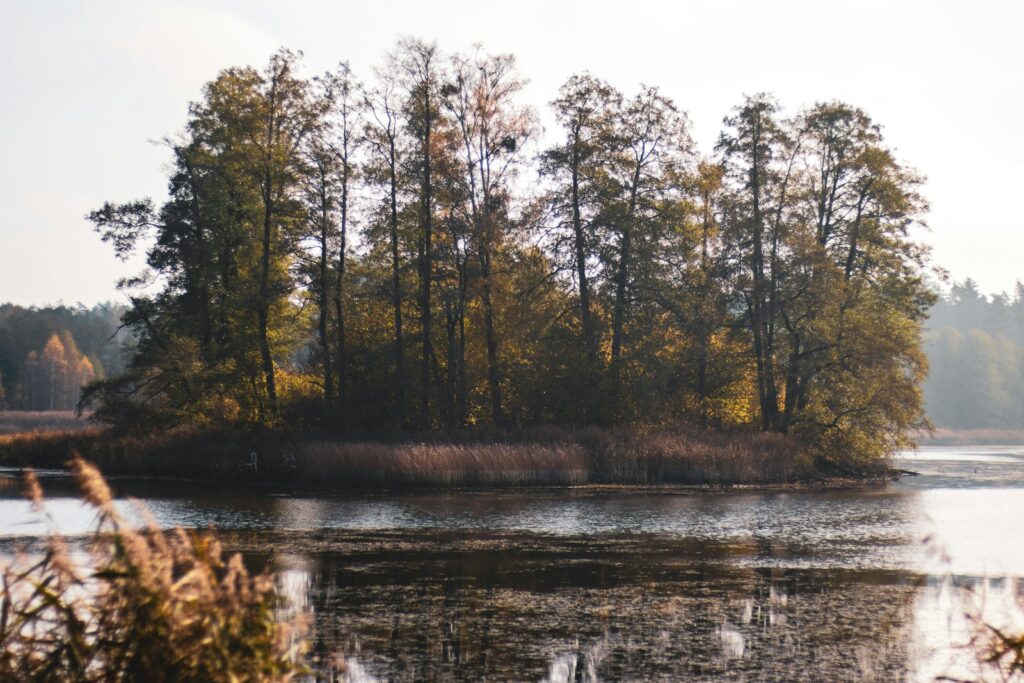
Intact river systems within wildlife reserves play a vital role in regulating hydrological cycles and building resilience against climate change impacts. Healthy rivers with natural flow regimes and connected floodplains act as natural sponges, absorbing excess water during heavy rainfall events and slowly releasing it during dry periods. This natural regulation helps minimize the impacts of both floods and droughts that are becoming more frequent and severe with climate change. Floodplain wetlands associated with rivers provide crucial water storage capacity while simultaneously recharging groundwater aquifers that maintain water flow during dry seasons. By prioritizing river health, reserve managers are effectively creating climate adaptation buffers that will help wildlife populations weather the increasing variability expected in future climate conditions.
Threats to River Health in Reserves
Despite their protected status, rivers in wildlife reserves face numerous threats that compromise their ecological integrity. Upstream activities outside reserve boundaries—including deforestation, agricultural intensification, mining, and urban development—can introduce pollutants, alter water flow, and degrade water quality before rivers even enter protected areas. Within reserves, infrastructure development such as roads, visitor facilities, and management installations can disrupt natural drainage patterns and contribute to sedimentation. Invasive aquatic species represent another significant threat, often outcompeting native species and altering ecosystem functions in ways that cascade throughout the food web. Climate change compounds these challenges by altering precipitation patterns, increasing water temperatures, and intensifying extreme weather events that can physically reshape river channels through flooding or dry them completely during extended droughts.
River Restoration in Wildlife Reserves
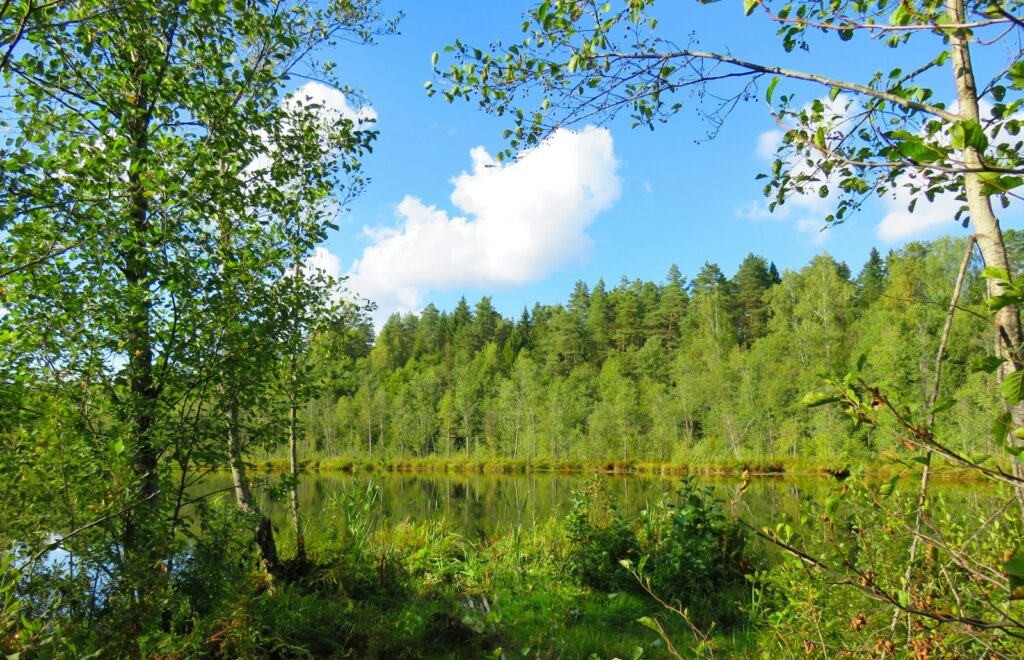
Recognizing the critical importance of healthy waterways, many wildlife reserves have implemented comprehensive river restoration programs to repair damaged systems. These initiatives often begin with removing physical barriers like unnecessary dams or poorly designed culverts that block fish passage and disrupt natural flow regimes. Restoration specialists work to reestablish meandering river channels that have been artificially straightened, creating habitat complexity through the strategic placement of logs, boulders, and other natural features. Replanting native vegetation along banks stabilizes soils while providing shade and wildlife habitat, while controlling invasive species prevents further ecosystem disruption. Success stories abound, such as Yellowstone National Park’s spectacular recovery of cutthroat trout populations following targeted restoration efforts, demonstrating that strategic interventions can effectively reverse decades of degradation.
Monitoring River Health in Protected Areas
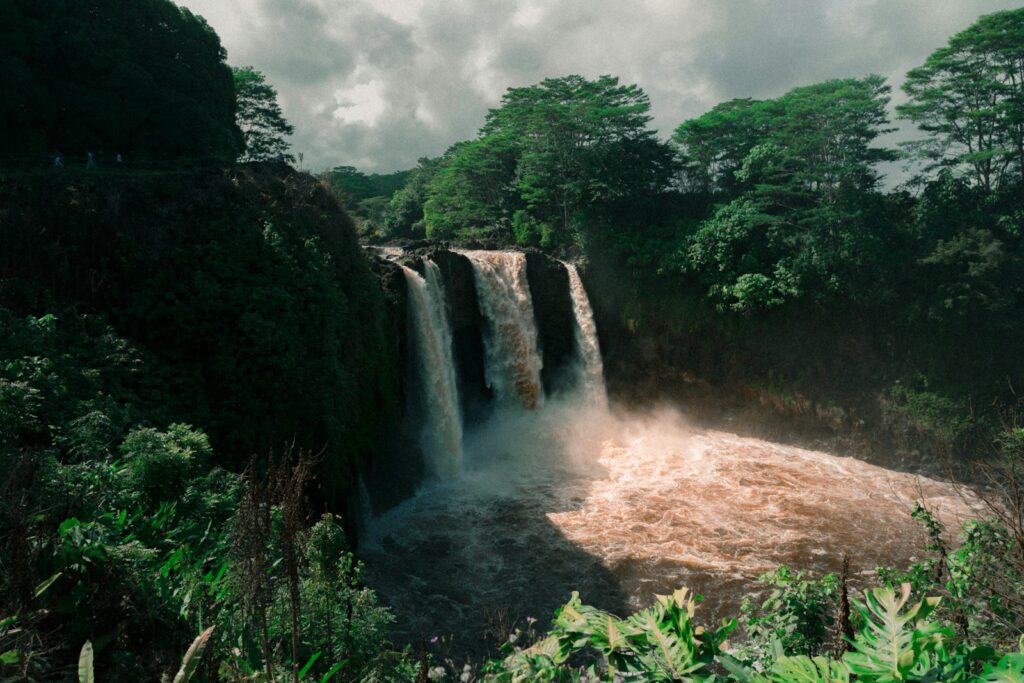
Effective river management in wildlife reserves requires robust monitoring programs that track key indicators of ecosystem health over time. Modern monitoring approaches combine traditional sampling methods with cutting-edge technologies like environmental DNA (eDNA) analysis, which can detect species presence from water samples without directly observing the organisms. Continuous water quality monitoring stations provide real-time data on parameters including temperature, dissolved oxygen, pH, and turbidity, allowing managers to quickly identify and address emerging problems. Biological indicators such as aquatic invertebrate communities offer insights into long-term conditions, as these organisms integrate environmental impacts over their lifespans. Many reserves now engage citizen scientists in monitoring efforts, training volunteers to collect standardized data that expands coverage while simultaneously building public awareness about river conservation priorities.
Watershed Management Beyond Reserve Boundaries
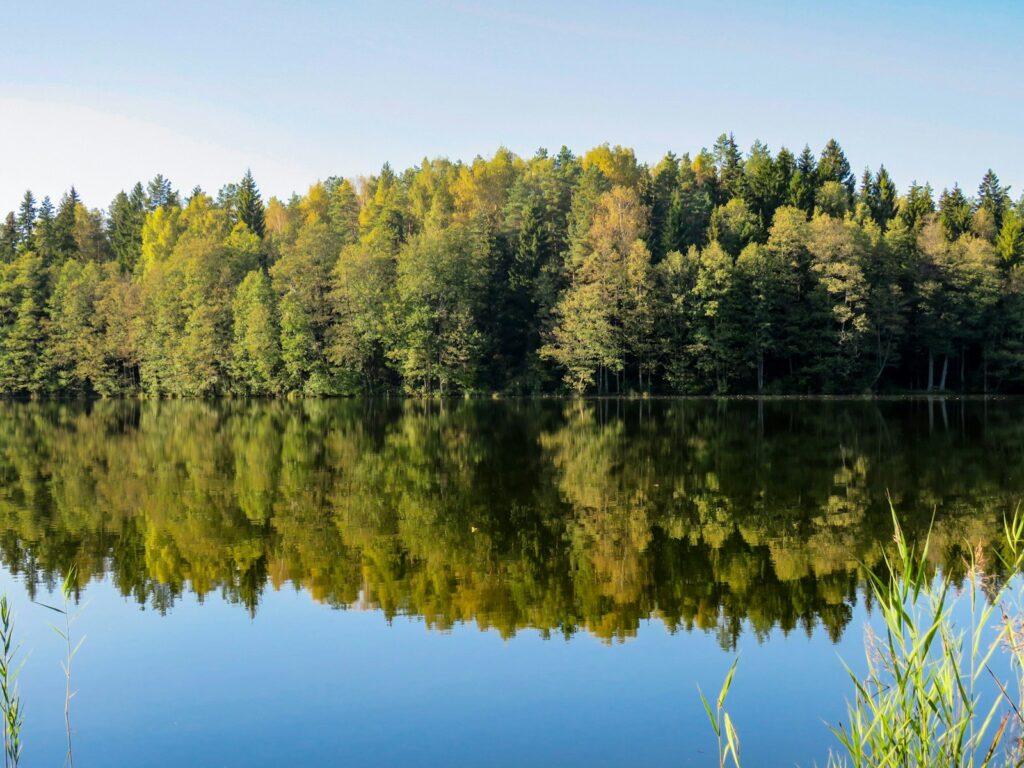
Progressive wildlife reserve managers recognize that effective river protection requires looking beyond official boundaries to address watershed-level dynamics. Since rivers are products of their entire catchment areas, activities occurring far upstream can significantly impact water quality and quantity within the reserve. Forward-thinking management plans now incorporate collaborative approaches with landowners, communities, and industries in the broader watershed to promote sustainable practices that benefit river health. These partnerships might include supporting improved agricultural techniques that reduce runoff, working with municipalities to upgrade wastewater treatment, or engaging in payment for ecosystem services programs that compensate upstream landowners for protecting water sources. By expanding their influence beyond jurisdictional boundaries, reserves can better address the root causes of river degradation rather than merely treating symptoms within protected areas.
Indigenous Knowledge and River Conservation

Indigenous communities often possess sophisticated ecological knowledge about river systems developed through centuries of observation and interaction. Many wildlife reserves are now partnering with indigenous groups to incorporate traditional knowledge into river management approaches, recognizing the value of these cultural perspectives. Indigenous practices frequently emphasize the interconnectedness of river systems with the broader landscape and incorporate seasonal rhythms that align with natural cycles. In places like Australia’s Kakadu National Park and Canada’s Wood Buffalo National Park, indigenous co-management arrangements have led to more holistic approaches to river conservation that better reflect cultural values while strengthening ecological outcomes. These partnerships not only improve river management but also help address historical injustices by recognizing indigenous peoples’ role as traditional stewards of these waterways.
Balancing Human Use and River Protection
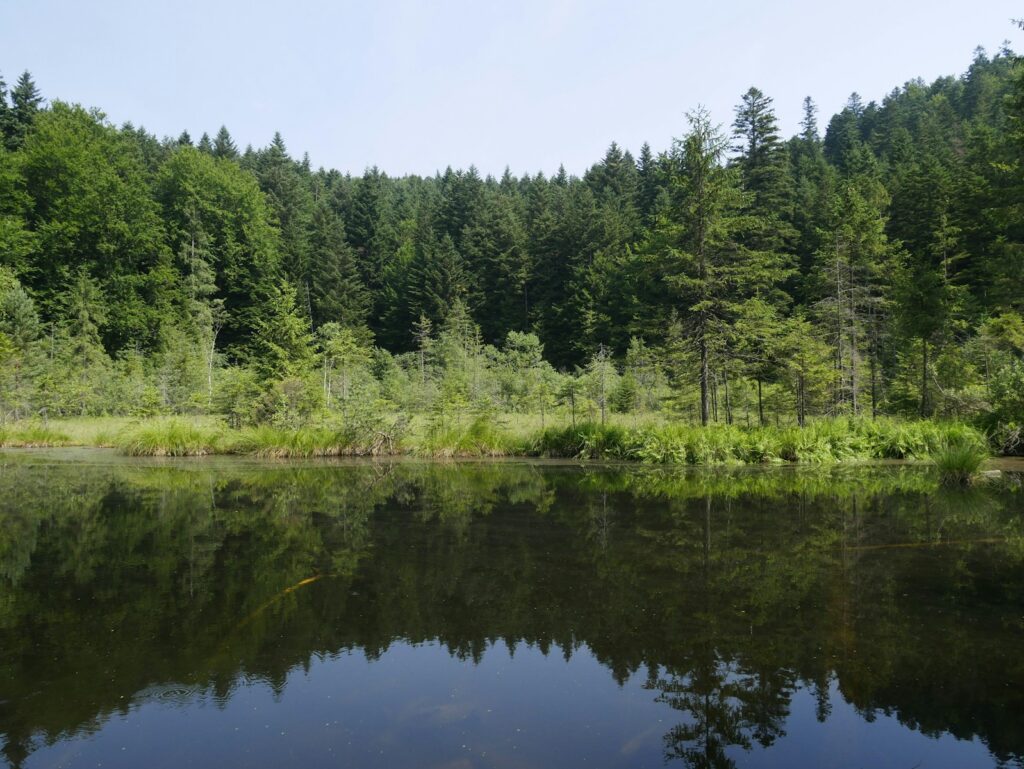
Wildlife reserves must carefully balance human recreational use of rivers with ecological protection priorities. Activities like fishing, boating, swimming, and wildlife viewing provide important opportunities for visitors to connect with nature and build support for conservation, but can also negatively impact sensitive species and habitats if not properly managed. Successful reserves implement zoning systems that restrict access to particularly vulnerable areas while directing visitors to more resilient sections that can withstand higher use levels. Seasonal closures may protect critical breeding areas during sensitive periods, reopening them when impacts would be minimal. Many reserves now require special permits for river activities, allowing managers to control visitor numbers and educate users about responsible practices that minimize their ecological footprint while still enjoying meaningful nature experiences.
The Future of River Conservation in Wildlife Reserves

Looking ahead, river conservation in wildlife reserves faces both challenges and opportunities as new approaches emerge. Climate change adaptation has become a central focus, with managers redesigning management strategies to account for changing flow regimes, temperature patterns, and extreme weather events. Advanced modeling tools now help predict future conditions, allowing proactive interventions before problems become severe. Emerging concepts like “environmental flows” specifically allocate water to maintain ecosystem functions, ensuring rivers receive the quantity, quality, and timing of flows they need to remain healthy. Innovations in funding mechanisms, including water funds and conservation financing, are creating sustainable revenue streams dedicated to river protection. As science advances and public awareness grows, wildlife reserves are increasingly positioned as leaders in demonstrating how healthy river systems can be maintained even in the face of mounting environmental pressures.
Conclusion
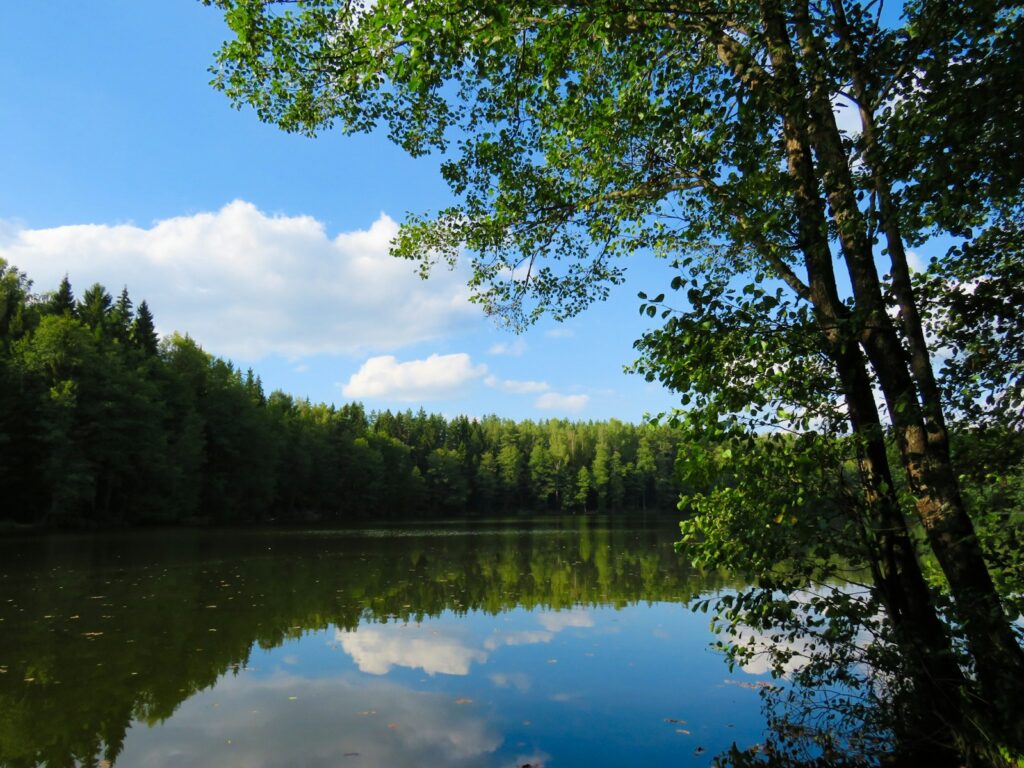
Rivers are undeniably essential components of wildlife reserves, providing far more than just water. They create diverse habitats, connect landscapes, support extraordinary biodiversity, and build resilience against environmental change. As conservation science evolves, the critical importance of maintaining healthy river systems has moved from a peripheral concern to a central management priority. By addressing threats both within and beyond reserve boundaries, implementing restoration measures, and balancing human use with ecological protection, wildlife reserves are working to ensure these vital waterways continue to sustain diverse wildlife populations. The future of many protected areas will largely depend on their success in preserving the integrity of these flowing lifelines that connect and nourish the entire ecosystem.