
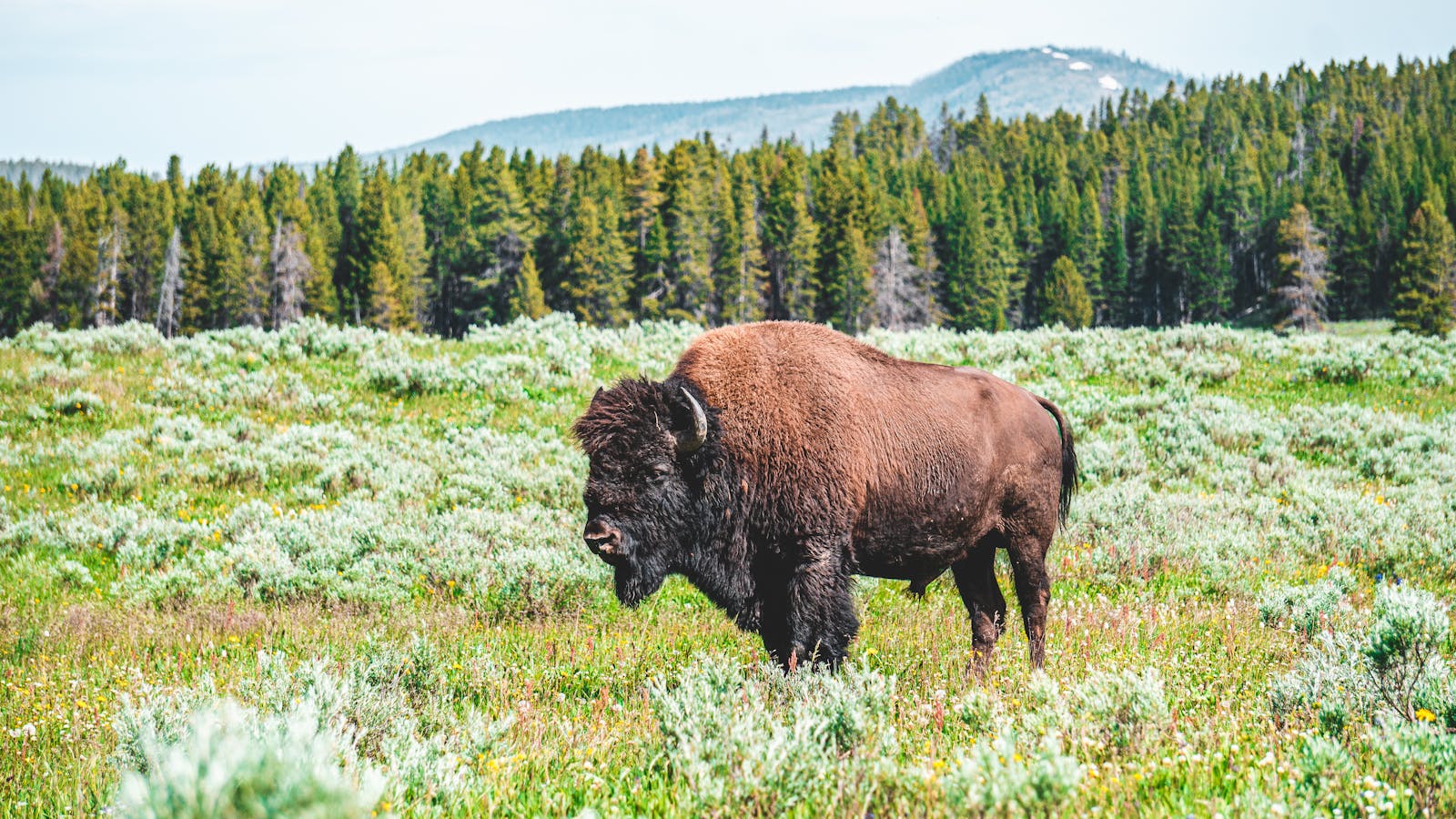
The American plains once thundered with the hooves of millions of bison, creating a dynamic relationship with prairie ecosystems that evolved over thousands of years. These massive creatures—North America’s largest land mammals—shaped the landscape through their grazing, movement, and behaviors in ways no other animal could replicate. Yet by the late 1800s, what had been a population of 30-60 million animals was reduced to fewer than 1,000 individuals through systematic hunting and habitat destruction. Today, the reintroduction of bison to their native ranges represents not just a conservation success story, but a critical ecological restoration initiative. As keystone species, bison don’t simply exist within prairie ecosystems—they actively create, maintain, and enrich them through complex interactions that benefit countless other species. Their return to the American landscape offers insights into ecological restoration, biodiversity preservation, and the healing of both natural systems and cultural relationships with the land.
The Historic Role of Bison in North American Prairies
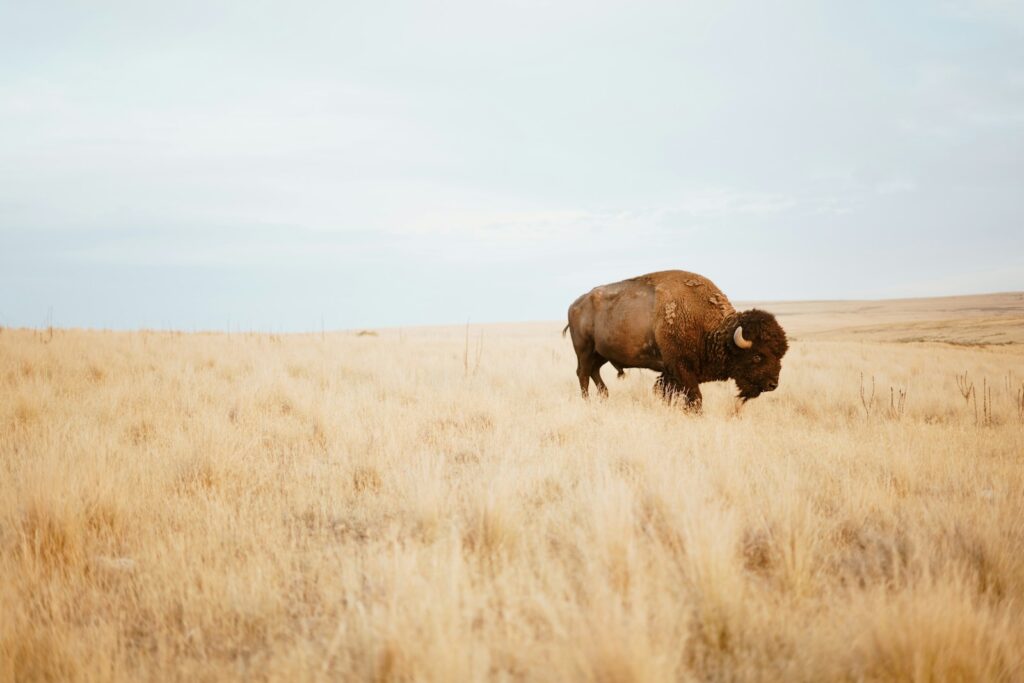
For millennia, bison served as ecosystem engineers across the Great Plains, shaping the very structure and composition of North America’s grasslands. Archaeological and paleontological evidence indicates bison have influenced prairie ecosystems for at least 10,000 years, co-evolving with the grassland plants and creating a mutually beneficial relationship. Their selective grazing patterns encouraged biodiversity by preventing any single plant species from dominating the landscape. Historical accounts from early European explorers described herds so vast they blackened the horizon for days as they passed, indicating populations that may have reached 30-60 million animals before European settlement. This massive presence on the landscape meant that virtually every aspect of prairie ecology—from soil composition to predator populations—was influenced by these magnificent animals in ways we’re still working to fully understand.
The Near-Extinction Crisis and Its Ecological Consequences

The systematic slaughter of bison during the 19th century represents one of history’s most dramatic examples of human-caused population collapse, with profound ecological ripple effects. By 1889, fewer than 1,000 bison remained, having been hunted for their hides and tongues and deliberately exterminated as part of government policies to subjugate Native American tribes. This catastrophic decline created an ecological vacuum across millions of acres of prairie habitat, leading to cascading effects throughout the ecosystem. Without bison grazing, many prairie plants lost their competitive advantage, allowing woody vegetation to encroach and changing the fundamental character of the landscape. Predator populations that had evolved alongside bison were devastated, while insects, birds, and mammals that had depended on bison-created habitat features like wallows disappeared from vast regions. The removal of bison essentially silenced key ecological processes that had maintained prairie health for thousands of years.
Bison as Ecosystem Engineers Through Grazing Patterns

Unlike cattle and other domestic grazers, bison employ a distinctive grazing strategy that actively enhances prairie biodiversity and resilience. Bison practice what ecologists call “patch-selective grazing,” meaning they intensively graze specific areas while leaving others relatively untouched, creating a mosaic of vegetation heights and densities across the landscape. This heterogeneous grazing creates microhabitats that support diverse plant and animal communities, from ground-nesting birds that require varying grass heights to specialized insects that thrive in particular vegetation structures. Research at the Konza Prairie Biological Station has demonstrated that bison-grazed areas support up to 300% more plant species diversity than ungrazed prairie, largely because their selective consumption of dominant grasses reduces competition and allows forbs (flowering plants) to flourish. Additionally, bison metabolize plants differently than cattle, leaving behind more undigested seeds that germinate in their nutrient-rich dung, effectively planting prairie species as they move across the landscape.
The Critical Role of Bison Wallows in Prairie Biodiversity
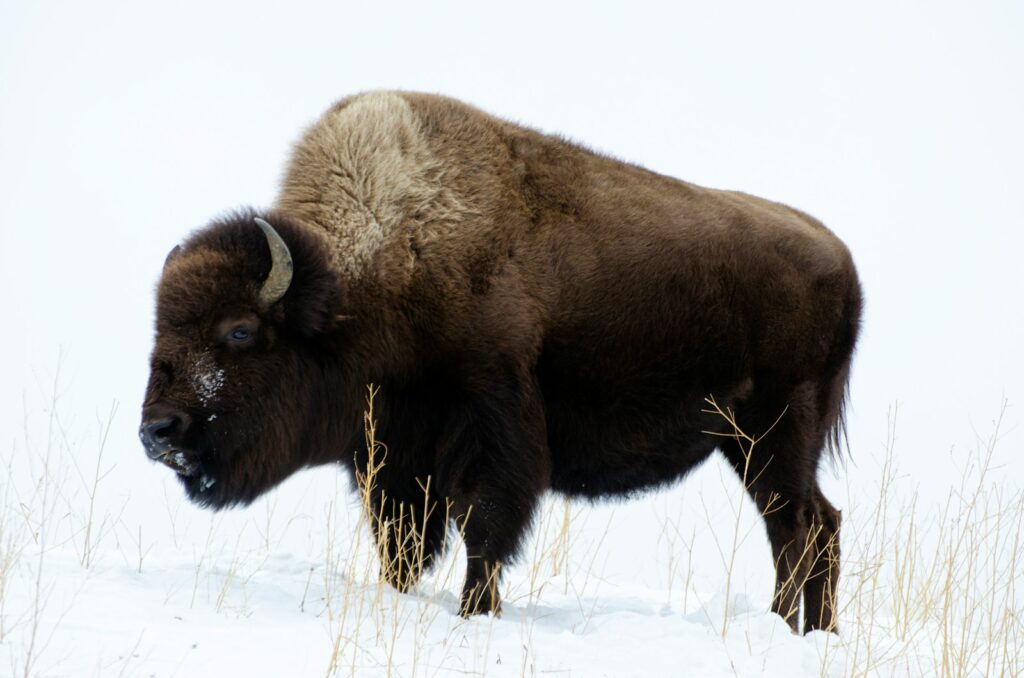
One of the most distinctive ways bison modify prairie landscapes is through the creation of wallows—depressions formed when bison roll and dust-bathe in the soil. These wallows, which can span 10-15 feet in diameter and persist for decades, serve as unique microecosystems that significantly enhance prairie biodiversity. When rainfall collects in these depressions, they become ephemeral wetlands that support specialized plant communities and provide crucial breeding habitat for amphibians like the Great Plains toad and tiger salamander. Research has documented that a single bison wallow can support up to 60 plant species not found in the surrounding prairie, including rare annuals that depend on these disturbed areas to complete their life cycles. Beyond serving as biodiversity hotspots, wallows also function as natural water catchments that increase moisture retention in prairie soils during dry periods, making the entire ecosystem more drought-resistant and resilient to climate fluctuations.
Nutrient Cycling and Soil Health Improvements from Bison Presence
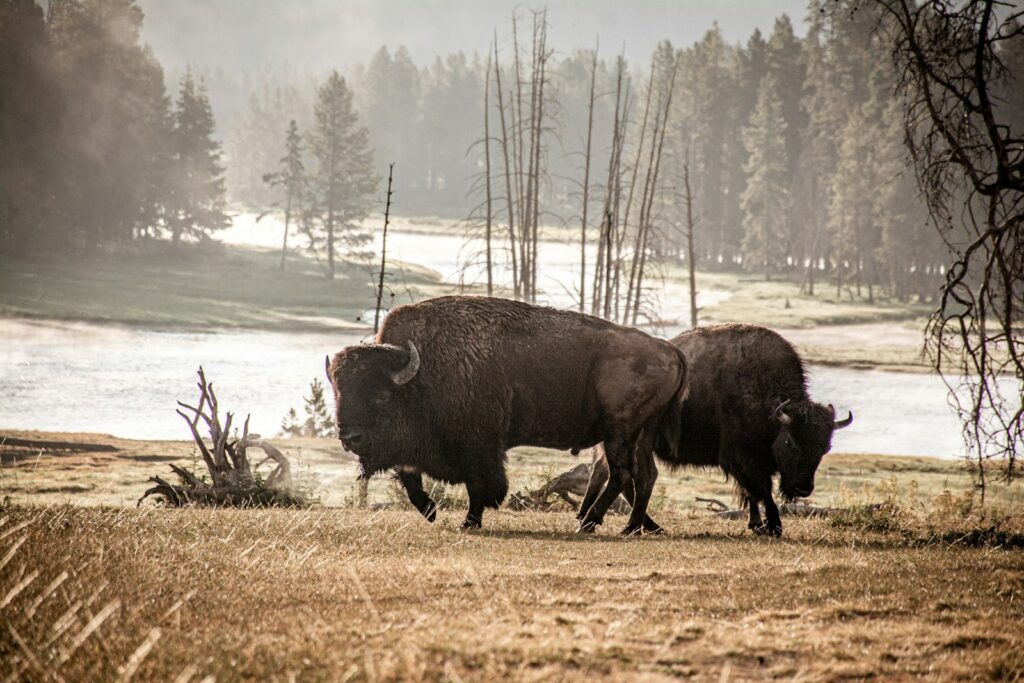
Bison serve as living nutrient transporters across prairie landscapes, dramatically enhancing soil fertility through multiple biological pathways. Their dung and urine distribute concentrated packets of nitrogen, phosphorus, and other essential nutrients that might otherwise remain locked in vegetation, making these elements available to plants and soil microorganisms. Studies from Yellowstone have shown that areas with bison activity maintain nitrogen cycling rates up to 300% higher than areas without bison, significantly boosting overall ecosystem productivity. The physical impact of their hooves breaks up compacted soil surfaces, incorporates organic matter, and creates microsites for seed germination and water infiltration. Perhaps most remarkably, research has demonstrated that prairie soils in bison-grazed areas contain significantly higher carbon sequestration potential than ungrazed areas, as their selective consumption of grasses promotes deeper root growth and greater belowground biomass accumulation. This enhanced soil carbon storage represents an important nature-based climate solution that accompanies bison restoration.
Supporting Species Diversity Through Habitat Creation
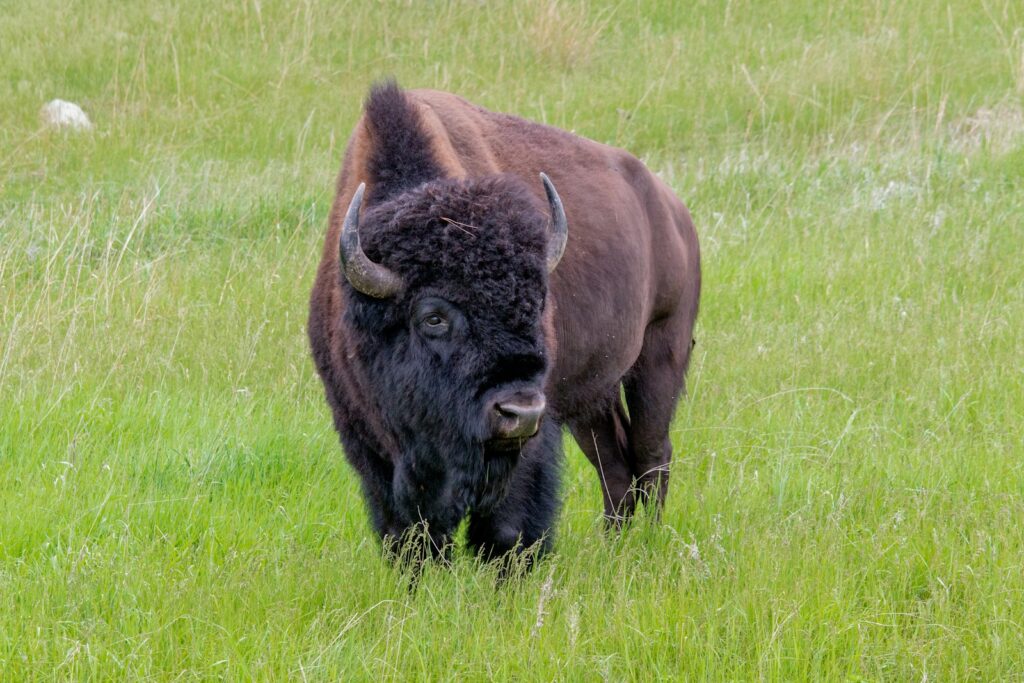
The presence of bison triggers a cascade of habitat modifications that benefit a remarkable array of prairie wildlife, making them true biodiversity catalysts. Prairie dog colonies expand in bison-grazed areas due to improved visibility and preferred vegetation structure, creating habitat complexes that support more than 150 associated species, from burrowing owls to endangered black-footed ferrets. Grassland birds like the threatened greater prairie-chicken specifically seek out the mosaic of tall and short vegetation created by bison grazing patterns for their complex breeding requirements. The insects that colonize bison dung support insectivorous birds and bats, while scavengers from magpies to wolves historically depended on bison mortality to survive harsh prairie winters. At microscopic scales, researchers have documented unique communities of soil microbes in bison-impacted areas that enhance plant productivity through symbiotic relationships. This multilayered impact on biodiversity underscores why bison are considered a keystone species—their presence creates conditions necessary for countless other species to thrive.
Fire Ecology and Bison’s Role in Prairie Resilience
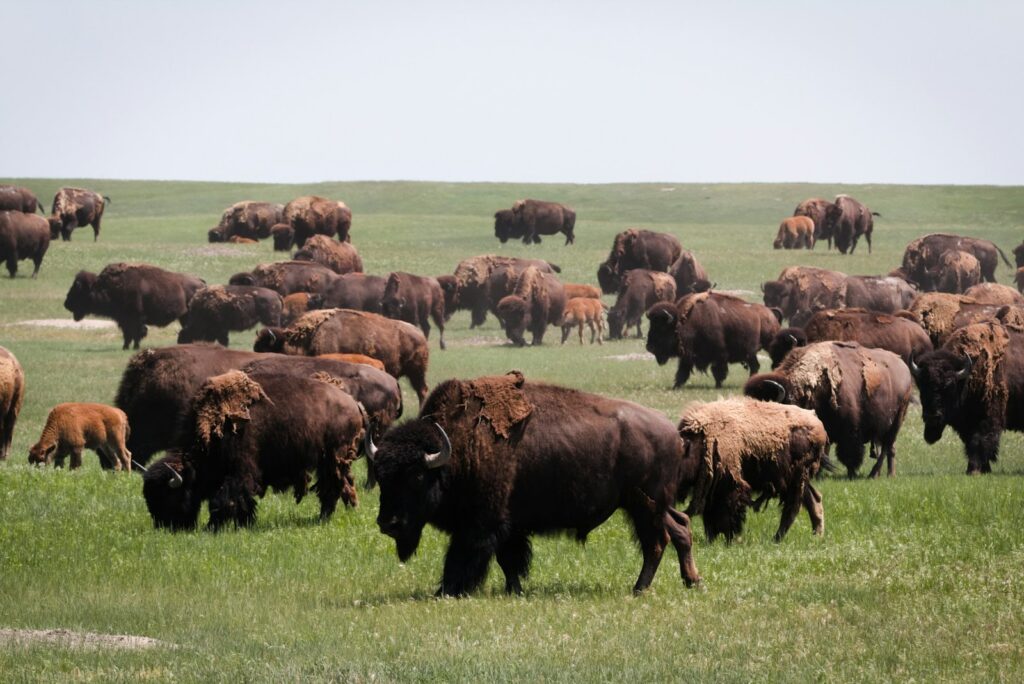
The relationship between bison and fire represents one of the most fascinating ecological partnerships in prairie ecosystems, creating a synergistic cycle that maintains grassland health. Historically, North American prairies burned frequently from lightning strikes and Indigenous prescribed burning, with flames sweeping across millions of acres. Bison are innately attracted to recently burned areas because these patches produce the most nutritious regrowth of grasses, concentrating their grazing in post-fire landscapes. This selective grazing prevents woody plant encroachment that might otherwise occur after fires, maintaining the open character of grasslands. Research at the Konza Prairie has demonstrated that the combination of fire and bison grazing creates greater plant diversity than either process alone, as the interaction creates unique niches that support specialized plant species. This fire-grazing relationship, sometimes called “pyric herbivory,” makes prairie ecosystems more resilient to extreme weather events like droughts and floods by maintaining plant communities adapted to disturbance regimes.
Scientific Evidence from Successful Reintroduction Projects
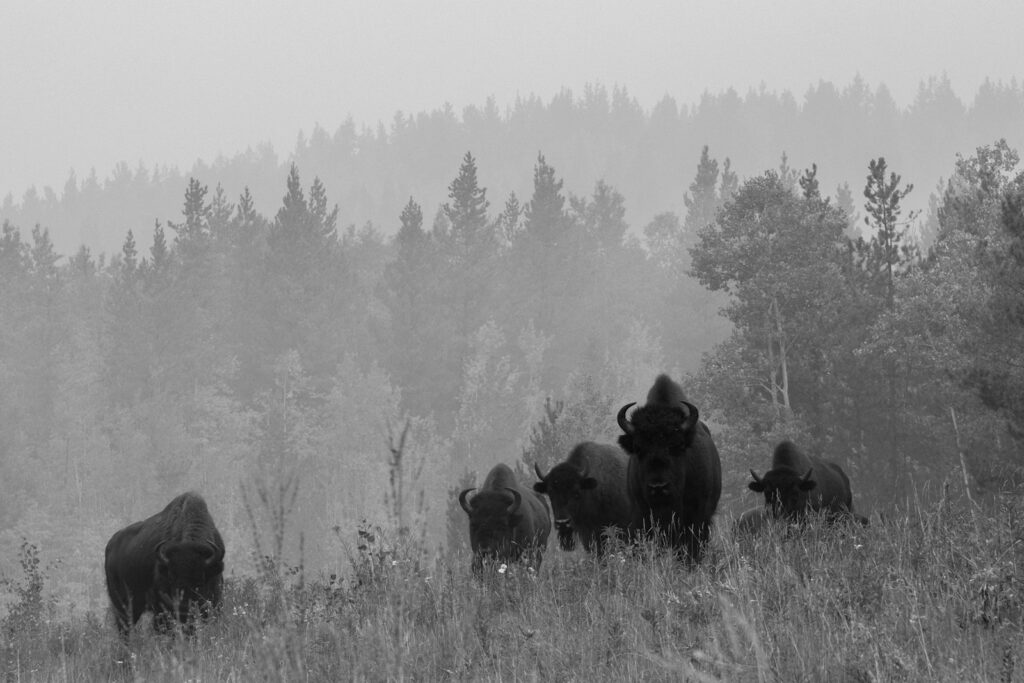
Decades of data from pioneering bison reintroduction sites provide compelling evidence for their positive impact on ecosystem restoration and function. The American Prairie Reserve in Montana has documented a 25% increase in plant diversity within just five years of bison reintroduction, alongside significant increases in populations of grassland birds including the chestnut-collared longspur and Sprague’s pipit, both species of conservation concern. At Konza Prairie in Kansas, long-term research plots have demonstrated that areas with bison maintain greater native plant diversity and show more resilience to invasive species than comparable cattle-grazed or ungrazed areas. Perhaps most impressive are results from the 30+ year reintroduction in Yellowstone National Park, where scientists have documented cascading benefits throughout the ecosystem, from improved riparian habitat as bison grazing patterns shift elk behavior, to increased abundance of small mammals that thrive in the structural diversity created by bison disturbance. These evidence-based success stories provide powerful scientific justification for expanding bison restoration to additional prairie landscapes.
Challenges and Controversies in Bison Reintroduction
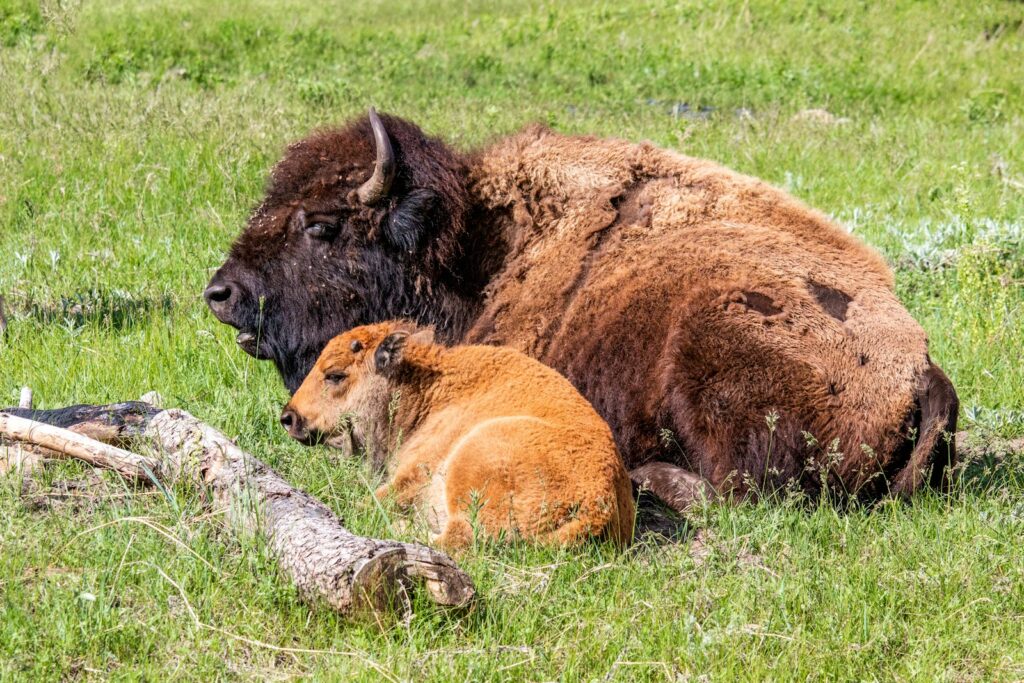
Despite clear ecological benefits, bison reintroduction faces significant obstacles ranging from practical concerns to deeply rooted political resistance. Disease management remains contentious, particularly regarding brucellosis in Yellowstone bison and the perceived threat to nearby cattle operations, though scientific evidence indicates the risk of transmission is extremely low under proper management protocols. Fencing requirements and land use conflicts create logistical challenges, as bison require substantial acreage and can damage conventional fencing designed for cattle. Some ranching communities view bison reintroduction as a threat to their livelihoods and cultural identity, leading to social resistance that can be difficult to overcome even with economic incentives. Genetic considerations add further complexity, as many conservation herds contain some cattle gene introgression from historical crossbreeding attempts, raising questions about genetic purity standards for reintroduction efforts. Addressing these multifaceted challenges requires collaborative approaches that respect diverse stakeholder perspectives while remaining grounded in the best available science regarding ecological restoration and sustainable land management.
Cultural Significance and Indigenous Perspectives
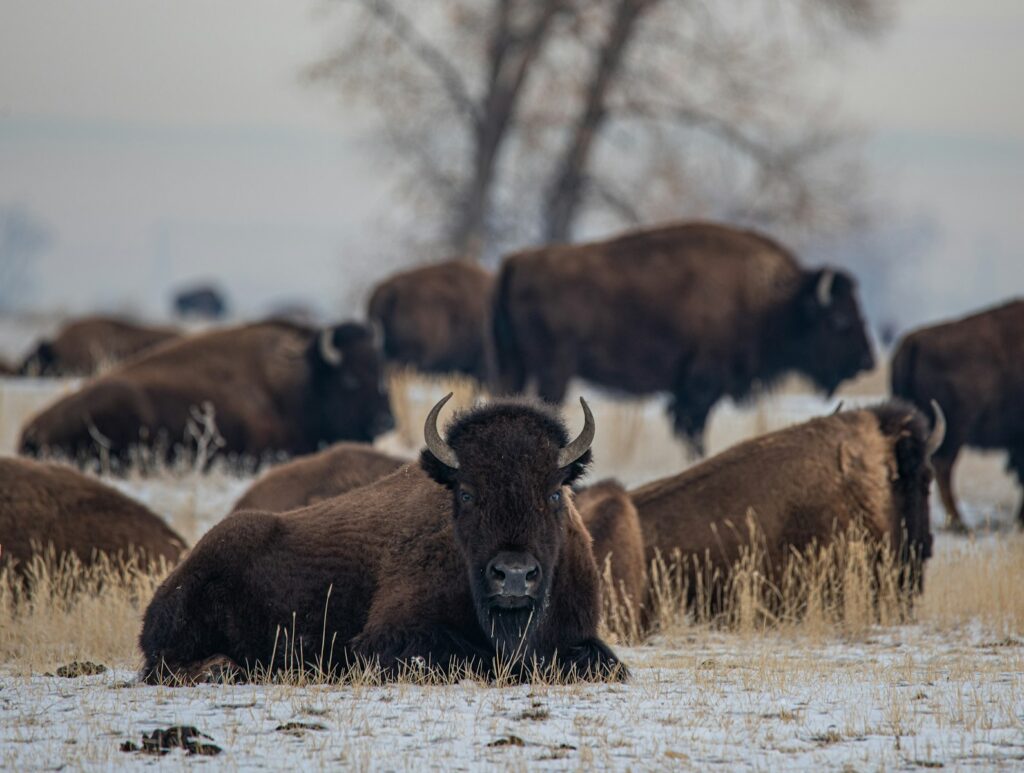
For many Indigenous nations of North America, bison reintroduction represents far more than ecological restoration—it embodies cultural revitalization and healing of historical trauma. Tribes like the Blackfeet, Sioux, and Assiniboine maintained profound spiritual and material relationships with bison for thousands of years, with these animals providing food, clothing, shelter, tools, and featuring prominently in religious ceremonies and creation stories. The deliberate extermination of bison in the 19th century was explicitly connected to policies aimed at destroying tribal sovereignty and cultural identity. Today, Indigenous-led bison restoration initiatives like the InterTribal Buffalo Council, which represents over 60 tribes managing more than 20,000 bison, are reconnecting communities with their heritage while simultaneously restoring ecological processes. These programs often integrate traditional ecological knowledge with Western science, creating holistic management approaches that honor cultural values while achieving conservation outcomes. The Blackfeet Nation’s Iinnii Initiative exemplifies this approach, reintroducing bison to their ancestral homeland while revitalizing language, ceremonies, and educational programs that strengthen cultural continuity for future generations.
Climate Change Resilience Through Bison Restoration
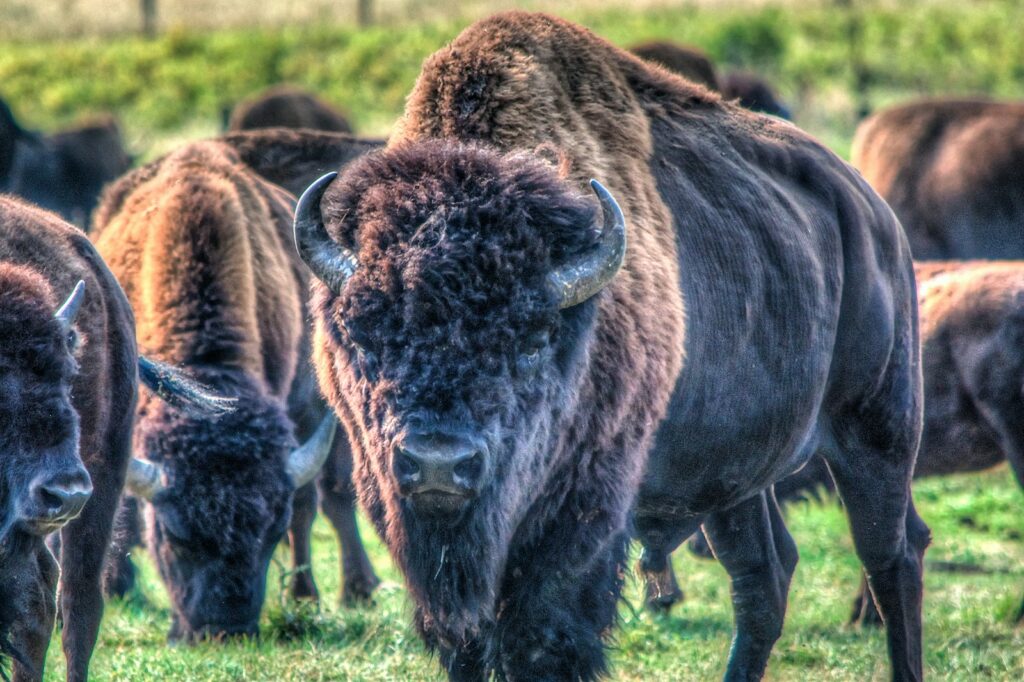
As climate change intensifies, research increasingly points to bison as potential allies in building more resilient prairie ecosystems that can withstand extreme weather events and shifting environmental conditions. Bison-grazed prairies demonstrate greater drought resistance than ungrazed or cattle-grazed systems, largely because their grazing patterns promote plants with deeper, more extensive root systems that access soil moisture during dry periods. The diverse plant communities maintained by bison grazing provide ecological insurance against climate variability, as different species thrive under different weather conditions, ensuring that ecosystem functions continue even when individual species struggle. Carbon sequestration represents another climate benefit, with studies showing that properly managed bison grazing can increase soil carbon storage by promoting greater root biomass and soil microbial activity that incorporates carbon into stable soil aggregates. Additionally, the wallows created by bison capture and retain water during intense rainfall events, reducing erosion and flooding while improving groundwater recharge—an increasingly valuable ecosystem service as precipitation patterns become more erratic under climate change scenarios.
Economic Benefits and Sustainable Land Management

Beyond ecological restoration, bison reintroduction offers compelling economic opportunities that can help sustain rural communities while conserving native grasslands. Ecotourism centered around bison viewing generates significant revenue in regions like Yellowstone, where bison contribute an estimated $43.7 million annually to the local economy according to National Park Service figures. The growing market for sustainable bison meat provides ranchers with premium prices compared to conventional beef, creating economic incentives for grassland conservation while producing a healthier protein source with lower environmental impacts. Conservation organizations have developed innovative models like “wild sky beef,” which pays participating ranchers premium prices for adopting wildlife-friendly practices that accommodate bison and other native species. Indigenous communities have created economic development initiatives around bison restoration, including meat processing facilities, cultural tourism, and educational programs that create jobs while strengthening cultural ties. When managed holistically, bison enterprises can integrate economic viability with ecological restoration, demonstrating that conservation and sustainable livelihoods can be complementary rather than competing goals.
The Future of Bison Conservation and Restoration
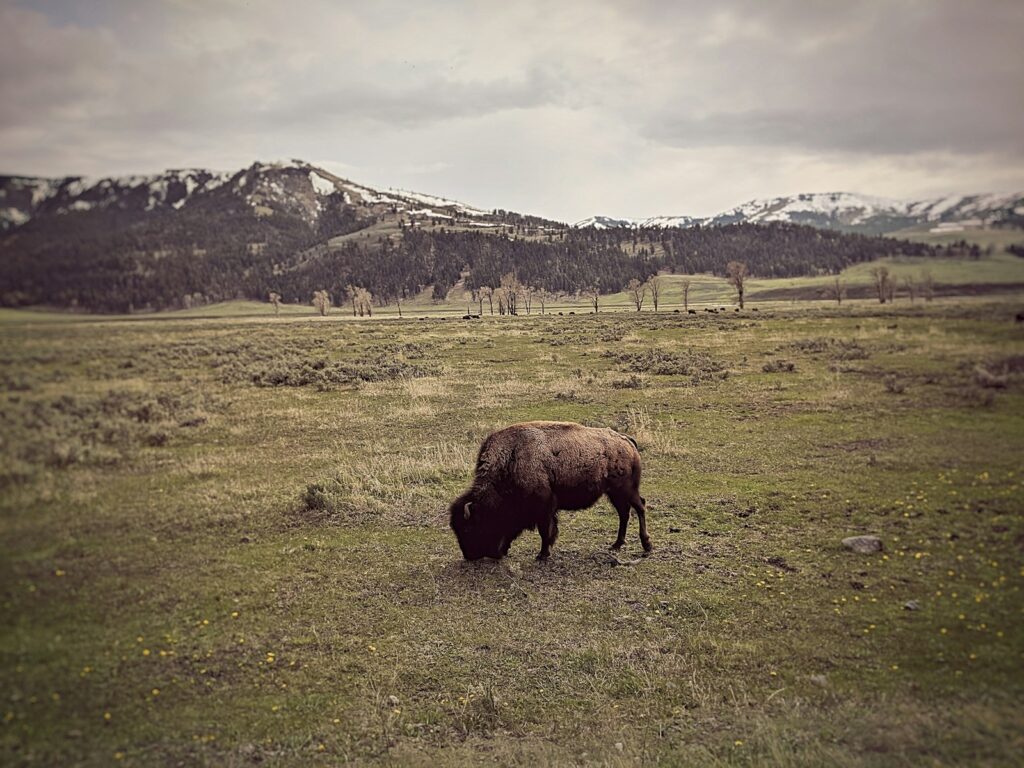
Looking forward, the vision for bison restoration extends beyond isolated conservation herds to encompass landscape-scale recovery that restores ecological processes across significant portions of their historical range. The ambitious goal of establishing multiple herds of at least 1,000 animals—the minimum considered necessary for maintaining genetic diversity and allowing natural selection to operate—will require continued collaboration between public agencies, private landowners, conservation organizations, and tribal nations. Emerging technologies like genetic testing and GPS tracking enable increasingly sophisticated management approaches that can maintain genetic diversity while monitoring ecological impacts. Innovative land ownership models, including conservation easements and grassbanking, are creating novel pathways for assembling the large landscapes needed for functional bison restoration. Climate change funding mechanisms, including carbon markets that compensate landowners for ecosystem services provided by properly managed grasslands, may offer new financial tools to support bison restoration efforts. While full recovery of the ecological role bison once played across North America remains a distant goal, each successful reintroduction project brings us closer to understanding and restoring the complex interactions that sustained prairie ecosystems for millennia.
Conclusion

In conclusion, bison reintroduction represents far more than simply returning a charismatic species to its former range—it’s about restoring fundamental ecological processes that maintain healthy prairie ecosystems. Through their unique grazing patterns, physical impacts on the landscape, and interactions with fire and other species, bison function as ecosystem architects whose presence triggers cascading benefits throughout grassland communities. The scientific evidence from successful reintroduction sites demonstrates measurable improvements in biodiversity, soil health, and ecosystem resilience. While challenges remain, the integration of ecological, cultural, and economic considerations offers promising pathways for expanding bison restoration efforts. As climate change intensifies pressures on grassland ecosystems, the ecological services provided by bison—from carbon sequestration to drought resilience—become increasingly valuable. By reweaving bison into the ecological and cultural fabric of North America, we not only honor our conservation obligations to this iconic species but also restore vital processes that sustain the rich tapestry of life across the continent’s grasslands.