
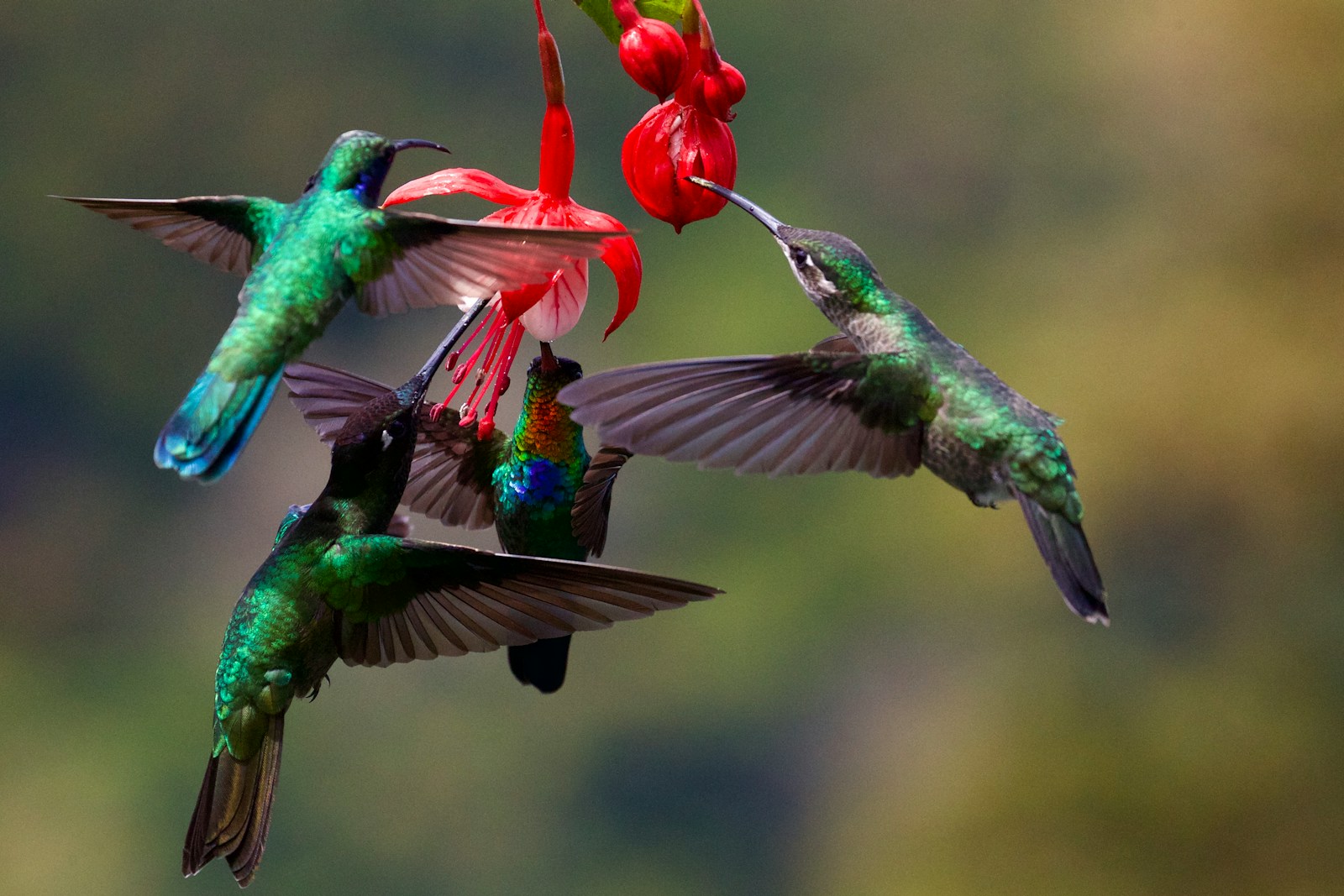
In the intricate tapestry of urban ecosystems, hummingbirds emerge as tiny yet mighty champions of biodiversity. These remarkable creatures, weighing less than a penny, play an outsized role in park pollination systems across the Americas. Their specialized relationship with flowering plants represents one of nature’s most fascinating evolutionary partnerships. As urban green spaces face increasing environmental pressures, understanding and protecting the vital pollination services that hummingbirds provide becomes not just a matter of ecological interest, but of practical necessity for maintaining healthy, vibrant parks that can continue to serve both wildlife and human communities.
The Unique Anatomy of Hummingbird Pollinators
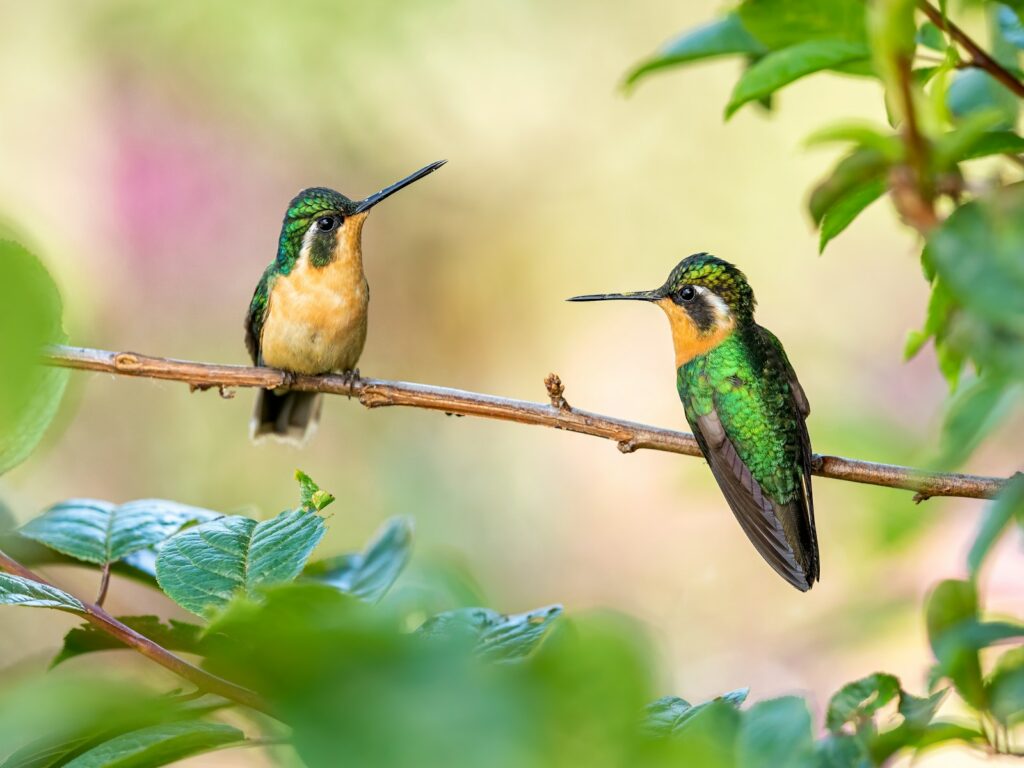
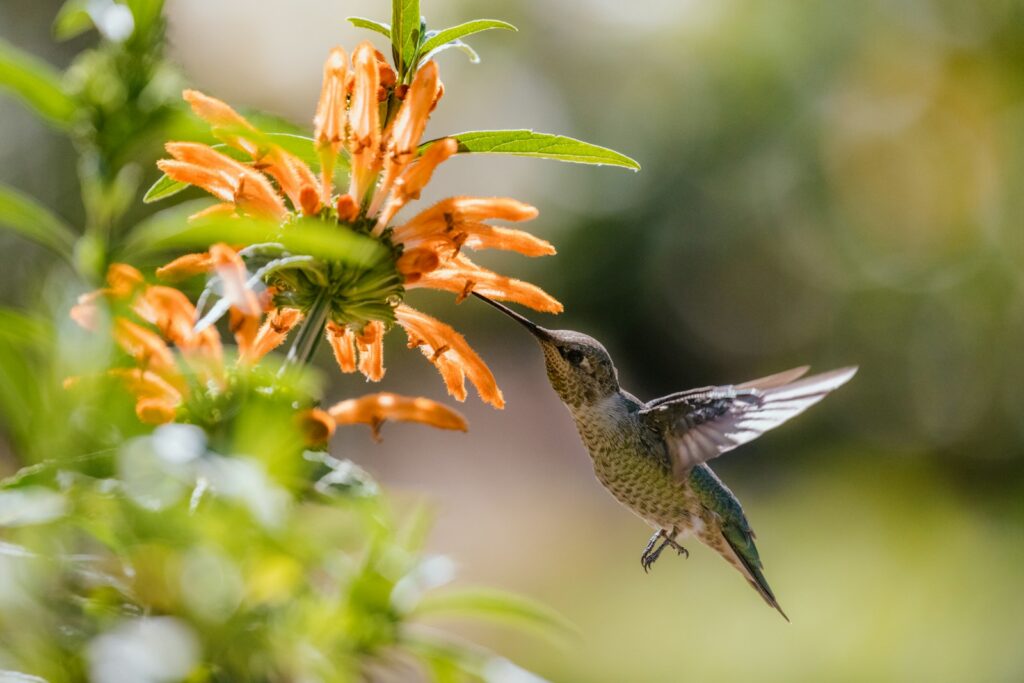
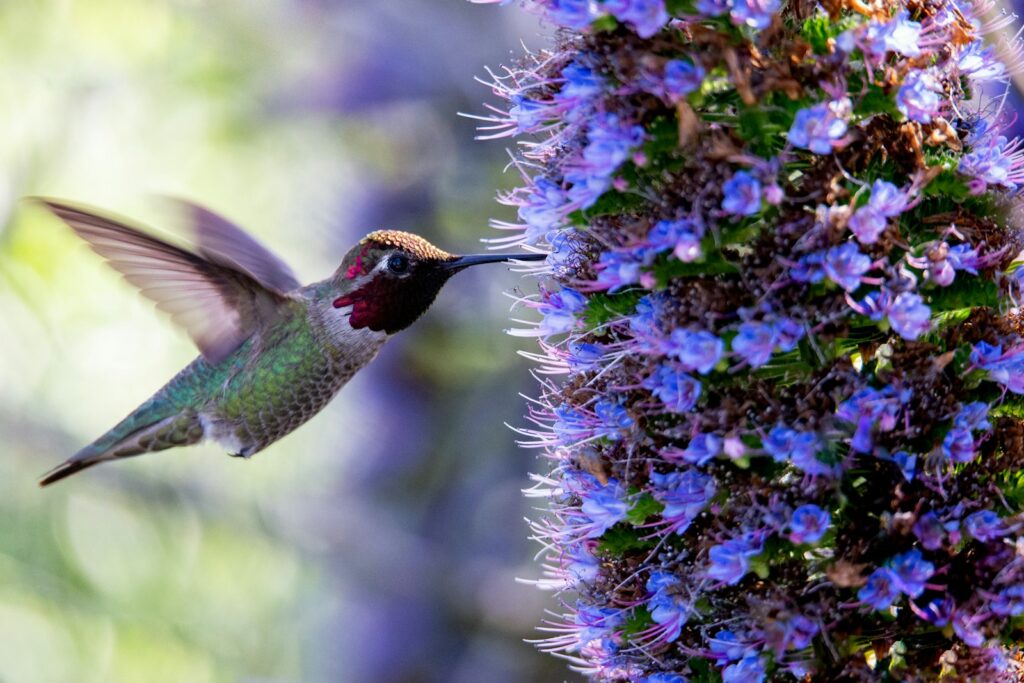
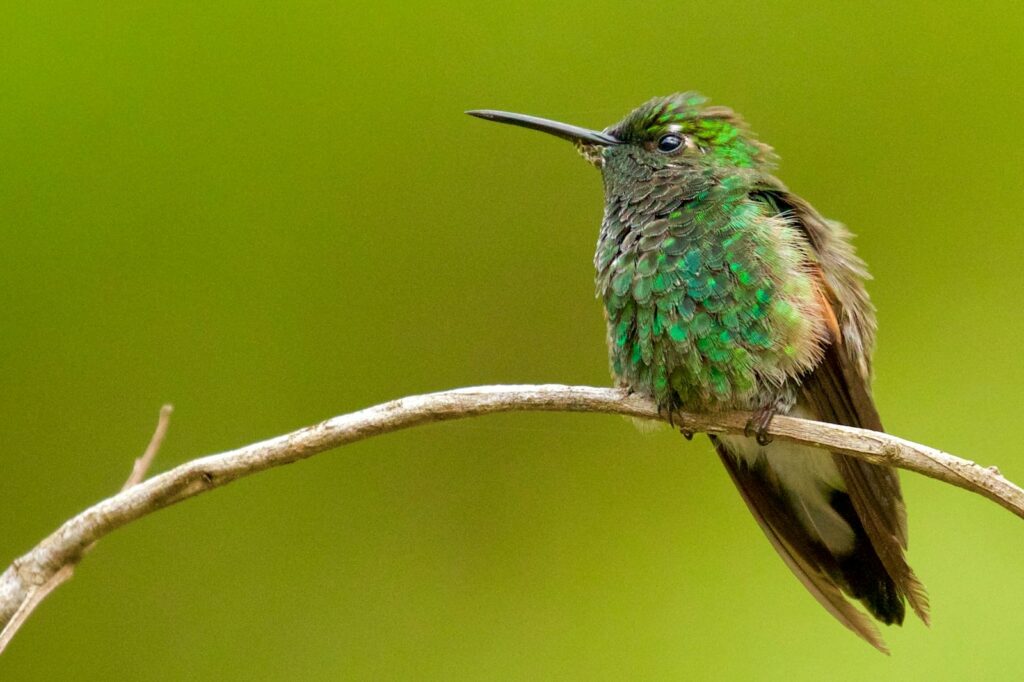
Hummingbirds possess specialized physical adaptations that make them exceptional pollinators in park ecosystems. Their long, slender bills and brush-tipped tongues have evolved specifically to extract nectar from tubular flowers, allowing them to reach deep into blossoms where bees and other insects cannot access. Unlike most birds, hummingbirds can hover in mid-air with extraordinary precision thanks to their ability to beat their wings up to 80 times per second, enabling them to carefully maneuver around delicate blooms without damaging them. Their iridescent feathers, particularly around their throats, actually serve a dual purpose of attracting mates and helping them blend in among certain flowering plants. These remarkable anatomical features allow hummingbirds to service flowers that other pollinators simply cannot reach, creating a specialized ecological niche that many park plant species have come to depend upon.
Hummingbirds vs. Insect Pollinators: Complementary Roles
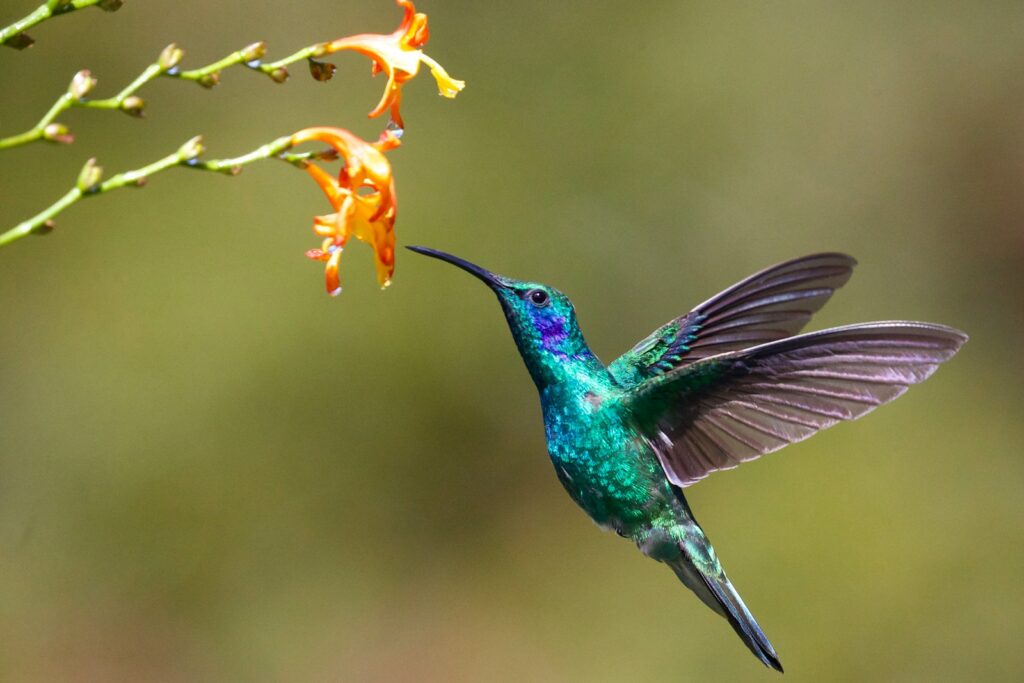
While bees and butterflies receive much deserved attention for their pollination services, hummingbirds fill a complementary ecological role that enhances overall park biodiversity. Unlike most insects, hummingbirds remain active during light rain and cooler temperatures, extending pollination services during weather conditions that ground many flying insects. Their larger bodies and longer flight distances mean they can transfer pollen between plants that are widely separated, promoting genetic diversity in plant populations across different sections of parks. Hummingbirds also target different types of flowers than insects typically visit, preferring bright red, orange, or pink tubular blooms with less fragrance but higher nectar content. This ecological specialization means that certain plant species in parks have evolved to rely almost exclusively on hummingbird pollination, creating an interdependence that cannot be replaced by other pollinator groups.
Ornithophily: Plants Adapted for Hummingbird Pollination
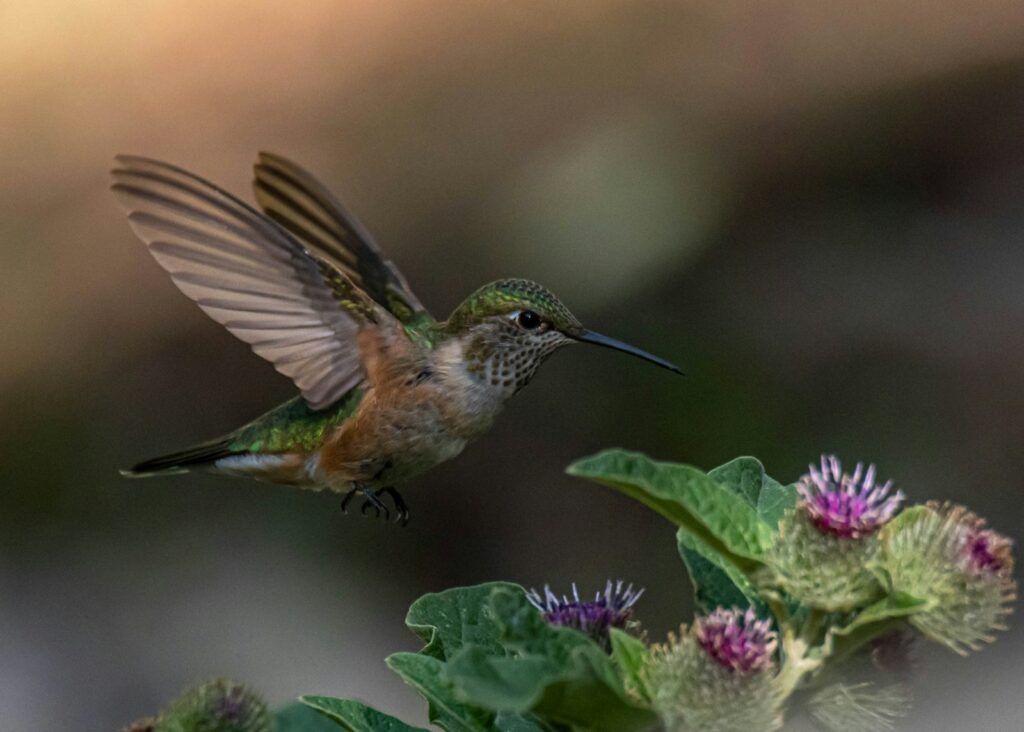
The term “ornithophily” describes the fascinating evolutionary relationship between plants and bird pollinators, with hummingbirds being the primary avian pollinators in the Americas. Ornithophilous plants in parks display specific adaptations that cater to hummingbird preferences and behaviors. These plants typically produce tubular flowers with bright red, orange, or pink coloration—hues that are particularly visible to hummingbirds but less attractive to bees. The flowers often lack landing platforms since hummingbirds hover rather than perch while feeding, and they produce copious amounts of dilute nectar to fuel the birds’ high-energy lifestyles. Many ornithophilous plants have evolved staggered blooming schedules that ensure nectar resources are available throughout the hummingbirds’ active seasons, creating a continuous food corridor. This specialized relationship has led to the development of plant communities in parks that would struggle to reproduce without their hummingbird partners.
Keystone Species: Hummingbirds’ Ecological Impact
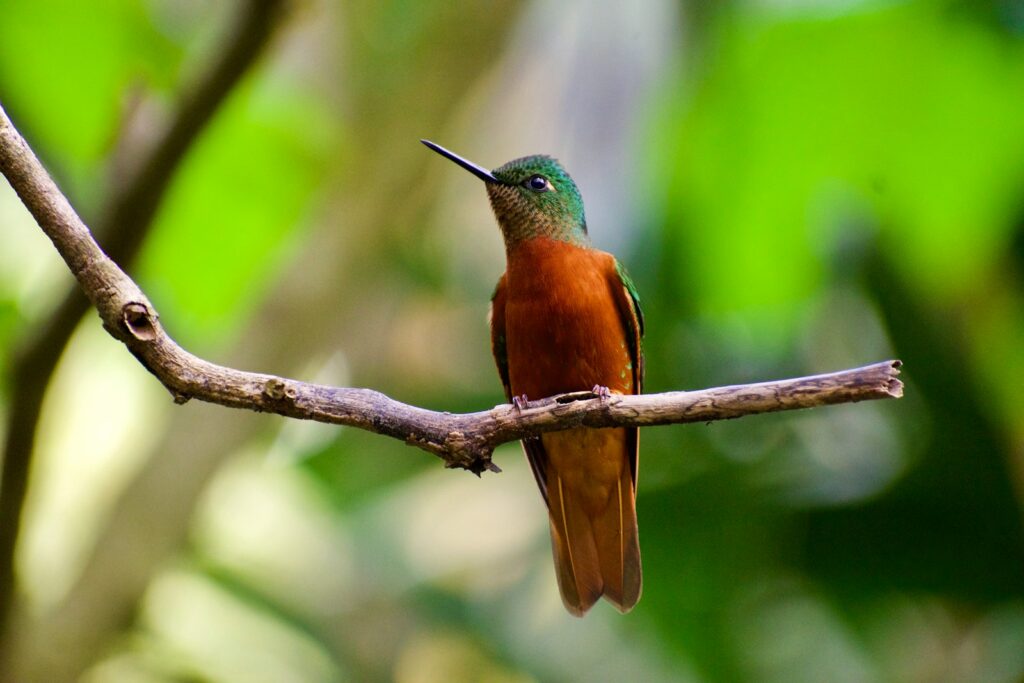
Hummingbirds function as keystone species in many park ecosystems, meaning their presence has disproportionately large effects on the environment relative to their abundance. By facilitating the reproduction of numerous plant species, these tiny birds help maintain plant community diversity, which in turn supports a wide range of wildlife from insects to mammals. Research has shown that parks with healthy hummingbird populations typically display greater flowering plant diversity and more robust ecological resilience against environmental stressors. Their high-energy lifestyle requires constant feeding, with some hummingbird species visiting up to 2,000 flowers daily—making them incredibly efficient pollen transfer agents. The absence of hummingbirds from a park ecosystem can trigger a cascading effect, where certain plant species fail to reproduce adequately, leading to diminished food sources for other wildlife and potential shifts in plant community composition over time.
Urban Park Habitat: Critical Refueling Stations
Urban and suburban parks serve as essential habitat islands for hummingbirds navigating increasingly fragmented landscapes. These green spaces provide crucial nectar resources during both migration and breeding seasons when energy demands are highest. Studies have documented how migratory hummingbird species plot their journeys around reliable flowering sites, with urban parks often serving as critical refueling stations along these routes. Well-designed parks that include a succession of hummingbird-friendly plants blooming throughout the growing season can support more hummingbirds for longer periods, enhancing pollination services. Research has demonstrated that even modest-sized parks can significantly boost local hummingbird populations when they contain a diversity of native nectar plants that provide food resources throughout the growing season. These urban oases become increasingly important as natural habitats continue to decline across many hummingbird species’ ranges.
Climate Change Challenges for Hummingbird Pollination
Climate change poses significant threats to the delicate timing between hummingbird migration and flowering schedules in park ecosystems. As spring temperatures rise earlier in many regions, some plants are blooming before their hummingbird pollinators arrive, creating what ecologists call a “phenological mismatch” that can disrupt these co-evolved relationships. Extended droughts in many regions are reducing nectar production in flowering plants, directly affecting the energy resources available to hummingbirds during critical breeding and migration periods. Temperature extremes are pushing some hummingbird species to higher elevations or latitudes, potentially separating them from plant partners that cannot shift their ranges as quickly. Parks with diverse microclimates and thoughtfully planned plant communities can help buffer these effects by providing more resilient habitat that maintains nectar resources even as climatic conditions fluctuate.
Native Plant Selection for Hummingbird Conservation
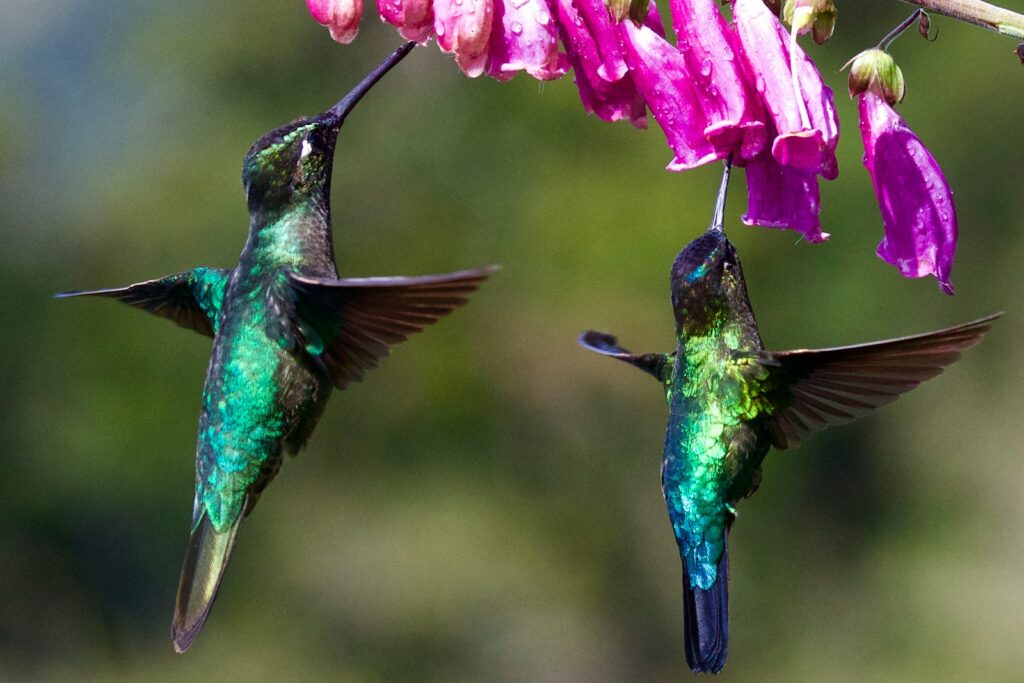
Strategic native plant selection represents one of the most effective strategies for supporting hummingbird pollination services in park environments. Native plants that have co-evolved with local hummingbird species typically provide more nutritious nectar and bloom at times that align with hummingbird needs compared to exotic ornamentals. Park planners should prioritize creating sequential blooming schedules by incorporating early, mid, and late-season flowering plants to provide continuous nectar resources throughout the hummingbirds’ active period. Species with tubular flowers in the red-orange color spectrum like cardinal flower, bee balm, trumpet honeysuckle, and native salvias are particularly effective at attracting and supporting hummingbird pollinators. Thoughtful arrangement of these plants in clusters rather than isolated specimens helps hummingbirds locate resources more efficiently while increasing the likelihood of cross-pollination between plants of the same species.
Park Design Elements That Enhance Hummingbird Activity
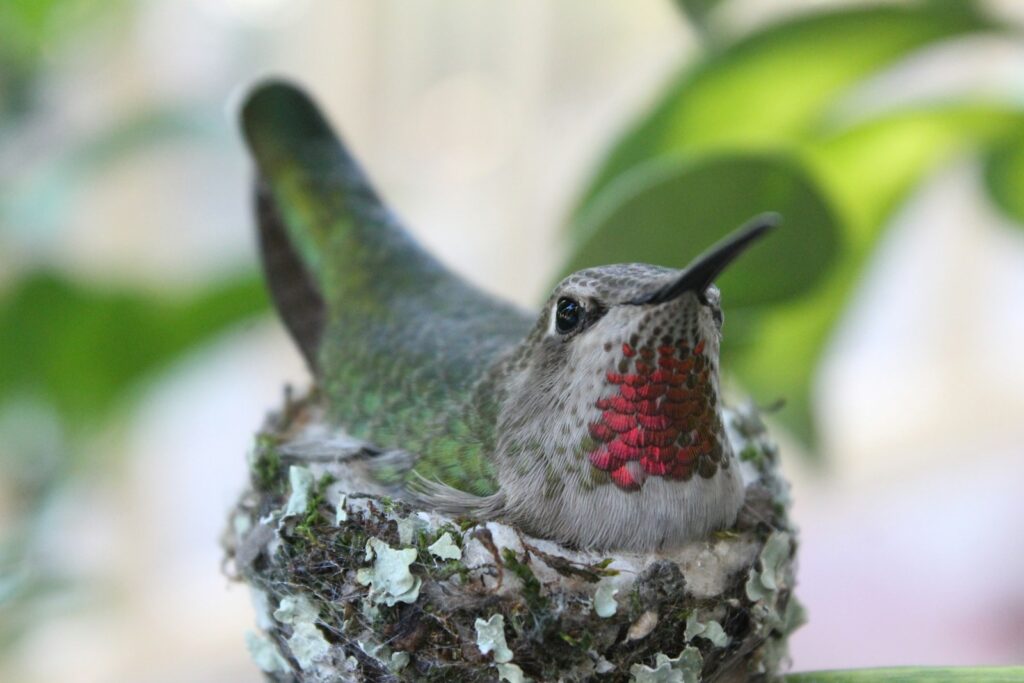
Beyond plant selection, specific design elements within parks can significantly enhance hummingbird pollination services. Multi-layered vegetation structures that include trees, shrubs, and herbaceous plants create the diverse habitat structure that hummingbirds prefer for feeding, nesting, and protection from predators. Water features with misting elements or gentle sprays provide essential bathing opportunities and help hummingbirds manage their body temperature during hot weather. Strategic placement of hummingbird-friendly plantings near sheltering vegetation allows these small birds to quickly retreat to safety when threatened, increasing their comfort and time spent within the park environment. Minimizing pesticide use is crucial, as these chemicals can contaminate nectar sources and reduce the insect populations that provide protein for hummingbirds, particularly during breeding season when they require more than just nectar for nutrition.
Citizen Science: Monitoring Hummingbird Pollination
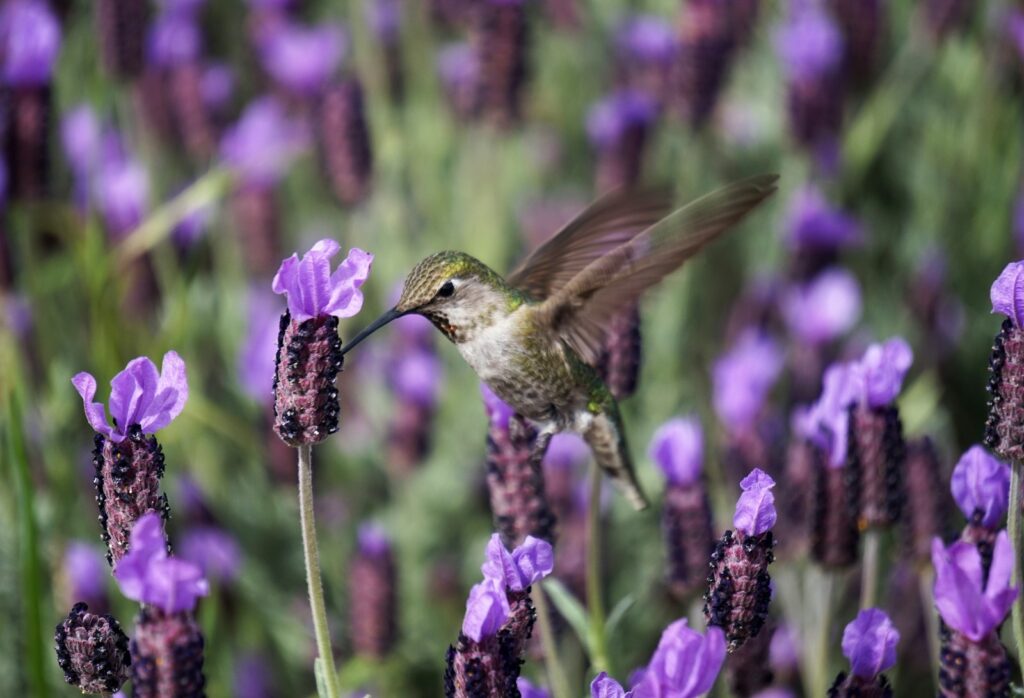
Citizen science initiatives have become invaluable for tracking hummingbird populations and their pollination activities in park settings across different geographic regions. Programs like the Hummingbird Monitoring Network and eBird engage park visitors in systematically recording hummingbird sightings, helping scientists track migration patterns, population trends, and plant-pollinator interactions over time. These collaborative projects often reveal important information about which park plantings are most effective at supporting hummingbirds throughout the season and how climate change is affecting their behavior and range. Many parks now organize regular “hummingbird watches” where visitors learn to identify different species and their feeding preferences while contributing meaningful data to conservation research. This participatory approach not only generates valuable scientific information but also builds public appreciation for these important pollinators and the ecological services they provide.
Educational Opportunities: Hummingbirds as Pollination Ambassadors
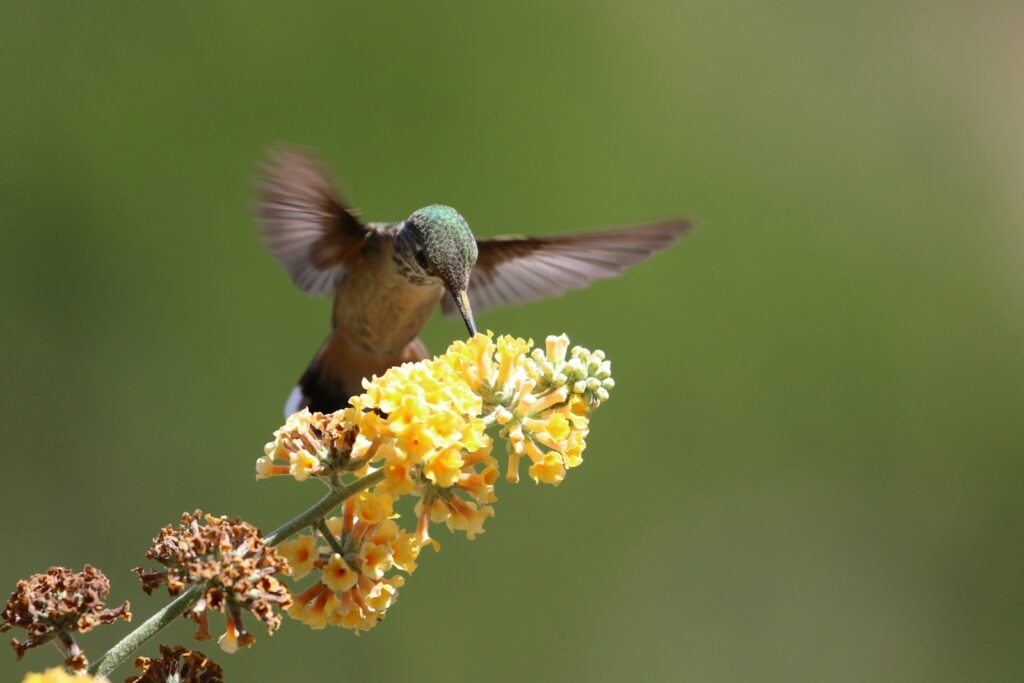
Hummingbirds serve as charismatic ambassadors for broader pollination education in park settings, capturing public attention in ways that insect pollinators often cannot. Their vibrant colors, aerial acrobatics, and approachable nature make them ideal focal points for interpretive programs that introduce visitors to the concept of pollination and its importance to ecosystem health. Many parks have developed specialized hummingbird gardens with interpretive signage explaining the co-evolutionary relationship between the birds and their preferred plants, creating accessible entry points for understanding more complex ecological concepts. School programs centered around hummingbird pollination offer multidisciplinary learning opportunities connecting biology, ecology, climate science, and conservation. The emotional connection people form with these charismatic birds often translates into greater support for broader pollinator conservation efforts and environmentally responsible landscaping practices that benefit all pollinating species.
Economic Benefits of Hummingbird Presence in Parks
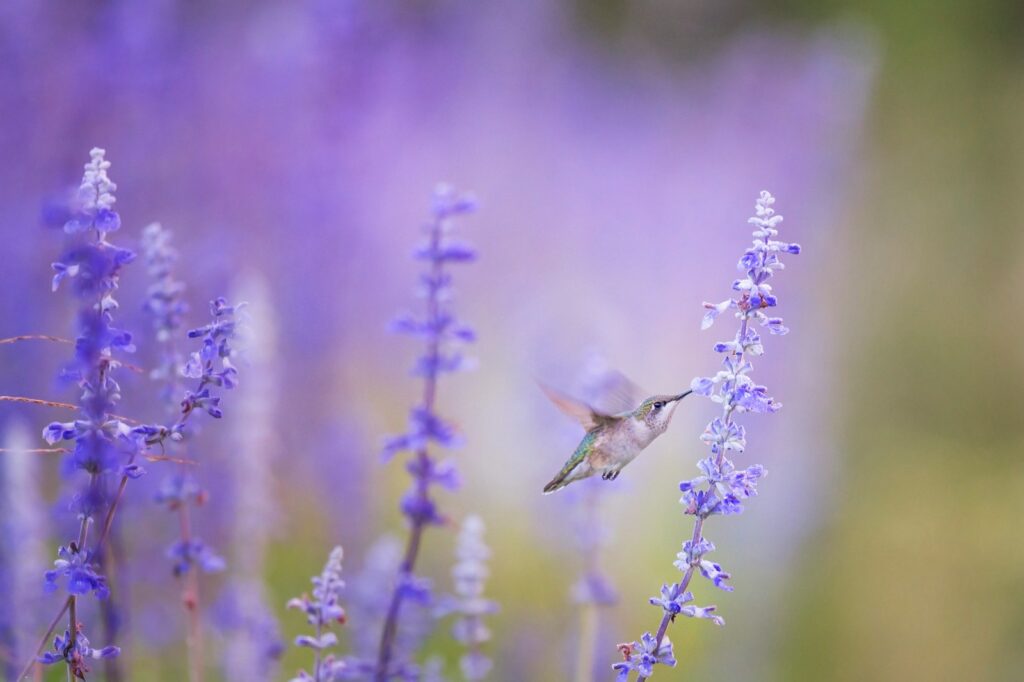
The presence of hummingbirds delivers quantifiable economic benefits to parks and surrounding communities beyond their ecological pollination services. Parks known for reliable hummingbird viewing opportunities frequently report increased visitation rates, with dedicated “hummingbird watchers” traveling significant distances and often staying multiple days in the area to observe these captivating birds. Gift shops in parks with strong hummingbird populations typically see higher sales of field guides, native plant seeds, and hummingbird-themed merchandise, generating revenue that supports park operations and conservation programs. Property values near parks with vibrant wildlife viewing opportunities, including hummingbird habitat, often command premium prices compared to similar properties without these amenities. Additionally, the plants that hummingbirds pollinate contribute to seed production that reduces parks’ landscaping costs through natural regeneration while supporting the native plant nursery industry when parks expand their pollinator-friendly plantings.
Conservation Strategies for Protecting Park Pollinators
Effective conservation of hummingbird pollinators requires integrated strategies that address multiple aspects of their ecological needs within park environments. Habitat protection must extend beyond preserving existing flowering plants to include safeguarding nesting sites, which are often located in trees or shrubs near but not necessarily within flowering areas. Establishing nectar corridors that connect isolated park habitats allows hummingbirds to move safely through urban landscapes while accessing multiple feeding sites. Implementing pesticide-free management zones, particularly around flowering areas, protects both the birds and their insect prey from harmful chemical exposure. Climate change adaptation strategies should include selecting heat and drought-tolerant native plants that can continue providing nectar resources even as conditions become more extreme. Developing partnerships between parks, botanic gardens, and research institutions creates opportunities for studying and implementing innovative conservation approaches that support not just hummingbirds but entire pollination networks within park ecosystems.
Future Research Directions in Hummingbird Ecology
Despite their popularity, significant knowledge gaps remain in our understanding of hummingbird pollination ecology that future research must address. More comprehensive studies are needed on how urbanization affects hummingbird behavior, particularly how artificial light, noise pollution, and habitat fragmentation influence their pollination effectiveness in park settings. Long-term monitoring of plant-hummingbird interactions will be crucial for documenting how climate change is altering these relationships and identifying which plant species may lose their pollinators as environmental conditions shift. Advanced tracking technologies, including miniaturized GPS tags and environmental DNA sampling, promise to reveal previously unknown aspects of hummingbird movement patterns and resource use within and between park habitats. Interdisciplinary research combining ecological studies with landscape design principles could lead to innovative park planning approaches that maximize pollination services while enhancing visitor experiences. These research directions will provide the knowledge foundation necessary for ensuring that hummingbirds can continue their essential pollination role in park ecosystems for generations to come.
As we face growing environmental challenges in the 21st century, the humble hummingbird reminds us of nature’s remarkable adaptability and the intricate connections that sustain healthy ecosystems. These diminutive aerial acrobats, with their iridescent plumage and specialized feeding behaviors, perform ecosystem services far beyond their size would suggest. By protecting and enhancing hummingbird habitat in our parks, we simultaneously preserve botanical diversity, support entire food webs, create meaningful connections between people and nature, and maintain the ecological resilience of these vital green spaces. The flash of a hummingbird’s wings among flowering plants represents not just a moment of beauty, but the continuation of ancient evolutionary partnerships that help keep our parks vibrant, diverse, and ecologically functional for all who depend on them.