

Wildlife conservation efforts have increasingly focused on the impact of human infrastructure on animal habitats and migration patterns. Among these concerns, outdated fencing designs have emerged as a significant yet often overlooked threat to wildlife safety and ecosystem health. Across rural landscapes, conservation areas, and even suburban environments, a growing movement advocates for the removal or modification of old fences that pose dangers to various animal species. This shift represents a deeper understanding of how seemingly innocuous human boundaries can create deadly obstacles for wildlife while disrupting natural behaviors essential for healthy ecosystems.
The Hidden Dangers of Outdated Fencing

Traditional barbed wire fences, woven wire designs, and other aging barrier systems present numerous hazards that many property owners may not recognize. Wildlife can become entangled in loose wires, especially at night or during panicked movements when fleeing predators. Young animals are particularly vulnerable, with fawns and calves frequently becoming caught when attempting to navigate through or under fencing that adult animals might clear. The consequences are often fatal, with animals suffering slow deaths from injury, exposure, or predation while trapped. Even when not immediately deadly, fence injuries can lead to infections, impaired mobility, and reduced fitness that affects animals’ long-term survival prospects.
Disruption of Migration Patterns
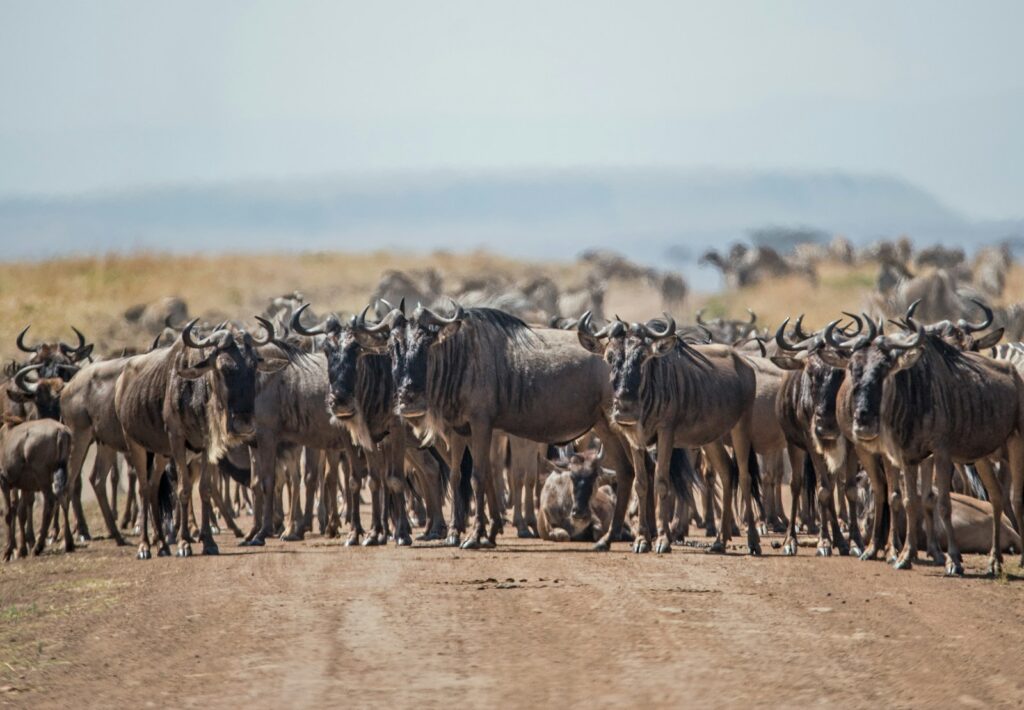
One of the most significant ecological impacts of fencing comes from the disruption of natural migration routes that animals have followed for generations. Species like pronghorn, elk, and deer rely on seasonal movements to access different food sources and breeding grounds throughout the year. Fences that block these pathways force animals to expend precious energy finding alternative routes or attempting dangerous crossings. Research in western North America has documented dramatic changes in migration behaviors where fence networks have fragmented landscapes. These disruptions can lead to population isolation, reduced genetic diversity, and diminished access to critical resources that ultimately threaten species’ resilience to environmental changes.
Wildlife-Friendly Fence Alternatives
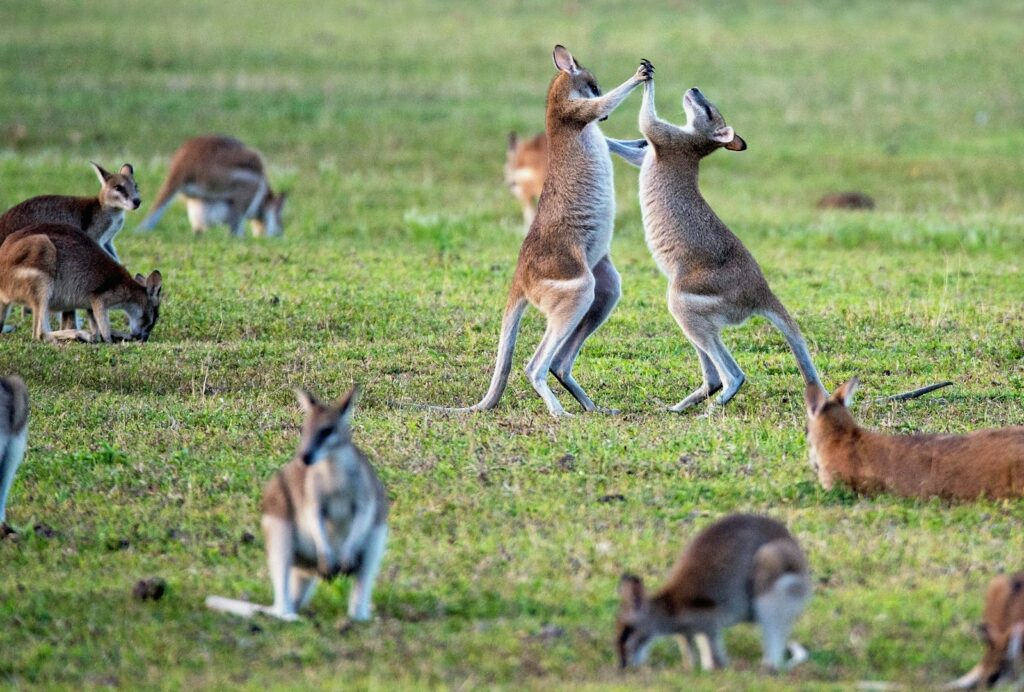
Conservation organizations and wildlife management agencies have developed numerous wildlife-friendly fencing solutions that maintain property boundaries while reducing harm to animals. These designs often feature smooth bottom wires raised high enough for smaller creatures to pass underneath, or incorporate periodic wildlife crossings at known migration corridors. Some newer fence types use high-visibility materials that prevent bird collisions or incorporate wooden top rails that prevent entanglement of larger mammals like deer whose legs might otherwise catch between barbed strands. Electric fencing options can provide effective livestock containment with minimal wildlife impact when properly designed and maintained, as animals quickly learn to avoid the temporary shock without suffering physical injury.
Legal Considerations and Changing Regulations
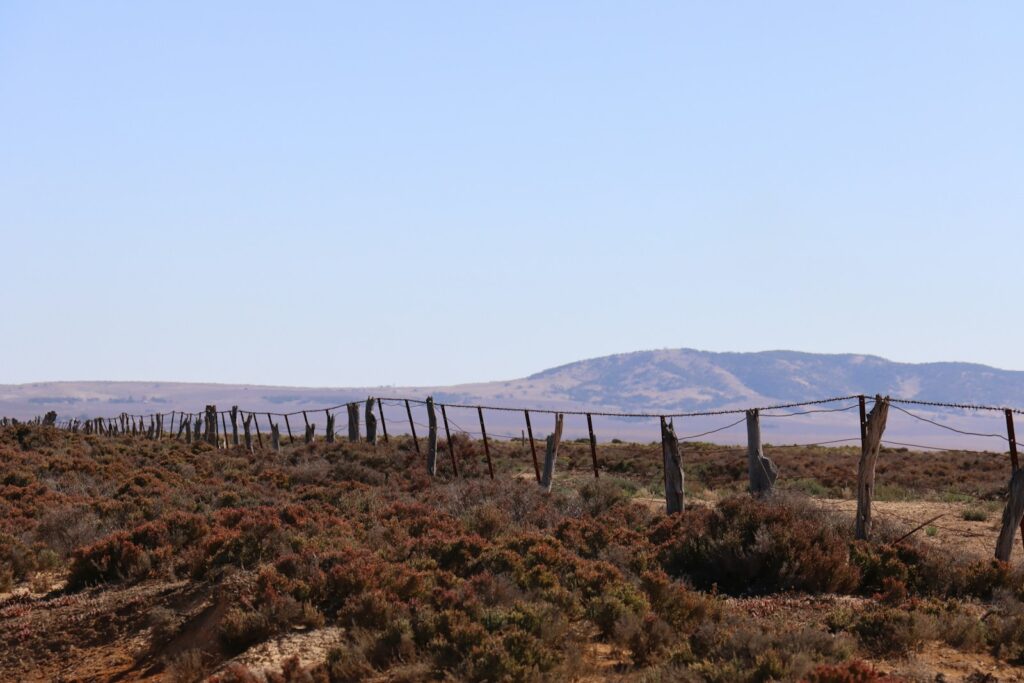
The regulatory landscape around fencing has evolved significantly in many regions to reflect growing awareness of wildlife conservation needs. Some jurisdictions now restrict certain fence types in areas designated as wildlife corridors or critical habitat zones. Conservation easements increasingly include provisions for wildlife-friendly fencing as a condition for tax benefits or participation in land preservation programs. In areas with endangered species, federal wildlife protection laws may actually require fence modification to prevent harm to protected animals. Property owners should consult local wildlife agencies before installing new fencing, as compliance with updated regulations can prevent costly modifications later while contributing to conservation efforts.
Impact on Birds and Flying Wildlife
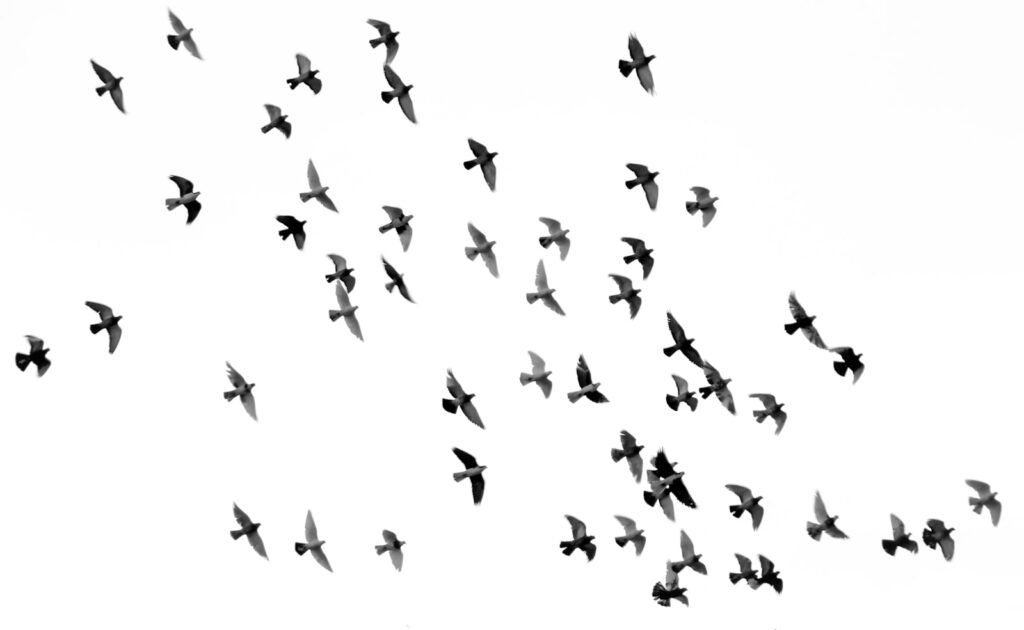
While ground-dwelling animals face entanglement risks, fences also present unique hazards to avian species that are often overlooked in fence safety discussions. Birds like grouse, pheasants, and raptors frequently collide with fence wires during low flights or hunting dives, resulting in broken wings, neck injuries, and deaths. Research in sage grouse habitat found fence collisions to be a leading cause of mortality in some populations, particularly during mating seasons when males are focused on display behaviors rather than navigating obstacles. Wire fences near wetlands pose special dangers to waterfowl making landing approaches, while nocturnal species face heightened collision risks during low-light conditions. Marking fences with visible flagging or replacing upper wires with a wooden rail can dramatically reduce bird casualties.
Economic Benefits of Fence Removal
Though fence removal or replacement requires initial investment, the economic case often favors wildlife-friendly approaches when all factors are considered. Maintaining old fencing systems demands ongoing labor and material costs that often exceed the expense of installing modern alternatives designed for longevity and reduced maintenance. Property owners participating in conservation programs may qualify for cost-sharing assistance that substantially reduces modification expenses. Tourism-dependent communities have discovered economic value in protecting wildlife movement corridors, as healthy animal populations attract wildlife viewers and photographers. Additionally, ranchers report reduced livestock injuries and decreased veterinary costs after transitioning to wildlife-friendly fence designs that eliminate sharp barbs and entanglement hazards.
Historical Context of Rural Fencing
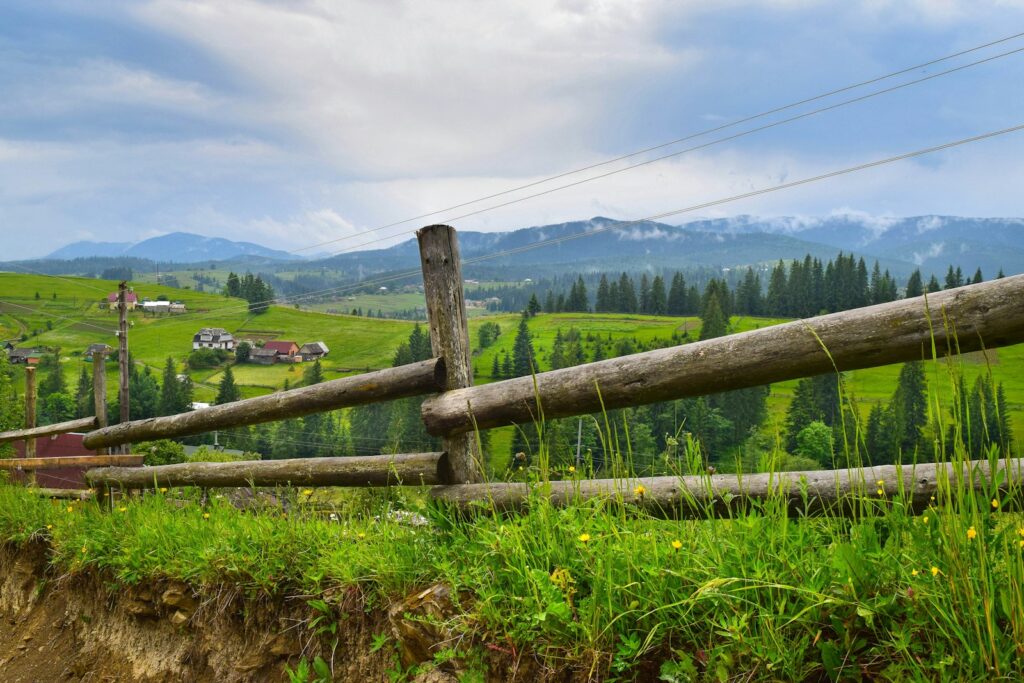
Understanding the historical evolution of fencing practices provides valuable context for current removal efforts. The widespread adoption of barbed wire in the late 19th century transformed the American landscape, enabling agricultural expansion while simultaneously creating the first major barriers to wildlife movement across previously open ranges. This period marked a fundamental shift in how humans and wildlife shared landscapes, as fences divided habitats that had previously functioned as integrated ecosystems. Early fencing typically featured designs optimized solely for livestock containment with little consideration for wildlife impacts, reflecting an era when wild animal populations seemed inexhaustible. The legacy of these historical fencing decisions continues to shape contemporary wildlife management challenges, requiring deliberate intervention to restore connectivity in fragmented habitats.
Collaborative Removal Projects
Some of the most successful fence removal initiatives have emerged from collaborative efforts involving multiple stakeholders with shared conservation interests. Conservation organizations frequently partner with private landowners, government agencies, and volunteer groups to identify and modify problematic fencing across property boundaries. These partnerships can access diverse funding sources, technical expertise, and labor resources that make large-scale projects feasible where individual efforts might falter. In Wyoming’s Red Desert to Hoback migration corridor, for example, a coalition of ranchers, conservation groups, and agencies has modified or removed over 200 miles of fencing to restore pronghorn antelope migration routes. Such collaborations often create lasting relationships that support ongoing landscape stewardship beyond initial fence projects.
Fence Removal in Protected Areas
National parks, wildlife refuges, and other protected areas have become leaders in fence removal initiatives that prioritize ecosystem restoration. These public lands often contain remnant fences from pre-conservation land uses that no longer serve any management purpose while continuing to harm wildlife. Park managers systematically inventory and remove these obsolete barriers as budget and staffing allow, often with assistance from volunteer organizations eager to improve habitat quality. The restoration benefits extend beyond individual animal safety to include enhanced ecosystem processes like natural fire regimes, predator-prey dynamics, and seed dispersal that depend on unimpeded wildlife movement. Removing internal fences in protected areas also improves visitor experiences by restoring natural viewsheds and creating more authentic wildlife viewing opportunities.
Benefits for Agricultural Operations
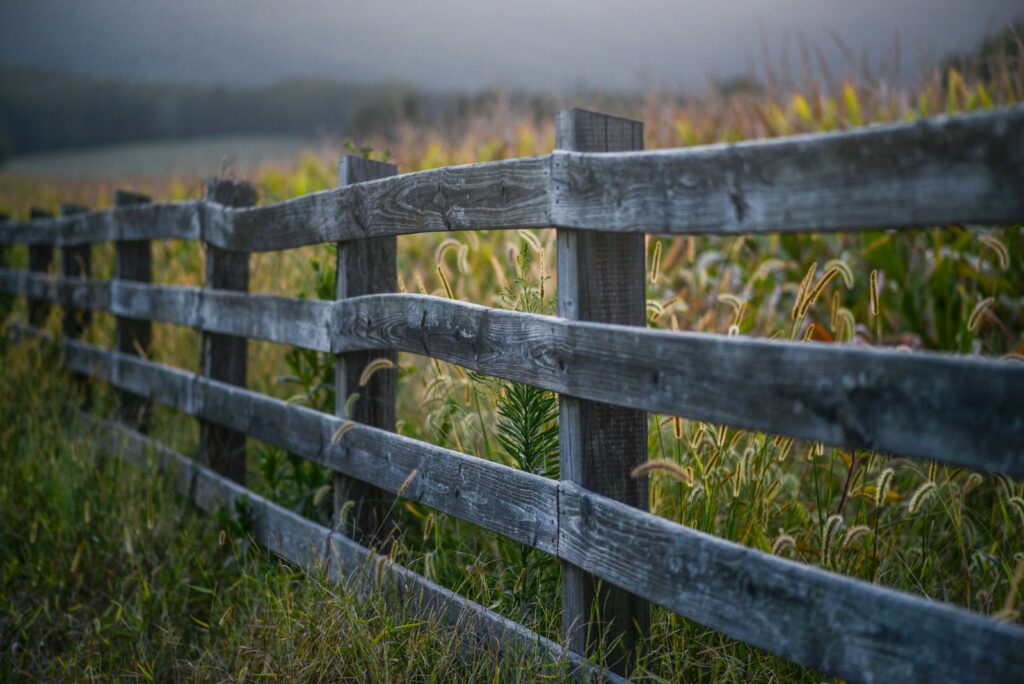
Contrary to initial concerns, many agricultural producers have discovered significant operational advantages after transitioning to wildlife-friendly fencing systems. Modern fence designs can effectively contain livestock while allowing wildlife passage, eliminating the false choice between agricultural needs and conservation goals. Ranchers report fewer fence maintenance requirements after removing outdated barbed wire systems prone to damage from wildlife collisions. Properties with improved wildlife movement may benefit from enhanced natural pest control as predator species move more freely across the landscape. Some livestock producers have even found marketing advantages by promoting their wildlife-friendly practices to consumers increasingly concerned about the ecological impacts of food production, creating premium product opportunities in specialty markets.
Seasonal Considerations and Temporary Solutions
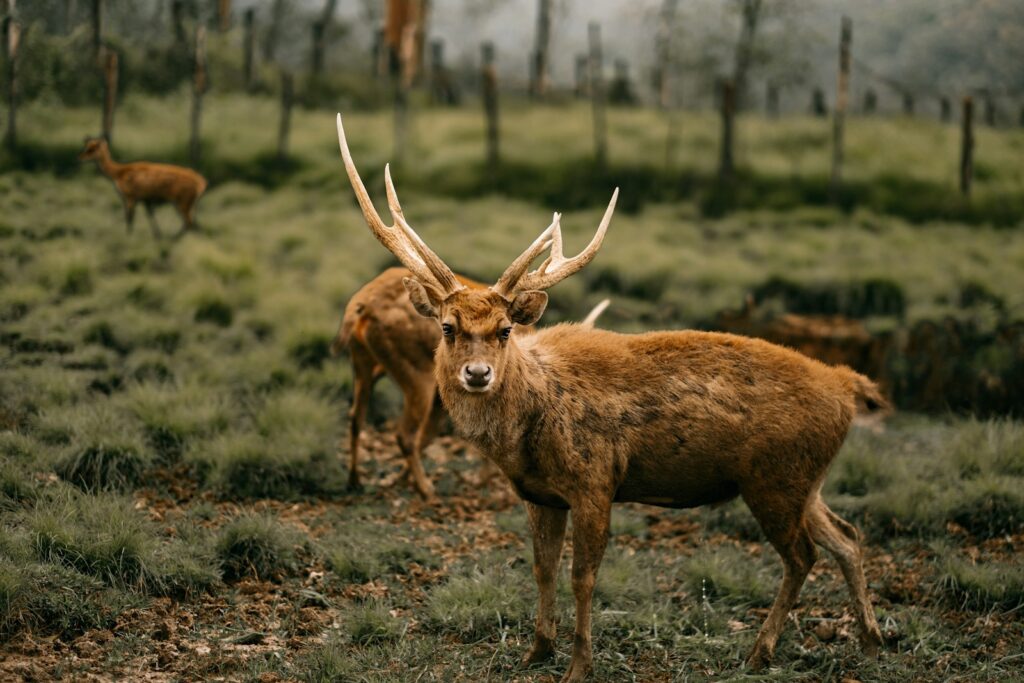
Recognizing that permanent fence removal isn’t always immediately feasible, conservation practitioners have developed interim approaches that address seasonal wildlife needs. In areas with seasonal migrations, landowners may temporarily lower or modify fence sections during peak movement periods, then restore full fencing when wildlife pressure decreases. Removable fence segments allow flexibility for changing management needs while accommodating wildlife passage during critical times. Seasonal lay-down fences, which can be lowered to ground level when livestock aren’t present, provide another adaptive option particularly suitable for winter range areas. These temporary solutions offer practical compromises that significantly reduce wildlife impacts while maintaining necessary infrastructure for agricultural operations throughout the year.
Educational Outreach and Awareness
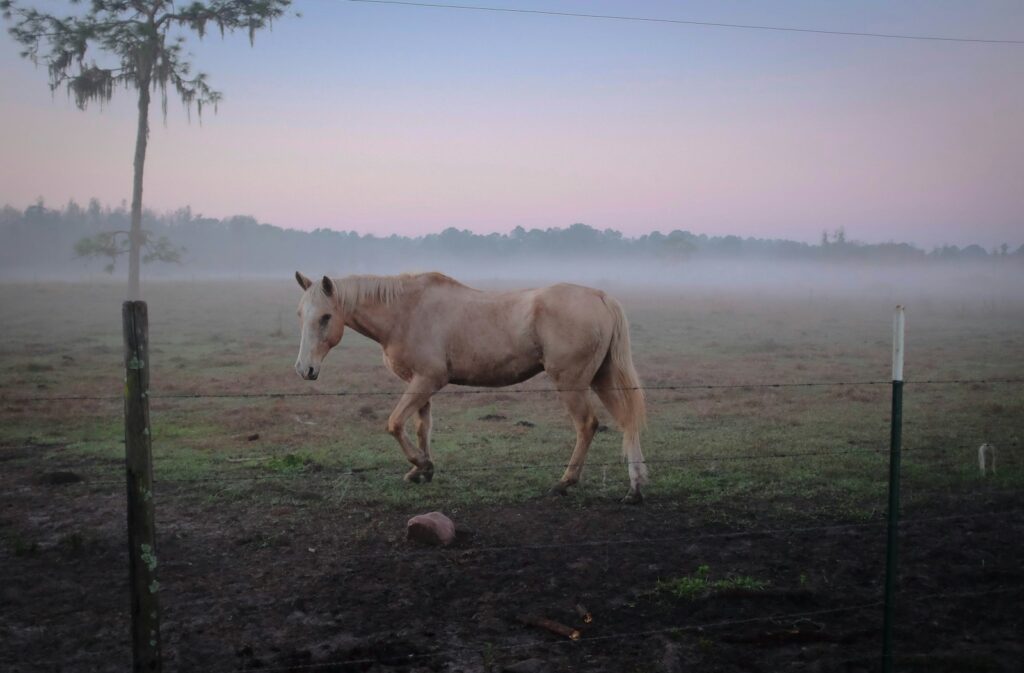
Successful fence removal programs invariably include strong educational components that build public understanding and support for wildlife-friendly practices. Workshops for landowners demonstrate practical fence modifications and often include field demonstrations of wildlife-friendly designs in action. School programs engage young people in understanding fence ecology, sometimes incorporating student participation in community fence removal projects. Conservation organizations produce instructional materials showing simple modifications that dramatically reduce wildlife mortality, making technical information accessible to non-specialists. This educational foundation proves essential for long-term program sustainability, as informed property owners become advocates who influence neighbors and continue wildlife-friendly practices without external prompting.
Monitoring Success and Adaptive Management
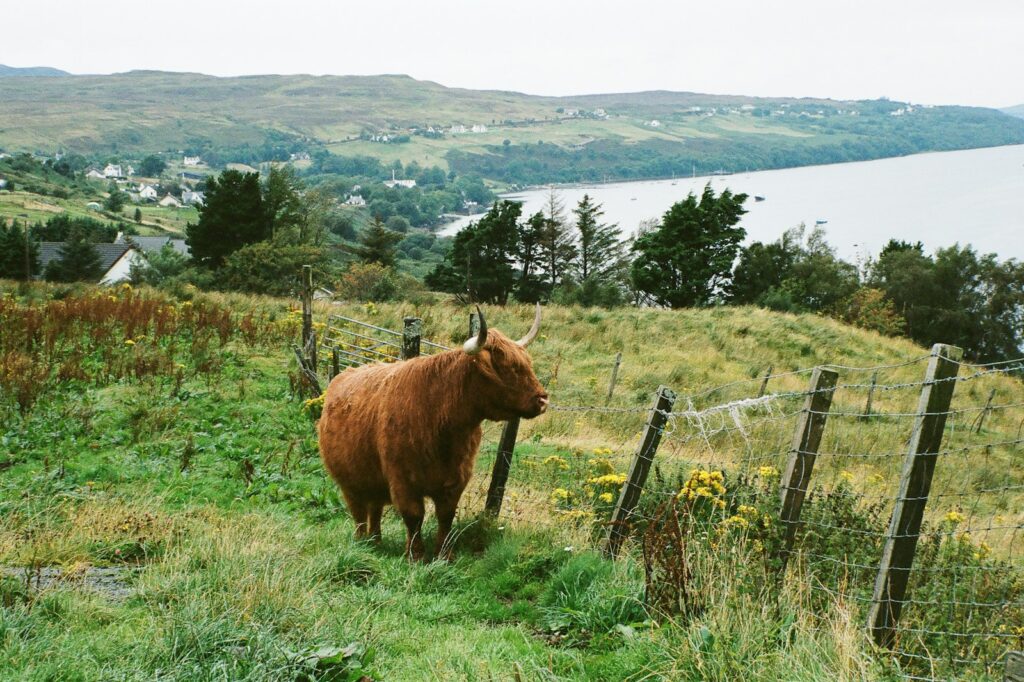
Evaluating the effectiveness of fence removal requires systematic monitoring programs that document wildlife responses to landscape changes. Camera traps positioned at former fence lines reveal how quickly animals discover and utilize new movement pathways after barriers are removed. GPS collar studies track changes in migration patterns and habitat use following fence modifications across larger landscapes. These monitoring efforts not only validate conservation investments but also identify remaining movement bottlenecks requiring additional attention. The most successful programs employ adaptive management approaches, continuously refining fence modification techniques based on monitoring results and emerging research. This scientific foundation ensures resources target the most problematic fence types and locations for maximum conservation benefit.
Future Directions in Wildlife-Friendly Boundaries
The field of wildlife-friendly boundary management continues to evolve with innovations that balance human needs with ecological considerations. Emerging technologies like virtual fencing use GPS-enabled livestock collars that deliver warning signals when animals approach boundary areas, potentially eliminating physical barriers entirely in some contexts. Landscape-scale planning increasingly incorporates wildlife movement data into infrastructure decisions, identifying priority areas for fence removal or modification before problems develop. Conservation biologists now recognize fencing as a critical factor in connectivity conservation, integrating fence management into broader efforts to maintain wildlife corridors between protected areas. As climate change forces wildlife to shift ranges and adapt to new conditions, removing unnecessary movement barriers becomes increasingly important for species resilience and adaptation capacity.
The movement to remove or modify outdated fences represents a significant shift in our understanding of how human infrastructure affects wildlife health and ecosystem function. What began as isolated efforts to address specific wildlife injuries has evolved into comprehensive programs that restore landscape connectivity while respecting legitimate human needs for boundaries. As research continues to document the benefits of wildlife-friendly fencing approaches, the practice has gained mainstream acceptance among diverse stakeholders from conservationists to agricultural producers. This collaborative progress demonstrates how relatively simple modifications to existing infrastructure can yield substantial ecological benefits while often serving human interests more effectively than outdated designs. By removing unnecessary barriers between wildlife and the resources they need, we take an important step toward more harmonious coexistence between human activities and the natural systems upon which all life depends.