
Beneath our feet lies an intricate ecosystem often overlooked in conservation discussions, yet vital to wildlife survival worldwide. Healthy soil—teeming with microorganisms, nutrients, and proper structure—forms the foundation upon which entire ecosystems depend. From the smallest insects to apex predators, wildlife relies on soil health through complex interconnected pathways that sustain biodiversity across landscapes. As conservation efforts increasingly recognize the critical importance of soil as a living system, understanding these connections becomes essential to protecting wildlife in an era of unprecedented environmental challenges.
The Living Foundation: Understanding Soil as an Ecosystem
Soil is far more than inert dirt—it’s a dynamic living system containing billions of microorganisms in every teaspoon. This complex underground ecosystem includes bacteria, fungi, protozoa, nematodes, earthworms, and countless other organisms that create the biological engine of terrestrial habitats. These organisms break down organic matter, cycle nutrients, create soil structure, and form symbiotic relationships with plants that fuel entire food webs. Healthy soils contain balanced communities of these organisms, working in concert to maintain ecosystem functions. When soil biodiversity diminishes through degradation or contamination, these vital ecological processes falter, directly impacting the wildlife that depends on them.
Nutrient Cycling: How Soil Feeds Ecosystems
Healthy soils orchestrate the critical process of nutrient cycling that sustains wildlife populations across trophic levels. Through decomposition, soil organisms convert dead organic matter into available nutrients that plants can absorb, transferring energy from detritus into living systems. This recycling system ensures that essential elements like nitrogen, phosphorus, and carbon continue circulating through ecosystems rather than becoming depleted. When soil health declines, nutrient cycling efficiency decreases, resulting in less productive plant communities with cascading effects up the food chain. Wildlife populations, from herbivores to carnivores, ultimately depend on these soil-mediated nutrient flows for their survival and reproductive success.
Plant Diversity and Wildlife Habitat
The intimate relationship between soil health and plant diversity directly shapes wildlife habitat quality across landscapes. Soils with balanced nutrient profiles, good structure, appropriate moisture retention, and diverse microbial communities support complex plant communities with varied species, heights, and growth patterns. This vegetative complexity creates the three-dimensional habitat structure that wildlife requires for feeding, nesting, hiding, and breeding. In contrast, degraded soils often support only simplified plant communities dominated by a few hardy species, reducing habitat complexity and the wildlife diversity it can support. Conservation research increasingly demonstrates that restoring soil health is a prerequisite for successful habitat restoration projects aimed at supporting diverse wildlife populations.
Soil and Water: The Hydrological Connection to Wildlife
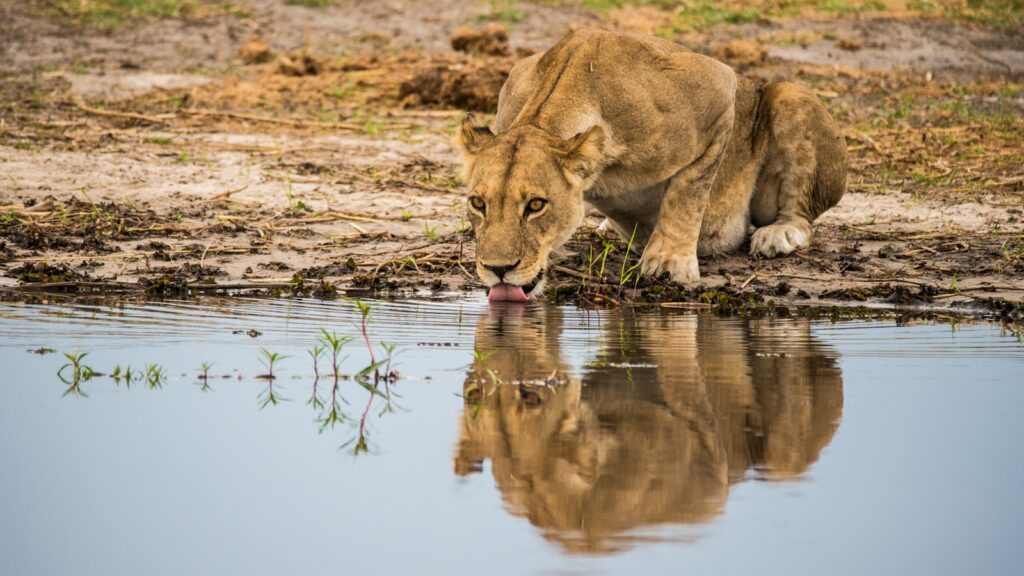
Healthy soils play a crucial role in water management that directly impacts wildlife through multiple pathways. Well-structured soils with abundant organic matter act as sponges, absorbing rainfall, reducing runoff, and slowly releasing water to plants and aquatic systems during dry periods. This moisture regulation creates more stable conditions for terrestrial wildlife while ensuring consistent water flow to streams, ponds, and wetlands that aquatic species depend upon. Additionally, healthy soils filter pollutants from water as it percolates through soil layers, protecting aquatic wildlife from harmful contaminants. When soils become compacted, eroded, or depleted of organic matter, their water management capacity diminishes, leading to more extreme conditions of flooding and drought that stress wildlife populations.
Soil Invertebrates: The Overlooked Wildlife
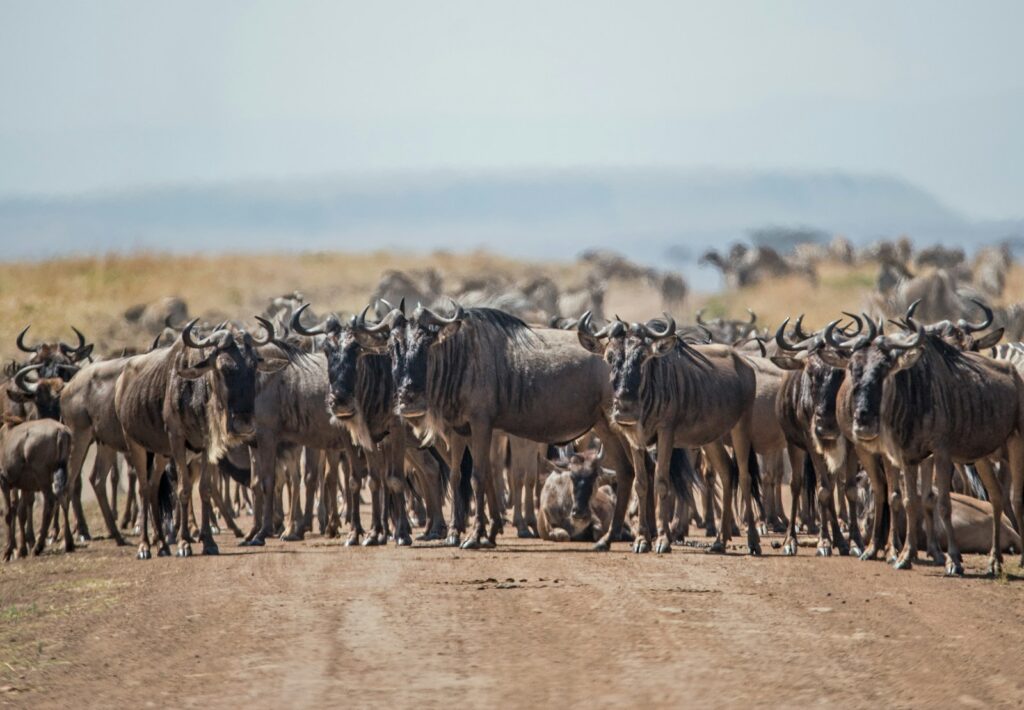
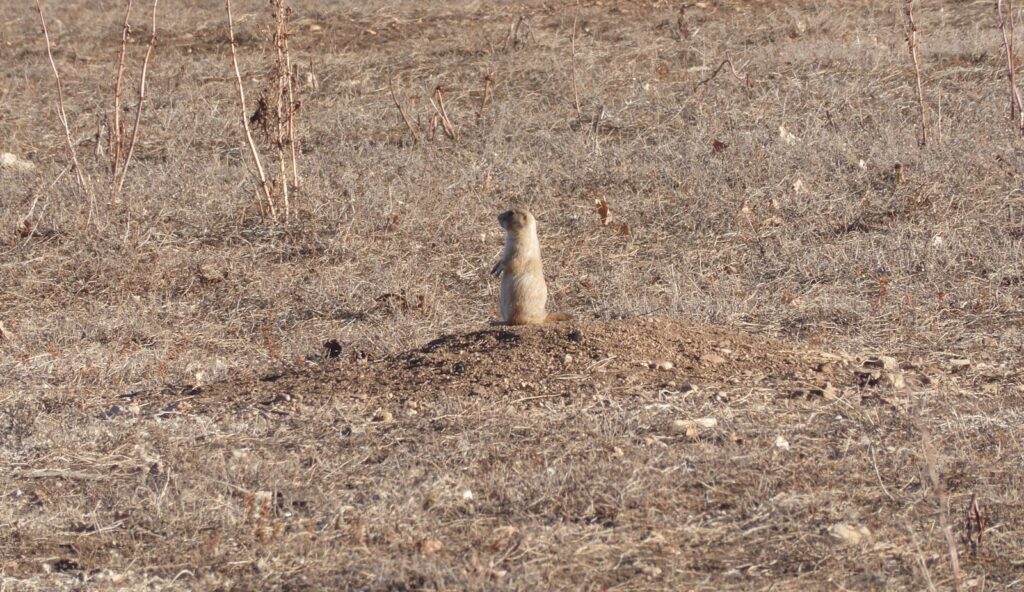
The invertebrate fauna living within healthy soils represents an enormous but often overlooked component of wildlife biodiversity. From microscopic tardigrades to earthworms, beetles, and burrowing creatures, soil invertebrates constitute a significant portion of terrestrial biodiversity, with thousands of species in a single acre of healthy soil. These creatures perform vital ecological functions including organic matter decomposition, soil aeration, and serving as food sources for many vertebrate species. Soil invertebrates also include specialists with fascinating adaptations to underground life, representing unique evolutionary lineages worthy of conservation in their own right. When soil degradation occurs through practices like excessive tillage or chemical applications, these invertebrate communities often suffer dramatic declines, representing a significant but largely unmeasured biodiversity loss.
Carbon Sequestration: Soil’s Role in Climate Protection
Healthy soils serve as one of the planet’s most significant carbon reservoirs, directly contributing to climate stability that wildlife depends upon. Through photosynthesis, plants capture atmospheric carbon and transfer substantial portions to soil through root exudates and plant residues, where soil organisms can stabilize it in forms that remain sequestered for decades or centuries. This natural carbon capture system helps moderate climate change impacts that increasingly threaten wildlife through habitat shifts, extreme weather events, and phenological mismatches. Research indicates that improved soil management could significantly increase carbon sequestration rates while simultaneously enhancing soil fertility and wildlife habitat. Conservation strategies that prioritize soil carbon build-up represent a powerful “win-win” approach that addresses both climate mitigation and wildlife protection goals.
Agricultural Practices and Wildlife Conservation
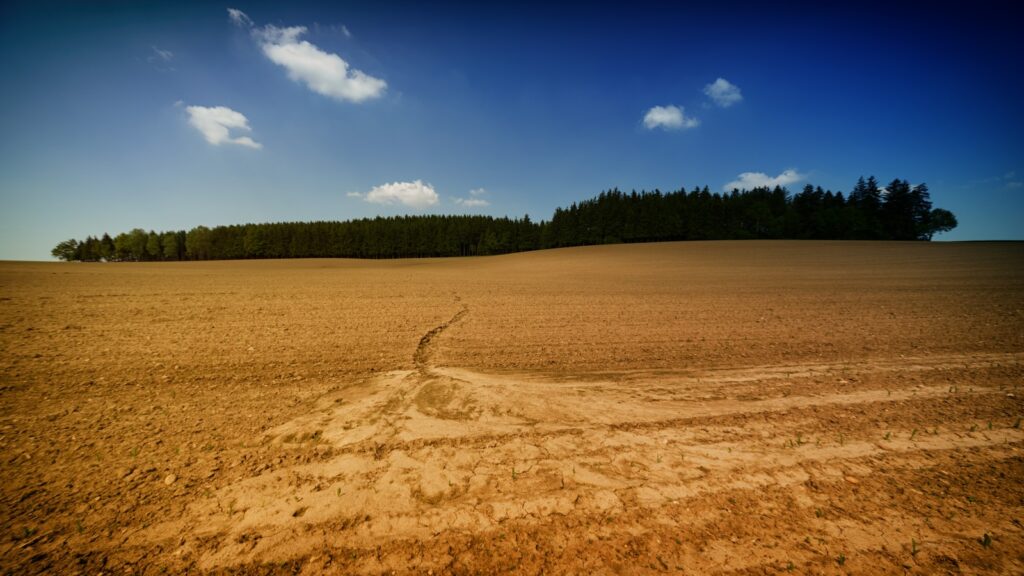
Agricultural systems that prioritize soil health create landscapes where wildlife conservation and food production can coexist more harmoniously. Practices like cover cropping, reduced tillage, diverse crop rotations, and integrated livestock management build soil organic matter, microbial diversity, and structural quality while reducing erosion and chemical dependencies. These regenerative approaches create agricultural landscapes that provide habitat elements absent in conventional systems, supporting pollinators, beneficial insects, birds, and small mammals even within productive farmland. Research consistently demonstrates higher wildlife abundance and diversity on farms using soil health practices compared to conventional operations with similar production levels. As agriculture occupies vast land areas globally, shifting farming methods toward soil health represents one of the most significant opportunities to expand effective wildlife conservation beyond protected areas.
Soil Contamination: Hidden Threats to Wildlife
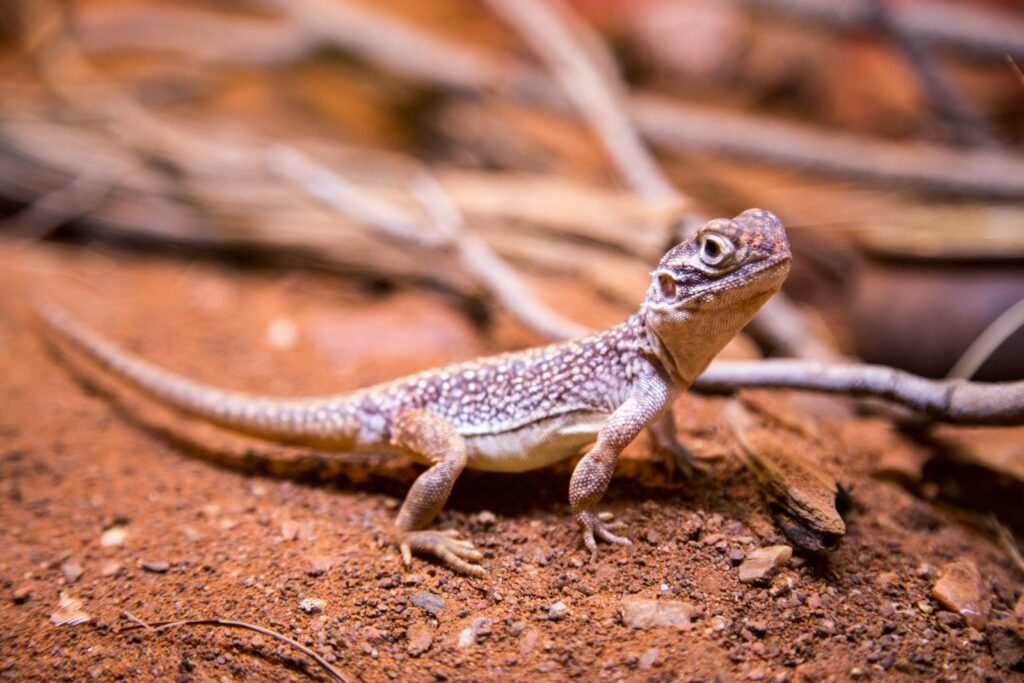
Contaminated soils pose serious but often invisible threats to wildlife through bioaccumulation and food web magnification processes. Pollutants including heavy metals, persistent organic compounds, and newer threats like microplastics can enter soils through industrial activities, improper waste disposal, agricultural chemicals, and atmospheric deposition. Many soil contaminants don’t remain stationary but enter food webs when absorbed by plants or consumed by soil-dwelling organisms, concentrating in tissues and increasing in concentration at higher trophic levels. These toxins can cause reproductive disorders, immune suppression, developmental abnormalities, and mortality in wildlife species far removed from the contamination source. Conservation efforts increasingly include soil testing and remediation components, recognizing that removing soil contaminants is essential for creating truly healthy wildlife habitat.
Urban Soils and Urban Wildlife
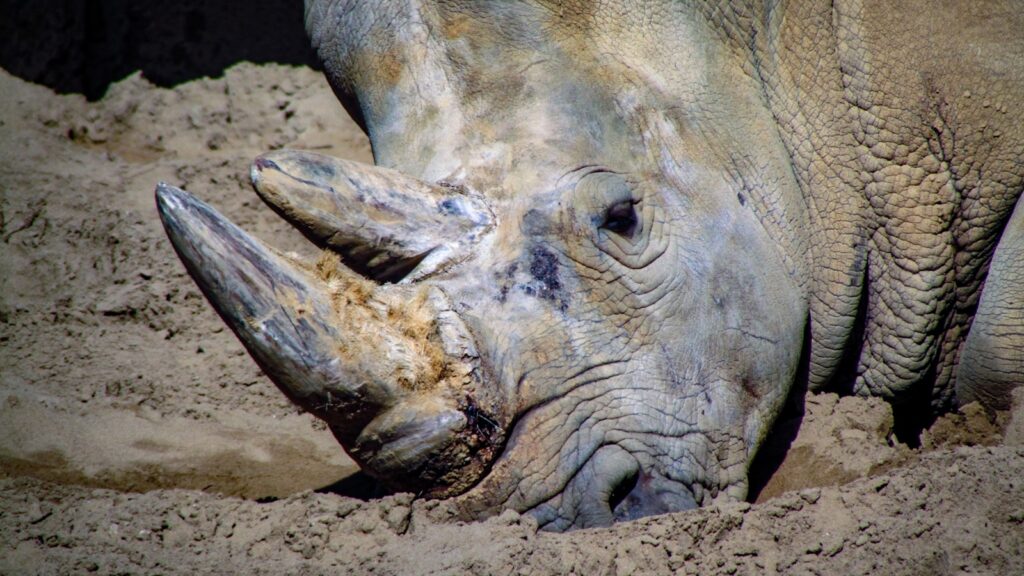
The quality of urban soils plays a surprisingly important role in supporting wildlife within human-dominated landscapes. Urban areas often contain highly disturbed, compacted, and sometimes contaminated soils that limit plant growth and biological activity, yet with proper restoration, these soils can support surprising biodiversity. Soil improvement strategies in urban parks, gardens, and green spaces—including compost addition, mulching, and appropriate plant selection—can create functional urban ecosystems that support native pollinators, birds, and small mammals. These wildlife-friendly urban areas provide crucial habitat connectivity within fragmented landscapes while offering meaningful nature connections for human residents. As urbanization continues worldwide, improving soil health in cities represents an increasingly important component of comprehensive wildlife conservation strategies.
Forest Soils and Wildlife Communities
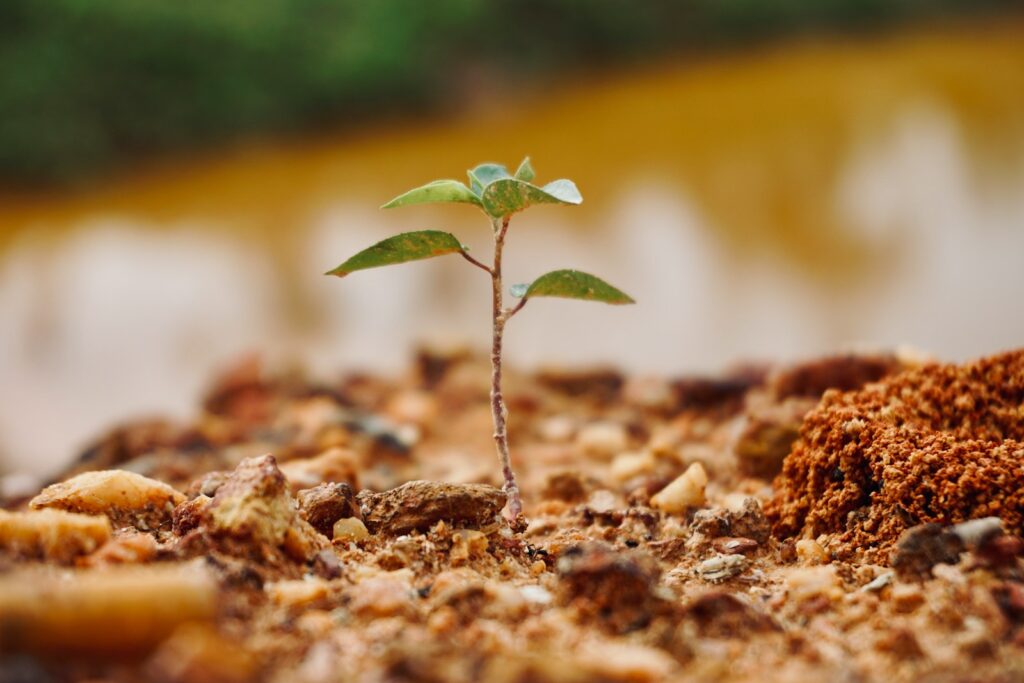
Forest ecosystems depend on complex soil processes that directly influence wildlife abundance and diversity through multiple pathways. The thick organic layers characteristic of healthy forest soils provide habitat for countless organisms while moderating temperature and moisture conditions critical for amphibians, reptiles, and ground-nesting birds. Mycorrhizal fungi networks in forest soils connect trees in resource-sharing relationships that enhance forest productivity and resilience, supporting more diverse wildlife communities. Even large mammals benefit from healthy forest soils through increased vegetation quality and quantity that improves nutrition for herbivores and, by extension, their predators. Conservation strategies for forest wildlife increasingly include protecting soil integrity by minimizing heavy equipment impacts, maintaining organic layers, and allowing adequate recovery periods between timber harvests.
Soil Restoration: Rebuilding Wildlife Habitat
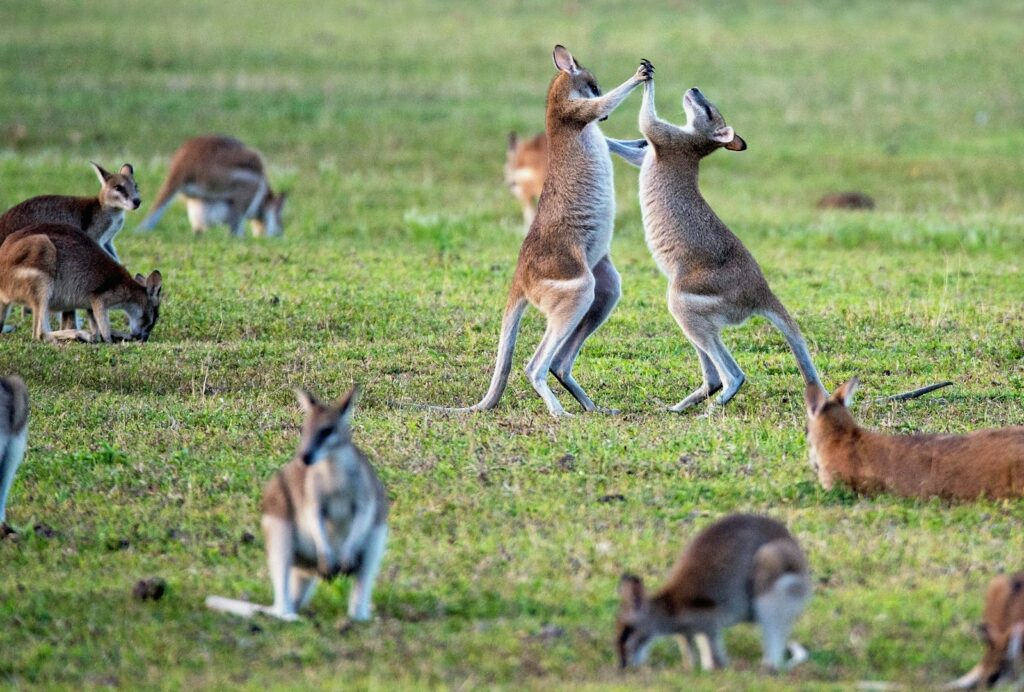
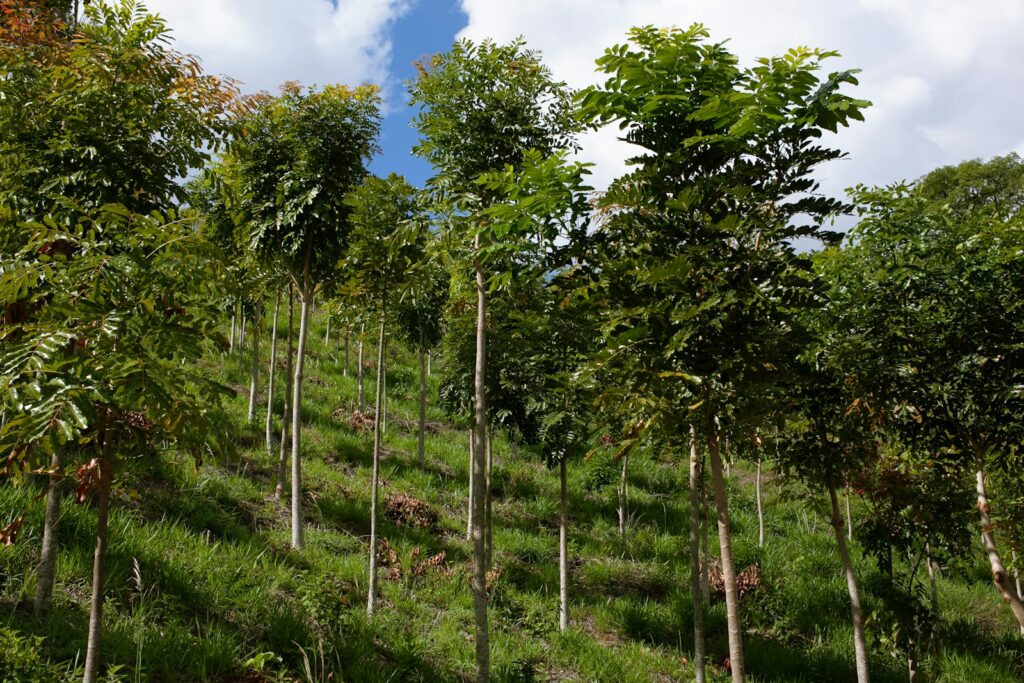
Active soil restoration represents one of conservation’s most powerful tools for recreating functional wildlife habitat in degraded landscapes. Techniques ranging from compost application to biochar addition, cover cropping, and reintroduction of soil organisms can accelerate natural recovery processes that might otherwise take decades or centuries. Successful soil restoration projects demonstrate remarkable wildlife returns, often within just a few years of implementation, as improved soil conditions support more diverse and abundant plant communities. These projects frequently show a progression of wildlife return, beginning with soil invertebrates and pollinating insects, followed by birds and small mammals, and eventually supporting larger wildlife as habitat complexity develops. The most effective habitat restoration programs now begin with soil assessment and remediation before focusing on plant and wildlife reintroduction, recognizing that building from the ground up produces more sustainable results.
Indigenous Knowledge and Soil Stewardship

Indigenous communities worldwide hold sophisticated understanding of soil-wildlife relationships developed through generations of careful observation and stewardship. Many traditional management practices—including controlled burning, rotational cultivation, and selective harvesting—explicitly recognize soil health as fundamental to wildlife abundance and ecological balance. These knowledge systems often emphasize the spiritual and relational aspects of soil, viewing it not as a resource to be exploited but as a living entity deserving respect and reciprocity. Modern conservation increasingly acknowledges the value of these traditional approaches, incorporating indigenous perspectives into soil management plans while recognizing the rights of indigenous communities to lead conservation efforts on their traditional territories. This collaborative approach bridges traditional ecological knowledge with scientific understanding, creating more holistic and effective soil-based wildlife conservation strategies.
The Future: Integrating Soil Health into Wildlife Conservation
Moving forward, effective wildlife conservation will increasingly integrate soil health as a central rather than peripheral concern. This shift requires expanding traditional conservation approaches that focus primarily on protecting individual species or habitat types to include the underground ecosystems that support them. New monitoring technologies—including soil DNA analysis, remote sensing capabilities, and advanced chemical assays—are making soil health assessment more accessible and informative for conservation planners. Policy frameworks are also evolving to recognize soil as a critical natural resource requiring protection through regulatory measures, incentive programs, and educational initiatives. As these approaches mature, conservation outcomes will improve through more holistic understanding of ecosystems from the soil up, creating more resilient landscapes capable of supporting wildlife diversity in the face of ongoing environmental challenges.
As we’ve explored throughout this article, soil health and wildlife conservation are inextricably linked through complex ecological relationships that span from microscopic to landscape scales. Healthy soils create the foundation for diverse plant communities that provide food, shelter, and habitat structure for countless wildlife species. By recognizing soil as a living system worthy of protection and restoration, conservation efforts can address root causes of wildlife decline rather than merely treating symptoms. Whether in wilderness preserves, agricultural landscapes, or urban greenspaces, prioritizing soil health represents one of our most powerful and practical approaches to ensuring that future generations inherit a world rich with wildlife diversity.